
Diving at Site #13_2011_NNW (United States)
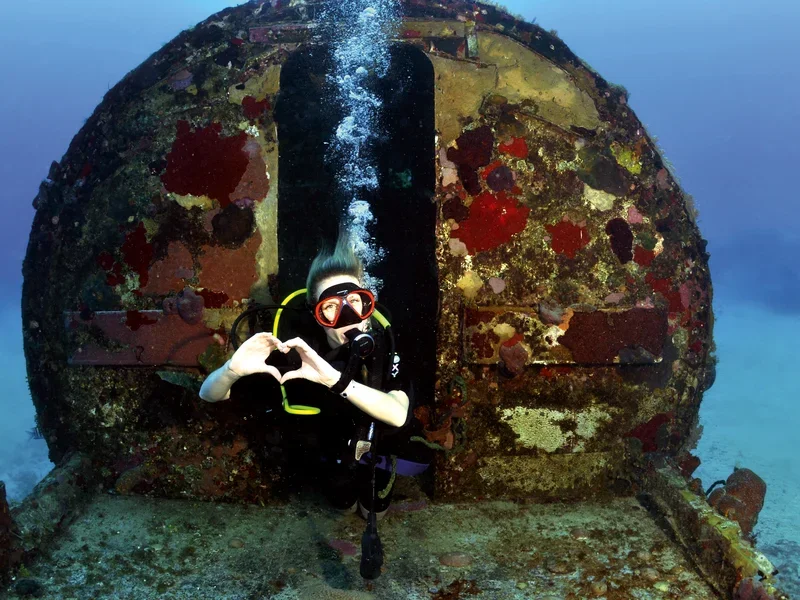
This artificial reef, designated Site #13_2011_NNW, provides a compelling submerged structure off the United States coast. Its deployment establishes a new habitat for marine organisms, inviting divers to explore an intentionally created underwater landscape. The site represents a deliberate effort to enhance local ecosystems and offer unique diving opportunities.
Tonight's objective overview for Site #13_2011_NNW shows an air temperature of 28°C. The measured surface conditions include wave heights around 1.5 m. This environmental data is logged for the close of the day.
Dive Site Location & Key Facts
Dive Site Overview
This artificial reef, designated Site #13_2011_NNW, establishes a deliberate underwater architecture intended to cultivate marine biodiversity. As divers descend, they encounter a structured environment, purpose-built to encourage the colonization and growth of various marine species.
While precise depth specifics for this particular site are not consistently reported, artificial reefs in this region generally reside within recreational diving limits, making them accessible to a broad range of certified divers. These submerged structures are crucial in areas lacking natural reef formations, providing essential habitat for shelter, feeding, and reproduction.
Divers gain a unique perspective on ecological succession firsthand, observing the gradual process from initial invertebrate attachment to the eventual establishment of complex fish communities. Each visit offers insights into how the structure continues to integrate into the surrounding environment, presenting an evolving landscape where different species interact with the developing reef.
It's a dynamic site, providing opportunities to witness marine life adapting to a constructed habitat.
Conditions are Good
Optimal conditions expected
Current conditions near Site #13_2011_NNW show 28° air, 28° sea temperature, 0.9 m waves, and 28 km/h wind. Forecast data is refreshed regularly to ensure accuracy.
Best Time to Dive
Planning a dive at Site #13_2011_NNW rewards visitors with favorable conditions across several months, particularly from May through August. During these peak periods, air temperatures average between 24.5-28°C (76-82°F), enhancing surface comfort. May, July, and August consistently show a 'Good' dive score, with relatively lower average wave heights (0.7-0.9 m or 2.1-3.0 ft) and moderate winds. Rainfall is typically light during these months, ranging from 2.1 to 3.1 mm (0.08 to 0.12 inches), minimizing surface water runoff that can affect visibility. Early fall in November also presents a 'Good' score, with air temperatures around 22°C (72°F), making it a viable option before winter conditions set in.
PEAK SEASON SCORE
Scores combine air & water temps, waves, wind & rainfall for overall conditions.
BEST MONTHS TO DIVE
Monthly records compiled from satellite and marine observation nodes over the last 3 years. Data provided by Open-Meteo and MET Norway.
Dive Experience & Conditions
Descending into the waters surrounding this artificial reef, divers can expect conditions that vary depending on the season and recent weather patterns. Average wave heights tend to be lower from May through August, generally below 1 meter (3.3 feet), which suggests calmer surface conditions for entry and exit. Wind speeds during these months are also on the lighter side, averaging 24.5-28.5 km/h (15.2-17.7 mph), contributing to a more comfortable overall experience. Visibility, while not explicitly detailed, generally reflects coastal conditions and can be influenced by currents and recent rainfall. Divers should be prepared for typical recreational depths found on such structures.
Dive Difficulty & Safety Guidelines
Prioritizing diver safety at this artificial reef involves attention to several key considerations. Given the site's nature as an artificial structure, awareness of potential entanglement hazards is prudent. It's advisable for divers to maintain appropriate buoyancy control to avoid damaging the nascent coral growth and to prevent accidental contact with the structure itself.
Always dive with a buddy and ensure proper equipment function before entering the water. Strong currents can sometimes be present in the area, so assessing local conditions and consulting with dive operators is recommended, especially for less experienced divers.
Recommended Equipment
- Dive Computer
This gear list is based on verified equipment signals for Site #13_2011_NNW, United States. Always confirm final gear choices with your dive operator, guide, or liveaboard.
Recommended Dive Suit
2-3mm shorty or light wetsuit usually provides adequate warmth in water around this temperature. Consider warmer surface protection (like a boat coat) due to brisk winds. Water conditions at Site #13_2011_NNW are currently measured at approximately 28°C (83°F). Surface air temperatures are resting at 28°C (82°F).
Environmental conditions are expected to remain consistent in the short-term outlook.
Conditions can vary slightly across different parts of the same dive site.
Due to technical issues with our weather providers, data hasn't been fetched for over 48 hours. The data above reflects the conditions at the time of the last successful fetch.
Emergency & Medical Support
Essential information to help you plan your dive trip to Site #13_2011_NNW.

Hyperbaric chambers are a critical part of dive safety infrastructure. Availability varies significantly by region, and not all dive areas have immediate access.
Before diving, it's recommended to:
- confirm nearest medical facilities
- check emergency procedures with local dive operators
- ensure dive insurance covers evacuation if required
Divers Alert Network
Diving emergency assistance available through DAN World.
+1-919-684-9111- 24/7 emergency hotline
- Diving medical assistance
- Evacuation coordination
Emergency contacts are provided for reference. Always verify local emergency services before diving.
Marine Life at Site #13_2011_NNW
The underwater landscape of this artificial reef attracts diverse marine inhabitants, creating a dynamic ecosystem to observe. As the structure continues to develop, expect to encounter various fish species utilizing it for shelter and feeding.
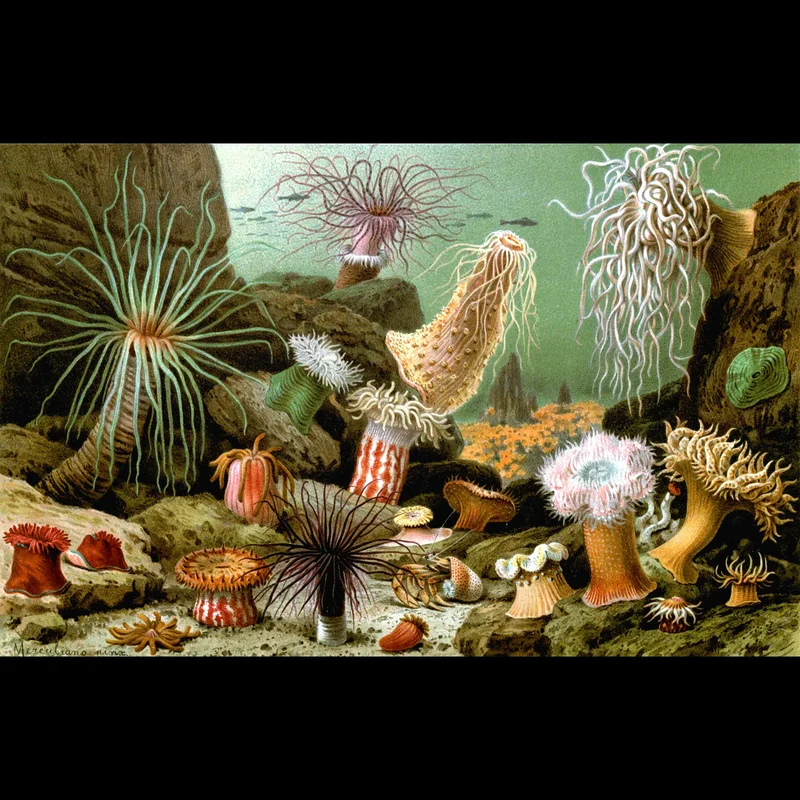
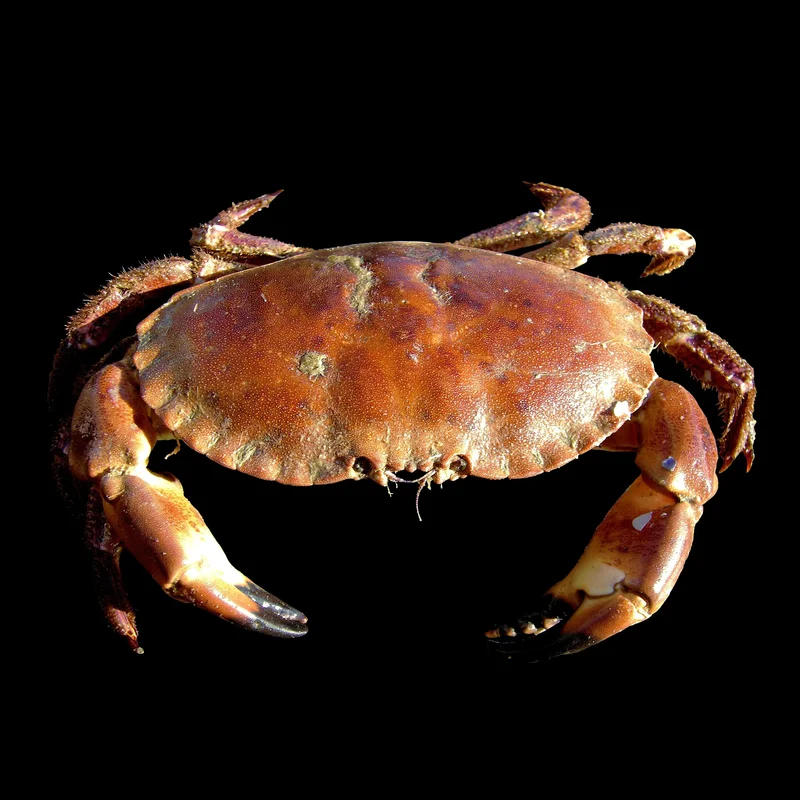
Invertebrates like crabs and anemones often colonize surfaces, while pelagic fish might patrol the perimeter. Presence of larger marine animals will depend on local migratory patterns and the time of year, making each dive a unique experience within this developing habitat.
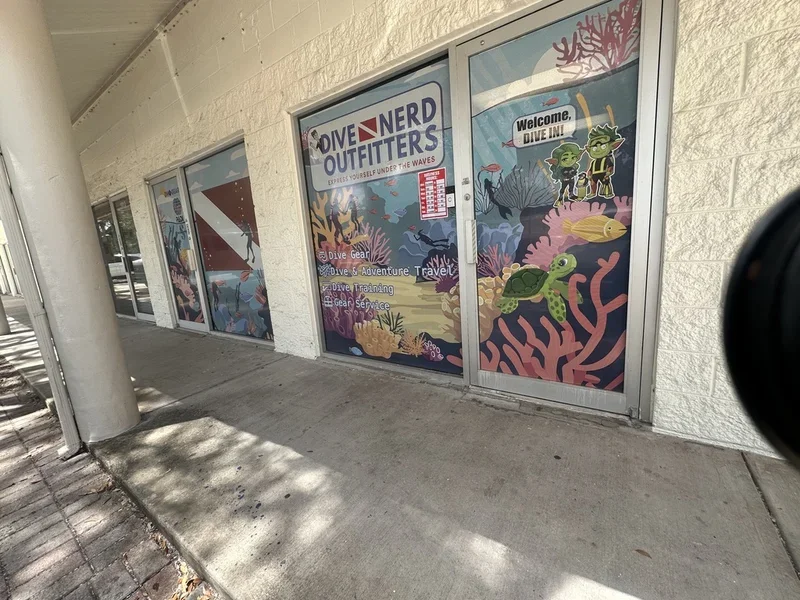
Dive Centers Near Site #13_2011_NNW
Today: 10:00 - 19:00
Nearest Airports
Nearest airports to help plan travel to this dive area.
Search Flights
Check available flights and routes on Expedia, using the nearby airports listed in this section.
Search Flights on ExpediaFrequently Asked Questions
What is the typical depth range for diving at Site #13_2011_NNW?
Specific depths are not consistently reported for this site. However, as an artificial reef, it's generally within recreational diving limits. Divers should consult local dive operators for precise depth information and current conditions.
Are there any specific marine life highlights at this artificial reef?
While detailed marine life data is limited, artificial reefs typically attract various species seeking shelter and food. You might observe a range of smaller reef fish, invertebrates like crabs and anemones, and possibly some larger pelagic species passing by. The diversity tends to increase as the reef matures.
What are the best months for diving at Site #13_2011_NNW?
The best months for diving are generally from May through August, and November. These periods offer 'Good' dive scores due to comfortable air temperatures, lower wave heights, and minimal rainfall, contributing to more enjoyable conditions.
What kind of environmental conditions can I expect?
Expect variable conditions influenced by coastal weather. Peak diving months typically feature lower average wave heights, around 0.7-0.9 meters (2.3-3.0 feet), and moderate winds. Visibility can fluctuate with currents and recent weather events, so local reports are useful.
What safety precautions should I take when diving here?
Divers should maintain excellent buoyancy control to protect the reef and avoid entanglement. Always dive with a buddy, ensure your equipment is well-maintained, and be aware of potential currents. Consulting with dive operators about daily conditions is always a good practice.
Is this site suitable for beginner divers?
While artificial reefs can be accessible, specific suitability for beginners depends on current conditions and individual skill. Factors like visibility and currents should be considered. It's best for newer divers to consult with a local instructor or guide.
Planning to dive Site #13_2011_NNW?
Send one inquiry and receive offers directly from the best verified local dive operators.
Conditions are Good
Optimal conditions expected
Current conditions near Site #13_2011_NNW show 28° air, 28° sea temperature, 0.9 m waves, and 28 km/h wind. Forecast data is refreshed regularly to ensure accuracy.