
Diving at Site #5_2012_E (United States)
This dive site in the United States offers adaptable diving, generally suitable for certified divers comfortable with variable conditions. While precise site-specific details aren't consistently reported, divers should prepare for a recreational depth range and conditions that can shift seasonally. It's an area where foundational dive skills are key for a comfortable experience.
As evening covers Site #5_2012_E, the local air temperature is measured at 27.5°C. The current wave height at the surface is recorded at 1.4 m. These late-day readings characterize the surface conditions for the night.
Dive Site Location & Key Facts
Dive Site Overview
Exploring Site #5_2012_E currently reveals a dive profile that varies significantly based on prevailing conditions, rather than fixed, universally reported characteristics. Unlike locations with prominent wrecks or distinct geological formations, this particular site doesn't have widely documented unique features or a consistently observed underwater topography.
Each visit might present a different encounter, influenced by recent weather and oceanic currents. Divers approaching this area should be prepared for a dive where the novelty comes from the variability itself. Without consistent reports on specific marine ecosystems or structural highlights, the experience is largely shaped by general coastal conditions.
Therefore, a comprehensive pre-dive brief focusing on real-time observations is essential to understand the day's potential attractions and challenges. Divers can fully appreciate the ephemeral nature of the site on any given day, focusing on smaller details or transient marine encounters.
Rather than grand spectacles, the site rewards attentive observation due to its absence of specific, distinguishing features.
Conditions are Good
Optimal conditions expected
Current conditions near Site #5_2012_E show 27° air, 28° sea temperature, 0.7 m waves, and 27 km/h wind. Forecast data is refreshed regularly to ensure accuracy.
Best Time to Dive
For a more comfortable diving experience at Site #5_2012_E, planning your visit between May and August typically aligns with the best overall conditions. During these months, air temperatures are warmest, ranging from approximately 24.5-28°C (76-82°F), making surface intervals and preparation more pleasant. Wave heights generally decrease to 0.6-0.8 meters (2-2.6 ft), and wind speeds are at their lowest, around 24.9-29 km/h (15-18 mph), contributing to calmer seas and better visibility. While specific water temperatures are not consistently reported for this site, these summer months generally correlate with warmer ocean conditions in the region. Rainfall also tends to be higher from June to September, so divers should consider this for surface activities. Conversely, October experiences the highest wave heights and wind speeds, often making for more challenging conditions.
PEAK SEASON SCORE
Scores combine air & water temps, waves, wind & rainfall for overall conditions.
BEST MONTHS TO DIVE
Monthly records compiled from satellite and marine observation nodes over the last 3 years. Data provided by Open-Meteo and MET Norway.
Dive Experience & Conditions
The underwater environment at Site #5_2012_E typically presents a recreational depth profile, though specific maximum depths are not consistently reported. Divers should anticipate conditions characteristic of coastal areas in the United States, which can involve varying currents. Visibility here depends heavily on recent weather patterns and tidal movements; stronger winds and higher waves, particularly prevalent in October through March, can reduce clarity. During calmer periods, especially in the warmer summer months, improved visibility is more likely. Surface conditions during winter see cooler air temperatures, from 16-19.5°C (61-67°F), making warm surface gear advisable. While precise water temperature data isn't available, seasonal air temperature shifts suggest cooler underwater conditions during these months, warranting appropriate thermal protection.
Dive Difficulty & Safety Guidelines
Approaching Site #5_2012_E requires adherence to standard safe diving practices, particularly given the variable nature of conditions. Divers should maintain strong buoyancy control, especially when navigating areas where visibility might fluctuate. Always dive within your certification limits.
It's prudent to carry a surface marker buoy (SMB) and a whistle for all dives, ensuring you can signal for assistance if currents become a factor. Regularly checking local weather forecasts and tidal charts prior to diving is essential, as these directly impact surface and underwater conditions.
Additionally, diving with a buddy is paramount, and ensuring both divers are equipped and prepared for potential shifts in the environment contributes significantly to a safe and enjoyable experience.
Recommended Equipment
- Dive Computer
This gear list is based on verified equipment signals for Site #5_2012_E, United States. Always confirm final gear choices with your dive operator, guide, or liveaboard.
Recommended Dive Suit
For relaxed exploration dives, 2-3mm shorty or light wetsuit generally provides adequate warmth. Consider warmer surface protection (like a boat coat) due to brisk winds. Those diving at Site #5_2012_E today will likely encounter water temperatures in the region of 28°C (83°F). Surface air temperatures are resting at 27°C (81°F).
Conditions in the coming days are expected to stay within a similar temperature range.
A diver's personal tolerance to cold water can play a large role in suit selection.
Due to technical issues with our weather providers, live updates are temporarily delayed. The data above reflects the conditions at the time of the last successful fetch.
Emergency & Medical Support
Essential information to help you plan your dive trip to Site #5_2012_E.

Hyperbaric chambers are a critical part of dive safety infrastructure. Availability varies significantly by region, and not all dive areas have immediate access.
Before diving, it's recommended to:
- confirm nearest medical facilities
- check emergency procedures with local dive operators
- ensure dive insurance covers evacuation if required
Divers Alert Network
Diving emergency assistance available through DAN World.
+1-919-684-9111- 24/7 emergency hotline
- Diving medical assistance
- Evacuation coordination
Emergency contacts are provided for reference. Always verify local emergency services before diving.
Marine Life at Site #5_2012_E
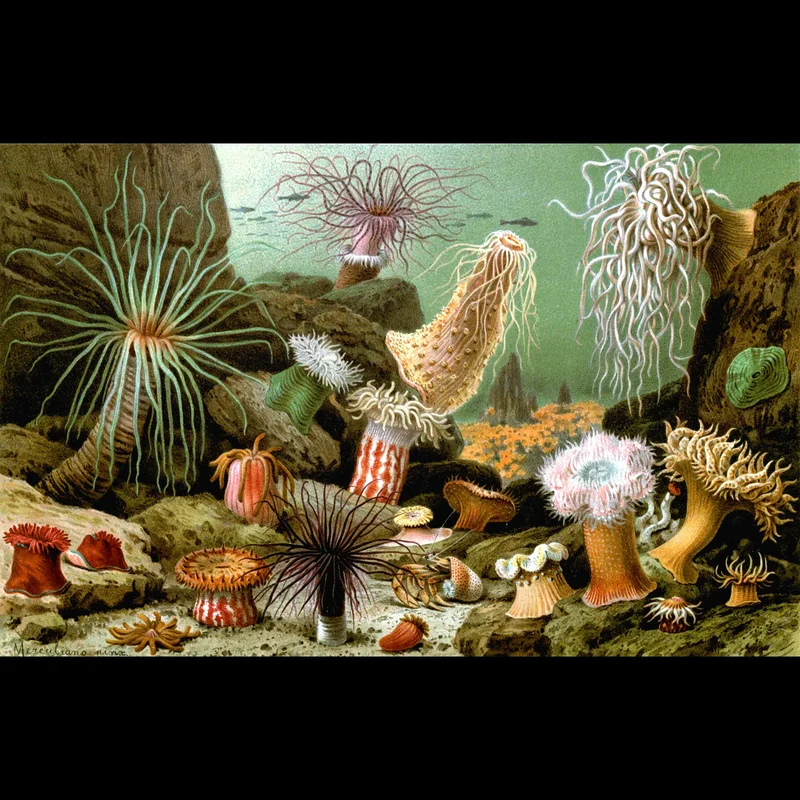
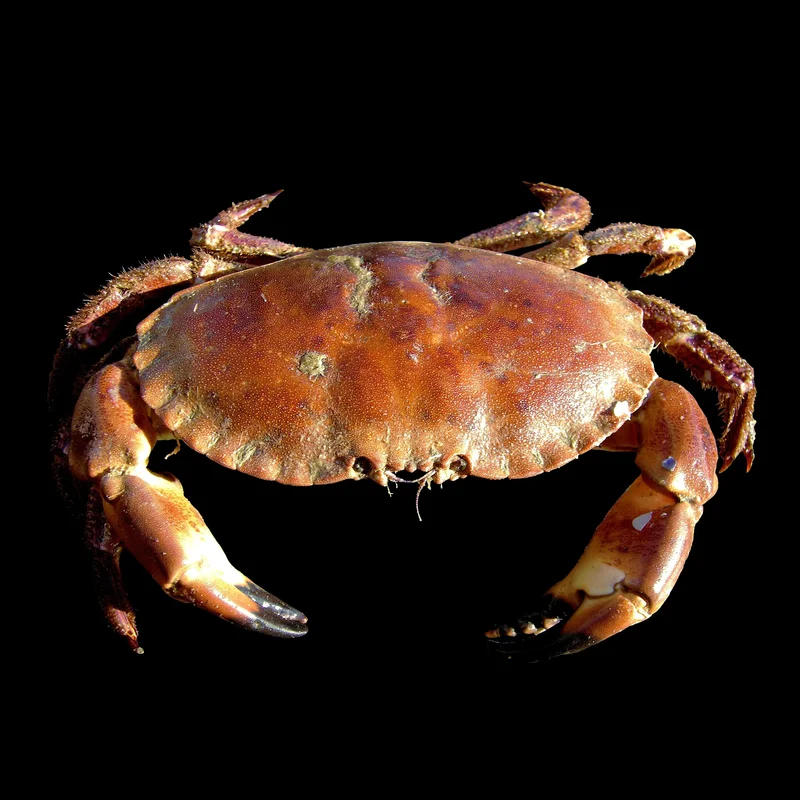
Specific marine life highlights for Site #5_2012_E are not consistently reported, meaning divers might encounter a diverse but uncatalogued array of species typical of coastal environments in the United States. Without definitive data, observing smaller, more common inhabitants of temperate or subtropical waters, such as various reef fish, crabs, and anemones, would be the most immediate focus.
Encounters depend on luck and the specific conditions on any given dive. Maintaining a slow pace and keen observation skills will maximize any potential sightings.
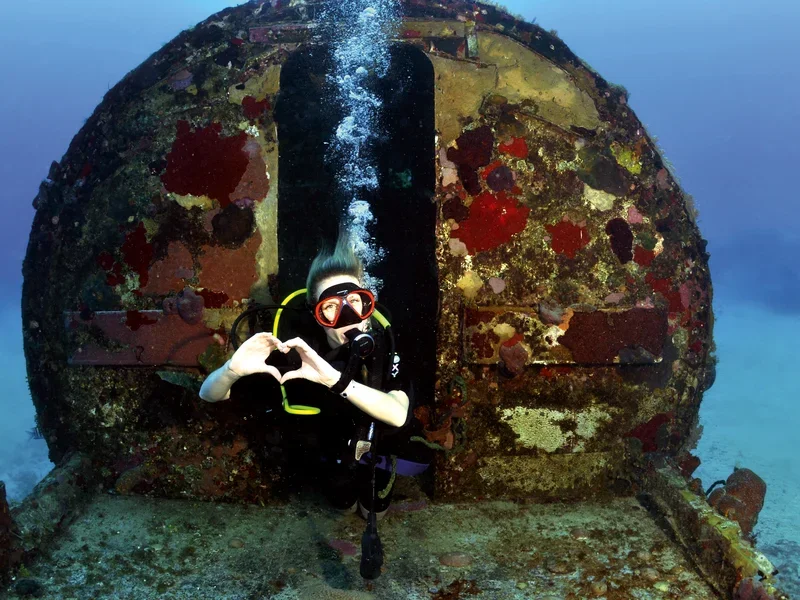
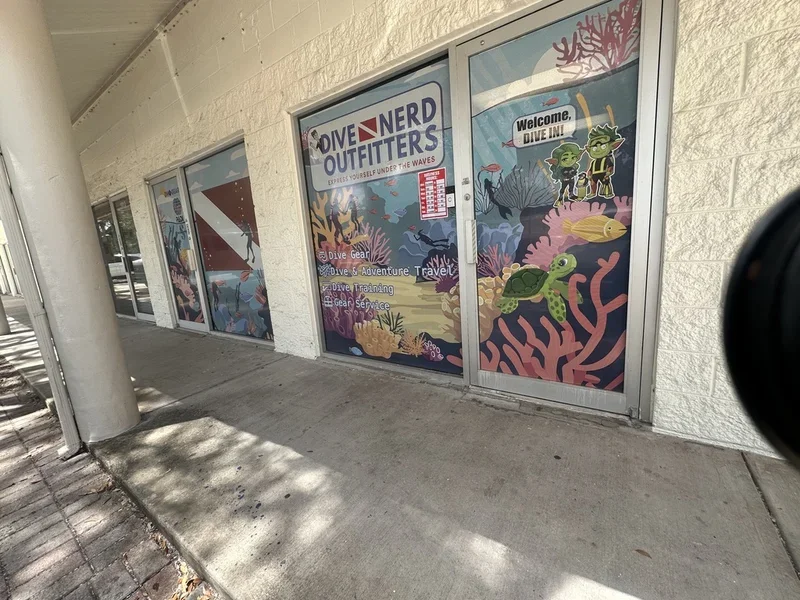
Dive Centers Near Site #5_2012_E
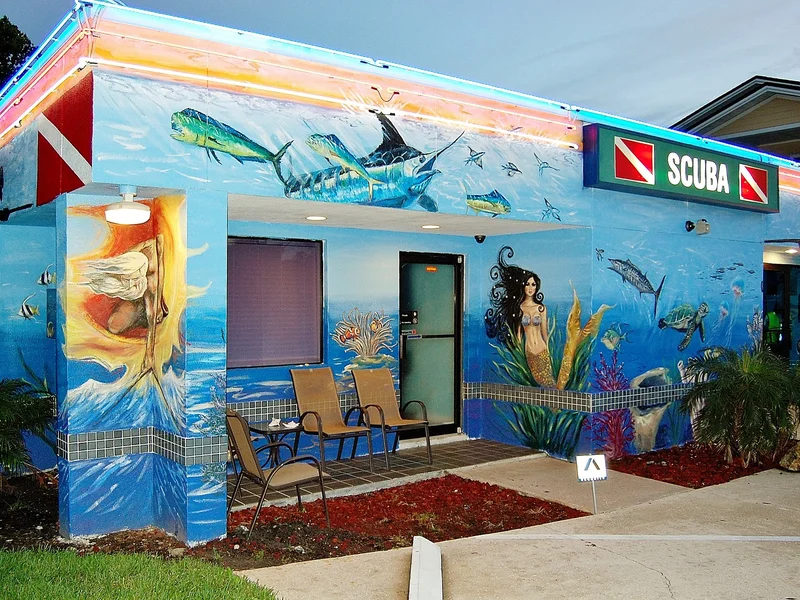
Today: 10:00 - 19:00
Nearest Airports
Nearest airports to help plan travel to this dive area.
Search Flights
Check available flights and routes on Expedia, using the nearby airports listed in this section.
Search Flights on Expedia
Plan Your Stay
Looking for a place to stay for your dive trip? Explore hotels, stays, and vacation rentals for dive groups near Ponce Inlet.
Dive Navigator may earn a commission from these links at no extra cost to you.
Frequently Asked Questions
What is the typical depth range for diving at Site #5_2012_E?
While specific depths are not consistently reported, Site #5_2012_E is generally considered suitable for recreational diving. Divers should plan for a depth range that aligns with typical open water or advanced open water certifications.
How does visibility generally behave at this dive site?
Visibility at this site can be quite variable, largely influenced by recent weather, wave action, and tidal currents. Calmer periods, often during summer months, typically offer better clarity.
Are there any specific currents to be aware of?
Specific current patterns are not consistently documented for Site #5_2012_E. Divers should always be prepared for potential currents, exercising caution and remaining aware of their surroundings.
What kind of marine life can I expect to see?
There are no specific marine life highlights consistently reported for this site. Divers can generally expect to see species common to coastal areas in the United States, with sightings depending on the day's conditions.
What are the best months for diving here?
The most favorable conditions for diving at Site #5_2012_E are typically experienced between May and August. These months feature warmer air temperatures and generally calmer seas.
Is special equipment required for this site?
Standard recreational dive gear is essential. Given the variable conditions and unrecorded water temperatures, appropriate thermal protection and a surface marker buoy are highly recommended.
Planning to dive Site #5_2012_E?
Send one inquiry and receive offers directly from the best verified local dive operators.
Conditions are Good
Optimal conditions expected
Current conditions near Site #5_2012_E show 27° air, 28° sea temperature, 0.7 m waves, and 27 km/h wind. Forecast data is refreshed regularly to ensure accuracy.