
Diving at Site #9_1996 (United States)
Site #9_1996 represents a diving locale whose complete history remains largely unwritten. While its geographical position is known within the United States, detailed records regarding its discovery or specific historical significance as a dive spot are not consistently reported. This absence of historical context suggests a site that may be less frequented or still in the process of being thoroughly documented.
Tonight's objective overview for Site #9_1996 shows an air temperature of 27°C. The measured surface conditions include wave heights around 1 m. This environmental data is logged for the close of the day.
Dive Site Location & Key Facts
Dive Site Overview
Site #9_1996 presents an underwater environment whose primary structures are shaped by natural geological processes and sediment transport. Without extensive documented topographical maps, divers often encounter a dynamic seabed, frequently characterized by expansive sandy bottom areas interspersed with sporadic rock formations.
These formations may provide localized shelter or substrate for marine growth. Dives typically remain within recreational limits, extending to a maximum depth of 30 m (100 ft). Shallower zones might reveal different sand ripples or smaller rock outcroppings, while deeper sections could hint at more stable, consolidated structures.
The underwater landscape here is not static; it's continuously influenced by wave action and currents, which sculpt the bottom and redistribute sediments. This dynamic environment means the exact features encountered can vary significantly between visits.
Visibility, while generally good during calm periods, can be impacted by these same forces, especially after strong weather events or during periods of increased swell. Currents, while not consistently reported, are a natural component of coastal zones and divers should be prepared for moderate flows that can influence drift.
Ultimately, diving Site #9_1996 is an exploratory experience, inviting divers to observe and document the evolving features of this largely unchartered underwater world. Its character is defined by a natural, evolving underwater landscape, awaiting further detailed exploration and observation.
Conditions are Moderate
Optimal conditions expected
Current conditions near Site #9_1996 show 27° air, 28° sea temperature, 1.0 m waves, and 28 km/h wind. Forecast data is refreshed regularly to ensure accuracy.
Best Time to Dive
Planning a visit to Site #9_1996 for optimal conditions typically aligns with the warmer, calmer months. July presents the best statistical dive score with lower average wave heights of 0.9 m (3.0 ft) and a moderate wind speed of 25.17 km/h (15.64 mph), alongside comfortable average air temperatures of 28°C (82°F) and minimal rain. May also offers good diving, with average air temperatures around 25°C (77°F) and similarly low wave activity. Reduced wave action and milder winds during these periods often lead to improved underwater visibility. Conversely, October shows a 'Poor' dive score, with higher waves averaging 2.0 m (6.6 ft) and increased wind speeds, making conditions less favorable for diving.
PEAK SEASON SCORE
Scores combine air & water temps, waves, wind & rainfall for overall conditions.
BEST MONTHS TO DIVE
Monthly records compiled from satellite and marine observation nodes over the last 3 years. Data provided by Open-Meteo and MET Norway.
Dive Experience & Conditions
Experiencing Site #9_1996 means adapting to the natural ebb and flow of its oceanic environment. Water temperatures are not consistently reported, suggesting they likely vary significantly with the seasons. Expect air temperatures to range from milder averages of 18°C (64°F) in January to warmer highs of 28°C (82°F) in August. Visibility at the site can be quite variable; it tends to be clearer during periods of lower wave action, particularly from May through August, when wave heights generally remain below 1.2 m (3.9 ft). Currents are not specifically documented, but divers should anticipate moderate to strong flows, especially on days with higher wind speeds.
Dive Difficulty & Safety Guidelines
Approaching Site #9_1996 requires adherence to general safe diving practices, as site-specific hazards are not documented. Always conduct thorough pre-dive checks and ensure your equipment is in optimal working order. Divers should plan their profiles conservatively, considering the absence of detailed site maps or current-specific warnings.
Maintain awareness of weather patterns, particularly wind speeds and wave heights, which can impact surface conditions and underwater visibility. A dive computer and a reliable buddy system are essential, along with a surface marker buoy for visibility to boat traffic. Given the limited available data, a cautious and prepared mindset is paramount.
Recommended Equipment
- Dive Computer
This gear list is based on verified equipment signals for Site #9_1996, United States. Always confirm final gear choices with your dive operator, guide, or liveaboard.
Recommended Dive Suit
2-3mm shorty or light wetsuit usually provides adequate warmth in water around this temperature. A hood or vest is suggested for sensitive divers due to surface winds. Water conditions at Site #9_1996 are currently measured at approximately 28°C (82°F). Surface air temperatures are resting at 27°C (80°F).
Weather models currently point toward consistent diving conditions over the next several days.
Conditions can vary slightly across different parts of the same dive site.
Emergency & Medical Support
Essential information to help you plan your dive trip to Site #9_1996.

Hyperbaric chambers are a critical part of dive safety infrastructure. Availability varies significantly by region, and not all dive areas have immediate access.
Before diving, it's recommended to:
- confirm nearest medical facilities
- check emergency procedures with local dive operators
- ensure dive insurance covers evacuation if required
Divers Alert Network
Diving emergency assistance available through DAN World.
+1-919-684-9111- 24/7 emergency hotline
- Diving medical assistance
- Evacuation coordination
Emergency contacts are provided for reference. Always verify local emergency services before diving.
Marine Life at Site #9_1996
Encounters with marine life at Site #9_1996 are likely to reflect the typical coastal ecosystems found in the United States, though specific highlights are not currently reported. Divers may observe various schooling fish species moving through the water column.
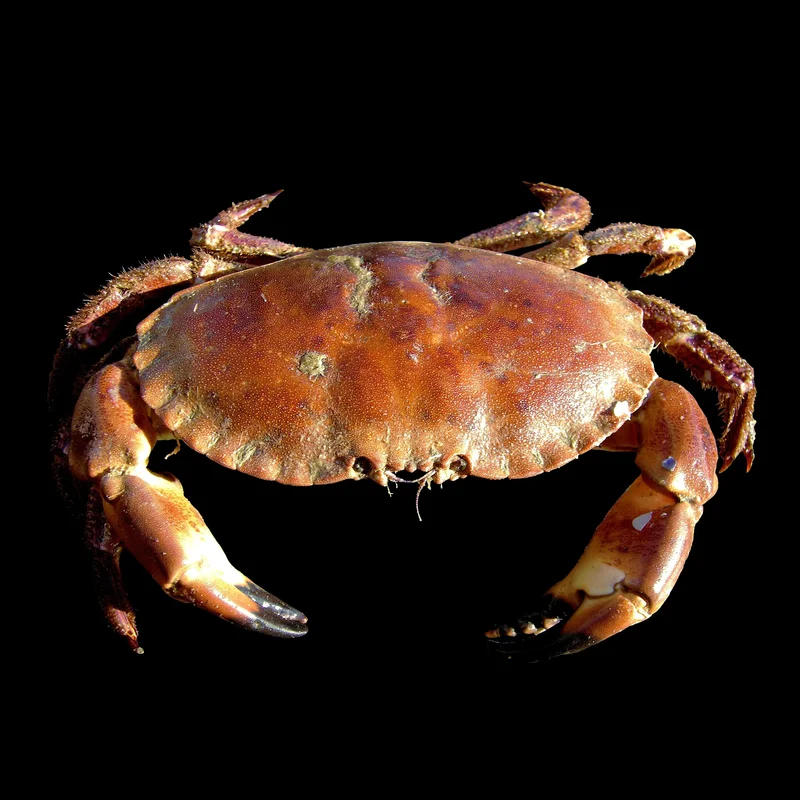
The benthic environment might host invertebrates, such as crabs and sea stars, nestled among any rock or coral formations present. Keep an eye out for transient pelagic species, which could make an appearance depending on currents and local food sources.

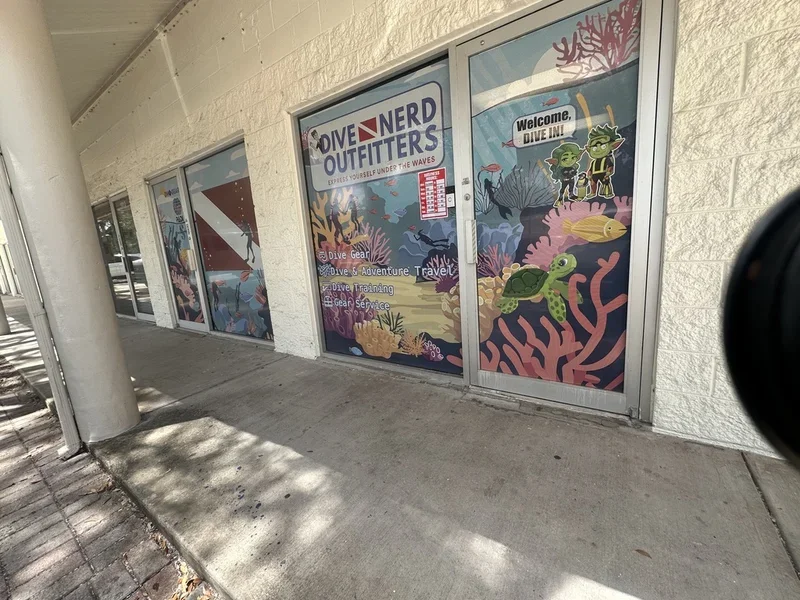
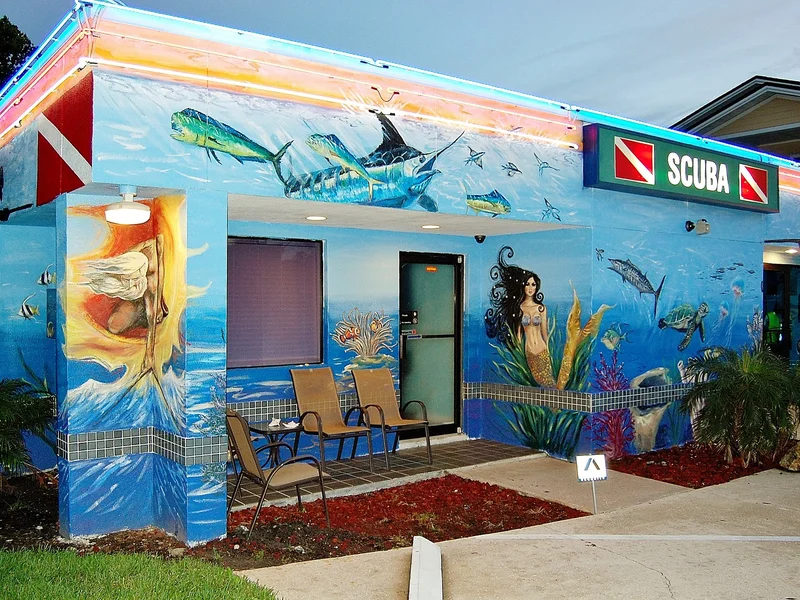
Dive Centers Near Site #9_1996
Today: 10:00 - 19:00
Nearest Airports
Nearest airports to help plan travel to this dive area.
Search Flights
Check available flights and routes on Expedia, using the nearby airports listed in this section.
Search Flights on ExpediaFrequently Asked Questions
What is the typical depth range for diving at Site #9_1996?
Specific depth contours for Site #9_1996 are not consistently reported. Recreational dives generally occur within 30 m (100 ft), but the exact maximum depth or average depth for specific features is not documented.
What are the average water temperatures at Site #9_1996?
Water temperatures for Site #9_1996 are not consistently reported. They are expected to vary significantly throughout the year, influenced by seasonal air temperatures and local currents. Divers should prepare for a range of conditions.
Is Site #9_1996 suitable for beginner divers?
Given the limited available information on specific conditions and potential hazards, Site #9_1996 is best approached by more experienced divers. Those with advanced certifications or guided by local professionals may be better equipped to handle the variable conditions.
How clear is the visibility at this dive site?
Visibility at Site #9_1996 is influenced by factors like wave height and wind speed. It tends to be clearer during calmer periods, typically from May through August. During months with higher waves and winds, such as October, visibility may be reduced.
Are there strong currents to be aware of?
While specific current data for Site #9_1996 is not reported, it's prudent to anticipate that currents may vary. Stronger currents can occur, especially during periods of higher wind. Divers should always assess conditions before entering the water and be prepared for potential drift.
What kind of marine life can I expect to see?
Detailed marine life observations for Site #9_1996 are not available. However, divers can generally expect to see species common to the coastal waters of the United States, which may include various fish, crabs, and other invertebrates.
Planning to dive Site #9_1996?
Send one inquiry and receive offers directly from the best verified local dive operators.
Conditions are Moderate
Optimal conditions expected
Current conditions near Site #9_1996 show 27° air, 28° sea temperature, 1.0 m waves, and 28 km/h wind. Forecast data is refreshed regularly to ensure accuracy.