
Diving at St Marks Reef B4 (United States)
St Marks Reef B4 is an actively developing artificial reef system along the coast of Wakulla and Franklin County, United States. These purpose-built structures are continually transforming previously barren seafloor into new marine habitats. Significant grant and private funding support its ongoing expansion, creating lasting tributes and fostering a diverse underwater ecosystem for both marine life and divers.
Evening condition tracking at St Marks Reef B4 features an air temperature of 30°C. We have recorded wave heights measuring 0.2 m during this period. These figures outline the environmental parameters currently present.
Dive Site Location & Key Facts
Dive Site Overview
This site offers an intriguing dive into a designed marine habitat, specifically constructed to enhance the biodiversity of Florida's Big Bend Coast. St Marks Reef B4 features various artificial structures, including 4.6 m (15 ft) tall "super reefs" and 2.4 m (8 ft) "Florida specials," all crafted from natural Florida limestone.
Placed in approximately 18 m (60 ft) of water on a sandy bottom, the reef system attracts marine life quickly, with full maturation taking several years. Divers here get to observe the dynamic process of an ecosystem establishing itself, from early invertebrate colonization like sponges and corals to the aggregation of various fish species. It's part of a larger 10-mile reef system, providing a structured environment where one didn't exist before.
The ongoing evolution of these reefs means each visit can offer new insights into marine development and interaction within these artificial environments.
Conditions are Good
07:00 - 14:00
Optimal conditions expected
Current conditions near St Marks Reef B4 show 30° air, 30° sea temperature, 0.2 m waves, and 25 km/h wind. Forecast data is refreshed regularly to ensure accuracy.
Best Time to Dive
For optimal conditions, October and November typically present the best time to dive St Marks Reef B4, with dive scores rated as 'Excellent'. During these months, air temperatures average around 22°C (72°F) and 18°C (64°F) respectively, coupled with notably low rainfall. Water temperature is not consistently reported for this specific site, but regional patterns suggest pleasant conditions into the fall. The period from May through September also rates 'Good' for diving, often featuring warmer air temperatures peaking near 28°C (82°F) in July and August, though these months tend to see higher average rainfall and wind speeds can be variable. Divers should monitor local forecasts for the most current sea state information.
PEAK SEASON SCORE
Scores combine air & water temps, waves, wind & rainfall for overall conditions.
BEST MONTHS TO DIVE
Monthly records compiled from satellite and marine observation nodes over the last 3 years. Data provided by Open-Meteo and MET Norway.
Dive Experience & Conditions
Diving at St Marks Reef B4 primarily involves exploring its artificial limestone structures, which rest on a mostly sandy seafloor at a maximum depth of 18 m (60 ft). These structures vary in size, providing complex surface areas for marine growth and shelter. Surface water temperatures in May have been observed around 26.5°C (80°F), suggesting comfortable conditions during warmer months. While the aim is to provide accessible diving, local conditions can vary, with some reports indicating rougher than expected seas occasionally. Visibility depends on currents and recent weather, typical of nearshore Gulf waters. This site is suitable for recreational divers seeking to explore developing artificial reef environments.
Dive Difficulty & Safety Guidelines
Certified divers exploring St Marks Reef B4 should prioritize excellent buoyancy control to protect the developing reef structures and avoid stirring up the sandy bottom, which can reduce visibility. Given that this site is also a known fishing location, displaying a dive flag prominently is essential for diver safety. It alerts nearby boaters and anglers to your presence underwater.
Always plan your dive thoroughly, considering currents, and maintain awareness of boat traffic on the surface.
Recommended Equipment
- Dive Computer
This gear list is based on verified equipment signals for St Marks Reef B4, United States. Always confirm final gear choices with your dive operator, guide, or liveaboard.
Recommended Dive Suit
The latest conditions reported around St Marks Reef B4 place the water temperature close to 30°C (86°F). Surface air temperatures are resting at 30°C (86°F).
Dive skin or rash guard generally offers enough warmth for most dives under these conditions.
Forecasts suggest a slight cooling pattern in the days ahead. Cooler days are ahead; you might want a warmer option for later in the week. Some divers prefer carrying a slightly thicker suit as a backup.
Emergency & Medical Support
Essential information to help you plan your dive trip to St Marks Reef B4.

Hyperbaric chambers are a critical part of dive safety infrastructure. Availability varies significantly by region, and not all dive areas have immediate access.
Before diving, it's recommended to:
- confirm nearest medical facilities
- check emergency procedures with local dive operators
- ensure dive insurance covers evacuation if required
Divers Alert Network
Diving emergency assistance available through DAN World.
+1-919-684-9111- 24/7 emergency hotline
- Diving medical assistance
- Evacuation coordination
Emergency contacts are provided for reference. Always verify local emergency services before diving.
Marine Life at St Marks Reef B4
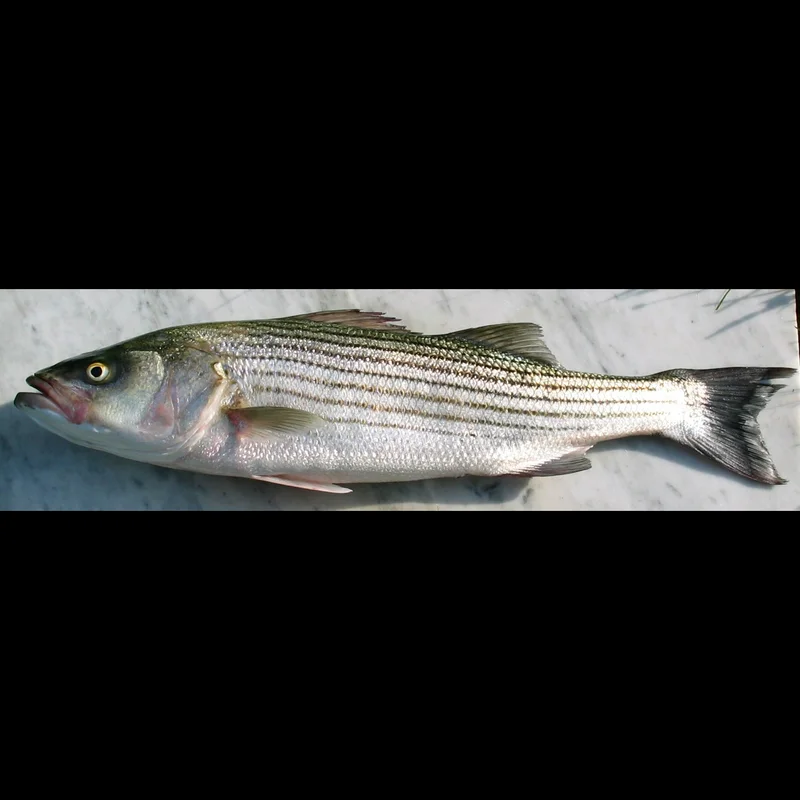
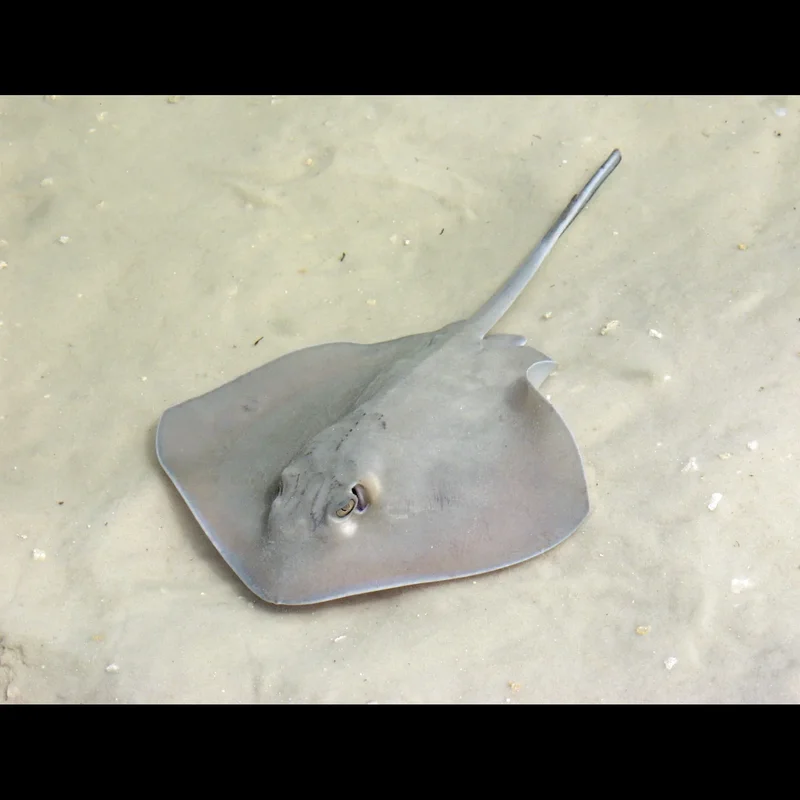
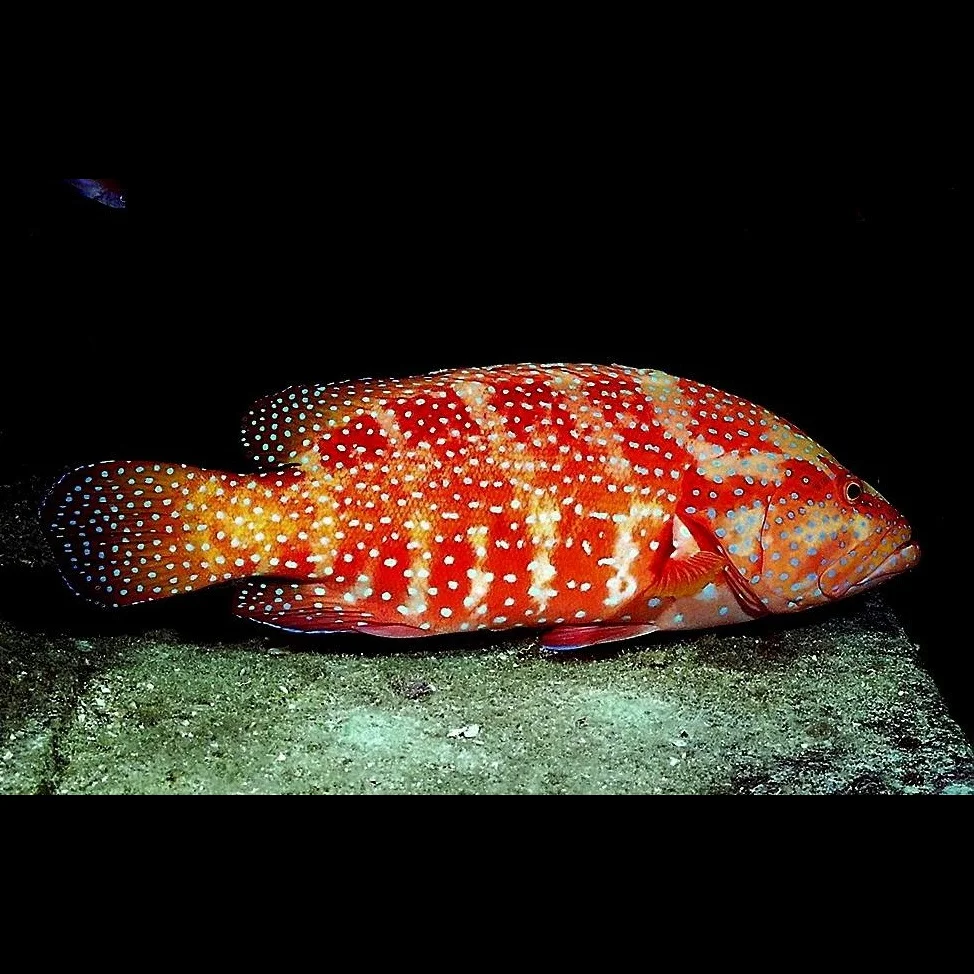
The structured limestone environment of St Marks Reef B4 serves as an immediate draw for diverse marine life. Divers often encounter remoras, stingrays, small black sea bass, and grunts utilizing the shelter and food sources provided by the artificial habitat.
Larger pelagic and reef-dwelling species such as cobia, various grouper, and king mackerel have also been observed. The reef continues to mature, attracting invertebrates like sponges and corals, which further enrich the underwater landscape and support a growing community of marine organisms.

Dive Centers Near St Marks Reef B4
No Dive Centers Local To St Marks Reef B4
Are you a dive center visiting this location? Get listed to reach divers.
Nearest Airports
Nearest airports to help plan travel to this dive area.
Search Flights
Check available flights and routes on Expedia, using the nearby airports listed in this section.
Search Flights on ExpediaFrequently Asked Questions
What kind of structures comprise St Marks Reef B4?
St Marks Reef B4 is composed of man-made structures, specifically 4.6 m (15 ft) "super reefs" and 2.4 m (8 ft) "Florida specials." These are primarily constructed from natural Florida limestone, designed to create a complex underwater habitat.
What is the typical depth at St Marks Reef B4?
Artificial reef structures rest at approximately 18 m (60 ft) deep. Its surrounding seafloor is sandy, establishing a recreational depth dive environment.
When is the best time to dive this site?
October and November are generally considered the best months for diving at St Marks Reef B4 due to 'Excellent' dive scores, cooler air temperatures, and lower rainfall. Summer months also offer good conditions but may have more rain.
What marine life can be observed at St Marks Reef B4?
Many species are drawn to the artificial reef, such as remoras, stingrays, small black sea bass, and grunts. Divers may also spot larger fish like cobia, grouper, and king mackerel, alongside developing sponges and corals.
Is St Marks Reef B4 suitable for beginner divers?
The site is within recreational dive limits (18 m / 60 ft) and involves exploring artificial structures. While accessible for certified divers, good buoyancy control is beneficial for navigating the reef and protecting its developing ecosystem.
Are there any specific safety precautions to consider?
Due to shared use with anglers, divers must display a dive flag to ensure surface safety and alert other boaters. Maintaining good buoyancy control is also crucial to avoid damaging the reef or stirring up the sandy bottom.
Planning to dive St Marks Reef B4?
Send one inquiry and receive offers directly from the best verified local dive operators.
Conditions are Good
07:00 - 14:00
Optimal conditions expected
Current conditions near St Marks Reef B4 show 30° air, 30° sea temperature, 0.2 m waves, and 25 km/h wind. Forecast data is refreshed regularly to ensure accuracy.