
Diving at T Square Reef (United States)
T Square Reef forms a part of the extensive artificial reef program off the Florida coast, enhancing the dynamic underwater landscape. Deploying such structures plays a vital role in creating essential marine habitat, bolstering local biodiversity where natural reefs may be limited. Attracting certified divers, this site supports regional tourism and economic development.
Tonight's objective overview for T Square Reef shows an air temperature of 30°C. The measured surface conditions include wave heights around 1.2 m. This environmental data is logged for the close of the day.
Dive Site Location & Key Facts
Dive Site Overview
Exploring T Square Reef immerses divers in a meticulously deployed artificial structure, part of a broader initiative to transform decommissioned vessels and materials into vibrant underwater ecosystems. These reefs, including examples across the Florida Panhandle and Greater Fort Lauderdale, provide crucial habitat creation and cultural preservation.
Divers can expect to navigate various structures, from larger vessels settled at maximum depths reaching 55 m (180 ft) to shallower segments suitable for less experienced divers. For instance, some regional artificial wrecks, like the SS Copenhagen, rest in depths from 5 to 9 m (16 to 31 ft), accommodating varied skill levels.
Each component of the reef contributes to a complex underwater environment. These submerged structures bolster both recreational diving opportunities and local fishing industries.
Artificial sites offer a compelling exploration experience, giving a second life to materials by supporting marine life, often contrasting with natural reef systems in their origin and form. Expect a dynamic interaction between marine inhabitants and the evolving structures, making each visit distinct.
Weather Error: fetch failed
Best Time to Dive
Optimal diving conditions in this region typically align with the warmer months, specifically from May through September, which consistently report 'Good' dive scores. During this period, average air temperatures range from 24.5°C (76°F) in May to highs of 29°C (84°F) in August, creating comfortable surface conditions. Wave heights tend to be lower, often averaging below 0.9 meters, and wind speeds are generally reduced compared to other times of the year, contributing to calmer seas. Rainfall is present, particularly in late summer, with September seeing the highest average at 7.2 mm. Water temperature isn't consistently reported for this specific site but generally mirrors the warm air temperatures in the peak season. Conversely, the period from January to April and October to December receives 'Moderate' dive scores, with higher wave heights and cooler air temperatures.
PEAK SEASON SCORE
Scores combine air & water temps, waves, wind & rainfall for overall conditions.
BEST MONTHS TO DIVE
Monthly records compiled from satellite and marine observation nodes over the last 3 years. Data provided by Open-Meteo and MET Norway.
Dive Experience & Conditions
Conditions at T Square Reef are characterized by variable visibility and currents, shaping the dive experience. Descending upon this artificial reef system reveals a compelling underwater landscape, defined by its deployed structures and the marine life drawn to them. Visibility at these sites is not consistently reported but varies depending on specific conditions; it is often clearer during periods of lower wave action and minimal rainfall. Currents can present a significant factor, changing with tidal flows and regional weather patterns; divers must account for this in their planning. Exploring deeper reaches of certain artificial reefs often requires advanced certifications, while shallower sections typically fall within recreational dive limits. The intricate structures provide countless nooks and crannies to investigate, creating an environment that constantly shifts, offering something new on each visit as marine inhabitants interact with their artificial home.
Dive Difficulty & Safety Guidelines
Safety at T Square Reef demands a thorough understanding of its artificial reef characteristics. Planning dives carefully is crucial, especially considering the potential for varying currents, which can range from moderate to strong. Staying updated on local marine forecasts is always essential before heading out.
Divers must respect specific depth limitations for explored structures, as deeper sections can exceed typical recreational limits. Maintaining proper buoyancy control prevents accidental contact with the structures or marine life.
Artificial reefs serve as critical habitats; refrain from touching or disturbing the environment. Always dive within personal certification limits, and for initial visits to new artificial reef sites, consider diving with experienced local guides.
Recommended Equipment
- Dive Computer
This gear list is based on verified equipment signals for T Square Reef, United States. Always confirm final gear choices with your dive operator, guide, or liveaboard.
Recommended Dive Suit
The coming days appear slightly cooler according to the latest forecast. Cooler days are ahead; you might want a warmer option for later in the week. A hood or vest can noticeably improve warmth during longer dives.
Thermal protection such as dive skin or rash guard is commonly used in similar temperatures. Consider warmer surface protection (like a boat coat) due to brisk winds.
Current dive conditions indicate that water temperatures around T Square Reef are sitting at roughly 30°C (86°F). Surface air temperatures are resting at 30°C (86°F).
Due to technical issues with our weather providers, data hasn't been fetched for over 48 hours. The data above reflects the conditions at the time of the last successful fetch.
Emergency & Medical Support
Essential information to help you plan your dive trip to T Square Reef.

Hyperbaric chambers are a critical part of dive safety infrastructure. Availability varies significantly by region, and not all dive areas have immediate access.
Before diving, it's recommended to:
- confirm nearest medical facilities
- check emergency procedures with local dive operators
- ensure dive insurance covers evacuation if required
Divers Alert Network
Diving emergency assistance available through DAN World.
+1-919-684-9111- 24/7 emergency hotline
- Diving medical assistance
- Evacuation coordination
Emergency contacts are provided for reference. Always verify local emergency services before diving.
Marine Life at T Square Reef
Marine life thrives on artificial reefs like T Square, transforming them into vibrant underwater environments. Divers frequently encounter schools of tropical fish seeking shelter within the structures.
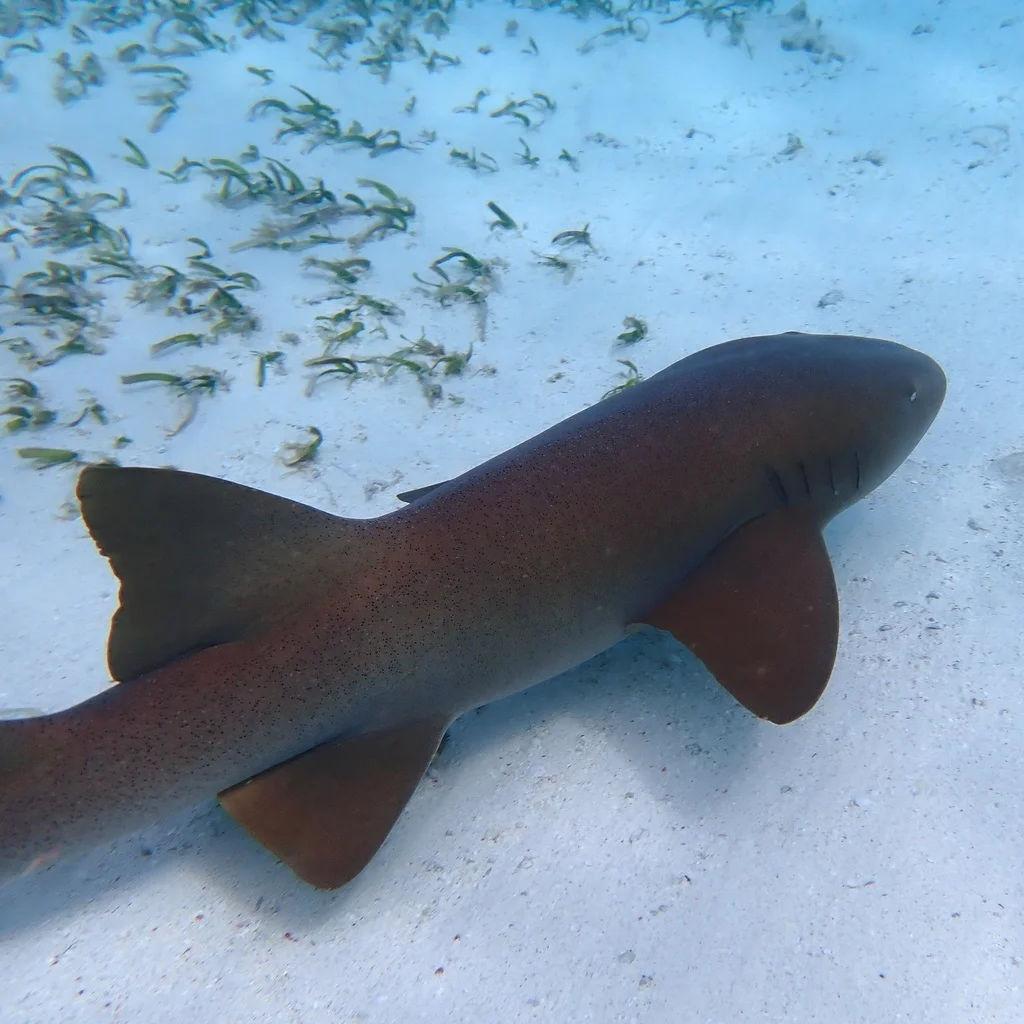
Nurse sharks are commonly sighted, often resting within reef crevices. Larger pelagic species, such as tuna, might pass by, especially around more expansive structures.
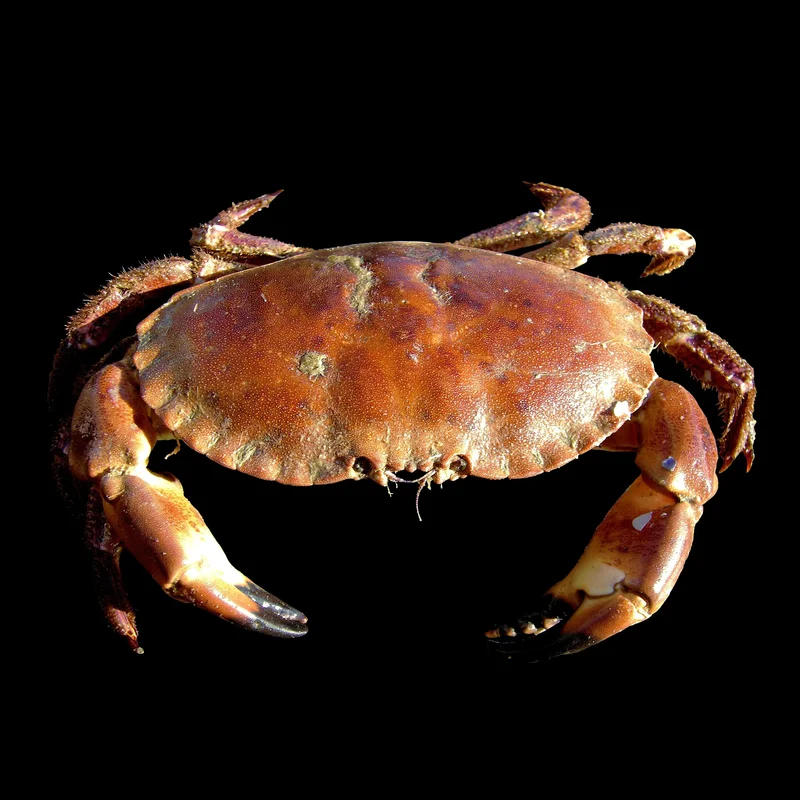
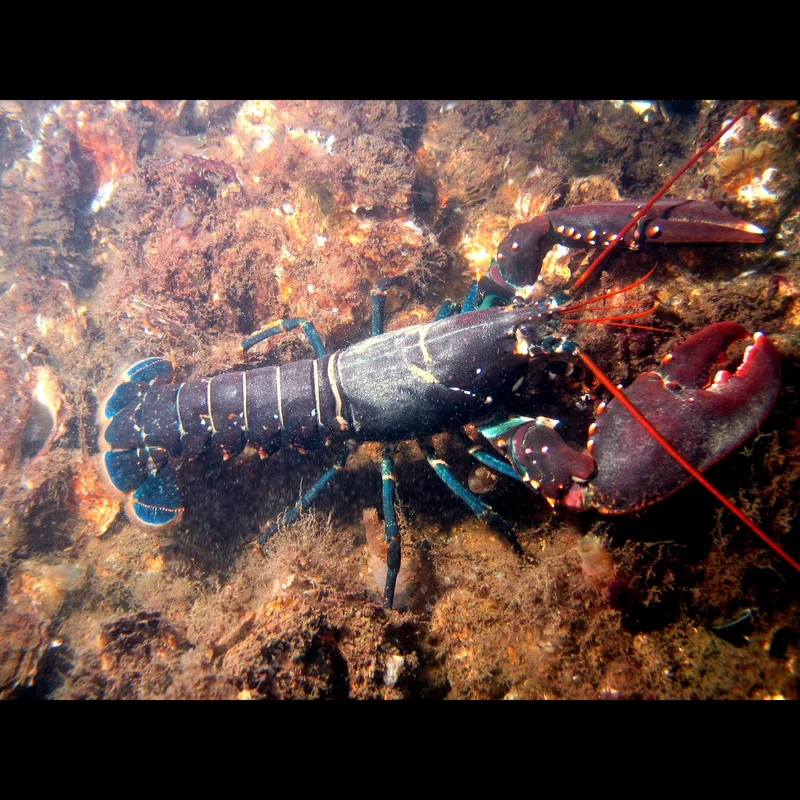
Observation often includes turtles, gliding gracefully through the water column. Artificial reefs serve as important nurseries, fostering juvenile reef fish and contributing to the overall health of the marine ecosystem. Expect to observe a range of invertebrates, from corals colonizing surfaces to crabs and lobsters inhabiting hidden spaces.

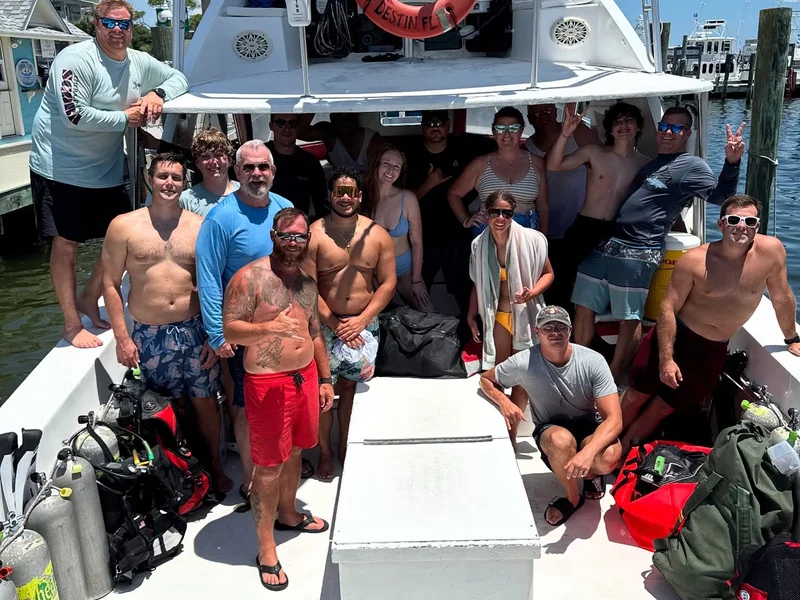
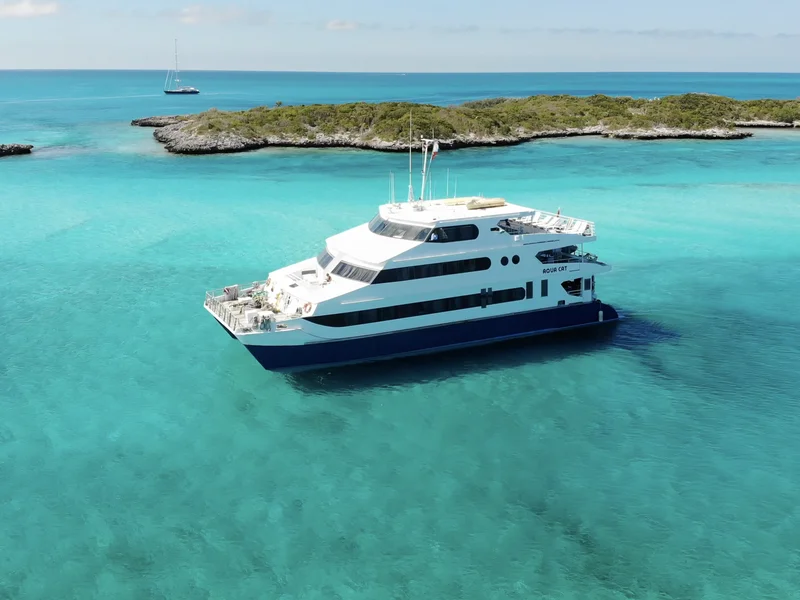
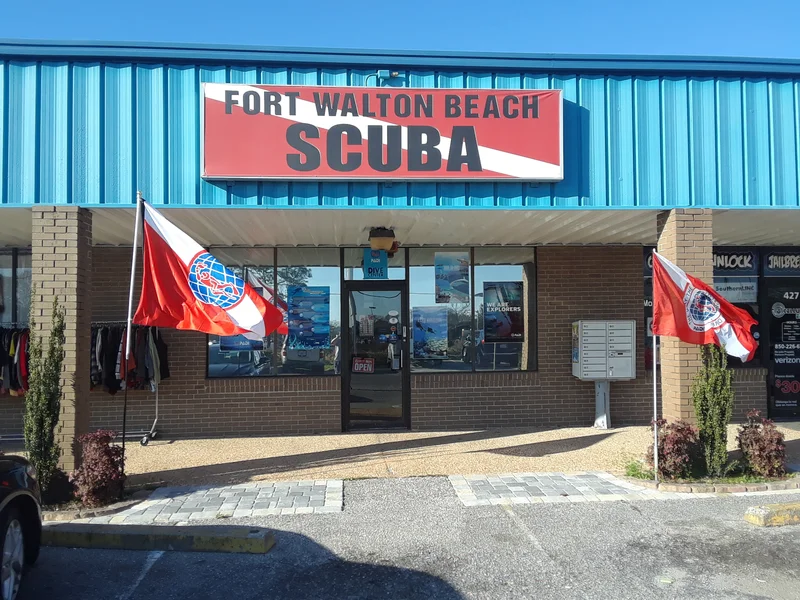
Dive Centers Near T Square Reef
Today: 09:00 - 16:00
Nearest Airports
Nearest airports to help plan travel to this dive area.
Search Flights
Check available flights and routes on Expedia, using the nearby airports listed in this section.
Search Flights on ExpediaFrequently Asked Questions
What is T Square Reef?
T Square Reef is an artificial reef, part of a broader program in the United States, particularly off the Florida coast. It was deployed to create new marine habitats and support biodiversity where natural reefs may be less abundant. Providing diving opportunities and marine life observation is a key function.
What is the typical depth range for diving at T Square Reef?
Typical depth ranges for artificial reefs in the region vary significantly. Shallower sections are found around 5 to 9 meters (16 to 31 feet), while deeper structures can extend beyond 55 meters (180 feet). Its diverse depth range accommodates both recreational and advanced divers.
What kind of marine life can I expect to see?
Divers can expect to see a variety of marine life attracted to the artificial structures. Common sightings include numerous tropical fish, nurse sharks, and turtles. Artificial reefs also act as nurseries, supporting juvenile fish populations, and sometimes larger pelagic species like tuna.
Are strong currents common at this dive site?
Currents can vary significantly at T Square Reef, depending on tidal patterns and prevailing weather conditions. Checking local marine forecasts before diving is important. Divers should be prepared for potential moderate to strong currents and plan accordingly.
What is the best time of year to dive T Square Reef?
Diving is generally best from May through September. Warmer air temperatures, calmer seas with lower wave heights, and reduced wind speeds characterize this period. Such conditions contribute to a more enjoyable diving experience.
Is T Square Reef suitable for beginner divers?
Suitability for beginners depends on specific reef sections. Shallower areas can be appropriate for less experienced divers. However, some structures extend to significant depths, requiring advanced certifications. Consider diving with a local guide familiar with the site for initial visits.
How does this site contribute to the local ecosystem?
T Square Reef significantly contributes to the local ecosystem by providing essential habitat for marine life. It acts as a nursery for juvenile fish and attracts a diverse range of species, thereby increasing biodiversity. Such habitat also supports local fishing and diving tourism.