
Diving at Willow Beach (United States)
Willow Beach presents a striking contrast where arid desert landscapes meet the cool, clear expanse of the Colorado River. Roughly an hour from Las Vegas, this site offers exceptional freshwater diving opportunities. Its presence on the Nevada-Arizona state line allows for distinct diving experiences, characterized by the consistent, cold water released from Hoover Dam.
Recent updates for Willow Beach show an air temperature measuring 37°C. Overall water conditions reflect the typical seasonal state for United States. Please exercise standard safety precautions before entering the water.
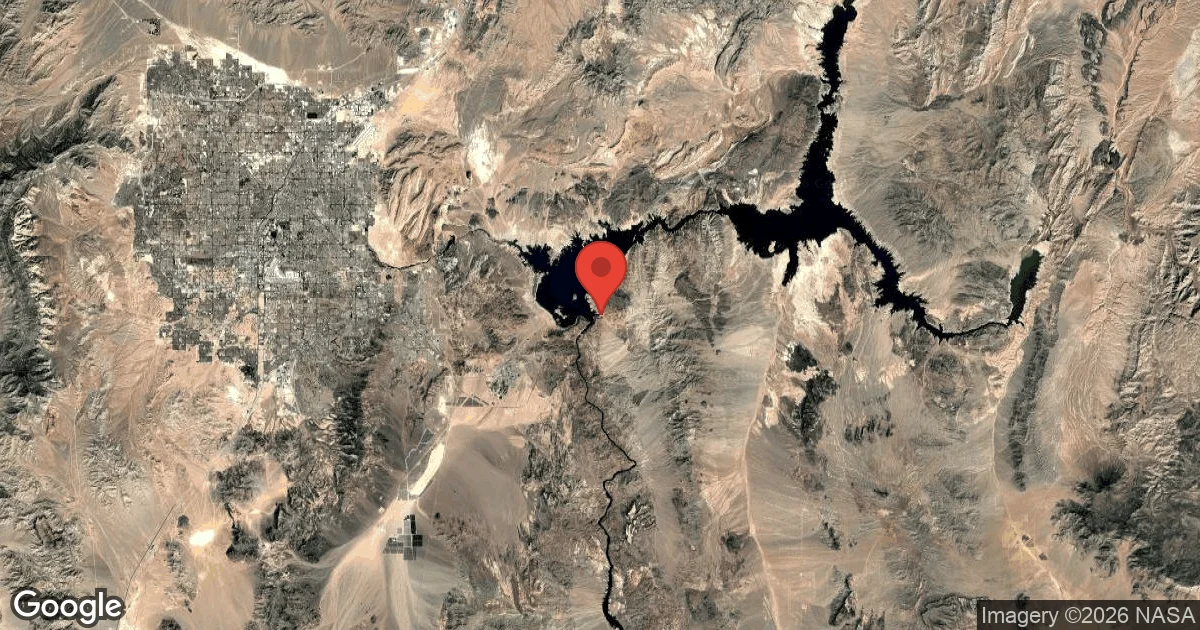
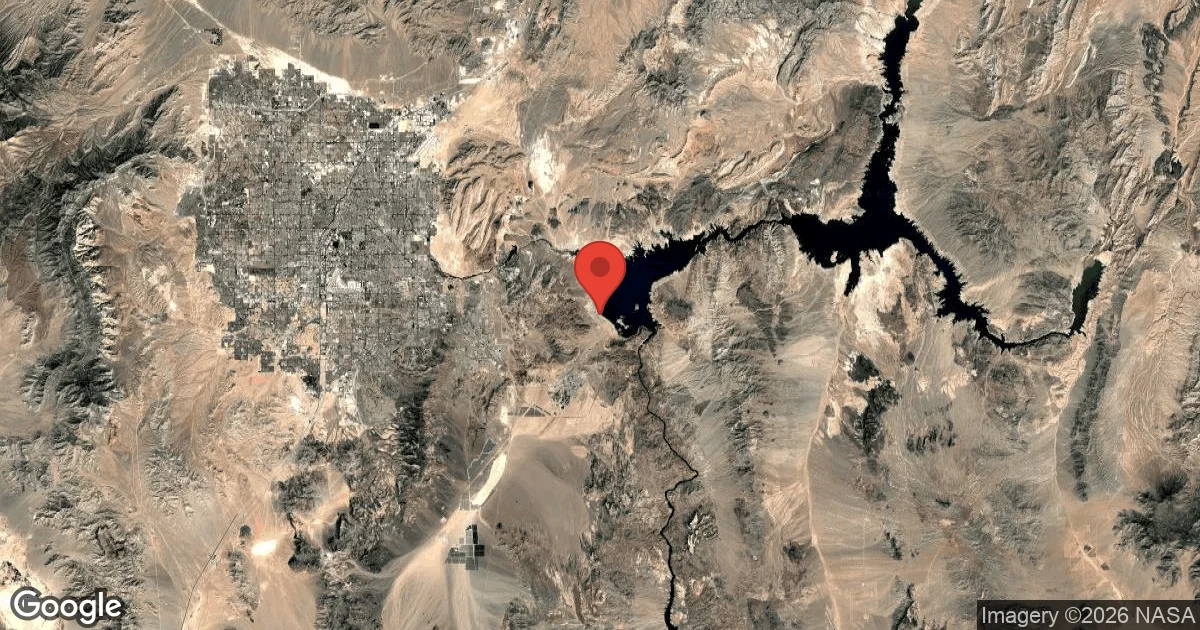
Dive Site Location & Key Facts
Dive Site Overview
The topography at Willow Beach typically features a sandy bottom that contributes to its generally high visibility, a characteristic uncommon for many river environments. Divers can readily access the water from the shore, making it convenient for various levels, from training classes to recreational dives.
The Colorado River in this section, between Hoover Dam and Davis Dam, is significantly influenced by the consistent release of colder water from the dam's lower levels. This constant inflow often ensures reliable conditions for freshwater exploration. Depending on the dam's release schedule and water levels, it's possible for a diver to cross the Nevada-Arizona state line underwater, effectively experiencing two states in a single dive.
Depths here can reach approximately 17 m (55 ft), though this can fluctuate based on water flow and upstream dam operations. Divers should be aware of a fishing pier, which necessitates vigilance for potential fishing hooks and lines in its vicinity.
The overall setting offers a consistent, cool-water environment and a relatively straightforward entry for those exploring freshwater ecosystems. While generally calm, staying aware of current fluctuations is key to an enjoyable experience. Surface activities like kayaking are also common, sharing the waterway.
Conditions are Good
07:00 - 14:00
Optimal conditions expected
Current conditions near Willow Beach show 37° air, --° sea temperature, N/A waves, and 24 km/h wind. Forecast data is refreshed regularly to ensure accuracy.
Best Time to Dive
Focusing on visibility, the cooler winter months, from October to April, are generally considered the prime time to dive Willow Beach. During this period, visibility often ranges from 6 m to 15 m (20 ft to 50 ft). The absence of significant thermoclines in winter means clearer water throughout the column, influenced by the 11-23°C (52-73°F) air temperatures. Conversely, the summer months, May through September, experience reduced visibility due to warmer water temperatures stimulating algae growth. Visibility can drop to less than a meter in certain areas during summer, though the constant flow of cold water from Hoover Dam maintains consistently clear conditions directly downstream.
PEAK SEASON SCORE
Scores combine air & water temps, waves, wind & rainfall for overall conditions.
BEST MONTHS TO DIVE
Monthly records compiled from satellite and marine observation nodes over the last 3 years. Data provided by Open-Meteo and MET Norway.
Dive Experience & Conditions
Current dynamics are a key factor at Willow Beach, as conditions are heavily influenced by water releases from Hoover Dam. Water temperatures remain consistently cool, often not rising above 18°C (64°F) near the dam, making it refreshing even when surface air temperatures reach averages of 38°C (100°F) in summer. During summer, distinct thermoclines can form; the first typically appears between 9-12 m (30-40 ft) with temperatures ranging 21-28°C (70-82°F), and a second at around 18 m (60 ft) where temperatures drop to 16-21°C (60-70°F). Below 18 m (60 ft), the water stabilizes at 11-16°C (52-60°F). While generally a calm dive, strong, turbulent currents up to 26 km/h (16 mph) can be found at Ringbolt Rapids, about 8 miles north, which is strictly recommended for advanced divers.
Dive Difficulty & Safety Guidelines
Diving at Willow Beach necessitates awareness of potential hazards. Boat traffic in the narrow channel between Hoover Dam and Chalk Cliffs is a primary concern, so vigilance is paramount. Divers should also be mindful of the fishing pier and the associated risk of hooks and lines.
Staying informed about dam release schedules is crucial, as water flow and currents can change rapidly, particularly for those planning deeper dives. A dive flag is legally required in this area to ensure diver visibility to boaters.
Additionally, an entrance fee is customary for accessing the Lake Mead National Recreation Area; Willow Beach is part of this protected area. Plan to arrive early to secure optimal parking and to avoid potential windier conditions later in the day, which can affect surface conditions.
Recommended Equipment
- Dive Computer
- Hard-soled Dive Boots
This gear list is based on verified equipment signals for Willow Beach, United States. Always confirm final gear choices with your dive operator, guide, or liveaboard.
Recommended Dive Suit
Because recent water temperature readings are not available for Willow Beach, the guidance below is based mainly on current air conditions and seasonal expectations. Current surface air temperatures are roughly 37°C (98°F).
Based on regional estimates and current weather, the likely required exposure protection is light protection (dive skin or 3mm shorty). Note that local currents and upwellings can alter this. A hood or vest is suggested for sensitive divers due to surface winds.
Weather patterns are currently shifting, so expect some variability in conditions. A significant temperature drop is forecast; strongly suggest bringing a backup warmer suit option. Some divers prefer carrying a slightly thicker suit as a backup.
Emergency & Medical Support
Essential information to help you plan your dive trip to Willow Beach.

Hyperbaric chambers are a critical part of dive safety infrastructure. Availability varies significantly by region, and not all dive areas have immediate access.
Before diving, it's recommended to:
- confirm nearest medical facilities
- check emergency procedures with local dive operators
- ensure dive insurance covers evacuation if required
Divers Alert Network
Diving emergency assistance available through DAN World.
+1-919-684-9111- 24/7 emergency hotline
- Diving medical assistance
- Evacuation coordination
Emergency contacts are provided for reference. Always verify local emergency services before diving.
Marine Life at Willow Beach
When exploring the underwater environment at Willow Beach, divers will frequently notice various freshwater species adapted to its clear, cool waters. The sandy bottom provides a suitable habitat for catfish, which are often observed resting or slowly moving.
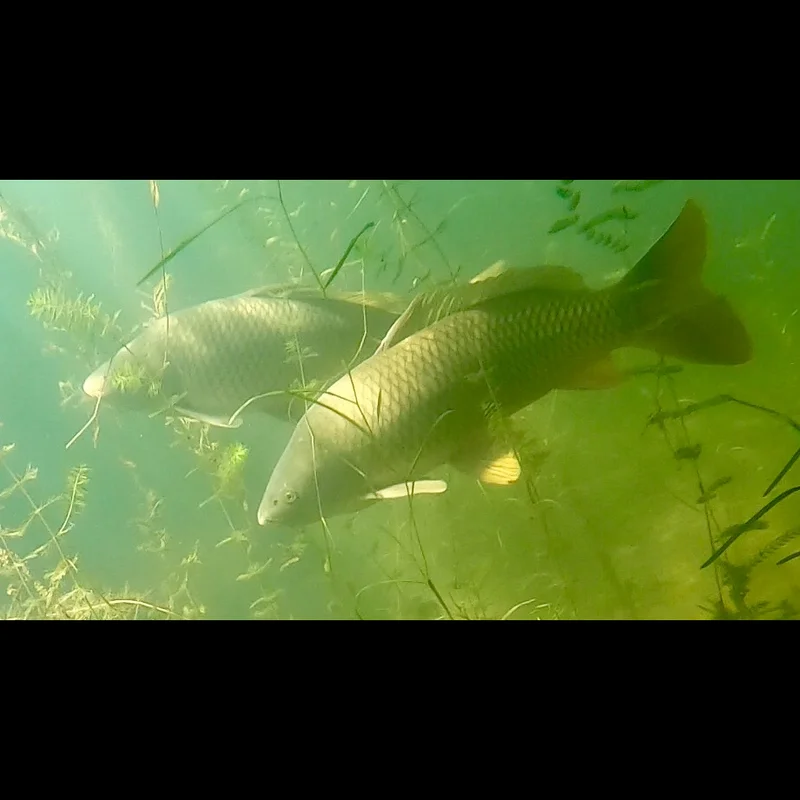
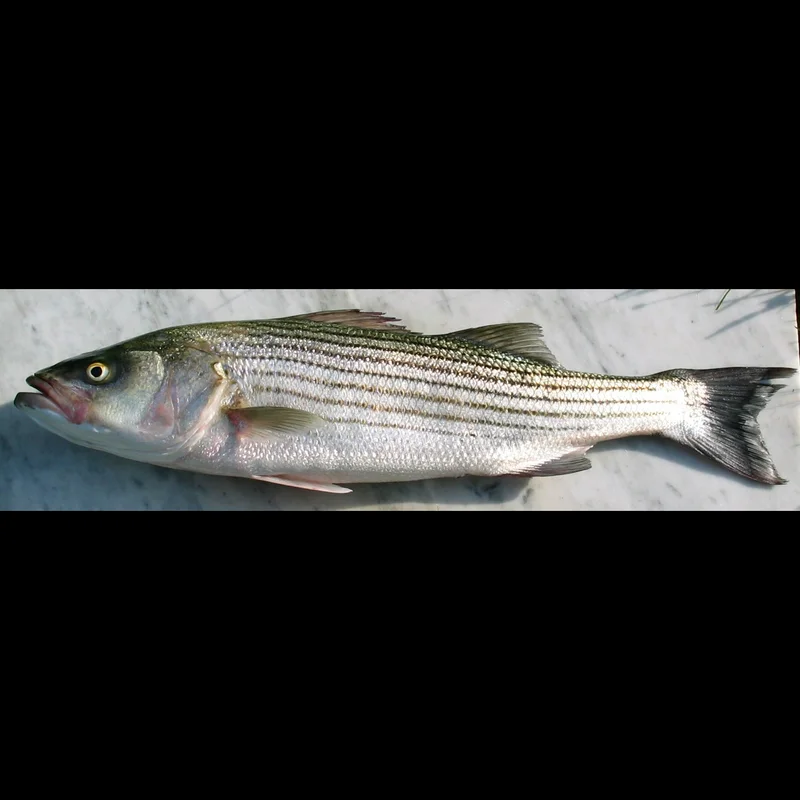
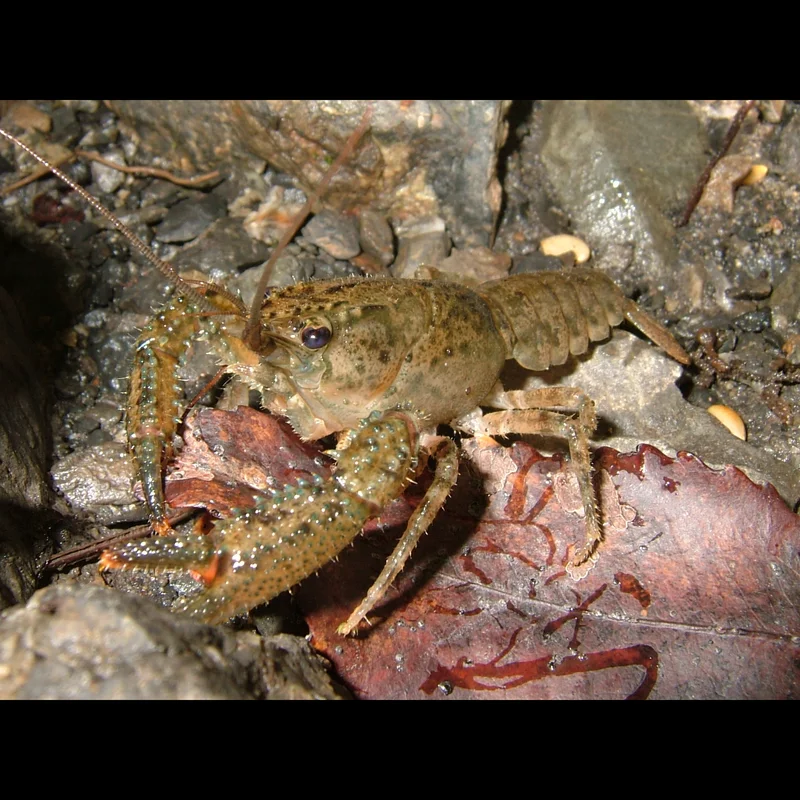
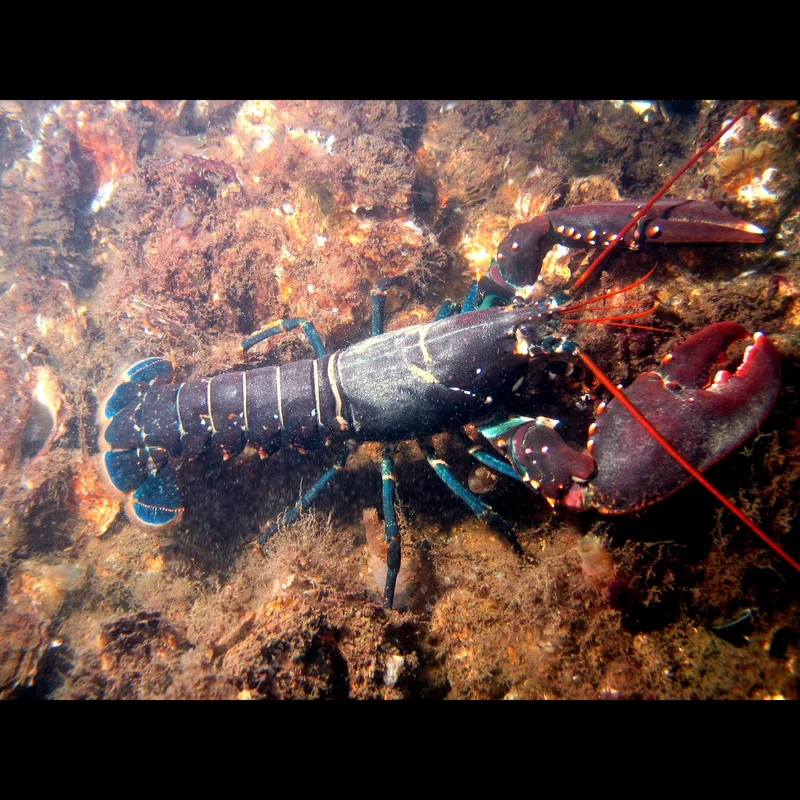
Schools of bass can be seen navigating the open water, while carp might be found near the bottom. Crayfish, locally referred to as lake lobster, are also a common sight; these crustaceans are often observed foraging among the rocks and debris, providing an interesting focal point for macro enthusiasts.
Occasionally, divers may encounter trout, adding to the diversity of life within this unique river ecosystem. Observing these species in their natural habitat offers a distinct experience compared to typical ocean diving.

Dive Sites Near Willow Beach
View all dive sites in United StatesDiscover more underwater gems in this area.
Dive Centers Near Willow Beach
No Dive Centers Local To Willow Beach
Are you a dive center visiting this location? Get listed to reach divers.
Nearest Airports
Nearest airports to help plan travel to this dive area.
Search Flights
Check available flights and routes on Expedia, using the nearby airports listed in this section.
Search Flights on Expedia
Plan Your Stay
Looking for a place to stay for your dive trip? Explore hotels, stays, and vacation rentals for dive groups near Boulder City.
Dive Navigator may earn a commission from these links at no extra cost to you.
Frequently Asked Questions
What is the typical water temperature at Willow Beach?
Water temperatures at Willow Beach are consistently cool due to the outflow from Hoover Dam. Surface temperatures can vary, but deeper sections and winter conditions typically see temperatures ranging from 11-18°C (52-64°F).
How good is the visibility for diving?
Visibility at Willow Beach is generally considered excellent for a lake or river environment, especially during the cooler months from October to April, when it can reach 6-15 m (20-50 ft). Summer months may see reduced visibility due to increased algae growth from warmer surface waters.
Are there strong currents at Willow Beach?
The presence of currents is directly tied to the Hoover Dam release schedules; currents can change quickly when water is released. While the immediate dive area may be calm, areas like Ringbolt Rapids, further north, are known for swift, turbulent water and are only suitable for advanced divers.
Do I need to pay an entrance fee?
Yes, Willow Beach is situated within the Lake Mead National Recreation Area. Consequently, visitors should anticipate a small entrance fee or utilize a valid All Parks Pass for entry.
What kind of marine life can I expect to see?
Divers commonly observe freshwater species such as catfish, bass, and carp. Crayfish are also frequently encountered, and sometimes trout can be spotted. While not an ocean, the ecosystem supports a variety of aquatic life.
Is Willow Beach suitable for beginner divers?
With its easy shore access and relatively calm conditions when the dam isn't actively releasing significant water, Willow Beach is often used for training dives. However, awareness of potential currents and cold water is essential for all skill levels.
Can I dive in two states at once?
Yes, the Nevada-Arizona state line runs down the middle of the Colorado River here. If there is no water being released from Hoover Dam, conditions can allow you to cross the state line underwater on a single dive.
Planning to dive Willow Beach?
Send one inquiry and receive offers directly from the best verified local dive operators.
Conditions are Good
07:00 - 14:00
Optimal conditions expected
Current conditions near Willow Beach show 37° air, --° sea temperature, N/A waves, and 24 km/h wind. Forecast data is refreshed regularly to ensure accuracy.