
Diving at Boulder Beach (United States)
Navigating the freshwater expanse of Lake Mead, Boulder Beach provides a straightforward entry point into a diverse underwater environment. This shore-accessible dive site in Boulder City, Nevada, serves as a recreational area ideal for training and leisurely exploration. Its gently sloping sandy bottom invites divers to gradually descend into the lake's depths, offering a comfortable introduction to freshwater diving in a federal park setting.
At Boulder Beach, the ambient air temperature is currently recorded at 32.5°C. This dive site in United States is operating under normal seasonal weather patterns. Familiarize yourself with the local topography prior to navigating.
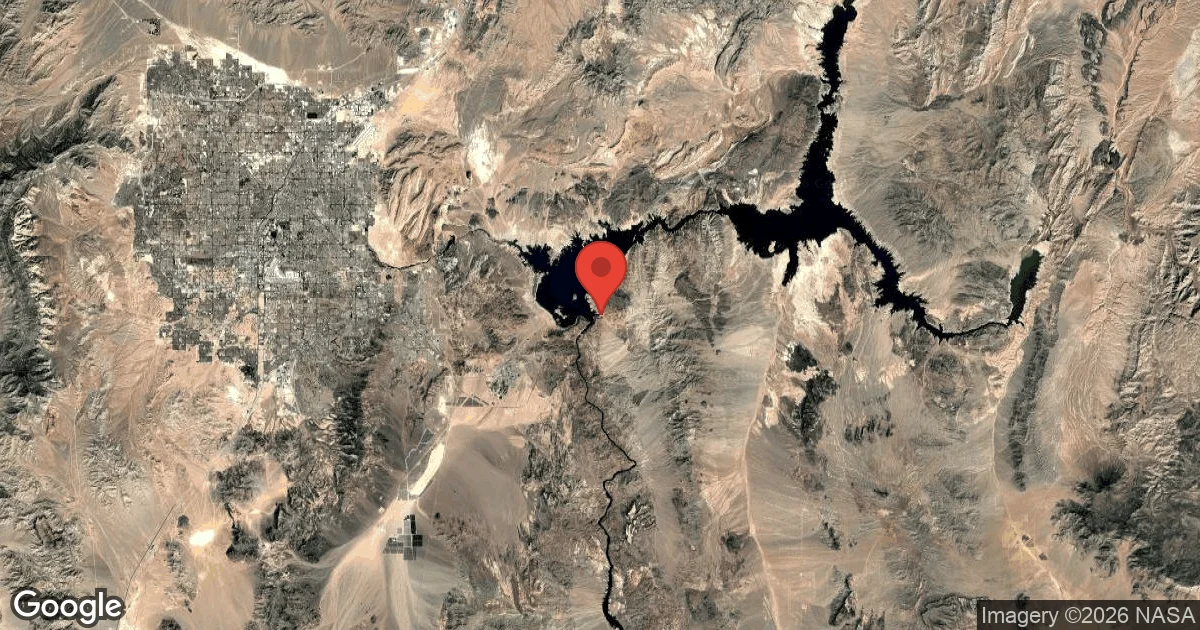
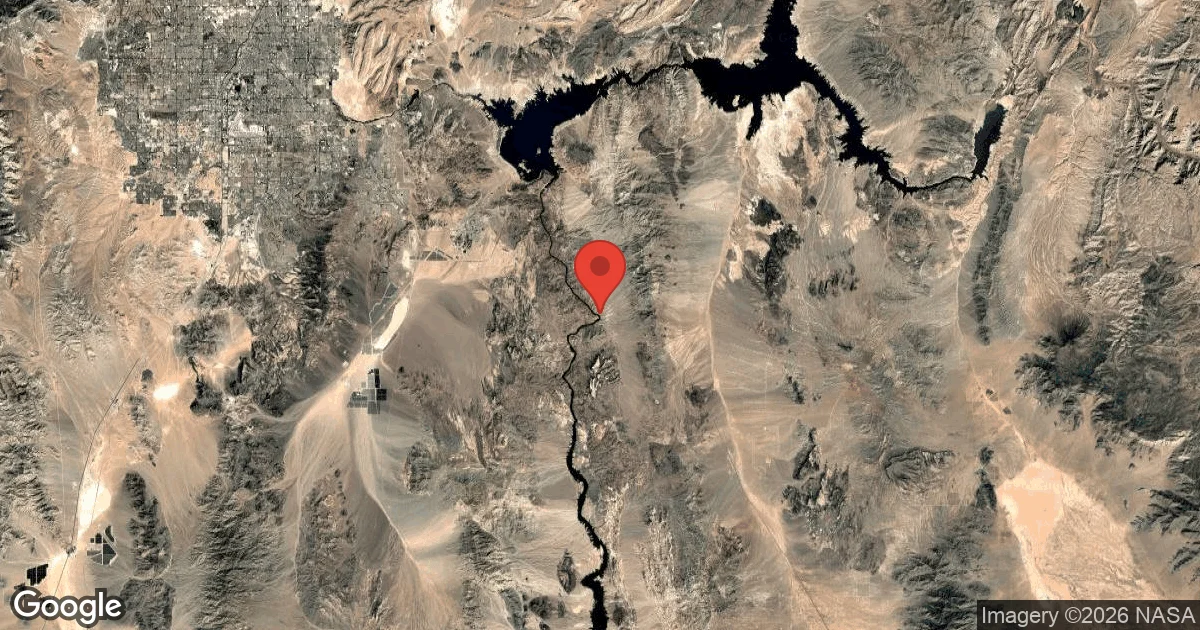
Dive Site Location & Key Facts
Dive Site Overview
Boulder Beach presents itself as a readily accessible freshwater shore dive, a distinct feature compared to other boat-access-only sites in Lake Mead. While its immediate area features a maximum depth of about 5 m (17 ft), Lake Mead's extensive dive opportunities stretch far beyond, accommodating a wide spectrum of diver certifications.
For instance, recreational divers can comfortably explore the shallower reaches of Boulder Beach. Simultaneously, more advanced divers can access technical wrecks, such as the PBY Catalina, which rests at 45-49 m (150-160 ft), and the challenging Wreck Ally, starting at 30-40 m (100-130 ft).
This diverse depth range, catering from Open Water Diver to advanced technical levels, ensures varied experiences. During summer months, thermal stratification notably influences the dive experience, creating distinct temperature and visibility changes as divers descend.
Visibility often ranges from 3-12 m (10-40 ft), though it can lessen where silt or algae growth is prevalent, particularly near river inflows. Easy entry and a serene freshwater lake experience define the appeal of this site, making it suitable for training or a relaxing day out.
Conditions are Excellent
07:00 - 14:00
Optimal conditions expected
Current conditions near Boulder Beach show 33° air, --° sea temperature, N/A waves, and 18 km/h wind. Forecast data is refreshed regularly to ensure accuracy.
Best Time to Dive
For an optimal dive experience at Boulder Beach, consider planning your visit during the cooler winter and shoulder months, from October to April. Air temperatures during these periods average between 10.5°C (51°F) in January and 24.5°C (76°F) in October, with minimal rain, often less than 1mm (0.04 in) per month, contributing to excellent dive scores. Visibility is usually better, ranging from 6-15 m (20-50 ft), as colder water suppresses the extensive algae growth common in summer. While summer months, May to September, offer warmer air temperatures, peaking around 37.5°C (100°F) in July, the increased algae can significantly reduce visibility to under 1 m (3 ft) in some areas. However, these months still maintain good dive scores, especially for surface activities or shallower dives where warmer water is present.
PEAK SEASON SCORE
Scores combine air & water temps, waves, wind & rainfall for overall conditions.
BEST MONTHS TO DIVE
Monthly records compiled from satellite and marine observation nodes over the last 3 years. Data provided by Open-Meteo and MET Norway.
Dive Experience & Conditions
Divers approaching Boulder Beach can expect a straightforward experience, beginning with easy shore entry well-suited for beginners. A gently sloping bottom means some effort is required to reach the area's deeper sections. Water type is consistently freshwater. Conditions within Lake Mead are notable for their thermoclines, which become particularly pronounced during the warmer months. Surface waters can warm to 21-28°C (70-82°F) down to about 9 m (30 ft), supporting more algae growth and influencing visibility. Around 18 m (60 ft), a second thermocline often appears, where temperatures drop to 15-21°C (60-70°F). Deeper than this, temperatures can settle into the 11-15°C (52-60°F) range, offering generally clearer but darker water. In winter, these thermoclines often dissipate, with the entire water column remaining cooler, typically in the low 10s°C (50s°F). Water temperatures therefore fluctuate considerably based on the season and selected depth.
Dive Difficulty & Safety Guidelines
Diving at Boulder Beach, part of a federal park, requires adhering to specific regulations, including paying an entry fee. A dive flag is mandatory for all dive activities. While Boulder Beach itself is relatively shallow, divers exploring other parts of Lake Mead, especially those seeking deeper wrecks like the PBY or Wreck Ally, must possess appropriate technical diving certifications, such as PADI Tech 50 or equivalent.
These deeper sites present significant challenges and are not suitable for beginners. General lake hazards include occasional heavy boat traffic, particularly near popular recreational areas.
Always monitor fluctuating lake water levels, as they can alter site conditions. Be aware of potentially hazardous areas such as shallow river channels with soft silt layers, which can reduce visibility.
Recommended Equipment
- Dive Computer
- Hard-soled Dive Boots
This gear list is based on verified equipment signals for Boulder Beach, United States. Always confirm final gear choices with your dive operator, guide, or liveaboard.
Recommended Dive Suit
Because recent water temperature readings are not available for Boulder Beach, the guidance below is based mainly on current air conditions and seasonal expectations. Current surface air temperatures are roughly 33°C (91°F).
Longer-range forecasts show some uncertainty in upcoming temperature trends. A significant temperature drop is forecast; strongly suggest bringing a backup warmer suit option. A neoprene vest or hood can add flexibility if temperatures feel cooler underwater.
Based on regional estimates and current weather, the likely required exposure protection is light protection (dive skin or 3mm shorty). Note that local currents and upwellings can alter this. A hood or vest is suggested for sensitive divers due to surface winds. Water temperature is only one factor influencing overall comfort during a dive. Divers planning trips later in the week may want to consider bringing a slightly warmer suit.
Emergency & Medical Support
Essential information to help you plan your dive trip to Boulder Beach.

Hyperbaric chambers are a critical part of dive safety infrastructure. Availability varies significantly by region, and not all dive areas have immediate access.
Before diving, it's recommended to:
- confirm nearest medical facilities
- check emergency procedures with local dive operators
- ensure dive insurance covers evacuation if required
Divers Alert Network
Diving emergency assistance available through DAN World.
+1-919-684-9111- 24/7 emergency hotline
- Diving medical assistance
- Evacuation coordination
Emergency contacts are provided for reference. Always verify local emergency services before diving.
Marine Life at Boulder Beach
Boulder Beach's underwater landscape primarily features a sandy bottom, typical of many lake environments. Specific marine life sightings are not consistently reported, but local conditions directly influence where aquatic life might be found.
Warmer, shallower water above the thermocline, typically from the surface down to about 9 m (30 ft), with temperatures between 21-28°C (70-82°F), supports the majority of algae growth, forming the base of the local aquatic ecosystem.
In contrast, deeper sections, generally below 18 m (60 ft) where water temperatures drop to 11-15°C (52-60°F), are usually clearer but present a different, less biodiverse environment due to the colder conditions. The site's primary appeal often lies in its accessibility and the unique experience of freshwater lake diving rather than varied marine encounters.
Dive Sites Near Boulder Beach
View all dive sites in United StatesDiscover more underwater gems in this area.
Dive Centers Near Boulder Beach
No Dive Centers Local To Boulder Beach
Are you a dive center visiting this location? Get listed to reach divers.
Nearest Airports
Nearest airports to help plan travel to this dive area.
Search Flights
Check available flights and routes on Expedia, using the nearby airports listed in this section.
Search Flights on Expedia
Plan Your Stay
Looking for a place to stay for your dive trip? Explore hotels, stays, and vacation rentals for dive groups near Boulder City.
Dive Navigator may earn a commission from these links at no extra cost to you.
Frequently Asked Questions
What is the maximum depth at Boulder Beach?
Boulder Beach has an approximate maximum depth of 5 m (17 ft), making it suitable for beginner divers and training. Other areas in Lake Mead, however, can reach much greater depths.
What are the typical visibility conditions?
Visibility at Boulder Beach and Lake Mead generally ranges from 3-12 m (10-40 ft). It's typically better during cooler winter months and can be reduced in summer due to increased algae growth and silt in specific areas.
Are there thermoclines at Boulder Beach?
Yes, distinct thermoclines are present, particularly in summer. The first usually occurs around 9-12 m (30-40 ft), with a second near 18 m (60 ft), causing noticeable temperature drops as you descend. In winter, the water column tends to be more uniformly cold.
Is Boulder Beach suitable for beginner divers?
Yes, Boulder Beach is considered suitable for beginner divers due to its easy shore access and relatively shallow depths. It's also a common site for dive training.
Do I need a dive flag for diving at Boulder Beach?
Yes, a dive flag is required when diving at Boulder Beach, as it is part of a federal park and subject to specific regulations.
What type of water is found at Boulder Beach?
Boulder Beach is a freshwater dive site, part of Lake Mead. This distinguishes it from ocean diving and requires specific considerations for buoyancy and equipment.
Planning to dive Boulder Beach?
Send one inquiry and receive offers directly from the best verified local dive operators.
Conditions are Excellent
07:00 - 14:00
Optimal conditions expected
Current conditions near Boulder Beach show 33° air, --° sea temperature, N/A waves, and 18 km/h wind. Forecast data is refreshed regularly to ensure accuracy.