
Diving in Qatar
In Qatar, dive sites present a mix of conditions that change depending on location and environment. 3 dive sites are currently cataloged across Qatar in our system. Each site includes data that supports better dive planning.
Diving in Qatar is distinctly shaped by its unique blend of natural and artificial underwater structures within the Arabian Gulf. The country's marine environment features natural coral formations and rocky outcrops, complemented by extensive artificial reefs. These man-made structures, sometimes fashioned from old vehicles and concrete blocks, significantly expand the available dive terrain.
This combination offers a range of experiences, from exploring historical wrecks to navigating these diverse artificial habitats. Divers can find abundant reef diving opportunities and frequent drift experiences. Key areas for exploration include the reefs near the Pearl-Qatar and off the coast of Al Khor. These sites are home to various reef fish, turtles, and occasional sightings of larger species like manta rays and sharks. Access to these locations is available through local tours or private transport.
Dive Map of Qatar
Exploring dive sites around Qatar involves navigating specific points of interest along its coastline and within the Arabian Gulf, rather than following broad regional pathways. Divers typically access these locations via organized excursions, which streamline logistics for visitors.
Sites like the Pearl-Qatar feature both natural and artificial reefs, while the area off Al Khor is recognized for its man-made reef structures. The Inland Sea, Khor Al Adaid, is a UNESCO-recognized natural reserve that offers a distinctive desert-meets-sea environment, contrasting with the more conventional coastal sites. This distribution ensures varied underwater exploration.
Dive Sites to Explore
View all 3 sites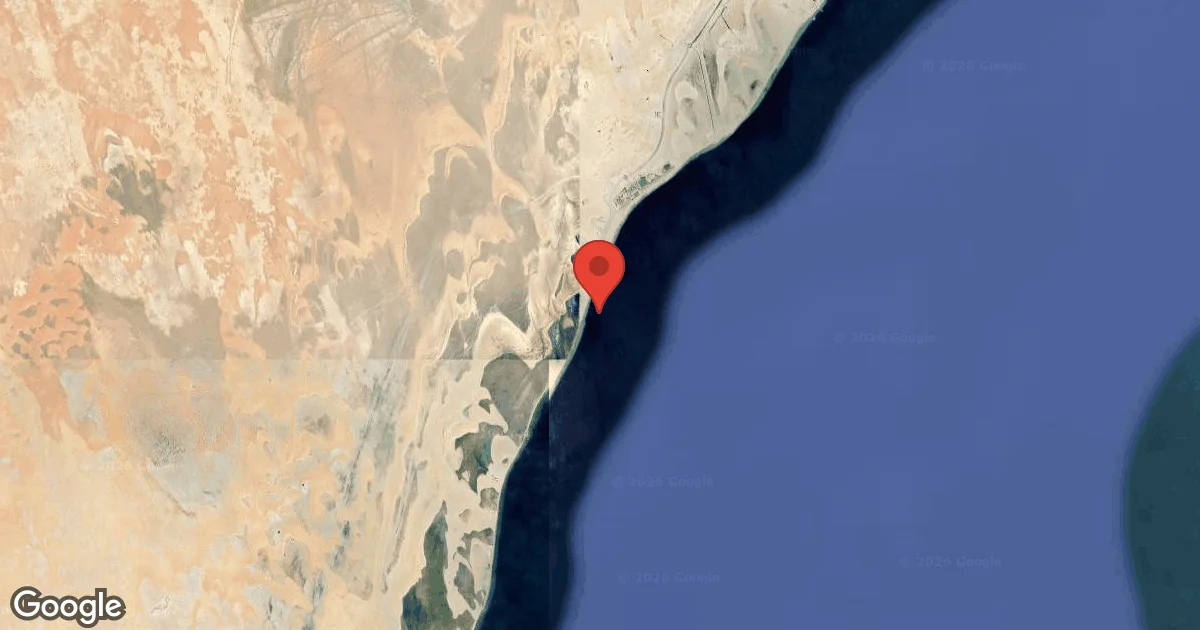
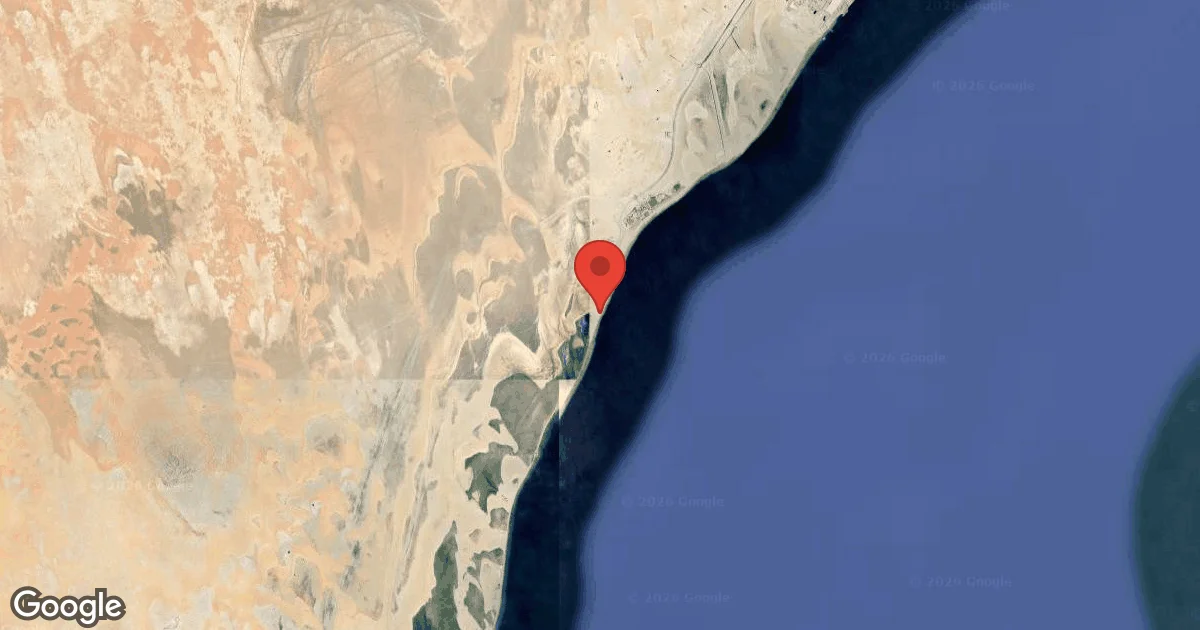
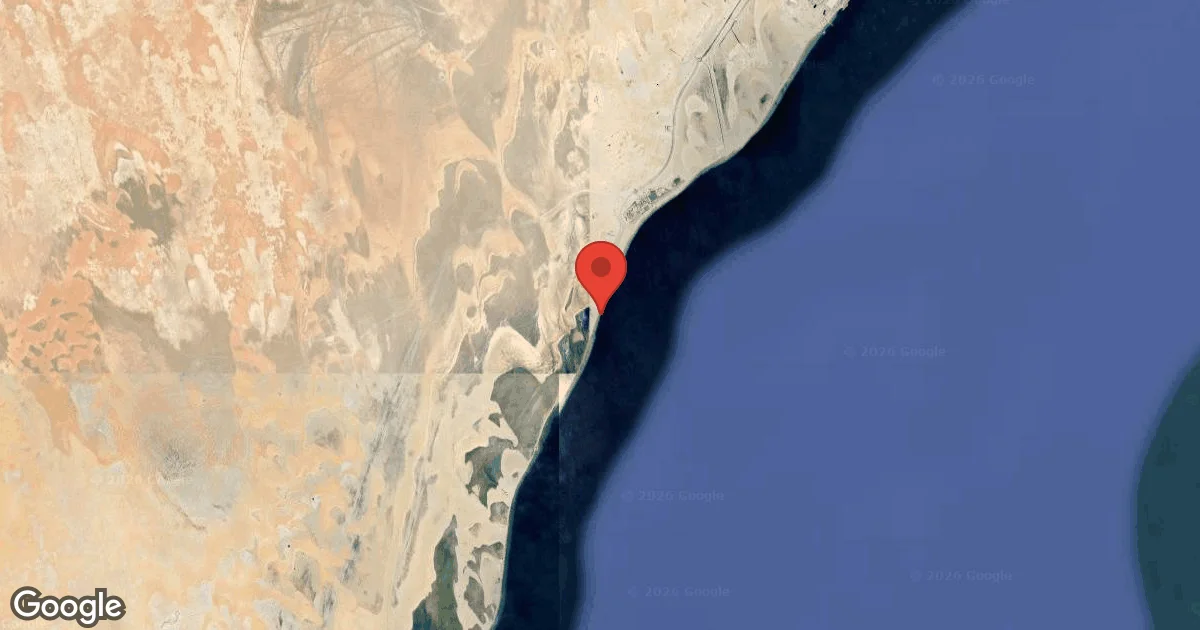
Dive sites in Qatar present a variation in depth, catering to different experience levels. Shallower explorations include the Inland Sea (Khor Al Adaid), typically ranging from 5-15 m (16-49 ft), known for its unique desert-meets-sea environment. Old Club Reef near Doha also offers accessible diving between 6-12 m (20-39 ft), featuring rocky outcrops.
For those seeking deeper experiences, the Al-Rayyan Wreck, a 1960s cement freighter, rests at depths of 12-20 m (39-66 ft). This wreck is a known habitat for moray eels, lionfish, and schooling jacks. Other notable sites like Abu Samra and a dhow wreck are recognized for their historical significance. Artificial reefs, some built from old vehicles and concrete blocks, are also part of the diverse underwater landscape, with some wrecks recommended for Advanced Open Water divers.
Best Time to Dive in Qatar
The ideal period for scuba diving in Qatar extends from March to October. During these months, conditions are most favorable for underwater exploration, offering a comfortable experience.
Water temperatures are notably warmer, typically ranging from 22-27°C (72-81°F), and visibility reaches its peak, often between 10-30 m (33-100 ft). Divers can also expect generally gentle currents, contributing to a more relaxed diving experience across various sites.
Monthly Sea Temperatures
Divers in Qatar can expect distinct seasonal variations in sea temperature. During the peak diving season from March to October, water temperatures are notably warmer, typically ranging from 22-27°C (72-81°F). Outside of these months, temperatures cool to approximately 18-22°C (64-72°F), influencing dive planning for those exploring during the cooler period.
| Jan | Feb | Mar | Apr | May | Jun | Jul | Aug | Sep | Oct | Nov | Dec | |
|---|---|---|---|---|---|---|---|---|---|---|---|---|
| Max | 23° | 21° | 23° | 26° | 30° | 32° | 35° | 36° | 34° | 33° | 31° | 26° |
| Avg | 21° | 19° | 21° | 23° | 28° | 31° | 32° | 34° | 33° | 31° | 28° | 24° |
| Min | 19° | 18° | 19° | 20° | 25° | 29° | 30° | 32° | 31° | 29° | 25° | 21° |
Dive Conditions
The underwater environment in Qatar is characterized by generally gentle currents, making it suitable for a range of diver experience levels. Waters are often calm and warm.
Visibility is typically at its best from March to October. Divers will encounter diverse underwater habitats, including sandy seabeds, artificial reefs, rocky outcrops, calm lagoons, and sea grass beds.
Marine Life Highlights
Most Mentioned Species
Marine life in Qatar varies across dive locations, with different species appearing depending on environment and conditions. The species highlighted here are the most frequently associated with dive sites in our data, offering a realistic overview of what divers are most likely to encounter.
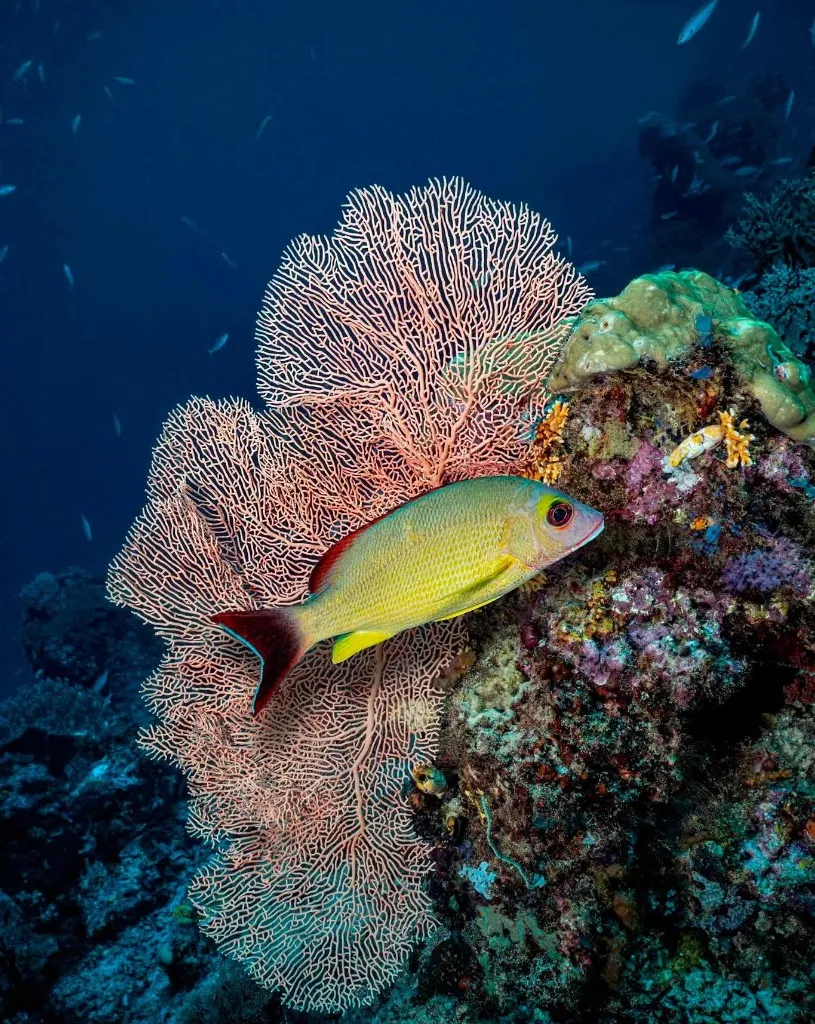
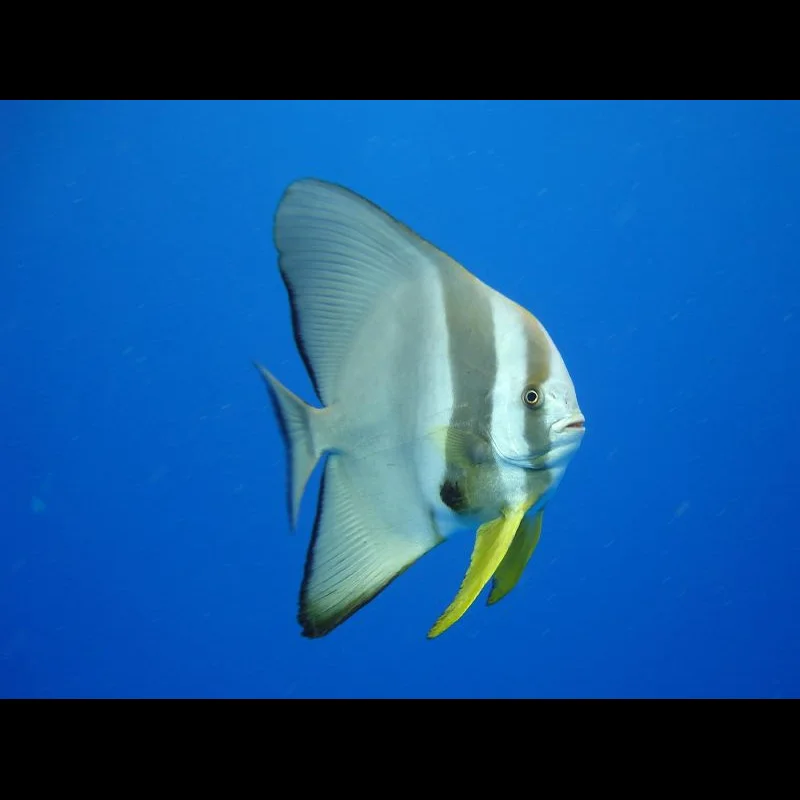
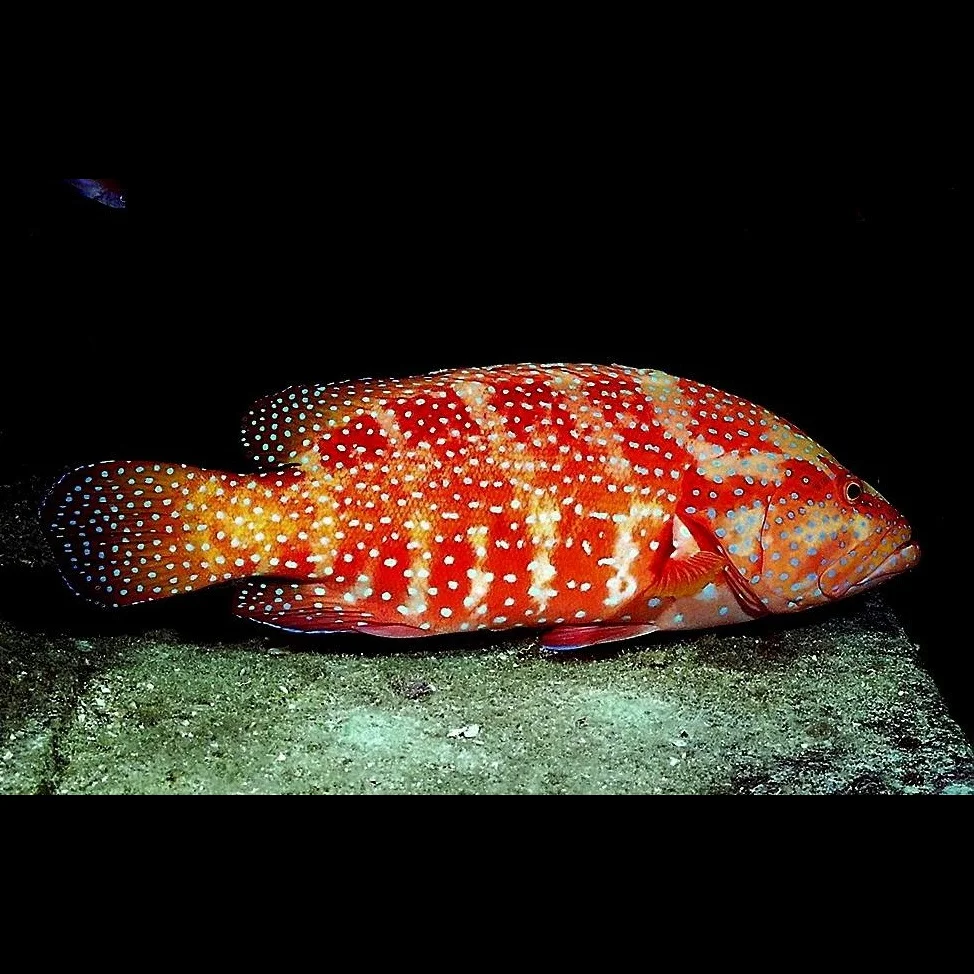
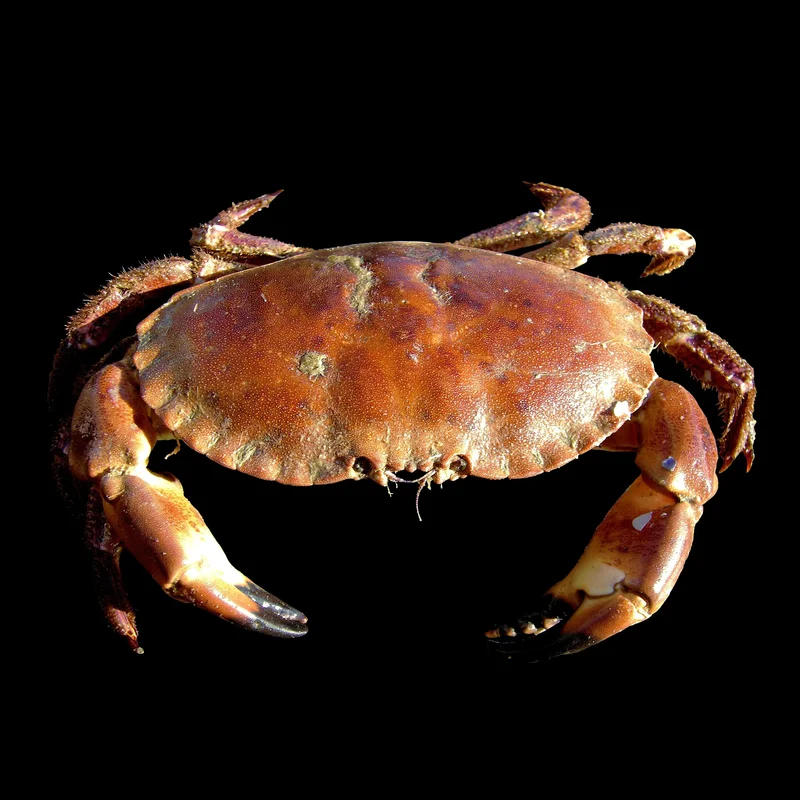
A variety of species can be observed across Qatar's dive sites, highlighting the country's biodiversity. Divers may encounter reef fish, turtles, and occasional sightings of larger pelagics like manta rays and sharks. Reef sharks are also present.
Specific sites host unique residents; the Al-Rayyan Wreck, for instance, shelters moray eels, lionfish, and schooling jacks. Macro life, including shrimps, crabs, and other small reef creatures, thrives in crevices and coral patches. Schools of snapper and batfish are common, with occasional stingrays. Night dives reveal hunting squid and cuttlefish.
Regions for Diving
Exploring Qatar's diving opportunities involves a progression through various coastal areas and offshore sites within the Arabian Gulf. While not formally defined into distinct diving regions, points of interest are spread across the country's waters.
Areas near Doha, such as Old Club Reef, offer accessible diving. Further exploration might lead to artificial reefs near the Pearl-Qatar or the man-made structures off Al Khor. The unique Inland Sea, Khor Al Adaid, represents a distinct natural reserve where desert topography meets the marine environment.
Travel & Passport Guide
Travel Basics
Trip Planning
Safety & Diving Considerations
Planning a dive trip to Qatar involves considering specific experience requirements for certain sites and the general conditions. Some locations, like specific wrecks, are recommended for Advanced Open Water divers or experienced freedivers.
Divers generally benefit from calm waters and gentle currents across many sites. Access to dive locations is facilitated through local tours or private transport, ensuring logistical ease for visitors.
Dive Centers in Qatar
View all 12 dive centers


Frequently Asked Questions
When is the best time to dive in Qatar?
The optimal period for diving in Qatar is from March to October. During these months, the water temperatures are warmer and visibility is at its best.
What types of marine life can I expect to see?
Divers can expect to encounter reef fish, turtles, and occasional manta rays or sharks. Specific sites may also reveal moray eels, lionfish, schooling jacks, snapper, batfish, stingrays, and various macro life like shrimps, crabs, squid, and cuttlefish.
Are there specific experience requirements for diving in Qatar?
Some dive sites, particularly certain wrecks, are recommended for Advanced Open Water certified divers or experienced freedivers. Many sites are suitable for a range of experience levels due to generally gentle currents.
What are some notable dive sites in Qatar?
Key dive sites include the Inland Sea (Khor Al Adaid) with depths of 5-15 m (16-49 ft), Old Club Reef in Doha at 6-12 m (20-39 ft), and the Al-Rayyan Wreck, a cement freighter found at 12-20 m (39-66 ft). Artificial reefs near the Pearl-Qatar and off Al Khor also offer unique exploration.