
Diving at 23RD Parallel (Australia)
Sitting on the outer reef off Western Australia's Ningaloo coast, this boat-accessed wall drops to around 25 m / 82 ft. Divers come for the vertical face, large sea fans set on small ledges, and a manta cleaning station where rays pause to be tended by smaller fish.
Reef sharks shelter in the ledges. Depth and open swell exposure point it toward divers who are comfortable with boat dives in moving water.
Evening condition tracking at 23RD Parallel features an air temperature of 23.5°C. We have recorded wave heights measuring 2.1 m during this period. These figures outline the environmental parameters currently present.
Dive Site Location & Key Facts
Dive Site Overview
Structure is the appeal here: an outer reef wall broken by small ledges, the kind of relief that gives both fish and divers a clear line to follow. Running as a steep face, the wall sets shaded pockets into the rock where reef sharks rest through the day, while large sea fans grow outward to catch the current moving along this stretch of reef. A manta cleaning station is the headline feature, a spot where mantas hold position while cleaner fish work over them; sightings are never guaranteed, but the station is the established reason divers book in.
Sitting on the outer reef well away from any sheltered lagoon, the water tends to be clearer and the marine traffic heavier, though that same exposure brings swell. Entry and exit are by boat, with no shore option, which keeps casual traffic low and means each dive is run to the conditions on the day. Plan it as a wall dive with a defined turnaround instead of an open wander; following the face and tracking depth is the natural way to work the site, easing up onto the shallower ledges for the final part of the dive.
Conditions are Poor
High Swell Advisory. Not recommended.
Current conditions near 23RD Parallel show 24° air, 23° sea temperature, 3.0 m waves, and 38 km/h wind. Forecast data is refreshed regularly to ensure accuracy.
Best Time to Dive
Autumn stands out clearly in the data, with March through May scoring well above the rest of the year. Those three months pair the year's best dive-condition scores with water still warm from summer, around 27°C / 81°F in March and easing into the mid-20s°C / upper-70s°F by May. Come July the water cools to about 22°C / 72°F, its lowest point, so a thicker wetsuit makes sense for winter dives. Wind blows hardest over summer, near 33 km/h / 21 mph in January, and settles through autumn, which is another mark in favour of the March-to-May window. Swell never fully drops off along this coast; modelled wave height holds at roughly 1.7–2.3 m / 6–8 ft across the calendar, so choosing a settled day matters more than choosing a month. Rainfall stays negligible year-round and is not a planning factor.
PEAK SEASON SCORE
Scores combine air & water temps, waves, wind & rainfall for overall conditions.
BEST MONTHS TO DIVE
Monthly records compiled from satellite and marine observation nodes over the last 3 years. Data provided by Open-Meteo and MET Norway.
Dive Experience & Conditions
Expect a boat dive run as a wall profile: drop onto the reef, work along the face, and use the upper ledges to off-gas toward the end. Maximum depth reaches about 25 m / 82 ft, which keeps the dive within recreational limits while still trimming bottom time, so gas and no-deco planning carry weight. Terrain is vertical face plus small ledges instead of open flats, which puts buoyancy control front and centre; the ledges hold sharks and fans you will want to approach without stirring anything up. Sea fans growing into the flow are a sign that current can run along the wall, and how much varies day to day, so a check with the operator before splashing is worth the minute. Everything being boat-based and open to swell, surface conditions can be lively even when it is calm below, and there is no sheltered entry to fall back on once the boat is over the site.
Dive Difficulty & Safety Guidelines
Swell exposure is the hazard the source flags, and it shapes the rest of the dive: open-water surge can make the descent and the safety stop more demanding than the depth numbers alone suggest. Reaching roughly 25 m / 82 ft puts this past a first-dive site, so solid buoyancy, gas management, and comfort with a free descent in moving water are the baseline. Because current can run along the wall, set a planned turnaround and keep track of your position relative to the boat before you drop.
One category of risk is absent here: with the dive along an open face and not into the rock, there are no overhead environments to manage. As a boat-only site with no shore fallback, it leans entirely on the operator's read of the day, and if they stand it down for swell, that is the conservative and correct call.
Recommended Equipment
- Dive Computer
- DSMB
This gear list is based on verified equipment signals for 23RD Parallel, Australia. Always confirm final gear choices with your dive operator, guide, or liveaboard.
Recommended Dive Suit
The latest conditions reported around 23RD Parallel place the water temperature close to 23°C (73°F). Surface air temperatures are resting at 24°C (74°F).
For the majority of recreational dives here, 3-5mm wetsuit should provide suitable protection. A hood or vest is suggested for sensitive divers due to surface winds.
Weather models currently point toward consistent diving conditions over the next several days.
Emergency & Medical Support
Essential information to help you plan your dive trip to 23rd Parallel.

Hyperbaric chambers are a critical part of dive safety infrastructure. Availability varies significantly by region, and not all dive areas have immediate access.
Before diving, it's recommended to:
- confirm nearest medical facilities
- check emergency procedures with local dive operators
- ensure dive insurance covers evacuation if required
Divers Alert Network
Diving emergency assistance available through DAN World.
+1-919-684-9111- 24/7 emergency hotline
- Diving medical assistance
- Evacuation coordination
Emergency contacts are provided for reference. Always verify local emergency services before diving.
Marine Life at 23RD Parallel
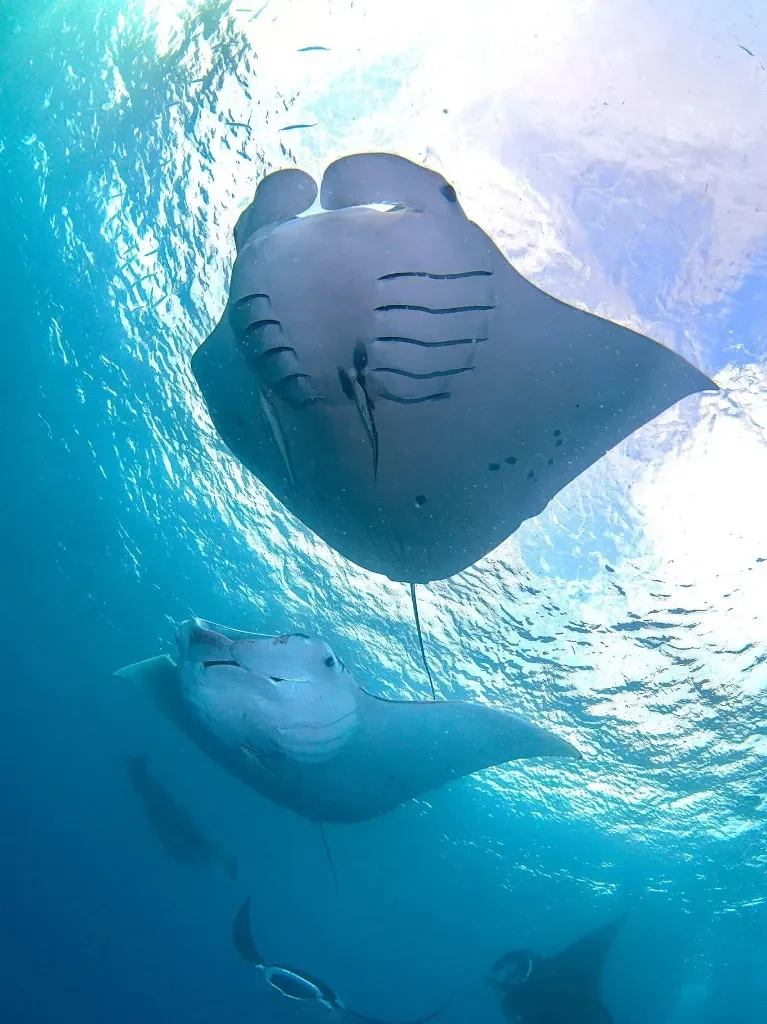
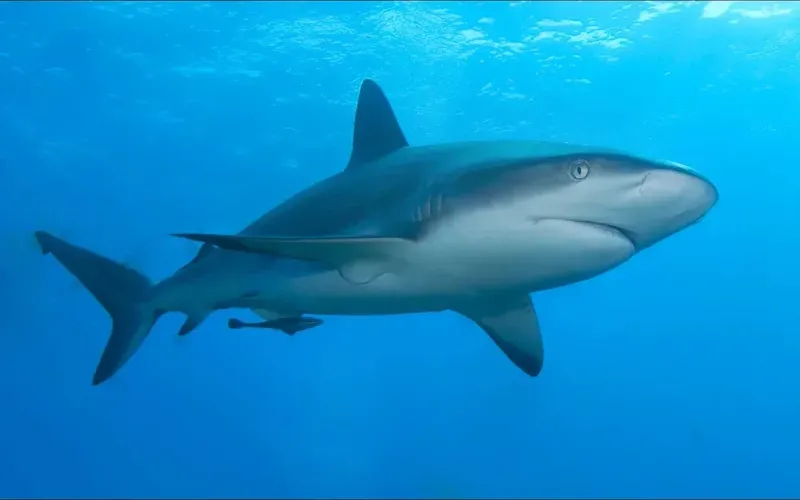
Confirmed sightings centre on the drawcards: manta rays at the cleaning station, reef sharks tucked into the ledges, and large sea fans standing off the wall. Mantas are why most divers come, though as with any cleaning station the animals keep their own schedule.
Source notes also mention, without the same level of confirmation, sea whips alongside the fans, wobbegong sharks set into the structure, plus eels, scorpionfish, painted crayfish and nudibranchs for divers who slow down and search the ledges. Treat that second group as possible and not expected; the smaller, camouflaged species in particular reward a careful, unhurried pass along the face.

Dive Sites Near 23RD Parallel
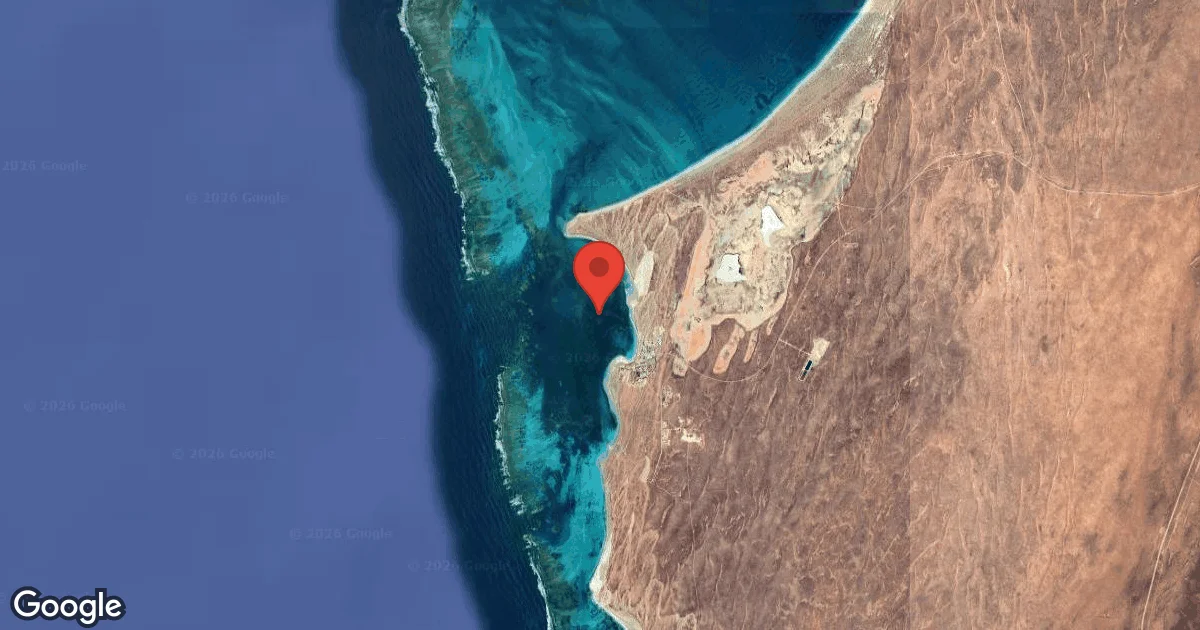
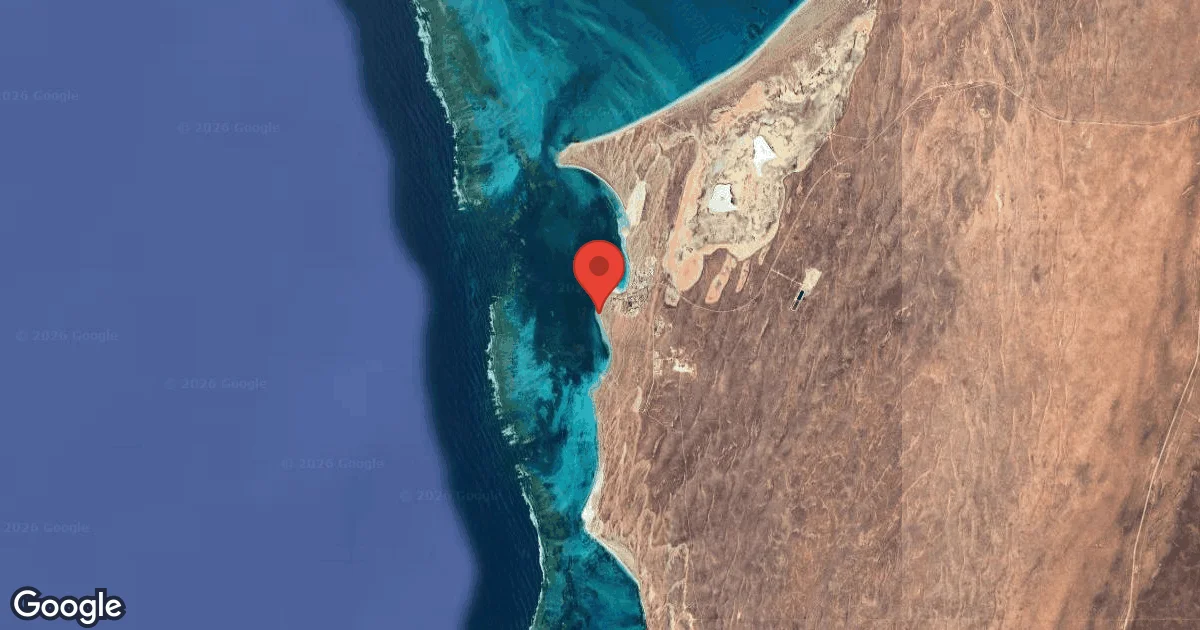
View all dive sites in AustraliaDiscover more underwater gems in this area.
Dive Centers Near 23RD Parallel
No Dive Centers Local To 23RD Parallel
Are you a dive center visiting this location? Get listed to reach divers.
Nearest Airports
Nearest airports to help plan travel to this dive area.
Search Flights
Check available flights and routes on Expedia, using the nearby airports listed in this section.
Search Flights on ExpediaFrequently Asked Questions
How deep is the 23rd Parallel dive?
Maximum depth is around 25 m / 82 ft. That sits within recreational limits but is deep enough that gas and no-decompression planning matter.
Can it be dived from shore?
No. Access is by boat only, with no shore entry, so the dive depends on a boat running to the site.
When are conditions usually best?
March to May score highest in the available data, combining warm water near 27°C / 81°F early in that window, lighter wind than summer, and the year's top dive-condition scores.
Am I likely to see mantas?
A manta cleaning station is a known feature of the site, but sightings are never guaranteed; the rays come and go on their own schedule.
Is it a good site for new divers?
It suits divers comfortable with boat dives and depth. The roughly 25 m / 82 ft profile and open swell exposure make it more demanding than a sheltered first-dive site.
What water temperatures should I expect?
Warmest around 27°C / 81°F in March and coolest near 22°C / 72°F in July, so wetsuit thickness should follow the season.
Planning to dive 23RD Parallel?
Send one inquiry and receive offers directly from the best verified local dive operators.
Conditions are Poor
High Swell Advisory. Not recommended.
Current conditions near 23RD Parallel show 24° air, 23° sea temperature, 3.0 m waves, and 38 km/h wind. Forecast data is refreshed regularly to ensure accuracy.