What Divers Should Know About Reef Shark

Learn all about the Reef Shark, including dynamic specs, encounter highlights, habitats, and the best dive sites to find them.
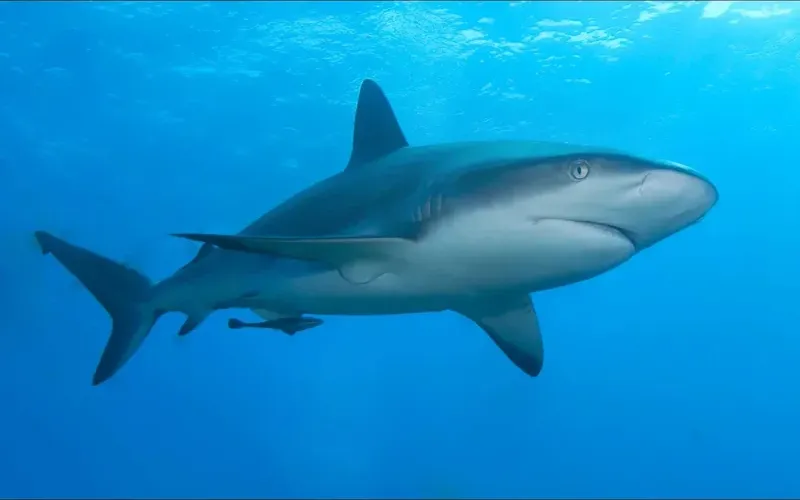
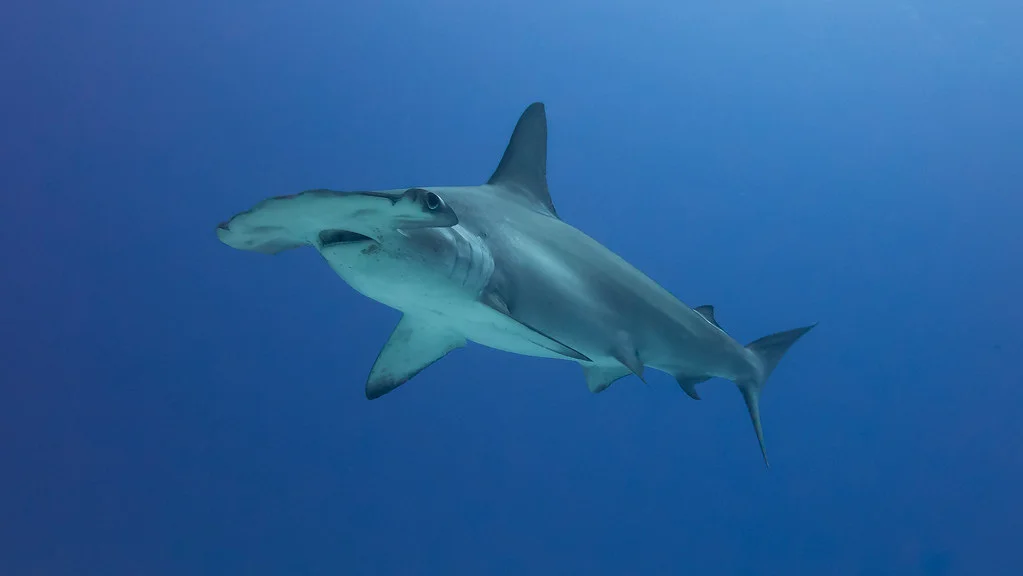
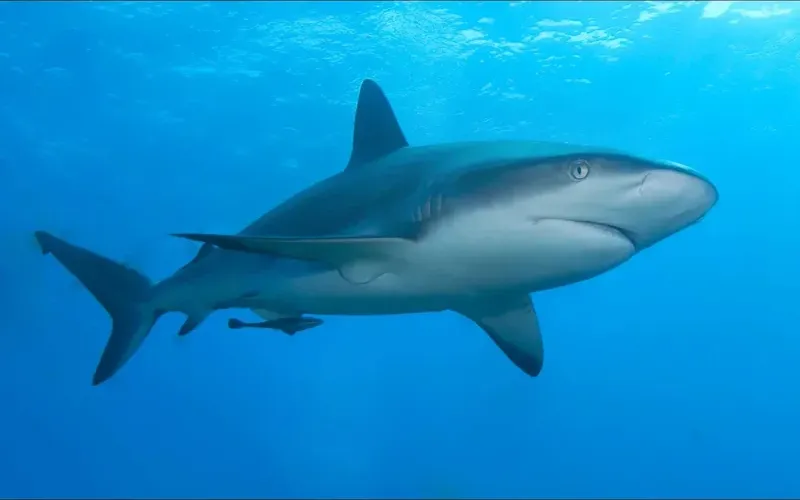
Sleek grey reef shark (Carcharhinidae) cruising through clear blue water along a coral reef
Scientific Name

Carcharhinidae

Size

1.2–2.6 m

Depth

0–300 m

Habitat

coral reef, rocky reef, sand, mangrove

Conservation

Varies by species

Danger Level

Caution

About the Reef Shark

Reef sharks belong to the requiem shark family Carcharhinidae and represent the quintessential shark encounter for tropical scuba divers worldwide. The group primarily includes the blacktip reef shark, whitetip reef shark, grey reef shark, and Caribbean reef shark. Most reef sharks measure between 1.2 and 2.6 m (3.9 to 8.5 ft) in total length and weigh between 13 and 70 kg (29 to 154 lb), though the Caribbean reef shark can occasionally reach 3 m (9.8 ft). They are streamlined, muscular apex and mesopredators characterized by round eyes, five gill slits, and distinct fin markings such as stark white or jet-black tips.

Each species occupies a distinct ecological niche along the reef profile at depths from the surface down to 300 m (984 ft), though recreational sightings typically occur between 1 and 40 m (3.3 to 131 ft). Blacktip reef sharks frequently patrol shallow lagoons, sandy flats, and mangrove fringes in just 1 to 10 m (3.3 to 33 ft) of water. Whitetip reef sharks are unique among requiem sharks for their ability to pump water over their gills while resting motionless inside caves, crevices, and under coral overhangs during the day. Meanwhile, grey reef sharks and Caribbean reef sharks prefer outer reef slopes, drop-offs, and current-swept channels.

For scuba divers, reef sharks provide thrilling yet generally safe sightings when observed with respect. While inquisitive and assertive around spearfishing or bait, they are typically cautious around calm divers who maintain neutral buoyancy and avoid blocking their path. Overfishing and habitat degradation have pushed several reef shark species into threatened conservation categories.

Further Reading

Did You Know?

Drop-Off Sentinels With Body-Language Warnings and Cave-Sleeping Surprises

“Gliding along current-swept outer atoll walls and spur-and-groove passes, requiem reef sharks of the family Carcharhinidae partition coral seas with distinct personalities and physiological surprises. For decades, textbooks insisted requiem sharks like the Caribbean reef shark (Carcharhinus perezi) had to swim nonstop or suffocate—until divers in Cozumel and Isla Mujeres documented scores lying stone-still inside fresh-spring-fed limestone caverns, pumping oxygenated current effortlessly across their gills. Over in the Indo-Pacific, grey reef sharks (Carcharhinus amblyrhynchos) gather in daytime current schools at channel corners and communicate clear boundaries to encroaching divers via an unmistakable agonistic display: arching the back, dropping pectoral fins steeply downward, and weaving in exaggerated S-turns long before ever defending space.”

Where You Can See Reef Shark

This map highlights the main regions where divers may encounter Reef Shark or where the species is commonly associated with suitable marine habitats. Actual sightings depend on local dive sites, season, visibility, depth, and natural behaviour.

World distribution map showing regions where divers can see Reef Shark: Caribbean, East Pacific, Indian Ocean, Asia Pacific, Mediterranean
Caribbean
East Pacific
Indian Ocean
Asia Pacific
Mediterranean

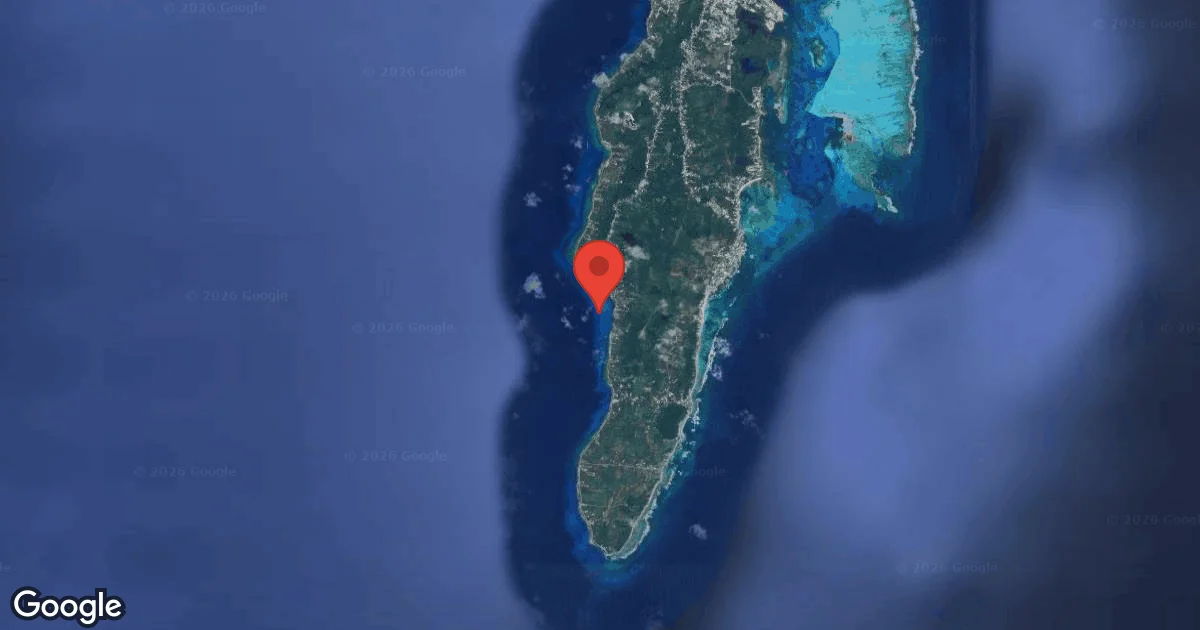
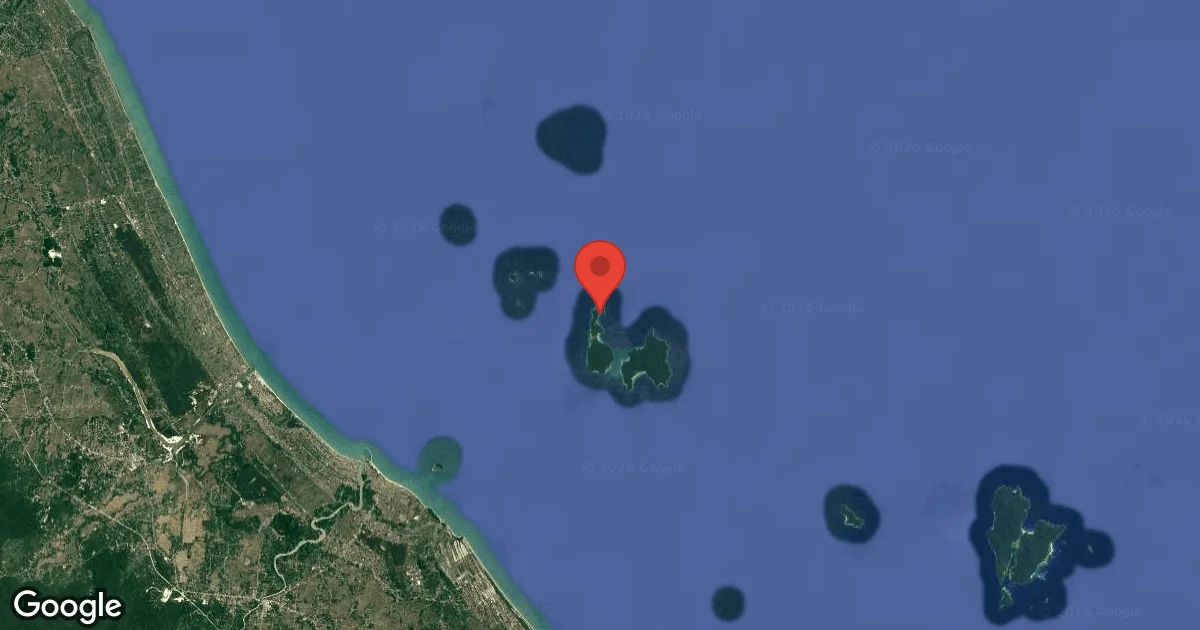
Dive Sites with Reef Shark

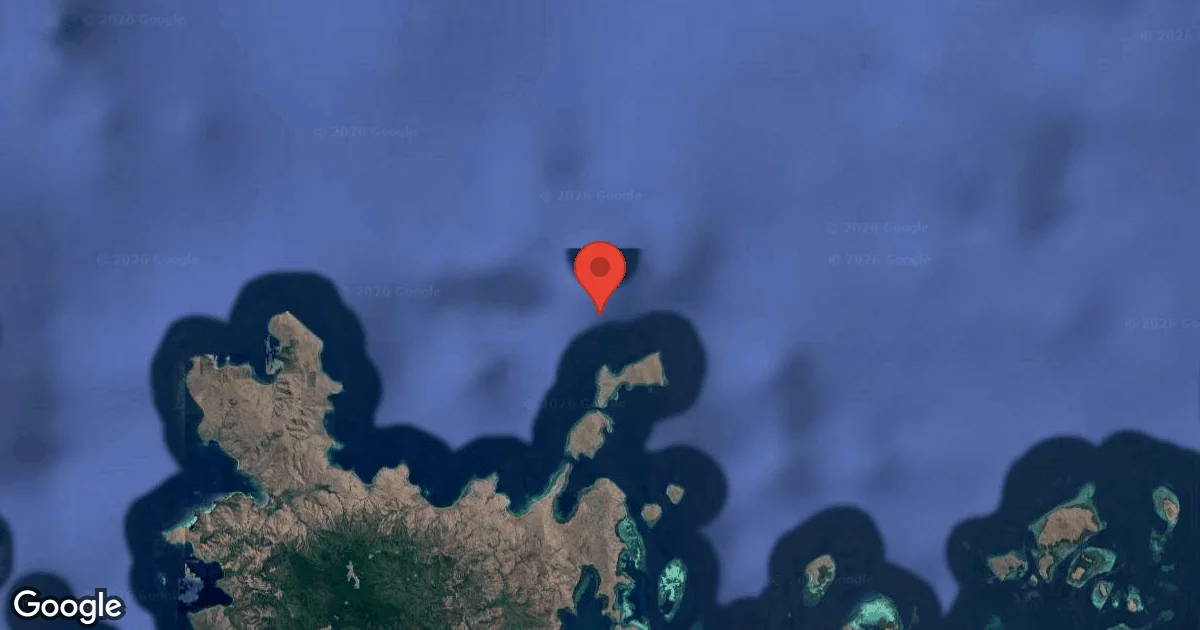
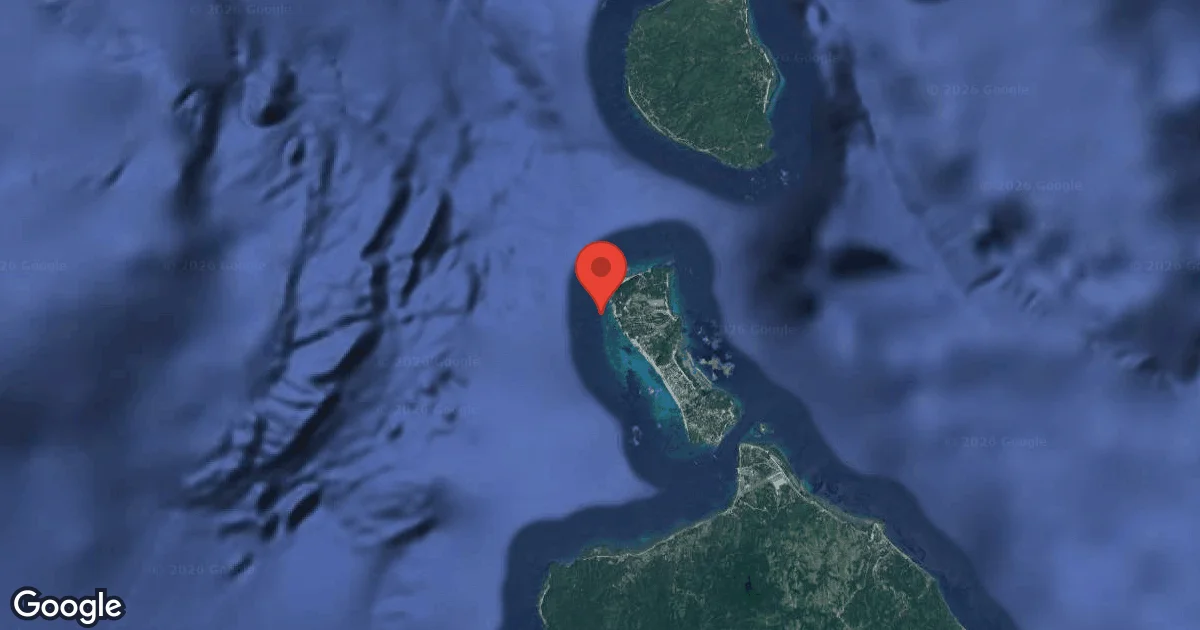
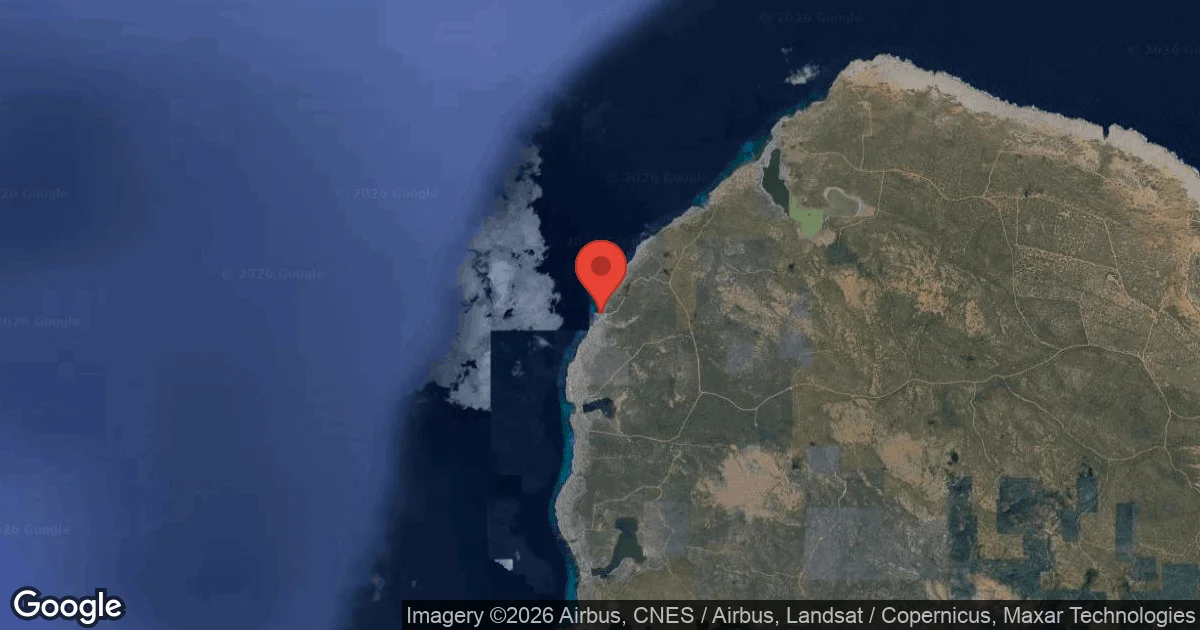
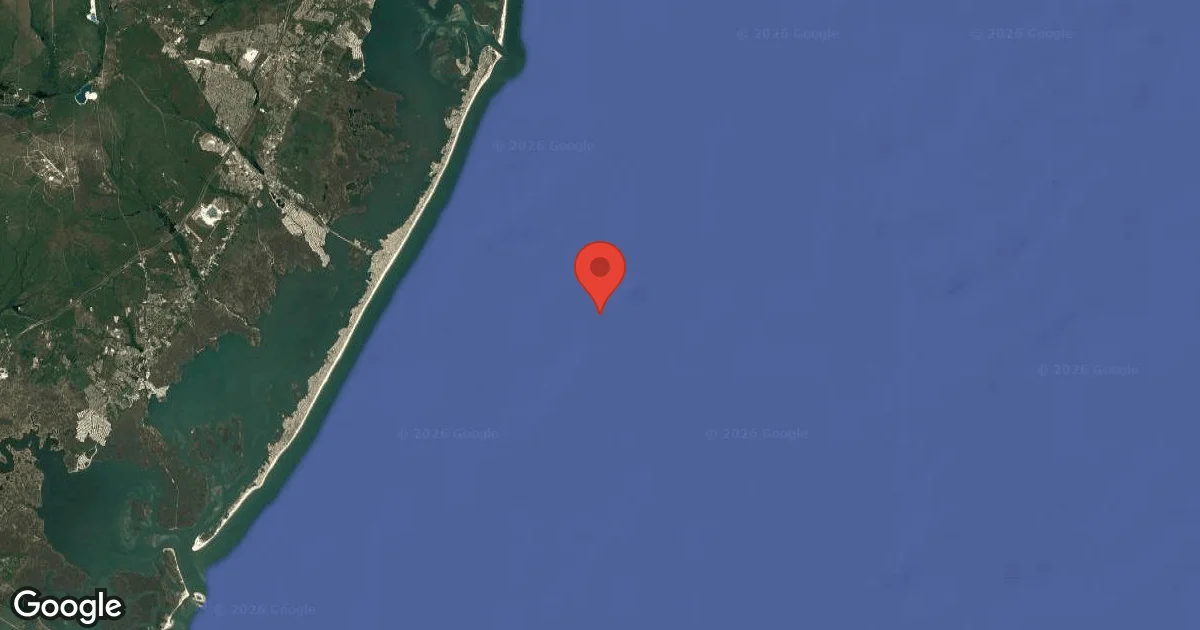
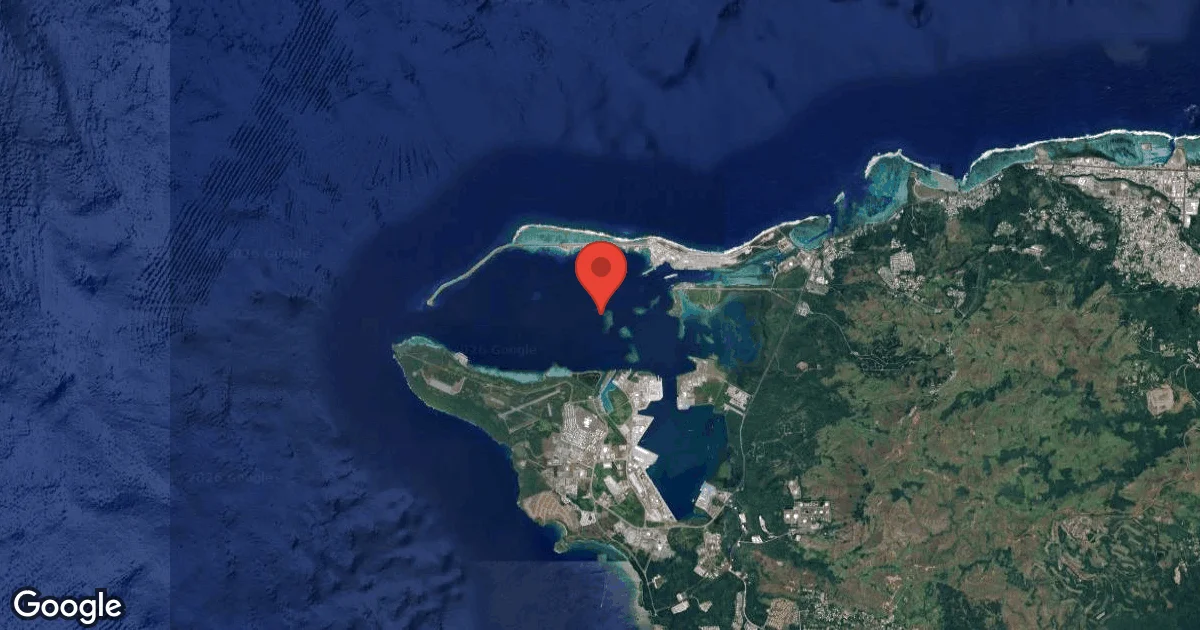
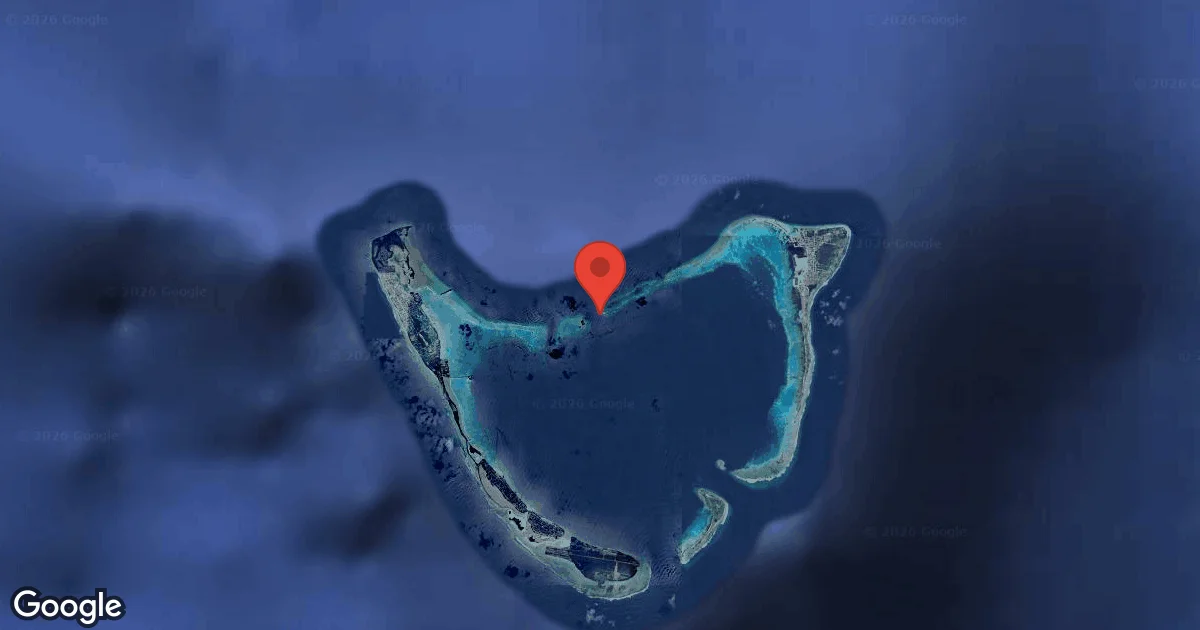
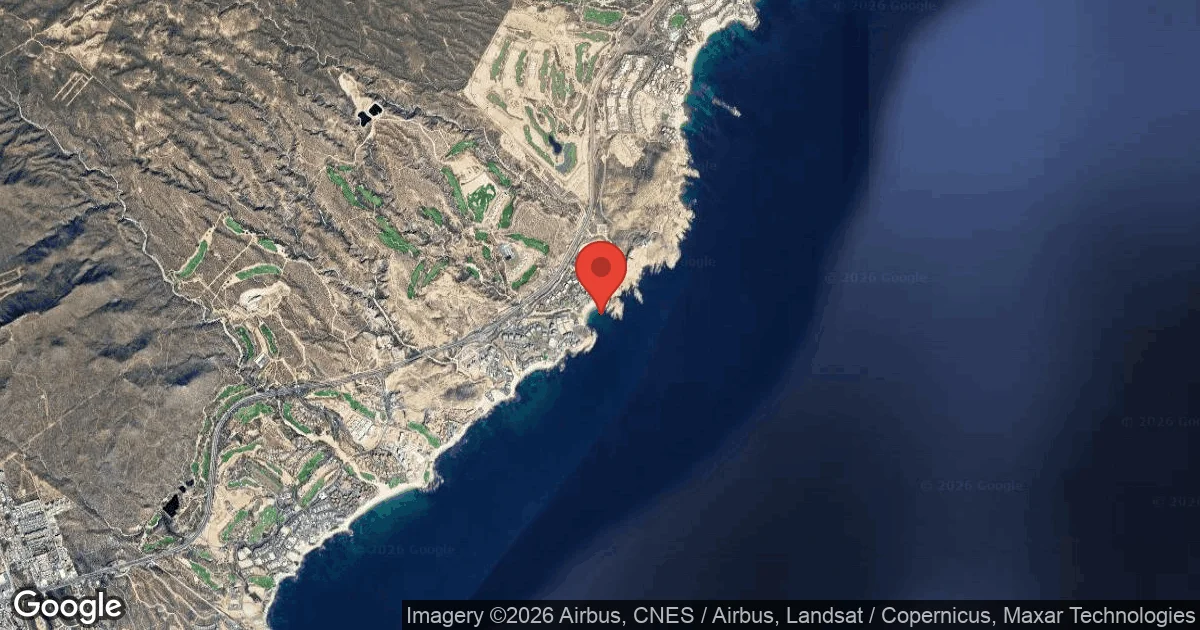
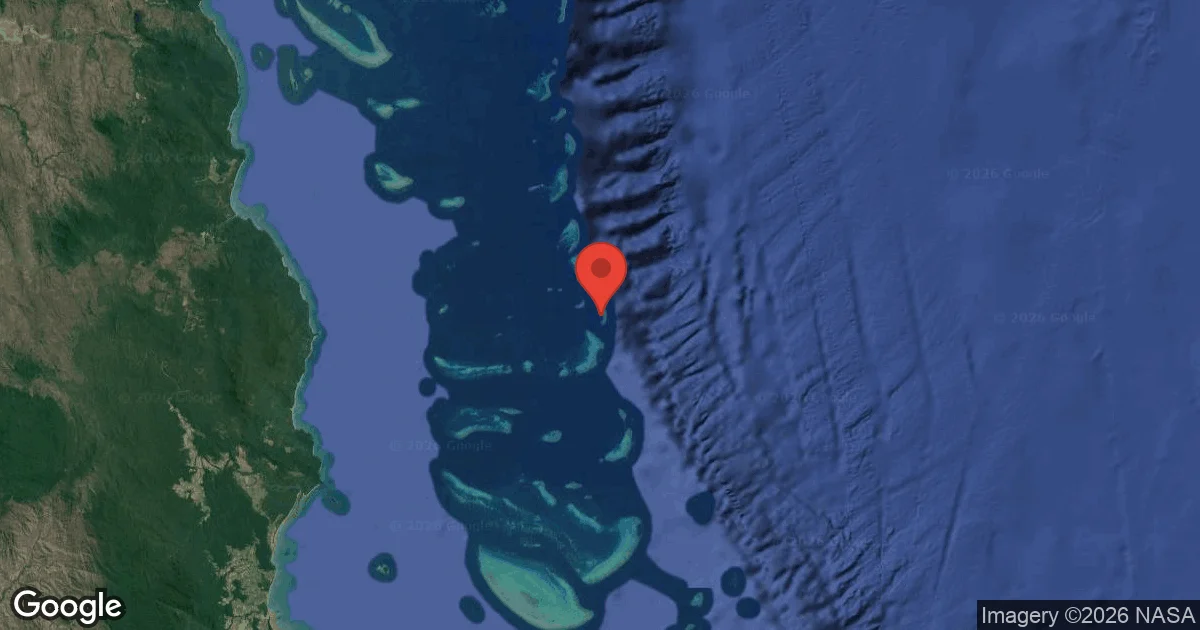
Discover 12 of 392 breathtaking locations where you can encounter this species.
Related Marine Life

Explore other incredible species you can encounter on your diving adventures.