
Diving at Burns Rocks / Seal Canyons (Australia)
In the northern reaches of Marmion Marine Park, Burns Rocks (Seal Canyons) is a shallow boat dive of canyons, swim-throughs, caves and walls dropping to about 10 m / 33 ft. The headline is the sea lions, often playing in the surf, sometimes curious enough to buzz you. They've got serious teeth though, so hands to yourself. Rated intermediate.
As evening covers Burns Rocks / Seal Canyons, the local air temperature is measured at 19°C. The current wave height at the surface is recorded at 1.2 m. These late-day readings characterize the surface conditions for the night.
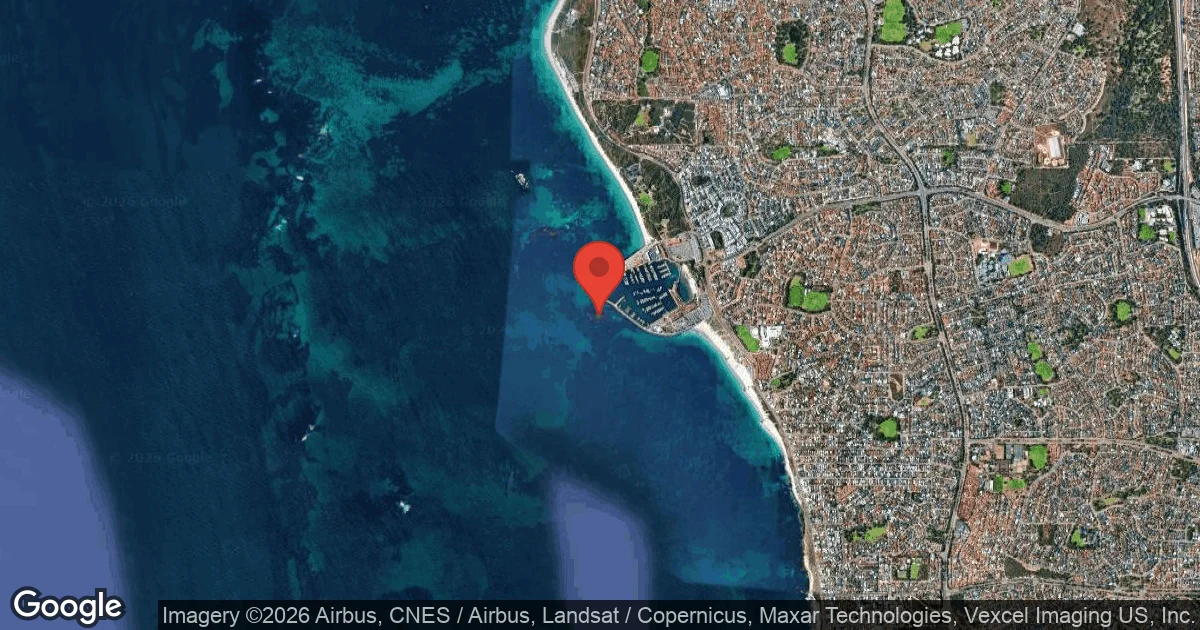
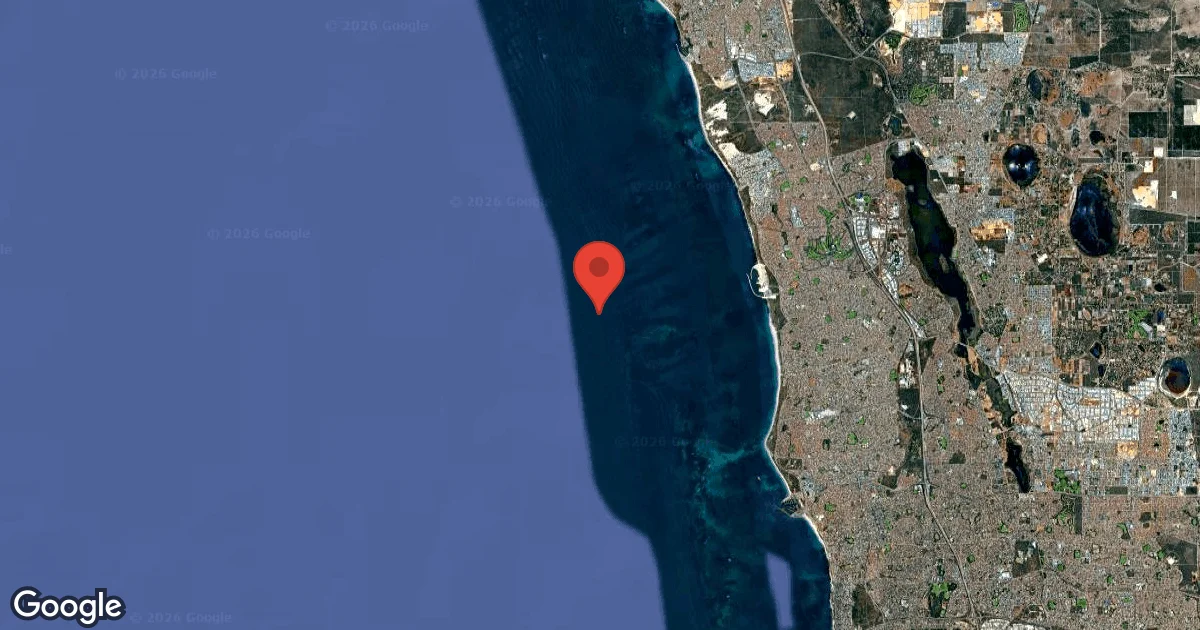
Dive Site Location & Key Facts
Dive Site Overview
The rock here is too big to lap in a single dive, and trying earns you a long surface swim, so this is a site you explore in sections instead of circling. East-to-west canyons cut through it, lined with hard corals and capped at their ends by brain corals, and swim-throughs, caves and walls fill in the rest, all in about 10 m / 33 ft.
The shallow depth is deceptive, because there's a lot packed in: you thread the canyons, duck through the swim-throughs, and keep one eye up for the sea lions that work the surf above. If one comes to investigate, it's a genuine highlight, but those teeth are no joke and the animals are protected, so you keep your distance and your fingers to yourself. Anchor according to the wind, ideally an easterly so you can dive the sheltered south-western side, and save it for a low-swell day. Plan your route before you drop, since you can't lap the rock and you want to finish near the boat. The canyons pack a surprising amount of vertical interest into such a shallow dive.
Conditions are Poor
High Swell Advisory. Not recommended.
Current conditions near Burns Rocks / Seal Canyons show 19° air, 19° sea temperature, 3.5 m waves, and 39 km/h wind. Forecast data is refreshed regularly to ensure accuracy.
Best Time to Dive
Summer, roughly January through March, gives you the best scores and the calmest shot at the canyons. Water sits cool to mild, peaking near 24°C / 75°F and falling to about 17°C / 63°F in winter, so dress accordingly. Swell is the deciding factor, climbing from around 1.6 m / 5 ft in summer toward 2.8 m / 9 ft in winter, and a low-swell day is what makes the shallow canyons and surf-zone sea lions safe and enjoyable. The wind direction matters as much as its strength, since an easterly lets you tuck into the protected side of the rock, so check both before you go. Match your anchoring to the wind and keep the swell low, and the surf-zone sea lions become the highlight instead of a hazard.
PEAK SEASON SCORE
Scores combine air & water temps, waves, wind & rainfall for overall conditions.
BEST MONTHS TO DIVE
Monthly records compiled from satellite and marine observation nodes over the last 3 years. Data provided by Open-Meteo and MET Norway.
Dive Experience & Conditions
Expect a shallow but busy dive. You move through canyons that run east to west, weave the swim-throughs, and explore caves and walls, all within about 10 m / 33 ft, so depth never limits you, time does. The sea lions are the wild card. They often play in the surf overhead and may come down for a curious look, and that interaction is the moment people come for. Stay still, let them lead, and never reach for them, because they bite and they're legally protected. Don't try to circle the whole rock; pick a section and work it. Anchor for an easterly wind to dive the sheltered south-west, and keep the swell low so the surf zone stays manageable.
Dive Difficulty & Safety Guidelines
Two things define safety here, and neither is depth. First, the sea lions: they have a serious set of teeth, so admire them, keep your hands to yourself, and never attempt to touch. They're protected under strict regulations, so check the latest marine park rules before you go to avoid penalties.
Second, the layout: the rock is too large to circle in one dive, so plan a section and stick to it instead of risking a long surface swim. The canyons and caves are an overhead-adjacent environment, so move through them with light and awareness, keeping any penetration within your training. Add a low-swell day and the right anchoring for the wind, and an intermediate diver has a manageable, rewarding dive.
Recommended Equipment
Overhead environment. Do not enter beyond training and gas planning limits.
- Dive Computer
- DSMB
- Primary & Backup Lights
- Reel / Spool
- Cutting Tool
This gear list is based on verified equipment signals for Burns Rocks / Seal Canyons, Australia. Always confirm final gear choices with your dive operator, guide, or liveaboard.
Recommended Dive Suit
5mm wetsuit is frequently recommended by dive operators for conditions like these. Surface intervals may feel cooler. Those diving at Burns Rocks / Seal Canyons today will likely encounter water temperatures in the region of 19°C (67°F). Surface air temperatures are resting at 19°C (66°F).
Forecast conditions over the next few days suggest temperatures will remain relatively stable.
Even small thermoclines can occasionally cause noticeable changes in water temperature.
Due to technical issues with our weather providers, live updates are temporarily delayed. The data above reflects the conditions at the time of the last successful fetch.
Emergency & Medical Support
Essential information to help you plan your dive trip to Burns Rocks / Seal Canyons.

Hyperbaric chambers are a critical part of dive safety infrastructure. Availability varies significantly by region, and not all dive areas have immediate access.
Before diving, it's recommended to:
- confirm nearest medical facilities
- check emergency procedures with local dive operators
- ensure dive insurance covers evacuation if required
Divers Alert Network
Diving emergency assistance available through DAN World.
+1-919-684-9111- 24/7 emergency hotline
- Diving medical assistance
- Evacuation coordination
Emergency contacts are provided for reference. Always verify local emergency services before diving.
Marine Life at Burns Rocks / Seal Canyons
The sea lions are the draw, recorded here playing in the surf and occasionally interacting with divers, and brain coral is confirmed marking the ends of the canyons. A curious sea lion looping past you is the memory you'll take home, earned by staying calm and keeping your distance.
The notes also describe schooling yellowtail, eagle rays and banded red morwong working the canyons, though those sit in the less-confirmed column. Expect the structure and the chance of the sea lions, and let the rest be a bonus.

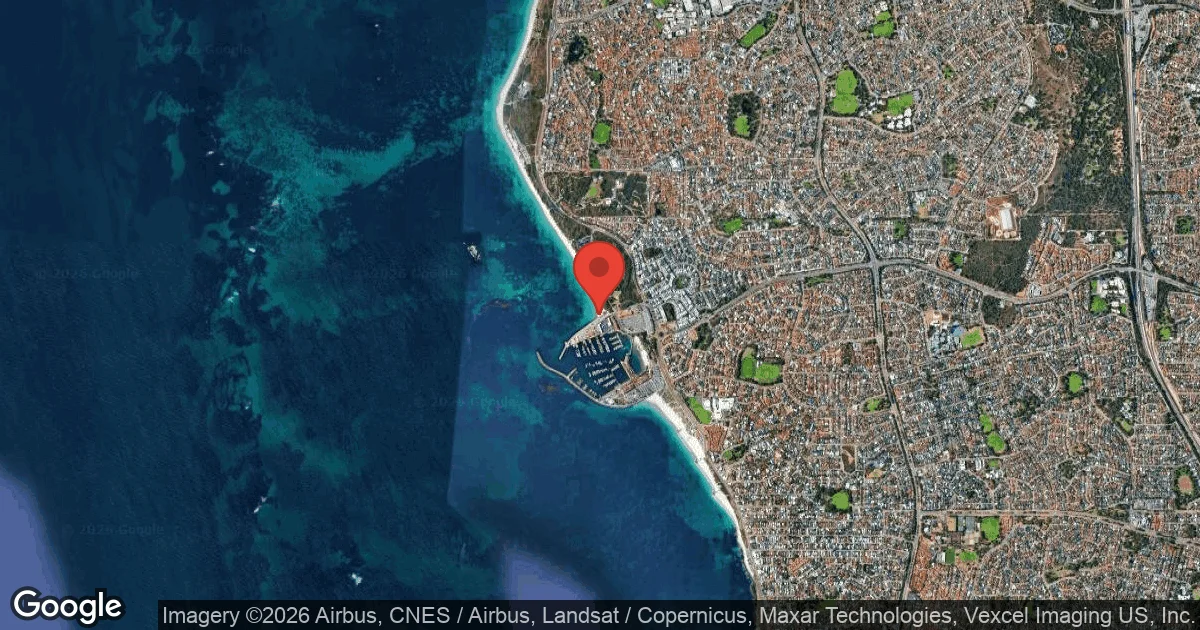
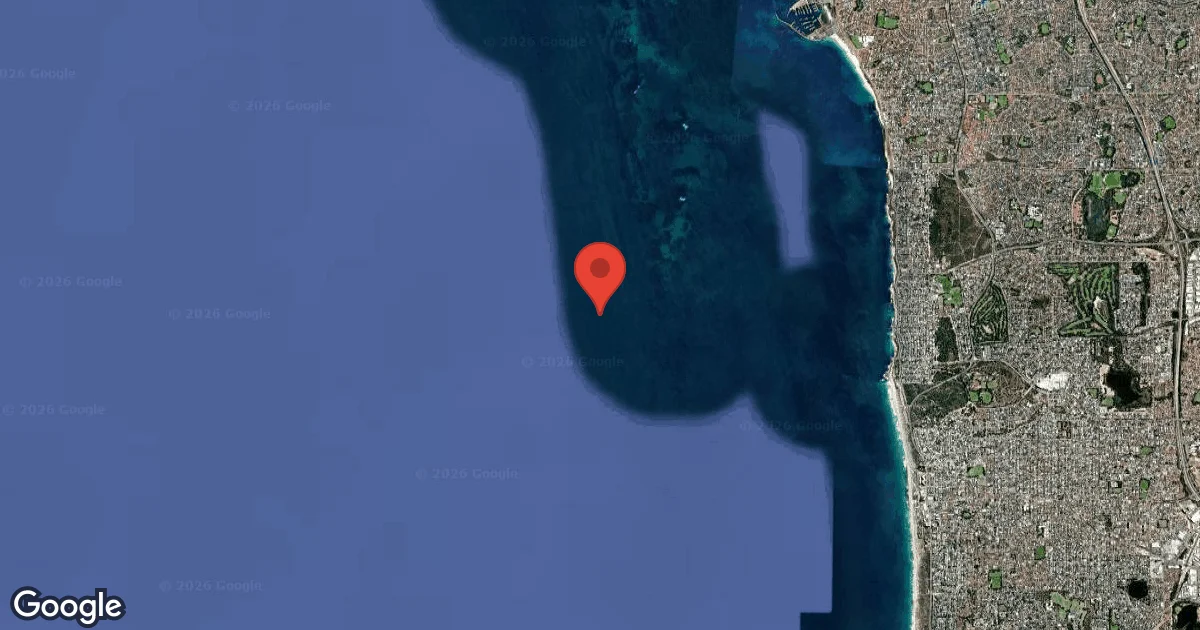
Dive Sites Near Burns Rocks / Seal Canyons
View all dive sites in AustraliaDiscover more underwater gems in this area.
Dive Centers Near Burns Rocks / Seal Canyons
Today: 09:00 - 16:00
Nearest Airports
Nearest airports to help plan travel to this dive area.
Search Flights
Check available flights and routes on Expedia, using the nearby airports listed in this section.
Search Flights on ExpediaFrequently Asked Questions
Can I touch or feed the sea lions?
No. They have a serious set of teeth and they're protected under strict regulations. Keep your distance, never reach for them, and check current marine park rules before you go.
How deep is the dive?
Shallow, about 10 m / 33 ft at most, with an average around 6 m / 20 ft, but the canyons and caves pack a lot into that depth.
Can I circle the whole rock?
No, it's too big to lap in one dive, and trying means a long surface swim. Pick a section and explore that.
How should I anchor?
According to the wind. An easterly is ideal, letting you dive the sheltered south-western side of the rock.
When is it safe to dive?
On a low-swell day, which keeps the shallow canyons and the surf zone where the sea lions play manageable.
Planning to dive Burns Rocks / Seal Canyons?
Send one inquiry and receive offers directly from the best verified local dive operators.
Conditions are Poor
High Swell Advisory. Not recommended.
Current conditions near Burns Rocks / Seal Canyons show 19° air, 19° sea temperature, 3.5 m waves, and 39 km/h wind. Forecast data is refreshed regularly to ensure accuracy.