
Diving at Honeycomb (Australia)
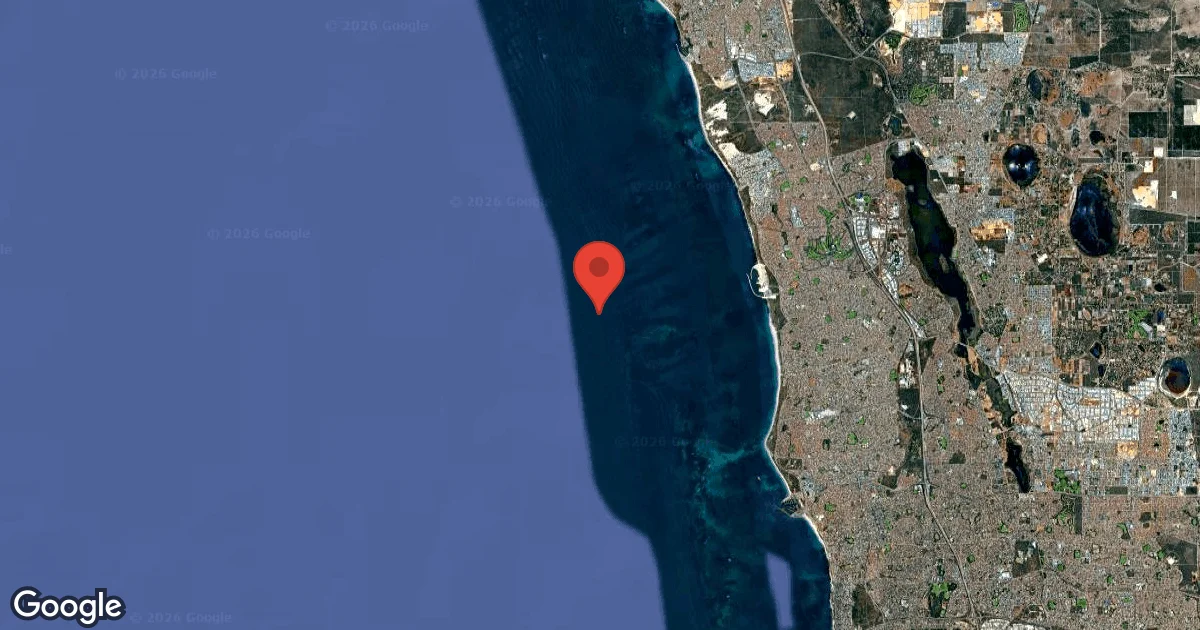
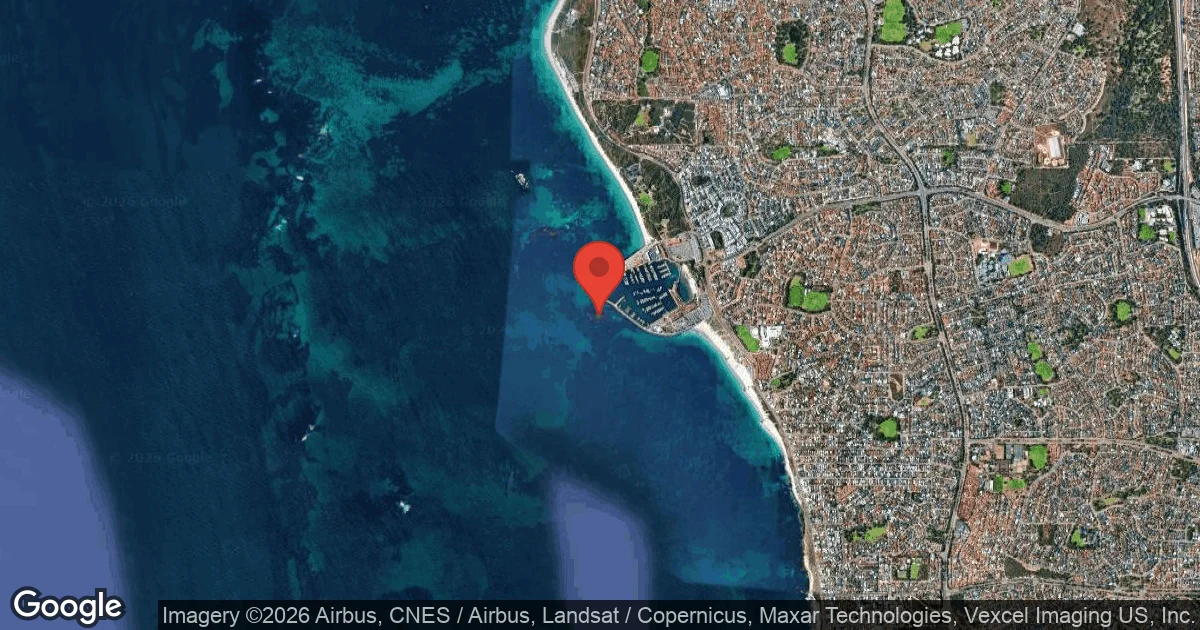
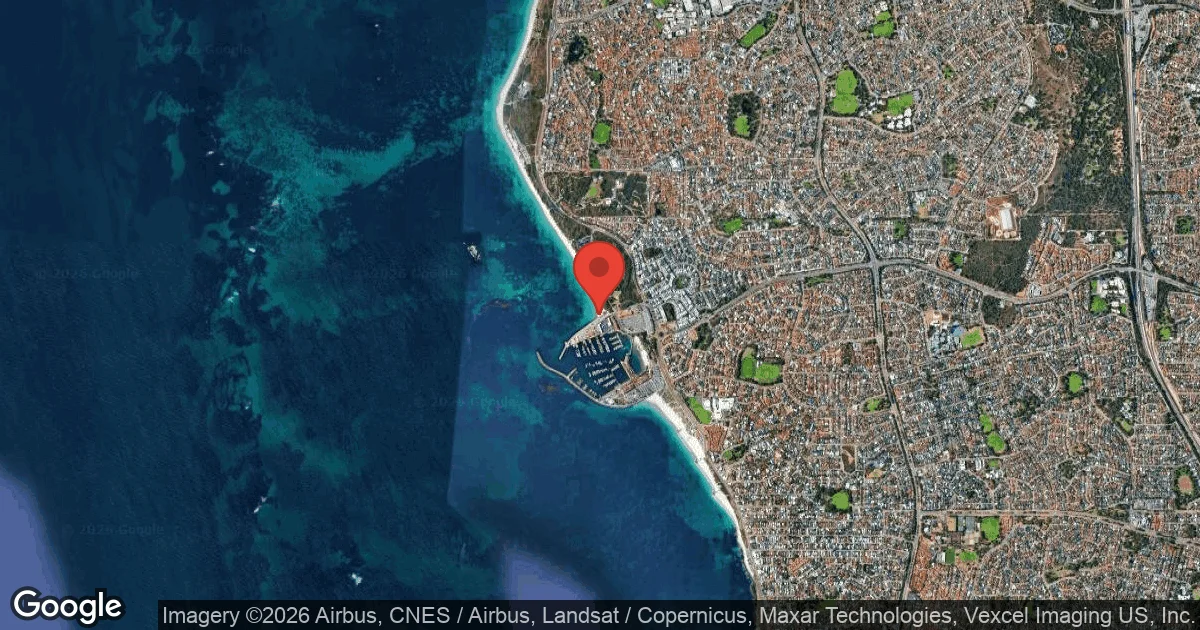
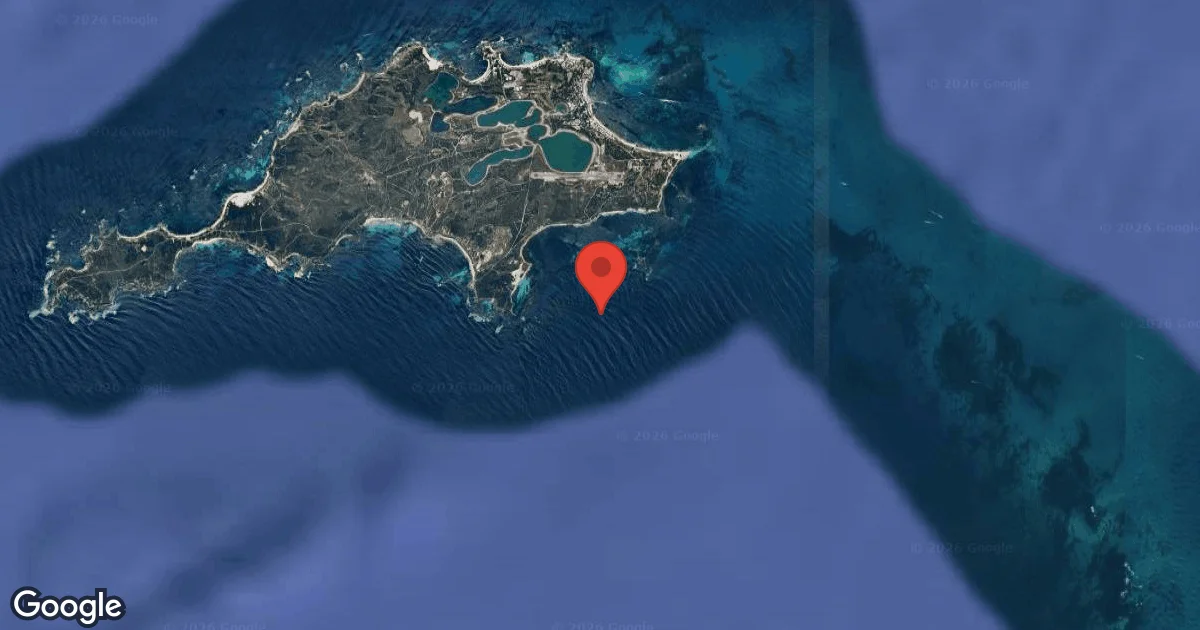
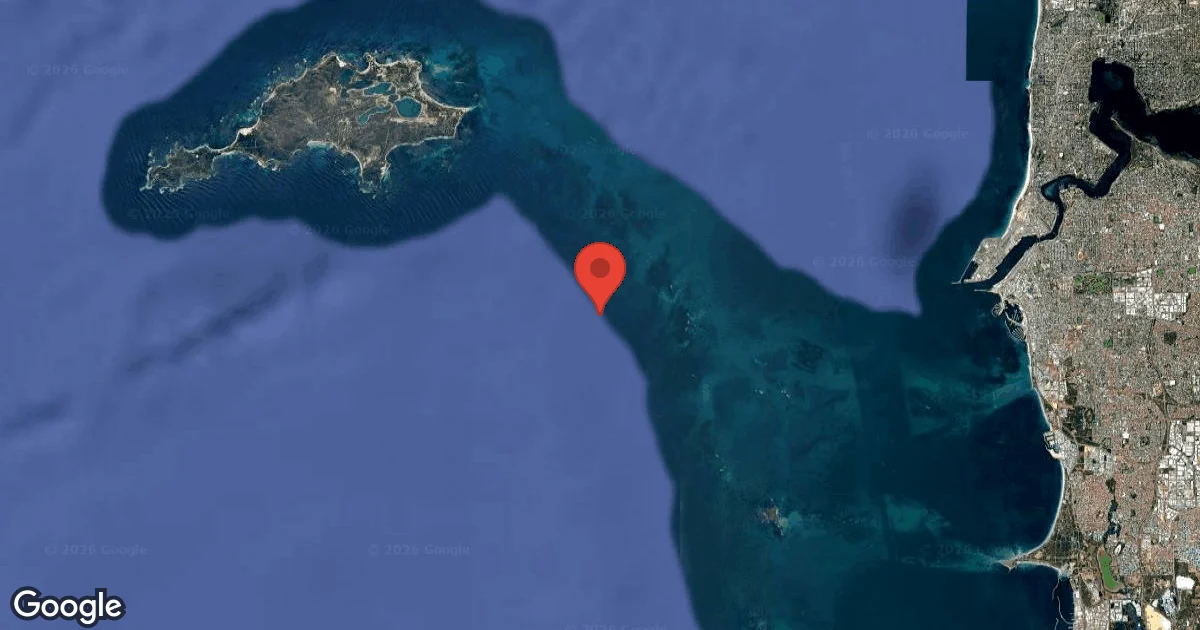
On the outer reef of Marmion Marine Park, about 5.5 km south-west of Hillarys, Honeycomb is a complex limestone reef of caves, swim-throughs, arches and overhangs, dropping to about 19 m / 62 ft. Rated advanced, it's an exposed site where a torch is needed and the caves carry penetration risk, so it asks for training and a calm day.
As evening covers Honeycomb, the local air temperature is measured at 21.5°C. The current wave height at the surface is recorded at 1.4 m. These late-day readings characterize the surface conditions for the night.
Dive Site Location & Key Facts
Dive Site Overview
The terrain is the whole story here. Bommies, gullies, swim-throughs, ledges, walls, caves, overhangs and arches are all packed into this outer-reef limestone, dropping to about 19 m / 62 ft with an average closer to 15 m / 49 ft. It's a genuinely three-dimensional site that gives a trained diver a lot to work through.
The honeycombed structure, light cutting through the arches and swim-throughs, is the appeal, and it's also exactly why the site demands respect. The caves are an overhead environment with penetration risk, and the brief here is explicit that a torch is needed. Sitting on the outer reef, the site is exposed to swell, so it opens up on calm days and closes off when the sea is running. Access is to a structure that rewards careful route-reading and light awareness, with penetration kept within the limits of your training. The three-dimensional terrain is what brings people back, but it only opens up safely when the sea is calm, so the site rewards patience for the right day. Read the structure as you go, threading the arches and swim-throughs while keeping clear of the overheads unless you're trained for them.
Conditions are Poor
High Swell Advisory. Not recommended.
Current conditions near Honeycomb show 22° air, 19° sea temperature, 3.0 m waves, and 46 km/h wind. Forecast data is refreshed regularly to ensure accuracy.
Best Time to Dive
Late summer into autumn, around February through April, posts the best scores. Water runs cool to mild, peaking near 23.7°C / 75°F and dropping to about 18°C / 64°F in winter, so plan exposure protection for cooler water outside summer. Wave height is moderate, in a 1.3–2.2 m / 4–7 ft band, but the site is exposed on the outer reef, so swell governs access. The complex caves and overhangs turn dangerous in surge, so a calm, low-swell day is what keeps them in play. Pick a settled window, because on this site the conditions on the day matter more than the month. The complex caves and overhangs turn dangerous in surge, so a calm, low-swell day is what keeps them in play and the more involved parts of the dive accessible.
PEAK SEASON SCORE
Scores combine air & water temps, waves, wind & rainfall for overall conditions.
BEST MONTHS TO DIVE
Monthly records compiled from satellite and marine observation nodes over the last 3 years. Data provided by Open-Meteo and MET Norway.
Dive Experience & Conditions
Plan a boat dive over complex outer-reef limestone to about 19 m / 62 ft, threading swim-throughs and arches and reading the caves and overhangs as conditions allow. The varied terrain is the defining feature, asking for good buoyancy and route awareness. A torch is needed here, not optional, both for the shaded structure and for any overhead sections. The caves are a genuine overhead environment, so treat them as look-and-pass features unless you're trained and equipped for penetration. Exposure on the outer reef means surge can pick up, so an SMB and a calm forecast both matter. Read the structure carefully, keep your exits in mind, and let a calm day open up the more involved parts of the site.
Dive Difficulty & Safety Guidelines
An exposed outer-reef site with caves and penetration risk makes this an advanced dive, and the brief is explicit that a torch is needed. The caves are the central safety point: they're overhead environments, so penetration demands proper training, light management, gas planning and disciplined exit awareness, and divers without that training should keep to the open structure.
Swell exposure is the other major factor, since surge through the caves and arches turns dangerous fast, so a calm, low-swell day is essential. The varied terrain rewards careful navigation so you always know your way to open water. On a marginal day, stay out of the overheads or call the dive; the combination of exposure and caves is where this site is unforgiving.
Recommended Equipment
Overhead environment. Do not enter beyond training and gas planning limits.
- Dive Computer
- DSMB
- Primary & Backup Lights
- Reel / Spool
- Cutting Tool
This gear list is based on verified equipment signals for Honeycomb, Australia. Always confirm final gear choices with your dive operator, guide, or liveaboard.
Recommended Dive Suit
Repeated dives during the same day can gradually reduce overall body warmth.
Divers exploring Honeycomb today will likely encounter water temperatures close to 19°C (66°F). Surface air temperatures are resting at 22°C (71°F). Divers spending extended time underwater often rely on 5mm wetsuit for balanced warmth and flexibility. Consider warmer surface protection (like a boat coat) due to brisk winds. Surface intervals may feel cooler.
Environmental conditions may feel slightly cooler as the week progresses. Cooler days are ahead; you might want a warmer option for later in the week. A thicker wetsuit may be worth considering for extended dives.
Emergency & Medical Support
Essential information to help you plan your dive trip to Honeycomb.

Hyperbaric chambers are a critical part of dive safety infrastructure. Availability varies significantly by region, and not all dive areas have immediate access.
Before diving, it's recommended to:
- confirm nearest medical facilities
- check emergency procedures with local dive operators
- ensure dive insurance covers evacuation if required
Divers Alert Network
Diving emergency assistance available through DAN World.
+1-919-684-9111- 24/7 emergency hotline
- Diving medical assistance
- Evacuation coordination
Emergency contacts are provided for reference. Always verify local emergency services before diving.
Marine Life at Honeycomb
Set your expectations on terrain over a species list, because the records name no confirmed marine life here, noting only sponges and coral on the structure. The honeycombed limestone itself is the headline.
So come for the caves, arches and swim-throughs more than the wildlife. The sponges and coral dress the structure, and whatever else is working the reef on the day is yours to find, but the draw is firmly the terrain and the light moving through it. The terrain, not the wildlife, is what you remember from a dive here.
Dive Sites Near Honeycomb
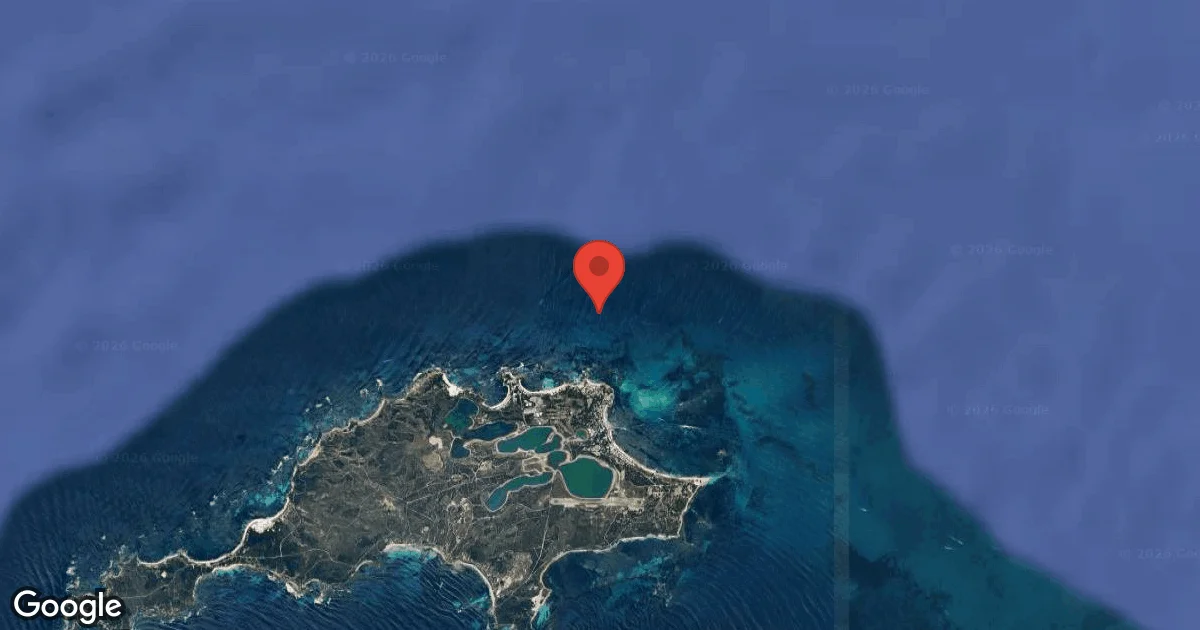
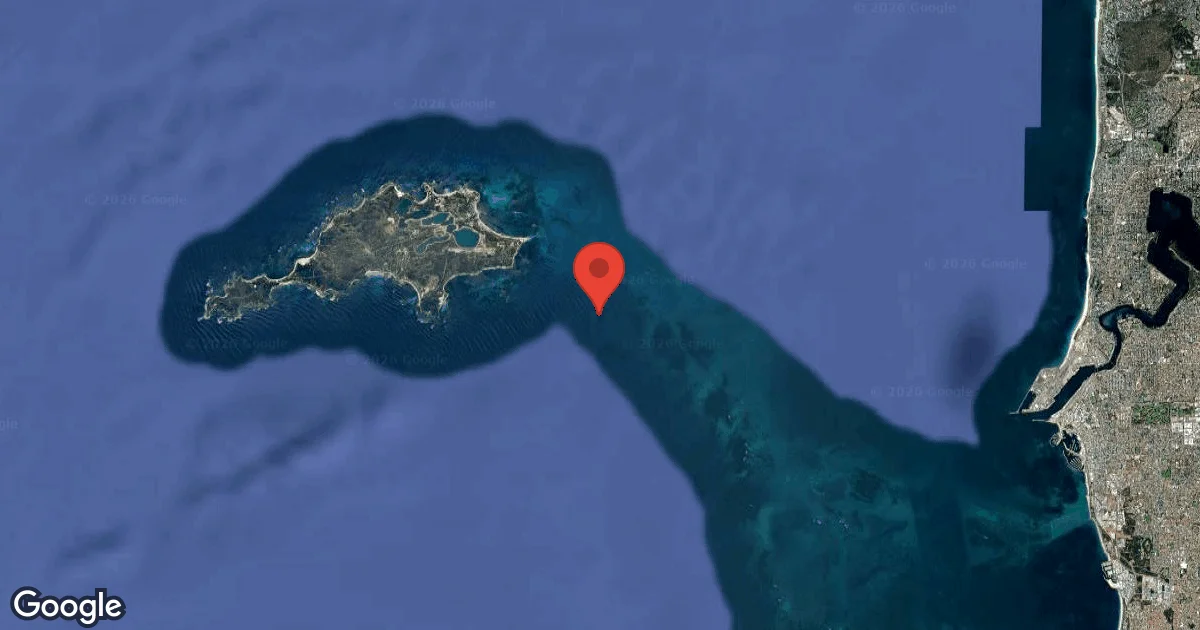
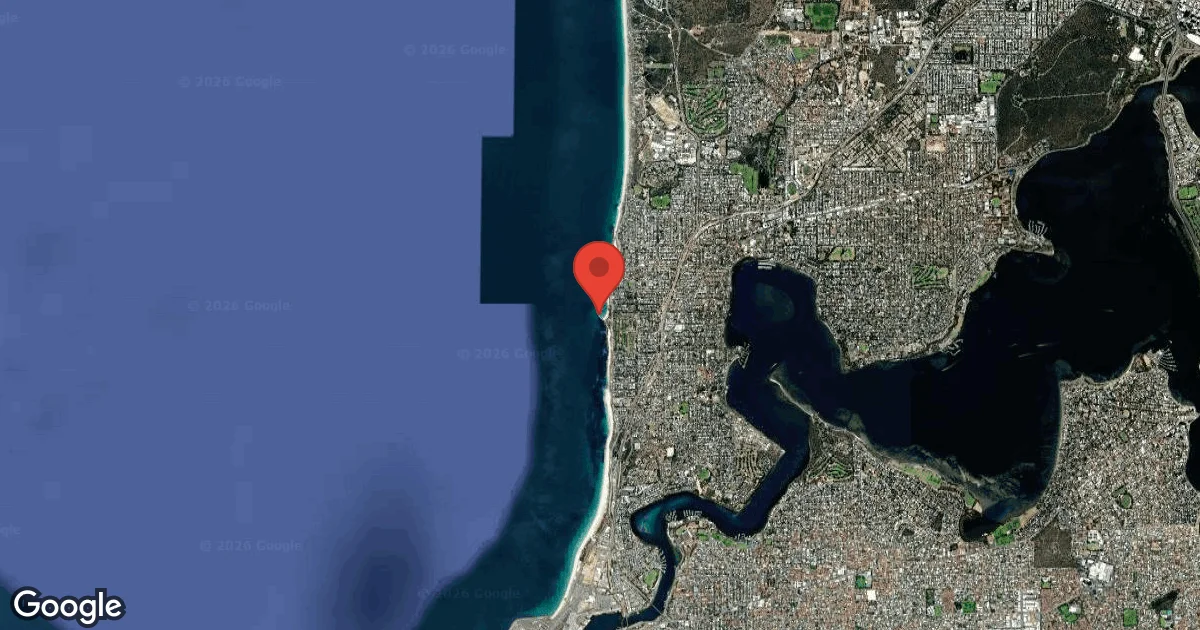
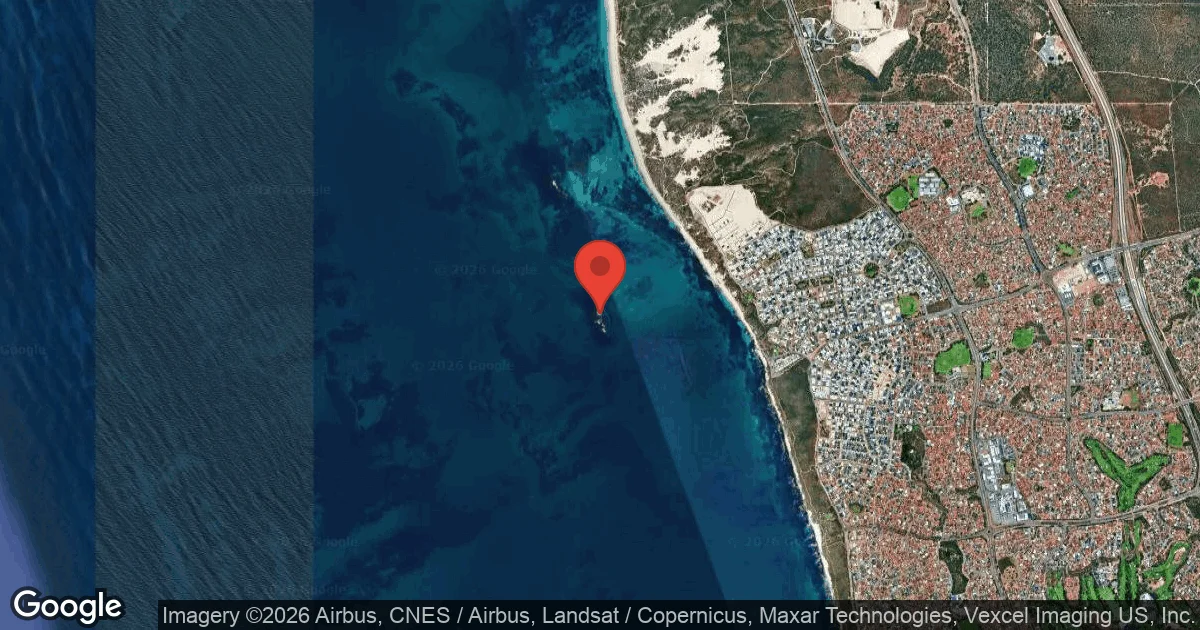
View all dive sites in AustraliaDiscover more underwater gems in this area.
Dive Centers Near Honeycomb
Today: 09:00 - 16:00
Nearest Airports
Nearest airports to help plan travel to this dive area.
Search Flights
Check available flights and routes on Expedia, using the nearby airports listed in this section.
Search Flights on ExpediaFrequently Asked Questions
Do I need a torch at Honeycomb?
Yes. The brief is explicit that a torch is needed, both for the shaded structure and for any overhead sections.
Can I go into the caves?
Only if you're trained and equipped for overhead penetration. Otherwise treat the caves and overhangs as features to look into, not enter.
How deep is it?
About 19 m / 62 ft at most, averaging closer to 15 m / 49 ft.
What marine life is here?
No specific species are recorded, just sponges and coral on the structure. The draw is the honeycombed terrain itself.
When should I dive it?
On a calm, low-swell day. The site is exposed on the outer reef, and surge through the caves and arches turns dangerous fast.
Planning to dive Honeycomb?
Send one inquiry and receive offers directly from the best verified local dive operators.
Conditions are Poor
High Swell Advisory. Not recommended.
Current conditions near Honeycomb show 22° air, 19° sea temperature, 3.0 m waves, and 46 km/h wind. Forecast data is refreshed regularly to ensure accuracy.