
Diving at Fish Eyes (Australia)
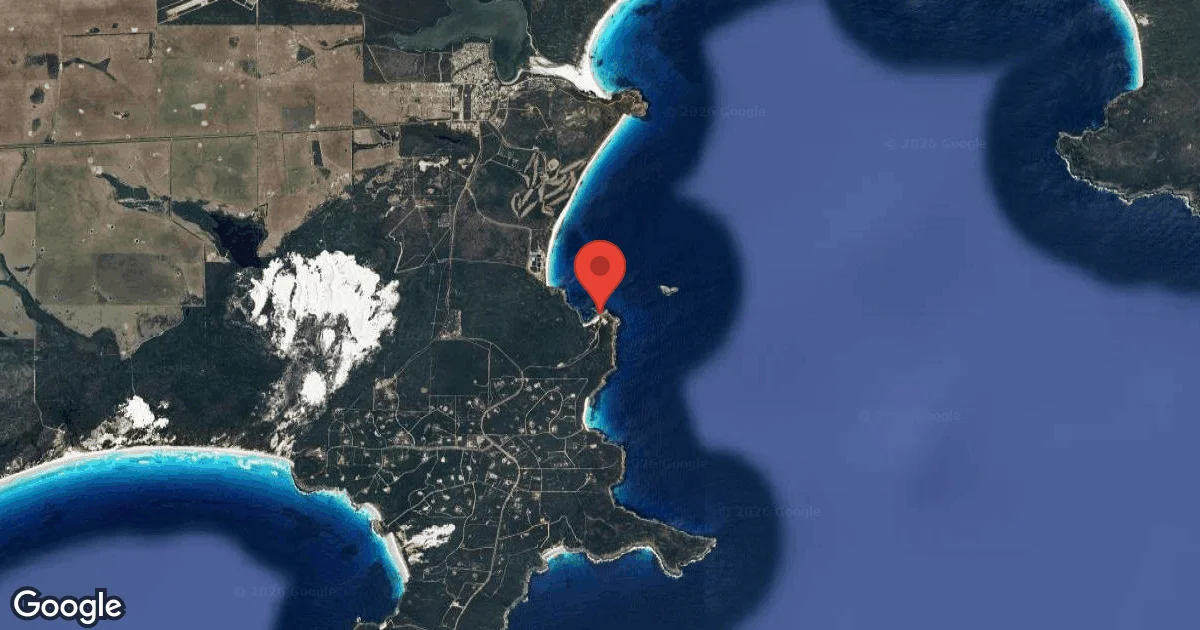
Near Bremer Bay, Fish Eyes is a granite-boulder reef among kelp beds, dropping to about 15 m / 49 ft, and it's known for one thing above all: leafy and weedy seadragons. The site takes its name from an eye-socket-shaped hole in a nearby cliff. Rated intermediate, with cold southern water and a northerly wind that builds swell, so it rewards calm days and a slow search.
Tonight's objective overview for Fish Eyes shows an air temperature of 27.5°C. The measured surface conditions include wave heights around 1.4 m. This environmental data is logged for the close of the day.
Dive Site Location & Key Facts
Dive Site Overview
Scattered granite boulders sit among kelp beds here, with holes and crevices worked through the rock, dropping to about 15 m / 49 ft and averaging closer to 8 m / 26 ft. The bottom mixes granite, kelp, hard and soft coral and sponge, the kind of cool-water temperate reef that grows a different cast of life from the tropical north.
The site is known for its seadragons, both leafy and weedy, and the slow, patient search for one swaying among the kelp is what defines a dive here. The name comes from a hole in a nearby cliff shaped like an eye socket, a small detail that sticks. Reaching the water can be from the boat or the shore depending on conditions, and the granite-and-kelp terrain rewards a careful, close look instead of covering ground. Cold water and exposure shape every visit, so a calm day and warm exposure protection both matter. The granite and kelp grow a cold-water community quite unlike the tropical reefs further north, so the textures and colours feel distinctly southern. Take it slow across the boulders, since the seadragons here are masters of disguise and reward a patient eye.
Conditions are Poor
High Swell Advisory. Not recommended.
Current conditions near Fish Eyes show 27° air, 18° sea temperature, 2.5 m waves, and 54 km/h wind. Forecast data is refreshed regularly to ensure accuracy.
Best Time to Dive
Summer, January through March, gives the steadiest scores on this exposed southern coast. The water is cold by WA standards regardless of season, peaking only around 20.4°C / 69°F and sitting near 17°C / 63°F at its coolest, so a thick suit shapes how long you'll comfortably stay down. The specific warning here is that a northerly wind builds the swell, so wind direction matters as much as the date. Wave height runs moderate to high across the year, in a 2.1–2.7 m / 7–9 ft band, so a calm day with the wind off the right quarter is what opens the site up. Pick that window and the kelp stays settled enough to search properly. Dress for genuinely cold water and the dive stays comfortable enough to search the kelp properly.
PEAK SEASON SCORE
Scores combine air & water temps, waves, wind & rainfall for overall conditions.
BEST MONTHS TO DIVE
Monthly records compiled from satellite and marine observation nodes over the last 3 years. Data provided by Open-Meteo and MET Norway.
Dive Experience & Conditions
Plan a boat or shore dive among granite boulders and kelp at about 15 m / 49 ft, with much of the time spent shallower as you work the rock. The pace is slow and searching, since the point is to find the seadragons that the kelp and boulders shelter. A torch helps you look into the holes and under the kelp where the small, camouflaged life hides. The kelp itself is worth respecting, as fronds can snag gear, so a cutting tool is sensible and careful movement keeps you clear. Cold water shortens comfortable bottom time, so build that into your plan. A northerly wind lifts the swell, so a calm day with the right wind direction is what makes the search comfortable and the boulders easy to work.
Dive Difficulty & Safety Guidelines
Rated intermediate, the demands here are cold water, exposure and the kelp environment more than depth. The northerly-wind swell warning is the key condition, so check the wind direction and pick a calm day, since a building southern sea turns the dive cold and rough fast.
The kelp can snag gear, so carry a cutting tool and move deliberately through it. Cold water adds fatigue and shortens your dive, which matters at a site where patience is the whole point, so dress warm and watch your time and gas. There's no overhead to manage among the boulders, so the risks are environmental: temperature, swell and entanglement. Handled with the right exposure protection and a calm forecast, it's a rewarding intermediate dive.
Recommended Equipment
- Dive Computer
- DSMB
This gear list is based on verified equipment signals for Fish Eyes, Australia. Always confirm final gear choices with your dive operator, guide, or liveaboard.
Recommended Dive Suit
With water temperatures around 18°C (64°F), many divers find a 5-7mm wetsuit provides comfortable protection.
Being prepared with flexible exposure options is a common approach among experienced divers.
A modest cooling trend is expected in the upcoming forecast. A significant temperature drop is forecast; strongly suggest bringing a backup warmer suit option. A warmer option can provide additional comfort if conditions shift.
Due to technical issues with our weather providers, live updates are temporarily delayed. The data above reflects the conditions at the time of the last successful fetch.
Emergency & Medical Support
Essential information to help you plan your dive trip to Fish Eyes.

Hyperbaric chambers are a critical part of dive safety infrastructure. Availability varies significantly by region, and not all dive areas have immediate access.
Before diving, it's recommended to:
- confirm nearest medical facilities
- check emergency procedures with local dive operators
- ensure dive insurance covers evacuation if required
Divers Alert Network
Diving emergency assistance available through DAN World.
+1-919-684-9111- 24/7 emergency hotline
- Diving medical assistance
- Evacuation coordination
Emergency contacts are provided for reference. Always verify local emergency services before diving.
Marine Life at Fish Eyes
Seadragons are what the site is known for, with both leafy and weedy noted here, and finding one drifting among the kelp is the encounter that defines the dive. Treat them as the prize the place is built around, even if a sighting is never a given.
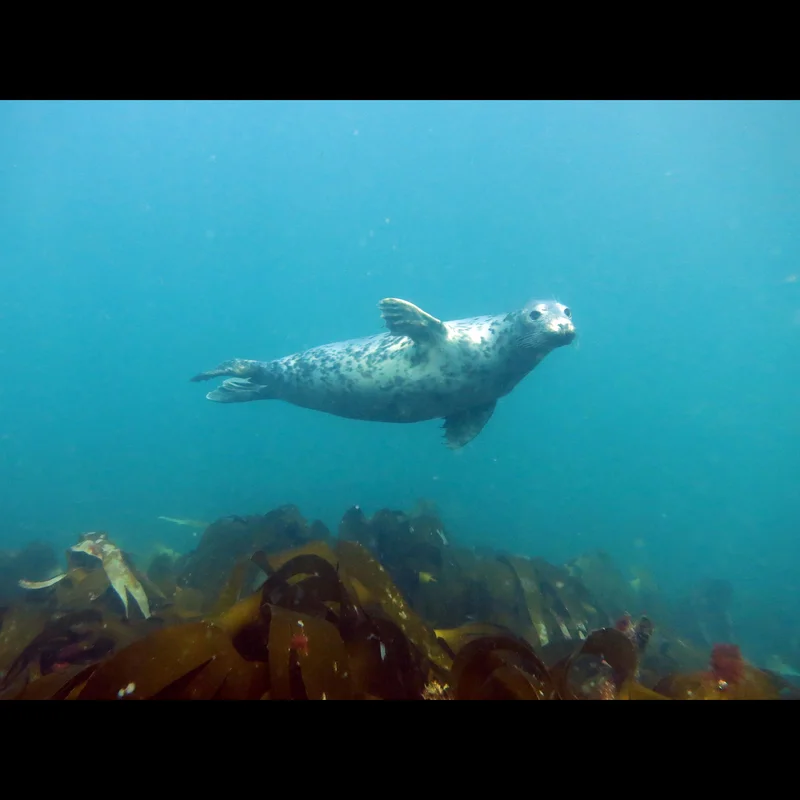
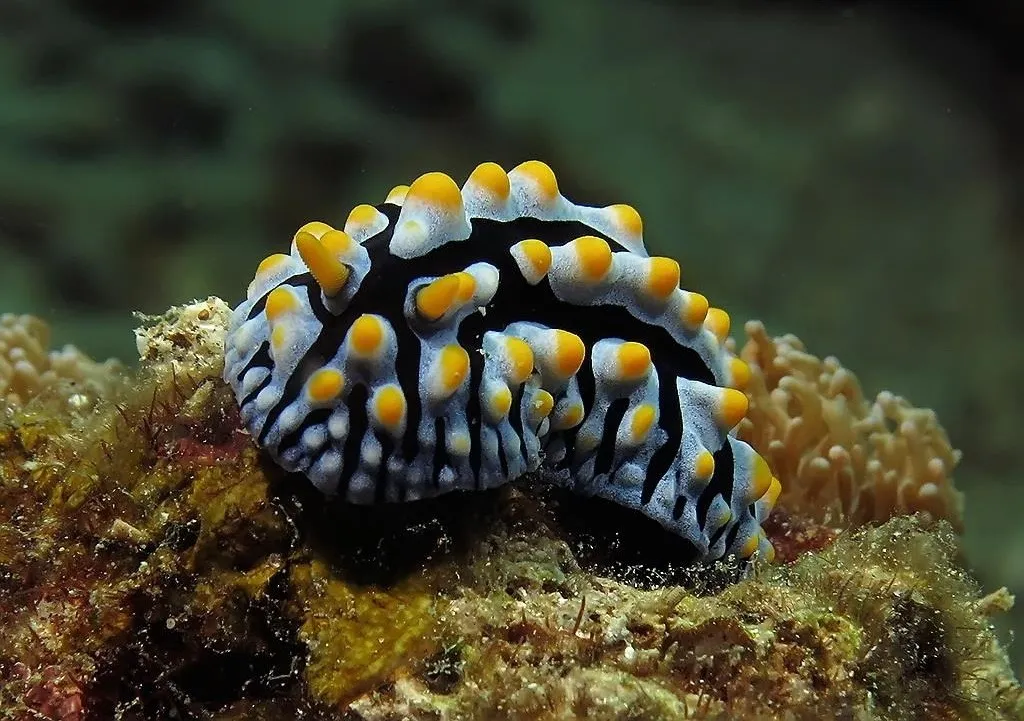
The confirmed sightings run to sea stars, spider crabs, nudibranchs and the occasional seal working the boulders and kelp. Accounts also mention turtles, pelagic fish and a sea lion, with less certainty. Move slowly, search the kelp and the rock holes, and let the cold-water community reveal itself.

Dive Sites Near Fish Eyes
View all dive sites in AustraliaDiscover more underwater gems in this area.
Dive Centers Near Fish Eyes
No Dive Centers Local To Fish Eyes
Are you a dive center visiting this location? Get listed to reach divers.
Nearest Airports
Nearest airports to help plan travel to this dive area.
Search Flights
Check available flights and routes on Expedia, using the nearby airports listed in this section.
Search Flights on ExpediaFrequently Asked Questions
What is Fish Eyes known for?
Leafy and weedy seadragons, found among the granite boulders and kelp beds. The patient search for one is the main reason to dive here.
Where does the name come from?
From a hole in a nearby cliff shaped like an eye socket.
How deep is it?
About 15 m / 49 ft at most, averaging closer to 8 m / 26 ft, so much of the dive is spent in the shallower boulder-and-kelp zone.
How cold is the water?
Cold for WA. It peaks around 20.4°C / 69°F and drops near 17°C / 63°F, so plan for a thick suit.
What's the main condition to watch?
A northerly wind builds the swell on this exposed coast, so check wind direction and pick a calm day.
Planning to dive Fish Eyes?
Send one inquiry and receive offers directly from the best verified local dive operators.
Conditions are Poor
High Swell Advisory. Not recommended.
Current conditions near Fish Eyes show 27° air, 18° sea temperature, 2.5 m waves, and 54 km/h wind. Forecast data is refreshed regularly to ensure accuracy.