
Diving at Lee Breakwater, Portland, Victoria, Australia (Australia)
Portland's Lee Breakwater offers a sheltered shore diving experience, protected year-round from prevailing southerly and westerly winds. This accessibility, combined with a maximum depth of around 9-10 m / 30-32 ft, positions it as a site well-suited for a range of divers. It provides a straightforward entry point that reduces navigational concerns, making it approachable for many skill levels.
Evening condition tracking at Lee Breakwater, Portland, Victoria, Australia features an air temperature of 20.5°C. We have recorded wave heights measuring 2.2 m during this period. These figures outline the environmental parameters currently present.
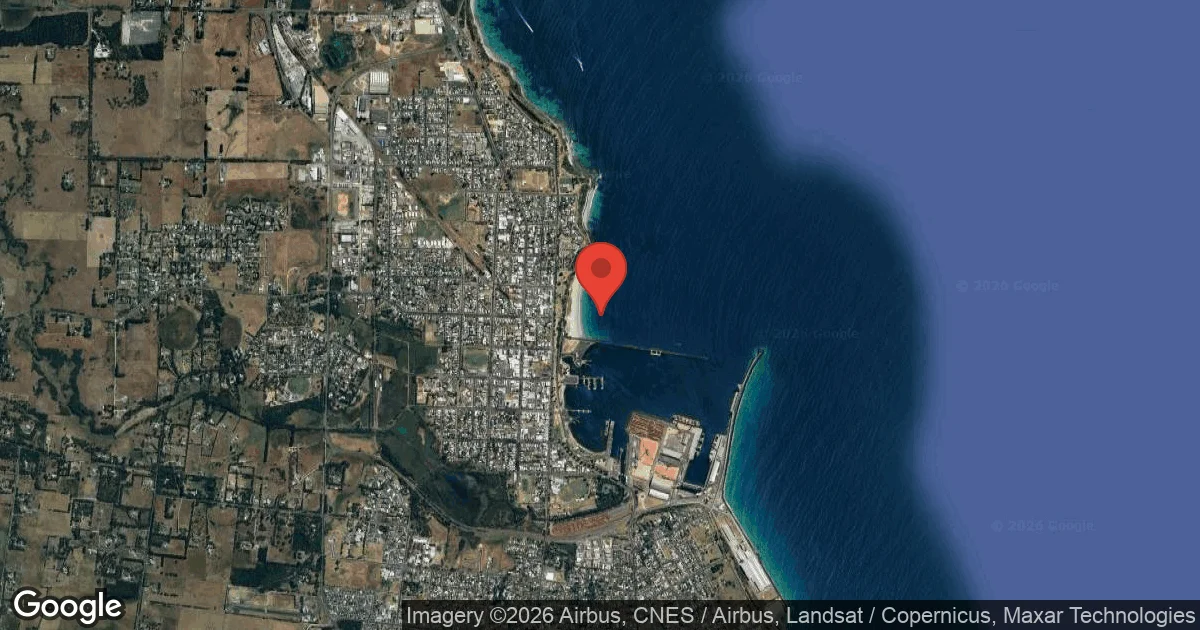
Dive Site Location & Key Facts
Dive Site Overview
Lee Breakwater provides a compelling blend of accessibility and biological diversity, distinguishing it as a significant shore diving location in Portland. This artificial structure creates a sheltered environment, largely protected from strong southerly and westerly winds, making it an inviting spot for divers of varying experience levels.
Beneath the surface, the breakwater’s rocky infrastructure serves as a thriving home for a wide array of temperate marine life, from vibrant nudibranchs to larger bottom dwellers. It's a site that allows for easy entry and exploration, minimizing navigational challenges, which is particularly beneficial for those refining their skills. While the presence of recreational fishing activity requires divers to exercise vigilance regarding lines and surface traffic, this dynamic also contributes to the site’s unique character, creating a rich scavenging ground for marine life and an interesting backdrop for underwater observation.
When conditions align with good visibility, the vibrant colors of soft corals and sponges create an engaging underwater scene.
Conditions are Moderate
High Swell Advisory. Not recommended.
Current conditions near Lee Breakwater, Portland, Victoria, Australia show 21° air, 15° sea temperature, 2.4 m waves, and 42 km/h wind. Forecast data is refreshed regularly to ensure accuracy.
Best Time to Dive
Diving at Lee Breakwater is possible throughout the year due to its sheltered design, offering consistent opportunities. Moderate and pleasant conditions typically occur outside of the colder winter months. Air temperatures average from a low of 10.5°C / 51°F in July to highs around 18°C / 64°F in January and February. Generally, rainfall is low across the year, averaging between 0.5 mm / 0.02 inches in February and 2.9 mm / 0.11 inches in July, suggesting many dry periods favorable for diving. Most months register a "Moderate" dive score; however, September often stands out as rated "Poor," typically correlating with higher wave heights and stronger wind speeds averaging 25.5 km/h / 15.8 mph. This indicates that while year-round diving is feasible, selecting months with calmer surface conditions will enhance the experience.
PEAK SEASON SCORE
Scores combine air & water temps, waves, wind & rainfall for overall conditions.
BEST MONTHS TO DIVE
Monthly records compiled from satellite and marine observation nodes over the last 3 years. Data provided by Open-Meteo and MET Norway.
Dive Experience & Conditions
After a short beach walk to the entry point, divers descend into the sheltered waters of Lee Breakwater, where conditions are often calm. A rocky wall forms the primary dive path, eventually giving way to a sandy bottom and natural reef structures, providing varied topography for exploration. Depths are generally confined to approximately 9 to 10 meters / 30 to 32 feet, allowing for extended bottom times, especially beneficial for novice divers or those focusing on macro photography. Visibility varies depending on local tidal conditions and recent weather, but it can improve significantly on clear, sunny days. Its protected nature helps minimize strong currents, contributing to an uncomplicated dive profile that reduces the risk of disorientation. Divers can explore the intricate details along the breakwater, moving between the artificial structure and the natural seabed.
Dive Difficulty & Safety Guidelines
Given the site's popularity with both divers and recreational fishermen, careful attention to safety protocols is essential. All divers, including beginners for whom this site is well-suited, should deploy a dive float and flag to signal their presence, particularly as the area is open to occasional boat traffic.
Active and discarded fishing lines pose an entanglement risk. Carrying a dive knife or line cutter is a practical measure for immediate resolution.
Divers should maintain situational awareness to avoid interfering with fishermen and their gear. Additionally, practicing good buoyancy control helps protect the fragile marine environment and reduces the chance of accidental contact with potential hazards like sharp fishing debris. Regular checks of your dive buddy and equipment are also advised for a safe experience.
Recommended Equipment
- Dive Computer
- Hard-soled Dive Boots
This gear list is based on verified equipment signals for Lee Breakwater, Portland, Victoria, Australia, Australia. Always confirm final gear choices with your dive operator, guide, or liveaboard.
Recommended Dive Suit
With water temperatures around 15°C (58°F), many divers find a 7mm wetsuit or semidry provides comfortable protection.
Local conditions can vary slightly across different parts of the same dive site.
Weather models indicate a small drop in surface temperatures later this week. A significant temperature drop is forecast; strongly suggest bringing a backup warmer suit option. A warmer option can provide additional comfort if conditions shift.
Emergency & Medical Support
Essential information to help you plan your dive trip to Lee Breakwater, Portland, Victoria, Australia.

Hyperbaric chambers are a critical part of dive safety infrastructure. Availability varies significantly by region, and not all dive areas have immediate access.
Before diving, it's recommended to:
- confirm nearest medical facilities
- check emergency procedures with local dive operators
- ensure dive insurance covers evacuation if required
Divers Alert Network
Diving emergency assistance available through DAN World.
+1-919-684-9111- 24/7 emergency hotline
- Diving medical assistance
- Evacuation coordination
Emergency contacts are provided for reference. Always verify local emergency services before diving.
Marine Life at Lee Breakwater, Portland, Victoria, Australia
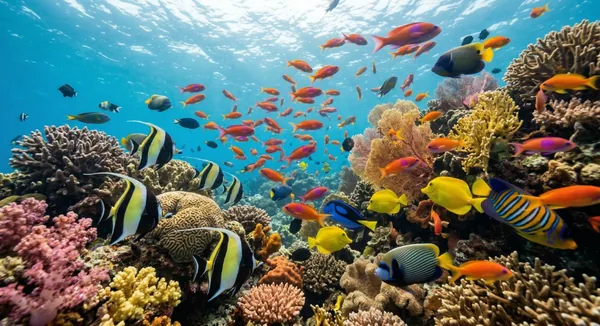
Lee Breakwater's rocky wall provides an ideal substrate for a rich array of marine life, blending with the sandy bottom and natural reef sections. Divers regularly observe various fish species, often navigating through fields of sponges and soft corals.
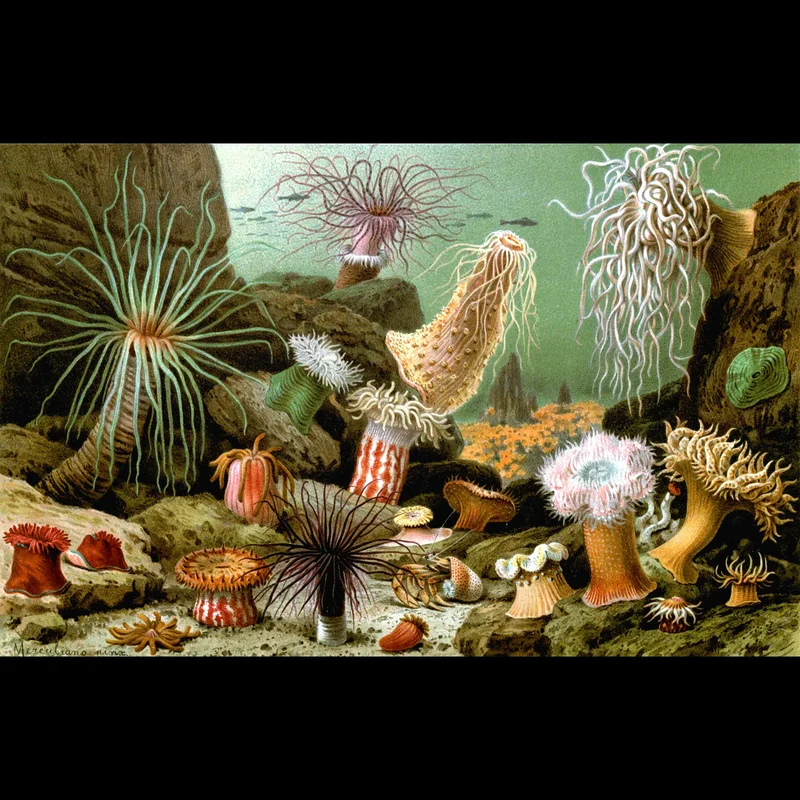
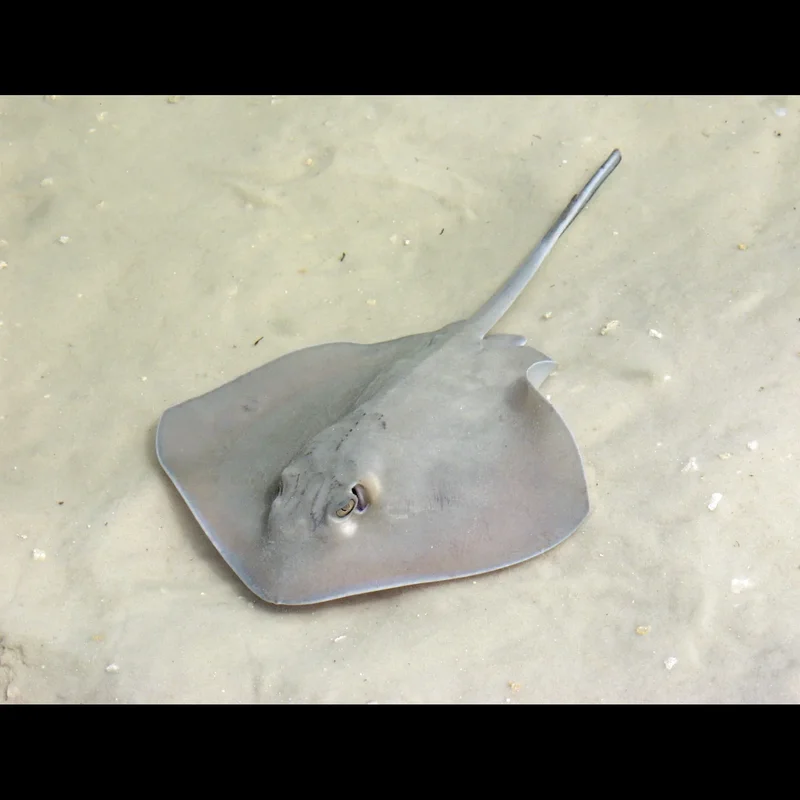
Starfish and sea anemones cling to the breakwater's surfaces, adding bursts of color. Larger creatures like stingrays, wobbegong sharks, and even angel sharks are seen occasionally, often found resting on the seabed.
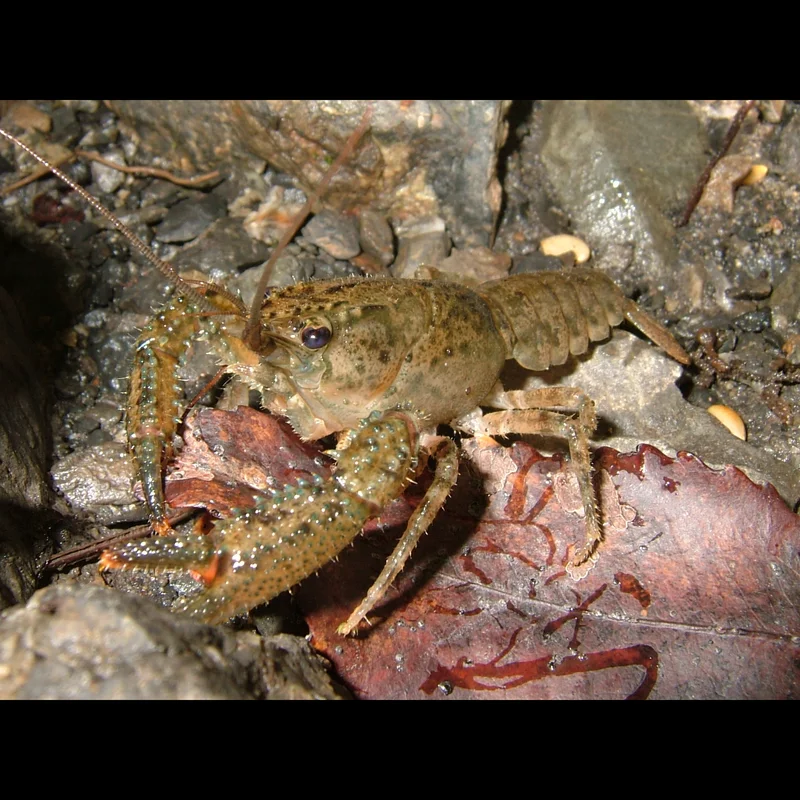
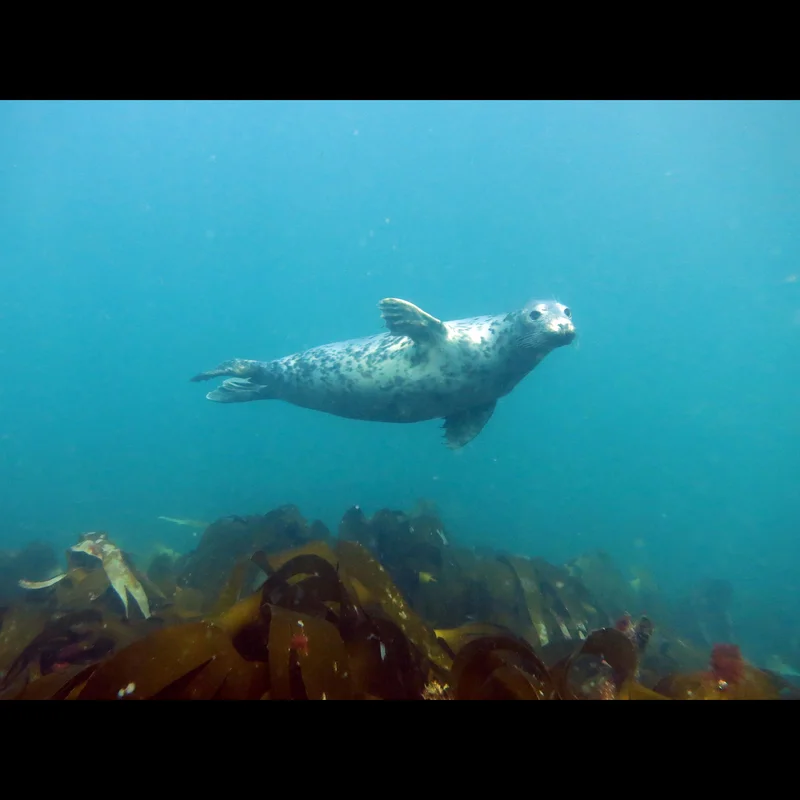
Divers might also spot elusive weedy seadragons and crayfish among the crevices and kelp, with seals making infrequent appearances in the vicinity, particularly when baitfish are abundant.
Dive Sites Near Lee Breakwater, Portland, Victoria, Australia
View all dive sites in AustraliaDiscover more underwater gems in this area.
Dive Centers Near Lee Breakwater, Portland, Victoria, Australia
No Dive Centers Local To Lee Breakwater, Portland, Victoria, Australia
Are you a dive center visiting this location? Get listed to reach divers.
Nearest Airports
Nearest airports to help plan travel to this dive area.
Search Flights
Check available flights and routes on Expedia, using the nearby airports listed in this section.
Search Flights on ExpediaFrequently Asked Questions
Is Lee Breakwater suitable for beginner divers?
Yes, it's considered an excellent site for beginners. Its protected location and easy shore access simplify navigation and reduce disorientation concerns, making it an ideal spot to develop diving skills.
What is the typical depth at Lee Breakwater?
Depths at Lee Breakwater typically reach around 10 meters / 32 feet. Authorities restrict access past a wave marker at approximately 9 meters, where fishing activity increases.
Can I dive Lee Breakwater throughout the year?
Yes, the site is generally diveable year-round because it's sheltered from prevailing winds. However, conditions, including visibility and wave action, can vary by season, with September often rated as "Poor" due to higher winds and waves.
What marine life can divers expect to see?
Divers can encounter various fish, starfish, sea anemones, sponges, and soft corals along the rocky wall. There are also sightings of stingrays, crayfish, wobbegong sharks, and occasional weedy seadragons.
What safety precautions should I take due to fishing activity?
Always use a dive float and flag to alert surface traffic, including boats and fishermen. Be mindful of active and broken fishing lines, and carry a dive knife or line cutter as a precaution for potential entanglements.
Is shore entry possible at this site?
Yes, Lee Breakwater is primarily a shore dive. Access involves a short walk along the beach to the entry point, providing straightforward access for divers.
What are the typical water temperatures?
Specific water temperature data is not consistently reported for this site. However, as a temperate region, divers generally find the waters cool, often necessitating a 7mm wetsuit or a drysuit for comfort, depending on the season and individual preference.
Planning to dive Lee Breakwater, Portland, Victoria, Australia?
Send one inquiry and receive offers directly from the best verified local dive operators.
Conditions are Moderate
High Swell Advisory. Not recommended.
Current conditions near Lee Breakwater, Portland, Victoria, Australia show 21° air, 15° sea temperature, 2.4 m waves, and 42 km/h wind. Forecast data is refreshed regularly to ensure accuracy.