
Diving at Attersee (Austria)
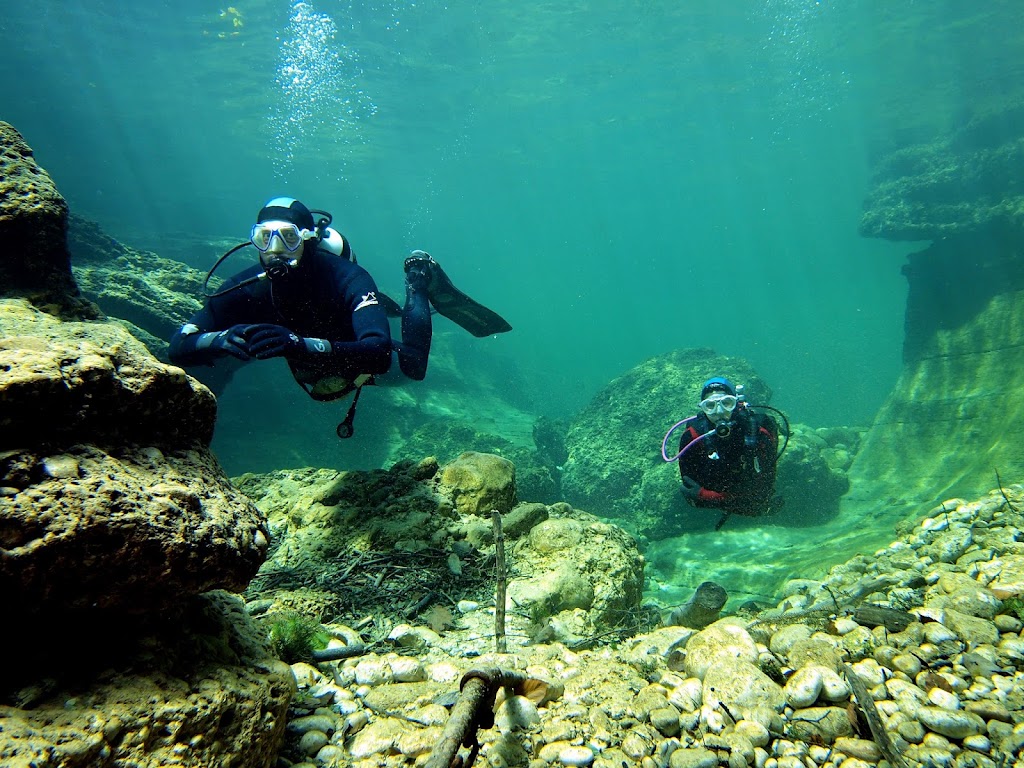
Descending into Attersee, divers immediately encounter exceptional clarity, often reaching up to 25 meters (82 ft) visibility. This Austrian lake quickly reveals a hidden world, transitioning from shallower entry points into dramatic underwater landscapes. Its vastness and varied topography ensure a different adventure with each plunge. Divers will find themselves navigating intriguing features shortly after breaking the surface.
At Attersee, the ambient air temperature is currently recorded at 13.5°C. This dive site in Austria is operating under normal seasonal weather patterns. Familiarize yourself with the local topography prior to navigating.
Dive Site Location & Key Facts
Dive Site Overview
Attersee, Austria's largest body of water, stretches over 20 km (12 miles) and covers approximately 48 km² (18.5 sq mi), offering an expansive canvas for exploration. Nestled within a charming landscape, its unusually clear, drinking-water-quality depths house a captivating underwater environment.
Divers can explore numerous designated sites, from 'Wandl' to the 'Kohlbauernaufsatz' steep face, each presenting distinct topographical features. These range from gentle slopes ideal for training to dramatic walls plunging into the abyss, including areas with specific rock formations and canyons. One prominent site, the 'Schwarze Brücke' (Black Bridge), features a partly vertical, often overhanging steep wall that transitions into a sloping scree slope at depths around 50-55 meters (164-180 ft).
This location also reveals fascinating submerged tree trunks and intricate rock formations, providing ample points of interest for both new and seasoned divers. Beyond the dramatic walls, the lake floor is punctuated by submerged forests and mysterious wrecks, adding layers of historical and natural intrigue.
With more than 25 designated dive sites, Attersee provides an engaging experience for various skill levels, ensuring that each visit can uncover new details within its pristine waters. The lake's vastness supports a variety of ecosystems, reflecting its diverse underwater terrain.
Conditions are Excellent
07:00 - 14:00
Optimal conditions expected
Current conditions near Attersee show 14° air, --° sea temperature, N/A waves, and 8 km/h wind. Forecast data is refreshed regularly to ensure accuracy.
Best Time to Dive
Planning a dive at Attersee often centers on optimizing visibility, which can remain impressive year-round. While diving is possible throughout the year, the spring and autumn months tend to offer stable conditions for the clearest water. Air temperatures vary significantly, ranging from mild averages of 9°C (48°F) in April to a peak of 20°C (68°F) in August, influencing comfort during surface intervals. Rainfall is moderate, with monthly averages typically between 2.0-5.1 mm (0.08-0.2 inches), not significantly impacting visibility due to the lake's size and depth. Consistent 'Good' dive scores across all months suggest that planning around personal comfort for air temperature is a key factor here.
PEAK SEASON SCORE
Scores combine air & water temps, waves, wind & rainfall for overall conditions.
BEST MONTHS TO DIVE
Monthly records compiled from satellite and marine observation nodes over the last 3 years. Data provided by Open-Meteo and MET Norway.
Dive Experience & Conditions
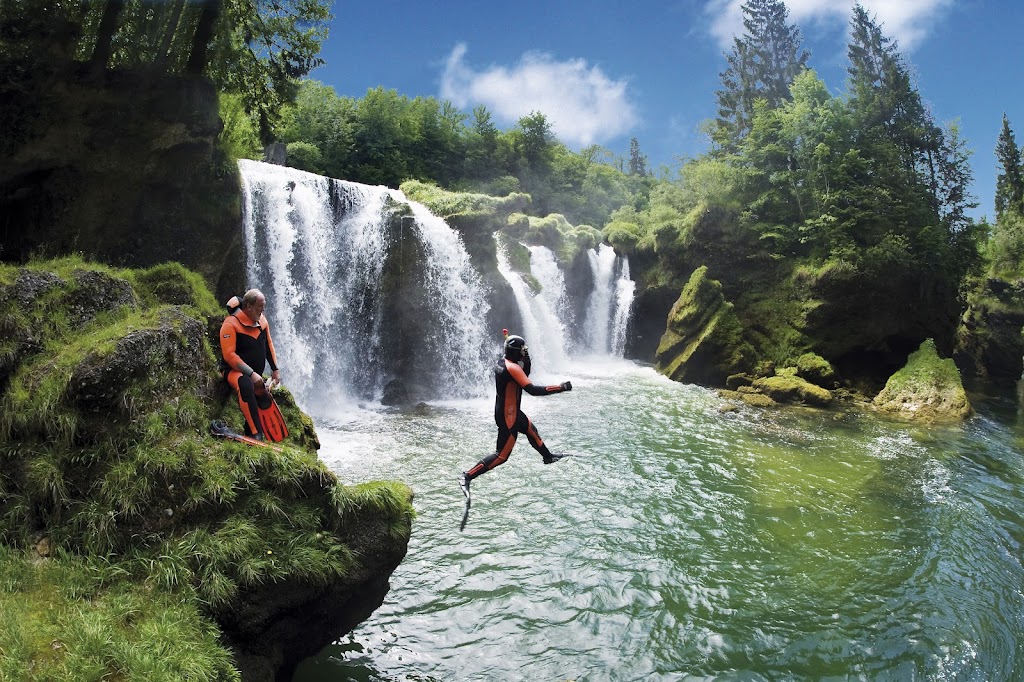
Diving here provides a sensory journey through cool, clear alpine waters, often described as possessing a dark blue and emeraldgreen hue. The lake's depth, reaching 169 meters (554 ft) in parts, creates distinct thermal layers. Currents, particularly near inflows like the Traun, can influence your pace, sometimes guiding divers quickly over rapids into narrow, deep canyons, or more slowly through wide, fish-filled pools. Entering sites such as the 'Schwarze Brücke' means encountering initial rock formations at 5 to 8 meters (16 to 26 ft) before the dramatic steep walls emerge. The sheer scale of the underwater terrain, including imposing cliffs and vast submerged areas, contributes to a feeling of profound exploration.
Dive Difficulty & Safety Guidelines
While Attersee offers diverse diving, certain considerations ensure diver safety. Entry points, such as the 'Schwarze Brücke', require caution, particularly when crossing the Uferstraße (waterside road) where parking is often on the opposite side.
Local guidance is highly advisable, especially for navigating specific sites and their unique characteristics like steep walls or currents. The Tauchkompetenz Zentrum Attersee, an association of local businesses, actively maintains and develops safe entry points and underwater infrastructure.
Divers should always follow established guidelines, including respecting depth limits and ensuring proper buddy procedures in this potentially deep environment.
Recommended Equipment
Technical depth range. Advanced planning, gas management, and appropriate certification required.
- Dive Computer
- DSMB
- Primary & Backup Lights
This gear list is based on verified equipment signals for Attersee, Austria. Always confirm final gear choices with your dive operator, guide, or liveaboard.
Recommended Dive Suit
Forecast confidence is somewhat lower, with potential for varied conditions ahead. A warming trend is expected over the next few days.
Based on regional estimates and current weather, the likely required exposure protection is a thicker wetsuit or drysuit. Note that local currents and upwellings can alter this. A thermal robe or jacket is recommended between dives.
Because recent water temperature readings are not available for Attersee, the guidance below is based mainly on current air conditions and seasonal expectations. Current surface air temperatures are roughly 14°C (57°F).
Emergency & Medical Support
Essential information to help you plan your dive trip to Attersee.

Hyperbaric chambers are a critical part of dive safety infrastructure. Availability varies significantly by region, and not all dive areas have immediate access.
Before diving, it's recommended to:
- confirm nearest medical facilities
- check emergency procedures with local dive operators
- ensure dive insurance covers evacuation if required
Divers Alert Network
Diving emergency assistance available through DAN Europe.
+39 0642115685- 24/7 emergency hotline
- Diving medical assistance
- Evacuation coordination
Emergency contacts are provided for reference. Always verify local emergency services before diving.
Closest Listed Hyperbaric Chambers
Showing listed hyperbaric chamber facilities within 200 km of this dive site.
Distances are approximate straight-line distances and may not reflect emergency travel time.
Druckkammer, Medizinische Universität Graz
ICU CapableGraz, Austria•Approx. 170 km straight-line
Druckkammer, Medizinische Universität Graz
ICU CapableInformation is provided for reference and planning purposes only. Dive Navigator does not verify operational status, staffing, availability, or quality of care at listed facilities. In an emergency, contact local emergency services, DAN, your dive operator, or the chamber directly. Do not travel to a facility without calling ahead.
Marine Life at Attersee
The underwater landscape of Attersee supports an impressive biodiversity, though specific species details are not consistently reported. Within the clear waters, divers often observe various fish species congregating in wide pools or along the imposing cliffs and steep walls.
Exploring the submerged forests and rock formations provides opportunities to encounter local aquatic life, adapted to the lake's pristine environment. Even in deeper sections or around wrecks, there's a quiet presence of the lake's ecosystem, blending seamlessly with the geological features.
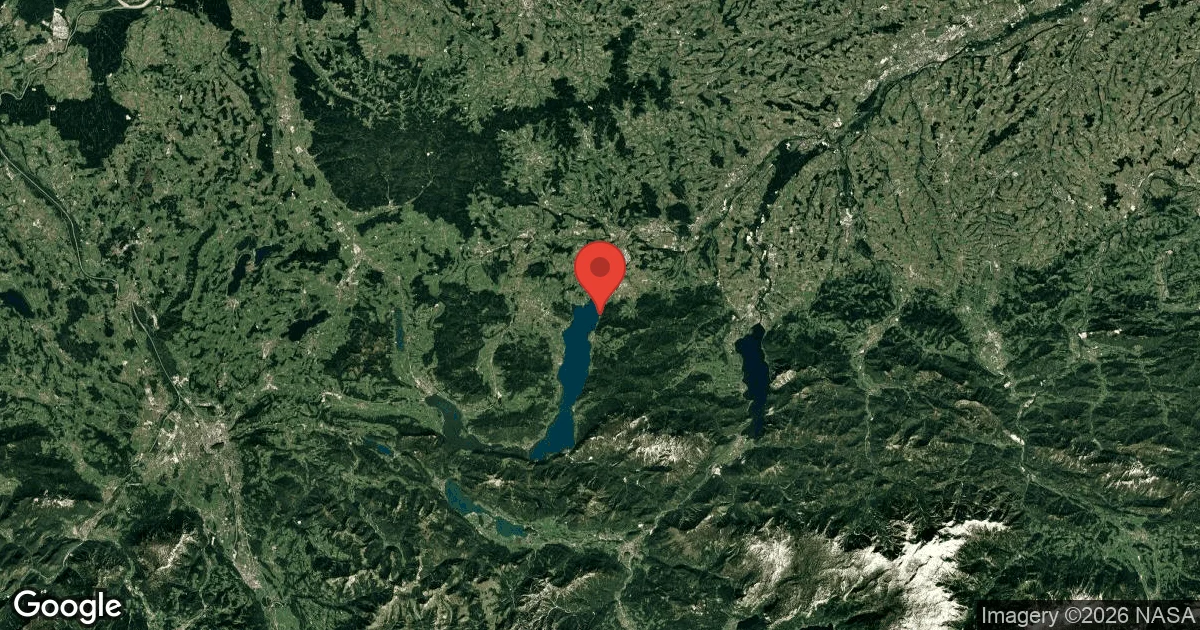
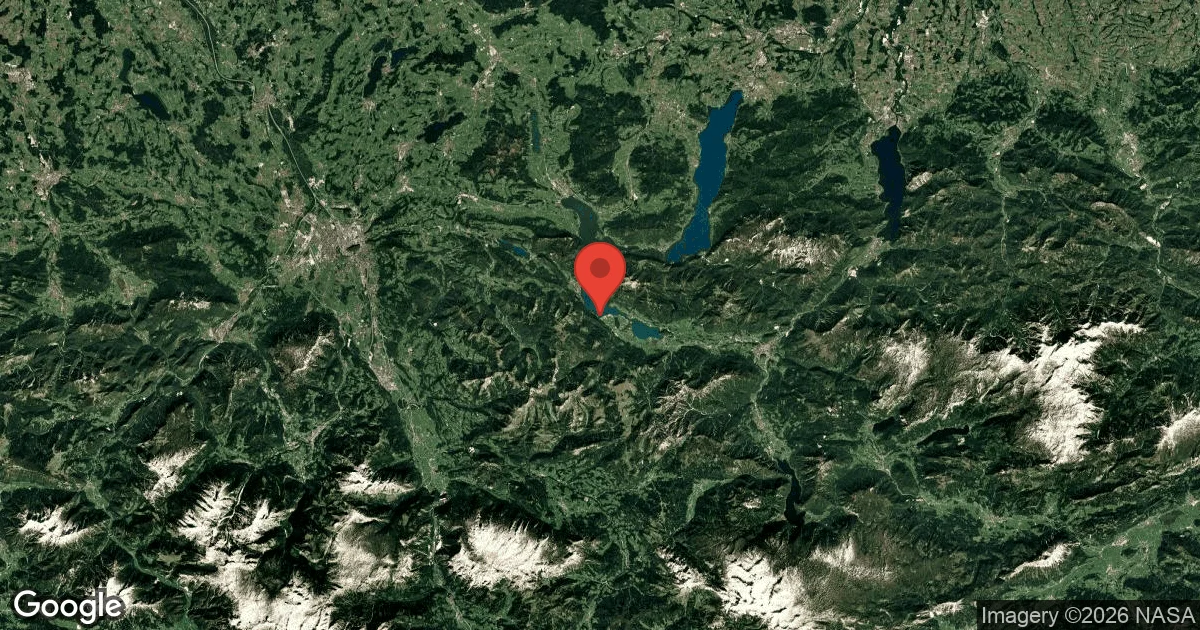
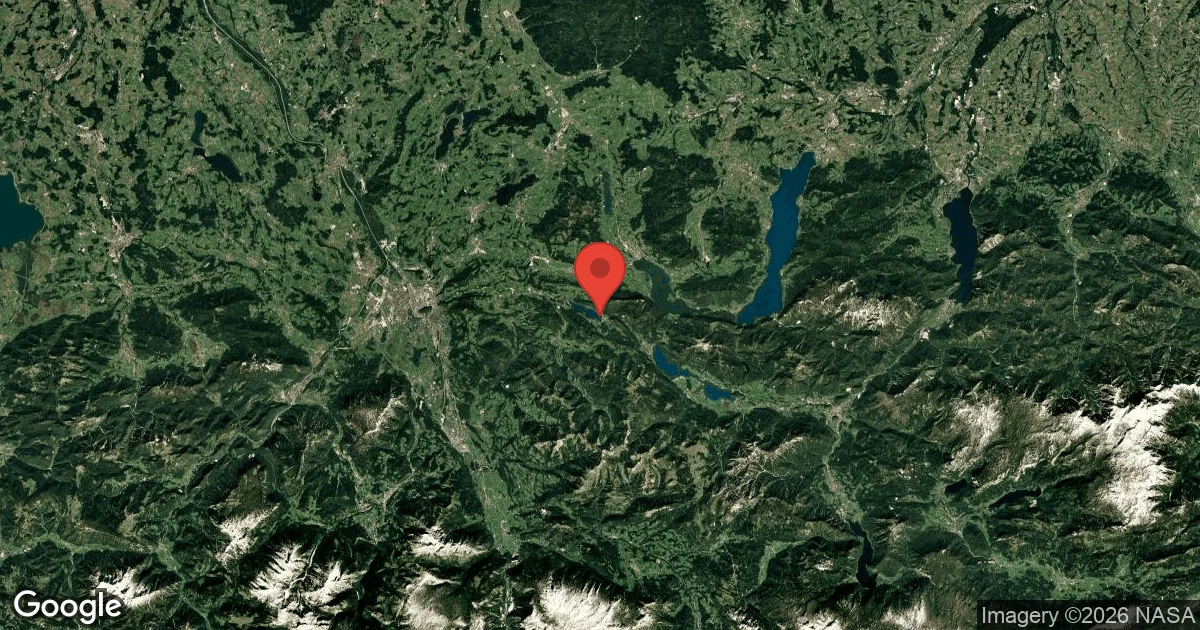
Dive Sites Near Attersee
View all dive sites in AustriaDiscover more underwater gems in this area.
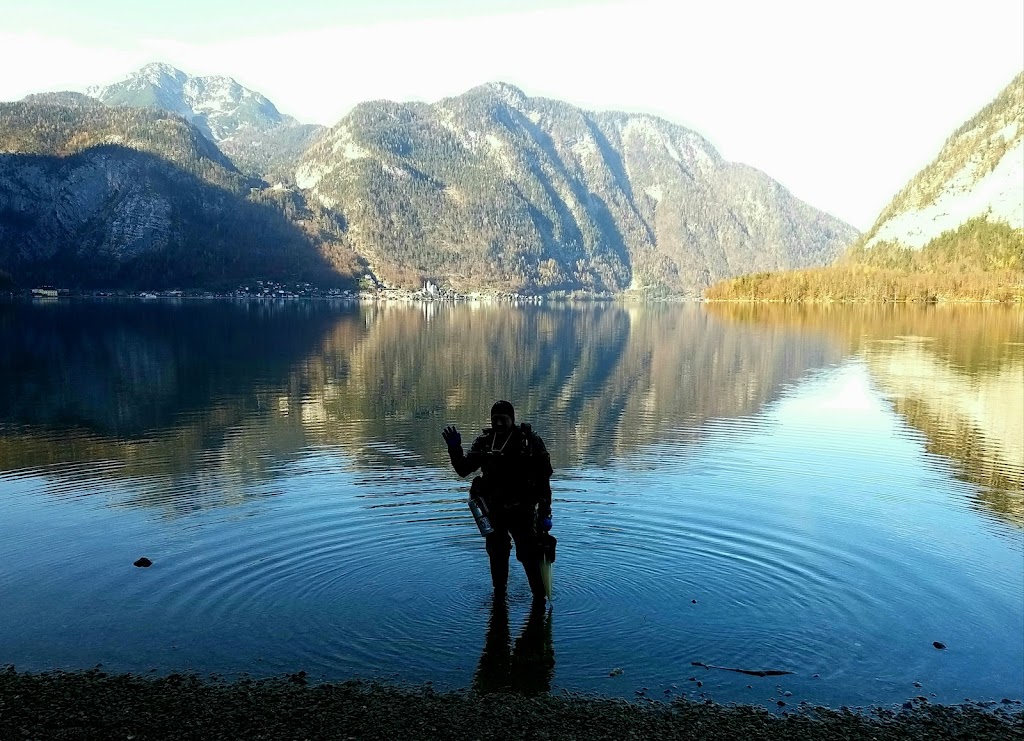
Dive Centers Near Attersee
Today: Closed
Nearest Airports
Nearest airports to help plan travel to this dive area.
Search Flights
Check available flights and routes on Expedia, using the nearby airports listed in this section.
Search Flights on ExpediaFrequently Asked Questions
What is the typical underwater visibility at Attersee?
Visibility at Attersee is consistently good, often reaching 25 meters of clarity. This exceptional clarity is a key characteristic of the lake's pristine, drinking-water-quality environment.
Are there specific dive sites for different experience levels?
Yes, Attersee offers numerous dive zones suitable for beginners, experienced divers, and even children. Sites like 'Wandl' and the 'Kohlbauernaufsatz' steep face cater to various skill levels, providing diverse underwater experiences.
What kind of underwater features can divers expect to see?
Divers will discover a fascinating world of submerged forests, imposing cliffs, and mysterious wrecks. Sites like the 'Schwarze Brücke' feature dramatic steep walls that descend into scree slopes and canyons.
Is there a diving competence center at Attersee?
Yes, the 'Tauchkompetenz Zentrum Attersee' is an association of local businesses that provides support, marks dive sites, creates safe entry points, and maintains the diving infrastructure around the lake.
What are the water temperatures like for diving?
Specific water temperatures are not consistently reported, but Attersee is an alpine lake, implying cold water conditions. Adequate thermal protection like a drysuit is generally recommended for comfort and safety.
How deep is Lake Attersee?
Attersee is a very deep lake, reaching a maximum depth of 169 meters. While recreational diving will be within shallower sections, the overall depth contributes to the lake's unique characteristics.
Planning to dive Attersee?
Send one inquiry and receive offers directly from the best verified local dive operators.
Conditions are Excellent
07:00 - 14:00
Optimal conditions expected
Current conditions near Attersee show 14° air, --° sea temperature, N/A waves, and 8 km/h wind. Forecast data is refreshed regularly to ensure accuracy.