
Diving in Austria
Diving across Austria is defined by variation, with sites offering different conditions depending on their setting. 38 dive locations are currently indexed within Austria on our platform.
A landlocked nation, Austria redefines the diving experience by focusing entirely on freshwater environments, a distinct contrast to typical ocean encounters with coral reefs or vast marine ecosystems. This specialized underwater landscape is uniquely defined by its numerous lakes and rivers. Divers here explore varied topography, encountering dramatic steep walls, expansive submerged forests, and intriguing historical artifacts such as prehistoric pile dwellings.
The country's primary diving regions—Salzkammergut, Carinthia, and Styria—each contribute to this diverse offering. Salzkammergut, home to Lake Attersee, serves as a central hub for activities ranging from deep freshwater exploration to specialized winter diving. The geographic spread ensures a range of conditions and visual encounters across the country.
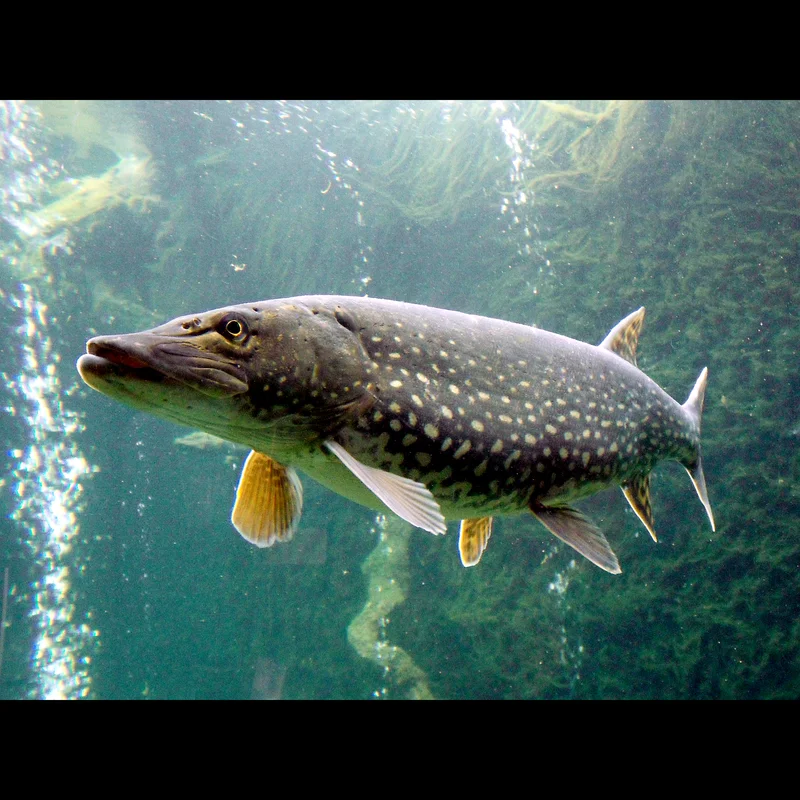
Rather than tropical fish, divers encounter species adapted to freshwater conditions. The focus shifts to observing large pike, trout, and char, alongside unique geological formations and man-made underwater structures. This combination creates a compelling and specialized freshwater diving destination, emphasizing observation of unique aquatic life and submerged history within its inland waters.
Dive Map of Austria
Navigating Austria's diverse freshwater dive sites is made simpler by understanding their geographic distribution. A well-structured dive map highlights clusters of destinations across key regions, providing essential guidance for trip planning and logistics. This visual aid helps divers pinpoint suitable locations based on their interests.
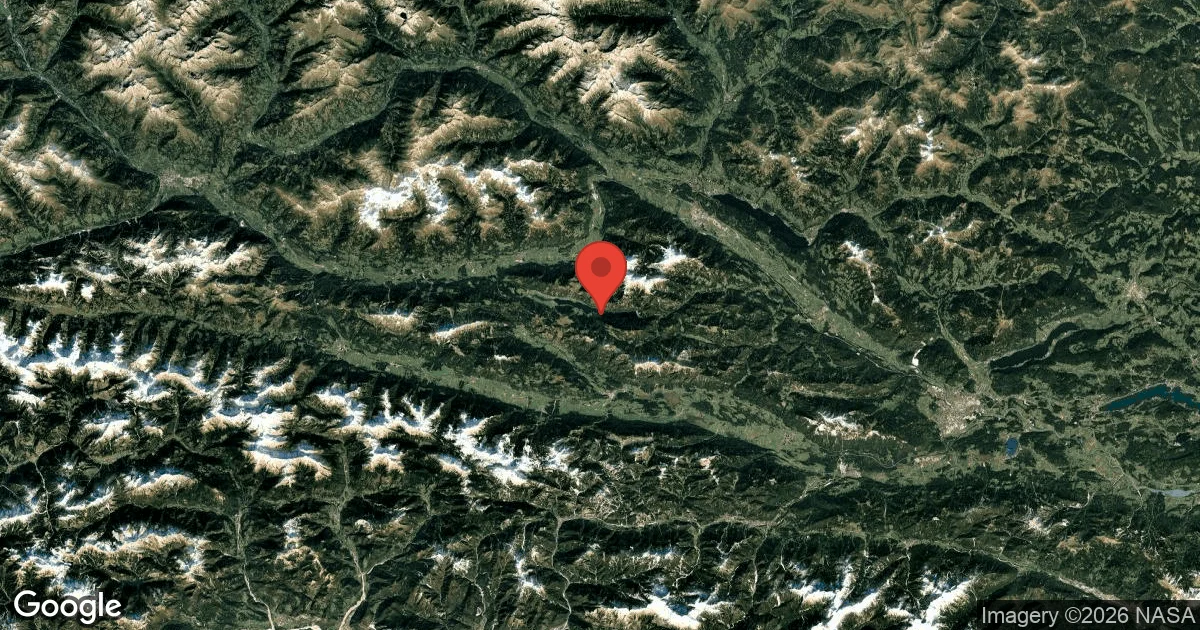
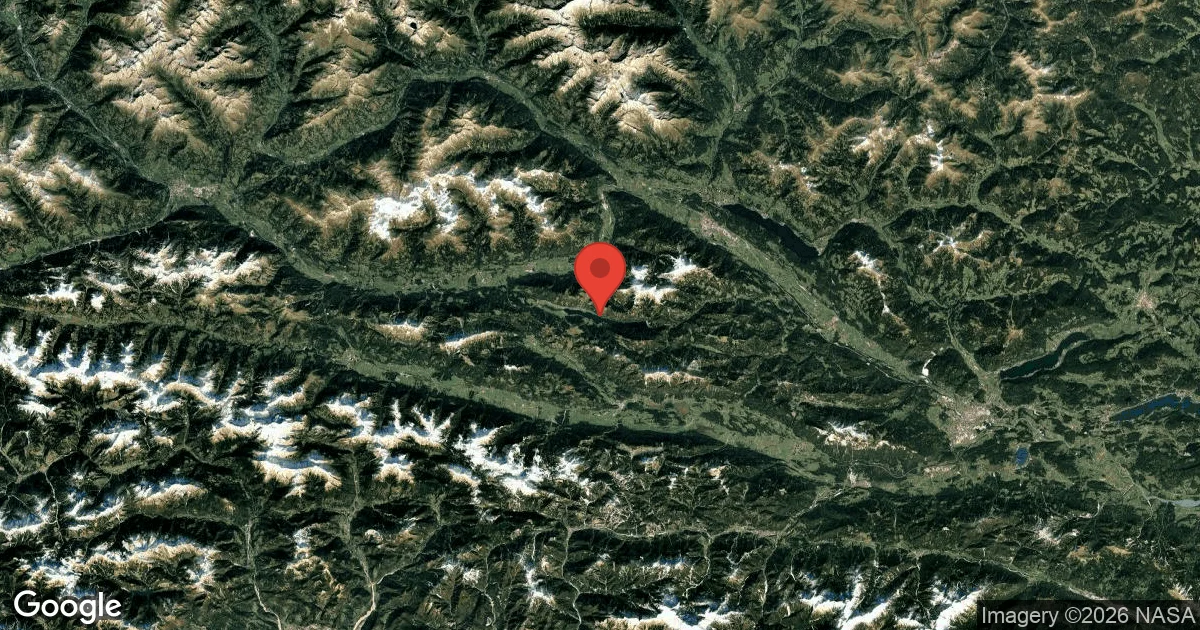
For instance, the Salzkammergut region is clearly delineated with prominent lakes like Attersee and Grundlsee, each offering distinct dive sites. Carinthia, with its numerous lakes, presents a multitude of options for exploration. Styria’s unique Grüner See is also easily identifiable.
Utilizing the map enables divers to locate specific lakes and their associated entry points efficiently. This is crucial for logistical planning and ensures access to desired underwater features, whether seeking wrecks, historical sites, or particular natural formations.
Dive Sites to Explore
View all 38 sites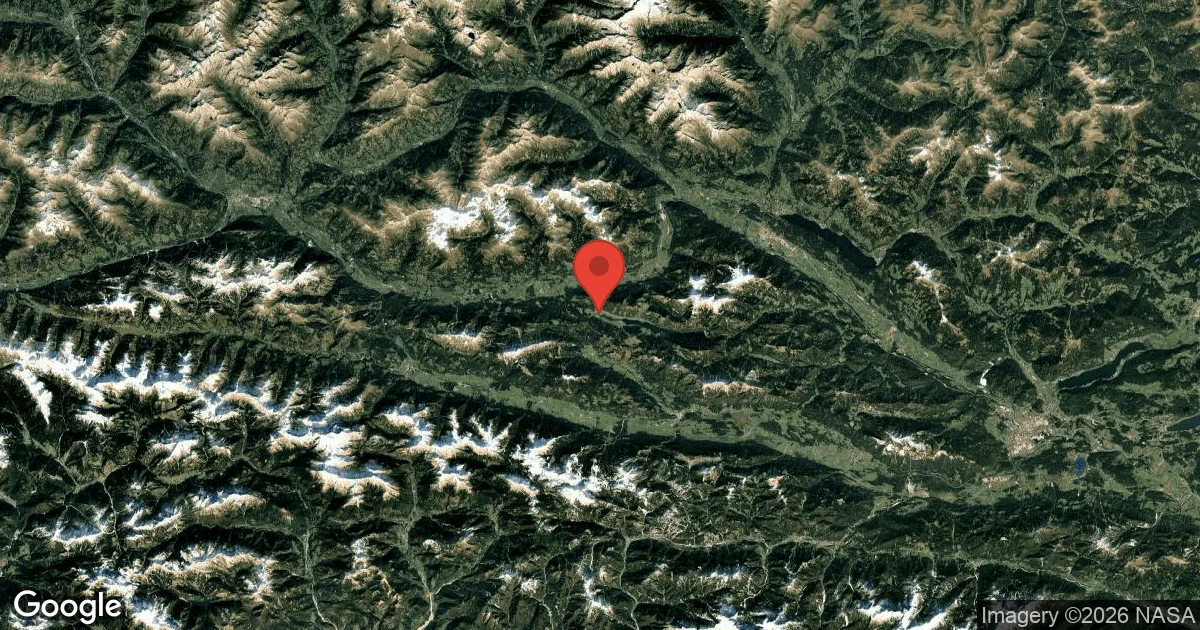
Underwater exploration in Austria is defined by its diverse features, from ancient geological formations to unique human-made installations. These elements shape the country's prominent dive sites, offering varied experiences.
In the Salzkammergut region, Lake Attersee stands out with sites like "Wandl," where prehistoric elements, rhizomes, and large boulders are found alongside a rock tongue descending from 20 to 30 meters (66 to 98 ft). The "Kohlbauernaufsatz" presents a steep wall dropping from 18 to 32 meters (59 to 105 ft), complemented by a wooden pillar and an "Attersee Titanic" artifact. Further in, the "Unterwasserwald Kammer" offers an impressive underwater forest, while "Hinkelsteine" features life-size wooden statues anchored to the lakebed.
Styria's Grüner See offers a distinct seasonal phenomenon. During peak water levels, divers navigate submerged paths, bridges, and benches of a former park, creating an underwater meadow landscape. This site provides excellent visibility, often up to 30 meters (98 ft).
Tyrol's Lake Achensee provides sites such as Hechenberg, featuring three submerged VW Beetle wrecks and a northern part for beginners. The TCI Parcours offers an intriguing tunnel system. Meanwhile, Grundlsee in Salzkammergut hosts the "Grundlsee Wreck," a submerged boat for advanced divers, and the "Narrows of Grundlsee," where schools of perch and varied plant life thrive.
Best Time to Dive in Austria
Choosing the best time to dive in Austria often involves a trade-off between water temperature, visibility, and specific seasonal attractions. Each season offers distinct conditions and experiences for freshwater divers.
Summer, typically from June to September, is generally considered the most favorable period. Water temperatures are at their warmest, ranging from 16-24°C (61-75°F), and many lakes experience peak visibility. This is ideal for exploring submerged landscapes and enjoying comfortable conditions. Lake Achensee, for instance, permits recreational diving from April through October.
Spring, particularly May and June, provides improving visibility as snowmelt decreases, with water temperatures between 4-15°C (39-59°F). Grüner See experiences its unique submergence of parkland during this time, with water levels peaking in June. Autumn, from September to October, brings a gradual drop in temperatures to around 10-15°C (50-59°F). Visibility remains good, and September is often recommended for underwater photography, though organic matter can begin to affect clarity.
Winter diving, while more challenging due to cold temperatures (0-7°C / 32-45°F) and potential ice cover, offers excellent visibility, sometimes reaching up to 30 meters (98 ft) in Lake Attersee. Specialized ice diving is available in lakes like Neufeld and Weissensee, appealing to experienced cold-water divers.
Dive Conditions
Dive conditions in Austria's freshwater environments can vary significantly, with stability influenced by seasonal changes, weather, and specific site characteristics. Visibility is a primary factor, ranging from excellent to occasionally limited.
Many lakes boast impressive visibility, with Lake Attersee offering up to 25 meters (82 ft) in spring and even up to 30 meters (98 ft) during winter. Grüner See is particularly noted for its clear views, also reaching up to 30 meters (98 ft) during its peak season. However, visibility can be affected by external factors; for instance, Carinthian lakes may become cloudy after heavy rainfall, and autumn brings organic matter and leaves that can reduce clarity. Lake Achensee typically offers up to ten meters (33 ft) of visibility.
Currents are another condition to consider, particularly in river diving. The Traun river, for example, features sections where divers can glide quickly over rapids or more slowly through wider pools. While described as 'safe rapids,' these conditions require awareness and appropriate dive planning. Overall, conditions are generally moderate, with improvements often observed during cooler months when algae growth is minimal.
Marine Life Highlights
Most Mentioned Species
Marine life in Austria varies across dive locations, with different species appearing depending on environment and conditions. The species highlighted here are the most frequently associated with dive sites in our data, offering a realistic overview of what divers are most likely to encounter.
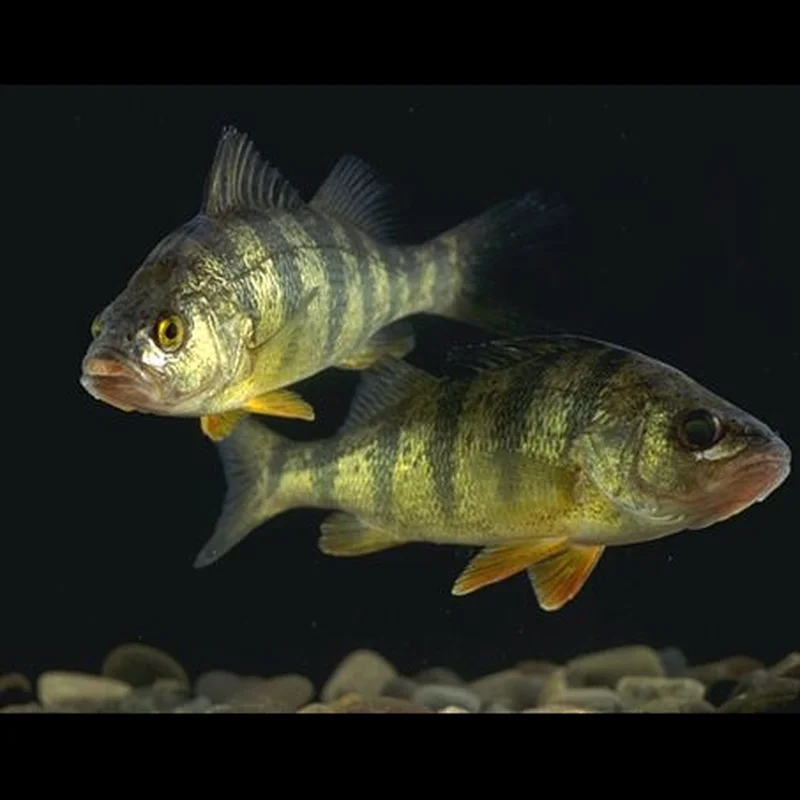
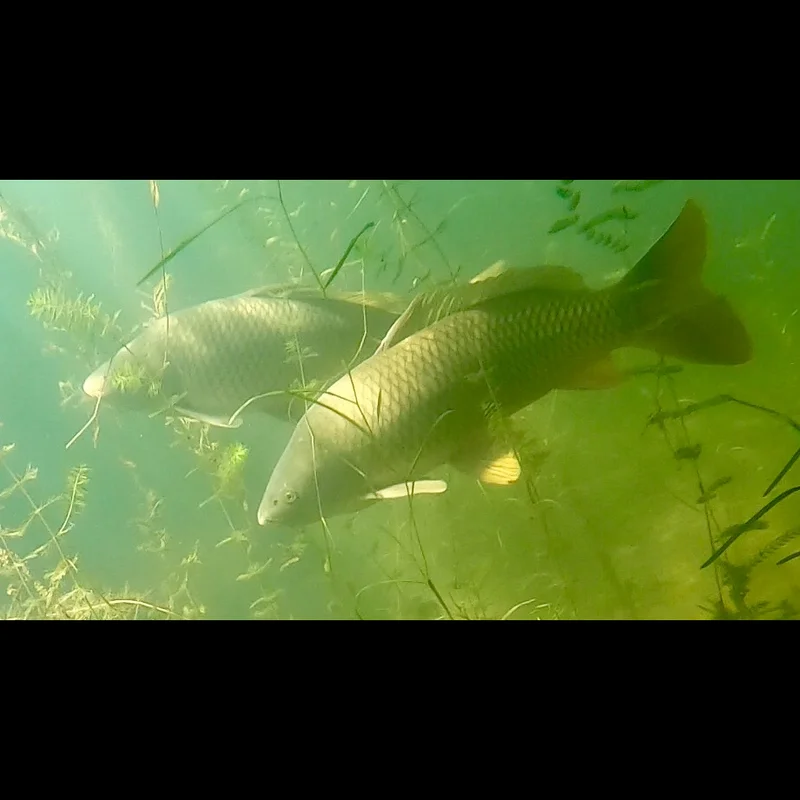
Freshwater environments in Austria host an array of aquatic species, whose presence and behavior often depend on the season and specific lake characteristics. Observing these dominant fish and invertebrates provides a distinct experience.
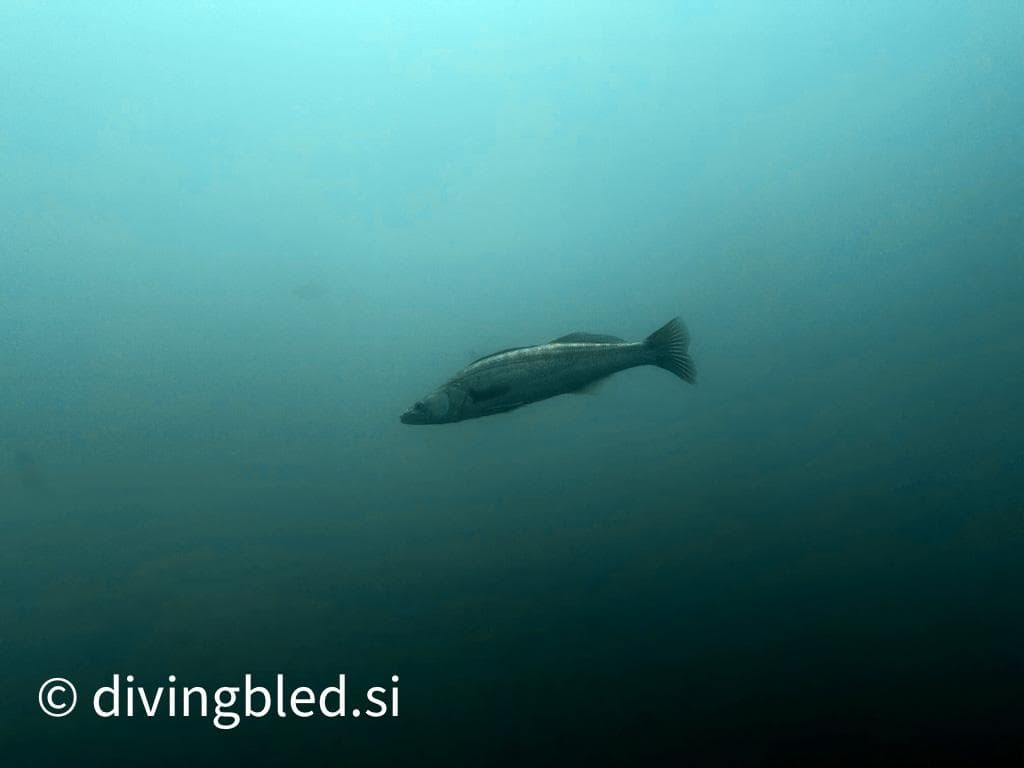
Spring brings opportunities to witness the spawning activity of fish such as brown trout. As warmer months arrive, from May to August, large pike, perch, zander, and char are frequently encountered in shallower areas. Lake Grundlsee is particularly known for its substantial salmon and trout, with some specimens exceeding a meter in length.
Other commonly sighted species include bullheads, aiteln, tench, carp, and whitefish. Eels, though shy, can be observed during night dives. Less frequent, but possible, are sightings of catfish and sturgeon in deeper or less disturbed waters. The underwater landscapes themselves, with their lush green aquatic plant forests and meadows, provide crucial habitats for juvenile fish and stone crabs.
Regions for Diving
Austria's diving landscape is characterized by distinct regional offerings, each presenting unique underwater features and conditions for freshwater enthusiasts. Comparing these areas helps divers choose their ideal destination.
The Salzkammergut region, located primarily in Upper Austria, is a central hub for diving, featuring the country's largest lake, Attersee. This region offers diverse experiences, from exploring prehistoric pile dwellings and dramatic steep walls at sites like Wandl and Kohlbauernaufsatz to navigating underwater forests. Lake Attersee supports year-round diving, with visibility up to 25-30 meters (82-98 ft) and opportunities for river diving in the Ager and Traun. Nearby, Grundlsee is known for its versatility, offering both steep walls and shallow zones rich in fish and aquatic plants, including large salmon and trout. Summer temperatures here range from 16-20°C (61-68°F), while winter can drop to 0-4°C (32-39°F).
Styria offers a different experience, highlighted by the unique Grüner See. This lake transforms seasonally, submerging paths and benches to create a verdant underwater meadow in spring and early summer. Grüner See is noted for its exceptional visibility, often reaching up to 30 meters (98 ft), though water temperatures remain cool, typically 5-10°C (41-50°F). Other Styrian sites include Erlaufsee, a mountain lake, and Lake Leopoldstein, a quarry destination suitable for advanced divers seeking depth.
Carinthia, with over 1200 lakes, is another significant diving region. Major lakes such as Millstätter See, Ossiacher See, Wörthersee, and Weissensee provide varied diving. Lake Millstatt, for instance, is the deepest in Carinthia. This region offers opportunities for ice diving in winter at Lake Weissensee. Visibility in Carinthian lakes can be good in spring and autumn, but may be affected by heavy rainfall. Divers can expect to encounter eels and catfish.
Lastly, Tyrol's Lake Achensee provides recreational diving from April to October. It features sites like Hechenberg, known for its VW Beetle wrecks and advanced sections, as well as beginner-friendly areas. Lake Achensee is a cold-water diving destination, with visibility up to ten meters (33 ft).
Travel & Passport Guide
Travel Basics
Trip Planning
Safety & Diving Considerations
Essential safety protocols for freshwater diving in Austria emphasize appropriate equipment and adherence to local regulations. Understanding these requirements is fundamental for a secure and enjoyable underwater experience.
Given the often cool to cold water temperatures, particularly in alpine lakes and during cooler seasons, suitable cold-water diving gear is crucial. Lake Achensee, for instance, specifically mandates equipment appropriate for its lower temperatures. Additionally, specific permits are required for recreational diving in certain areas, with Lake Achensee allowing diving from April 1 to October 31 only with proper authorization.
Local diving centers and schools serve as key support systems, offering guided dives and taster courses for various skill levels. Some facilities, like the diving station at Lake Wolfgangsee, provide accessible options upon request. For river diving, as exemplified by the Traun, divers must be aware of currents and 'safe rapids,' necessitating careful planning and adherence to local guidance to ensure safety.
Dive Centers in Austria
View all 20 dive centers
Frequently Asked Questions
What is the best time of year for diving in Austria?
The optimal period for diving in Austria is generally from June to September. During these summer months, water temperatures are at their warmest, ranging from 16-24°C (61-75°F), and visibility often reaches its peak. Spring, particularly May and June, is also excellent for sites like Grüner See, which transforms with rising water levels. Autumn offers good visibility for photographers, especially in September, though temperatures begin to drop.
What kind of marine life can I expect to see in Austria's lakes?
Austria's freshwater environments host a variety of aquatic life. Divers frequently encounter large pike, perch, and char. Other common species include salmon, trout, zander, carp, and eels, which are often observed at night. Less common sightings may include catfish and sturgeon. The underwater landscapes also feature lush aquatic plants, providing habitat for juvenile fish and stone crabs.
Are there any specific safety considerations for diving in Austria?
Yes, several safety aspects are important for diving in Austria. Due to the cold water temperatures, particularly in alpine lakes and during winter, divers must use equipment suitable for cold-water conditions. Some lakes, like Lake Achensee, require a specific diving permit for recreational use from April to October. For river diving, awareness of currents and rapids is necessary. Always consult local dive centers for site-specific regulations and conditions.
Which regions offer the most notable dive sites in Austria?
Key diving regions in Austria include Salzkammergut, Styria, and Carinthia. Salzkammergut, home to Lake Attersee and Grundlsee, offers diverse topography, historical pile dwellings, and steep walls. Styria features the unique Grüner See, known for its submerged park landscape. Carinthia boasts over 1200 lakes, including Millstätter See and Weissensee, providing varied depths and opportunities for ice diving. Tyrol's Lake Achensee also offers wreck diving and tunnel exploration.
What are the typical water temperatures for diving in Austria?
Water temperatures in Austria vary significantly by season and location. In summer, many lakes see temperatures of 16-24°C (61-75°F). Spring typically ranges from 4-15°C (39-59°F), while autumn brings 10-15°C (50-59°F). Winter temperatures drop to 0-7°C (32-45°F), necessitating specialized ice diving gear. Notably, Grüner See remains cool at 5-10°C (41-50°F) even in summer, while some rivers are warmer due to upstream lake outflows.
Can I go ice diving in Austria?
Yes, ice diving is an option in Austria for experienced divers. Lakes such as Lake Neufeld and Lake Weissensee offer opportunities for this specialized activity during the winter months. Conditions during ice diving are challenging, with water temperatures typically ranging from 0-7°C (32-45°F). However, this period often provides excellent visibility, sometimes reaching up to 30 meters (98 ft) in lakes like Attersee.