
Diving at Fuschlsee (Austria)
For divers seeking a serene freshwater experience in the heart of Austria, Fuschlsee provides an accessible and engaging environment. Welcoming a range of skill levels, from those completing initial open water certifications to more experienced divers exploring inland waterways, its calm nature often makes it suitable for focused training dives and leisurely underwater excursions.
The latest environmental reading at Fuschlsee indicates an air temperature of 10.5°C. The regional climate in Austria is aligning with expected historical averages. Prepare your gear according to these specific local conditions.
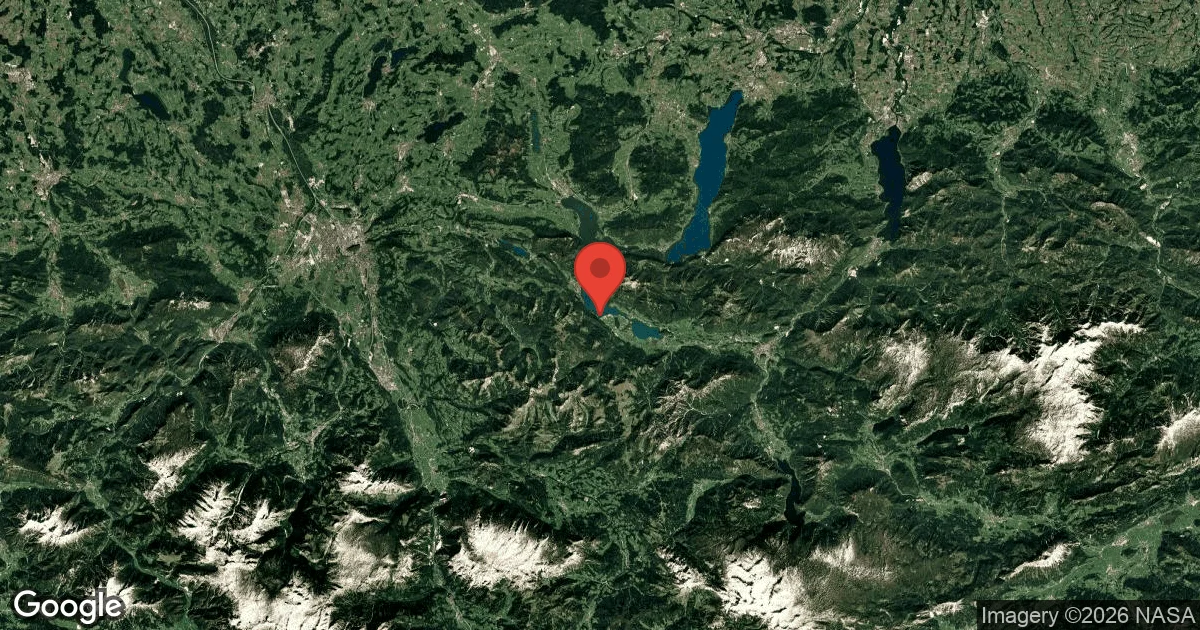
Dive Site Location & Key Facts
Dive Site Overview
Fuschlsee, a glacial lake nestled within Austria's picturesque Salzkammergut region, offers a distinct freshwater diving environment. Rather than ancient wrecks, it primarily draws divers with serene underwater landscapes and clear water characteristics.
Formed by glacial activity, depths here can reach approximately 66 m (217 ft), though recreational diving typically focuses on shallower areas. Below the surface, divers find generally calm conditions, inviting methodical exploration of the submerged topography. Lake composition and thermal properties define its appeal, offering a tangible sense of an inland aquatic world.
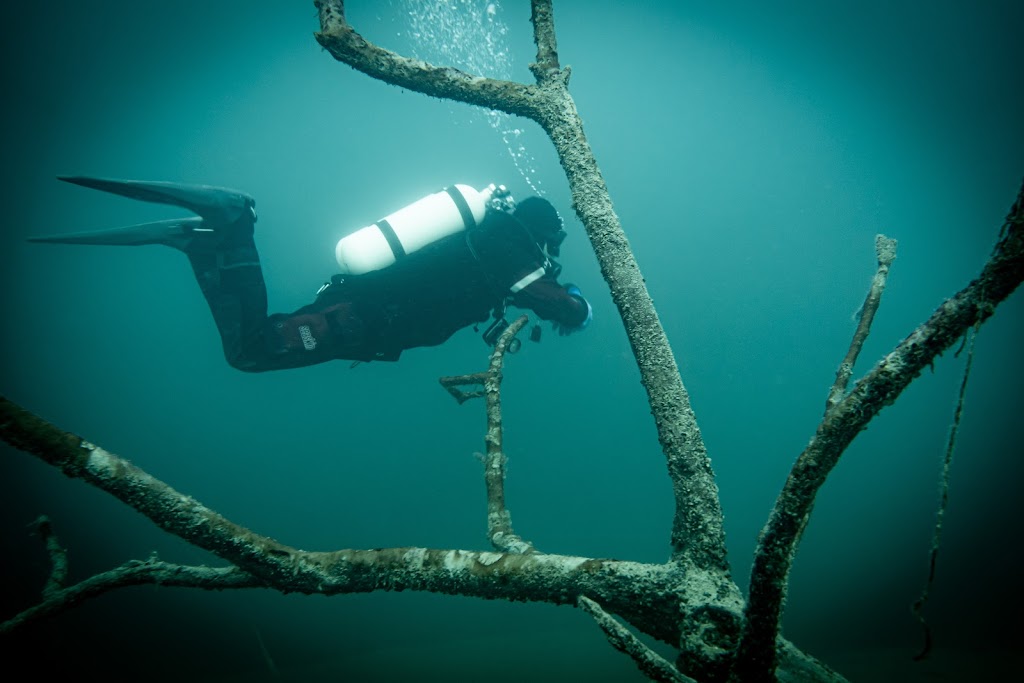
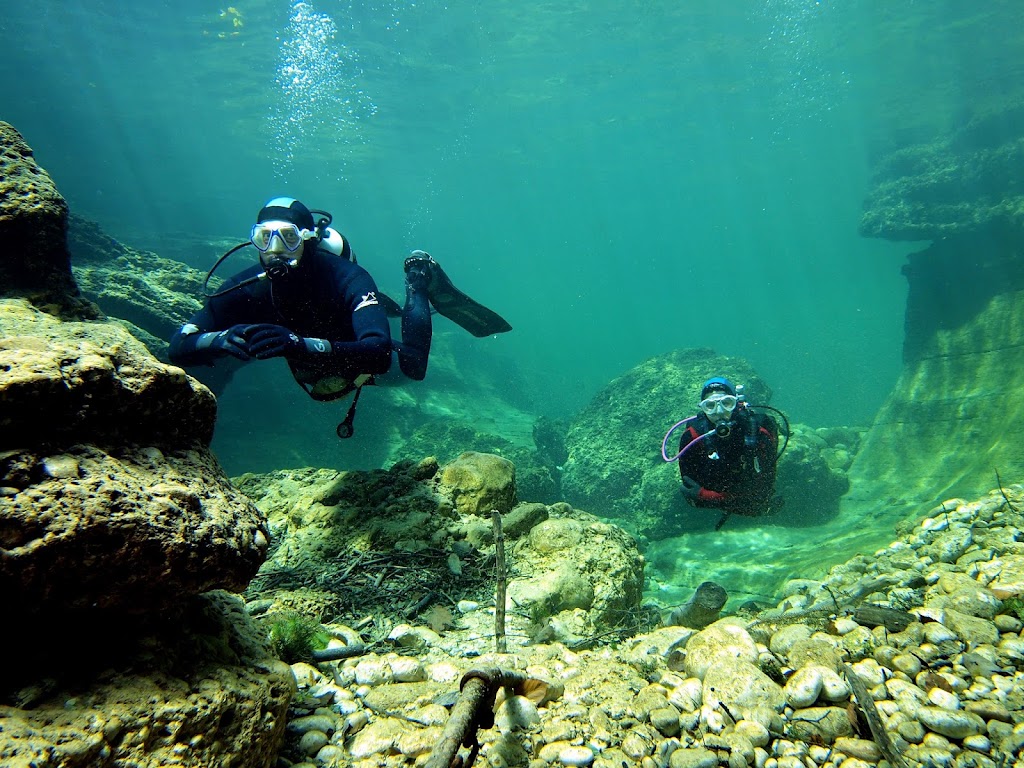
Exploring the lake's contours reveals a primarily natural environment. Submerged trees, various rock formations, and dense aquatic vegetation create varied habitats for local species.
While exact visibility varies by season and recent activity, clear days often provide good sightlines, sometimes extending to 10-15 meters (30-50 feet). Appreciating the subtle transitions between light and shadow and observing resident freshwater ecosystems in their natural state forms a key part of the dive.
It’s a site for those who value tranquility and the unique perspectives freshwater brings, from its specific clarity to the characteristic flora and fauna. Reaching a maximum depth of 66 m (217 ft) hints at the basin's full scope, yet most enjoyable dives remain well within standard recreational limits, often between 5-20 meters (15-65 feet), where light penetration is still significant, providing ample opportunity to observe vibrant growth closer to shore.
Conditions are Excellent
07:00 - 14:00
Optimal conditions expected
Current conditions near Fuschlsee show 10° air, --° sea temperature, N/A waves, and 10 km/h wind. Forecast data is refreshed regularly to ensure accuracy.
Best Time to Dive
Optimal conditions for diving in Fuschlsee generally occur from late spring through early autumn. July and August frequently emerge as prime months, with reported surface water temperatures reaching approximately 19°C (66°F) and average air temperatures hovering around 18-19°C (64-66°F). Precipitation levels during these summer months typically remain manageable, averaging around 6 mm per day, supporting consistent dive planning. Positive dive scores are observed across many months, however, indicating year-round potential for divers with appropriate gear and training. During colder periods, from November to March, air temperatures can range from -0°C to 6.5°C (32-44°F); requiring the use of a dry suit and enhanced thermal protection for comfort and safety. Ice diving may also be possible in winter for those with specialized training. Although summer months offer the most clement surface conditions, Fuschlsee's underwater environment maintains a consistent appeal for dedicated cold-water divers throughout the year, provided they are prepared for thermal demands.
PEAK SEASON SCORE
Scores combine air & water temps, waves, wind & rainfall for overall conditions.
BEST MONTHS TO DIVE
Monthly records compiled from satellite and marine observation nodes over the last 3 years. Data provided by Open-Meteo and MET Norway.
Dive Experience & Conditions
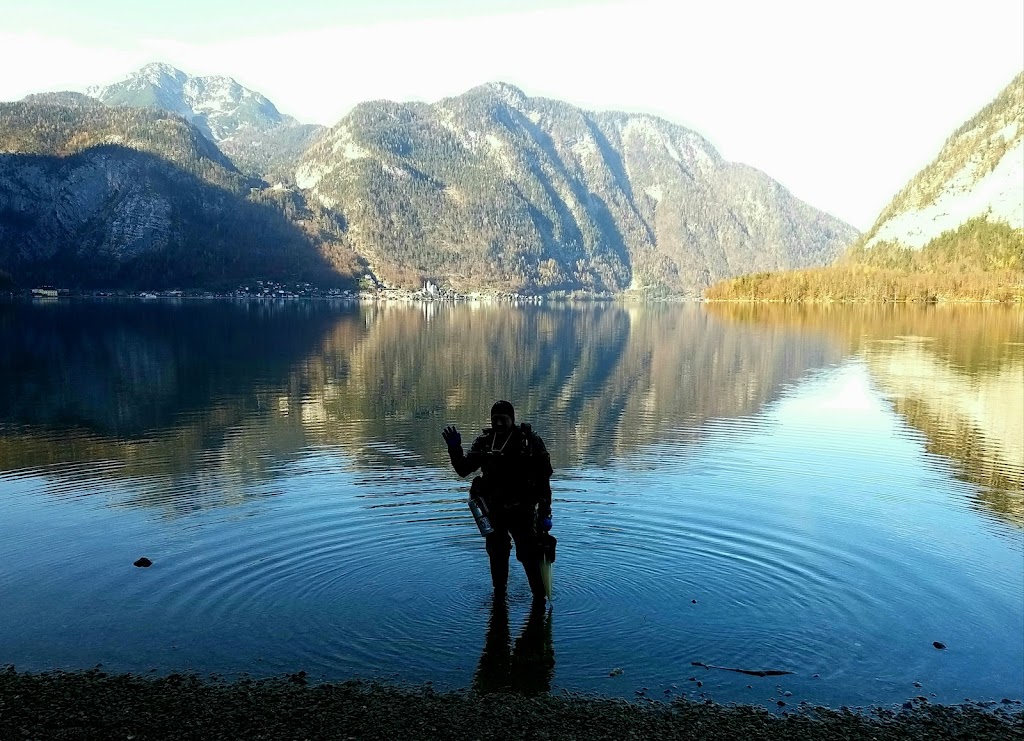
A distinct dive experience awaits at Fuschlsee, characterized by several key conditions. Accessing the lake is often straightforward, with multiple public beach areas providing suitable shore entry points for divers. Once submerged, divers should anticipate thermoclines, which can lead to notable variations in water temperature at different depths; colder layers become more pronounced with descent. While specific visibility reports aren't consistently available, freshwater lakes in the region frequently exhibit good clarity, particularly away from disturbed sediments or during periods of stable weather. However, visibility can be impacted by stirred-up bottom composition, which may include fine silt. Therefore, meticulous buoyancy control is essential to maintain optimal sightlines for the entire group. Fuschlsee's underwater landscape is primarily natural, featuring a pristine lakebed interspersed with aquatic vegetation and rocky sections. Navigating these conditions successfully enhances the overall dive, offering an engaging exploration of the lake’s submerged world.
Dive Difficulty & Safety Guidelines
Diving in Fuschlsee, like any freshwater body, requires specific attention to several key considerations. Given the cooler water temperatures, especially below surface layers and outside of summer, adequate thermal protection such as a dry suit or thick wetsuit is essential. Meticulous buoyancy control is also paramount to avoid disturbing the lakebed, which can significantly reduce visibility for all divers.
Always adhere to your certification limits and plan dives carefully, taking into account potential boat traffic on the surface. Familiarizing yourself with local emergency procedures before entering the water is a prudent expert tip.
Recommended Equipment
- Dive Computer
This gear list is based on verified equipment signals for Fuschlsee, Austria. Always confirm final gear choices with your dive operator, guide, or liveaboard.
Recommended Dive Suit
Forecast confidence is somewhat lower, with potential for varied conditions ahead. A warming trend is expected over the next few days.
Based on regional estimates and current weather, the likely required exposure protection is a thicker wetsuit or drysuit. Note that local currents and upwellings can alter this. Strong cold advisory: dress warmly immediately after exiting the water.
Because recent water temperature readings are not available for Fuschlsee, the guidance below is based mainly on current air conditions and seasonal expectations. Current surface air temperatures are roughly 10°C (51°F).
Emergency & Medical Support
Essential information to help you plan your dive trip to Fuschlsee.

Hyperbaric chambers are a critical part of dive safety infrastructure. Availability varies significantly by region, and not all dive areas have immediate access.
Before diving, it's recommended to:
- confirm nearest medical facilities
- check emergency procedures with local dive operators
- ensure dive insurance covers evacuation if required
Divers Alert Network
Diving emergency assistance available through DAN Europe.
+39 0642115685- 24/7 emergency hotline
- Diving medical assistance
- Evacuation coordination
Emergency contacts are provided for reference. Always verify local emergency services before diving.
Closest Listed Hyperbaric Chambers
Showing listed hyperbaric chamber facilities within 200 km of this dive site.
Distances are approximate straight-line distances and may not reflect emergency travel time.
Druckkammer, Medizinische Universität Graz
ICU CapableGraz, Austria•Approx. 182 km straight-line
Druckkammer, Medizinische Universität Graz
ICU CapableInformation is provided for reference and planning purposes only. Dive Navigator does not verify operational status, staffing, availability, or quality of care at listed facilities. In an emergency, contact local emergency services, DAN, your dive operator, or the chamber directly. Do not travel to a facility without calling ahead.
Marine Life at Fuschlsee
Fuschlsee's underwater landscape primarily features a freshwater ecosystem, distinct from marine environments. Divers exploring the lake will likely encounter various aquatic plant life, which forms vital habitats for smaller organisms.
While large pelagic species aren't present, observing typical freshwater fish species that inhabit Austrian lakes is possible, navigating among submerged vegetation and rocky formations. It's a place for appreciating the subtle beauty and intricate balance of an inland aquatic world.
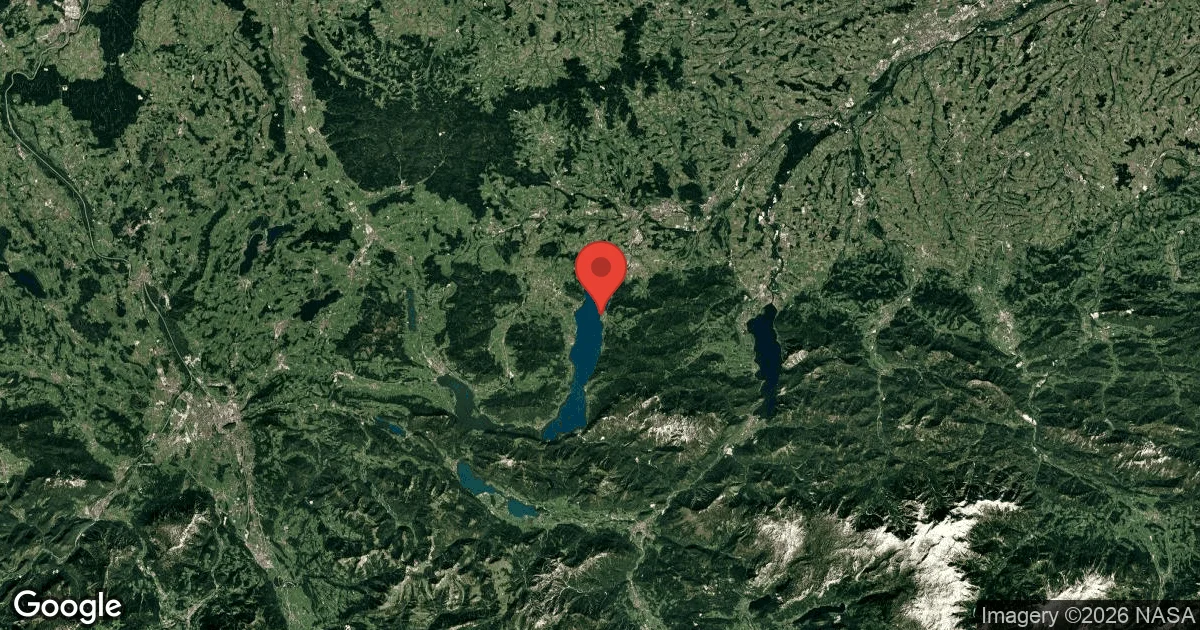
Dive Sites Near Fuschlsee
View all dive sites in AustriaDiscover more underwater gems in this area.

Dive Centers Near Fuschlsee
Today: Closed
Nearest Airports
Nearest airports to help plan travel to this dive area.
Search Flights
Check available flights and routes on Expedia, using the nearby airports listed in this section.
Search Flights on ExpediaFrequently Asked Questions
Is Fuschlsee suitable for beginner divers?
Fuschlsee can be suitable for beginner divers, especially those undertaking initial open water training. Its calm freshwater conditions and generally predictable environment make it a good location for practicing fundamental skills. Divers should still be prepared for cooler water temperatures and the specifics of lake diving.
What are the typical water temperatures in Fuschlsee?
Surface water temperatures in Fuschlsee are reported to reach around 19°C (66°F) during the summer months. However, divers should expect much colder conditions, potentially with distinct thermoclines, as they descend to greater depths or dive during cooler seasons. Appropriate thermal protection is always advised.
Are there dive centers or guides available in the Fuschlsee area?
While Fuschlsee is a known recreational area, specific dive centers may not be directly on the lake itself. It's advisable to research local PADI dive shops in the broader Salzburg region, as they can provide guidance, equipment, and potentially organize guided dives in the area.
What kind of visibility can I expect when diving in Fuschlsee?
Visibility in freshwater lakes like Fuschlsee can vary. Generally, freshwater environments often offer good clarity, but it can be affected by factors like recent rainfall, seasonal plankton blooms, or stirred-up sediment from the bottom. Careful buoyancy control helps maintain optimal visibility during your dive.
What type of marine life can I expect to see in Fuschlsee?
Fuschlsee is a freshwater lake, so divers will encounter freshwater fish species and aquatic plant life. Expect to observe local fish species, various invertebrates, and a diverse range of submerged vegetation that forms the lake's ecosystem. Large marine animals like sharks or dolphins are not present.
Is shore entry common at Fuschlsee?
Yes, shore entry is common for diving in Fuschlsee. Several public beach areas around the lake offer accessible entry points for divers, providing convenience for gearing up and entering the water directly from shore.
Planning to dive Fuschlsee?
Send one inquiry and receive offers directly from the best verified local dive operators.
Conditions are Excellent
07:00 - 14:00
Optimal conditions expected
Current conditions near Fuschlsee show 10° air, --° sea temperature, N/A waves, and 10 km/h wind. Forecast data is refreshed regularly to ensure accuracy.