
Diving at Rose Garden (Austria)
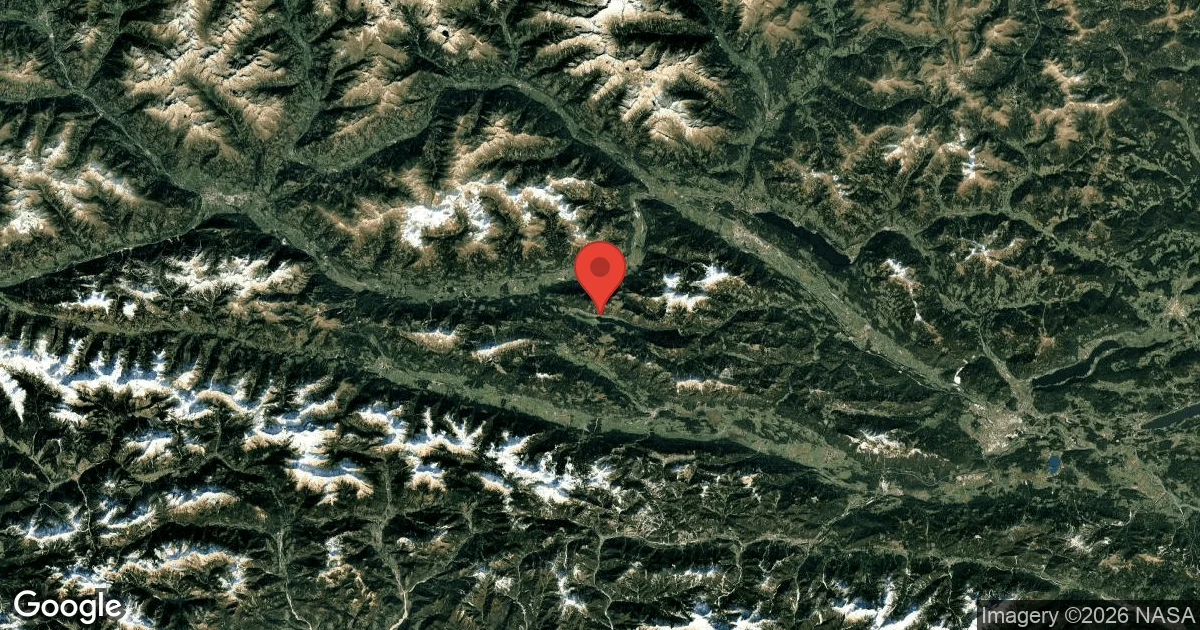
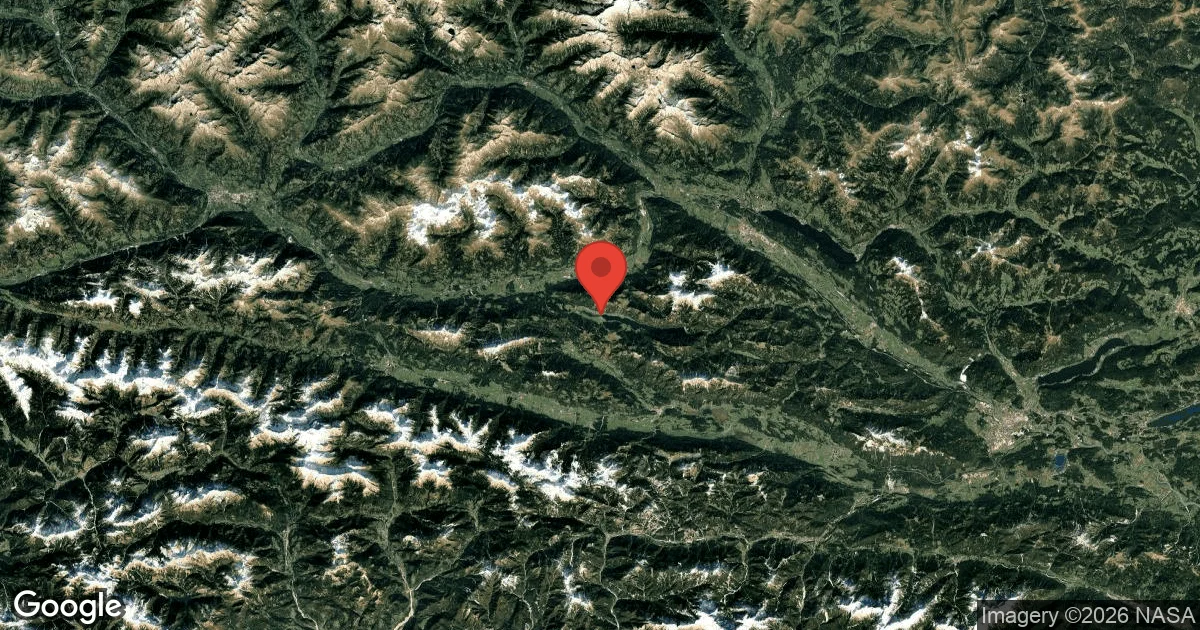
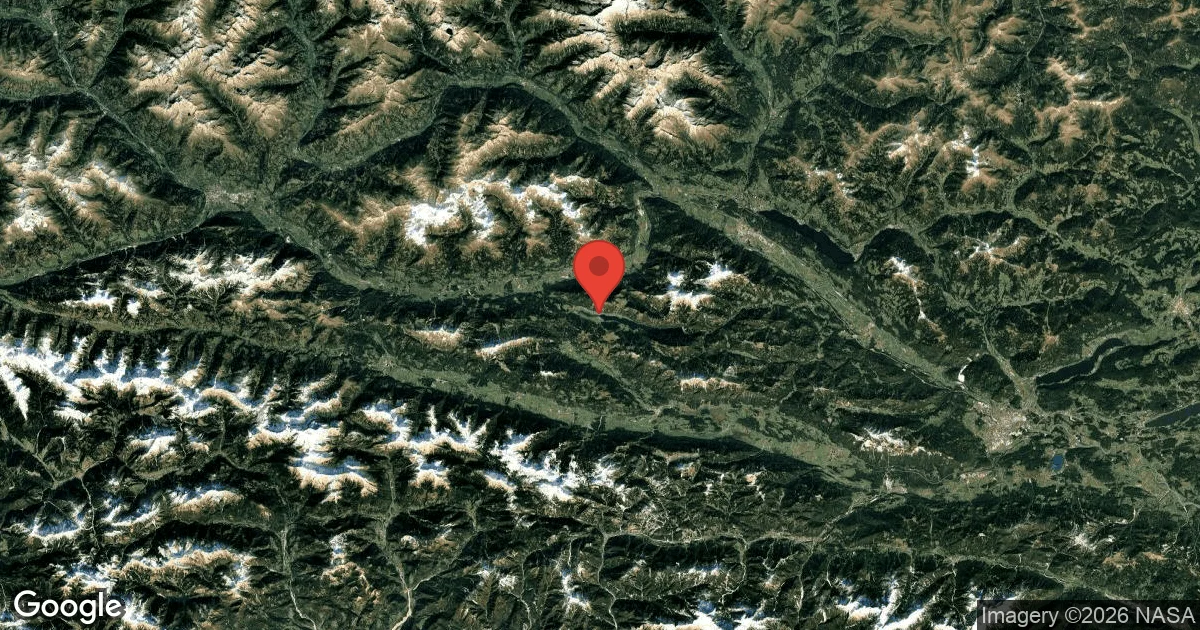
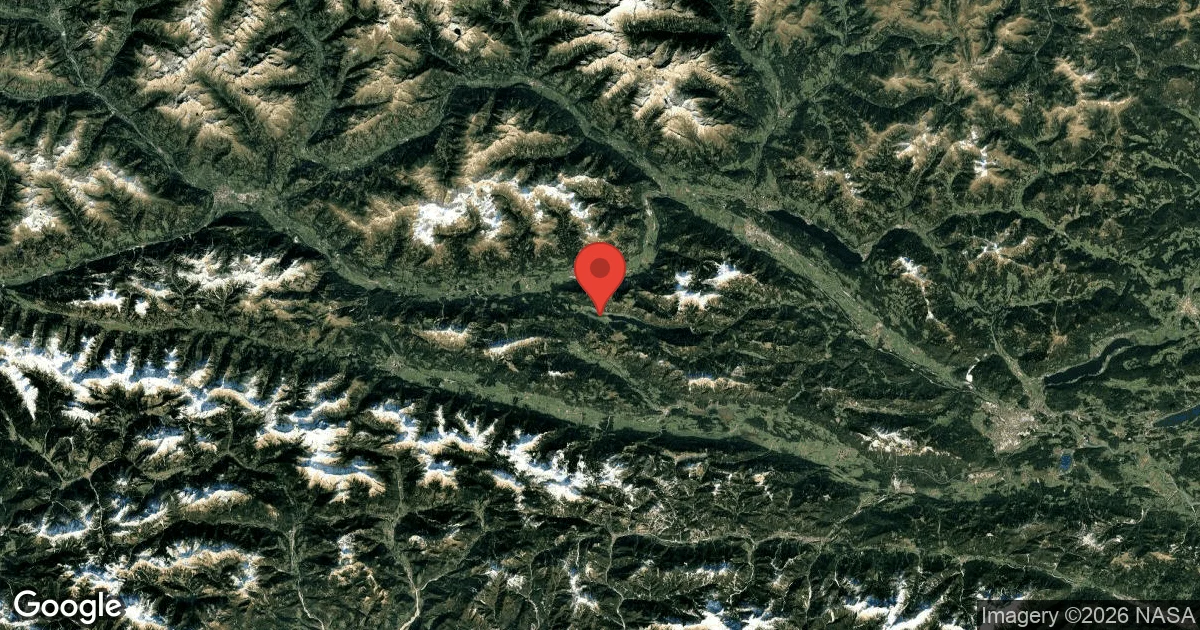
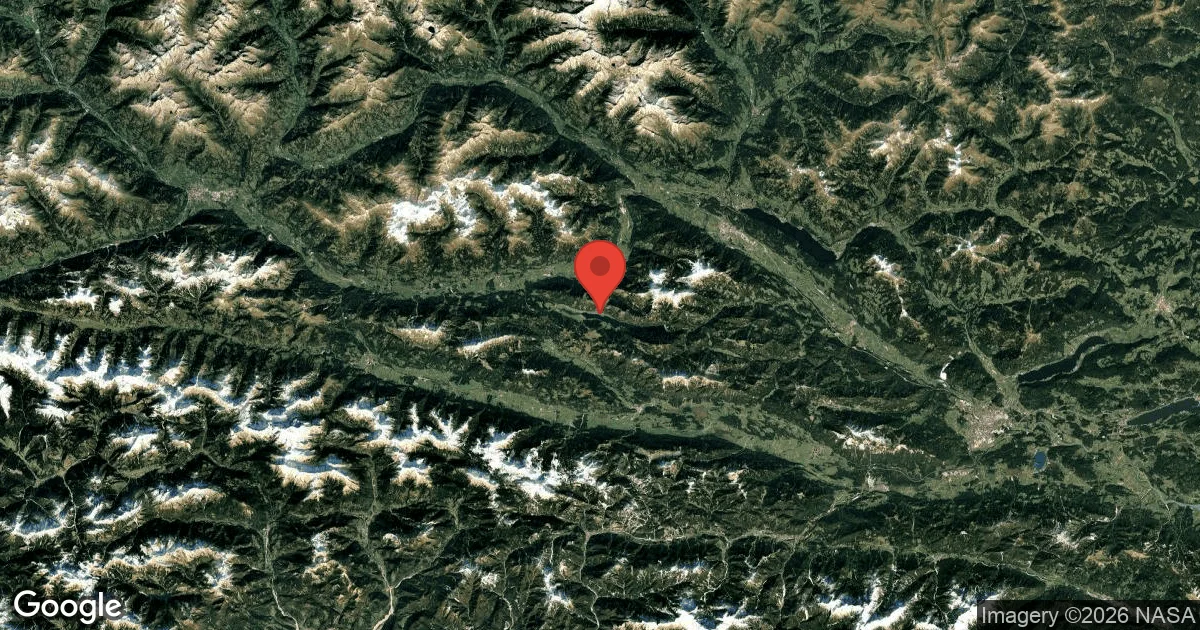
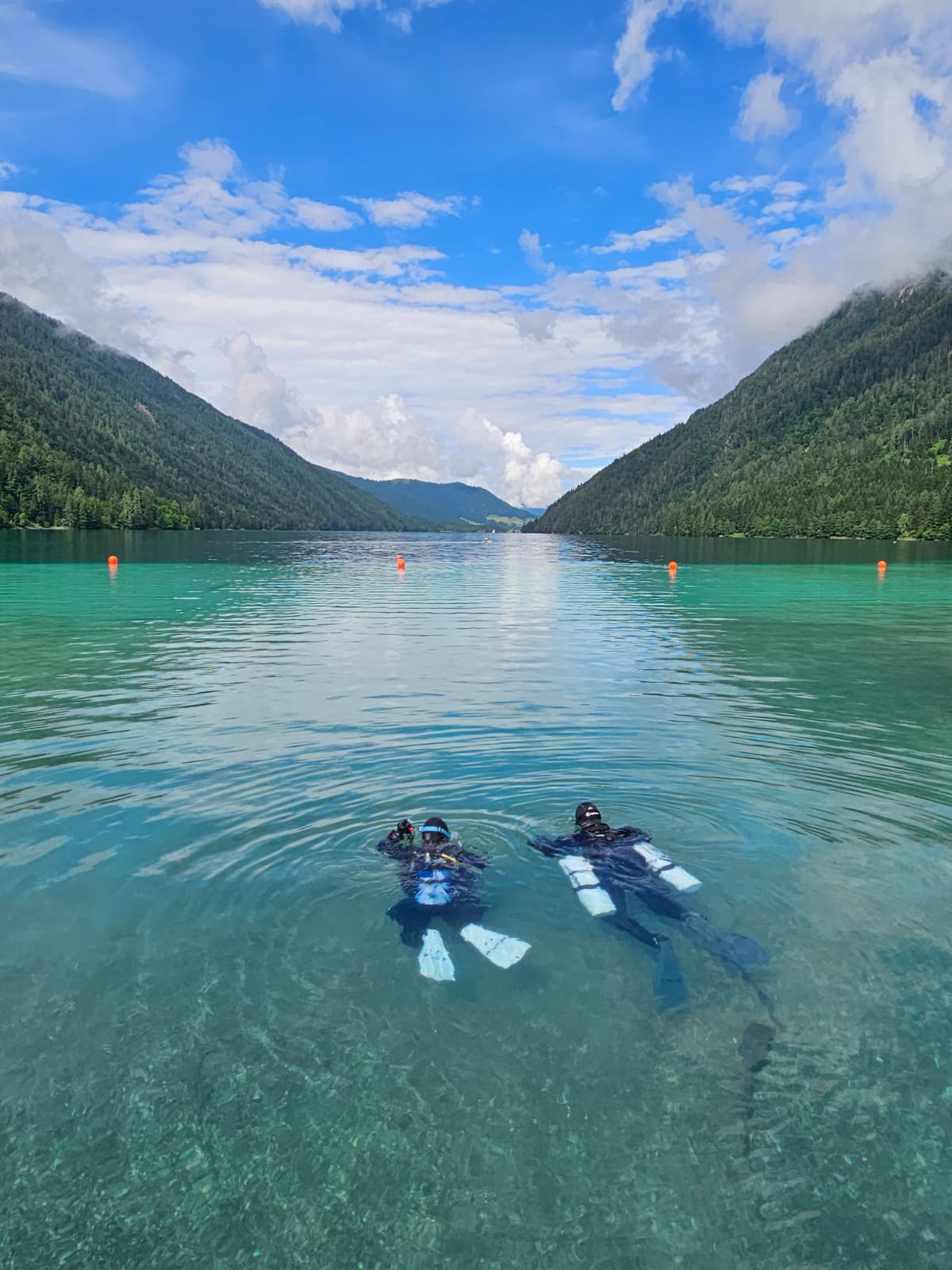
Rose Garden, within Austria's Weissensee in Carinthia, presents a distinctive underwater landscape. A beautiful water lily field defines this dive site, descending to approximately 14 meters (46 feet). Navigating the area demands exceptional buoyancy control to avoid contact with protected flora. Divers move above delicate lilies, respecting their natural habitat, which serves as a crucial nursery for various fish species. Its environment is primarily defined by unique botanical features.
Recent updates for Rose Garden show an air temperature measuring 8°C. Overall water conditions reflect the typical seasonal state for Austria. Please exercise standard safety precautions before entering the water.
Dive Site Location & Key Facts
Dive Site Overview
Seasonal dynamics of Austrian alpine lakes, like those observed in nearby Green Lake, offer insight into the natural processes shaping sites such as Rose Garden. Each spring, snowmelt from surrounding mountains contributes significantly to water levels, transforming the landscape.
This natural influx creates a temporary underwater world, impacting visibility and temperature. Rose Garden, while not exhibiting the same dramatic flooding of submerged park benches, benefits from these clear, cold meltwaters, which likely contribute to its characteristic water clarity and low temperatures.
Historically, such clear lake conditions have fostered unique aquatic environments, providing shelter and breeding grounds for various freshwater species. Functioning as a critical "nursery" for juvenile fish, the site benefits from protection offered by dense water lily beds.
Observing these delicate ecosystems requires careful adherence to environmental guidelines, ensuring minimal disturbance. Focus here isn't on man-made structures but on the natural progression of the lake's ecosystem throughout the year.
Understanding these annual cycles helps divers appreciate the transient beauty and ecological importance of the Rose Garden, where the interplay of water, flora, and fauna defines the underwater experience. A dive here is a quiet exploration of a living, evolving freshwater habitat.
Conditions are Excellent
07:00 - 14:00
Optimal conditions expected
Current conditions near Rose Garden show 8° air, --° sea temperature, N/A waves, and 6 km/h wind. Forecast data is refreshed regularly to ensure accuracy.
Best Time to Dive
Diving at Rose Garden offers excellent conditions for much of the year, with optimal periods influenced by the surrounding climate. Spring and summer months generally present more favorable air temperatures for surface operations, although the water remains consistently cold. For instance, air temperatures average between 11°C (52°F) in May and 18.5°C (65°F) in August, coinciding with generally low to moderate rainfall, typically ranging from 3.9 to 5.2 mm (0.15 to 0.2 inches) during these warmer periods. However, the site boasts excellent dive scores even in colder months, suggesting that with appropriate thermal protection, year-round diving is feasible. Winter air temperatures hover around -2°C (36°F) to 0.5°C (33°F) from January to February, with very low rainfall. Dive scores remain high across most seasons, indicating consistent water clarity and accessible conditions when properly equipped. Divers seeking the most comfortable surface experience might prefer the late spring through early autumn, but those prepared for colder air and water can enjoy the site almost any month.
PEAK SEASON SCORE
Scores combine air & water temps, waves, wind & rainfall for overall conditions.
BEST MONTHS TO DIVE
Monthly records compiled from satellite and marine observation nodes over the last 3 years. Data provided by Open-Meteo and MET Norway.
Dive Experience & Conditions
Upon entering the water at Rose Garden, divers immediately notice cool, clear conditions typical of an alpine lake. Water temperatures in such environments generally range from 4-7°C (39-45°F), necessitating appropriate thermal protection. A descent brings you into proximity with the expansive water lily field, a significant feature of this dive. This area, reaching a maximum depth of approximately 14 meters (46 feet), requires exceptional buoyancy control. Maintaining a precise depth above protected water lilies is crucial; divers must avoid contact to preserve this delicate "nursery" habitat. Clear freshwater offers good visibility, allowing for observation of underwater flora and any fish sheltering within. Currents are generally minimal, creating a serene environment for careful exploration. A dive here is a gentle, observational experience, prioritizing marine conservation and controlled movement over rapid progression or deep exploration.
Dive Difficulty & Safety Guidelines
Diving at Rose Garden places a strong emphasis on a diver's buoyancy skills and environmental awareness. Exceptional buoyancy control isn't merely recommended; it's an absolute prerequisite to navigate this sensitive site without damaging the protected water lily beds or disturbing juvenile fish. Divers must remain elevated above the lilies and avoid any physical contact with the flora.
Given the cold water temperatures common in Austrian lakes, adequate thermal protection, such as a drysuit or thick wetsuit, is essential to prevent hypothermia and ensure comfort throughout the dive. While specific hazards like strong currents or complex overhead environments aren't consistently reported, the primary safety consideration involves respectful interaction with the natural environment.
Divers should always follow local guidelines and consider consulting with a dive professional familiar with the site's current conditions to ensure a safe and enjoyable experience.
Recommended Equipment
- Dive Computer
This gear list is based on verified equipment signals for Rose Garden, Austria. Always confirm final gear choices with your dive operator, guide, or liveaboard.
Recommended Dive Suit
With water temperatures around 8°C (47°F), many divers find a a thicker wetsuit or drysuit provides comfortable protection.
Being prepared with flexible exposure options is a common approach among experienced divers.
Weather patterns are currently shifting, so expect some variability in conditions. A warming trend is expected over the next few days.
Emergency & Medical Support
Essential information to help you plan your dive trip to Rose Garden.

Hyperbaric chambers are a critical part of dive safety infrastructure. Availability varies significantly by region, and not all dive areas have immediate access.
Before diving, it's recommended to:
- confirm nearest medical facilities
- check emergency procedures with local dive operators
- ensure dive insurance covers evacuation if required
Divers Alert Network
Diving emergency assistance available through DAN Europe.
+39 0642115685- 24/7 emergency hotline
- Diving medical assistance
- Evacuation coordination
Emergency contacts are provided for reference. Always verify local emergency services before diving.
Closest Listed Hyperbaric Chambers
Showing listed hyperbaric chamber facilities within 200 km of this dive site.
Distances are approximate straight-line distances and may not reflect emergency travel time.
Druckkammer, Medizinische Universität Graz
ICU CapableGraz, Austria•Approx. 170 km straight-line
Druckkammer, Medizinische Universität Graz
ICU CapableInformation is provided for reference and planning purposes only. Dive Navigator does not verify operational status, staffing, availability, or quality of care at listed facilities. In an emergency, contact local emergency services, DAN, your dive operator, or the chamber directly. Do not travel to a facility without calling ahead.
Marine Life at Rose Garden
Divers often notice the expansive water lily field first within the Rose Garden's aquatic environment. This botanical feature acts as a vibrant ecosystem, serving as a vital "nursery" for various fish species.
As you carefully hover above protected lilies, spotting numerous juvenile fish finding shelter amongst the dense vegetation is common. Beyond smaller inhabitants, the site is known for regular sightings of larger freshwater species.
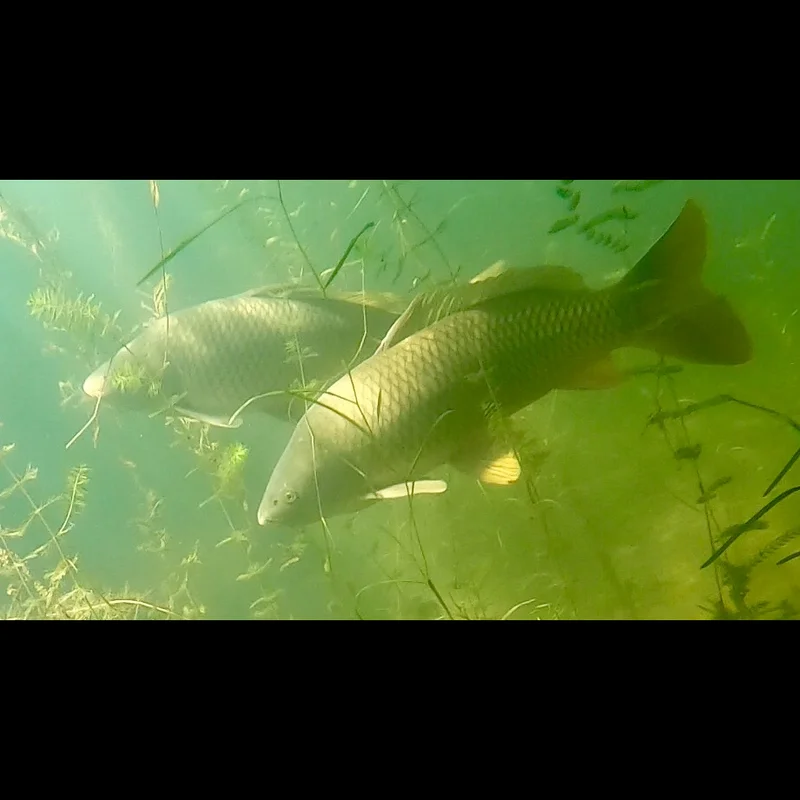
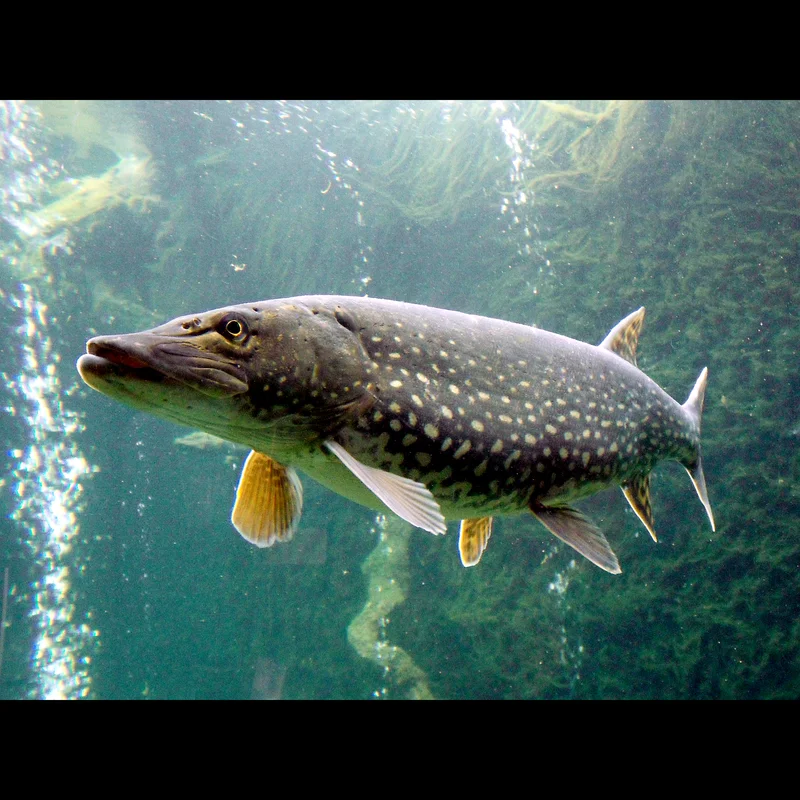
Keep an eye out for substantial carp specimens moving deliberately through clearer areas. Pike are also frequently observed predators, often camouflaged near the edges of the lily beds, patiently awaiting prey. The area's calm nature and protective flora create an ideal habitat for these diverse freshwater residents.
Dive Sites Near Rose Garden
View all dive sites in AustriaDiscover more underwater gems in this area.
Dive Centers Near Rose Garden
Today: 09:00 - 18:00
Nearest Airports
Nearest airports to help plan travel to this dive area.
Search Flights
Check available flights and routes on Expedia, using the nearby airports listed in this section.
Search Flights on ExpediaFrequently Asked Questions
What is the maximum depth at Rose Garden?
The Rose Garden dive site is explorable to a maximum depth of approximately 14 meters (46 feet). This makes it suitable for divers of various certification levels, provided they maintain excellent buoyancy control.
What are the typical water temperatures?
Water temperatures in Austrian alpine lakes, including Rose Garden, are notably cold, generally ranging between 4-7°C (39-45°F). Divers should be prepared with adequate thermal protection, such as a drysuit.
Why is good buoyancy control so important here?
Exceptional buoyancy control is critical at Rose Garden because of the protected water lily field. Divers must maintain a precise depth above the lilies to avoid contact and preserve this delicate ecosystem, which serves as a fish nursery.
What marine life can I expect to see?
The site is a known nursery for many fish species, so you'll likely observe numerous juvenile fish. Larger freshwater fish like carp and pike are also regularly sighted near or within the water lily beds.
Are the water lilies protected?
Yes, the water lilies at Rose Garden are under natural protection. It is strictly forbidden to dive through them or disturb them in any way, emphasizing the need for careful and respectful diving practices.
When is the best time of year to dive Rose Garden?
While the site offers excellent diving conditions for much of the year, late spring through early autumn generally provides more comfortable air temperatures for surface activities. However, with appropriate thermal gear, diving is possible year-round due to consistent water conditions.
Planning to dive Rose Garden?
Send one inquiry and receive offers directly from the best verified local dive operators.
Conditions are Excellent
07:00 - 14:00
Optimal conditions expected
Current conditions near Rose Garden show 8° air, --° sea temperature, N/A waves, and 6 km/h wind. Forecast data is refreshed regularly to ensure accuracy.