
Diving at Tschatscheleria (Austria)
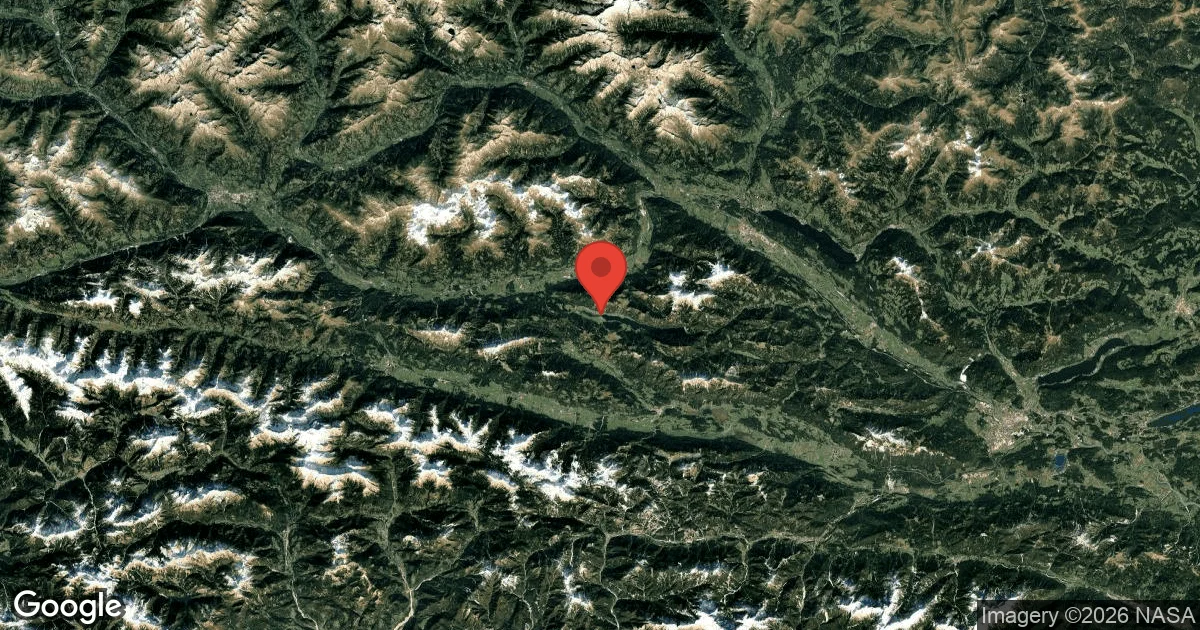
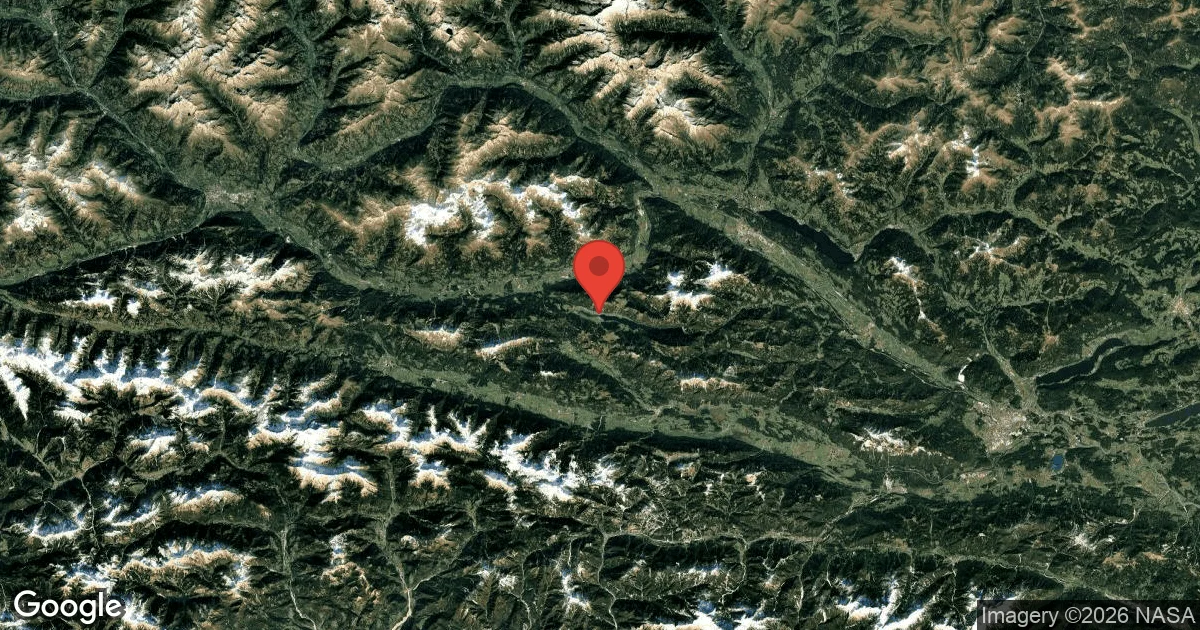
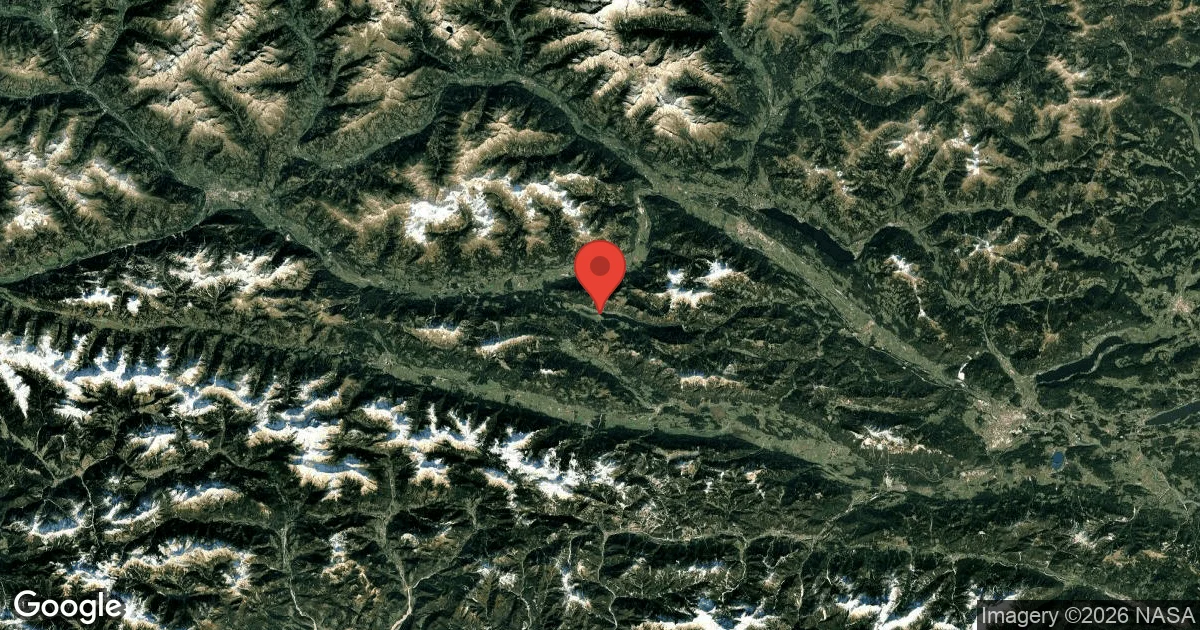
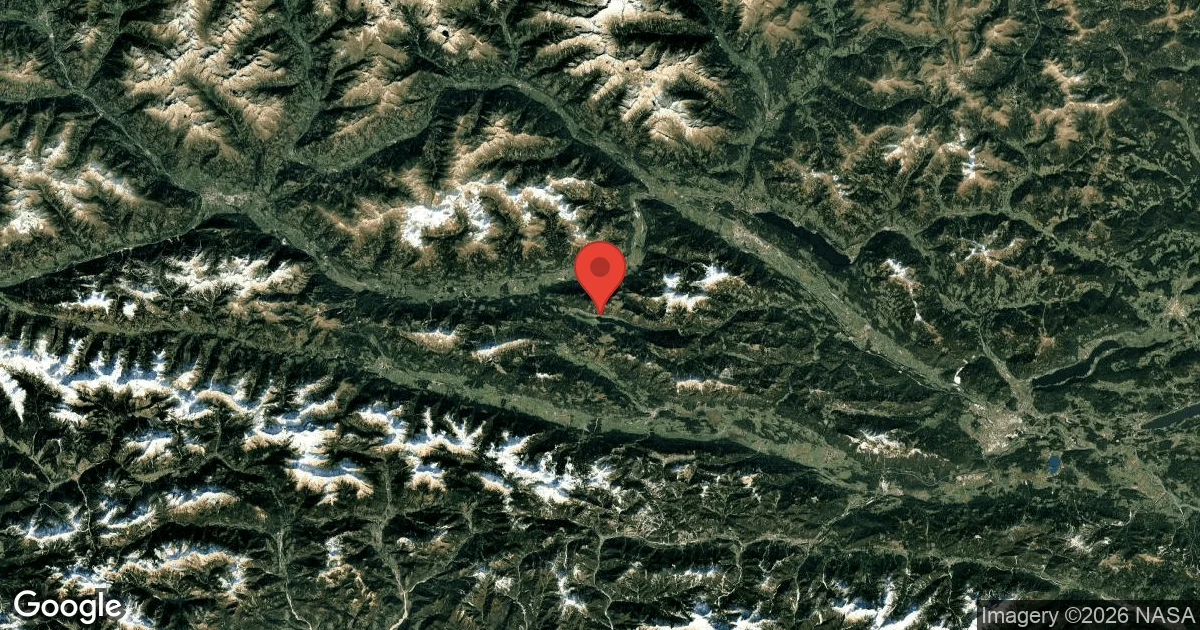
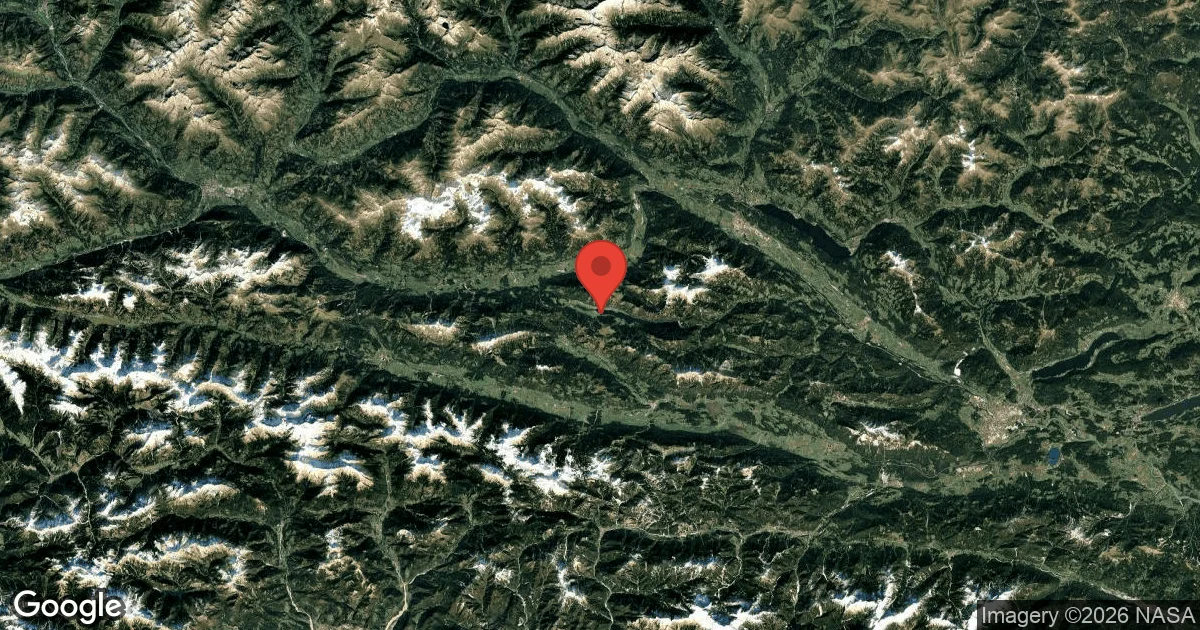
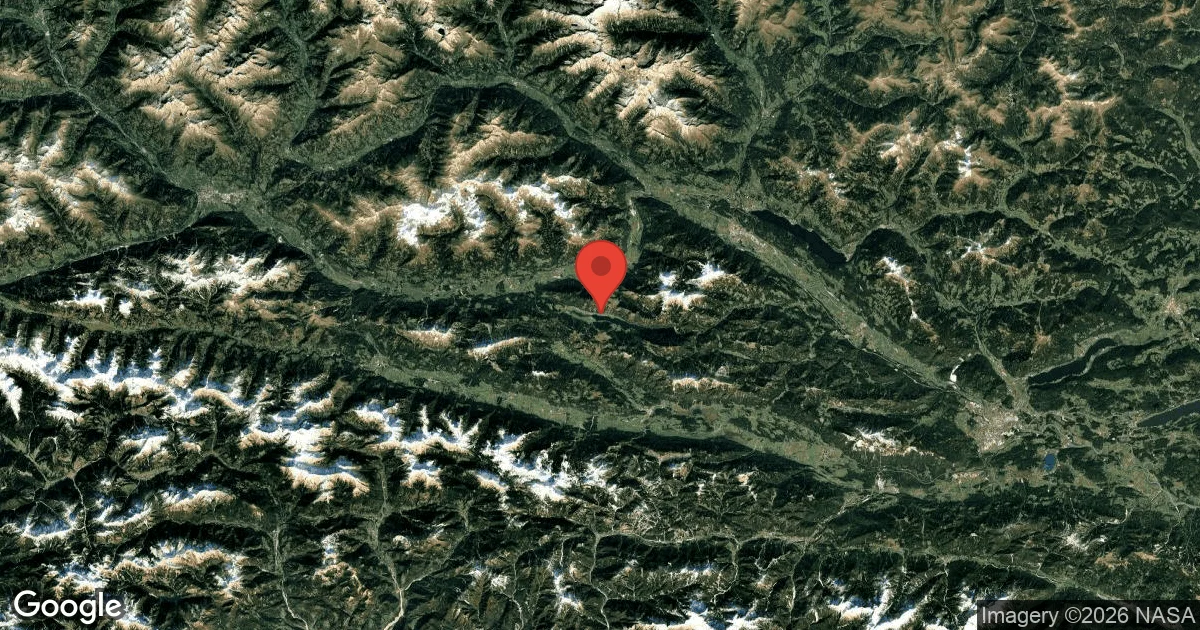
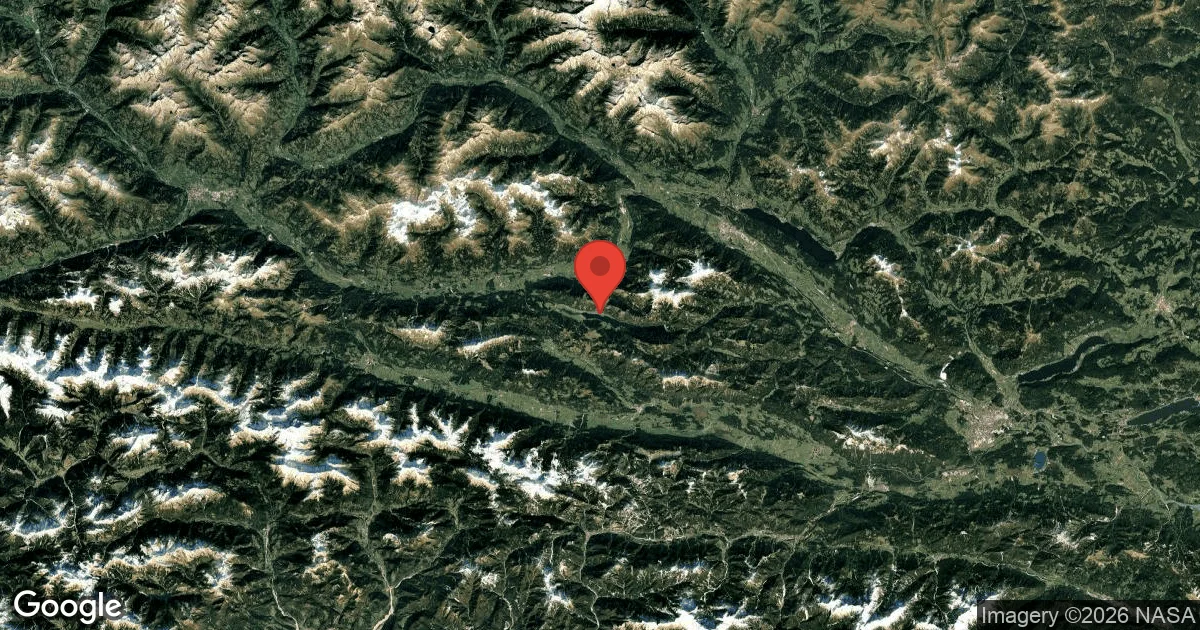
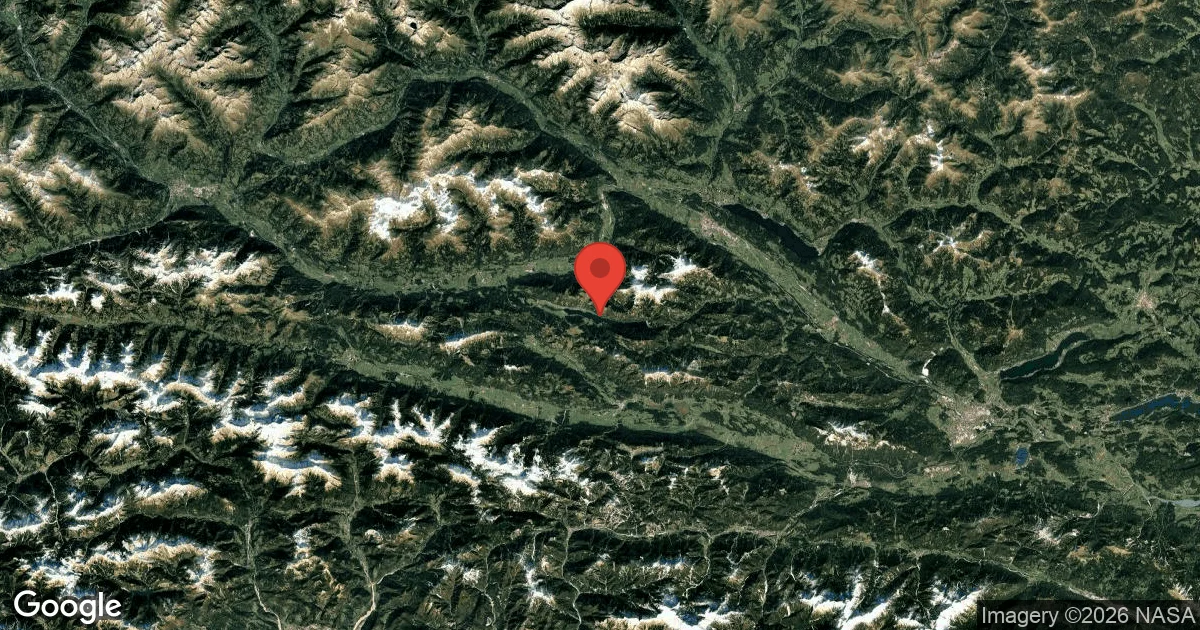
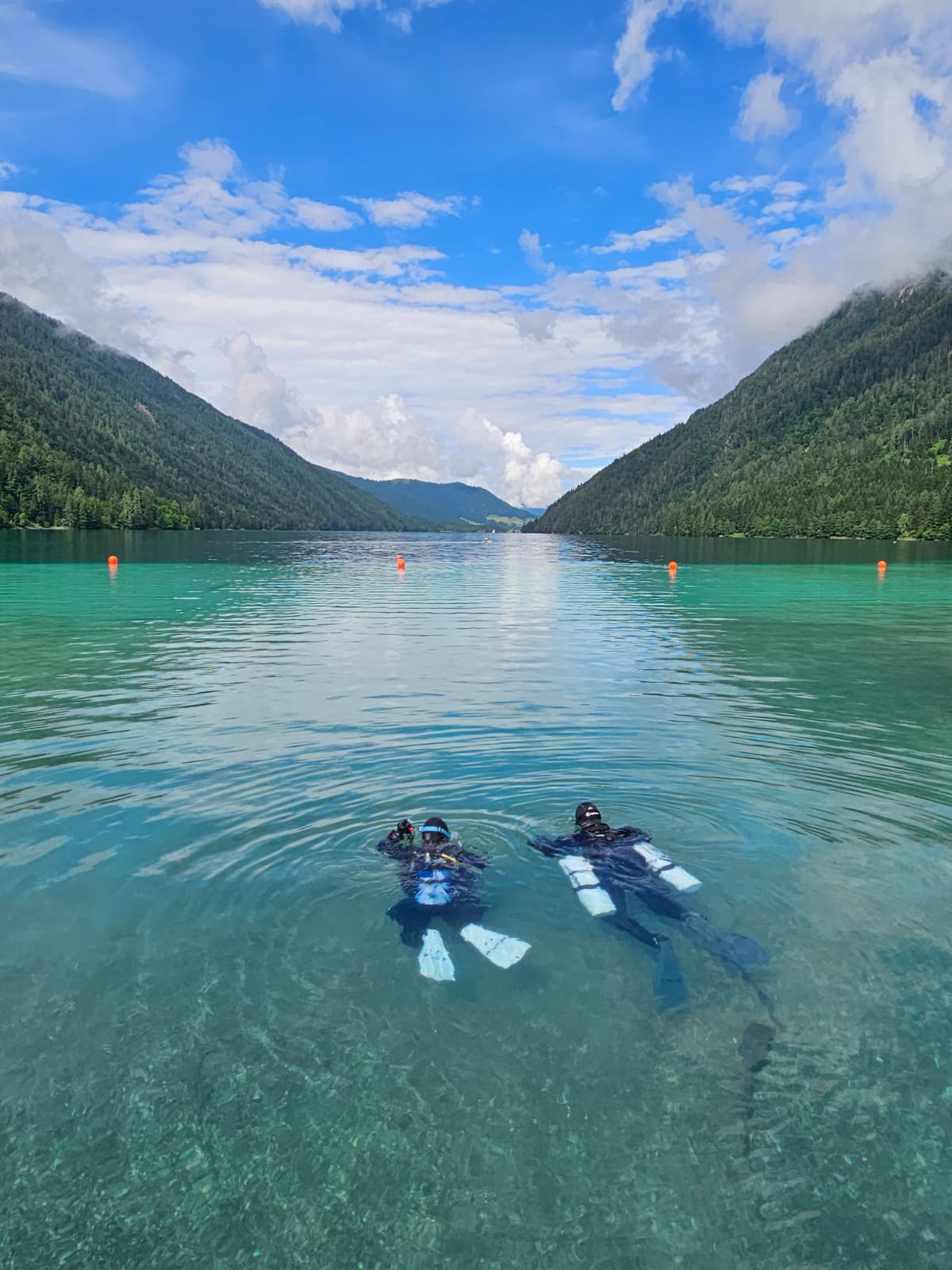
Crisp alpine air surrounds Tschatscheleria, contrasting with Lake Weissensee's shimmering surface. This charming lakeside spot offers divers a tranquil entry point into Austria's freshwater realm. Beneath the surface, the lake unveils a unique, quiet beauty, a sensory shift from the vibrant mountain landscape above. It's an experience defined by stillness and natural immersion.
The latest environmental reading at Tschatscheleria indicates an air temperature of 18°C. The regional climate in Austria is aligning with expected historical averages. Prepare your gear according to these specific local conditions.
Dive Site Location & Key Facts
Dive Site Overview
Delving into the waters off Tschatscheleria offers a distinct freshwater diving experience, setting it apart from typical ocean excursions. As one of 19 identified dive sites around Lake Weissensee, it presents the unique characteristics of an Austrian alpine lake.
Unlike marine environments, you'll encounter a different spectrum of life and geological formations. Divers navigate depths where thermoclines can be pronounced, leading to noticeable temperature shifts within the water column. Calm conditions are typical, allowing for focused exploration of the underwater environment, as strong currents are usually absent.
This locale is less about vibrant coral gardens and more about discovering the subtle intricacies of a freshwater ecosystem. Expect to observe unique aquatic flora, submerged rock formations, and potential encounters with local fish species adapted to these cooler, often tranquil waters.
It's a serene exploration, inviting a different appreciation for underwater topography, light penetration, and the profound silence inherent in such an inland body of water.
Conditions are Excellent
07:00 - 14:00
Optimal conditions expected
Current conditions near Tschatscheleria show 18° air, --° sea temperature, N/A waves, and 6 km/h wind. Forecast data is refreshed regularly to ensure accuracy.
Best Time to Dive
For the most comfortable diving experience, targeting warmer months from June through September is advisable. During this period, air temperatures average a pleasant 16.5-18.5°C / 62-65°F, contributing to a more enjoyable surface interval. While the dive score remains consistently high as "Excellent" for most of the year, these summer months minimize potential chill before and after a dive. Rainfall is generally low year-round, but late spring (May, 5.26 mm) and mid-autumn (October, 5.75 mm) see slightly increased precipitation, which could influence surface visibility or overall comfort. Diving in shoulder months like April or October still provides a "Good" to "Excellent" experience, though air temperatures will range between 7-9.5°C / 45-49°F, requiring appropriate surface gear.
PEAK SEASON SCORE
Scores combine air & water temps, waves, wind & rainfall for overall conditions.
BEST MONTHS TO DIVE
Monthly records compiled from satellite and marine observation nodes over the last 3 years. Data provided by Open-Meteo and MET Norway.
Dive Experience & Conditions
Navigating these waters, divers will find conditions often characterized by relative calmness, as significant currents are not typical for Lake Weissensee. Visibility in alpine lakes can vary, depending on recent weather, local sedimentation, and seasonal algae blooms; it's not consistently reported but can range from excellent to moderate. While specific water temperature data isn't consistently reported for this exact location, alpine lakes generally feature colder temperatures, often with distinct thermoclines that cause sudden temperature drops at various depths. This transition can be a unique sensation. Surface conditions are typically mild, though checking local weather is always recommended, as Tschatscheleria may close during adverse weather. Diver comfort is paramount in these environments, suggesting a focus on robust thermal protection.
Dive Difficulty & Safety Guidelines
Approaching a dive at Tschatscheleria requires an understanding of freshwater environments, particularly the considerations for cold water. Good buoyancy control is essential to protect the delicate lakebed and avoid stirring up sediment, which can quickly reduce visibility. Always dive with a buddy, maintaining close communication and awareness of each other's air consumption and comfort levels.
As with any lake diving, divers should plan for potential thermoclines and gear appropriately for colder water. While no specific hazards are reported for this site, exercising caution and adhering to safe diving practices is fundamental for an enjoyable and secure experience. Familiarize yourself with local regulations before entering the water.
Recommended Equipment
- Dive Computer
This gear list is based on verified equipment signals for Tschatscheleria, Austria. Always confirm final gear choices with your dive operator, guide, or liveaboard.
Recommended Dive Suit
Forecast confidence is somewhat lower, with potential for varied conditions ahead. A warming trend is expected over the next few days.
Based on regional estimates and current weather, the likely required exposure protection is a 5mm or thicker wetsuit. Note that local currents and upwellings can alter this.
Because recent water temperature readings are not available for Tschatscheleria, the guidance below is based mainly on current air conditions and seasonal expectations. Current surface air temperatures are roughly 18°C (64°F).
Emergency & Medical Support
Essential information to help you plan your dive trip to Tschatscheleria.

Hyperbaric chambers are a critical part of dive safety infrastructure. Availability varies significantly by region, and not all dive areas have immediate access.
Before diving, it's recommended to:
- confirm nearest medical facilities
- check emergency procedures with local dive operators
- ensure dive insurance covers evacuation if required
Divers Alert Network
Diving emergency assistance available through DAN Europe.
+39 0642115685- 24/7 emergency hotline
- Diving medical assistance
- Evacuation coordination
Emergency contacts are provided for reference. Always verify local emergency services before diving.
Closest Listed Hyperbaric Chambers
Showing listed hyperbaric chamber facilities within 200 km of this dive site.
Distances are approximate straight-line distances and may not reflect emergency travel time.
Druckkammer, Medizinische Universität Graz
ICU CapableGraz, Austria•Approx. 171 km straight-line
Druckkammer, Medizinische Universität Graz
ICU CapableInformation is provided for reference and planning purposes only. Dive Navigator does not verify operational status, staffing, availability, or quality of care at listed facilities. In an emergency, contact local emergency services, DAN, your dive operator, or the chamber directly. Do not travel to a facility without calling ahead.
Marine Life at Tschatscheleria
Underwater topography here is shaped by the lake's natural contours, featuring submerged logs, rocky formations, and a variety of aquatic plants that provide shelter for small organisms. While specific marine life sightings are not consistently documented for Tschatscheleria, divers can anticipate observing common freshwater fish species adapted to alpine lake conditions. Beauty lies in the quiet simplicity of the freshwater ecosystem, exploring the natural structures and the subtle movements of the lake's inhabitants.
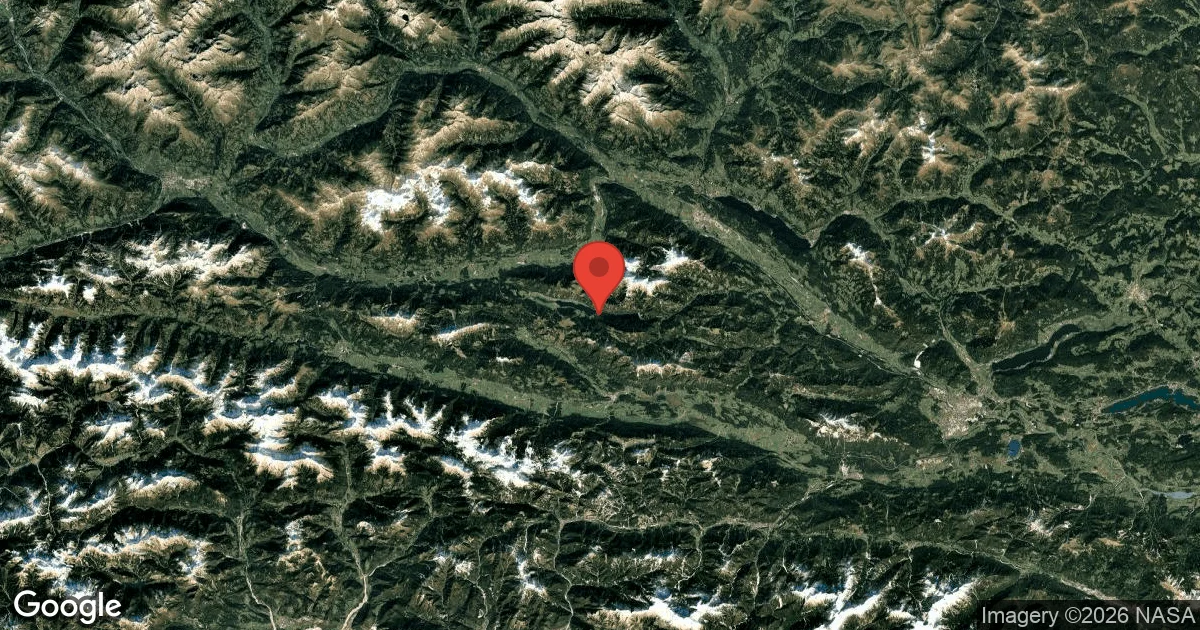
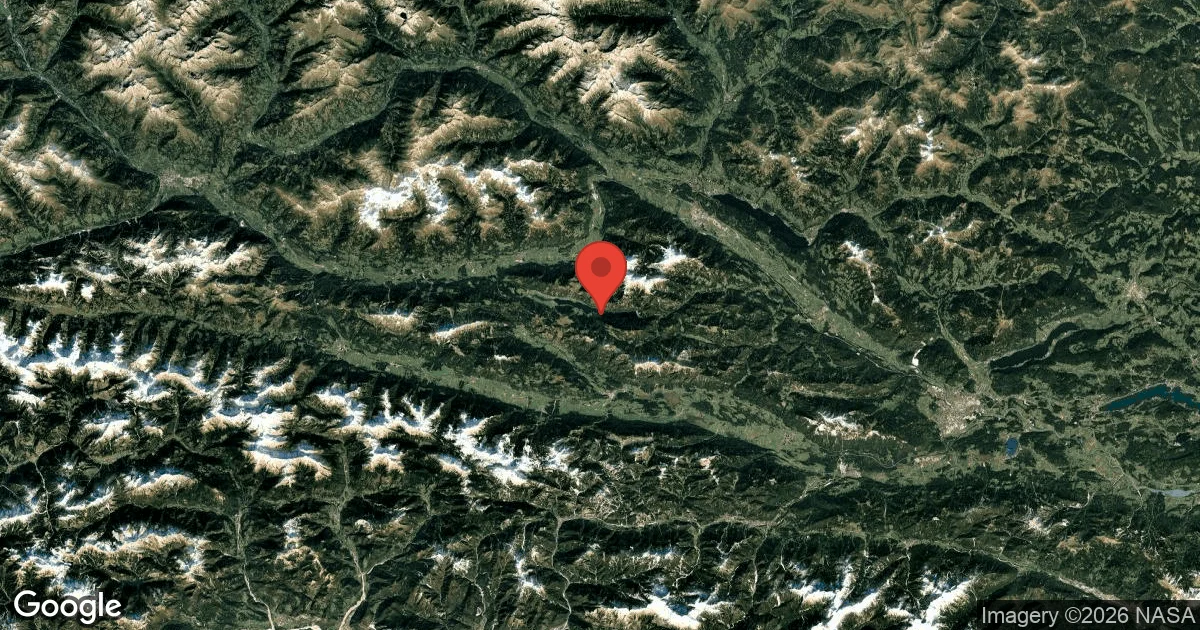
Dive Sites Near Tschatscheleria
View all dive sites in AustriaDiscover more underwater gems in this area.
Dive Centers Near Tschatscheleria
Today: 09:00 - 18:00
Nearest Airports
Nearest airports to help plan travel to this dive area.
Search Flights
Check available flights and routes on Expedia, using the nearby airports listed in this section.
Search Flights on ExpediaFrequently Asked Questions
Where can I park when visiting Tschatscheleria for diving?
Paid parking is available at Praditz, a catchment lot found opposite the gas station. This offers convenient access for reaching the area.
What's the best time of year to dive at Tschatscheleria?
For optimal comfort, target June through September when air temperatures are mildest, averaging 16.5-18.5°C / 62-65°F. The dive score is consistently excellent, but these months minimize surface chill. Shoulder seasons like April or October are still good, though cooler.
How does the water temperature behave during a dive here?
Alpine lakes typically feature colder water, and you'll likely encounter distinct thermoclines. These can cause sudden, noticeable temperature drops at various depths. Robust thermal protection is highly recommended.
What can I expect regarding visibility at this lake dive site?
Visibility varies depending on factors like recent weather, local sedimentation, and seasonal algae blooms. While not consistently reported, it can range from excellent to moderate. Good buoyancy control helps maintain it.
Is Tschatscheleria suitable for new divers?
The site generally features calm conditions with absent strong currents, making it approachable. However, good buoyancy control is essential to protect the lakebed and maintain visibility. Divers should also be prepared for colder freshwater conditions and thermoclines.
What kind of marine life might I see?
Expect to observe common freshwater fish species adapted to alpine lake conditions. The environment also showcases aquatic plants, submerged logs, and rocky formations that provide shelter for smaller organisms. The focus is on the subtle beauty of a freshwater ecosystem rather than vibrant marine life.
Are there any specific hazards to be aware of?
No specific hazards are consistently reported for Tschatscheleria itself. However, divers must be prepared for potential thermoclines and the colder water typical of alpine lakes. Always adhere to safe diving practices and dive with a buddy, planning for the unique freshwater environment.
Planning to dive Tschatscheleria?
Send one inquiry and receive offers directly from the best verified local dive operators.
Conditions are Excellent
07:00 - 14:00
Optimal conditions expected
Current conditions near Tschatscheleria show 18° air, --° sea temperature, N/A waves, and 6 km/h wind. Forecast data is refreshed regularly to ensure accuracy.