Loading...

Diving at RMS Rhone (British Virgin Islands)
Published
Last updated
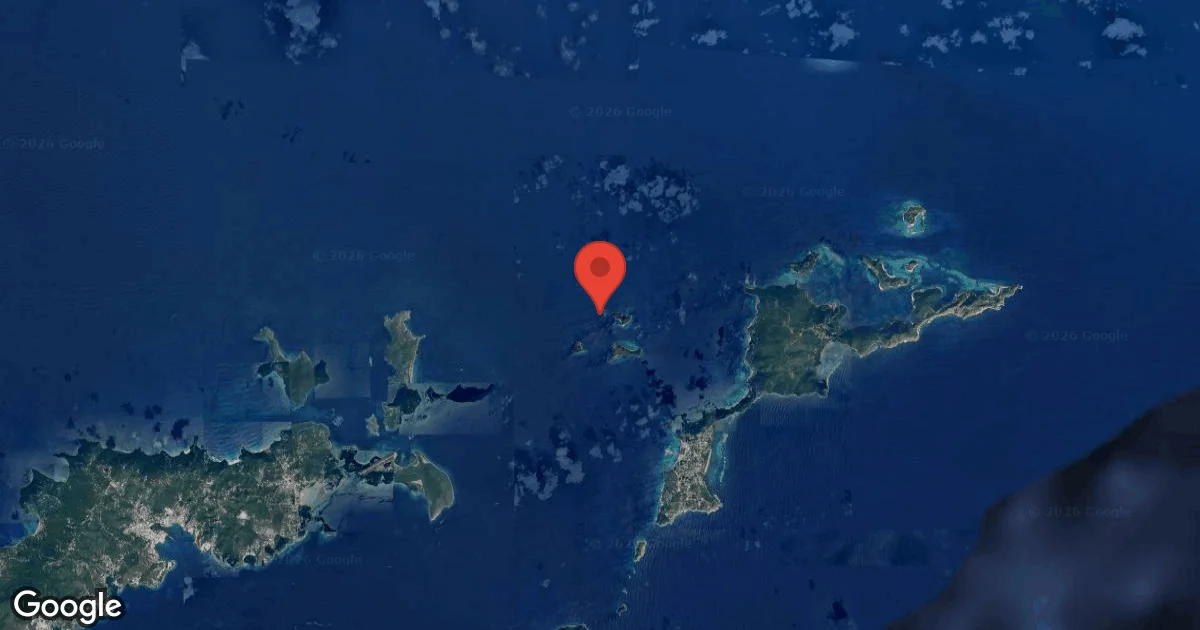
Resting in Lee Bay off Black Rock Point on Salt Island, the 1865 iron mail steamer RMS Rhone forms the centerpiece of the RMS Rhone Marine Park in the British Virgin Islands. Torn into two distinct sections during a catastrophic October 1867 hurricane, the 94.5 m / 310 ft hull spans depths from 5 m / 16 ft at the shallow stern reef down to 26 m / 85 ft on the sand beneath the starboard-lying bow. Over four decades of statutory protection have allowed bright cup corals, tube sponges, and dense shoals of Caribbean reef fish to colonize every iron rib, boiler, and propeller blade. Local operators run the wreck as a classic two-tank trip so divers can explore both the deep forward hull and the shallower stern drive train without rushing their bottom time.
Tonight's objective overview for RMS Rhone shows an air temperature of 27.5°C. The measured surface conditions include wave heights around 0.8 m. This environmental data is logged for the close of the day.
Dive Site Location & Key Facts
Site Characteristics
Max Depth26m / 85ft
Entry Typeboat
Water Typesalt
Dive Types
NightReefWreck
Dive Site Overview
Ordered in 1863 alongside her sister ship Douro as one of the first two screw steamers built for the Royal Mail Steam Packet Company, RMS Rhone launched in February 1865 at the Millwall Iron Works in London. Measuring 94.5 m / 310 ft in length with a 12.2 m / 40 ft beam and 2,738 gross registered tons, the two-masted iron vessel paired square-rigged sails with a 500 horsepower compound steam engine and a four-bladed bronze propeller capable of 14 knots. After completing six transatlantic mail voyages to South America, the steamer transferred to the West Indies service in early 1867.
On 29 October 1867, the late-season San Narciso Hurricane struck the archipelago while RMS Rhone was coaling and embarking passengers off Great Harbour on Peter Island. When her massive anchor fouled on coral where it still lies at 17 m / 55 ft, Captain Frederick Woolley ordered the chain cut and steamed for open sea between Dead Chest Island and Salt Island. As the storm's eye passed, violent southerly winds hurled the ship onto Black Rock Point where cold seawater hit the superheated boilers, splitting the hull in two and claiming roughly 123 lives with only 23 survivors as documented in the OECS marine sanctuary archive.
Over the next century, waves flattened the wooden decking while leaving the heavy iron framing, steam machinery, and historic fittings intact across the seabed. International audiences discovered the open bow hold and arched midship ribs when the underwater adventure film The Deep was shot on the wreck in 1977. Three years later in 1980, authorities designated 324 ha / 800 acres around Lee Bay and Dead Chest Island as the territory's flagship marine park listed on the BVI Tourist Board historic sites register.
Because the wreckage spreads across a wide sloping shelf off western Salt Island, dive boats split RMS Rhone into two separate dives covering the deeper bow between 18 and 26 m / 60 and 85 ft and the shallower midship and stern between 5 and 18 m / 16 and 60 ft. Visitation research published in a PubMed Central artificial reef study recorded more than 5,200 dives annually on the bow section alone. Even after Category 5 Hurricanes Irma and Maria crossed the islands in September 2017 as evaluated by the UK Joint Nature Conservation Committee and Newcastle University, the heavy bow hull and massive stern propeller shaft endured as premier Caribbean landmarks.
RMS Rhone
Conditions are Good
7/10
Confidence: 8/10
Indicates meteorological model agreement and data availability.
Best Dive Window
Optimal conditions expected
06:12
18:45
H: 10:45
L: 16:20
Air / Sea Temp
27° / 29°
Wave Height
0.9 m
Wind Speed
28 km/h E
Rain Chance
100%
Current conditions near RMS Rhone show 27° air, 29° sea temperature, 0.9 m waves, and 28 km/h wind. Forecast data is refreshed regularly to ensure accuracy.
Radius: ~12km
Updated: Nov 23, 2026, 11:04 local timeMARINE: OPEN-METEOWEATHER: YR.NO
Best Time to Dive
RMS Rhone is diveable year-round because Salt Island shields Lee Bay from prevailing easterly trade winds, although surface swell and visibility vary across the seasons. Dry winter and spring months from December through May bring steady breezes, clear water averaging 20 to 30 m / 65 to 100 ft visibility, and comfortable sea temperatures around 25.5 to 26.5°C / 78 to 80°F. Passing winter cold fronts in the Atlantic can occasionally send long-period northerly groundswells into the Sir Francis Drake Channel, creating noticeable surge over the shallow 5 to 9 m / 16 to 30 ft stern rocks.
Late spring through July typically delivers the flattest seas and lightest winds according to the Divers Alert Network British Virgin Islands guide, with water warming to 28°C / 82°F. Official climate advisories for the British Virgin Islands place the Atlantic hurricane season from June through November with peak storm activity between August and October. During late summer and early autumn, sea surface temperatures climb to 28.4 to 29.5°C / 83 to 85°F on the NOAA Coral Reef Watch Virgin Islands station, occasionally sparking brief plankton blooms that trim visibility toward 15 m / 50 ft.
PEAK SEASON SCORE
77/100
GoodScores combine air & water temps, waves, wind & rainfall for overall conditions.
BEST MONTHS TO DIVE
APR
SEP
OCT
DIVE SCORE GUIDE (0–100)
Excellent (90–100)
Very Good (80–89)
Good (70–79)
Moderate (50–69)
Poor (30–49)
Not Recommended (0–29)
Monthly records compiled from satellite and marine observation nodes over the last 3 years. Data provided by Open-Meteo and MET Norway.
Dive Experience & Conditions
Access to RMS Rhone is strictly by boat, involving a 15 to 30 minute crossing across the Sir Francis Drake Channel from marinas on southern Tortola, Peter Island, or Virgin Gorda. Skippers tie directly onto color-coded Halas mooring buoys cemented into the seabed under the National Parks Trust Marine Conservation Programme, providing secure descent lines over both sections of the ship. Standard two-tank trips start on the deeper bow mooring, descending into 18 to 26 m / 60 to 85 ft where the forward hull rests intact on her starboard side across white sand. Along this forward structure, divers follow the protruding bowsprit, the fallen foremast and crow's nest on the sand at 26 m / 85 ft, a signal cannon, and the wide open cargo hold framed by curved iron ribs.
After a surface interval, the second dive explores the midship and stern section from 18 m / 60 ft up to 5 m / 16 ft for natural multi-level off-gassing. Around 15 to 18 m / 50 to 60 ft, open iron framing columns, steam boilers, the surface condenser, and encrusted 1.2 m / 4 ft engineering wrenches form sunlit windows against blue water. Continuing upslope into 5 to 9 m / 16 to 30 ft, divers trace the massive propeller shaft and gearbox to the four-bladed bronze propeller, rudder post, and an intact brass porthole set into the stern plating. Visibility typically holds between 15 and 30 m / 50 and 100 ft, while divers should anticipate periodic northward tidal currents sweeping past Black Rock Point and mild wave surge over the shallowest stern boulders.
Dive Difficulty & Safety Guidelines
RMS Rhone spans two distinct certification tiers across its separated hull sections, making proper dive sequencing straightforward for mixed groups. Exploring the starboard-lying bow down to 26 m / 85 ft suits Advanced Open Water divers or experienced Open Water divers comfortable managing buoyancy and shorter no-decompression windows below 18 m / 60 ft, whereas the 5 to 18 m / 16 to 60 ft midship and stern tour sits well within Open Water limits and supports calm-weather night diving. Under National Parks Trust statutory regulations, dropping anchors, fishing, carrying spearguns, and disturbing artifacts are strictly illegal, every vessel must display a valid Marine Conservation Permit, daytime mooring stays are capped at 90 minutes, and boat speed is restricted to 5 knots within 229 m / 750 ft of park buoys. Although both the open bow hold and the archway beneath the stern shaft feature wide daylight openings rather than dark overhead tunnels, divers must hold neutral trim to avoid surging into corroded iron plates or brushing against stinging fire coral along steel edges.
On two-tank mornings, teams always complete the 26 m / 85 ft bow dive first, watch air reserves closely if finning against northward current off Black Rock Point, and ascend along the mooring line for a 5 m / 16 ft safety stop clear of charter boat traffic. As confirmed by official British Virgin Islands medical guidance, there is no hyperbaric chamber inside the territory. In a diving emergency, crews deliver 100 percent oxygen and contact Virgin Islands Search and Rescue on 767 or VHF Channel 16 for rapid transfer to Dr. D. Orlando Smith Hospital in Road Town, Tortola, followed by evacuation to the hyperbaric unit at Roy Lester Schneider Hospital on neighboring St. Thomas in the U.S. Virgin Islands.
Recommended Equipment
Overhead / entanglement risk. Wreck penetration requires proper training.
- Dive Computer
- DSMB
- Primary & Backup Lights
- Wreck Reel
- Cutting Tool
This gear list is based on verified equipment signals for RMS Rhone, British Virgin Islands. Always confirm final gear choices with your dive operator, guide, or liveaboard.
Recommended Dive Suit
According to recent observations, water temperatures near RMS Rhone are approximately 29°C (85°F). Surface air temperatures are resting at 27°C (81°F).
Conditions are expected to stay fairly consistent in the days ahead.
Most divers would typically feel comfortable using dive skin or rash guard in these conditions. A hood or vest is suggested for sensitive divers due to surface winds. Dive depth and duration can significantly affect perceived warmth.
RMS Rhone conditions last reviewed: 11:04 local time (UTC-4), Nov 23, 2026
Emergency & Medical Support
Essential information to help you plan your dive trip to RMS Rhone.

Hyperbaric chambers are a critical part of dive safety infrastructure. Availability varies significantly by region, and not all dive areas have immediate access.
Before diving, it's recommended to:
- confirm nearest medical facilities
- check emergency procedures with local dive operators
- ensure dive insurance covers evacuation if required
24/7 Available
Divers Alert Network
Diving emergency assistance available through DAN World.
+1-919-684-9111- 24/7 emergency hotline
- Diving medical assistance
- Evacuation coordination
Emergency contacts are provided for reference. Always verify local emergency services before diving.
Marine Life at RMS Rhone
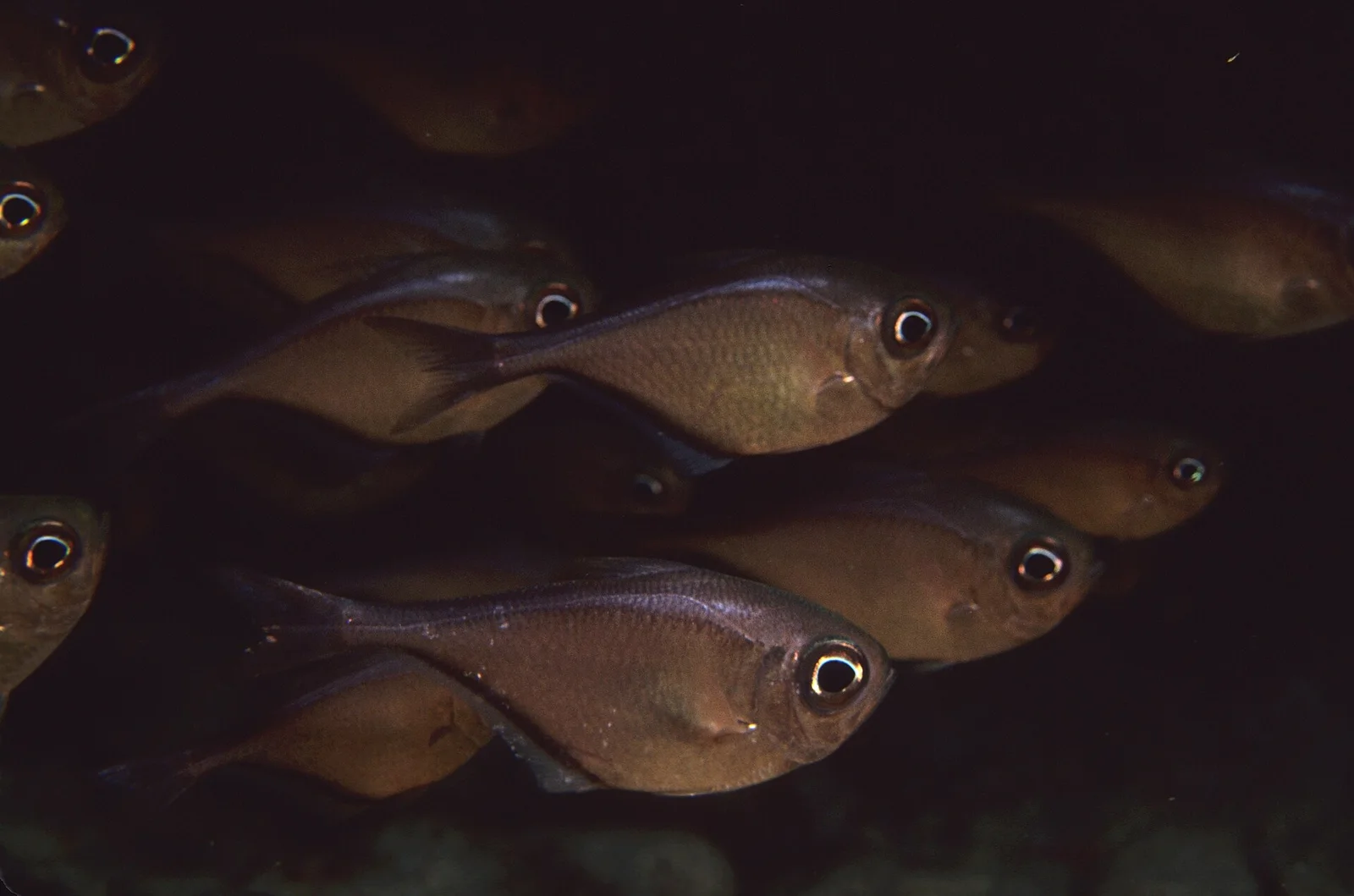
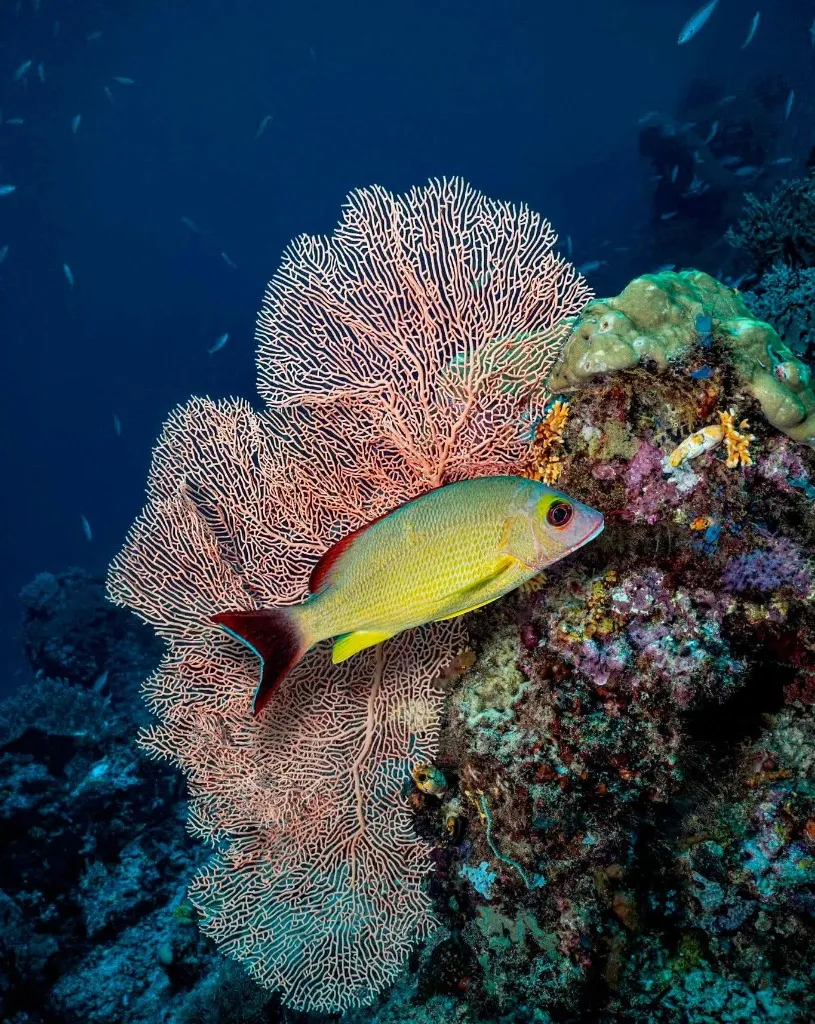
More than 155 years underwater and strict no-take status documented by the National Parks Trust historical preservation programme have carpeted RMS Rhone's iron ribs and boilers in bright marine growth. Shaded steel beams and the interior of the bow hold glow with yellow-orange polyps of orange cup coral alongside scarlet and yellow tube sponges, calcareous algae, and resilient sea fans studied in Virgin Islands reef recovery surveys. Swirling clouds of silversides and glassy sweepers pack darkened recesses, attracting coney groupers, bar jacks, squirrelfish, French grunts, blue tangs, and schooling yellowtail snappers.
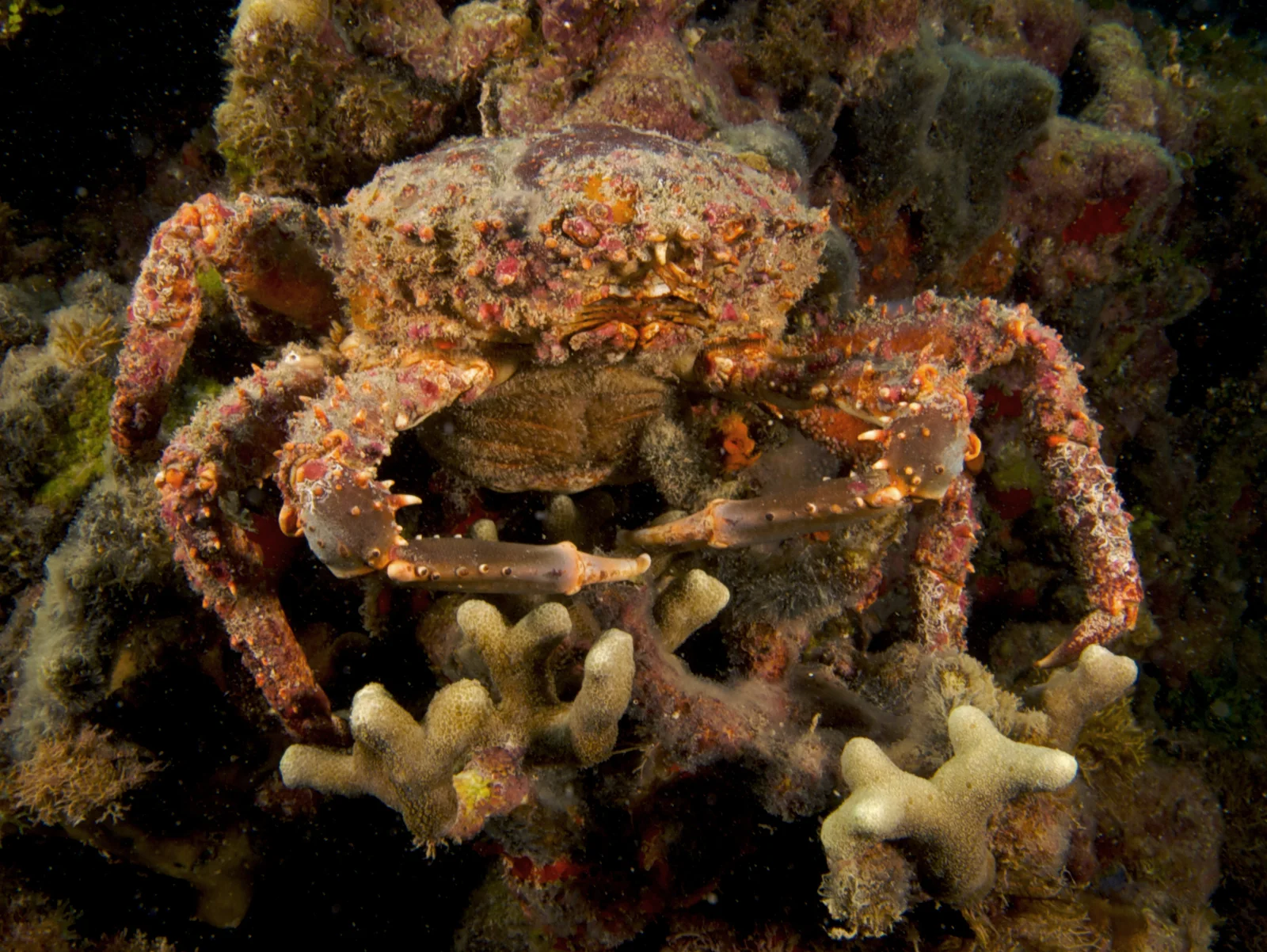
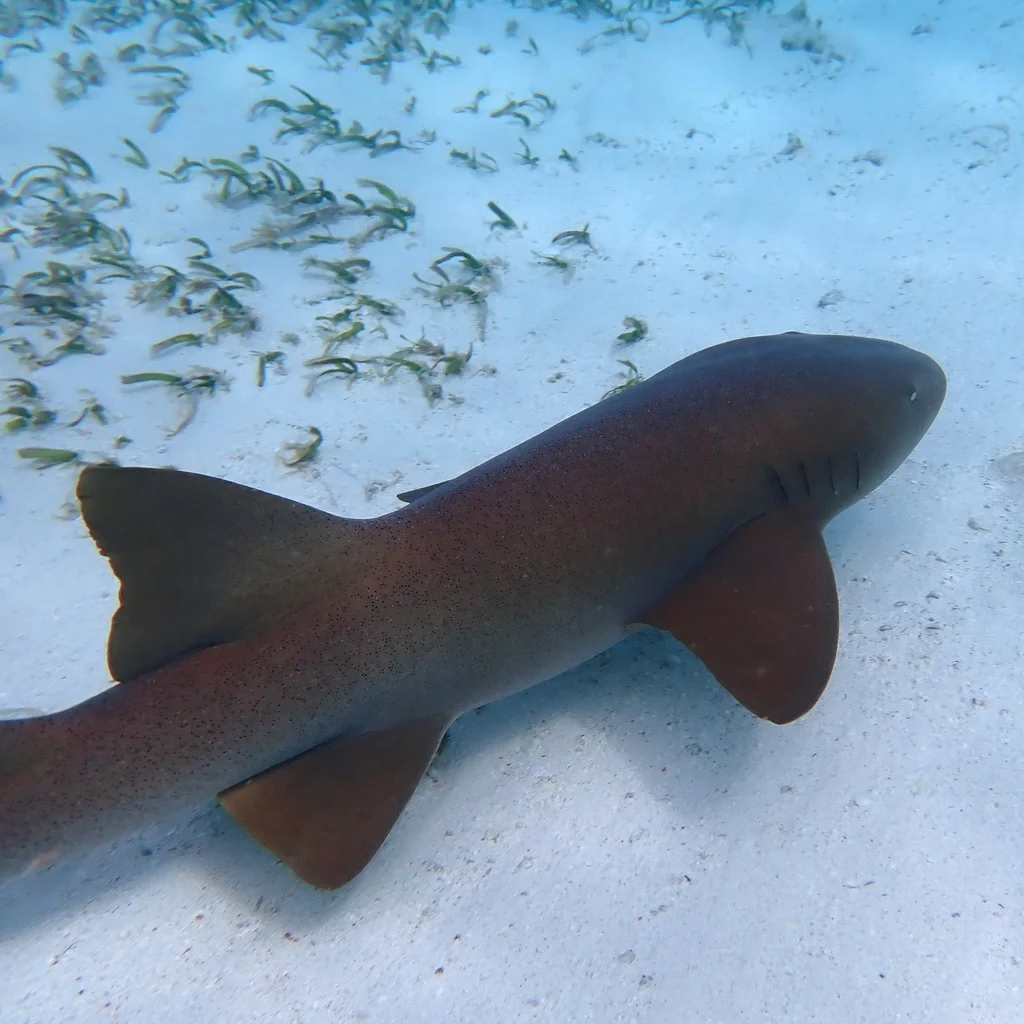
Out in the surrounding blue water between the moorings and Black Rock Point, divers regularly encounter great barracuda, southern stingrays over the sand, nurse sharks resting beneath ledges, and sponge-feeding hawksbill and green sea turtles. Fractured midship boilers and gear housings shelter Caribbean spiny lobsters, green and spotted moray eels, channel clinging crabs, and reef octopuses. On calm night dives over the stern, cup corals unfurl feeding tentacles across every girder while brittle stars, basket stars, and bioluminescent plankton light up the shallow water.
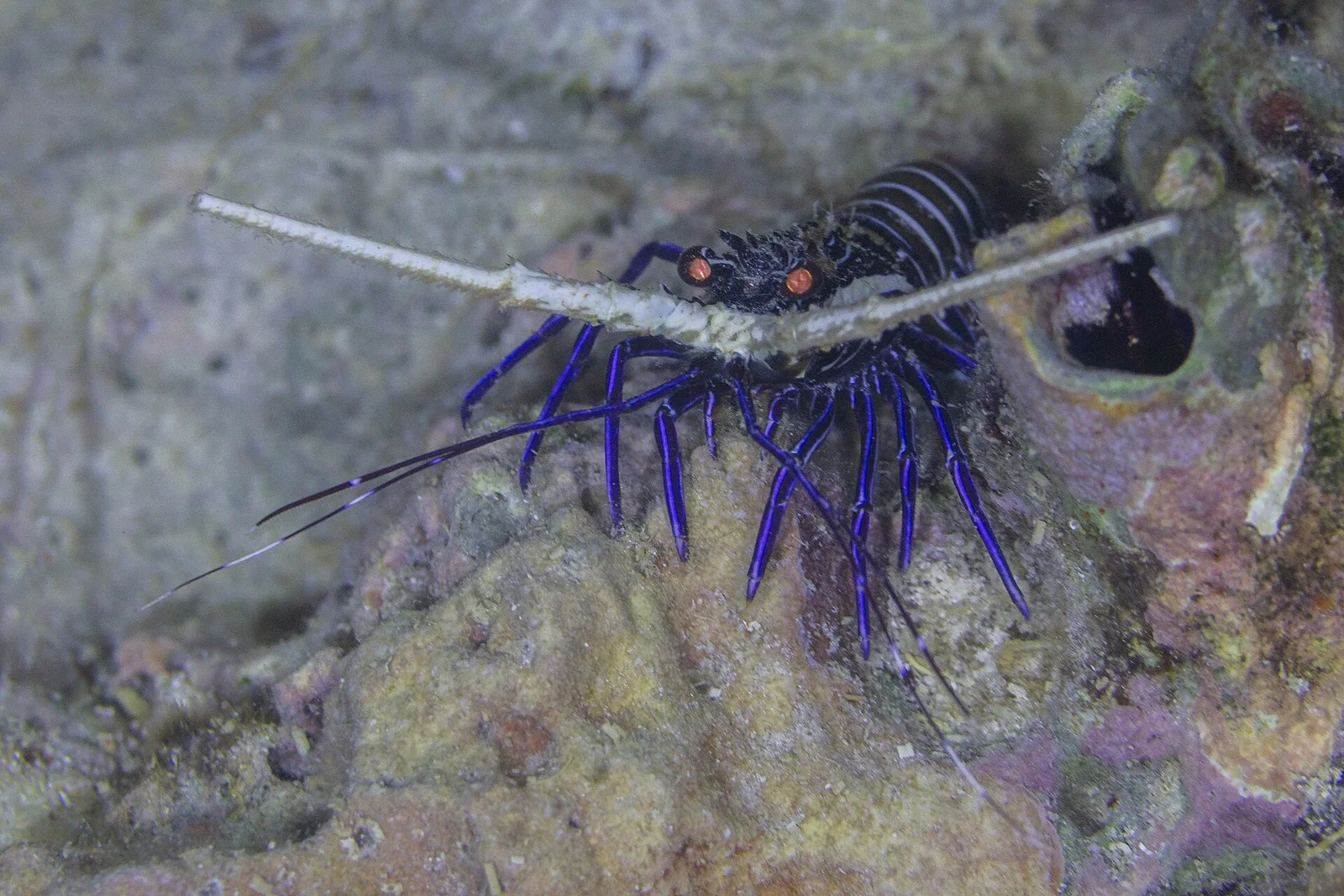
1 / 3
Image contributors:Nick Hobgood, NOAA Photo Library + 3 more
Want to contribute photos or local dive knowledge? Learn how to contributeDive Sites Near RMS Rhone
View all dive sites in British Virgin IslandsDiscover more underwater gems in this area.
Dive Centers Near RMS Rhone
Working Hours
Sun08:00 - 17:00
Mon08:00 - 17:00
Tue08:00 - 17:00
Wed08:00 - 17:00
Thu08:00 - 17:00
Fri08:00 - 17:00
Sat08:00 - 17:00
Today: 08:00 - 17:00
Sun08:00 - 17:00
Mon08:00 - 17:00
Tue08:00 - 17:00
Wed08:00 - 17:00
Thu08:00 - 17:00
Fri08:00 - 17:00
Sat08:00 - 17:00
Nearest Airports
Nearest airports to help plan travel to this dive area.
Benjamin Rivera Noriega Airport CPX
81 km
Antonio Rivera Rodriguez Airport VQS
105 km
José Aponte de la Torre Airport NRR
118 km
💵 Currency: Local Currency
Search Flights
Check available flights and routes on Expedia, using the nearby airports listed in this section.
Search Flights on ExpediaAffiliate link · Dive Navigator may earn a commission at no extra cost to you.
Frequently Asked Questions
Why is RMS Rhone usually dived as a two-tank trip?
At 94.5 m / 310 ft in original length and split into two separated hull zones from 5 to 26 m / 16 to 85 ft, the wreck is too expansive to cover on a single cylinder. Boats dive the deeper 18 to 26 m / 60 to 85 ft bow section first and spend the second dive exploring the 5 to 18 m / 16 to 60 ft midship steam machinery and shallow stern propeller.
What certification level do I need to dive RMS Rhone?
Certified Open Water divers can comfortably tour the midship and stern section between 5 and 18 m / 16 and 60 ft in bright, shallow water. Visiting the intact starboard-lying bow down to 26 m / 85 ft suits Advanced Open Water divers or Open Water divers with recent boat-diving experience to comparable depths.
Is wreck penetration training required to swim through RMS Rhone?
Technical overhead gear is not required because the wooden decks decayed long ago and the 1867 boiler explosion opened the midship framing to daylight. Both the open forward hold of the bow and the archway beneath the stern propeller shaft have wide openings with clear ambient light throughout, provided divers maintain steady buoyancy clear of fire coral.
Can private yachts or charter boats anchor at RMS Rhone?
No, dropping anchors or fishing anywhere inside the 324 ha / 800 acre RMS Rhone Marine Park is strictly illegal under Virgin Islands law. Every dive boat and private yacht must hold a valid National Parks Trust Marine Conservation Permit, tie to designated Halas mooring buoys, and respect the 90-minute daytime mooring limit.
Can you do a night dive on RMS Rhone?
Yes, local operators run night dives on the shallower 5 to 18 m / 16 to 60 ft midship and stern section whenever Lee Bay is calm. After dark, thousands of orange cup corals open bright tentacles across the iron beams while octopuses, lobsters, and moray eels hunt in the open.
Did Hurricane Irma in 2017 destroy the wreck of RMS Rhone?
When Category 5 Hurricanes Irma and Maria crossed the islands in September 2017, storm waves scoured shallow coral cover and shifted portions of corroded midship plating. The heavy starboard-lying bow at 18 to 26 m / 60 to 85 ft, the massive propeller shaft, and the four-bladed bronze propeller survived intact and continue to support strong sponge and coral growth.
Where is the nearest hyperbaric chamber when diving RMS Rhone?
Because the British Virgin Islands has no on-island recompression chamber, emergency response starts via Virgin Islands Search and Rescue on 767 or VHF Channel 16 for Stabilization at Dr. D. Orlando Smith Hospital on Tortola. Divers needing recompression therapy are evacuated across the water to the hyperbaric unit at Roy Lester Schneider Hospital on St. Thomas in the U.S. Virgin Islands.
Trip Inquiry
Planning to dive RMS Rhone?
Tell us your dates and diving needs. We'll review your request and seek offers from relevant local dive centers.
Request Dive Offers Free request for offers • No booking obligation
RMS Rhone
Conditions are Good
7/10
Confidence: 8/10
Indicates meteorological model agreement and data availability.
Best Dive Window
Optimal conditions expected
06:12
18:45
H: 10:45
L: 16:20
Air / Sea Temp
27° / 29°
Wave Height
0.9 m
Wind Speed
28 km/h E
Rain Chance
100%
Current conditions near RMS Rhone show 27° air, 29° sea temperature, 0.9 m waves, and 28 km/h wind. Forecast data is refreshed regularly to ensure accuracy.
Radius: ~12km
Updated: Nov 23, 2026, 11:04 local timeMARINE: OPEN-METEOWEATHER: YR.NO


