
Diving in British Virgin Islands
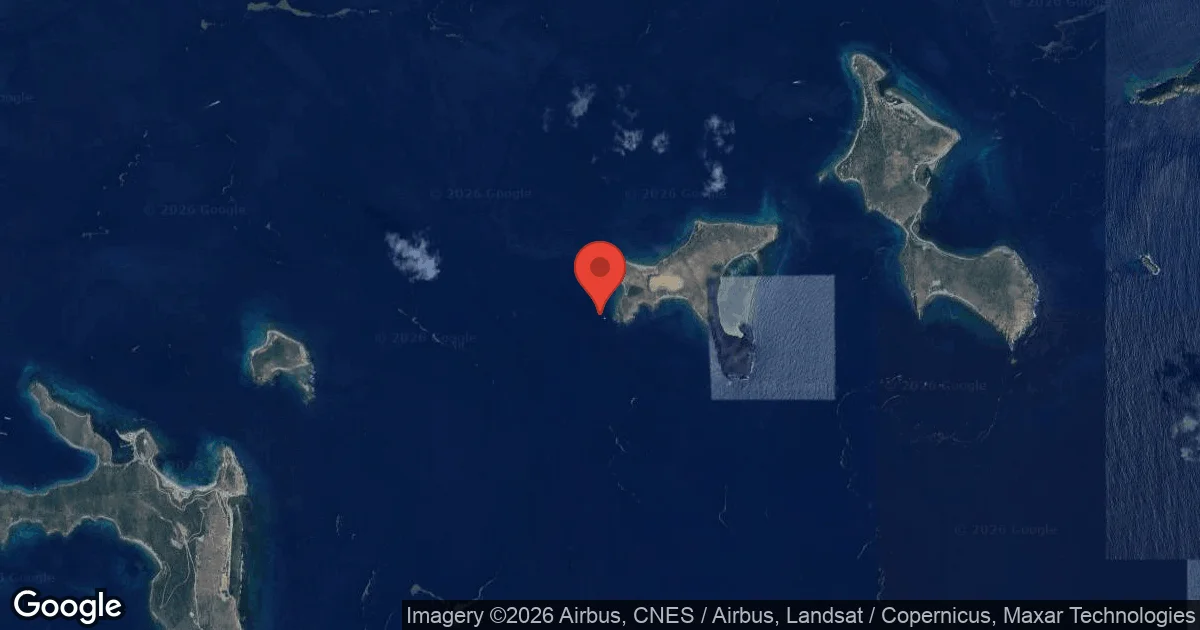
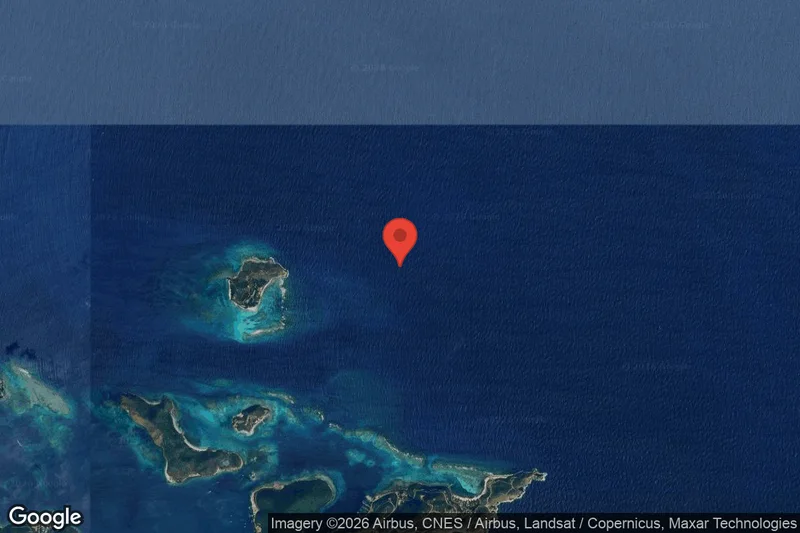
Diving across British Virgin Islands is defined by variation, with sites offering different conditions depending on their setting. 3 dive sites are currently cataloged across British Virgin Islands in our system. Each site includes data that supports better dive planning.
Diving profile and environmental data summary for British Virgin Islands.
Dive Map of British Virgin Islands
Loading overview map data...
Dive Sites to Explore
View all 3 sites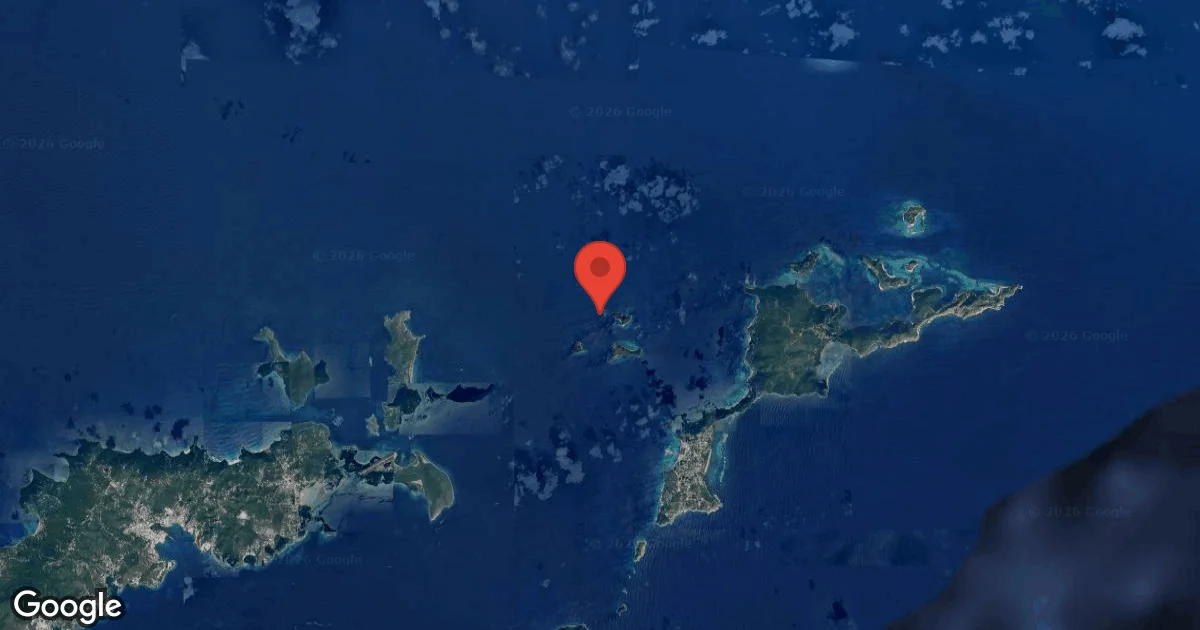
Best Time to Dive in British Virgin Islands
Comprehensive weather and seasonal details are unavailable for this region yet.
Dive Conditions
Currents vary greatly depending on the specific region. Open ocean reefs often experience strong, unpredictable drift currents, making them suitable only for advanced divers. Conversely, protected coastal bays provide tranquil, mirror-like conditions perfect for courses and photography.
Marine Life Highlights
Most Mentioned Species
Marine life in British Virgin Islands varies across dive locations, with different species appearing depending on environment and conditions. The species highlighted here are the most frequently associated with dive sites in our data, offering a realistic overview of what divers are most likely to encounter.
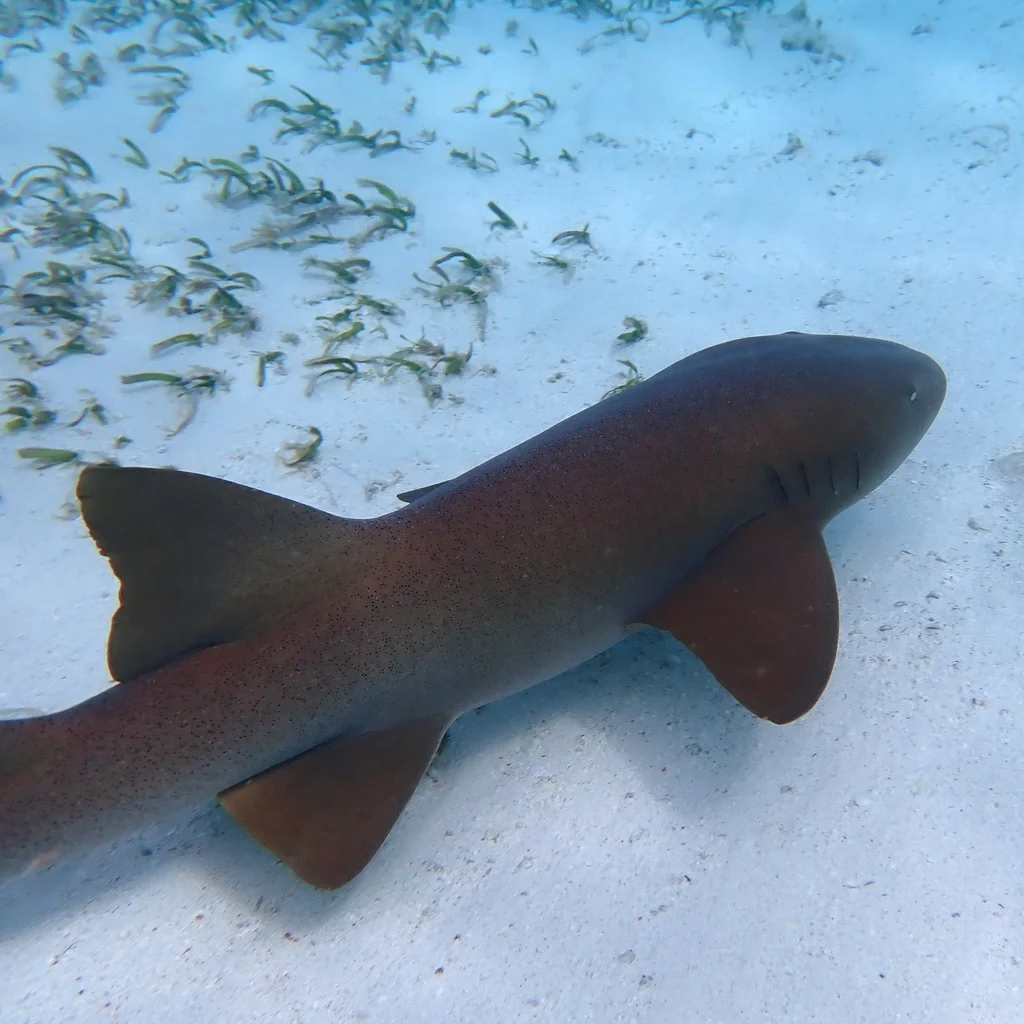
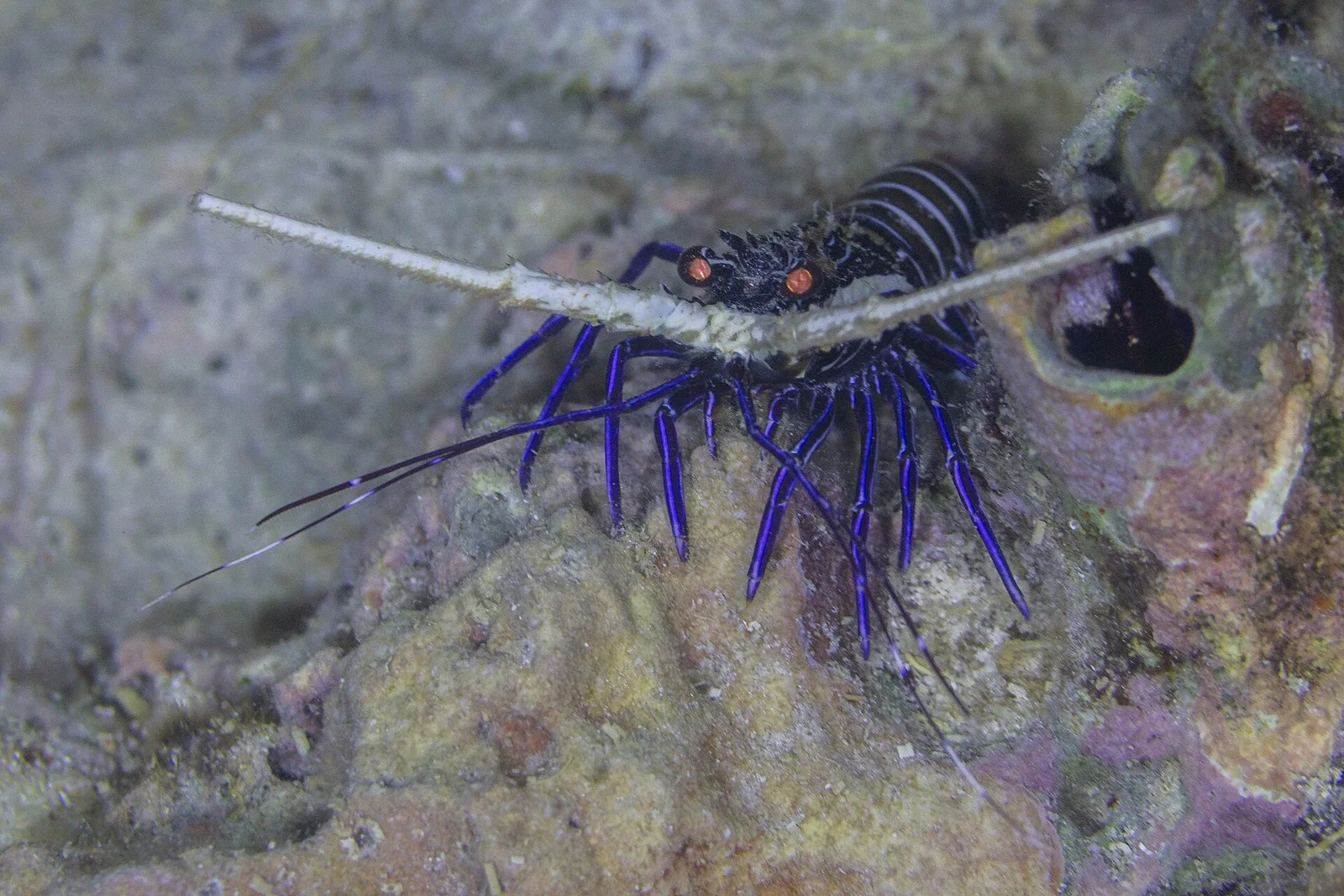
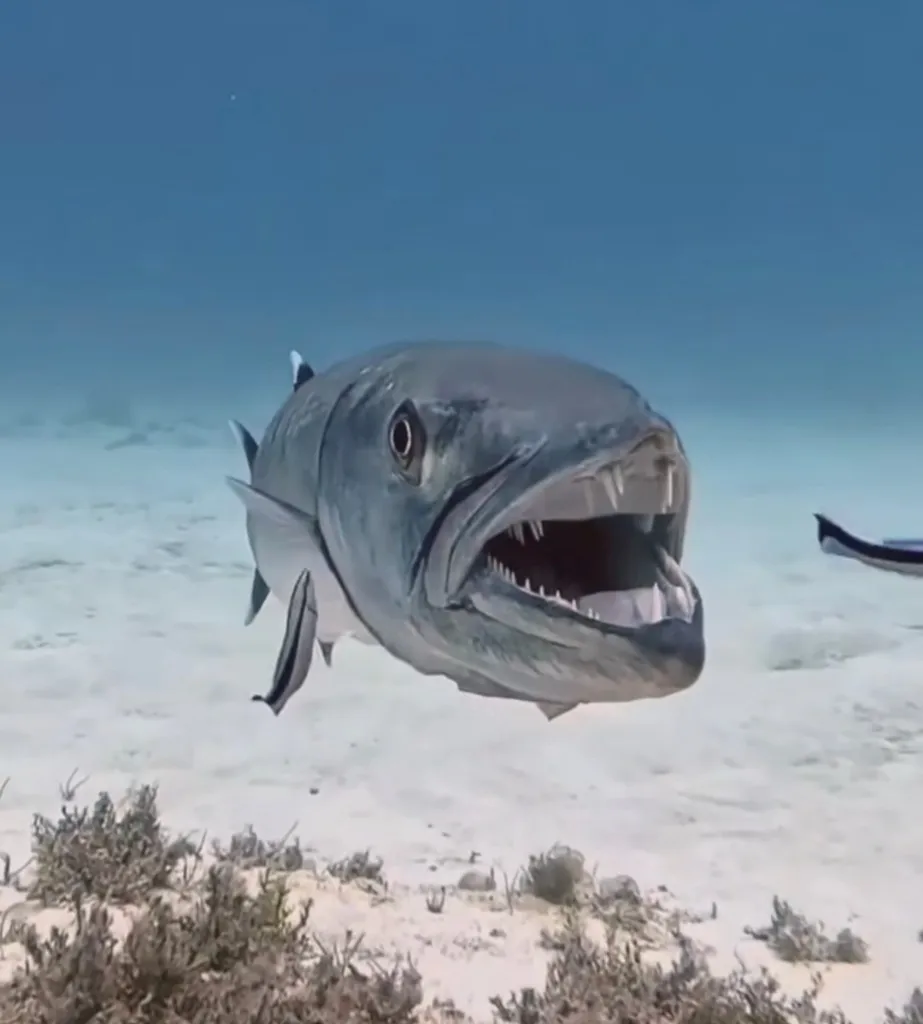
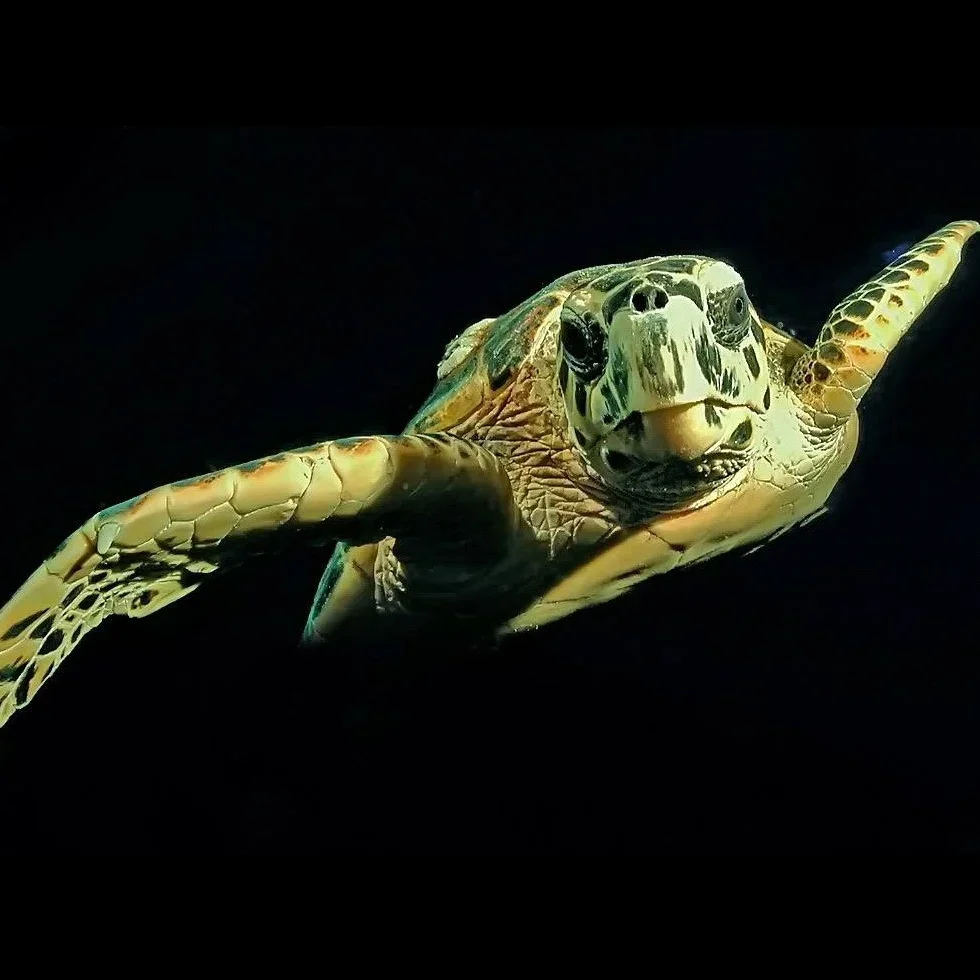
[Placeholder Summary] The biodiversity here is exceptional. Over 500 mapped species thrive, making it an ecological hotspot. You can expect to encounter robust populations of green and hawksbill turtles, majestic reef sharks patrolling the outer walls, and vibrant arrays of nudibranchs carefully tucked within the coral formations.
Regions for Diving
Northern Atolls
[Placeholder Text] Characterized by massive sheer walls covered in soft corals and large schools of pelagic fish riding the upwellings.
Southern Archipelago
[Placeholder Text] Famous for its calm conditions and sprawling shallow coral gardens, ideal for macro photography and relaxed dives.
Travel & Passport Guide
Travel Basics
Trip Planning
Safety & Diving Considerations
- Required Gear: Surface Marker Buoy (SMB) is strictly mandatory on all ocean dives.
- Chambers: Hyperbaric chambers are easily accessible near the major hubs.
- Certifications: Many top tier sites mandate Advanced Open Water + 50 logged dives prior to entry due to high currents.
Dive Centers in British Virgin Islands
0 dive centersRequest Dive Offers from Local Centers
Tell us your dates and diving needs. We'll review your request and seek offers from relevant local dive centers in British Virgin Islands.
Frequently Asked Questions
Do I need a visa to dive here?
Most visitors can get a visa on arrival depending on nationality.
What certification do I need?
Open Water is sufficient for many sites, but Advanced is recommended for offshore reefs.
Are decompression chambers available?
Yes, major dive hubs have fully equipped hyperbaric medical facilities.