
Diving at Fly By (Cambodia)
Diving in Cambodia's waters presents a dynamic environment, particularly off its tropical islands in the Gulf of Thailand. This region, encompassing sites like Fly By, is influenced by seasonal monsoons that shape both underwater visibility and surface conditions. Divers often navigate areas where currents can be present, offering exhilarating drift opportunities and a diverse exploration experience.
Evening condition tracking at Fly By features an air temperature of 26.5°C. We have recorded wave heights measuring 0.3 m during this period. These figures outline the environmental parameters currently present.
Dive Site Location & Key Facts
Dive Site Overview
The underwater landscape of Cambodia's coastline, including sites such as Fly By, has seen increasing interest over recent decades, with divers exploring its diverse reef systems. While specific historical accounts for Fly By are limited, many Cambodian dive sites, particularly around islands like Koh Rong and Koh Prins, offer a mix of natural beauty and remnants of maritime history.
For instance, offshore reefs like Condor Reef bear ancient Chinese junk relics, with porcelain fragments still observable, hinting at past trade routes and unforeseen shipwrecks. This region features a variety of reef types, from shallower bays at 6 meters to deeper walls dropping beyond 30 m (100 ft). Conditions fluctuate seasonally; visibility, for example, is not consistently reported for every specific site but can range significantly, anywhere from 5 to 35 meters across the general area, often averaging around 10 meters near Koh Rong Saloem.
These sites collectively provide a valuable perspective on the region's underwater evolution, offering glimpses into both ecological growth and human maritime activity. Recreational divers can explore depths ranging across these sites, encountering various formations and habitats.
Conditions are Good
Optimal conditions expected
Current conditions near Fly By show 27° air, 30° sea temperature, 0.3 m waves, and 26 km/h wind. Forecast data is refreshed regularly to ensure accuracy.
Best Time to Dive
For an optimal dive experience in Cambodia, targeting the northeast monsoon season from December through April typically yields the best conditions. During these months, the weather is consistently sunny and dry, leading to a high dive score labeled 'Excellent'. Air temperatures during this period are pleasantly warm, ranging from approximately 27°C (81°F) in December and January to around 29°C (84°F) by April. Rain is minimal, with monthly averages often less than 3mm, ensuring clearer surface conditions and generally better visibility underwater. While water temperatures remain consistently warm year-round, typically between 28-30°C (82-86°F), the absence of significant rainfall and lower wave heights during this window enhance overall comfort and dive accessibility. Even into May and November, conditions generally remain 'Good', with slightly increased rain but still comfortable air temperatures for diving.
PEAK SEASON SCORE
Scores combine air & water temps, waves, wind & rainfall for overall conditions.
BEST MONTHS TO DIVE
Monthly records compiled from satellite and marine observation nodes over the last 3 years. Data provided by Open-Meteo and MET Norway.
Dive Experience & Conditions
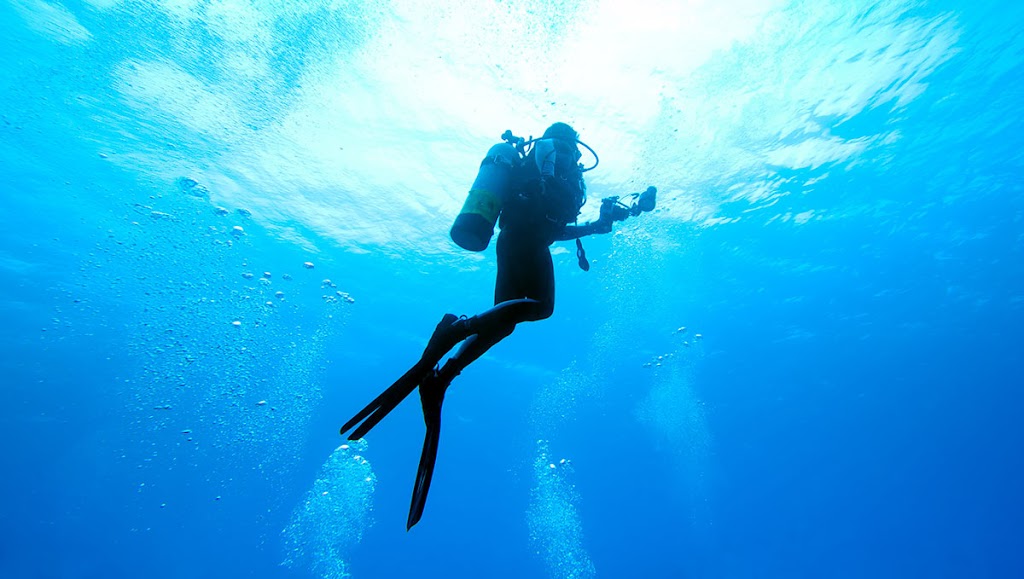
Upon entering the waters around Cambodian dive sites, divers are typically met with consistently warm temperatures, generally between 28-30°C (82-86°F) throughout the year. As the descent begins, visibility can vary significantly across the region; general reports indicate a range from 5 to 35 meters, though average visibility near some islands like Koh Rong Saloem tends to be around 10 meters. Shallower sections often feature vibrant coral growth and rocky outcrops, providing immediate points of interest for recreational divers. Progressing deeper, sites can present varied underwater terrain, including dramatic wall dives that drop to over 30 m (100 ft), as well as extensive sandy bottoms interspersed with coral bommies. Some locations, particularly further offshore, can experience moderate to strong currents, making them suitable for exhilarating drift dives. Navigating these environments often reveals a diverse array of marine life inhabiting the reefs and sandy areas.
Dive Difficulty & Safety Guidelines
When planning dives in Cambodia, it's crucial to acknowledge that operator quality can vary significantly. An expert tip for divers is to conduct thorough research on dive centers before booking, ensuring they are satisfied with the chosen provider's safety records and practices. Given the potential for currents at some offshore sites, being comfortable with drift diving techniques is advisable.
Maximum depths at various sites can extend to 40 meters, so divers should only explore within their certification limits. Awareness of environmental factors is also key; surface conditions can be lumpy, especially during certain seasons, affecting boat rides to more exposed sites. Always prioritize safety briefings and local guidance.
Recommended Equipment
Current and surface separation risk. Local briefing strongly recommended.
- Dive Computer
- DSMB
- Reel / Spool
This gear list is based on verified equipment signals for Fly By, Cambodia. Always confirm final gear choices with your dive operator, guide, or liveaboard.
Recommended Dive Suit
In conditions like these, many divers prefer diving with dive skin or rash guard.
Divers planning a dive at Fly By today will likely encounter water temperatures close to 30°C (86°F). Surface air temperatures are resting at 27°C (80°F).
Forecast models indicate that diving conditions should remain largely unchanged.
Emergency & Medical Support
Essential information to help you plan your dive trip to Fly By.

Hyperbaric chambers are a critical part of dive safety infrastructure. Availability varies significantly by region, and not all dive areas have immediate access.
Before diving, it's recommended to:
- confirm nearest medical facilities
- check emergency procedures with local dive operators
- ensure dive insurance covers evacuation if required
Divers Alert Network
Diving emergency assistance available through DAN World.
+1-919-684-9111- 24/7 emergency hotline
- Diving medical assistance
- Evacuation coordination
Emergency contacts are provided for reference. Always verify local emergency services before diving.
Marine Life at Fly By
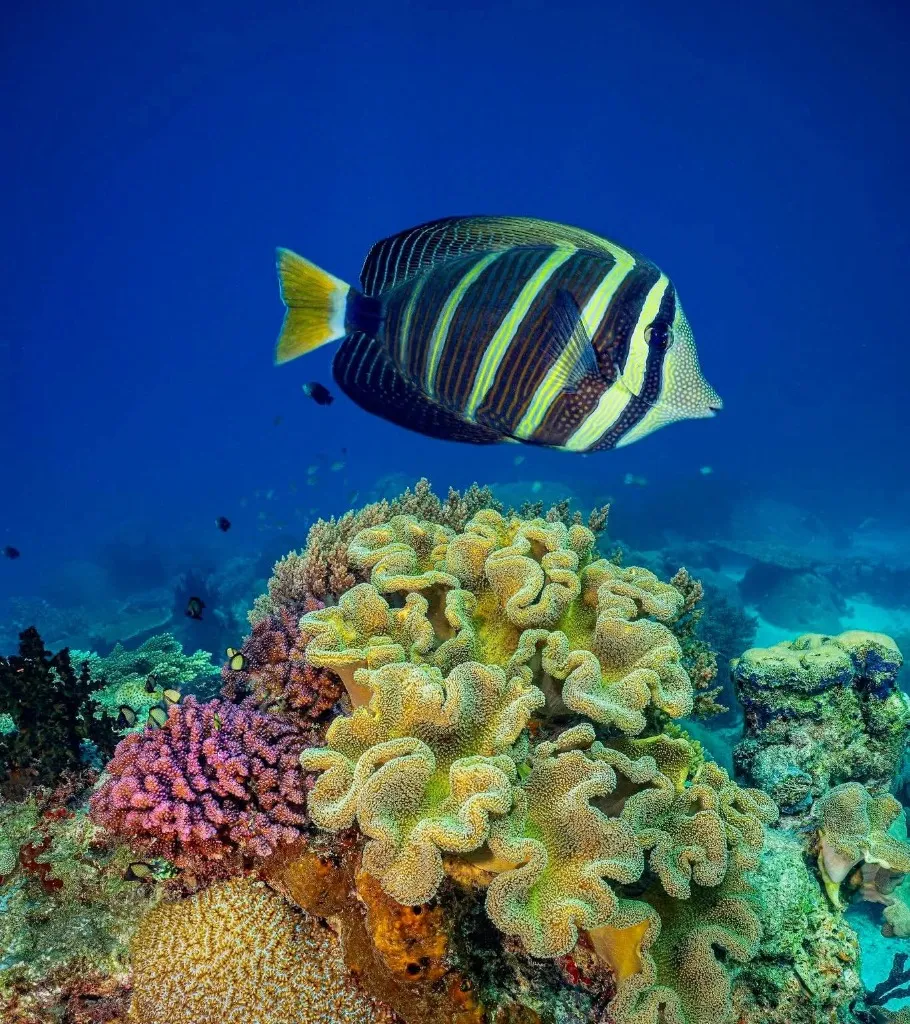
The varied underwater landscapes of Cambodia’s dive sites support a diverse range of marine life. Around rocky walls and coral formations, divers might encounter schools of yellow goatfish, jacks, and barracuda.
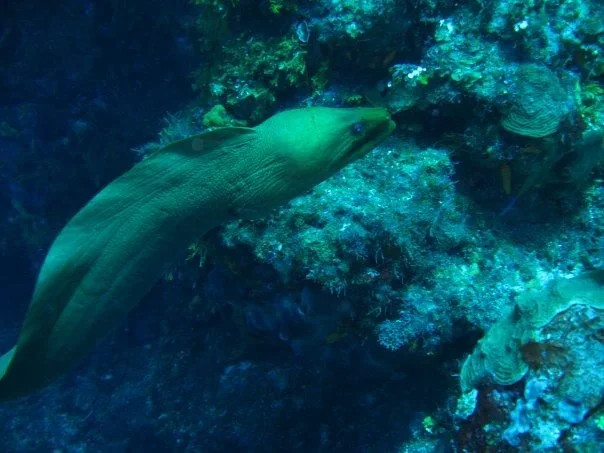
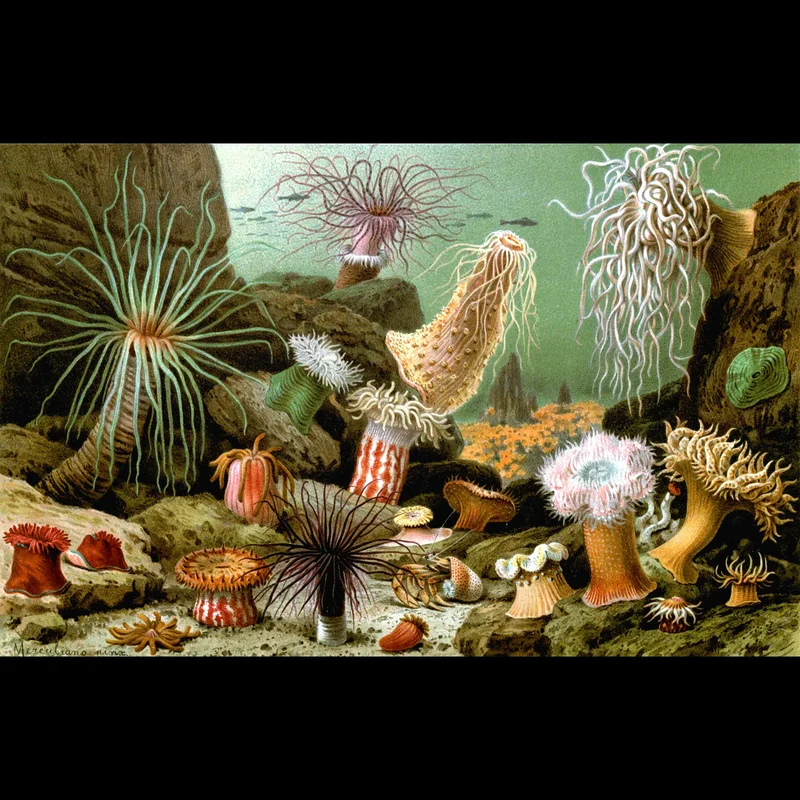
Deeper sandy bottoms, often punctuated by coral bommies, are known habitats for various moray eels, including white-eyed, hexagonal, and white-mouthed species. On the reefs, anemones host a plethora of brightly colored fish.
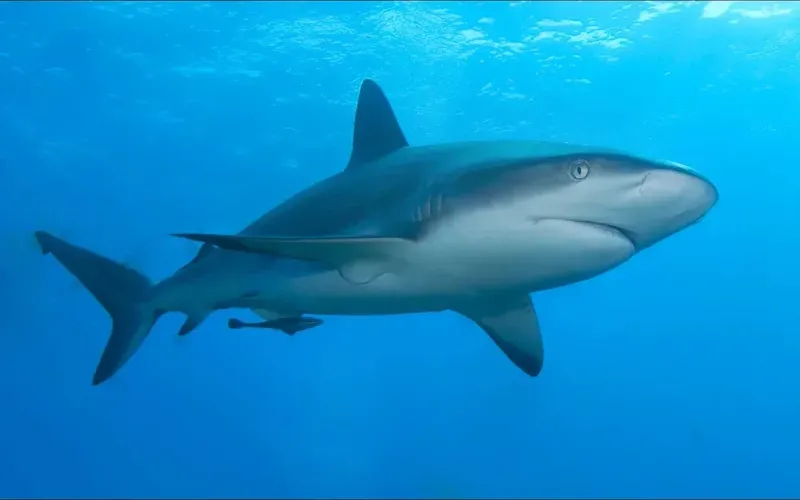
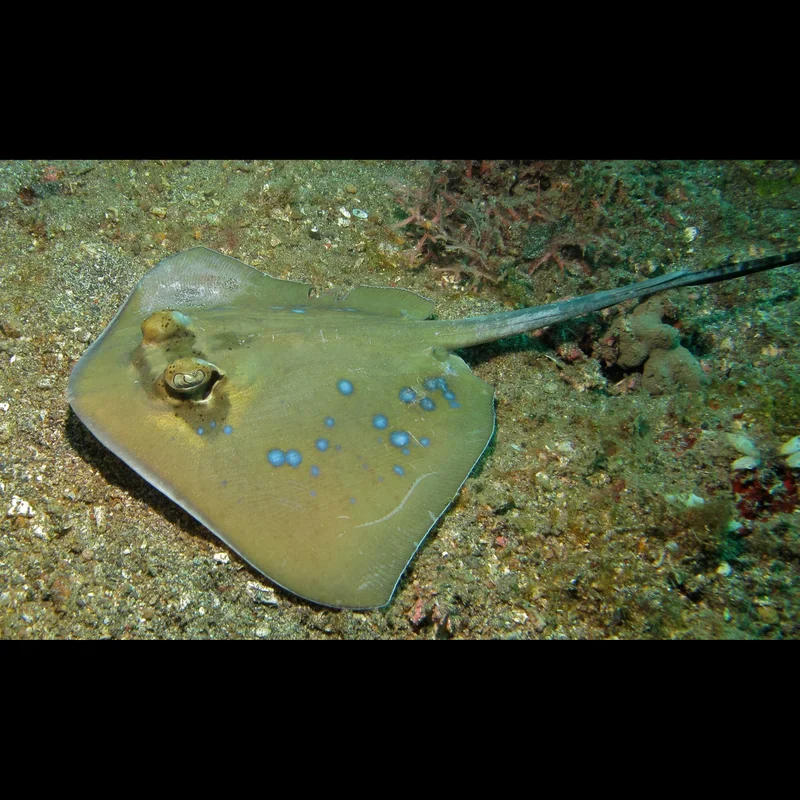
Sightings of electric blue-spotted stingrays, bamboo sharks, and cat sharks are common during night dives. Larger pelagics such as black-tip reef sharks are often spotted near cleaning stations, and both eagle rays and whale sharks seasonally visit specific offshore sites.
Dive Sites Near Fly By
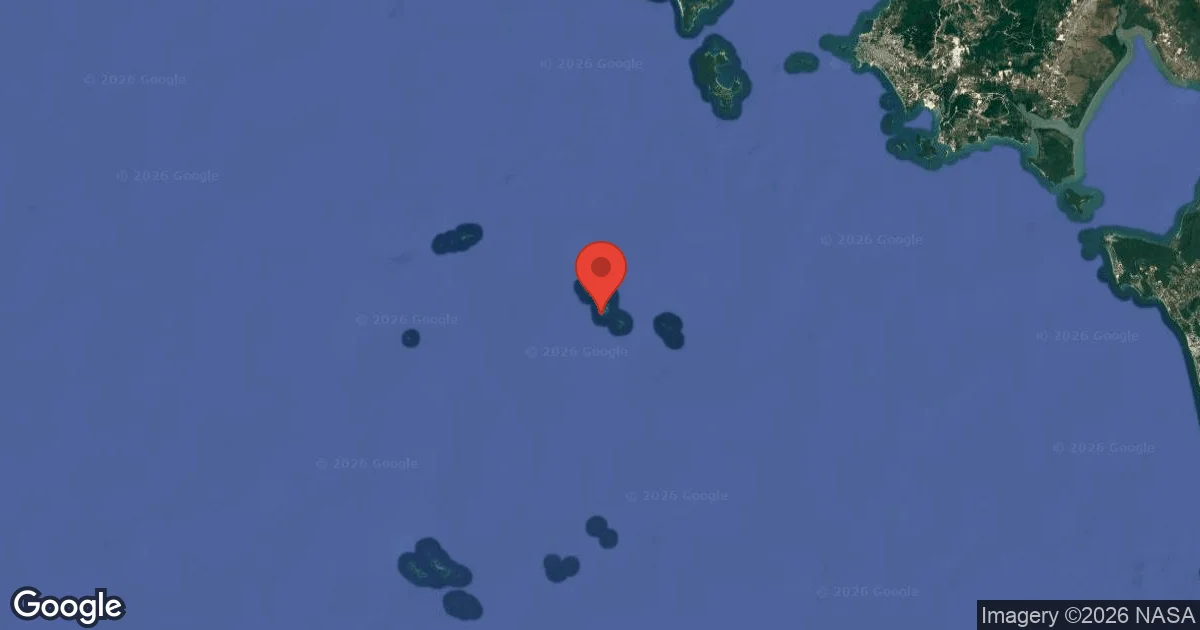
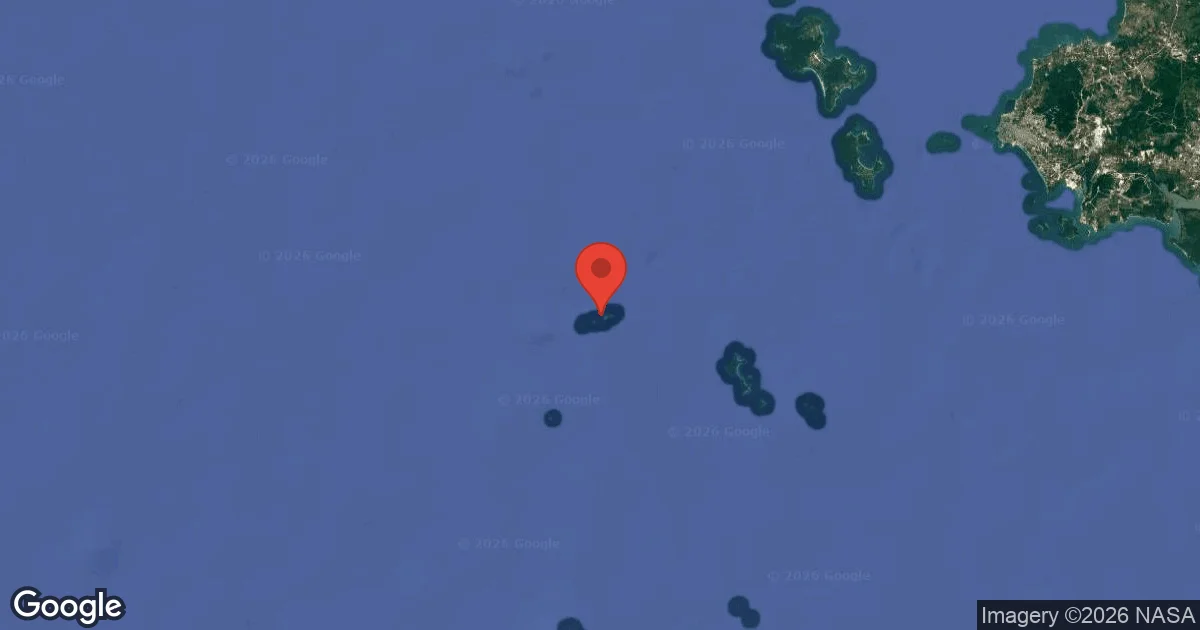
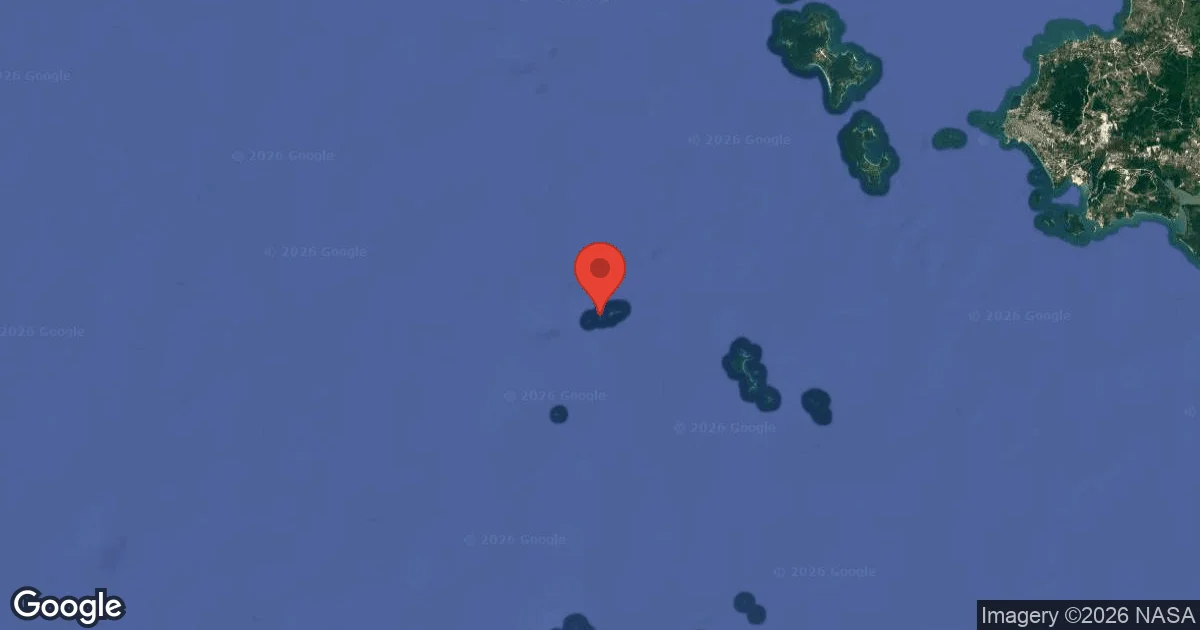
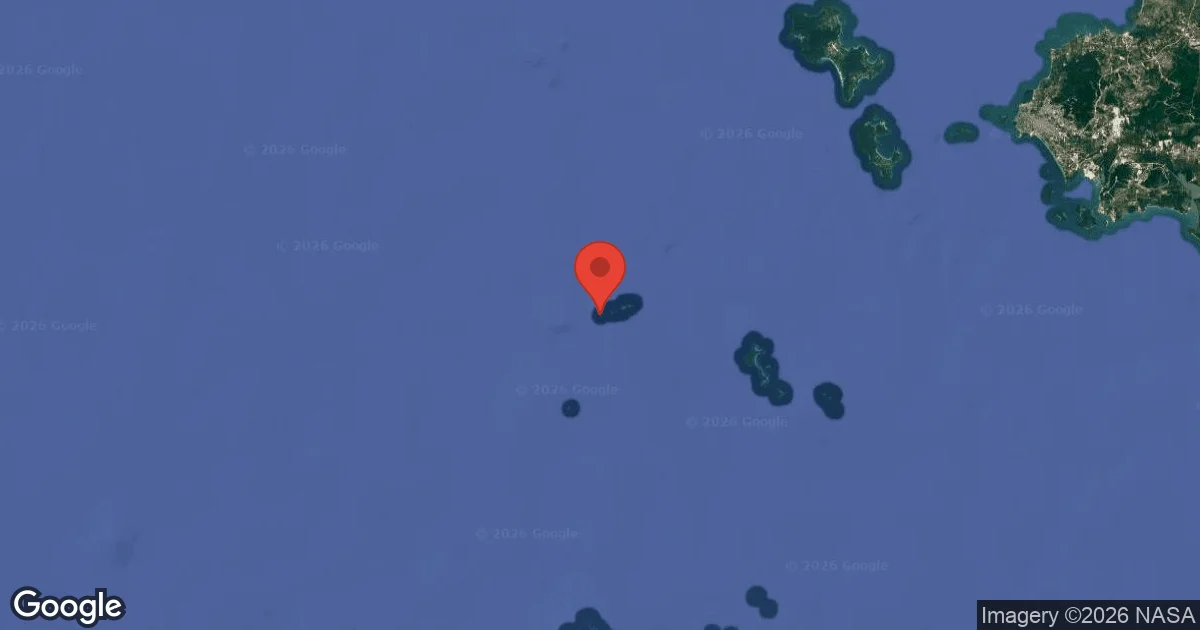
View all dive sites in CambodiaDiscover more underwater gems in this area.
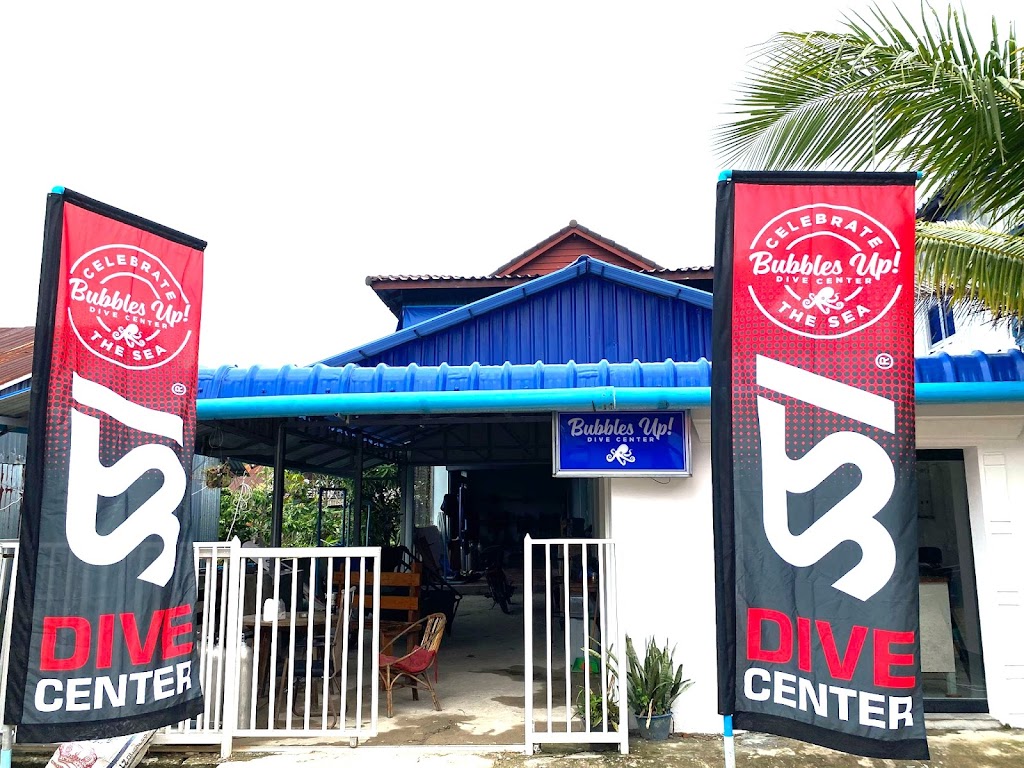
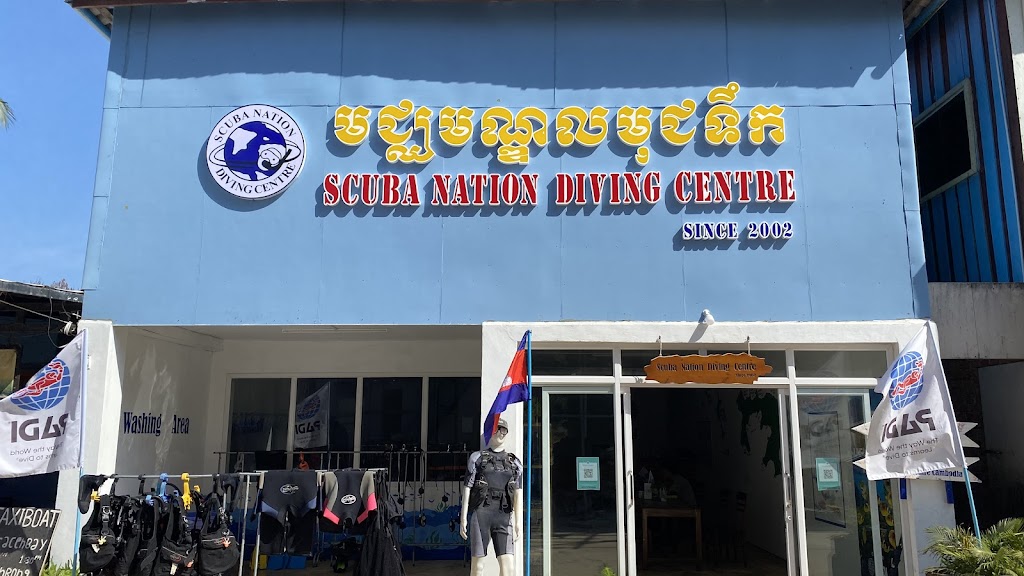
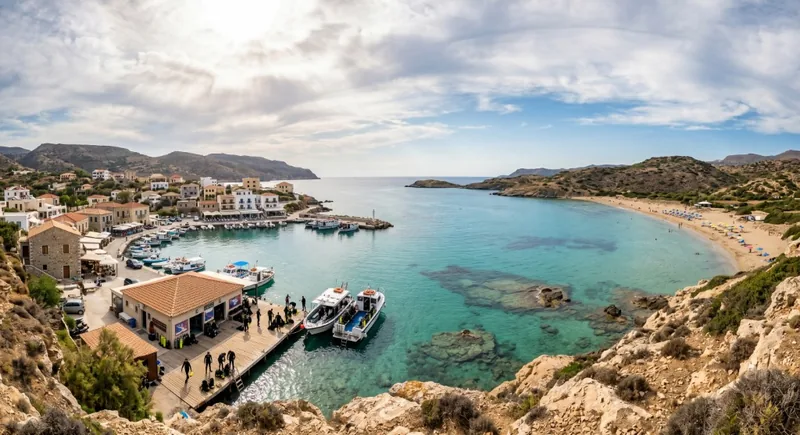
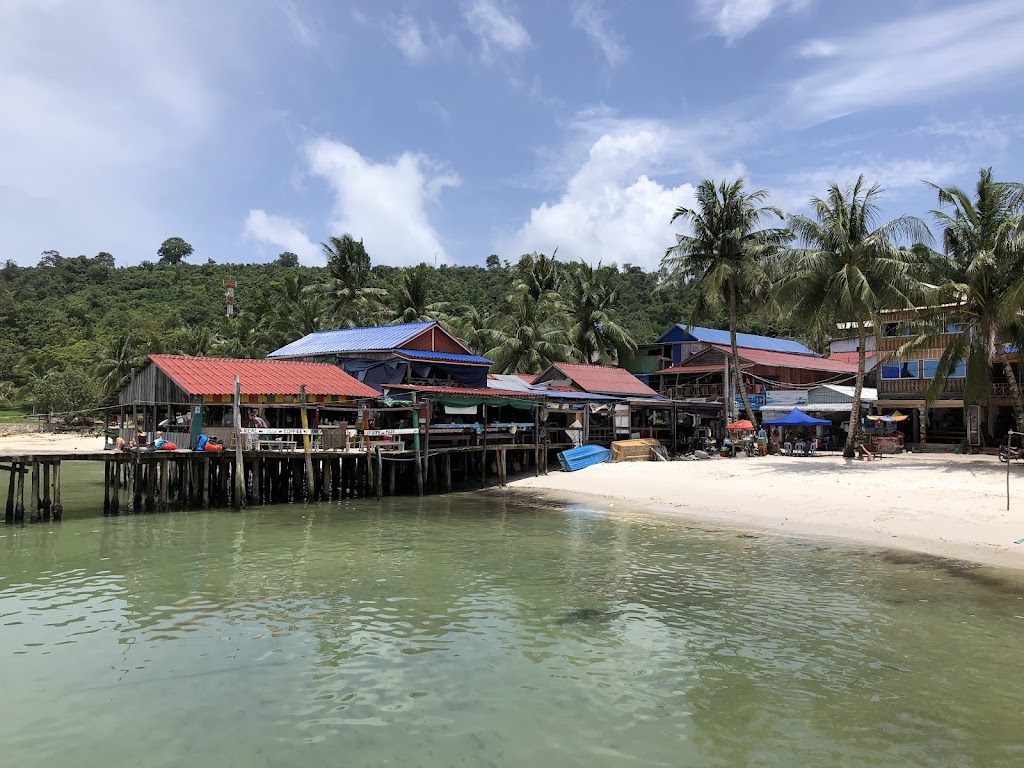
Dive Centers Near Fly By
Today: 08:00 - 18:00
Nearest Airports
Nearest airports to help plan travel to this dive area.
Search Flights
Check available flights and routes on Expedia, using the nearby airports listed in this section.
Search Flights on ExpediaFrequently Asked Questions
What are the typical water temperatures for diving in Cambodia?
Waters around Cambodia consistently remain warm throughout the year. Divers can expect comfortable temperatures generally ranging between 28-30°C (82-86°F), negating the need for thick wetsuits.
What kind of visibility can divers expect at sites like Fly By?
Visibility varies depending on the specific site and time of year. Across the Cambodian diving region, it can range from 5 to 35 meters, often averaging around 10 meters, particularly near islands like Koh Rong Saloem.
Are there strong currents at Cambodian dive sites?
Some offshore sites, particularly deeper walls or exposed reefs, can experience currents. These conditions occasionally make for exhilarating drift dives, requiring divers to be comfortable with such environments.
What marine life is commonly seen around these dive sites?
Divers frequently encounter schools of reef fish, various moray eels, and vibrant anemone gardens. Black-tip reef sharks, electric blue-spotted stingrays, and bamboo sharks are also regularly sighted, with seasonal visits from eagle rays and whale sharks.
Is diving in Cambodia suitable for beginners?
Yes, Cambodia offers a range of environments suitable for divers of all experience levels. Many sites have shallower sections and calmer conditions, while others with deeper profiles or stronger currents cater to more experienced individuals.
How should I choose a dive operator in Cambodia?
It's important to research dive operators thoroughly, as quality can vary. Prioritize providers with good safety records and positive reviews to ensure a satisfying and secure diving experience.
What are the typical depths encountered at dive sites in Cambodia?
Dive sites in Cambodia offer varied depths, from shallow reef sections around 5-6 meters to deeper walls and pinnacles. Some sites can extend down to 30 m (100 ft) or even 40 meters for advanced divers.
Planning to dive Fly By?
Send one inquiry and receive offers directly from the best verified local dive operators.
Conditions are Good
Optimal conditions expected
Current conditions near Fly By show 27° air, 30° sea temperature, 0.3 m waves, and 26 km/h wind. Forecast data is refreshed regularly to ensure accuracy.