
Diving at Mpai Bay (Cambodia)
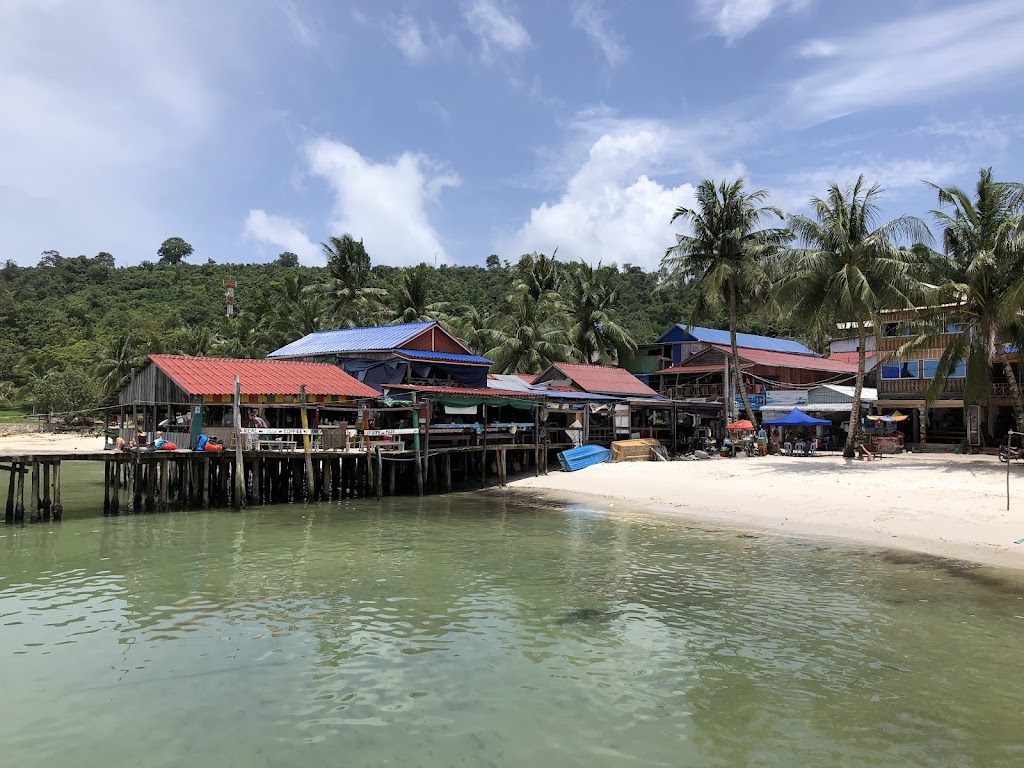
Dropping into the clear waters near Mpai Bay village reveals a diverse underwater landscape. Divers have the choice to explore either a vibrant reef system or the sandy bottom sections. With a maximum depth of 10 m (32 ft), this site is accessible for various certification levels, offering straightforward boat or shore entries. It's a gentle introduction to Cambodian diving.
Evening condition tracking at Mpai Bay features an air temperature of 27.5°C. We have recorded wave heights measuring 0.4 m during this period. These figures outline the environmental parameters currently present.
Dive Site Location & Key Facts
Dive Site Overview
The underwater topography off Mpai Bay village offers divers contrasting environments, featuring both a developing reef system and expansive sandy bottom areas. Recreational divers can explore these diverse habitats, typically reaching a maximum depth of 10 m (32 ft).
Highly accessible, the site suits a range of certification levels, including entry-level training. It supports multiple dive approaches, such as navigating gentle drift currents, engaging in detailed muck diving over the sand, and traditional reef explorations.
Accessing the dive site is flexible, with options for both boat and shore entries. Due to the area's proximity to a nearby jetty, awareness of potential boat traffic is crucial.
Divers should consistently deploy a Delayed Surface Marker Buoy (DSMB) to ensure surface visibility and enhance safety protocols. A varied environment provides valuable practical experience, making it particularly beneficial for divers undertaking training or refining their skills.
Exploring the shallower sections often reveals the subtle characteristics of the sandy substrate and the emerging structures of the reef. Conditions allowing, gentle drift dives can provide an effortless way to cover ground.
Conditions are Good
Optimal conditions expected
Current conditions near Mpai Bay show 28° air, 29° sea temperature, 0.4 m waves, and 20 km/h wind. Forecast data is refreshed regularly to ensure accuracy.
Best Time to Dive
Optimal dive conditions and best visibility at Mpai Bay generally align with the dry season, from November through April. During these months, the regional climate provides calmer waters and less suspended particulate matter. Air temperatures during this period typically range from 27-29°C (81-84°F), contributing to comfortable surface intervals. Rainfall is minimal, often less than 5 mm (0.2 inches) per month from December to April, which significantly reduces runoff that could impact underwater clarity. The months of January, February, March, and December consistently receive an 'Excellent' dive score, reflecting prime conditions with lower wave heights and lighter winds. While May and October are rated 'Good', with slightly increased rain (up to 11.4 mm or 0.45 inches in October), they can still offer worthwhile diving. The period from June to September sees higher rainfall, reaching up to 20.1 mm (0.8 inches) in July, and increased wave activity, which may affect visibility and overall comfort. Planning dives within the drier window is recommended for the clearest views.
PEAK SEASON SCORE
Scores combine air & water temps, waves, wind & rainfall for overall conditions.
BEST MONTHS TO DIVE
Monthly records compiled from satellite and marine observation nodes over the last 3 years. Data provided by Open-Meteo and MET Norway.
Dive Experience & Conditions
A dive at Mpai Bay generally unfolds within a shallow, accessible environment, welcoming divers of various experience levels. With a max depth of 10 m (32 ft), it's well within recreational limits and frequently serves as a practical training ground for Open Water or Adaptive Support certifications. Water temperatures are typically warm, suggesting minimal thermal protection like a rash guard or shorty wetsuit might be sufficient for comfort. Visibility levels vary with the season and recent weather, yet during calmer periods, clear views are common. Currents here are often mild, suiting beginners, though occasional gentle drift conditions can occur. The site provides diverse experiences, from observing intricate macro life during muck dives to exploring the established structures of the reef. Its generally protected location often ensures manageable conditions for skill development.
Dive Difficulty & Safety Guidelines
Divers approaching Mpai Bay must prioritize awareness of surface boat traffic, especially due to its proximity to a busy jetty. Employing a Delayed Surface Marker Buoy (DSMB) is not merely a recommendation but an essential safety practice for every dive here, ensuring you remain visible to surface vessels upon ascent and during surface intervals. Current strengths are not consistently reported but can vary; monitoring local conditions pre-dive is advisable.
While no specific unique hazards are documented, adherence to PADI Standard Safe Diving Practices remains paramount. Always plan your dive within the 10 m (32 ft) maximum depth and dive within your certification limits.
A local dive professional familiar with current site conditions should be consulted before entering the water.
Recommended Equipment
Current and surface separation risk. Local briefing strongly recommended.
- Dive Computer
- DSMB
- Reel / Spool
- Pointer / Muck Stick
This gear list is based on verified equipment signals for Mpai Bay, Cambodia. Always confirm final gear choices with your dive operator, guide, or liveaboard.
Recommended Dive Suit
The latest conditions reported around Mpai Bay place the water temperature close to 29°C (85°F). Surface air temperatures are resting at 28°C (82°F).
Dive skin or rash guard generally offers enough warmth for most dives under these conditions.
Forecast trends indicate little change in overall diving conditions during the next few days.
Emergency & Medical Support
Essential information to help you plan your dive trip to Mpai Bay.

Hyperbaric chambers are a critical part of dive safety infrastructure. Availability varies significantly by region, and not all dive areas have immediate access.
Before diving, it's recommended to:
- confirm nearest medical facilities
- check emergency procedures with local dive operators
- ensure dive insurance covers evacuation if required
Divers Alert Network
Diving emergency assistance available through DAN World.
+1-919-684-9111- 24/7 emergency hotline
- Diving medical assistance
- Evacuation coordination
Emergency contacts are provided for reference. Always verify local emergency services before diving.
Marine Life at Mpai Bay
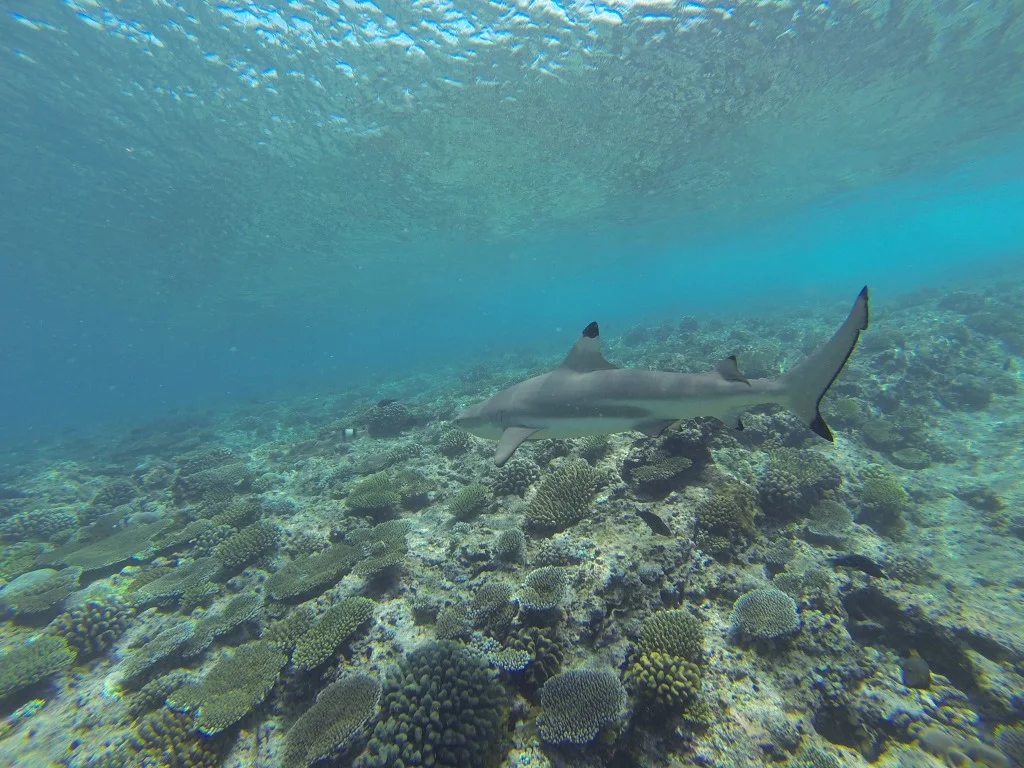
Upon entry, divers often observe smaller reef fish inhabiting the coral structures and the sandy bottom's subtle ecosystems. While not guaranteed on every dive, various external sources report sightings of larger marine animals, including sharks, dolphins, and turtles.
These larger species may occasionally pass through the bay area. Keep an eye out for these encounters, but also appreciate the smaller, resident creatures that thrive across the shallow reef and sandy plains.
Dive Sites Near Mpai Bay
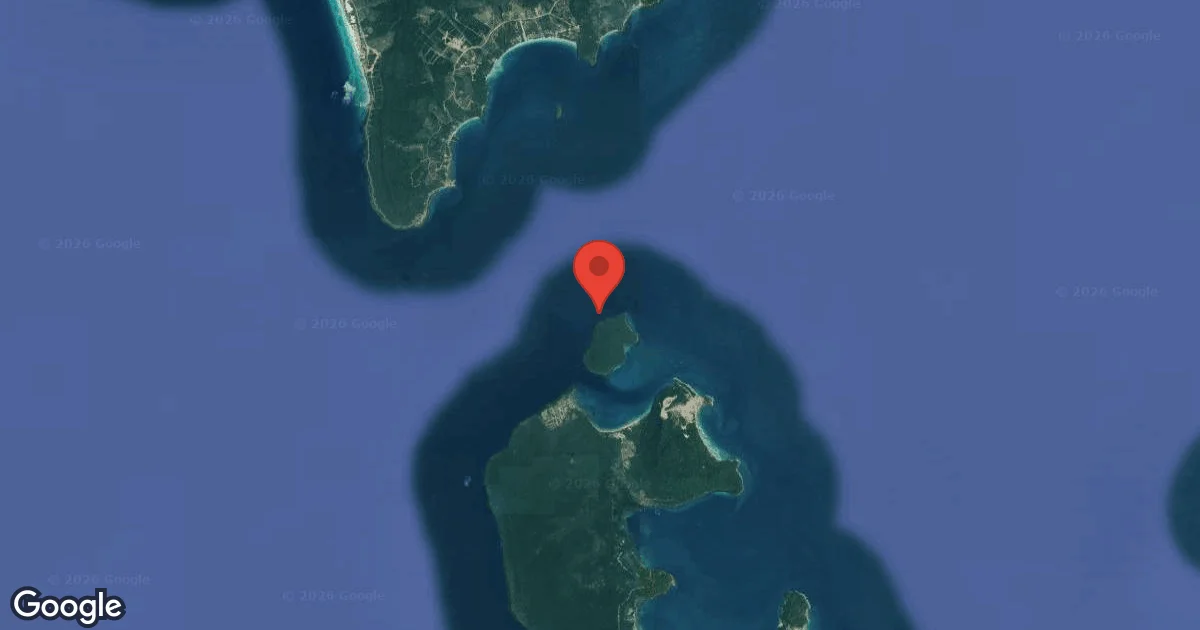
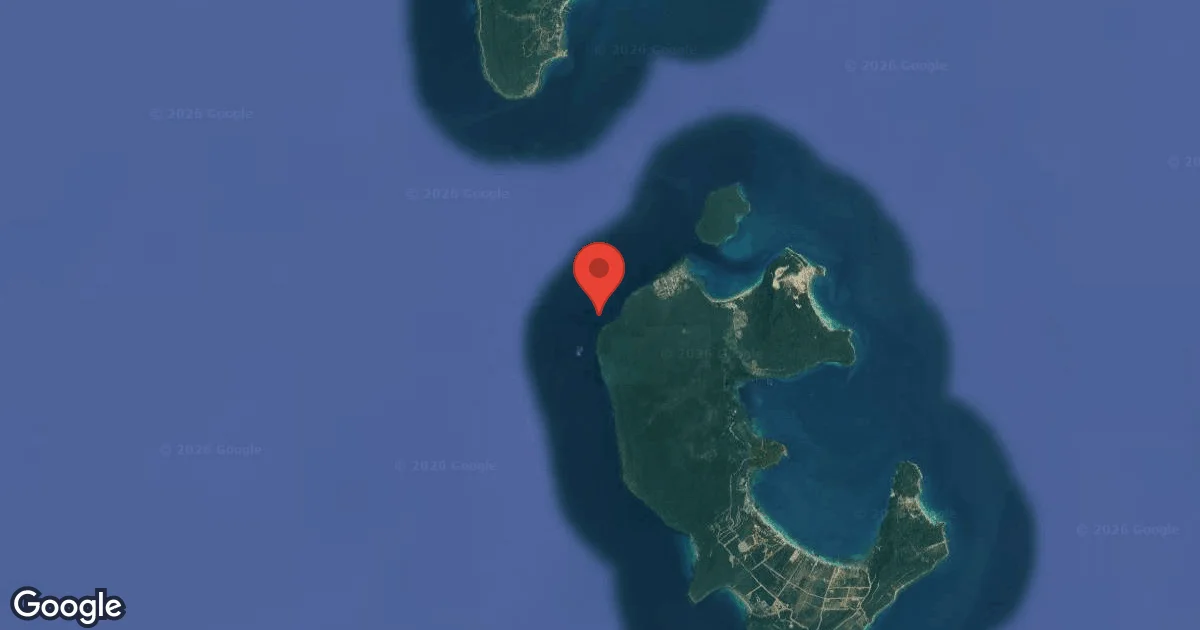
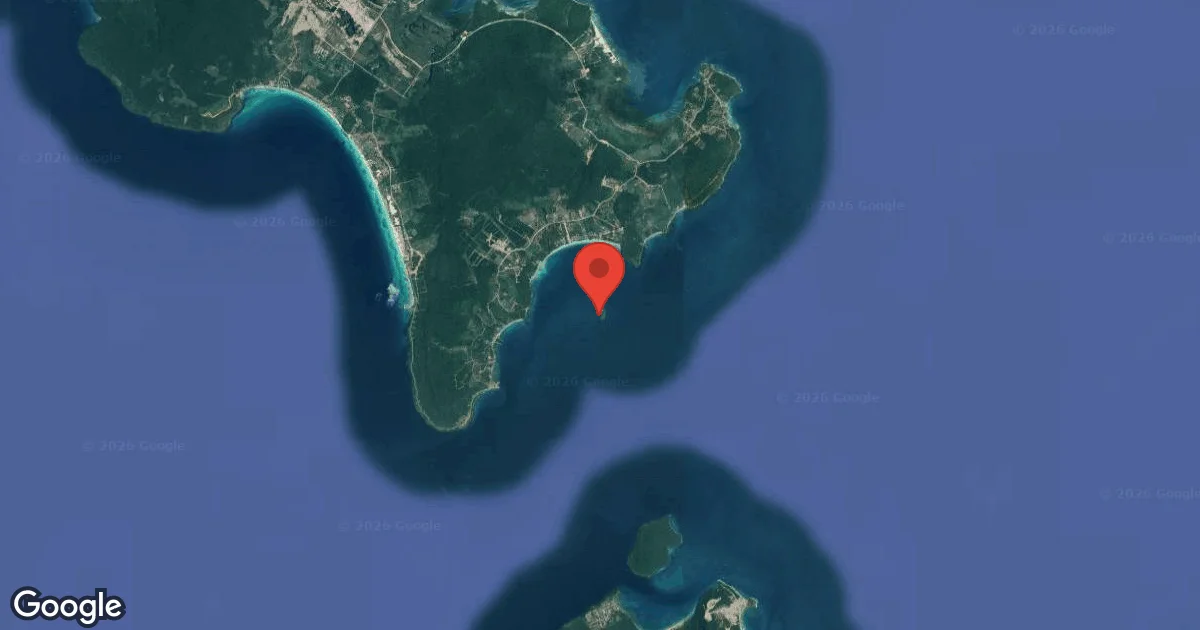
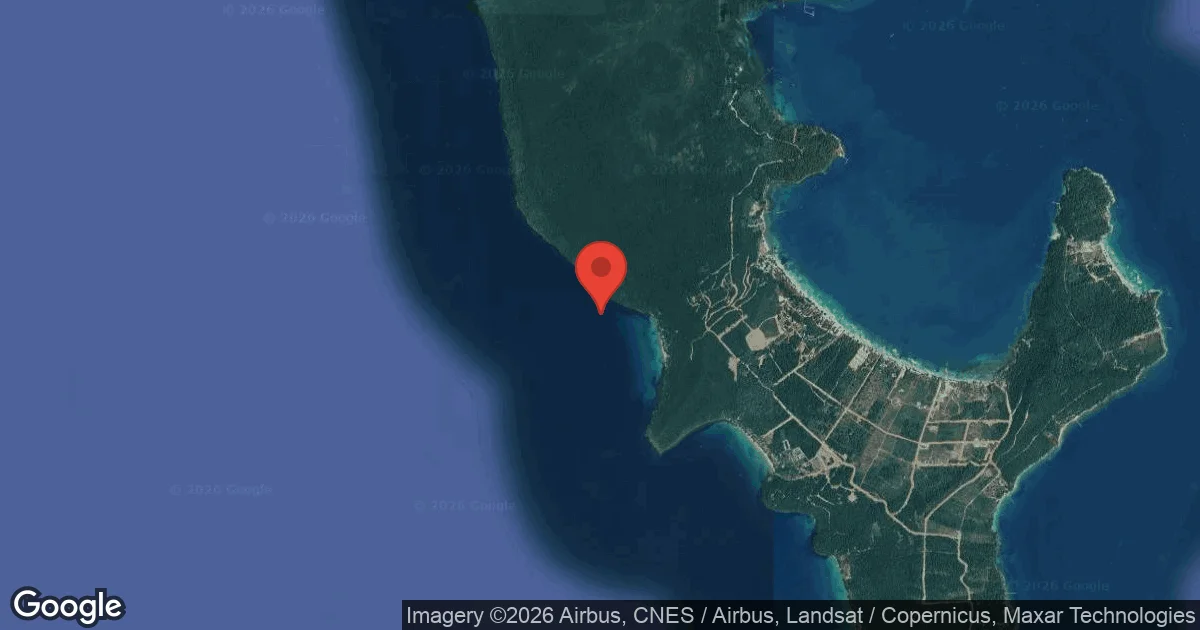
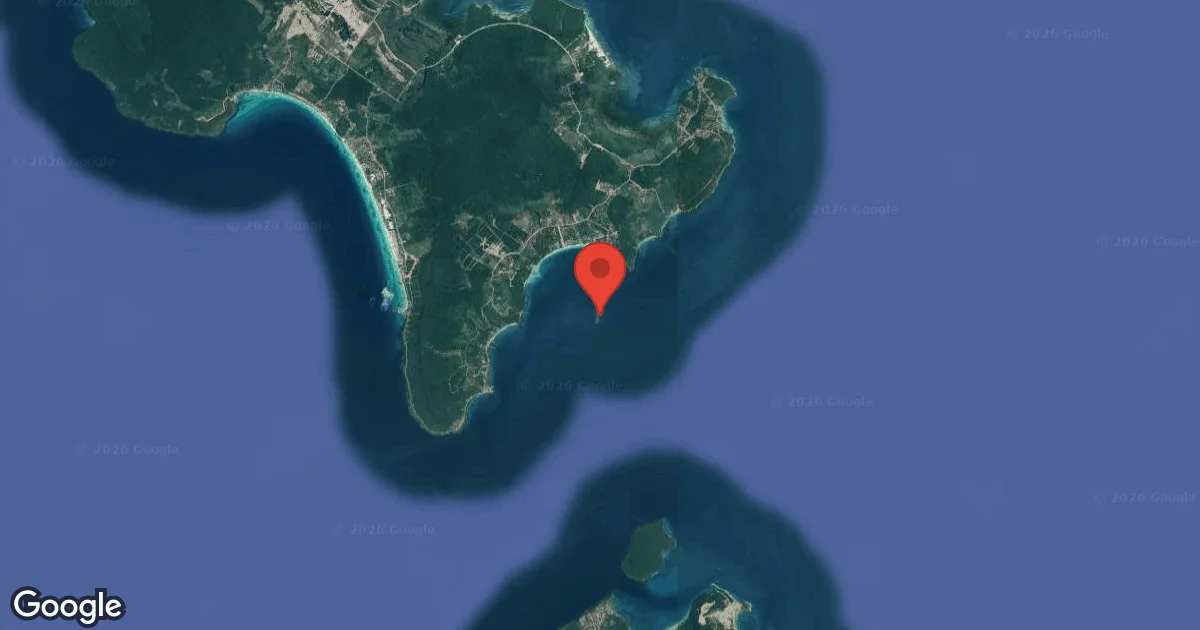
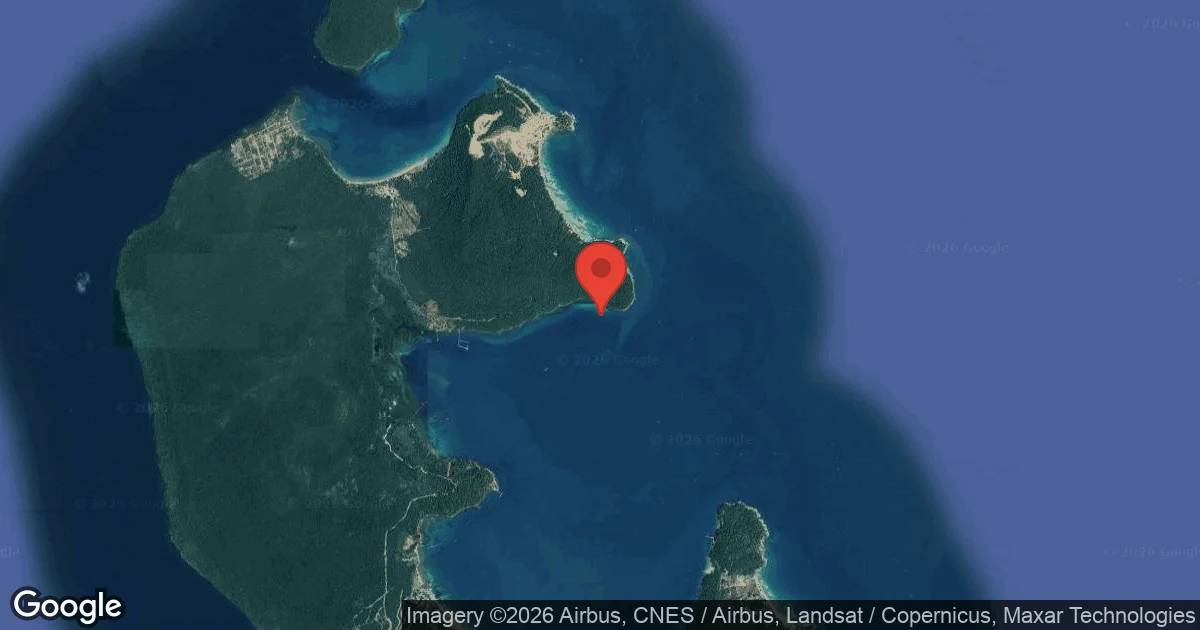
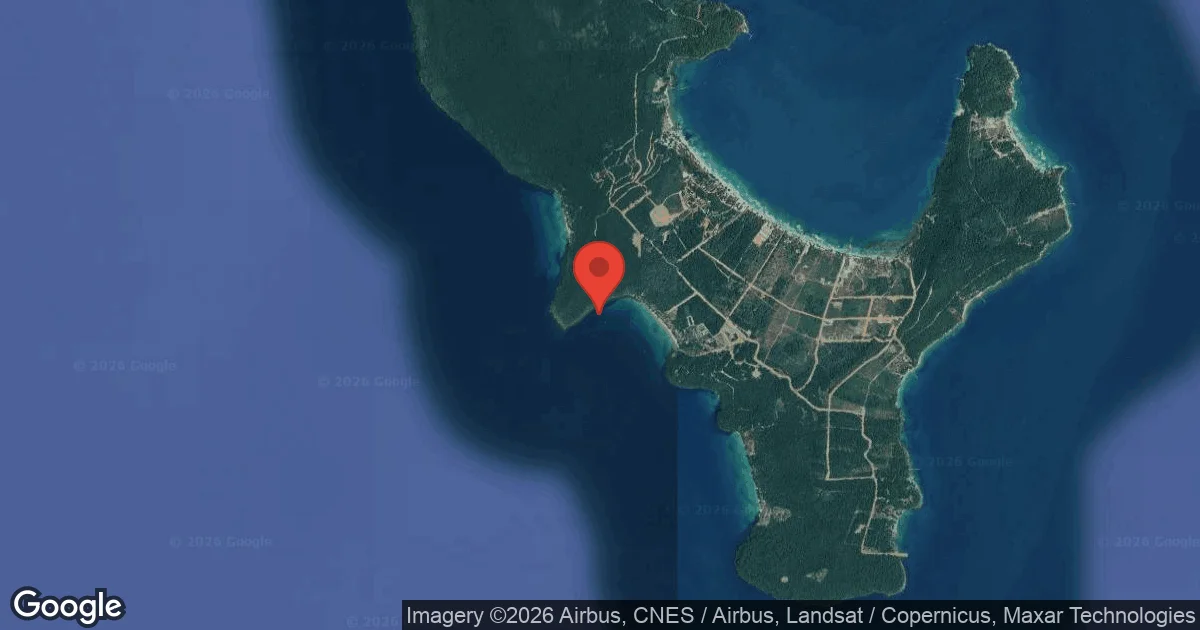
View all dive sites in CambodiaDiscover more underwater gems in this area.
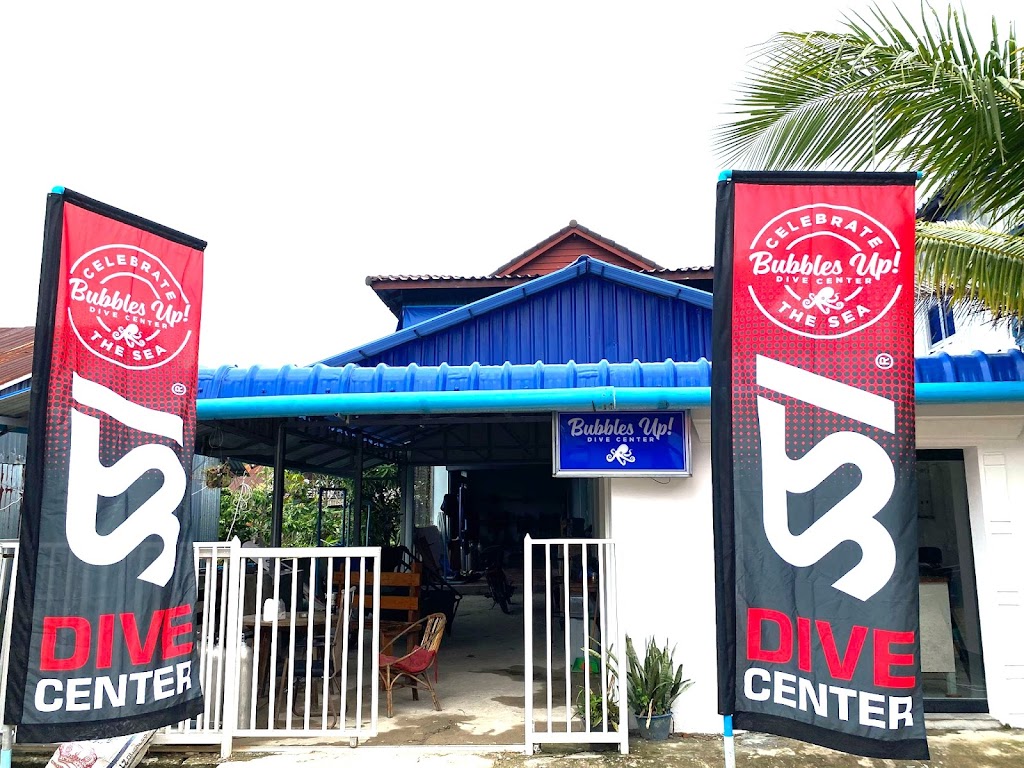
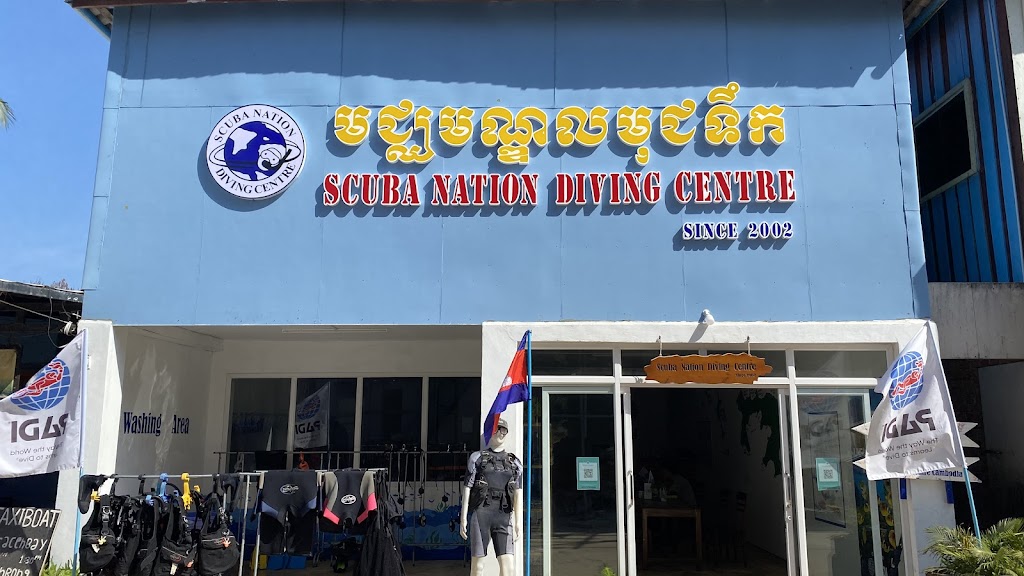
Dive Centers Near Mpai Bay
Today: 08:00 - 18:00


Nearest Airports
Nearest airports to help plan travel to this dive area.
Search Flights
Check available flights and routes on Expedia, using the nearby airports listed in this section.
Search Flights on ExpediaFrequently Asked Questions
What is the maximum depth at Mpai Bay?
The site reaches a maximum recreational depth. This shallow profile makes it accessible for various certification levels and an ideal location for entry-level training.
Is Mpai Bay suitable for beginner divers?
Yes, it's considered a great training site. Its manageable depths and generally mild conditions make it well-suited for Open Water Diver courses and skill development.
What type of underwater environment will I encounter?
Divers can explore both a reef system and expansive sandy bottom areas. This offers opportunities for both traditional reef diving and detailed muck diving experiences.
What marine life can be observed here?
You'll typically find a variety of smaller reef fish and critters within the sandy and reef environments. Larger marine animals like sharks, dolphins, and turtles are occasionally reported as passing through the wider bay.
Are there any specific safety considerations for diving at Mpai Bay?
Due to proximity to a jetty, be highly aware of boat traffic. Always use a Delayed Surface Marker Buoy (DSMB) to ensure visibility to surface vessels, especially during ascents and while at the surface.
How do divers enter the water at this site?
Entry options include both boat and shore dives. Your choice may depend on the specific dive plan or local operator arrangements.
When is the best time to dive Mpai Bay for optimal conditions?
The dry season, spanning November through April, generally offers the best conditions. Expect excellent visibility, minimal rainfall, and comfortable air temperatures ranging from 27-29°C (81-84°F).
Planning to dive Mpai Bay?
Send one inquiry and receive offers directly from the best verified local dive operators.
Conditions are Good
Optimal conditions expected
Current conditions near Mpai Bay show 28° air, 29° sea temperature, 0.4 m waves, and 20 km/h wind. Forecast data is refreshed regularly to ensure accuracy.