
Diving at Last Tree (Cambodia)
A crucial consideration at Last Tree is the nearby conservation area to the south, designated as a no-go zone for divers. Navigational precision is essential here to avoid accidental entry into this protected region. Dive planning must include careful compass monitoring, especially since this site is frequently explored as a drift dive. Maximum depths reach 13 m (42 ft), making it accessible for recreational divers who respect the established boundaries. Staying aware of your position relative to the conservation zone ensures a responsible and enjoyable experience.
Tonight's objective overview for Last Tree shows an air temperature of 28.5°C. The measured surface conditions include wave heights around 0.2 m. This environmental data is logged for the close of the day.
Dive Site Location & Key Facts
Dive Site Overview
Last Tree's dynamic dive environment is primarily approached as a drift dive, with prevailing currents typically guiding divers along the reef structure and fostering a sense of effortless movement. On Koh Koun island's east side, currents frequently carry divers towards the adjacent Coral Bay, a consistent flow that dictates the dive profile and emphasizes robust buoyancy control and diligent group management.
Classified as both a reef and ocean dive, the site suggests varied underwater topography, where coral formations transition into more expansive open water experiences. Divers can anticipate a descent to a maximum depth of 13 m (42 ft), aligning perfectly with standard recreational limits for certified divers. Consistent boat entry provides direct access to the diverse reef structures forming much of the underwater landscape here.
While specific historical use isn't deeply documented, Last Tree's suitability for drift diving makes it a frequent choice for operators showcasing natural current flows and marine life movements around Koh Koun. Thorough pre-dive briefings and a clear understanding of local conditions are paramount before entering the water to ensure a safe and rewarding experience.
Conditions are Good
Optimal conditions expected
Current conditions near Last Tree show 29° air, 30° sea temperature, 0.5 m waves, and 18 km/h wind. Forecast data is refreshed regularly to ensure accuracy.
Best Time to Dive
For an optimal dive experience at Last Tree, planning your visit between December and April generally yields the best conditions. During these months, the dive scores are consistently rated as 'Excellent,' correlating with lower rainfall and calmer seas. Air temperatures during this peak season are comfortably warm, typically ranging from 27°C (81°F) in January to 29°C (84°F) in April. Rainfall is minimal, with averages often below 3 mm (0.1 inches) per month, meaning clearer skies and better visibility are more likely. Conversely, the period from July to September sees an increase in wave height, sometimes reaching over 0.9 meters (3 feet), and higher wind speeds, which can affect surface conditions and boat travel. July, for example, registers the highest rainfall at over 20 mm (0.8 inches) and a 'Moderate' dive score. Water temperature is not consistently reported for Last Tree, but it generally remains warm year-round in this tropical region. Prioritizing the drier, calmer season ensures a more comfortable entry, smoother drift, and generally more enjoyable dive.
PEAK SEASON SCORE
Scores combine air & water temps, waves, wind & rainfall for overall conditions.
BEST MONTHS TO DIVE
Monthly records compiled from satellite and marine observation nodes over the last 3 years. Data provided by Open-Meteo and MET Norway.
Dive Experience & Conditions
Currents define the diving experience at Last Tree, often necessitating a drift dive approach. Its location on Koh Koun island's east side means divers should anticipate a steady flow towards Coral Bay. A dynamic environment like this can vary, so local conditions and real-time current assessments are crucial before entry. Visibility, while not consistently reported, may be influenced by recent rainfall, wave action, and plankton blooms, typical of a productive ocean and reef environment. Depths at Last Tree remain quite shallow for recreational diving, reaching a maximum of 13 m (42 ft). Such shallow depths are well within the limits for Open Water certified divers. Water temperatures aren't available consistently, but the tropical climate suggests generally warm conditions year-round. Divers should prepare for varying current levels, which can make finning minimal but demand constant awareness of position and group cohesion.
Dive Difficulty & Safety Guidelines
Expert divers emphasize precise navigation at Last Tree, particularly near the conservation area directly to the south. Maintaining a careful watch on your compass bearing isn't merely a recommendation; it's a necessity to avoid infringing on this protected zone. Dive briefings should always include explicit instructions on boundaries and contingency plans if currents unexpectedly shift course.
As this is predominantly a drift dive, buoyancy control and effective group communication are paramount. PADI Open Water Diver certification offers useful training for this site, indicating its accessibility while also highlighting foundational skills needed for navigating currents and maintaining safety.
No other specific hazards are reported for Last Tree, but standard safe diving practices apply. Divers should ensure their equipment is well-maintained and that they're comfortable with drift diving techniques before exploring this area.
Recommended Equipment
Current and surface separation risk. Local briefing strongly recommended.
- Dive Computer
- DSMB
- Reel / Spool
This gear list is based on verified equipment signals for Last Tree, Cambodia. Always confirm final gear choices with your dive operator, guide, or liveaboard.
Recommended Dive Suit
Forecast trends indicate little change in overall diving conditions during the next few days.
Two divers in the same water temperature may experience very different comfort levels.
Many divers find that dive skin or rash guard offers the right level of insulation for conditions like these. Divers preparing to enter the water at Last Tree will likely find temperatures around 30°C (85°F) today. Surface air temperatures are resting at 29°C (83°F).
Due to technical issues with our weather providers, data hasn't been fetched for over 48 hours. The data above reflects the conditions at the time of the last successful fetch.
Emergency & Medical Support
Essential information to help you plan your dive trip to Last Tree.

Hyperbaric chambers are a critical part of dive safety infrastructure. Availability varies significantly by region, and not all dive areas have immediate access.
Before diving, it's recommended to:
- confirm nearest medical facilities
- check emergency procedures with local dive operators
- ensure dive insurance covers evacuation if required
Divers Alert Network
Diving emergency assistance available through DAN World.
+1-919-684-9111- 24/7 emergency hotline
- Diving medical assistance
- Evacuation coordination
Emergency contacts are provided for reference. Always verify local emergency services before diving.
Marine Life at Last Tree
Upon descending at Last Tree, divers often first notice the potential for encountering larger pelagic species. Common sightings include various sharks, whales, and dolphins, indicating a vibrant open-ocean influence alongside the reef ecosystem.
Successfully observing these animals requires patience and an understanding of their natural behaviors, as they traverse the currents alongside divers. Sea turtles are another frequent sight, leisurely cruising through the shallower sections or foraging among coral structures.
A mix of both reef and pelagic creatures suggests a healthy and active marine environment, significantly influenced by the currents defining the dive. Keep an eye on the blue for transient visitors, while also appreciating the diverse life found closer to the reef.
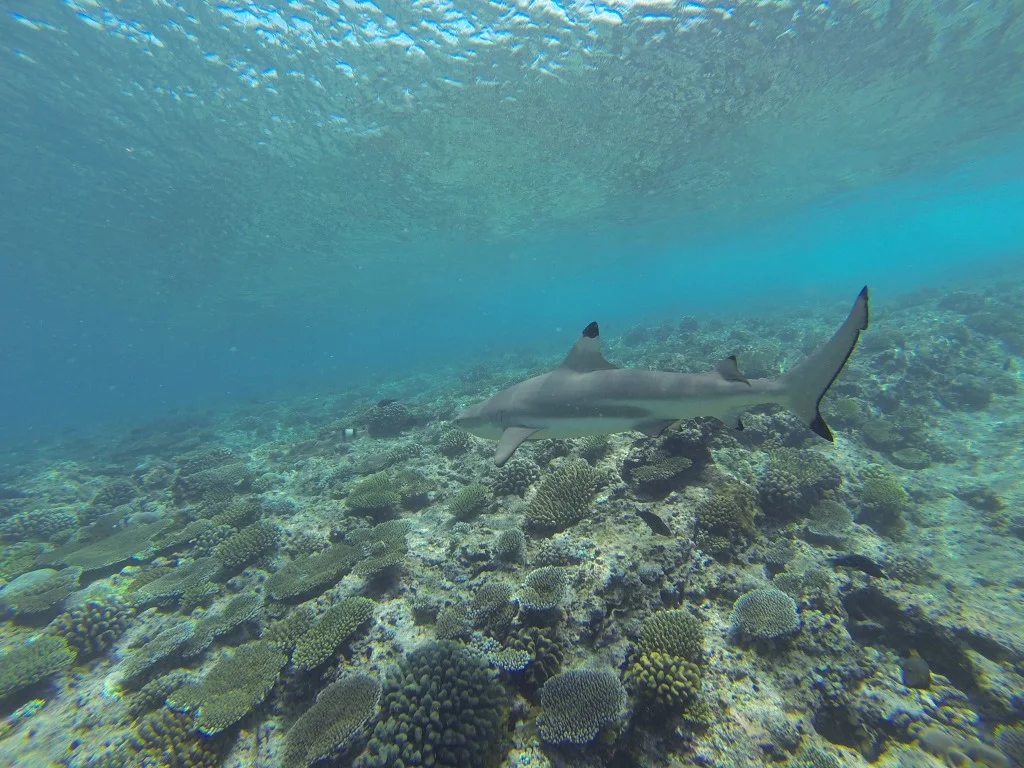
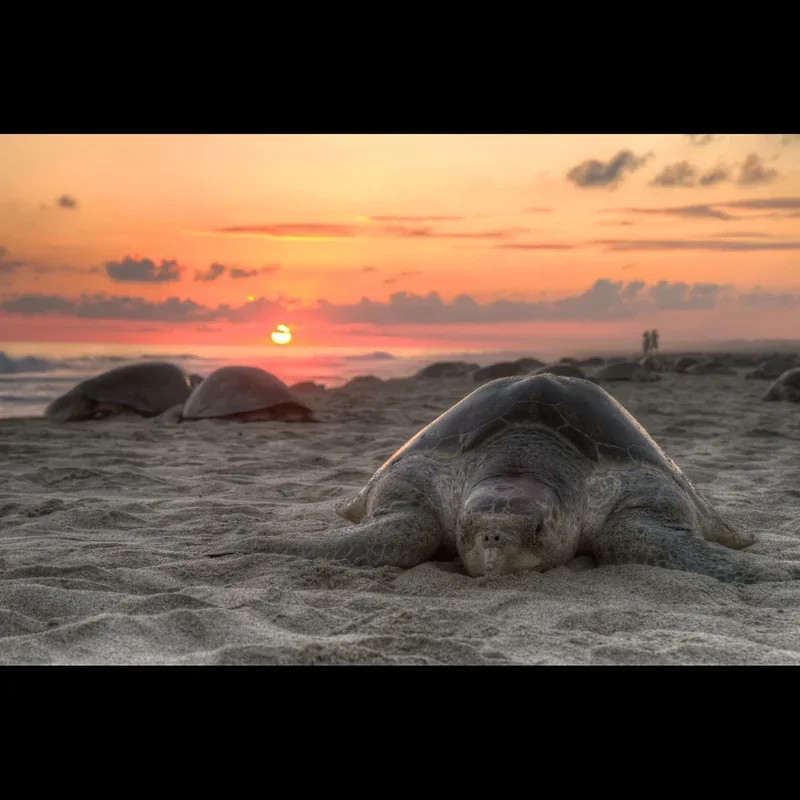
Dive Sites Near Last Tree
View all dive sites in CambodiaDiscover more underwater gems in this area.
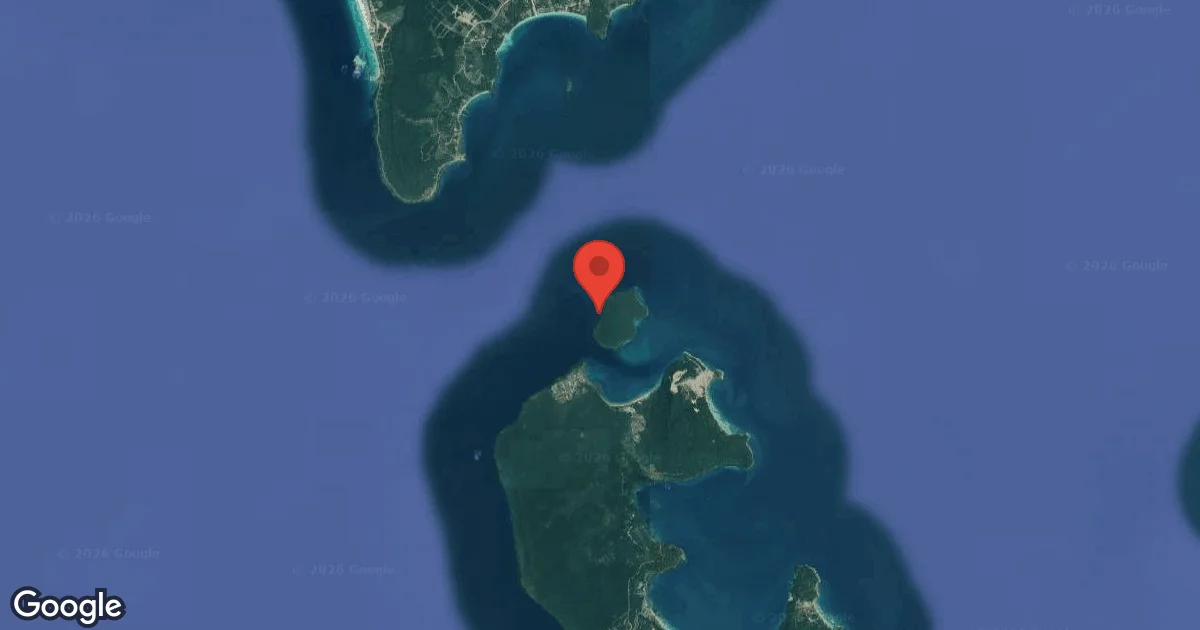
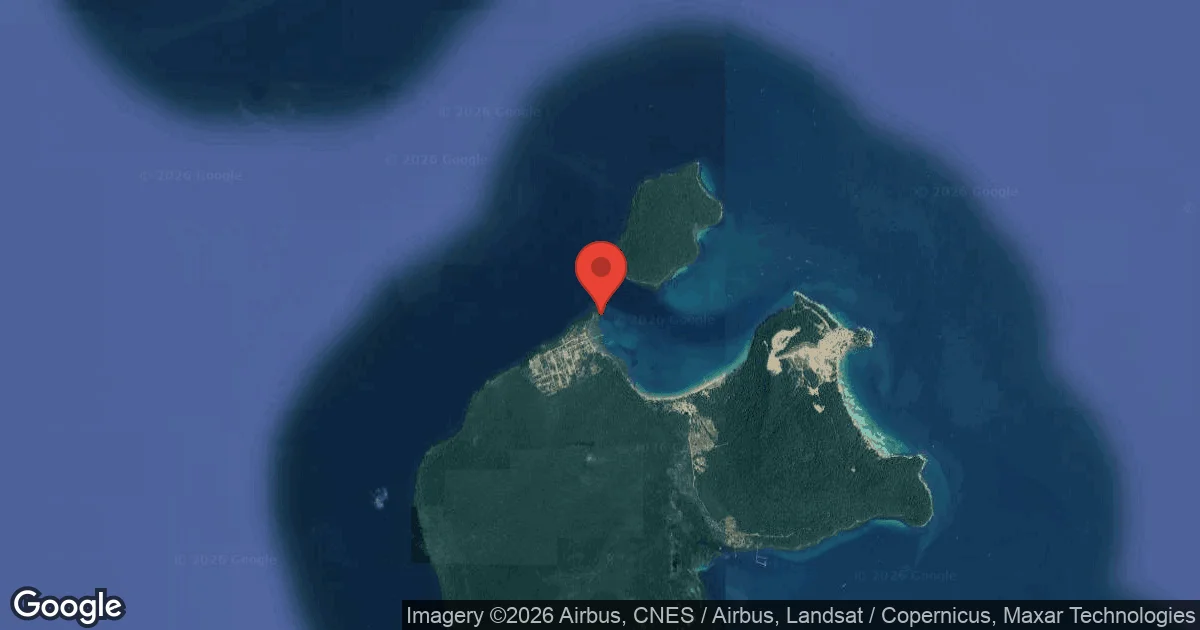
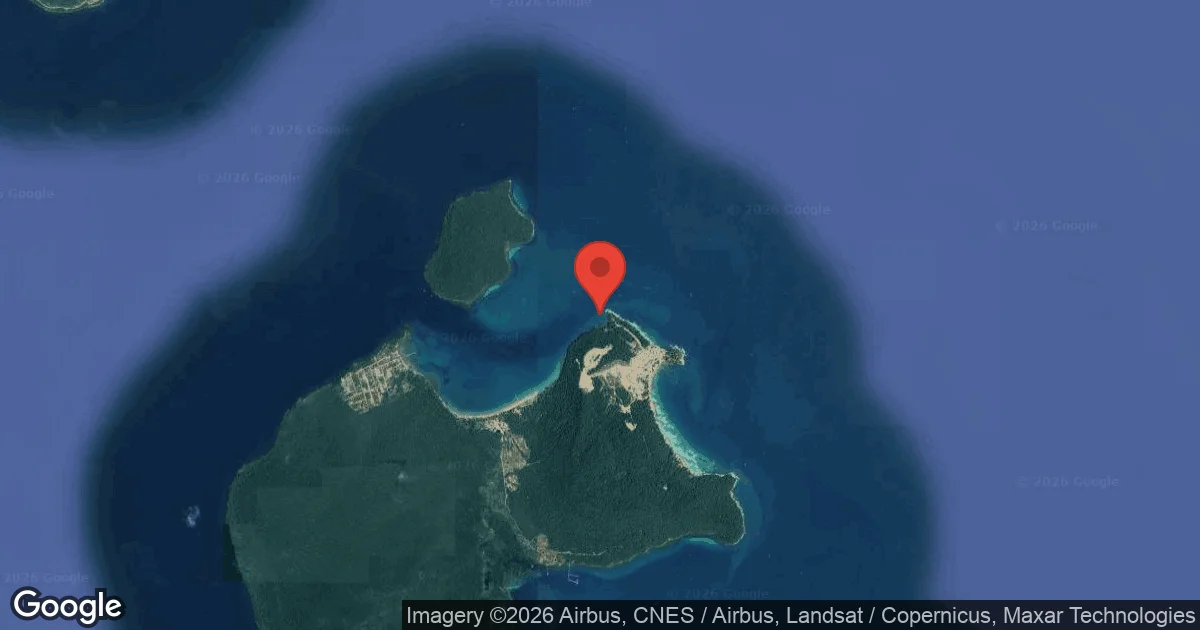
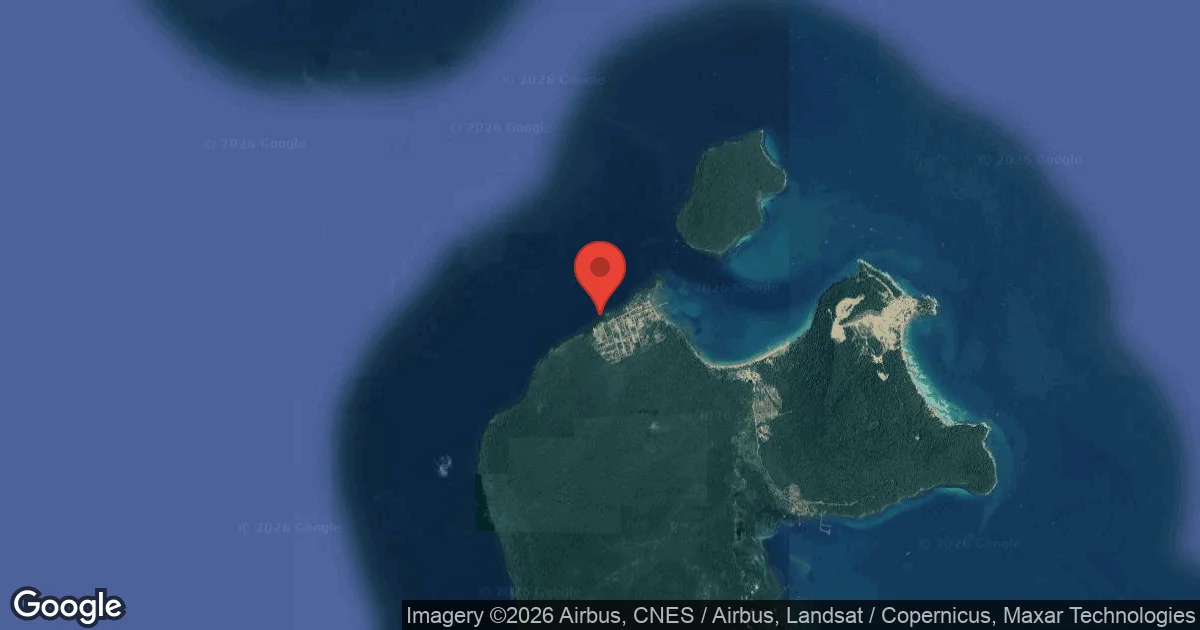
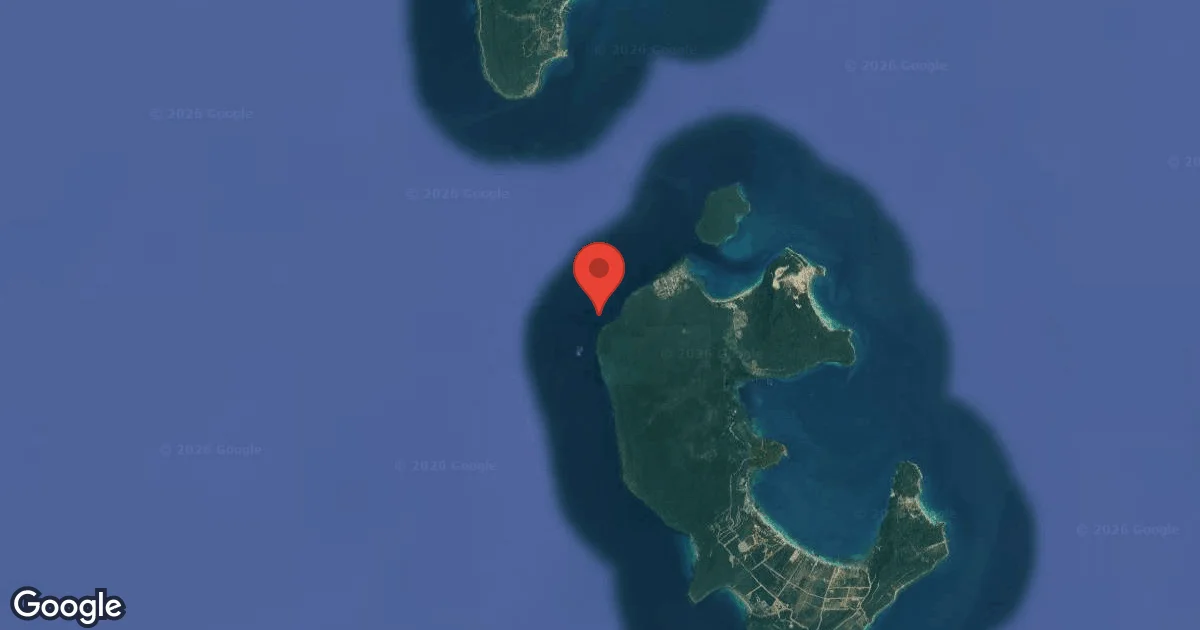
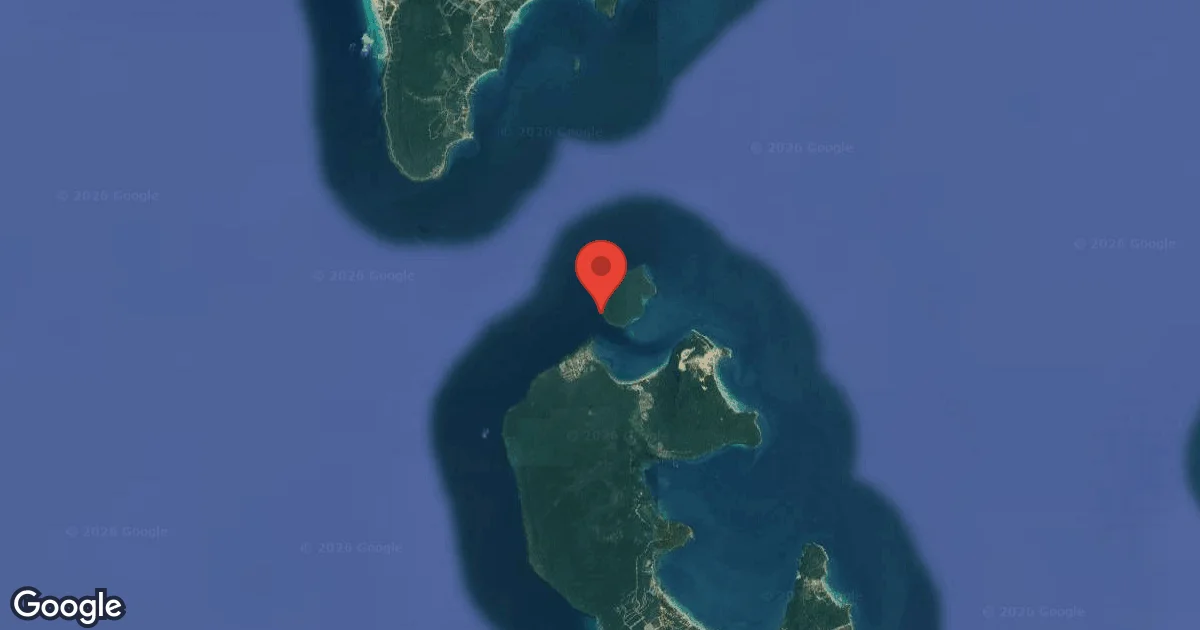
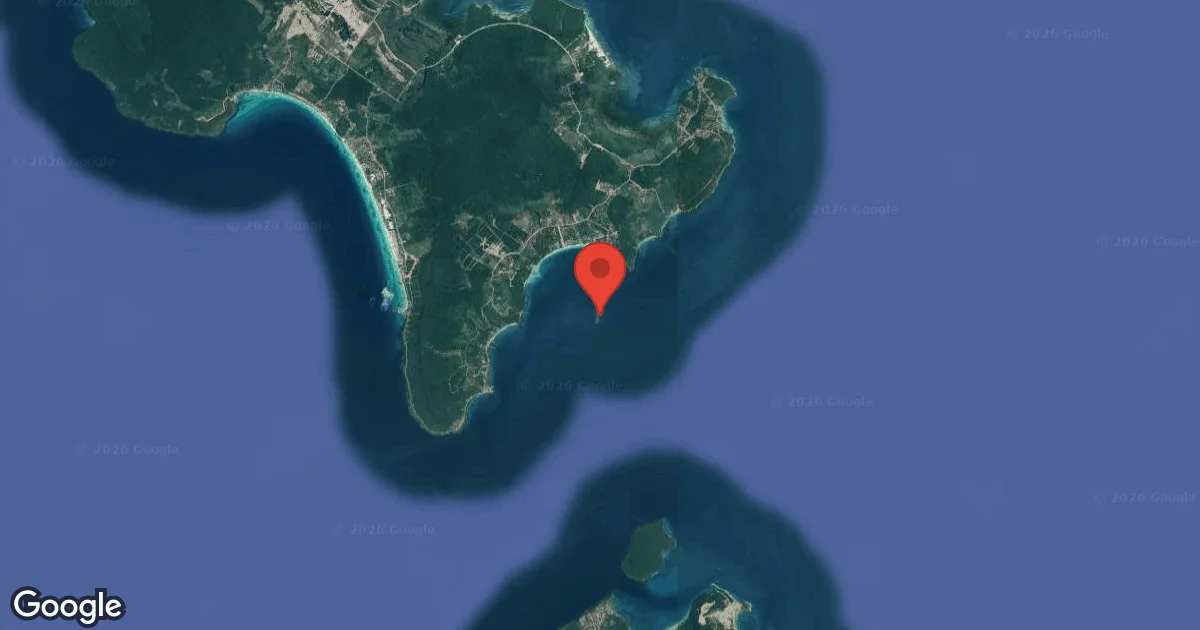
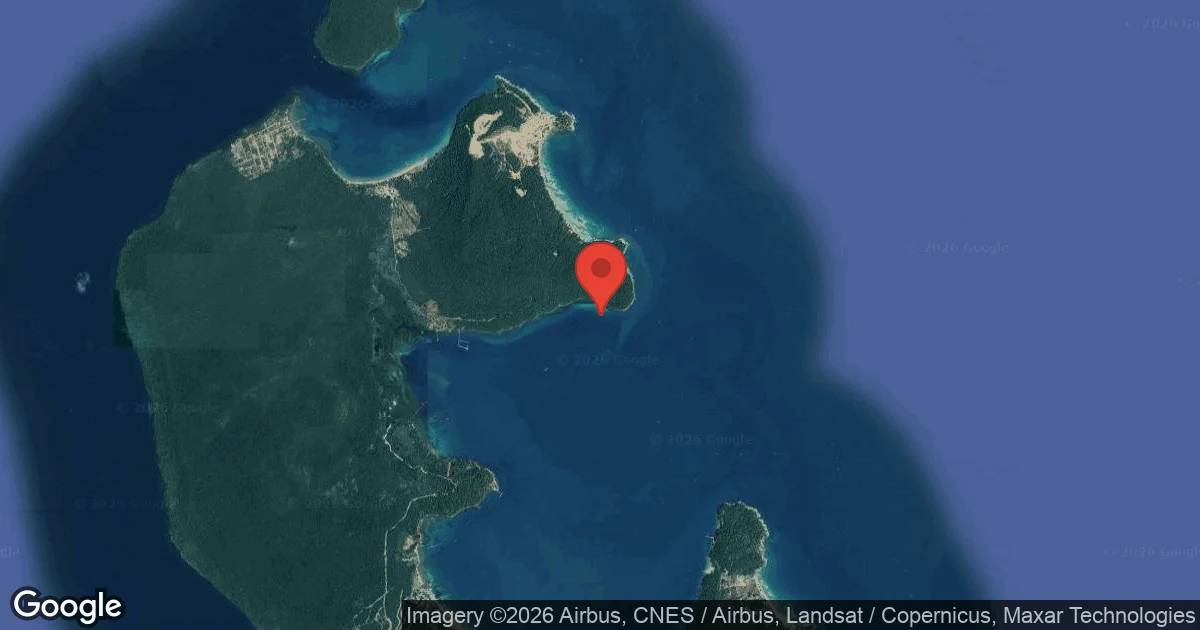
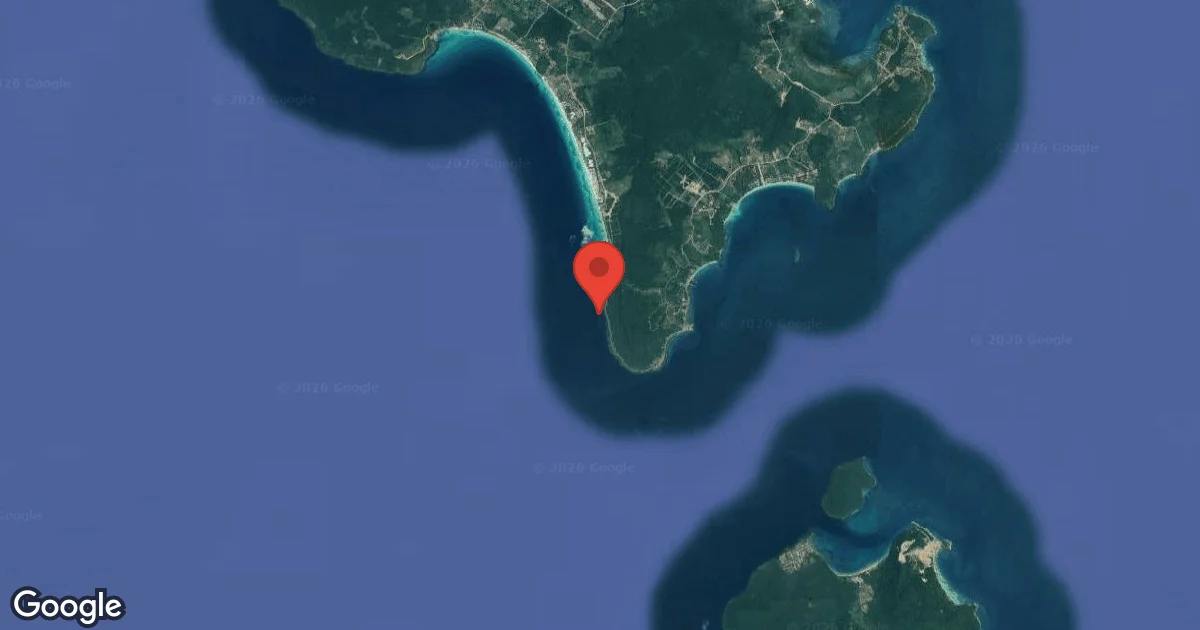
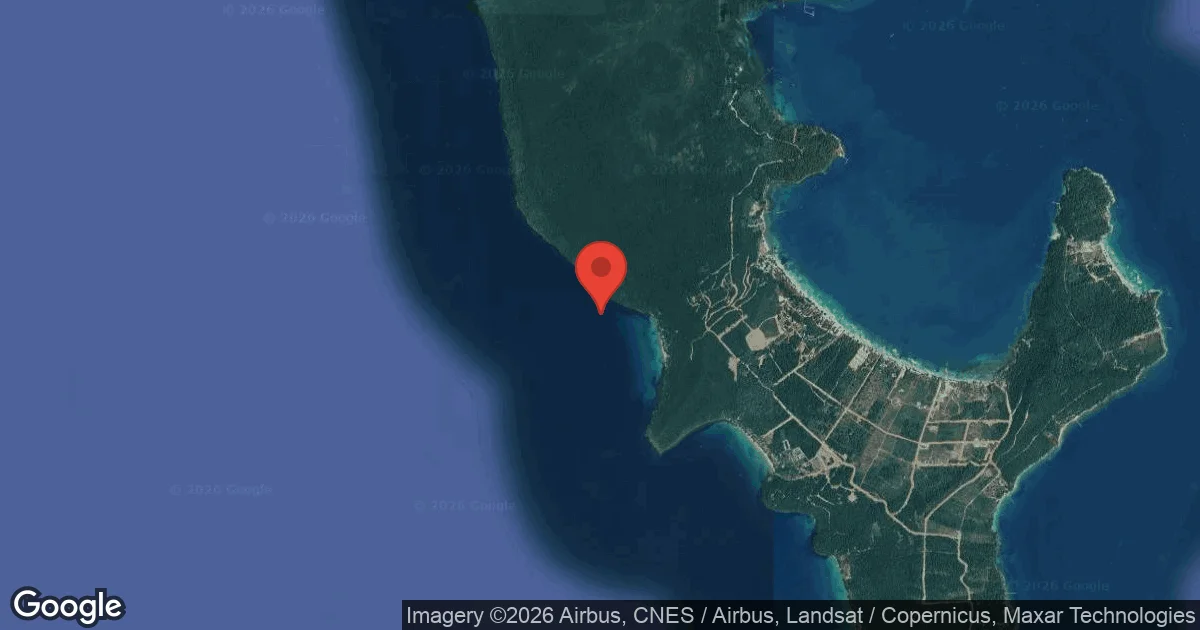
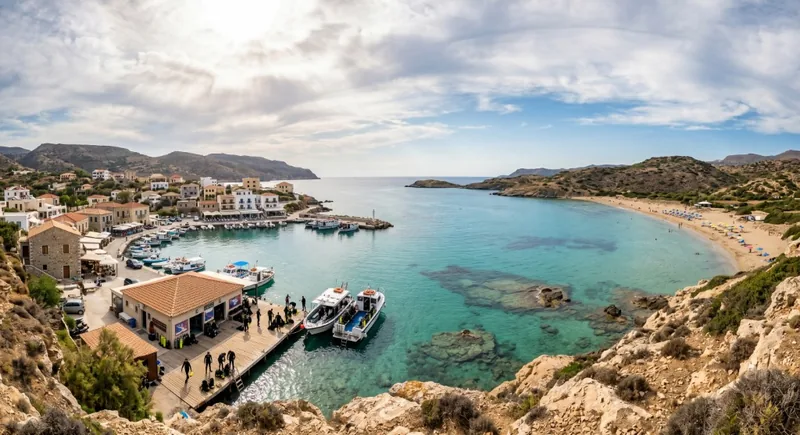
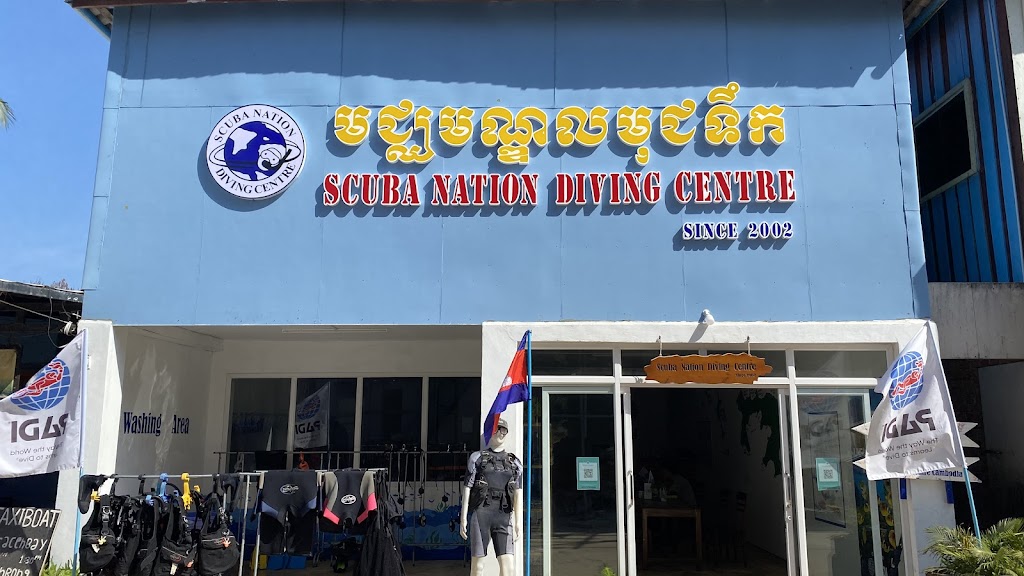
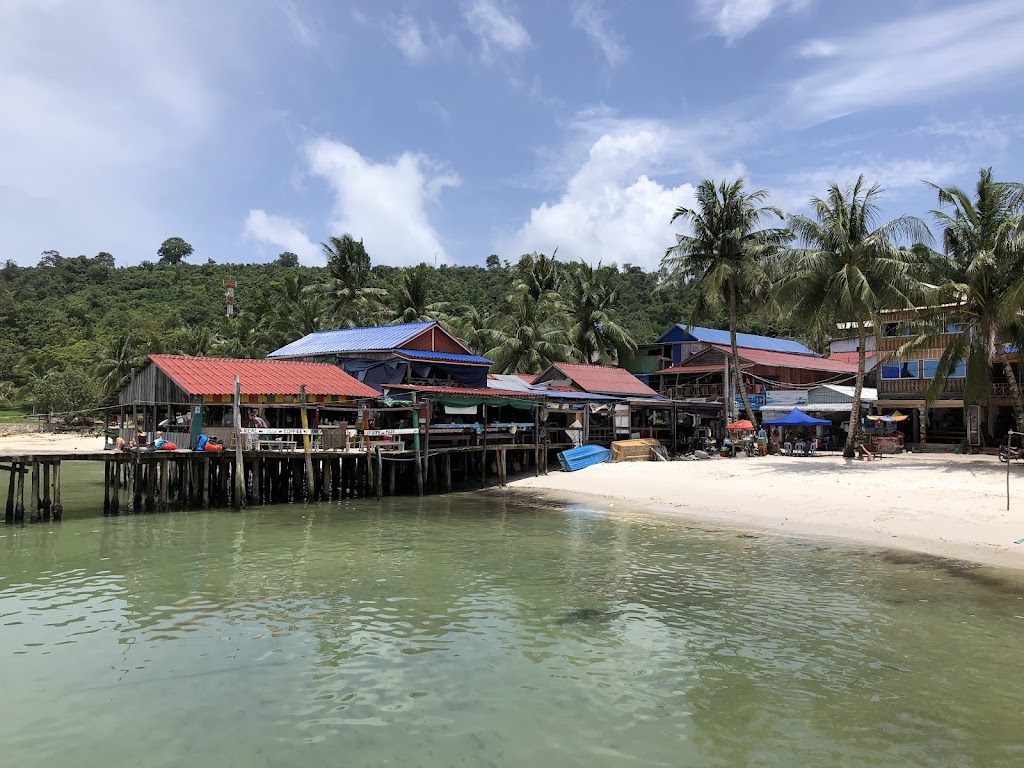
Dive Centers Near Last Tree
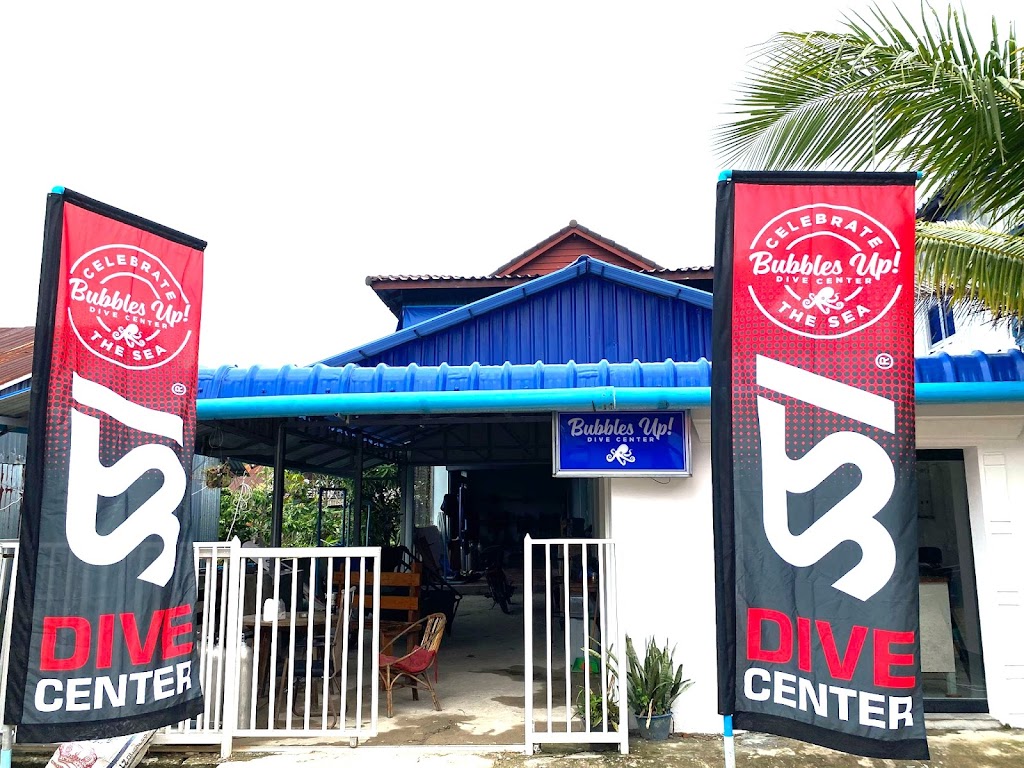
Today: 08:00 - 18:00

Nearest Airports
Nearest airports to help plan travel to this dive area.
Search Flights
Check available flights and routes on Expedia, using the nearby airports listed in this section.
Search Flights on ExpediaFrequently Asked Questions
What is the typical dive profile at Last Tree?
Last Tree is predominantly a drift dive, meaning divers allow ocean currents to carry them along the reef. Good buoyancy control and group awareness are essential for this approach. Divers usually move from Koh Koun island's east side towards Coral Bay.
What is the maximum depth at Last Tree?
Maximum depth for diving at Last Tree is 13 m (42 ft). At this shallow range, most recreational divers can access the site effectively.
Are there any restricted areas divers should be aware of?
Yes, a conservation area lies directly south of Last Tree. Divers must use a compass and maintain strict navigational awareness to avoid entering this protected no-go zone.
What kind of marine life can be seen at Last Tree?
Divers at Last Tree commonly encounter various marine life, including sharks, whales, dolphins, and turtles. A mix of reef and open ocean conditions at the site contributes to this diversity.
What are the best months to dive Last Tree?
Diving Last Tree is best from December to April. During these months, conditions are generally excellent with minimal rainfall, calmer seas, and comfortable air temperatures of 27-29°C (81-84°F).
Is Last Tree suitable for beginner divers?
Last Tree is suitable for certified PADI Open Water Divers. However, because it's often a drift dive, beginners should have good buoyancy control and be comfortable with currents.
How is entry typically made into the water at Last Tree?
Boat entry is the consistent method for reaching Last Tree. It provides access to offshore reef structures and facilitates the drift dive experience.
Planning to dive Last Tree?
Send one inquiry and receive offers directly from the best verified local dive operators.
Conditions are Good
Optimal conditions expected
Current conditions near Last Tree show 29° air, 30° sea temperature, 0.5 m waves, and 18 km/h wind. Forecast data is refreshed regularly to ensure accuracy.