
Diving at Vietnamese Bay (Cambodia)
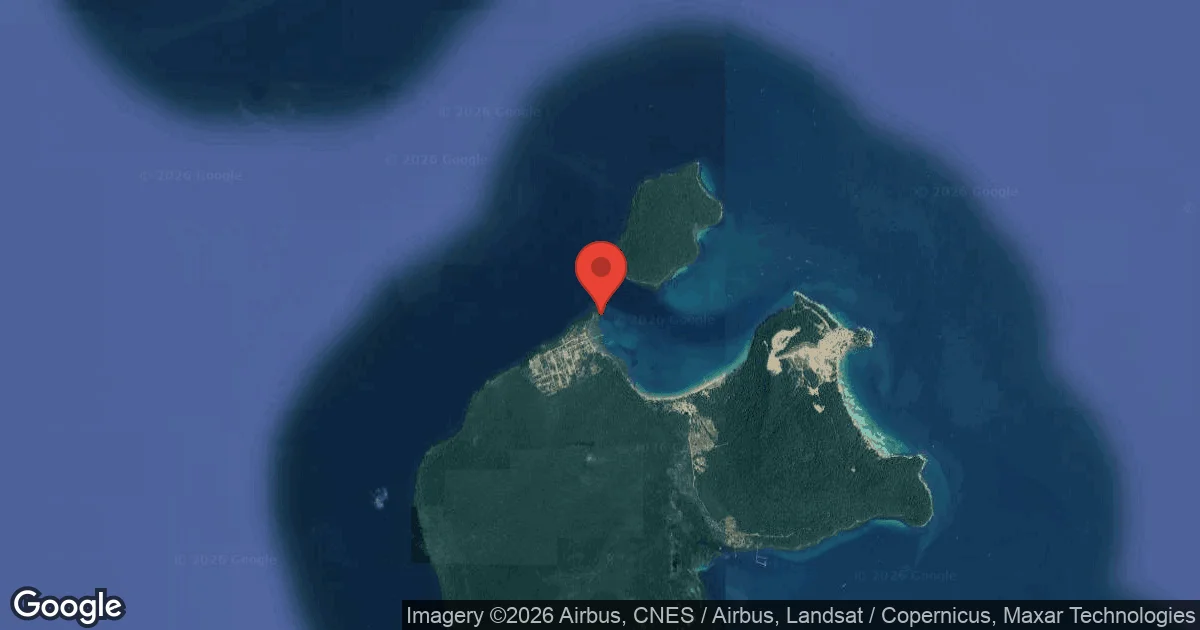
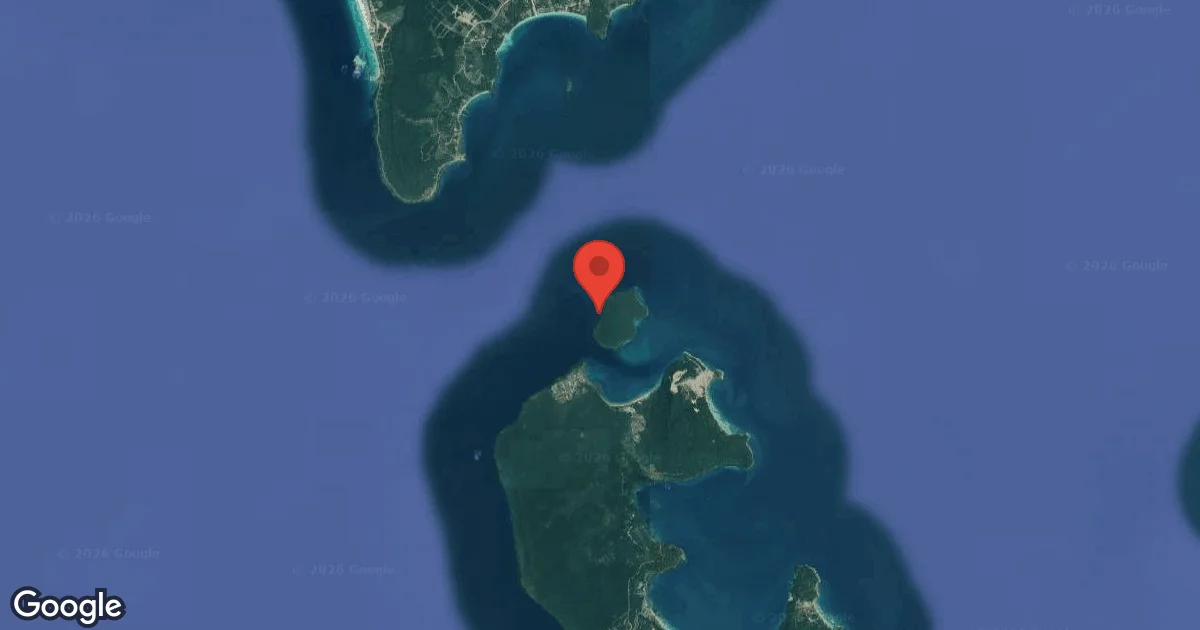
Vietnamese Bay immediately presents itself as a sheltered dive locale near M’Pai Bay, characterized by a distinct blend of sand flats and scattered reef patches. Divers here will first notice the calmer surface conditions and the potential for a slow, observant dive. Its protected nature often translates into a more relaxed experience, ideal for divers keen on macro life. The site's character varies, making local guidance valuable.
As evening covers Vietnamese Bay, the local air temperature is measured at 28°C. The current wave height at the surface is recorded at 0.5 m. These late-day readings characterize the surface conditions for the night.
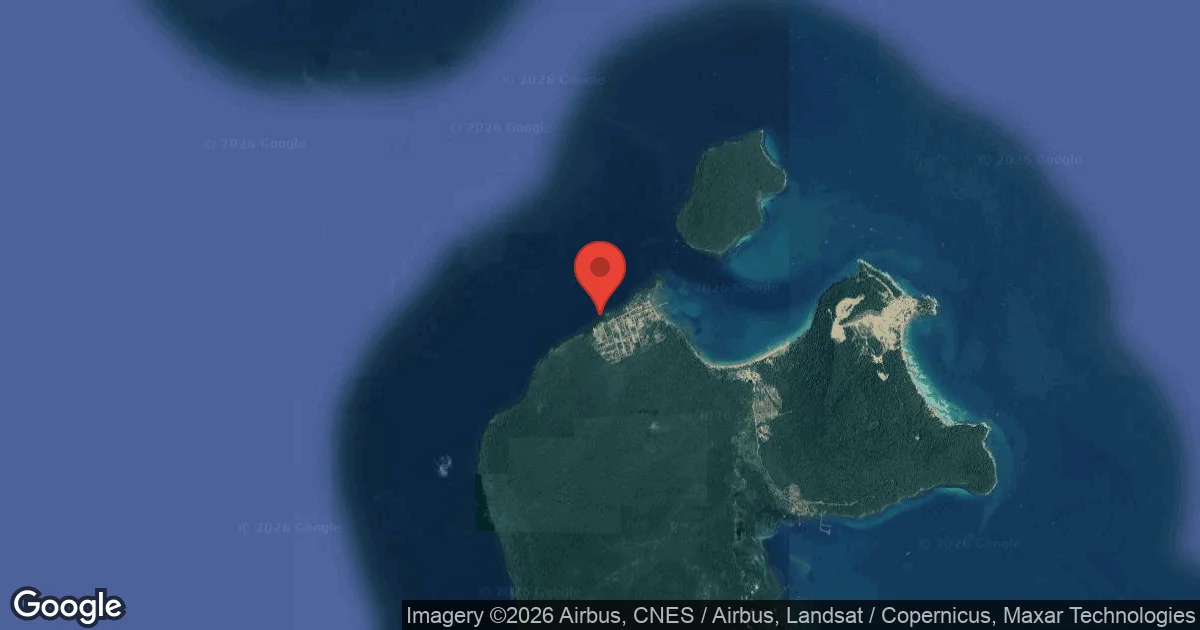
Dive Site Location & Key Facts
Dive Site Overview
Vietnamese Bay presents a unique duality, offering both muck and reef diving within one sheltered area. Dive here expecting less dramatic topography and more of a nuanced exploration across sand flats, interspersed reef patches, and the subtle biodiversity along mangrove-edge habitats.
Approach this as a slow, deliberate search for macro subjects; patient buoyancy control is essential to avoid disturbing the fragile environment. A mosaic of hard and soft corals defines shallower reef sections, transitioning to sandy bottoms at its max depth of around 13 m (42 ft). Conditions inside the bay fluctuate, making local guidance valuable not just for navigation but also for understanding the dynamic environment and protected-area rules.
Divers should anticipate focusing on smaller inhabitants, as the bay reliably delivers abundant macro life, making it a compelling spot for underwater photographers and observant divers. Extending dive time on the sand for muck-focused exploration is a distinct possibility.
Conditions are Good
07:00 - 14:00
Optimal conditions expected
Current conditions near Vietnamese Bay show 28° air, 30° sea temperature, 0.4 m waves, and 17 km/h wind. Forecast data is refreshed regularly to ensure accuracy.
Best Time to Dive
Planning a dive at Vietnamese Bay generally means excellent conditions during the dry season, particularly from December through April. During these months, the average air temperature hovers comfortably between 27°C and 29°C (81-84°F), often paired with minimal rainfall, typically ranging from 1mm to 3mm. This period offers the calmest surface conditions, enhancing the overall dive experience and making entry more straightforward. While the site is accessible year-round, the wet season — roughly from May to November — brings increased rainfall, peaking around 21mm in July and 20mm in September. Dive conditions during these months are rated good to moderate, often with higher wave heights and stronger winds, which can reduce visibility and make some days less appealing for macro photography. For optimal comfort and the clearest underwater views, aim for the drier, cooler months.
PEAK SEASON SCORE
Scores combine air & water temps, waves, wind & rainfall for overall conditions.
BEST MONTHS TO DIVE
Monthly records compiled from satellite and marine observation nodes over the last 3 years. Data provided by Open-Meteo and MET Norway.
Dive Experience & Conditions
Accessing Vietnamese Bay typically involves a moderate entry effort, often from shore or via local boat, and a descent line might be available for easier starts. Once underwater, the bay’s protected nature often provides calm, easy conditions, making it suitable for beginner divers and training. However, conditions are not consistently uniform; current and visibility can vary across the site, sometimes shifting from flat calm to a light to moderate current. The underwater landscape is a mixed terrain of sandy bottoms ideal for muck diving, interspersed with vibrant reef patches teeming with soft and hard corals. Maximum depth is about 13 meters, ensuring a substantial portion of the dive remains within recreational limits. Divers should be prepared for a slower-paced exploration, focusing on small details rather than grand vistas.
Dive Difficulty & Safety Guidelines
Divers of all skill levels, including beginners, can enjoy Vietnamese Bay, though certain aspects require attention. It's crucial to treat the bay as a protected site, adhering strictly to local access, anchoring, and wildlife protection rules.
Community protected-fishing area regulations are in effect, so always use designated access points and avoid any anchoring on the delicate reef structures. Local operator guidance isn't just recommended; it's often essential for navigating these specific site rules and adapting to conditions that can vary.
Maintaining patient buoyancy is key, particularly in muck areas, to keep fins off the bottom and prevent disturbing sediment or marine life. While diving and snorkeling are permitted within the managed zone, habitat damage is strictly prohibited.
Recommended Equipment
Current and surface separation risk. Local briefing strongly recommended.
- Dive Computer
- DSMB
- Reel / Spool
- Pointer / Muck Stick
This gear list is based on verified equipment signals for Vietnamese Bay, Cambodia. Always confirm final gear choices with your dive operator, guide, or liveaboard.
Recommended Dive Suit
Current diving conditions indicate water temperatures around 30°C (85°F) at Vietnamese Bay. Surface air temperatures are resting at 28°C (83°F).
Conditions are expected to stay fairly consistent in the days ahead.
Most divers would typically feel comfortable using dive skin or rash guard in these conditions. Dive depth and duration can significantly affect perceived warmth.
Emergency & Medical Support
Essential information to help you plan your dive trip to Vietnamese Bay.

Hyperbaric chambers are a critical part of dive safety infrastructure. Availability varies significantly by region, and not all dive areas have immediate access.
Before diving, it's recommended to:
- confirm nearest medical facilities
- check emergency procedures with local dive operators
- ensure dive insurance covers evacuation if required
Divers Alert Network
Diving emergency assistance available through DAN World.
+1-919-684-9111- 24/7 emergency hotline
- Diving medical assistance
- Evacuation coordination
Emergency contacts are provided for reference. Always verify local emergency services before diving.
Marine Life at Vietnamese Bay
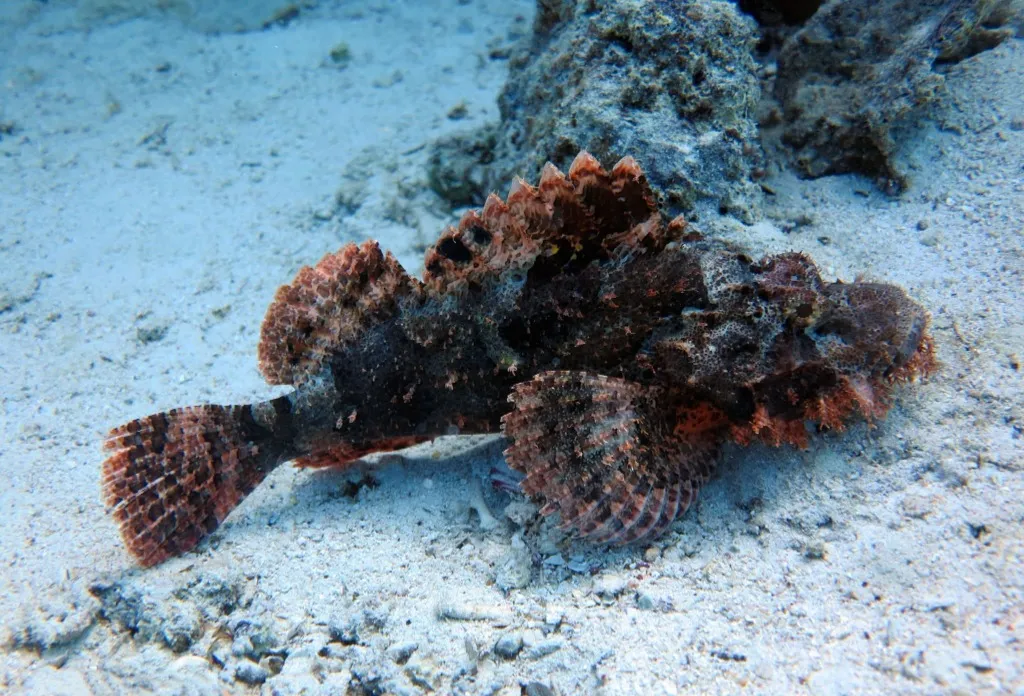
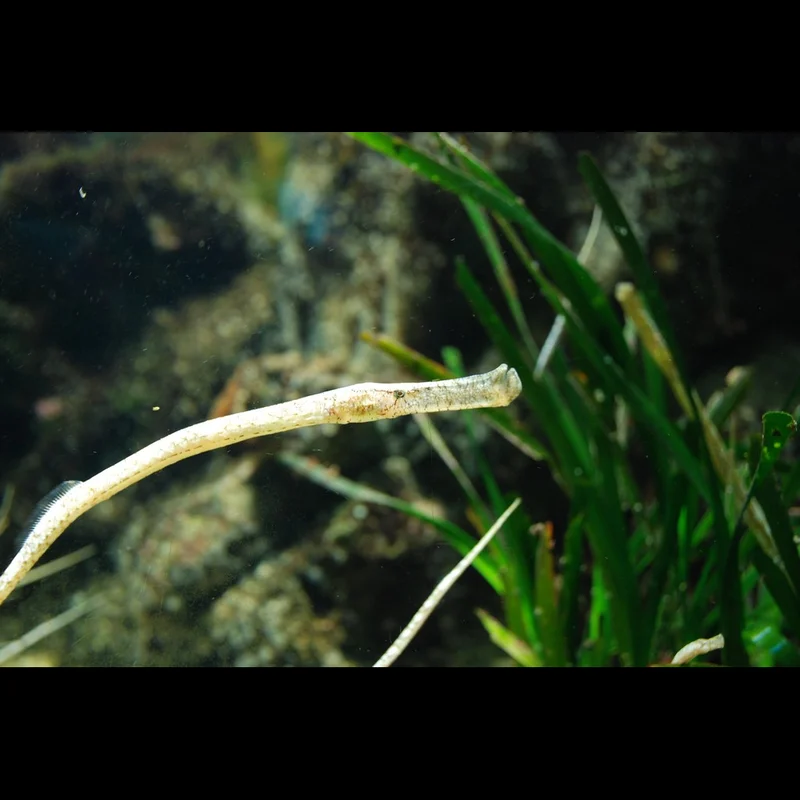
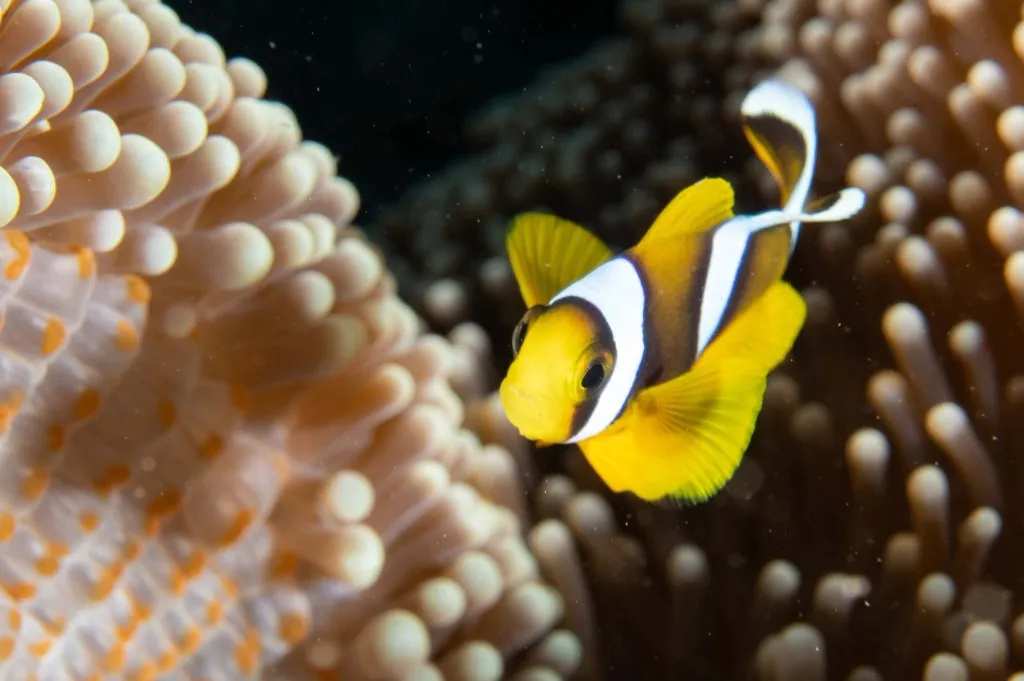
Divers at Vietnamese Bay often first notice the abundance of macro life, particularly in the sandy muck areas. This site is a reliable location to spot a variety of small critters, including seahorses and various species of pipefish.
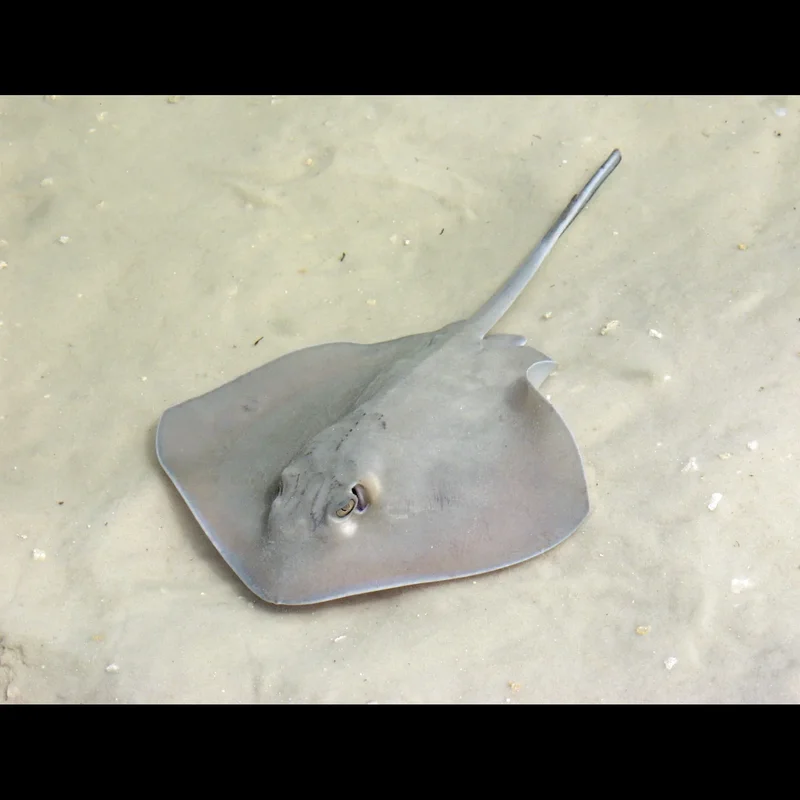
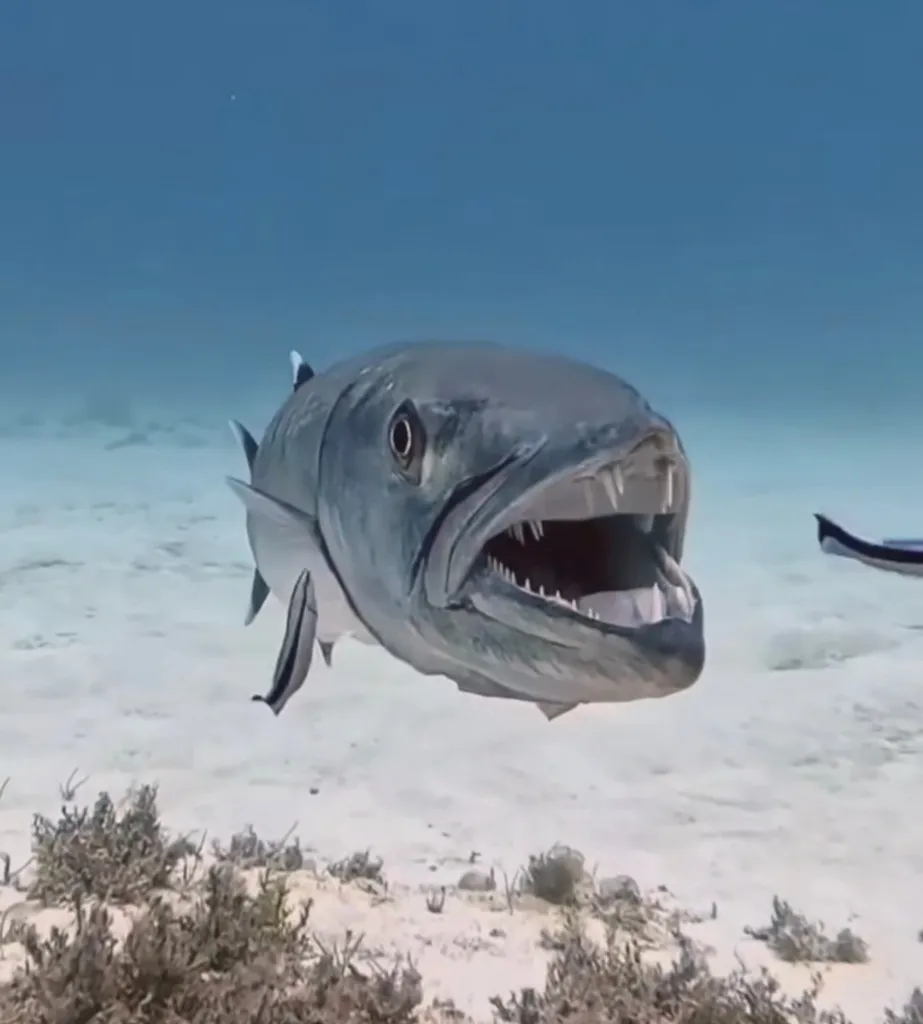
Beyond the smaller inhabitants, reef patches host an array of reef fish like clownfish and sometimes barracudas or scorpionfish. Keep an eye out for nudibranchs along the corals and sand, as well as octopus and stingrays often found nestled in the transition zones between sand and reef.
Dive Sites Near Vietnamese Bay
View all dive sites in CambodiaDiscover more underwater gems in this area.
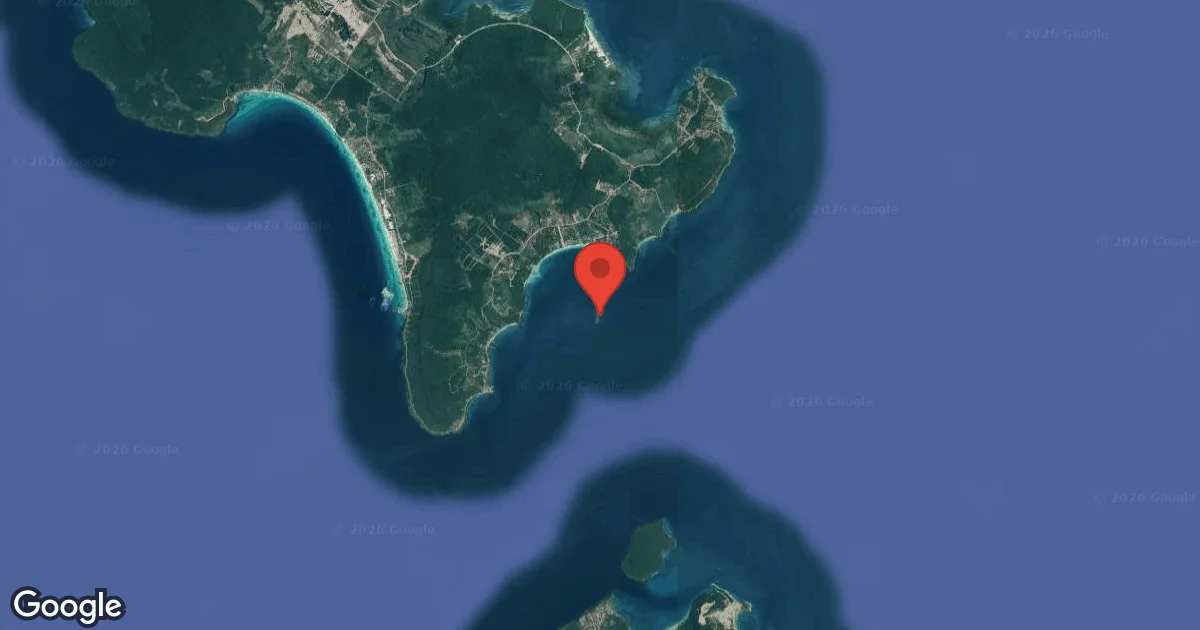
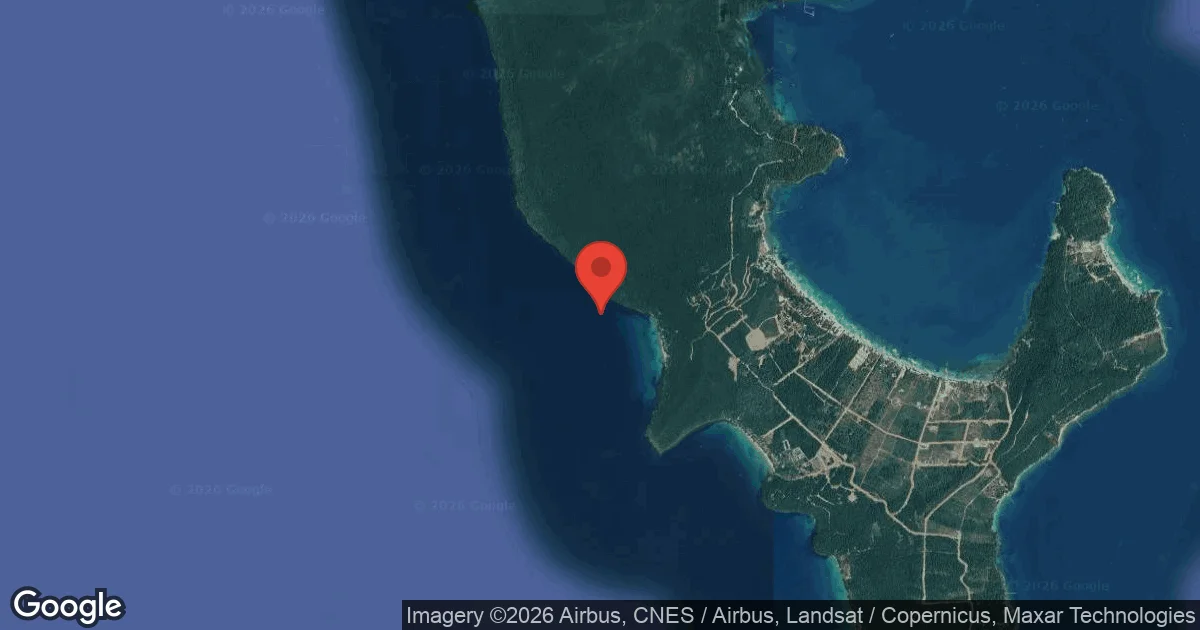
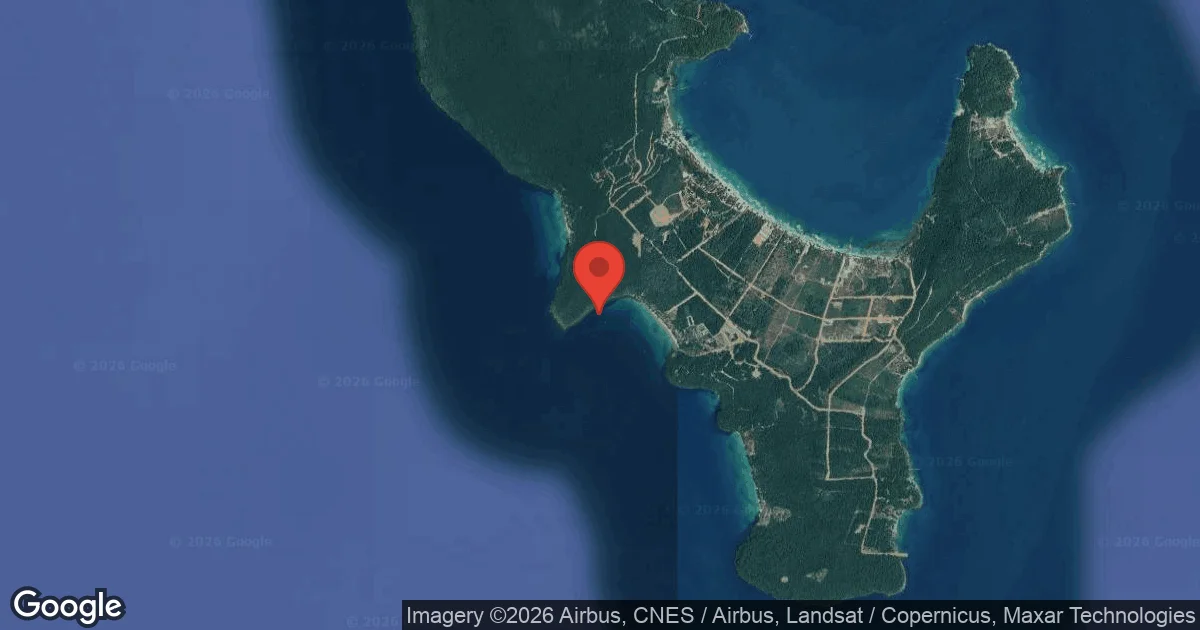
Dive Centers Near Vietnamese Bay
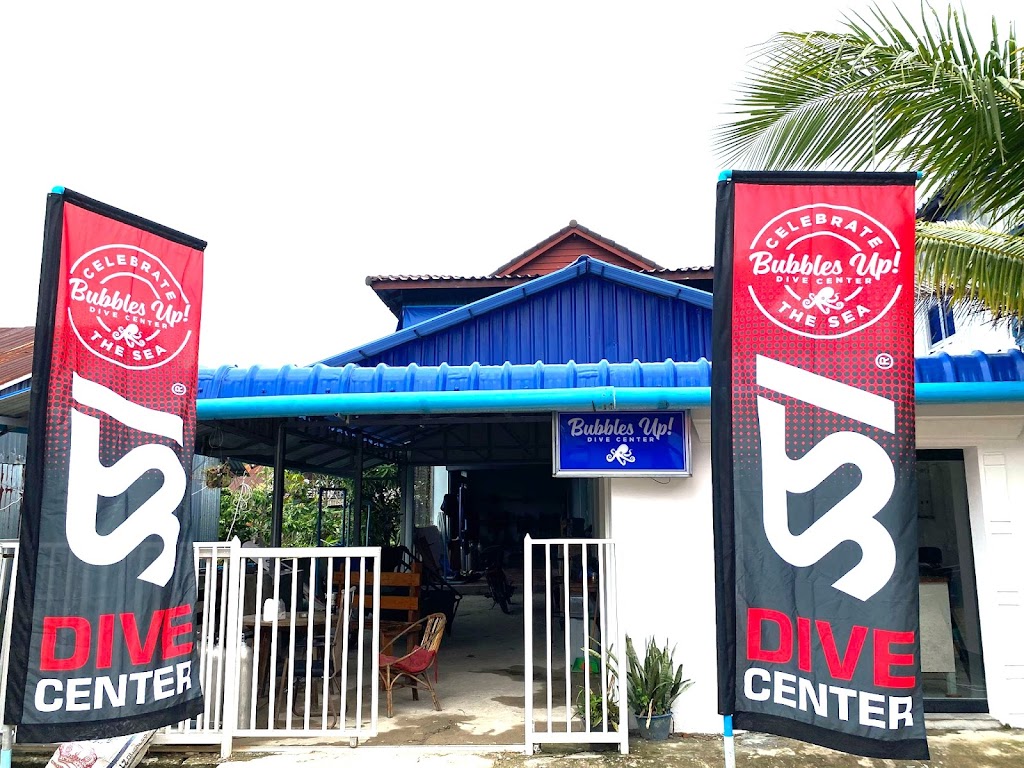
Today: 08:00 - 18:00


Nearest Airports
Nearest airports to help plan travel to this dive area.
Search Flights
Check available flights and routes on Expedia, using the nearby airports listed in this section.
Search Flights on ExpediaFrequently Asked Questions
Do you need a local operator for Vietnamese Bay?
Yes, a local operator is highly recommended, and often required. They provide essential guidance on site-finding, navigating protected-area rules, and understanding the changing bay conditions to ensure a safe and compliant dive.
Is Vietnamese Bay good for beginners?
Yes, Vietnamese Bay is suitable for beginners due to its generally sheltered conditions. The shallower sections and the focus on slow macro diving make it an accommodating site for those developing their skills.
What type of diving is Vietnamese Bay known for?
It's primarily known for its unique combination of muck and reef diving. Divers can expect a slow, macro-focused exploration of sand flats, coral patches, and mangrove-edge habitats, seeking out small critters.
What marine life can I expect to see?
Expect to find a variety of macro life, including seahorses, pipefish, and numerous nudibranchs. You might also encounter octopus, stingrays, and reef fish like clownfish and barracudas on the coral sections.
When is the best time to dive Vietnamese Bay?
The dry season, from December to April, offers the best conditions with calmer seas and minimal rainfall. While diving is possible year-round, these months provide the clearest waters and most comfortable experience.
What is the maximum depth at Vietnamese Bay?
Diving at Vietnamese Bay reaches a maximum depth of approximately 13 m (42 ft), maintaining most of the exploration within recreational limits and focusing on shallower reef and sand features.
Planning to dive Vietnamese Bay?
Send one inquiry and receive offers directly from the best verified local dive operators.
Conditions are Good
07:00 - 14:00
Optimal conditions expected
Current conditions near Vietnamese Bay show 28° air, 30° sea temperature, 0.4 m waves, and 17 km/h wind. Forecast data is refreshed regularly to ensure accuracy.