
Diving at Lower Bala Falls (Canada)
Lower Bala Falls presents an engaging freshwater dive, defined by its distinct underwater topography. Years of natural erosion have sculpted massive bedrock slabs that jut out from the riverbed, creating a dynamic environment to explore. This site offers a gentle drift experience, making for a relaxing dive through its shallow, structured landscape. Divers will find a fascinating blend of unique geological features and accessible conditions, suitable for various skill levels.
At Lower Bala Falls, the ambient air temperature is currently recorded at 12.5°C. This dive site in Canada is operating under normal seasonal weather patterns. Familiarize yourself with the local topography prior to navigating.
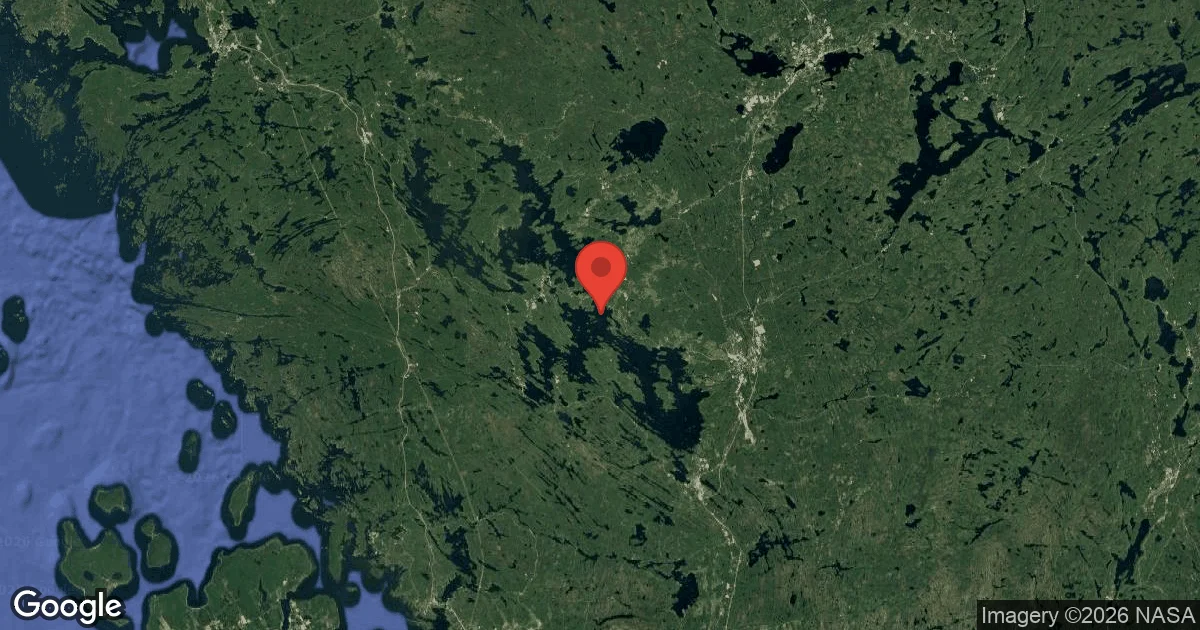
Dive Site Location & Key Facts
Dive Site Overview
Exploring Lower Bala Falls reveals a captivating underwater topography, shaped by years of consistent water flow. Massive bedrock slabs protrude from the bottom, creating an intricate structural environment for divers to navigate.
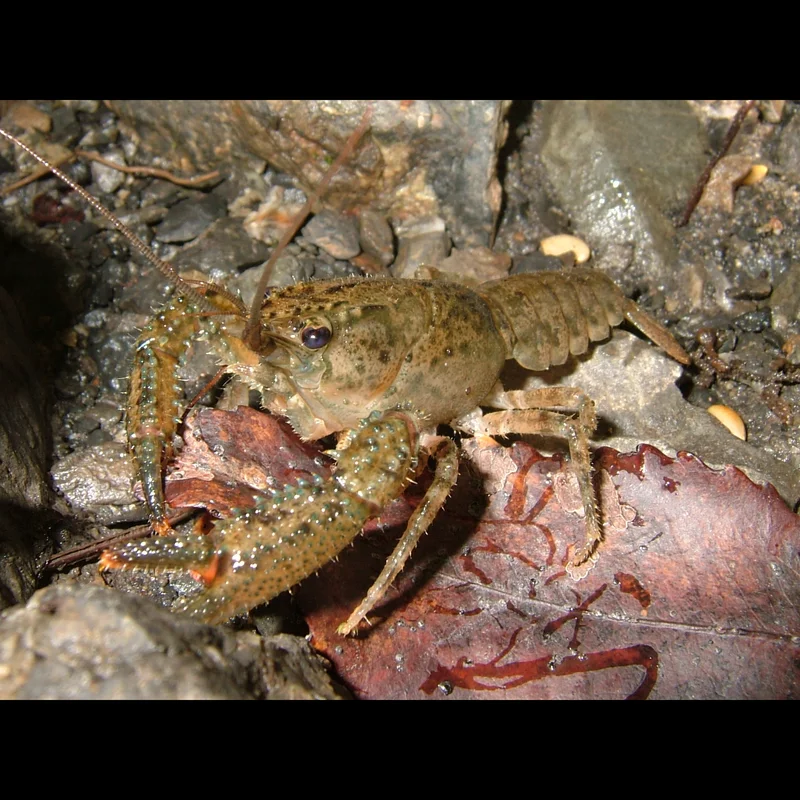
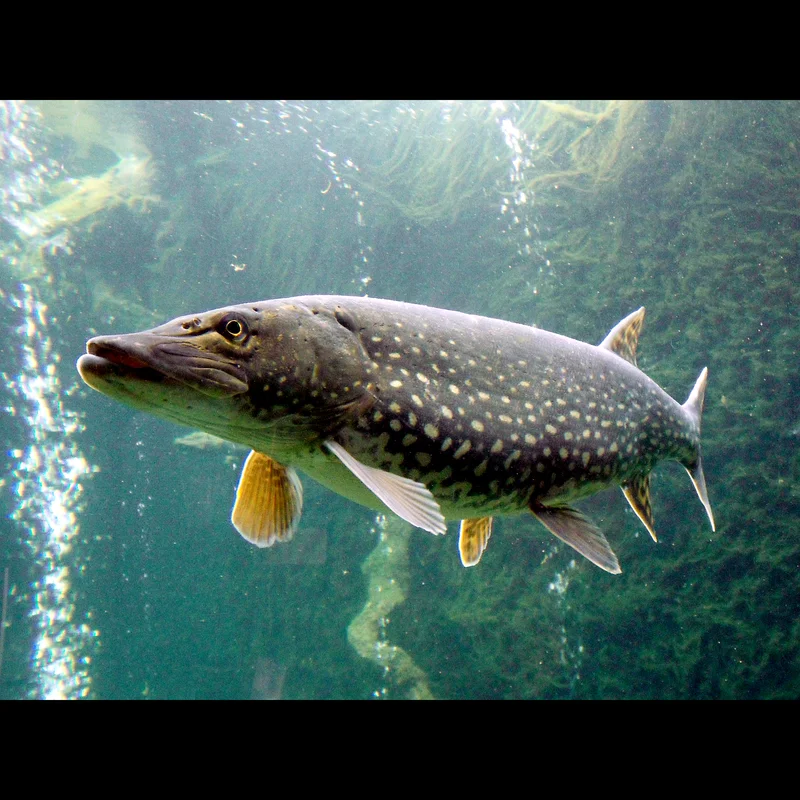
A slight, gentle current characterizes conditions here, making it ideal for a relaxing drift experience that guides exploration through the site. Divers will find shallow depths, consistently around 2 meters (9 ft), allowing for extended bottom times and relaxed observation. Its aquatic environment hosts a range of freshwater species; expect to encounter various bass, pike, sunfish, crayfish, and turtles inhabiting these submerged structures.
Bedrock formations often display vibrant freshwater algae, adding a colorful backdrop to the submerged landscape. Aquatic plants, including lily pads and water lilies in shallower areas, further enhance scenic beauty and provide crucial cover for smaller organisms.
Lower Bala Falls welcomes both novice and experienced divers; beginners comfortably explore calm, shallow sections, while those seeking a gentle challenge enjoy the mild drift through more structured zones. Shore entry is straightforward, contributing significantly to overall site accessibility.
A distinct combination of natural geological features, diverse freshwater life, and a consistent gentle current defines this site's unique diving character.
Conditions are Excellent
07:00 - 14:00
Optimal conditions expected
Current conditions near Lower Bala Falls show 12° air, --° sea temperature, N/A waves, and 12 km/h wind. Forecast data is refreshed regularly to ensure accuracy.
Best Time to Dive
Optimal diving conditions at Lower Bala Falls are typically experienced during the warmer months, specifically from late spring through early autumn. Divers can anticipate more comfortable water temperatures during late summer, which aligns with the highest average air temperatures in July (21°C / 70°F) and August (19.5°C / 67°F). While specific water temperature data is not consistently reported, planning around these periods helps ensure a more pleasant thermal experience. Monthly rainfall totals are relatively low across the peak diving season, with averages ranging from 1.99 mm in September to 4.57 mm in June, suggesting minimal impact on visibility from heavy precipitation. However, visibility can still fluctuate depending on recent weather and water conditions. For diving in colder periods, especially early spring or late autumn when air temperatures drop to around 3°C (37°F) in November or even below freezing, appropriate thermal protection is essential to maintain comfort and safety.
PEAK SEASON SCORE
Scores combine air & water temps, waves, wind & rainfall for overall conditions.
BEST MONTHS TO DIVE
Monthly records compiled from satellite and marine observation nodes over the last 3 years. Data provided by Open-Meteo and MET Norway.
Dive Experience & Conditions
Entry into Lower Bala Falls is easily managed from the shore, offering straightforward access for divers. A gradual depth progression proves particularly beneficial for novice divers, building confidence in a controlled freshwater environment. Shallow areas near the entry point often present calm, manageable conditions, ideal for initial training or leisurely exploration. For certified divers seeking more activity, a gentle current facilitates drift diving, guiding exploration along its course through deeper sections. While maximum depth is limited to approximately 2 meters (9 ft), this allows for extended bottom times and thorough exploration of bedrock formations and aquatic vegetation. Its unique underwater landscape, with jutting bedrock slabs and abundant freshwater flora, provides consistent points of interest regardless of skill level.
Dive Difficulty & Safety Guidelines
When planning a dive at Lower Bala Falls, understanding the prevailing conditions is key to a safe experience. Although the river's current is typically mild and facilitates a relaxing drift, divers should remain aware of its presence. It's advisable to plan your dive trajectory with the current and consider staying closer to the riverbed to mitigate any unexpected pull.
Another significant consideration is boat traffic. This area is a popular recreational spot, so surface marker buoys are essential for indicating your location to passing vessels.
Exercise increased caution during ascents and descents to avoid potential collisions. Furthermore, due to seasonal variations in water temperature, which can range from chilly in spring to more comfortable in late summer, selecting appropriate thermal protection, such as a thick wetsuit or drysuit, is crucial for maintaining comfort and preventing hypothermia.
Recommended Equipment
Current and surface separation risk. Local briefing strongly recommended.
- Dive Computer
- DSMB
- Reel / Spool
This gear list is based on verified equipment signals for Lower Bala Falls, Canada. Always confirm final gear choices with your dive operator, guide, or liveaboard.
Recommended Dive Suit
Divers planning deeper dives may feel cooler than those staying in shallower areas.
Based on regional estimates and current weather, the likely required exposure protection is a thicker wetsuit or drysuit. Note that local currents and upwellings can alter this. A thermal robe or jacket is recommended between dives. Due to unpredictable weather patterns, conditions may change rapidly.
Because recent water temperature readings are not available for Lower Bala Falls, the guidance below is based mainly on current air conditions and seasonal expectations. Current surface air temperatures are roughly 12°C (54°F).
Emergency & Medical Support
Essential information to help you plan your dive trip to Lower Bala Falls.

Hyperbaric chambers are a critical part of dive safety infrastructure. Availability varies significantly by region, and not all dive areas have immediate access.
Before diving, it's recommended to:
- confirm nearest medical facilities
- check emergency procedures with local dive operators
- ensure dive insurance covers evacuation if required
Divers Alert Network
Diving emergency assistance available through DAN World.
+1-919-684-9111- 24/7 emergency hotline
- Diving medical assistance
- Evacuation coordination
Emergency contacts are provided for reference. Always verify local emergency services before diving.
Marine Life at Lower Bala Falls
Exploring the freshwater environment of Lower Bala Falls reveals a vibrant ecosystem thriving among its unique rock formations. Divers can expect to encounter various freshwater fish species, including smallmouth bass and largemouth bass, which often patrol the bedrock structures.
Pike and sunfish are also commonly sighted, moving through the aquatic plants that carpet much of the riverbed. Crayfish can be observed scuttling along the bottom, and turtles occasionally glide through the calmer sections.
The underwater landscape itself is further enhanced by freshwater algae, which provides both a colorful backdrop and a food source for some of the local inhabitants, enriching the overall biodiversity of the site.

Dive Sites Near Lower Bala Falls
View all dive sites in CanadaDiscover more underwater gems in this area.
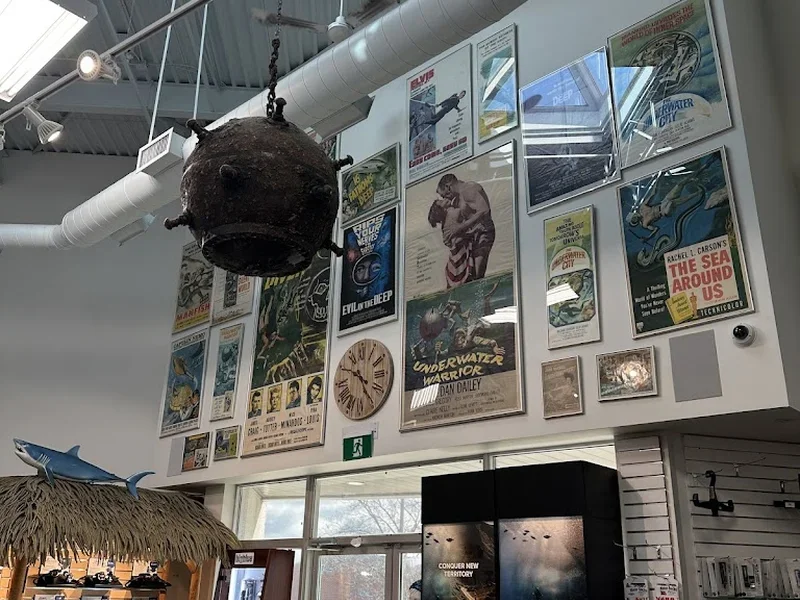
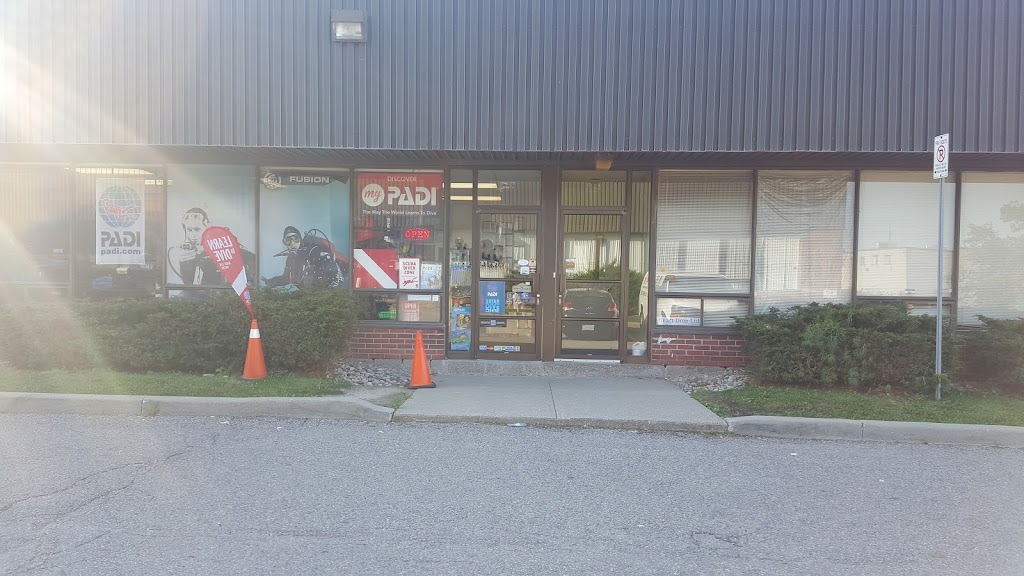
Dive Centers Near Lower Bala Falls
Today: 11:00 - 15:00
Nearest Airports
Nearest airports to help plan travel to this dive area.
Search Flights
Check available flights and routes on Expedia, using the nearby airports listed in this section.
Search Flights on ExpediaFrequently Asked Questions
What is the maximum depth at Lower Bala Falls?
Maximum depth at the site is approximately 2 meters (9 ft). This shallow profile allows for extended bottom times and a relaxed diving experience.
Is Lower Bala Falls suitable for beginner divers?
Yes, it's an excellent site for novice divers. Shallow areas near the shore are calm and manageable, providing a safe environment to build confidence and experience.
What marine life can I expect to see here?
Divers may encounter freshwater species such as smallmouth bass, largemouth bass, pike, and sunfish. Crayfish and turtles are also commonly observed among the aquatic vegetation and rock formations.
What are the main safety considerations for diving at this site?
Key safety considerations include being aware of the river's mild current and potential boat traffic. Divers should use surface marker buoys and exercise caution during ascents and descents.
When is the best time of year to dive at Lower Bala Falls?
Optimal diving occurs from late spring through early autumn, with late summer offering the most comfortable water temperatures. Appropriate thermal protection is recommended for colder months.
What kind of underwater topography defines the site?
Intriguing rock formations, specifically large slabs of bedrock jutting from the bottom, characterize the site. These structures result from years of water erosion, creating an interesting landscape.
Can I do a drift dive at Lower Bala Falls?
Yes, Lower Bala Falls is known for its slight, gentle current, which makes it suitable for relaxing drift dives. Divers can allow the current to guide them along the river's course.
Planning to dive Lower Bala Falls?
Send one inquiry and receive offers directly from the best verified local dive operators.
Conditions are Excellent
07:00 - 14:00
Optimal conditions expected
Current conditions near Lower Bala Falls show 12° air, --° sea temperature, N/A waves, and 12 km/h wind. Forecast data is refreshed regularly to ensure accuracy.