
Diving at Wreck of the Waome (Canada)
For certified divers with an intermediate skill level, the Wreck of the Waome in Lake Muskoka, Canada, presents a compelling cold-water challenge. This site caters to those seeking historical exploration combined with the distinct conditions of a freshwater wreck. It requires solid buoyancy control and an appreciation for low visibility environments.
At Wreck of the Waome, the ambient air temperature is currently recorded at 16.5°C. This dive site in Canada is operating under normal seasonal weather patterns. Familiarize yourself with the local topography prior to navigating.
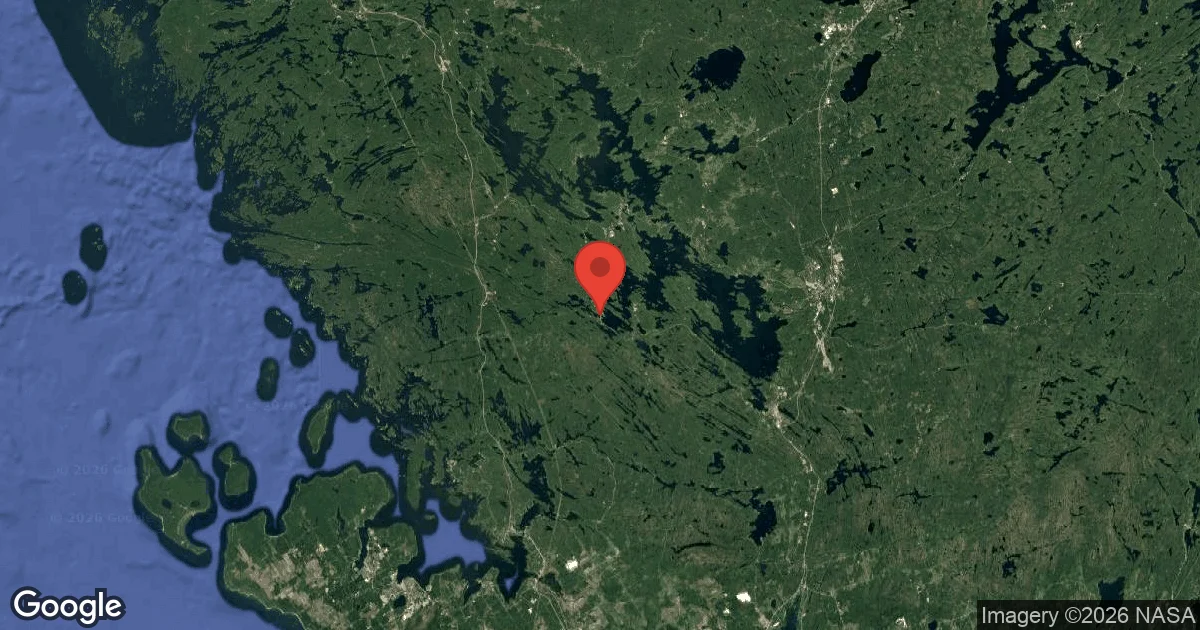
Dive Site Location & Key Facts
Dive Site Overview
A tangible connection to Lake Muskoka's maritime past awaits divers at the Waome. This wooden steamer, originally named the MINK and launched in 1912 from Gravenhurst, tragically met its end in a swift storm on October 6, 1934, near Keewaydin Island.
Its 23.8-meter (78-foot) length and 4.3-meter (14-foot) beam are remarkably preserved, with the vessel resting upright and largely intact on a silt lake bottom at approximately 21 meters (70 feet). Penetration into the wreck is possible, with open cargo doors and a stairway providing access to the lower deck. Divers can explore areas like the wheelhouse, lounge, boiler room, and dining room, observing the structural integrity that remains.
Original white paint still clings to the wood in certain sections, creating an eerie glow under ambient filtered light. Much of the superstructure, including cabins and deck fittings, is recognizable.
This dive site offers dynamic opportunities for exploration, particularly appealing to those comfortable with overhead environments and historical underwater sites.
Conditions are Excellent
07:00 - 14:00
Optimal conditions expected
Current conditions near Wreck of the Waome show 17° air, --° sea temperature, N/A waves, and 11 km/h wind. Forecast data is refreshed regularly to ensure accuracy.
Best Time to Dive
Planning your dive for the warmer months, specifically June through August, generally provides the most comfortable surface conditions for exploring the Waome. During this window, average air temperatures typically range from 18°C to 21°C (64.6°F to 69.6°F), accompanied by relatively low rainfall, which contributes to more pleasant pre- and post-dive experiences. Water temperatures in the summer months usually hover between 18–24°C (64-75°F), creating a significantly more hospitable environment compared to the frigid 0–4°C (32-39°F) observed in winter. Diving remains feasible outside of summer; however, colder conditions and the potential for ice formation necessitate specialized cold-water gear and a heightened level of preparedness. Divers should always check local weather and water conditions before planning a trip, as these can vary significantly.
PEAK SEASON SCORE
Scores combine air & water temps, waves, wind & rainfall for overall conditions.
BEST MONTHS TO DIVE
Monthly records compiled from satellite and marine observation nodes over the last 3 years. Data provided by Open-Meteo and MET Norway.
Dive Experience & Conditions
Encountering the Waome wreck means finding a vessel remarkably upright at its maximum depth of 21 meters (70 feet). This orientation allows divers to appreciate the full structural profile. Water in Lake Muskoka often appears tea-colored, a result of tannic acid, leading to variable visibility between 3 to 15 meters (10 to 49 feet). At depth, conditions are typically very dark, so a powerful dive light is indispensable for both navigation and exploring internal compartments. Currents tend to be mild or entirely absent, and lake environments preclude significant surge. Surrounding the wreck, the lakebed comprises sand, silt, and some rocky patches; the Waome itself settles firmly into a silty foundation.
Dive Difficulty & Safety Guidelines
Navigating the Waome requires understanding wreck diving protocols; an Advanced Certification is highly recommended. Always bring a reliable primary dive light and a backup; dark, tea-colored water significantly limits natural light penetration, especially inside the wreck. As a designated Marine Historical Site by the Province of Ontario, removing any material from the wreck is strictly prohibited.
Divers must be mindful of the silty bottom to avoid disturbing sediment, which rapidly diminishes visibility. Maintaining appropriate buoyancy control throughout the dive, particularly when exploring internal areas, is paramount for both safety and site preservation.
Recommended Equipment
Overhead / entanglement risk. Wreck penetration requires proper training.
- Dive Computer
- Primary & Backup Lights
- Wreck Reel
- Cutting Tool
This gear list is based on verified equipment signals for Wreck of the Waome, Canada. Always confirm final gear choices with your dive operator, guide, or liveaboard.
Recommended Dive Suit
With water temperatures around 17°C (62°F), many divers find a a 5mm or thicker wetsuit provides comfortable protection.
Local dive briefings can provide the most accurate guidance.
Weather patterns are currently shifting, so expect some variability in conditions. A significant temperature drop is forecast; strongly suggest bringing a backup warmer suit option. A warmer option can provide additional comfort if conditions shift.
Emergency & Medical Support
Essential information to help you plan your dive trip to Wreck of the Waome.

Hyperbaric chambers are a critical part of dive safety infrastructure. Availability varies significantly by region, and not all dive areas have immediate access.
Before diving, it's recommended to:
- confirm nearest medical facilities
- check emergency procedures with local dive operators
- ensure dive insurance covers evacuation if required
Divers Alert Network
Diving emergency assistance available through DAN World.
+1-919-684-9111- 24/7 emergency hotline
- Diving medical assistance
- Evacuation coordination
Emergency contacts are provided for reference. Always verify local emergency services before diving.
Marine Life at Wreck of the Waome
Exploring the Waome reveals the wreck itself as a primary habitat, a fascinating aspect of this freshwater dive. Over time, a diverse aquatic ecosystem has developed both in and around its structure.
Divers can expect to observe various aquatic species that have colonized the vessel, effectively turning its historical framework into an artificial reef. Darker conditions mean life forms might present differently or require a closer inspection for full appreciation.
Nevertheless, the wreck's surfaces provide crucial attachment points for organisms unique to freshwater lake environments.
Dive Sites Near Wreck of the Waome
View all dive sites in CanadaDiscover more underwater gems in this area.
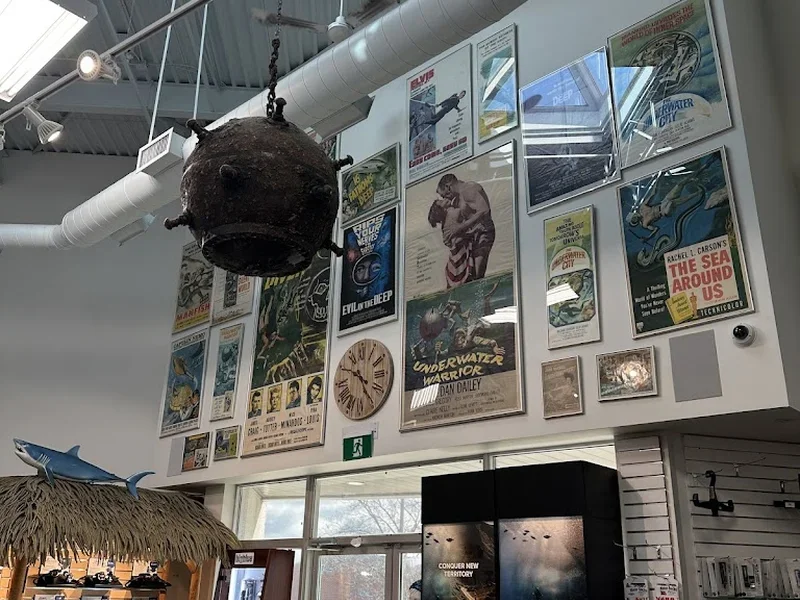
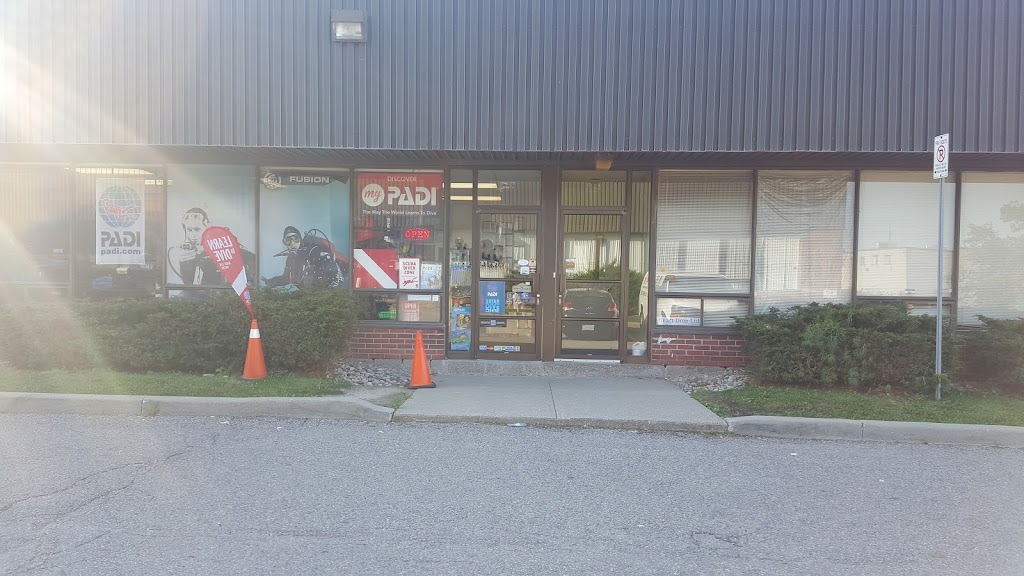
Dive Centers Near Wreck of the Waome
Today: 11:00 - 19:30
Nearest Airports
Nearest airports to help plan travel to this dive area.
Search Flights
Check available flights and routes on Expedia, using the nearby airports listed in this section.
Search Flights on ExpediaFrequently Asked Questions
What is the history of the Waome wreck?
Originally named the MINK, the Waome was a wooden steamer built in 1912. It sank on October 6, 1934, during a storm on Lake Muskoka, resulting in two lives lost. Measuring 23.8 meters (78 feet) long, the ship now rests remarkably intact.
What is the maximum depth of the dive?
Waome wreck sits upright on the lake bottom at approximately 21 meters (70 feet). Reaching this point marks the maximum depth divers experience when exploring the vessel.
What are the typical visibility conditions?
Visibility at the Waome typically ranges from 3 to 15 meters (10 to 49 feet). Water is often tea-colored due to tannic acid, making it quite dark at depth and requiring dive lights.
Can divers penetrate the Waome wreck?
Yes, penetration of the Waome is possible. Divers can explore areas like the wheelhouse, lounge, cargo area, and engine room, with open cargo doors allowing for swim-throughs on the second deck.
Are there any special regulations for diving this site?
As a Marine Historical Site in Ontario, the Waome is protected. It is illegal to remove any material from the wreck. Divers should respect the site's historical significance.
What is the best time of year to dive the Waome?
Best time to dive the Waome is during the warmer summer months, from June to August. Surface air temperatures are more comfortable, and water temperatures reach their highest, ranging from 18–24°C (64-75°F).
Planning to dive Wreck of the Waome?
Send one inquiry and receive offers directly from the best verified local dive operators.
Conditions are Excellent
07:00 - 14:00
Optimal conditions expected
Current conditions near Wreck of the Waome show 17° air, --° sea temperature, N/A waves, and 11 km/h wind. Forecast data is refreshed regularly to ensure accuracy.