
Diving at Shanty Bay (Canada)
For divers seeking a unique freshwater training ground or a leisurely exploration, Shanty Bay presents an accessible and intriguing option. This site allows for easy beach entry, leading into a gradual descent that supports a range of skill levels from beginner to advanced. Its structured navigation line guides divers through a fascinating collection of deliberately sunken boats and other underwater features, making it ideal for practice and developing navigation skills in a controlled lake environment.
The latest environmental reading at Shanty Bay indicates an air temperature of 17°C. The regional climate in Canada is aligning with expected historical averages. Prepare your gear according to these specific local conditions.
Dive Site Location & Key Facts
Dive Site Overview
Exploring Shanty Bay's underwater landscape offers a distinctive Canadian freshwater diving experience. This local entry site is particularly well-suited for both training and recreational excursions, featuring a straightforward beach access point that simplifies gear setup and entry.
Divers find it an ideal location for skill development, from refining buoyancy control to practicing advanced navigation techniques. Beneath the surface, divers will discover a meticulously arranged network of half a dozen sunken boats, purposefully placed to create an engaging underwater environment. These vessels are integrated with a variety of other submerged items, all interconnected by a comprehensive navigation line.
This line serves as a reliable guide, enhancing orientation and providing a clear path for exploring the site's unique features. The site's slow, gradual descent offers flexibility for various dive profiles, accommodating divers seeking shallower training depths or those venturing deeper, with the bottom extending well beyond 30 m / 100 ft.
This extensive depth range supports both fundamental open water practice and more advanced technical training scenarios. Whether refining buoyancy, practicing navigation, or simply enjoying the novelty of lake wrecks, Shanty Bay consistently provides a rewarding outing.
Visibility here often presents favorably, proving especially good during spring and early summer months; however, conditions can vary depending on local weather patterns and currents, as is common in large freshwater bodies. This spot serves as an excellent resource for divers to sharpen their skills and comfortably engage in unguided exploration of its unique submerged features, making it a valuable asset for the local diving community.
Conditions are Excellent
07:00 - 14:00
Optimal conditions expected
Current conditions near Shanty Bay show 17° air, --° sea temperature, N/A waves, and 18 km/h wind. Forecast data is refreshed regularly to ensure accuracy.
Best Time to Dive
While Shanty Bay offers year-round opportunities for determined divers, the most favorable conditions for general recreational diving typically occur from late spring through early fall. The months of May through September consistently receive 'Good' dive scores of 8, correlating with significantly warmer air temperatures. For instance, July and August see average air temperatures reaching 21.5°C / 71°F and 19.5°C / 67°F respectively, making surface intervals much more comfortable. Rainfall during these peak months remains low, averaging around 2.7-2.8 mm. Visibility is also often at its best in spring and early summer, contrasting with potentially colder, harsher conditions and thicker ice cover during the colder winter months when air temperatures regularly drop below freezing.
PEAK SEASON SCORE
Scores combine air & water temps, waves, wind & rainfall for overall conditions.
BEST MONTHS TO DIVE
Monthly records compiled from satellite and marine observation nodes over the last 3 years. Data provided by Open-Meteo and MET Norway.
Dive Experience & Conditions
The dive site at Shanty Bay provides a consistent beach entry point with a gradual slope, allowing divers to comfortably manage their descent. Depths extend considerably, supporting both recreational and technical training scenarios. Diver comfort is paramount, as water temperatures in the Great Lakes vary from cold to cool throughout the year. Appropriate exposure protection, such as a drysuit or thick 7mm wetsuit, is essential for maintaining warmth during dives. While visibility can be excellent, particularly in the spring and early summer, it's subject to local weather conditions and currents. The freshwater environment, distinct from ocean diving, means less buoyancy compensation is needed compared to saltwater.
Dive Difficulty & Safety Guidelines
Navigating Shanty Bay requires adherence to responsible diving practices to ensure a safe and enjoyable experience. Given the cold to cool water temperatures, selecting adequate exposure protection, including a drysuit or a substantial wetsuit, hood, gloves, and boots, isn't optional—it's critical for preventing hypothermia.
Divers should always plan their dives and dive their plan, particularly when exploring the navigation line and sunken features. It's important to remember that local charters often act as a taxi service, typically not providing a divemaster in the water.
Divers should arrange for an appropriate dive buddy or consider signing up for a Discover Local Scuba Diving course with a PADI professional if they are unfamiliar with local conditions.
Recommended Equipment
- Dive Computer
This gear list is based on verified equipment signals for Shanty Bay, Canada. Always confirm final gear choices with your dive operator, guide, or liveaboard.
Recommended Dive Suit
Because recent water temperature readings are not available for Shanty Bay, the guidance below is based mainly on current air conditions and seasonal expectations. Current surface air temperatures are roughly 17°C (63°F).
Based on regional estimates and current weather, the likely required exposure protection is a 5mm or thicker wetsuit. Note that local currents and upwellings can alter this.
Weather patterns are currently shifting, so expect some variability in conditions. A significant temperature drop is forecast; strongly suggest bringing a backup warmer suit option. Some divers prefer carrying a slightly thicker suit as a backup.
Emergency & Medical Support
Essential information to help you plan your dive trip to Shanty Bay.

Hyperbaric chambers are a critical part of dive safety infrastructure. Availability varies significantly by region, and not all dive areas have immediate access.
Before diving, it's recommended to:
- confirm nearest medical facilities
- check emergency procedures with local dive operators
- ensure dive insurance covers evacuation if required
Divers Alert Network
Diving emergency assistance available through DAN World.
+1-919-684-9111- 24/7 emergency hotline
- Diving medical assistance
- Evacuation coordination
Emergency contacts are provided for reference. Always verify local emergency services before diving.
Marine Life at Shanty Bay
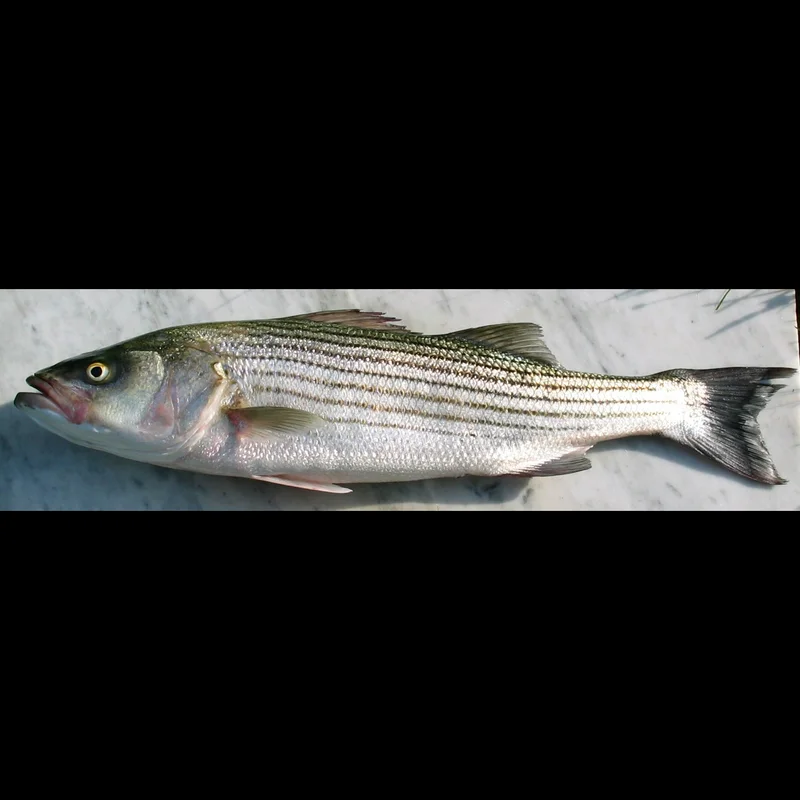
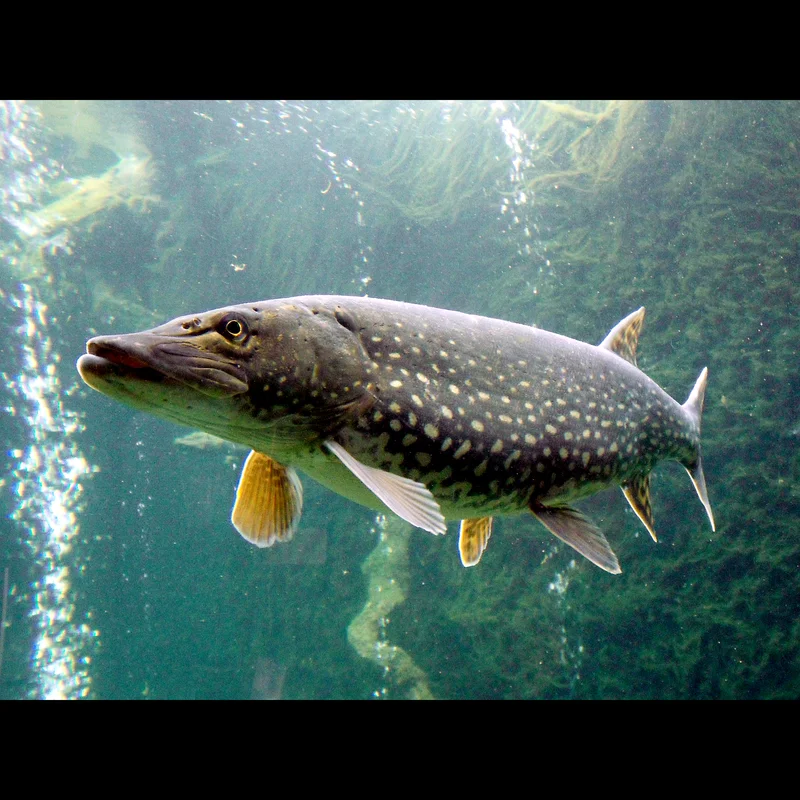
Beneath the surface of Shanty Bay, aquatic life adapted to the Great Lakes' freshwater environment can be observed. While not as diverse as tropical reefs, divers may encounter various native fish species such as trout, salmon, bass, pike, and walleye, alongside smaller schooling fish.
The sunken boats and other items act as artificial reefs, attracting communities of algae, mussels, and other invertebrates. Exploring these submerged structures provides unique opportunities to observe how freshwater ecosystems thrive around artificial habitats.

Dive Sites Near Shanty Bay
View all dive sites in CanadaDiscover more underwater gems in this area.
Dive Centers Near Shanty Bay

Today: 11:00 - 19:30


Nearest Airports
Nearest airports to help plan travel to this dive area.
Search Flights
Check available flights and routes on Expedia, using the nearby airports listed in this section.
Search Flights on ExpediaFrequently Asked Questions
What kind of dive site is Shanty Bay?
Shanty Bay is a freshwater lake dive site in Ontario, Canada, primarily known for its accessible beach entry and a collection of sunken boats and items connected by a navigation line. It's often used for training and recreational dives.
What depths can be reached at Shanty Bay?
The site offers a slow, gradual descent that can reach depths beyond 30 m / 100 ft. This makes it suitable for divers with various certification levels, from beginners to those undergoing deeper training.
When is the best time to dive at Shanty Bay?
The most comfortable time for recreational diving is typically from late spring through early fall, specifically May to September. During these months, air temperatures are warmer, and visibility is often at its best, though diving is possible year-round with appropriate cold-water gear.
What marine life can I expect to see?
Divers in Shanty Bay's freshwater environment can encounter various fish species like trout, salmon, bass, pike, and walleye. The sunken structures also attract smaller fish, algae, mussels, and other invertebrates, forming artificial reef ecosystems.
What exposure protection is needed for diving here?
Due to the cold to cool water temperatures in the Great Lakes, a drysuit or a thick 7mm wetsuit is highly recommended. Essential accessories include a hood, gloves, and boots to ensure warmth and comfort throughout your dive.
Are there divemasters available on local charters?
It's important to note that many local charters primarily provide transportation to dive sites and may not include a divemaster onboard or in the water. Divers should plan accordingly, dive with a buddy, or arrange for a guided experience with a professional if needed.
Planning to dive Shanty Bay?
Send one inquiry and receive offers directly from the best verified local dive operators.
Conditions are Excellent
07:00 - 14:00
Optimal conditions expected
Current conditions near Shanty Bay show 17° air, --° sea temperature, N/A waves, and 18 km/h wind. Forecast data is refreshed regularly to ensure accuracy.