
Diving at Lake Simcoe (Canada)
Simcoe has been a locale for freshwater diving exploration in Ontario for decades. Its accessibility, particularly from the shores near Barrie, has made it a consistent training ground for local divers. While precise historical records of specific dive sites are limited, this expansive body of water's long-standing presence in the regional diving community reflects its enduring appeal for those seeking inland adventures. Generations of divers have navigated its depths, contributing to its quiet legacy as a foundational training and exploration spot.
At Lake Simcoe, the ambient air temperature is currently recorded at 12.5°C. This dive site in Canada is operating under normal seasonal weather patterns. Familiarize yourself with the local topography prior to navigating.
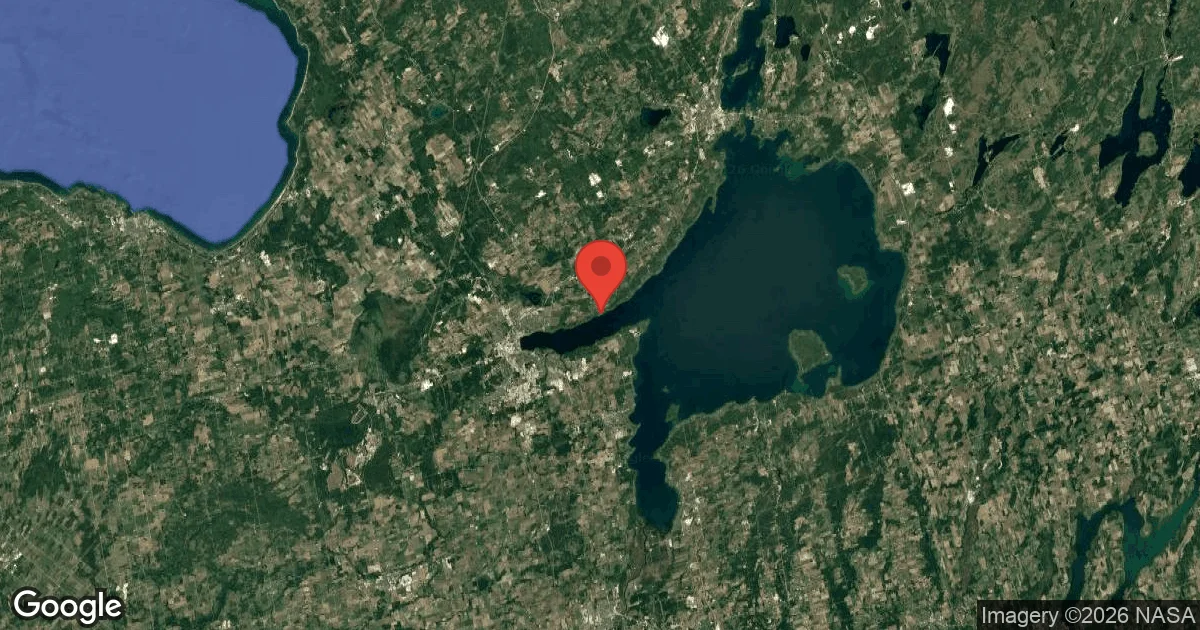
Dive Site Location & Key Facts
Dive Site Overview
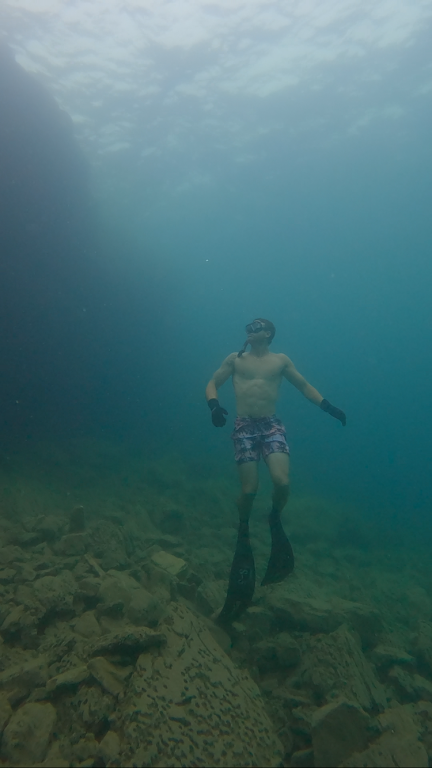
This freshwater environment offers a vast expanse with diverse underwater topography. Divers generally find gently sloping bottoms that gradually transition into deeper sections, typical of large inland bodies of water.
These submerged slopes often consist of soft sediments, dictating specific finning techniques to avoid disturbing visibility. Shoreline entries are quite common, providing straightforward access for both training and recreational dives, especially from publicly accessible points around its perimeter. While specific known sites like "the Morrison" are occasionally mentioned in local dive circles, the typical dive experience here involves navigating across sediment-laden terrain that steadily descends into the basin's cooler thermoclines.
Reaching maximum depths often means entering waters well beyond recreational limits, though many accessible entry points cater to shallower, recreational diving and skill development, typically within 18 m (60 ft). This underwater landscape lacks intricate coral formations.
Instead, its allure lies in discovering subtle natural contours, submerged historical elements, and adapting to the freshwater ecosystem; expect a subdued visual experience. An overall sense of quiet exploration pervades this large, often dark basin, demanding attentiveness to navigation and buoyancy.
Conditions are Excellent
07:00 - 14:00
Optimal conditions expected
Current conditions near Lake Simcoe show 13° air, --° sea temperature, N/A waves, and 15 km/h wind. Forecast data is refreshed regularly to ensure accuracy.
Best Time to Dive
Diving conditions at this large freshwater body fluctuate significantly throughout the year, presenting distinct experiences depending on the season. During the warmer months from May through October, surface air temperatures range between 10.5°C (51°F) and 21°C (70°F), generally aligning with more comfortable topside preparations. These periods also see reduced wind speeds, typically around 14.8 to 18.8 km/h, which can lead to calmer surface conditions. Conversely, winter months from December to March bring average air temperatures dropping to -6.5°C (44°F) to 0.5°C (33°F), requiring specialized drysuit diving and often ice diving techniques. While rainfall is consistently low year-round, averaging 2.2 to 4.1 mm per month, water temperatures within the basin remain cold regardless of the season, necessitating appropriate thermal protection. Many divers prefer late spring to early autumn for ease of access and surface comfort, though dedicated ice divers explore its frozen surface in winter.
PEAK SEASON SCORE
Scores combine air & water temps, waves, wind & rainfall for overall conditions.
BEST MONTHS TO DIVE
Monthly records compiled from satellite and marine observation nodes over the last 3 years. Data provided by Open-Meteo and MET Norway.
Dive Experience & Conditions
Entering this freshwater environment from its accessible shorelines typically marks the start of a dive experience that feels distinctly cold and often dark. Divers preparing for a plunge should anticipate cool water immediately, regardless of surface air temperatures; conditions are consistently described as chilly. Visibility varies depending on recent weather, boat traffic, and suspended sediments, but it isn't consistently reported as excellent, sometimes presenting a low-light environment. Strong thermoclines are expected at depth, further contributing to the chill. Depths vary from shallow training areas to deeper recreational limits, with some sections extending to more advanced technical ranges. Surface currents are usually minimal, but wind can generate surface chop, potentially affecting entry and exit at shallower locations.
Dive Difficulty & Safety Guidelines
Cold, dark conditions pose the primary challenge for diving at this site, necessitating careful planning and appropriate gear. Divers must prepare for significantly cold water, making drysuit proficiency and redundant thermal protection crucial. Limited visibility is also a frequent factor, requiring effective dive lights and maintaining close contact with buddies.
While explicit safety hazards are not consistently reported, anecdotal mentions suggest a potential for "falling rocks" near wall-like features, though this specific warning might relate to other inland bodies of water. Ice diving during winter carries inherent risks, as evidenced by past incidents, demanding specialized training and strict safety protocols.
Always carry a surface marker buoy and dive flag, especially in areas with potential boat traffic. Thorough pre-dive checks and conservative dive planning are essential for a safe experience.
Recommended Equipment
- Dive Computer
- Hard-soled Dive Boots
This gear list is based on verified equipment signals for Lake Simcoe, Canada. Always confirm final gear choices with your dive operator, guide, or liveaboard.
Recommended Dive Suit
Based on regional estimates and current weather, the likely required exposure protection is a thicker wetsuit or drysuit. Note that local currents and upwellings can alter this. A thermal robe or jacket is recommended between dives.
Because recent water temperature readings are not available for Lake Simcoe, the guidance below is based mainly on current air conditions and seasonal expectations. Current surface air temperatures are roughly 13°C (55°F).
Due to unpredictable weather patterns, conditions may change rapidly. Cooler days are ahead; you might want a warmer option for later in the week. Having a second exposure option available is often a good precaution.
Emergency & Medical Support
Essential information to help you plan your dive trip to Lake Simcoe.

Hyperbaric chambers are a critical part of dive safety infrastructure. Availability varies significantly by region, and not all dive areas have immediate access.
Before diving, it's recommended to:
- confirm nearest medical facilities
- check emergency procedures with local dive operators
- ensure dive insurance covers evacuation if required
Divers Alert Network
Diving emergency assistance available through DAN World.
+1-919-684-9111- 24/7 emergency hotline
- Diving medical assistance
- Evacuation coordination
Emergency contacts are provided for reference. Always verify local emergency services before diving.
Marine Life at Lake Simcoe
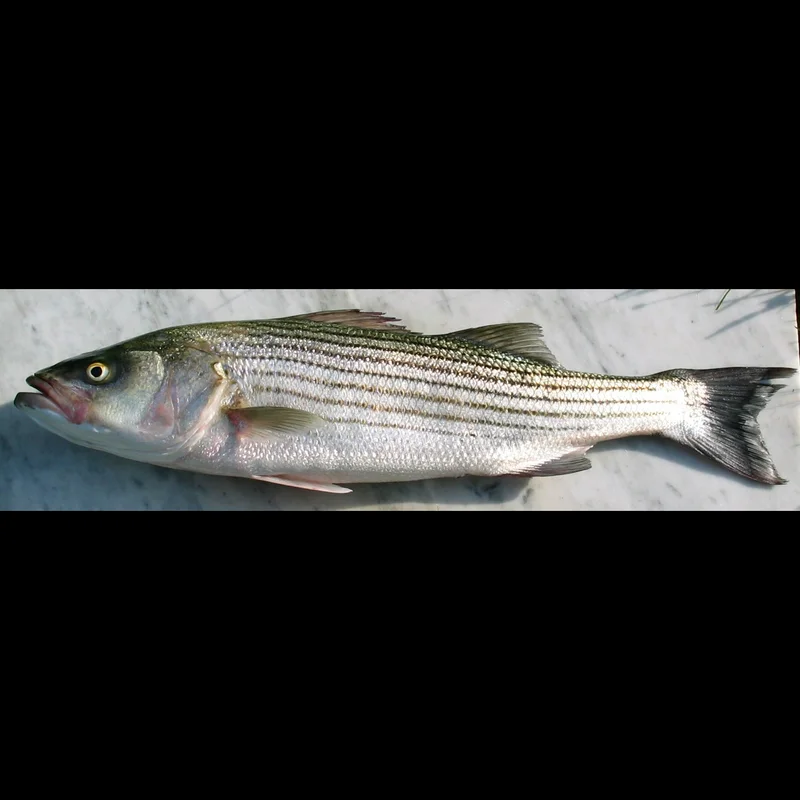
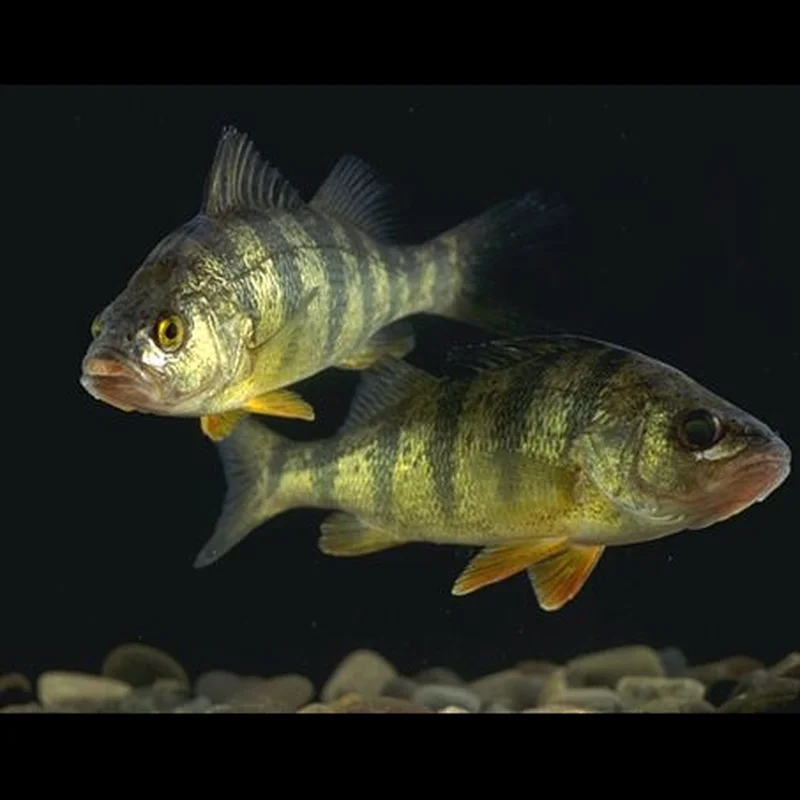
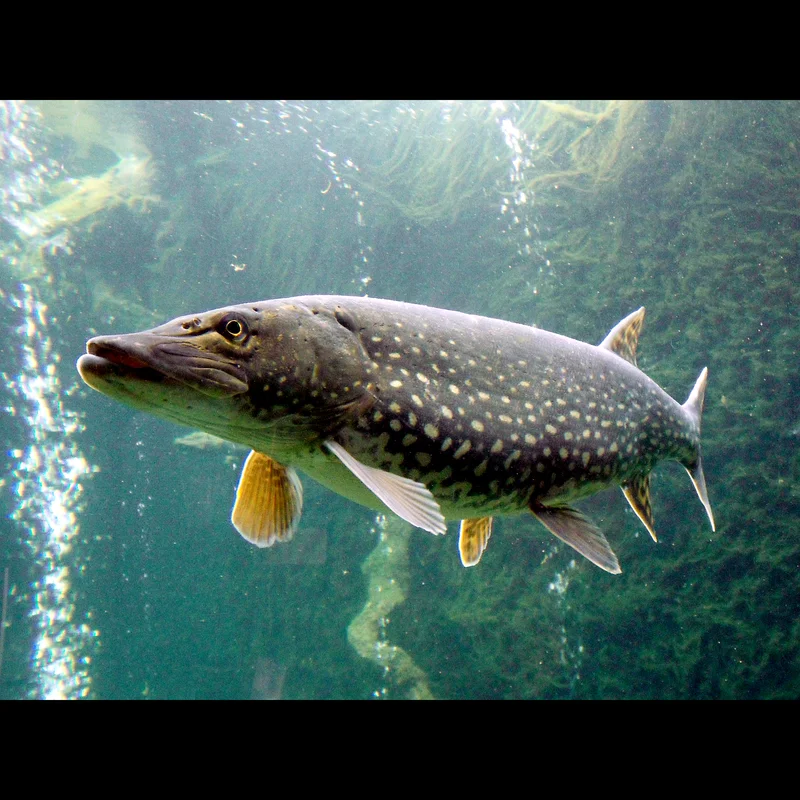
Underneath this body of water's surface, divers generally observe a specific freshwater ecosystem. Common sightings typically include various species of cold-water fish, such as perch, pike, and bass, often found navigating along submerged vegetation or hiding among structural elements.
Invertebrates and freshwater crustaceans also populate the basin's bed. While this freshwater environment doesn't host vibrant coral reefs or large pelagic ocean life, its local aquatic flora and fauna create a distinct, subdued environment.
Patience and a keen eye can reveal smaller creatures adapted to this habitat. The overall marine life experience leans towards subtle observation rather than abundant, large animal encounters.
Dive Sites Near Lake Simcoe
View all dive sites in CanadaDiscover more underwater gems in this area.
Dive Centers Near Lake Simcoe

Today: 11:00 - 19:30


Nearest Airports
Nearest airports to help plan travel to this dive area.
Search Flights
Check available flights and routes on Expedia, using the nearby airports listed in this section.
Search Flights on ExpediaFrequently Asked Questions
Is this freshwater body suitable for beginner divers?
Yes, many sections of this expansive inland environment, particularly shallower entry points, are used for dive training. However, the cold water and potential for lower visibility mean beginners should be comfortable with these conditions and dive with an experienced guide or instructor.
What is the typical water temperature at this site?
Specific water temperature data for this location is not consistently reported, but it is universally described as cold. Divers should prepare for chilly conditions year-round, requiring substantial thermal protection like a drysuit.
What kind of visibility can I expect at this location?
Visibility in this body of water varies significantly, influenced by factors such as weather, recent rainfall, and sediment disturbance. Expect conditions ranging from moderate to limited, particularly at deeper recreational depths, making a dive torch highly recommended.
Are there any specific dive sites mentioned for this freshwater basin?
Local discussions occasionally refer to a site known as "the Morrison" within this freshwater environment. Detailed information about specific dive site features or attractions for this location beyond general inland diving is not widely published.
Can you do ice diving at this location?
Yes, this body of water is known to be a location for ice diving during the winter months. This activity requires specialized training, equipment, and adherence to strict safety protocols due to the extreme cold and overhead environment.
Is shore entry common at this site?
Shore entry is very common and accessible at this location, especially from various shoreline areas around its perimeter. This makes it convenient for divers, including those undergoing training or conducting recreational dives.
Planning to dive Lake Simcoe?
Send one inquiry and receive offers directly from the best verified local dive operators.
Conditions are Excellent
07:00 - 14:00
Optimal conditions expected
Current conditions near Lake Simcoe show 13° air, --° sea temperature, N/A waves, and 15 km/h wind. Forecast data is refreshed regularly to ensure accuracy.