Loading...

Diving at Hilma Hooker (Caribbean Netherlands)
Published
Last updated
Resting intact on her starboard side in a bright white-sand corridor between Bonaire's twin southern coral ridges, the Hilma Hooker shipwreck at Marine Park Site #43 is the signature wreck dive of the Caribbean Netherlands. Built in the Netherlands in 1951 as a 71.8 m / 236 ft steel freighter and sunk on 12 September 1984 months after customs officers seized 11,000 kg / 25,000 lb of contraband marijuana aboard, her hull spans from 18 m / 60 ft along the upper port rail down to 30 m / 100 ft on the sand. Accessible directly from shore or via two public boat moorings for Intermediate and Advanced divers, the site pairs effortless navigation with vibrant double-reef coral slopes.
Tonight's objective overview for Hilma Hooker shows an air temperature of 29°C. The measured surface conditions include wave heights around 1.3 m. This environmental data is logged for the close of the day.
Dive Site Location & Key Facts
Site Characteristics
Max Depth30m / 98ft
Entry TypeBoat & Shore
Water Typesalt
Dive Types
DeepReefWreck
Dive Site Overview
Launched in May 1951 at the Van der Giessen shipyard in the Netherlands as Midsland (IMO 5234515), this 71.8 m / 236 ft coastal cargo freighter sailed under several names across European and Caribbean trade routes before limping into Kralendijk with engine trouble in June 1984. Suspecting smuggling, Bonairian customs and police officers boarded the freighter, cut through a false bulkhead, and uncovered 11,000 kg / 25,000 lb of marijuana, detaining the crew while the owners vanished.
With her deteriorating hull leaking at the town pier, harbor authorities towed the freighter south past Punt Vierkant to anchor over open sand between The Lake (#42) and Angel City (#44) inside the protected marine park established under the Eilandsbesluit onderwaterpark Bonaire decree. On 12 September 1984, she rolled smoothly onto her starboard beam and settled cleanly in the white sand valley separating Bonaire's inner and outer coral ridges—the northern starting point of the island's famous southern double-reef system mapped by Wageningen University marine research.
Lying upright enough to trace her entire silhouette in a single pass, the intact propeller, rudder, twin cargo holds, bridge house, and sand-buried masts at 30 m / 100 ft have accumulated four decades of sponges, orange cup corals, and gorgonians.
Hilma Hooker
Conditions are Good
7/10
Confidence: 8/10
Indicates meteorological model agreement and data availability.
Best Dive Window
Optimal conditions expected
06:12
18:45
H: 10:45
L: 16:20
Air / Sea Temp
29° / 29°
Wave Height
1.4 m
Wind Speed
37 km/h E
Rain Chance
0%
Current conditions near Hilma Hooker show 29° air, 29° sea temperature, 1.4 m waves, and 37 km/h wind. Forecast data is refreshed regularly to ensure accuracy.
Radius: ~12km
Updated: Nov 23, 2026, 11:13 local timeMARINE: OPEN-METEOWEATHER: YR.NO
Best Time to Dive
Positioned at 12 degrees north latitude outside the main Atlantic hurricane belt, Hilma Hooker offers reliable 365-day diving along Bonaire's leeward southwest coast with visibility averaging 25 to 30 m / 80 to 100 ft. Multi-year reef monitoring shows sea temperatures ranging from 26 to 27°C / 79 to 81°F between January and April up to 28 to 29°C / 82 to 84°F (peaking near 30°C / 86°F) from August through November.
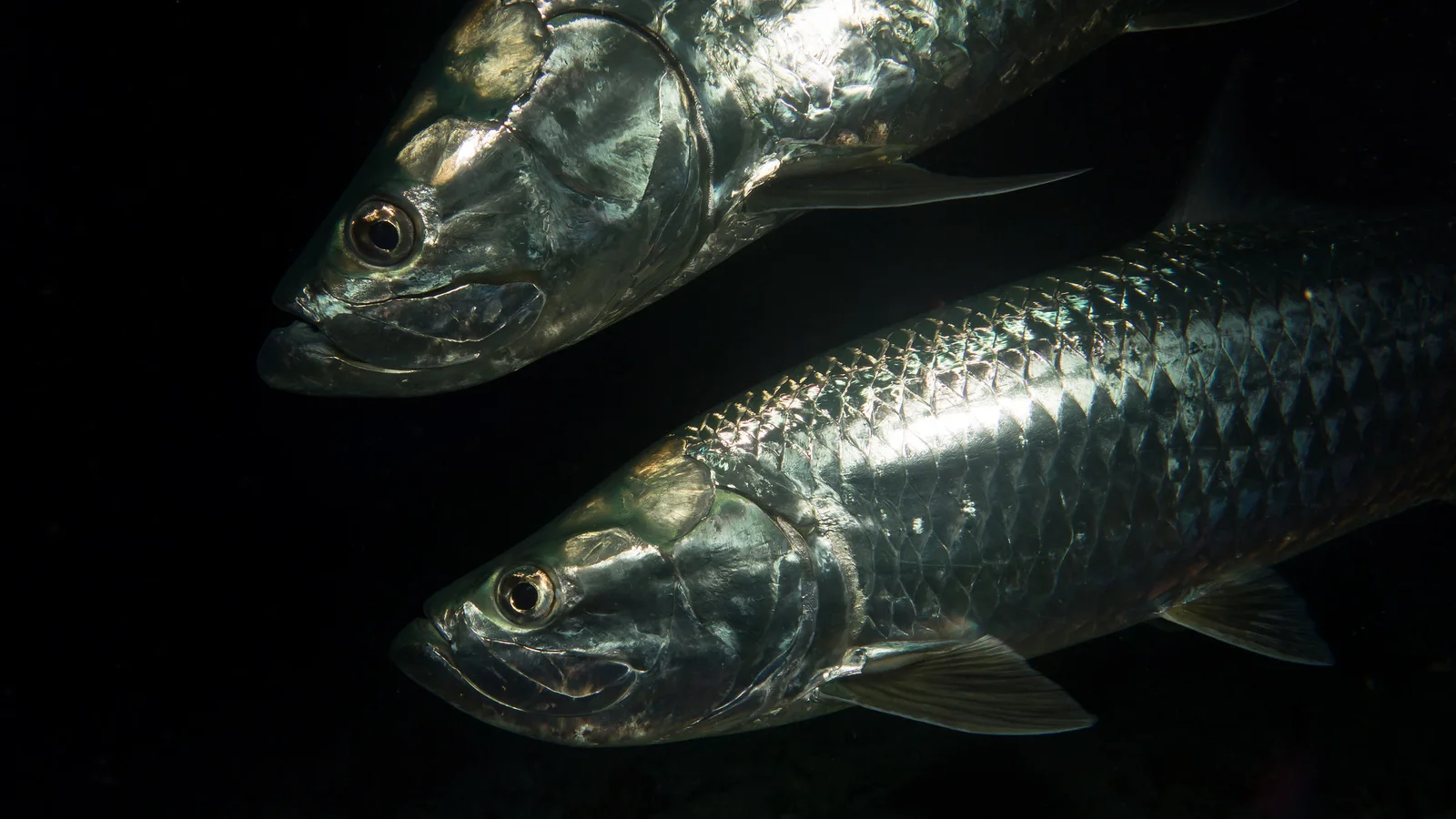
Early morning shore entries before 08:30 deliver glassy calm water and uncrowded views of hunting Atlantic tarpon before mid-morning dive boats arrive on the two public moorings. Rare tropical storms passing north of the ABC islands in September or October can briefly trigger west-swell reversal along the rocky shore entry.
PEAK SEASON SCORE
80/100
Very GoodScores combine air & water temps, waves, wind & rainfall for overall conditions.
BEST MONTHS TO DIVE
SEP
OCT
NOV
DIVE SCORE GUIDE (0–100)
Excellent (90–100)
Very Good (80–89)
Good (70–79)
Moderate (50–69)
Poor (30–49)
Not Recommended (0–29)
Monthly records compiled from satellite and marine observation nodes over the last 3 years. Data provided by Open-Meteo and MET Norway.
Dive Experience & Conditions
Shore divers park beside the signature yellow-painted coastal marker stone south of Punt Vierkant, step carefully across limestone coral rubble into waist-deep water, and swim seaward over a sunlit 8 to 12 m / 26 to 39 ft inner reef plateau. Dropping down the inner coral slope brings the dark silhouette of Hilma Hooker into clear 25 to 30 m / 80 to 100 ft blue water at 18 m / 60 ft along her upper port gunwale. Most teams descend first to 28 to 30 m / 92 to 100 ft on the white sand to inspect the massive bronze-bladed propeller, rudder post, open cargo hatches, and fallen masts encrusted with bright sponges.
Boat divers moor directly above the hull on two public STINAPA buoys, dropping straight onto the midships rail without the 5-minute surface swim. Mild to moderate currents rarely exceed 0.5 to 1 knot, letting teams circle the entire 71.8 m / 236 ft freighter in 15 to 20 minutes before angling upslope onto the healthy inner reef between 10 and 15 m / 33 and 50 ft for an extended multi-level ascent. Finishing with a slow 5 m / 16 ft safety stop over shallow elkhorn and brain corals makes shore navigation effortless back to the yellow stone.
Dive Difficulty & Safety Guidelines
With the upper rail starting at 18 m / 60 ft and the sand channel resting at 30 m / 100 ft, Hilma Hooker suits Intermediate and Advanced Open Water divers tracking no-decompression time closely—Enriched Air Nitrox (EAN32) extends bottom time comfortably above the 30 m / 100 ft floor. Under STINAPA Bonaire National Marine Park diving rules, every diver must hold a valid annual STINAPA Nature Fee ($40 USD per calendar year), complete a mandatory orientation briefing and checkout dive before shore diving independently, and strictly obey Bonaire's island-wide ban on wearing diving gloves.
Avoid penetrating interior engine spaces or deep cargo compartments where four decades of corrosion have loosened deck beams, jagged steel plating, and overhead rust silt. Use hard-soled booties and steady footing across the slippery limestone entry ledge, never anchor boats near the wreck, and keep fins high over the inner reef crest to prevent coral abrasion. On-island emergency recompression operates 24/7 just 10 to 15 minutes north by coastal road at Fundashon Mariadal Hospital in Kralendijk.
Recommended Equipment
Overhead / entanglement risk. Wreck penetration requires proper training.
- Dive Computer
- DSMB
- Primary & Backup Lights
- Wreck Reel
- Cutting Tool
- Hard-soled Dive Boots
This gear list is based on verified equipment signals for Hilma Hooker, Caribbean Netherlands. Always confirm final gear choices with your dive operator, guide, or liveaboard.
Recommended Dive Suit
Exposure protection is partly a personal preference.
Dive skin or rash guard typically provides a reliable level of thermal protection for dives here. Consider warmer surface protection (like a boat coat) due to brisk winds. Environmental conditions are expected to remain consistent in the short-term outlook.
Current temperature readings suggest that the water at Hilma Hooker is around 29°C (84°F). Surface air temperatures are resting at 29°C (84°F).
Hilma Hooker conditions last reviewed: 11:13 local time (UTC-5), Nov 23, 2026
Emergency & Medical Support
Essential information to help you plan your dive trip to Hilma Hooker.

Hyperbaric chambers are a critical part of dive safety infrastructure. Availability varies significantly by region, and not all dive areas have immediate access.
Before diving, it's recommended to:
- confirm nearest medical facilities
- check emergency procedures with local dive operators
- ensure dive insurance covers evacuation if required
24/7 Available
Divers Alert Network
Diving emergency assistance available through DAN World.
+1-919-684-9111- 24/7 emergency hotline
- Diving medical assistance
- Evacuation coordination
Emergency contacts are provided for reference. Always verify local emergency services before diving.
Marine Life at Hilma Hooker
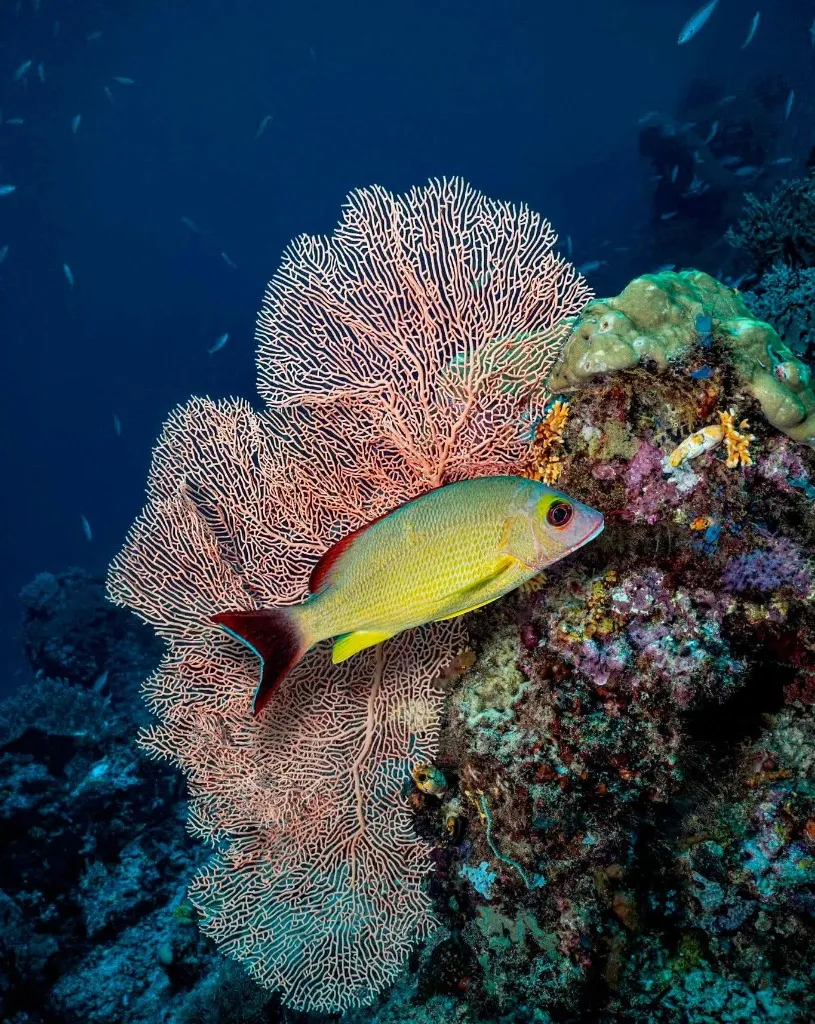
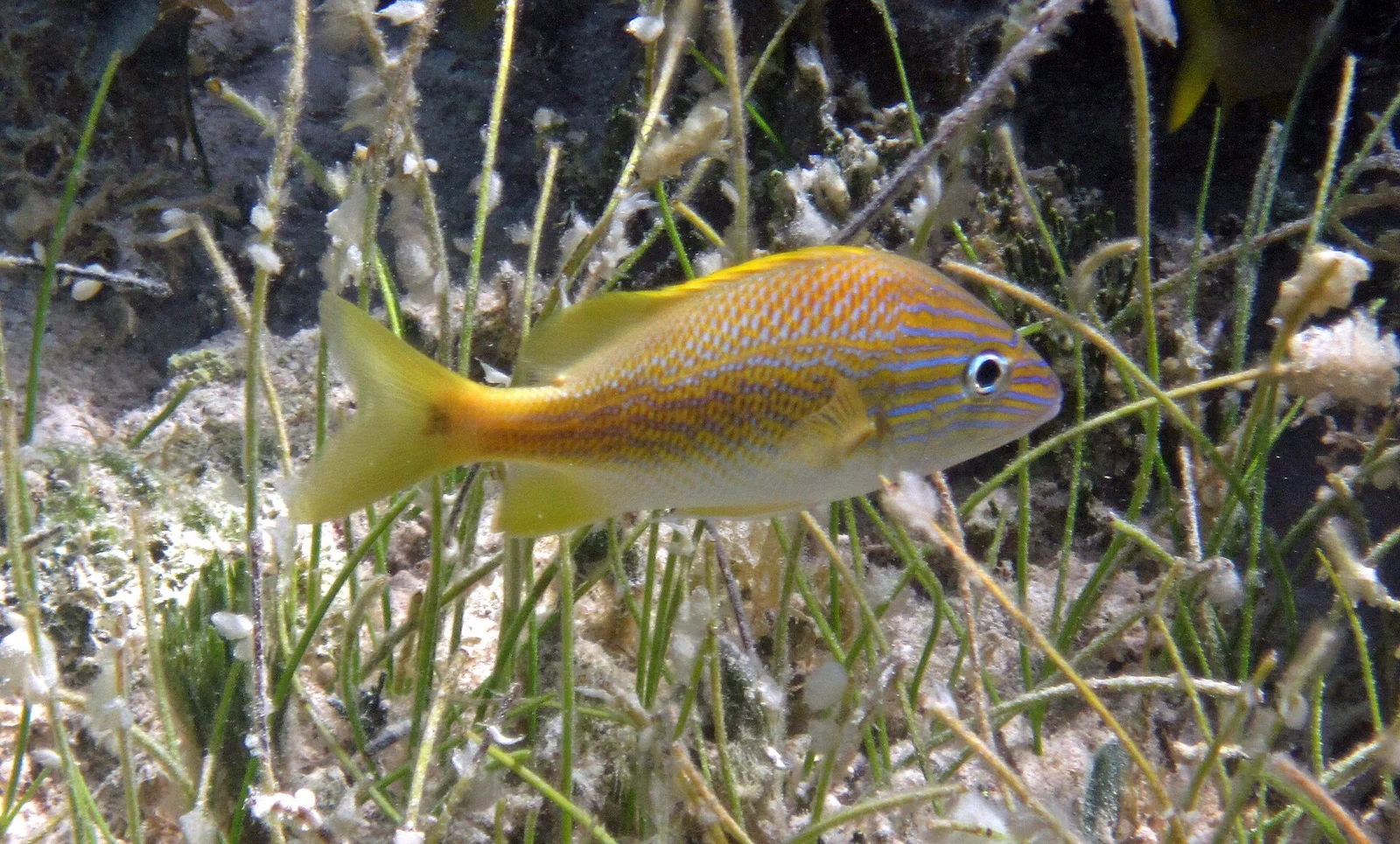
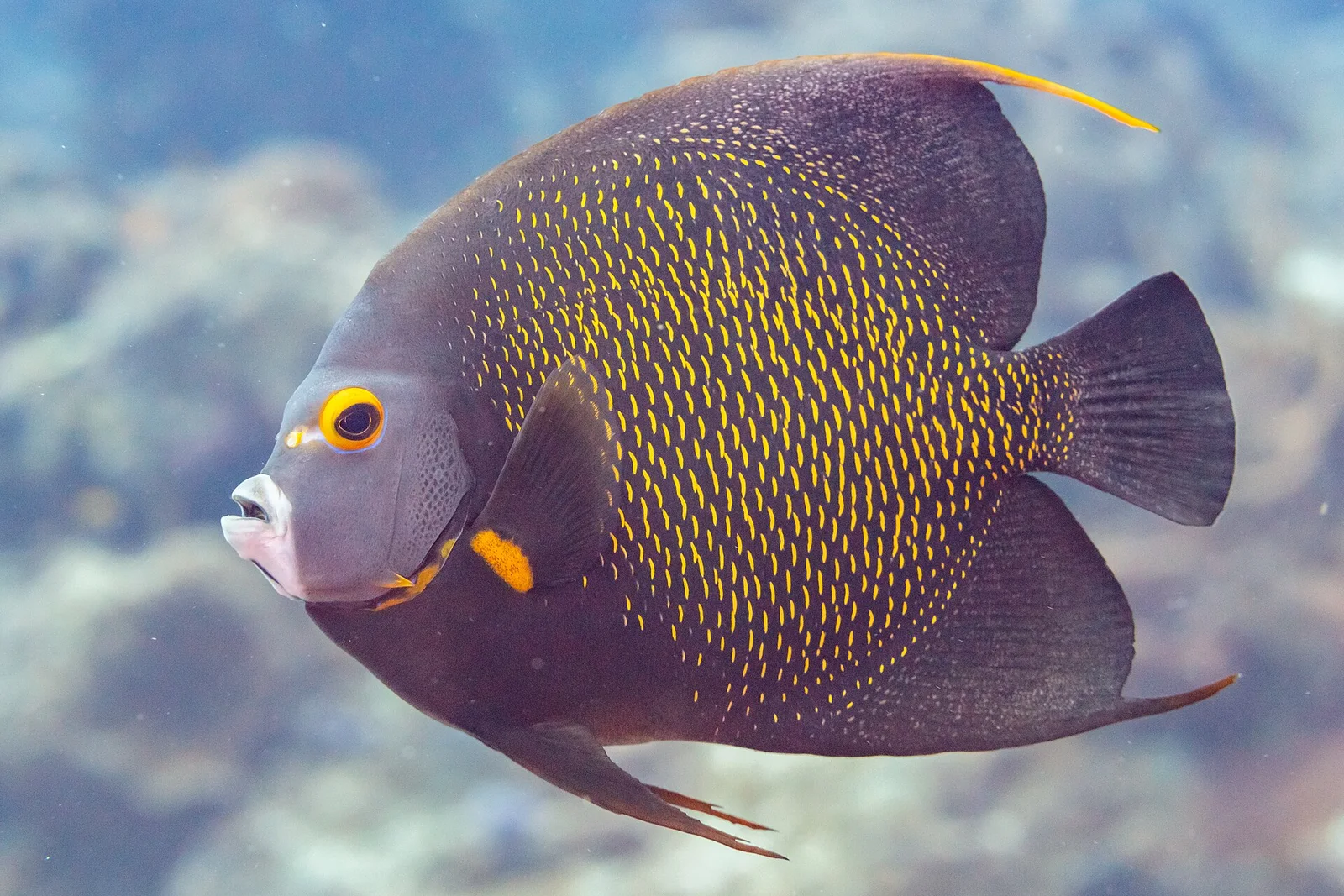
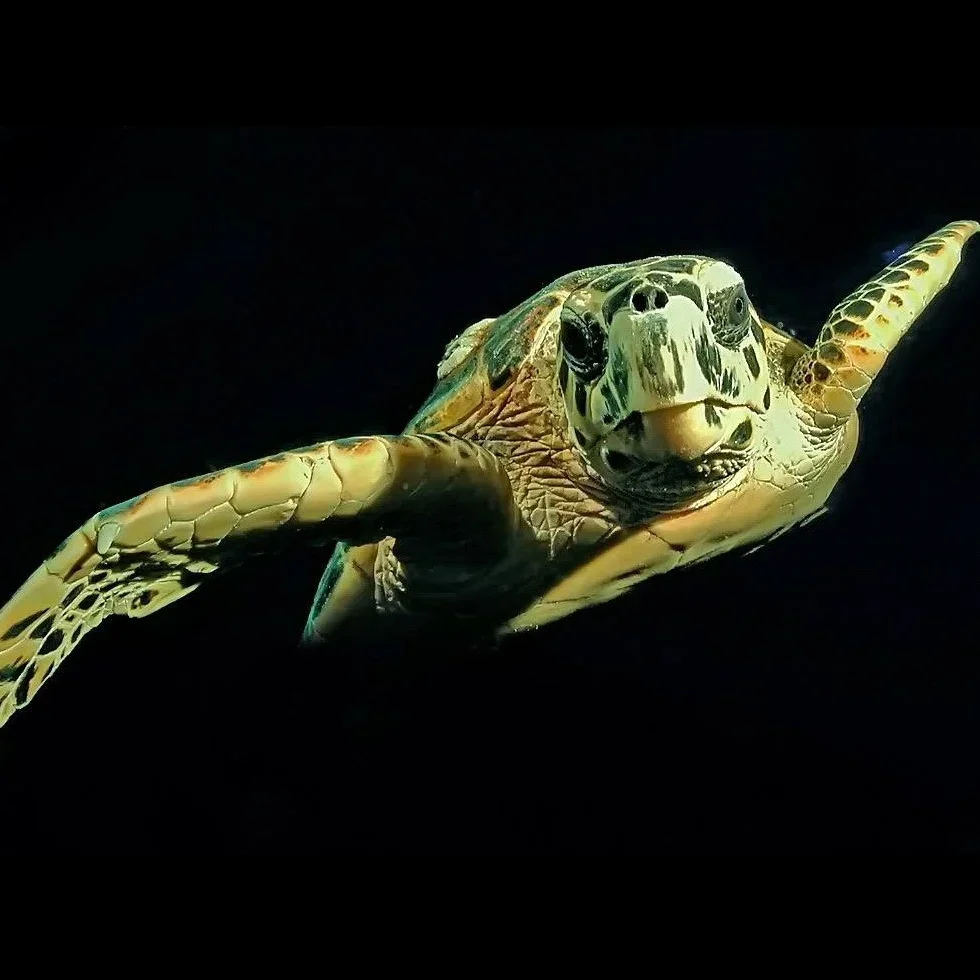
Large silver Atlantic tarpon patrol the shadowed length of Hilma Hooker day and night alongside great barracuda, horse-eye jacks, yellowtail snappers, and French angelfish. Thick carpets of yellow tube sponges, orange cup corals, gorgonian sea fans, and fire coral coat the rudder, propeller, and 18 m / 60 ft upper rail, sheltering spotted moray eels, spiny lobsters, and spotted drums. Across the bright 30 m / 100 ft sand channel and adjacent double-reef ridges cruise hawksbill and green sea turtles, southern stingrays, and peacock flounders.
1 / 3
Image contributors:Kris Mikael Krister, James St. John + 3 more
Want to contribute photos or local dive knowledge? Learn how to contributeDive Sites Near Hilma Hooker
View all dive sites in Caribbean NetherlandsDiscover more underwater gems in this area.
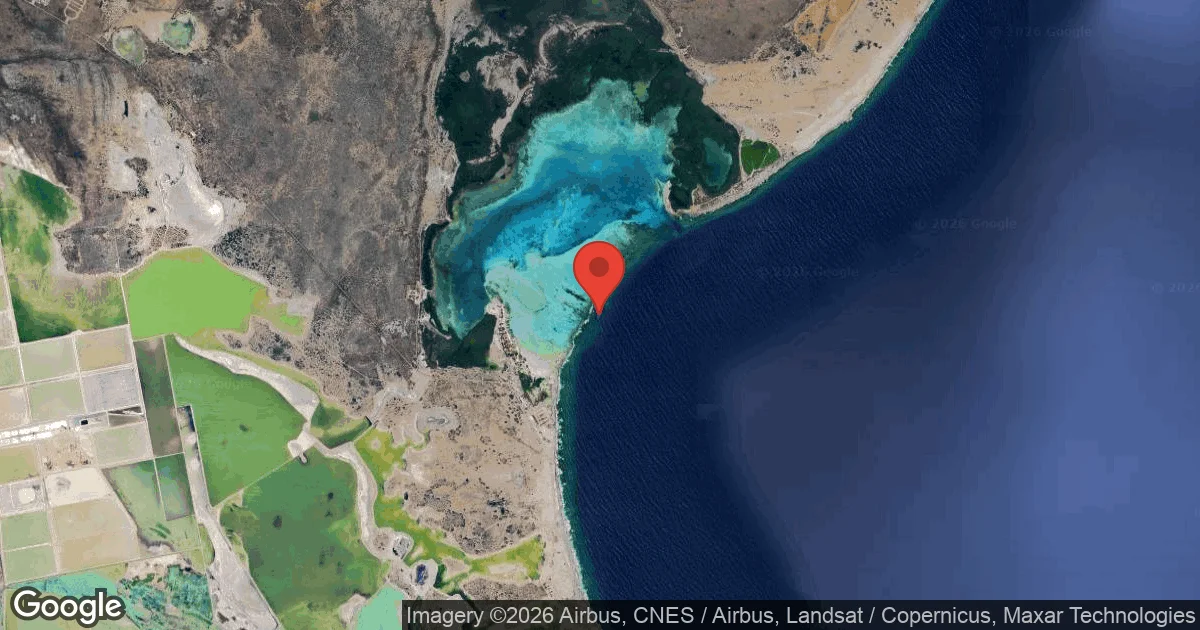

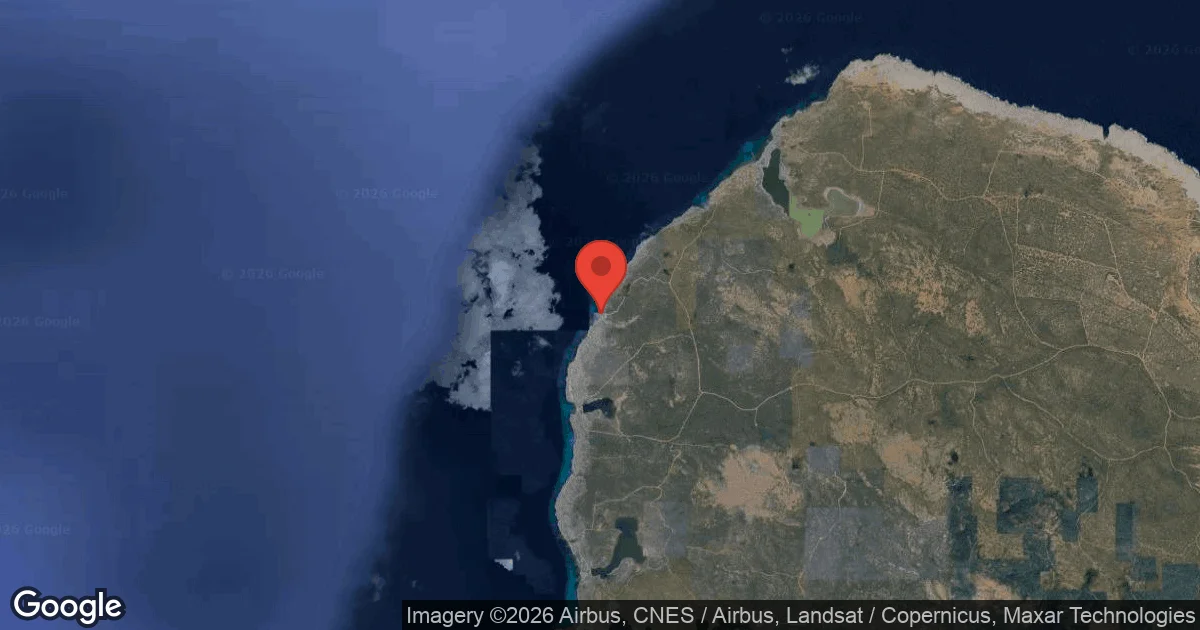
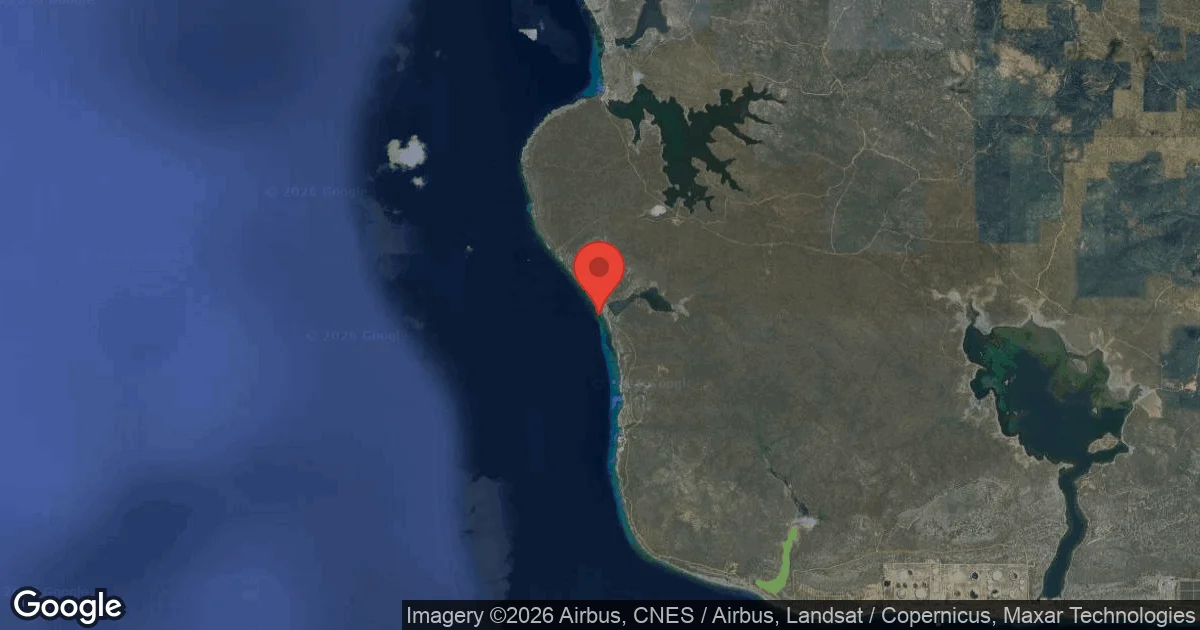
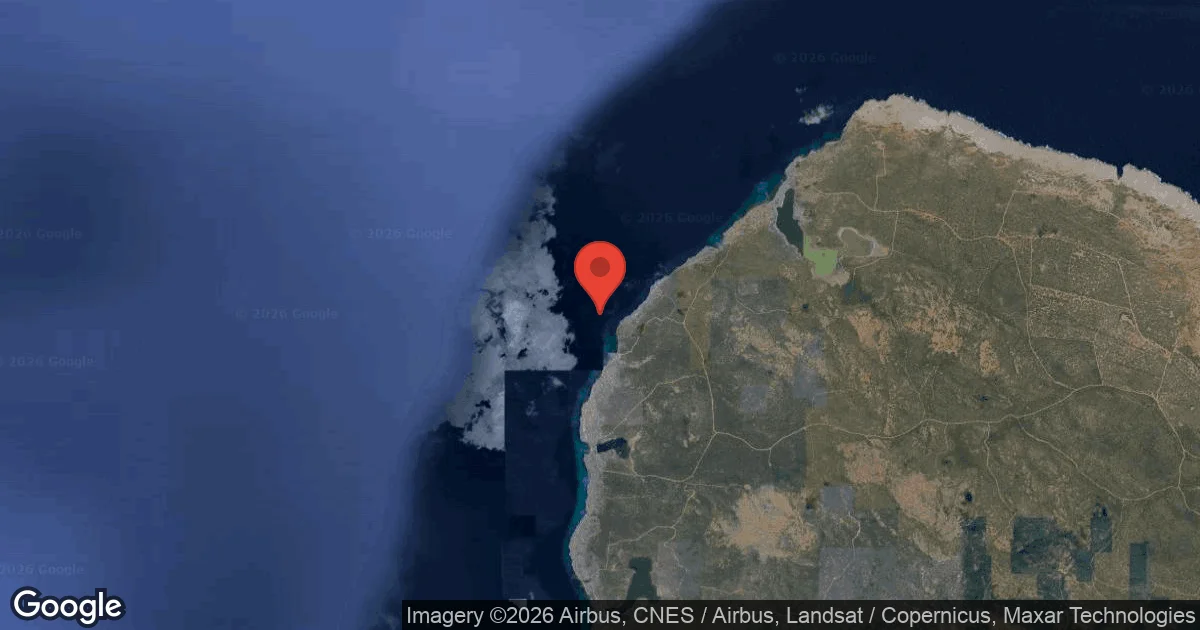
Dive Centers Near Hilma Hooker
Working Hours
Sun09:00 - 17:00
Mon09:00 - 17:00
Tue09:00 - 17:00
Wed09:00 - 17:00
Thu09:00 - 17:00
Fri09:00 - 17:00
Sat09:00 - 17:00
Today: 09:00 - 17:00
Sun09:00 - 17:00
Mon09:00 - 17:00
Tue09:00 - 17:00
Wed09:00 - 17:00
Thu09:00 - 17:00
Fri09:00 - 17:00
Sat09:00 - 17:00
5| 381 reviews
8 kmNearest Airports
Nearest airports to help plan travel to this dive area.
Flamingo International Airport BON
4 km
José Leonardo Chirinos Airport CZE
170 km
Josefa Camejo International Airport LSP
206 km
💵 Currency: USD
Search Flights
Check available flights and routes on Expedia, using the nearby airports listed in this section.
Search Flights on ExpediaAffiliate link · Dive Navigator may earn a commission at no extra cost to you.
Frequently Asked Questions
How deep is the Hilma Hooker wreck on Bonaire?
The freighter lies on her starboard side in white sand at 30 m / 100 ft, with her uppermost port rail rising to 18 m / 60 ft. Shore divers cross an 8 to 12 m / 26 to 39 ft inner coral shelf before dropping down to the hull.
Why was the Hilma Hooker seized before it sank in 1984?
In June 1984, Bonairian customs officers inspected the detained freighter in Kralendijk and discovered 11,000 kg / 25,000 lb of marijuana concealed behind a false bulkhead. When the abandoned vessel began taking on water, authorities towed her south of Punt Vierkant where she sank on 12 September 1984.
What fees and rules apply to diving Hilma Hooker?
Every diver in Bonaire National Marine Park must pay the mandatory $40 USD annual STINAPA Nature Fee and complete a local dive-center orientation before independent shore diving. Wearing diving gloves, touching coral, and spear-fishing are strictly illegal throughout the park.
Can you dive Hilma Hooker directly from shore without a boat?
Yes. Hilma Hooker is marked by a yellow roadside stone south of Punt Vierkant and involves a straightforward 5-minute surface or shallow swim across the inner reef, though two public boat moorings also sit directly above the hull.
Is there a hyperbaric chamber on Bonaire?
Yes. Fundashon Mariadal Hospital in Kralendijk operates Bonaire's 24/7 hyperbaric recompression chamber roughly 10 to 15 minutes north of the Hilma Hooker shore entry by road.
Trip Inquiry
Planning to dive Hilma Hooker?
Tell us your dates and diving needs. We'll review your request and seek offers from relevant local dive centers.
Request Dive Offers Free request for offers • No booking obligation
Hilma Hooker
Conditions are Good
7/10
Confidence: 8/10
Indicates meteorological model agreement and data availability.
Best Dive Window
Optimal conditions expected
06:12
18:45
H: 10:45
L: 16:20
Air / Sea Temp
29° / 29°
Wave Height
1.4 m
Wind Speed
37 km/h E
Rain Chance
0%
Current conditions near Hilma Hooker show 29° air, 29° sea temperature, 1.4 m waves, and 37 km/h wind. Forecast data is refreshed regularly to ensure accuracy.
Radius: ~12km
Updated: Nov 23, 2026, 11:13 local timeMARINE: OPEN-METEOWEATHER: YR.NO


