Loading...

Diving at Salt Pier (Caribbean Netherlands)
Published
Extending roughly 183 m / 600 ft westward from Bonaire's gleaming pink solar salt pans into calm leeward water, Salt Pier is one of the Caribbean's most photogenic shore dives inside the Bonaire National Marine Park. Concrete and steel pilings standing in 5 to 15 m / 16 to 50 ft of sunlit water are thickly wrapped in colorful tube sponges, corals, and juvenile fish nurseries before the outer fringing reef drops steeply past 30 m / 100 ft. Welcoming Beginner through Advanced shore divers strictly on days when no Cargill salt freighter is berthed or approaching, its sunlit columns shelter green sea turtles, Atlantic tarpon, and swirling schools of grunts.
Tonight's objective overview for Salt Pier shows an air temperature of 29°C. The measured surface conditions include wave heights around 1.3 m. This environmental data is logged for the close of the day.
Dive Site Location & Key Facts
Site Characteristics
Max Depth30m / 98ft
Entry Typeshore
Water Typesalt
Dive Types
RecreationalReefWall
Dive Site Overview
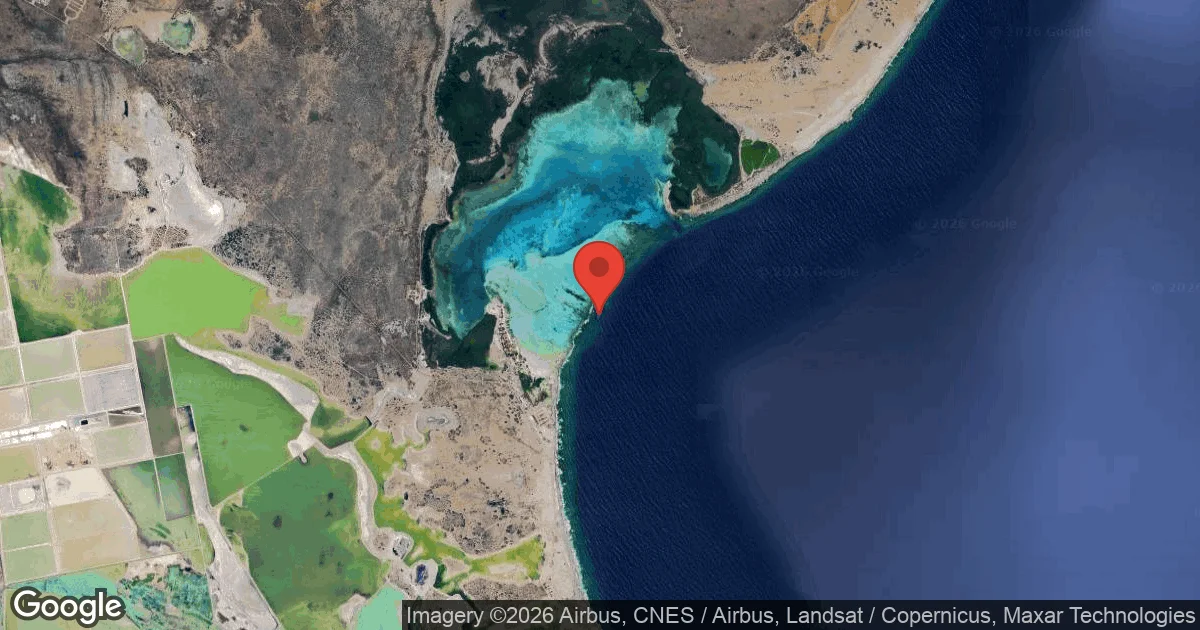
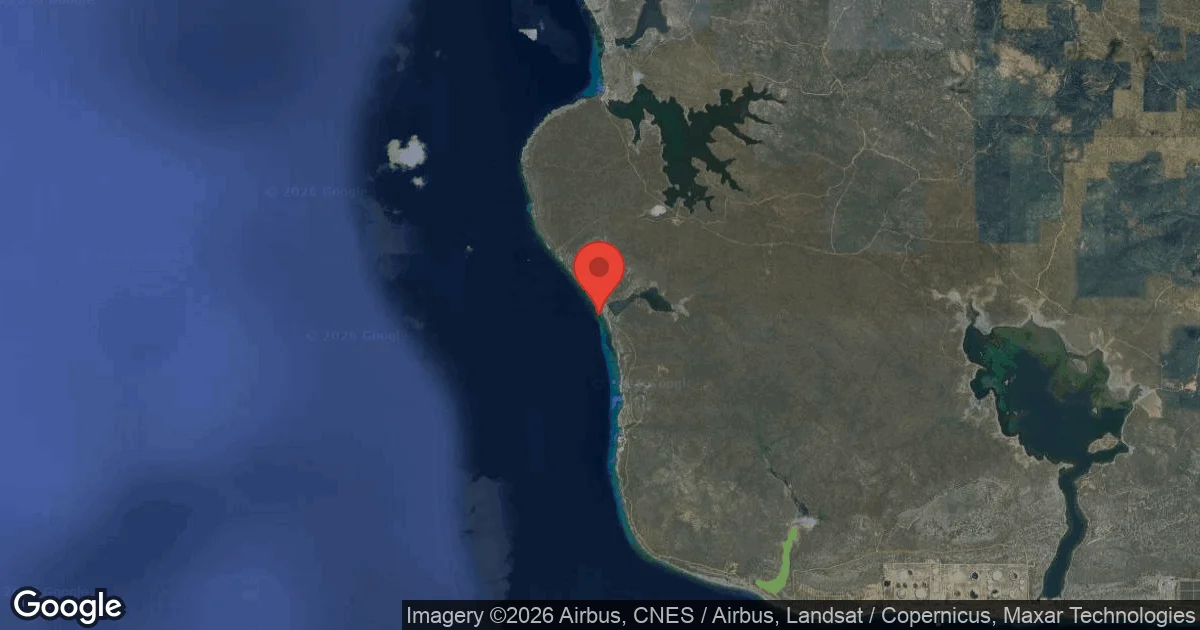
Operated by Cargill Salt Bonaire alongside the southern Pekelmeer wetland documented in STINAPA's Southern Wetlands Management Plan, Salt Pier functions primarily as an active industrial bulk-salt loading terminal. Whenever the berth sits empty, independent shore divers enter via the roadside yellow-stone marker and swim out along the submerged concrete stanchions mapped at 12.08367, -68.28330.
Beneath the overhead conveyor trusses, slanted morning and afternoon sunbeams slice through clear water onto dozens of columns heavily encrusted with yellow tube sponges, purple rope sponges, orange cup corals, and stony coral colonies highlighted by Tourism Corporation Bonaire. Seaward of the outer loading dolphins at 15 m / 50 ft, the fringing reef slopes down at 45 degrees past 30 to 45 m / 100 to 150 ft toward mesophotic sand plains surveyed directly off Salt Pier by the Curasub submersible in IMARES Wageningen UR and STINAPA deep-reef research.
Long-term tagging records from Sea Turtle Conservation Bonaire confirm multi-year site fidelity of foraging juvenile green sea turtles right beneath and south of the pier, adding reliable wildlife encounters to an effortless shore dive. Managed within Bonaire National Marine Park down to the 60 m / 200 ft contour, the surrounding coral-rubble shelf remains a premier nursery for juvenile Caribbean reef fish.
Salt Pier
Conditions are Good
7/10
Confidence: 8/10
Indicates meteorological model agreement and data availability.
Best Dive Window
Optimal conditions expected
06:12
18:45
H: 10:45
L: 16:20
Air / Sea Temp
29° / 29°
Wave Height
1.4 m
Wind Speed
37 km/h E
Rain Chance
0%
Current conditions near Salt Pier show 29° air, 29° sea temperature, 1.4 m waves, and 37 km/h wind. Forecast data is refreshed regularly to ensure accuracy.
Radius: ~12km
Updated: Nov 23, 2026, 11:49 local timeMARINE: OPEN-METEOWEATHER: YR.NO
Best Time to Dive
Lying at 12 degrees north latitude outside the main Atlantic hurricane belt, Bonaire offers 365-day leeward shore diving with water temperatures holding between 27°C / 80°F in February–March and 30°C / 86°F in September–October per Divers Alert Network. Bonaire's arid, river-free coast delivers 15 to 30 m / 50 to 100 ft visibility year-round—with August through December delivering the calmest surface conditions—though heavy diver traffic over shallow sand beneath the pier can briefly soften clarity.
Late-afternoon sunlight between 15:00 and 17:00 casts dramatic diagonal light rays between the encrusted pilings for wide-angle photography, while post-sunset night dives draw hunting tarpon and octopuses out of the dark coral shadows. Always check visually for moored or approaching salt freighters before gearing up.
PEAK SEASON SCORE
72/100
GoodScores combine air & water temps, waves, wind & rainfall for overall conditions.
BEST MONTHS TO DIVE
AUG
SEP
OCT
DIVE SCORE GUIDE (0–100)
Excellent (90–100)
Very Good (80–89)
Good (70–79)
Moderate (50–69)
Poor (30–49)
Not Recommended (0–29)
Monthly records compiled from satellite and marine observation nodes over the last 3 years. Data provided by Open-Meteo and MET Norway.
Dive Experience & Conditions
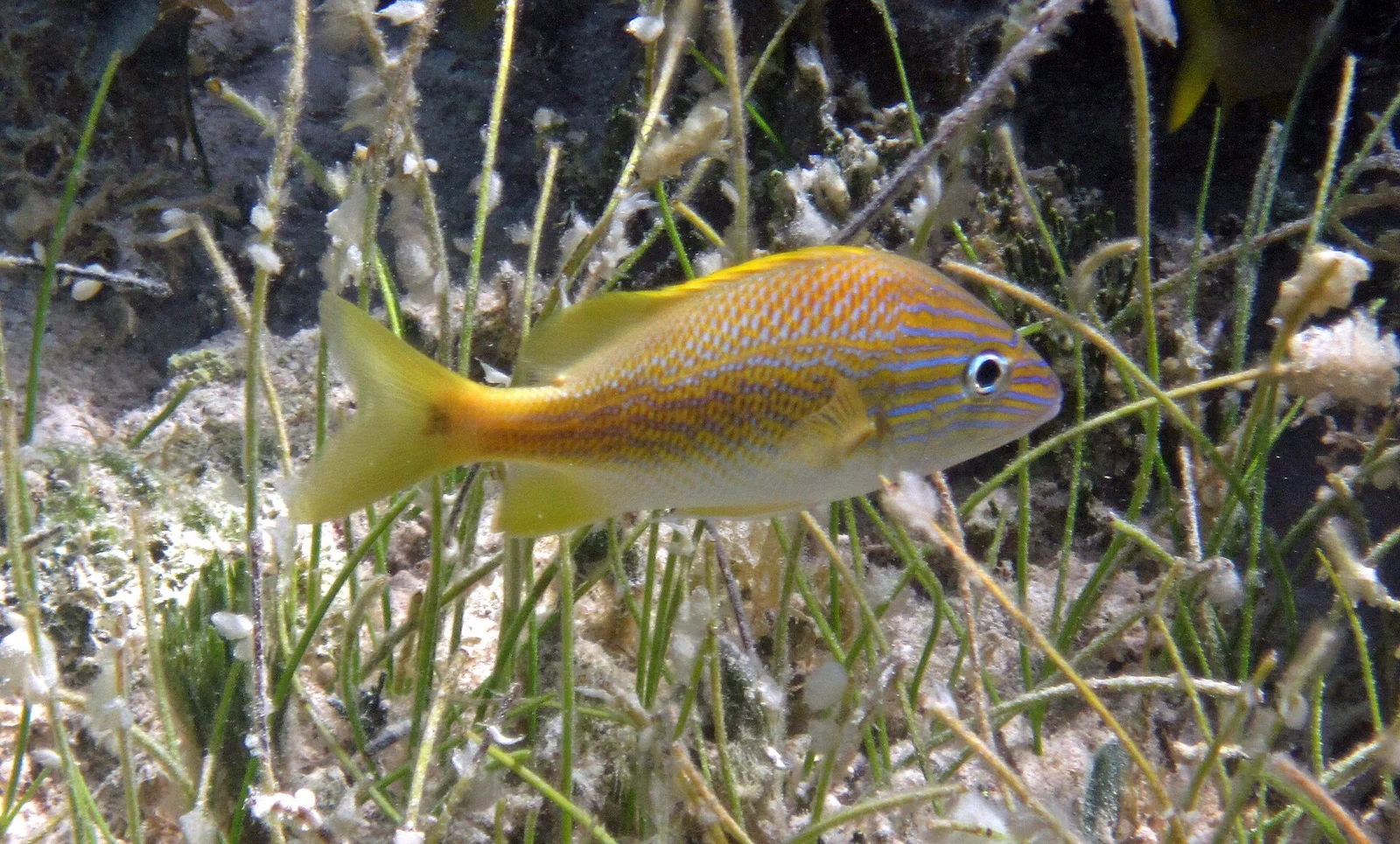
Independent buddy teams park pickup trucks strictly on the designated roadside coral rubble (never on beach sand) beside the yellow Salt Pier stone marker and walk carefully across coral rubble in hard-soled booties into waist-deep calm water. Swimming 2 to 3 minutes seaward reaches the inner pilings at 5 to 8 m / 16 to 26 ft, where dense clouds of French grunts, yellowtail snappers, and sergeant majors hover in the shade of sponge-covered concrete columns. Working slowly outward to the deeper T-head stanchions and concrete rubble at 12 to 15 m / 40 to 50 ft lets photographers frame soaring wide-angle corridors lit from above.
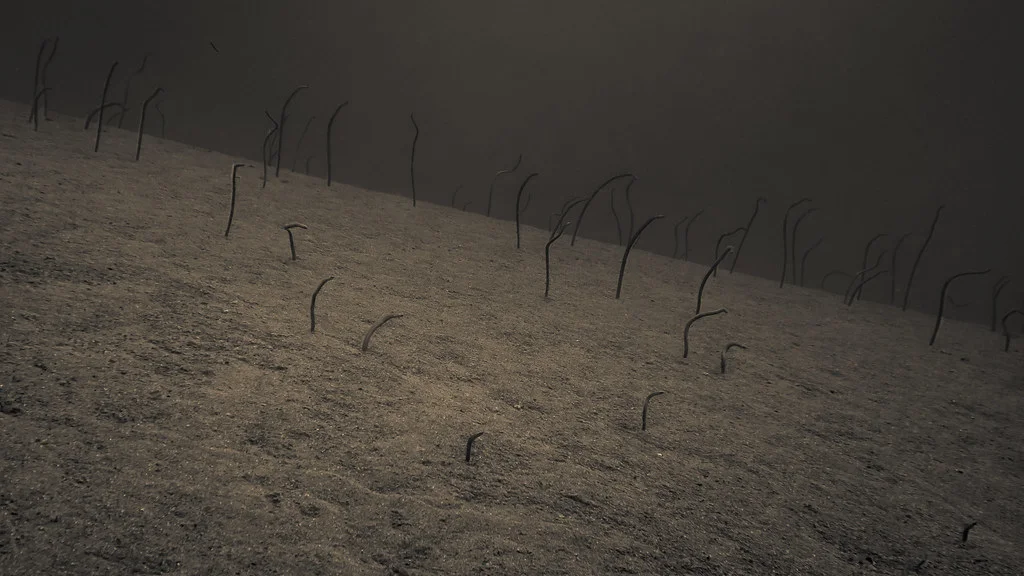
Divers wishing to explore deeper swim past the outer dolphins onto the 45-degree coral wall dropping to 25 to 30 m / 82 to 100 ft, watching for garden eels on the sand pockets and green sea turtles grazing along the southern rubble reef. Currents along the sheltered southwestern coast remain mild, letting teams finish with an effortless 5 m / 16 ft safety stop weaving back between the shallowest sunlit pilings before exiting.
Dive Difficulty & Safety Guidelines
Strict industrial port rule: Salt Pier is an active Cargill commercial shipping terminal; diving, snorkeling, or swimming under or near the pier is strictly prohibited whenever a salt freighter is docked, loading, or approaching, and climbing onto any pier structure or fenced property is illegal. Before diving independently anywhere on Bonaire, every non-resident visitor must purchase the annual US$40 STINAPA Nature Fee tag—valid Jan 1 to Dec 31 per STINAPA's official FAQ—and complete a mandatory marine park briefing and orientation dive. Under legally binding STINAPA Diving Regulations, wearing gloves, knee pads, using pointer sticks or disposable chemical light sticks, touching corals, or wearing oxybenzone/octinoxate sunscreens are strictly banned.
Follow STINAPA's Stony Coral Tissue Loss Disease (SCTLD) gear-decontamination protocols when moving between sites, and watch your head and tank valve beneath low horizontal steel crossbeams in mild surge. Hard-soled booties protect feet from sharp coral rubble and sea urchins along the shore entry. On-island emergency recompression sits just 10 to 15 minutes north in Kralendijk at the Bonaire Recompression Chamber directly adjacent to Fundashon Mariadal Hospital (+599 715 8900; ambulance 912).
Recommended Equipment
- Dive Computer
- DSMB
- Hard-soled Dive Boots
This gear list is based on verified equipment signals for Salt Pier, Caribbean Netherlands. Always confirm final gear choices with your dive operator, guide, or liveaboard.
Recommended Dive Suit
Repeated dives during the same day can gradually reduce overall body warmth.
The water around Salt Pier is currently holding at approximately 29°C (84°F), setting the tone for today's dives. Surface air temperatures are resting at 29°C (84°F). Divers spending extended time underwater often rely on dive skin or rash guard for balanced warmth and flexibility. Consider warmer surface protection (like a boat coat) due to brisk winds.
The upcoming forecast points to generally steady conditions in the area.
Salt Pier conditions last reviewed: 11:49 local time (UTC-5), Nov 23, 2026
Emergency & Medical Support
Essential information to help you plan your dive trip to Salt Pier.

Hyperbaric chambers are a critical part of dive safety infrastructure. Availability varies significantly by region, and not all dive areas have immediate access.
Before diving, it's recommended to:
- confirm nearest medical facilities
- check emergency procedures with local dive operators
- ensure dive insurance covers evacuation if required
24/7 Available
Divers Alert Network
Diving emergency assistance available through DAN World.
+1-919-684-9111- 24/7 emergency hotline
- Diving medical assistance
- Evacuation coordination
Emergency contacts are provided for reference. Always verify local emergency services before diving.
Marine Life at Salt Pier
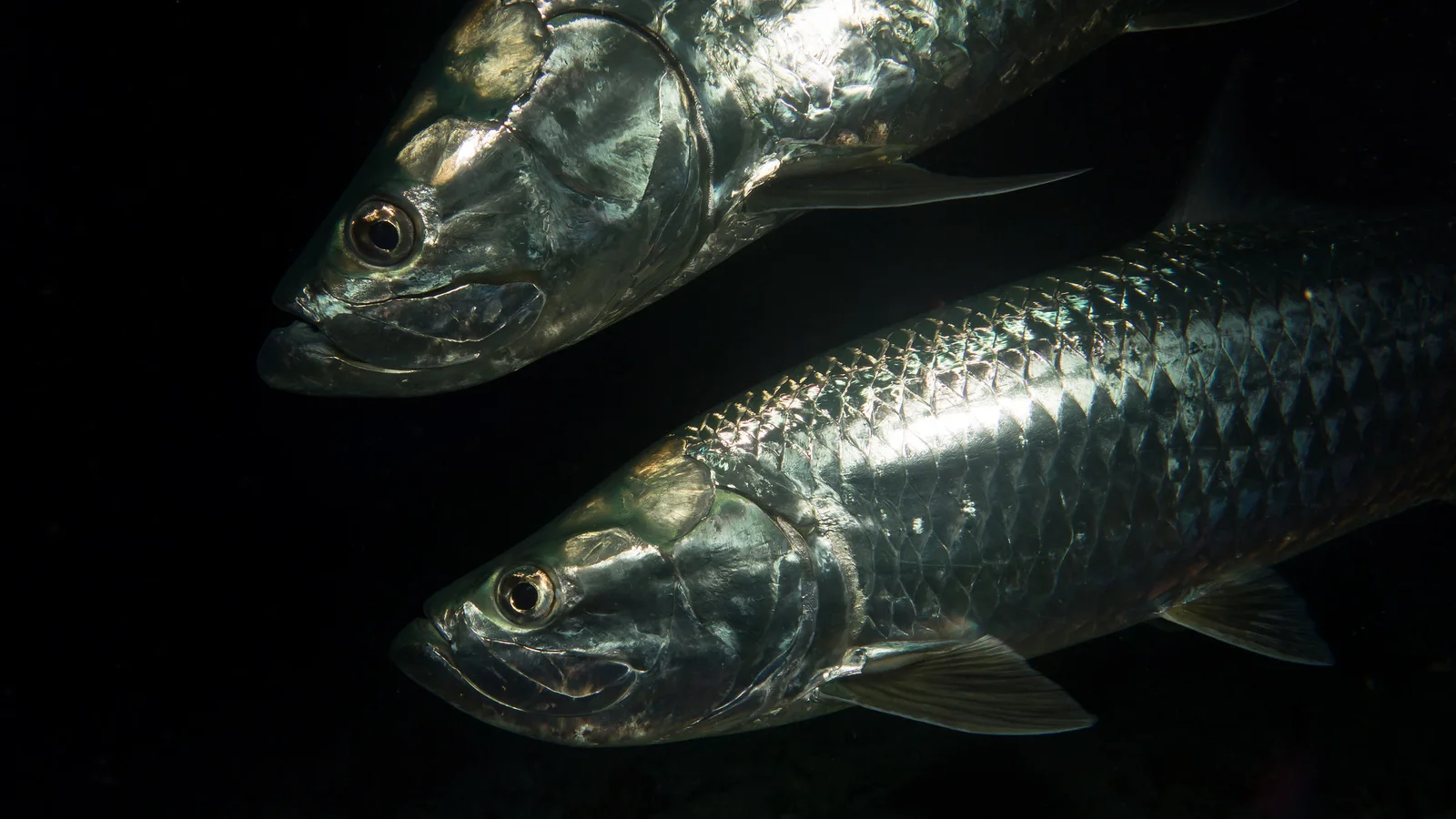
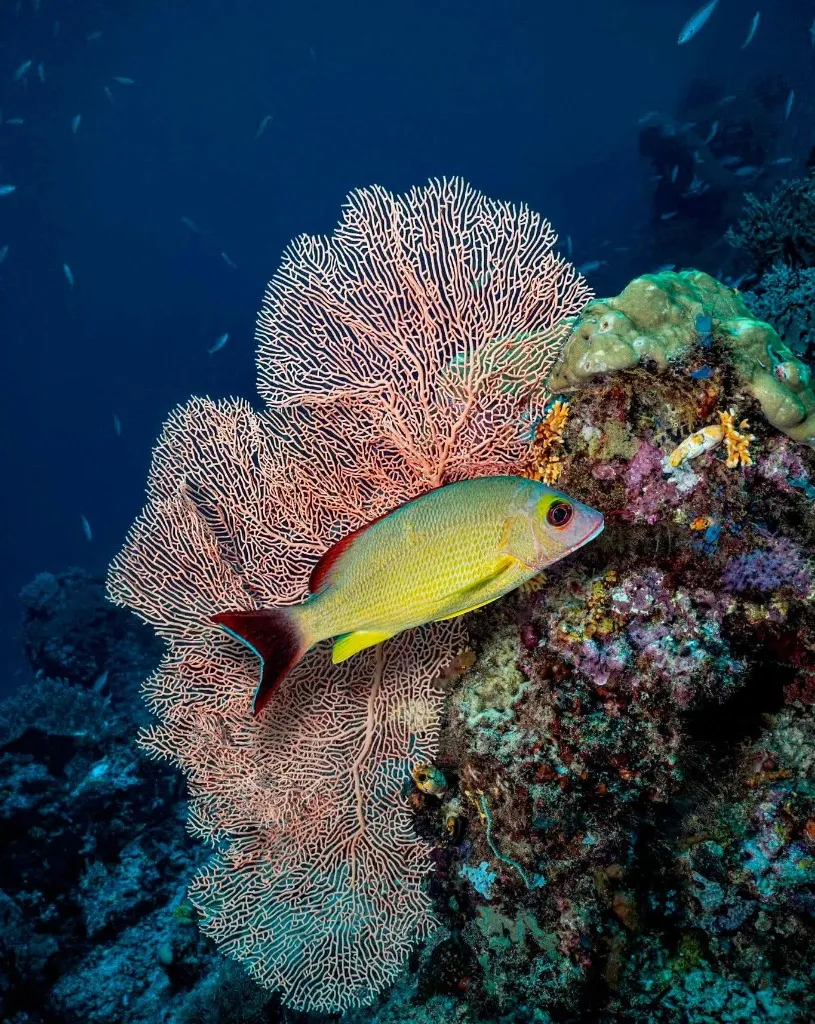
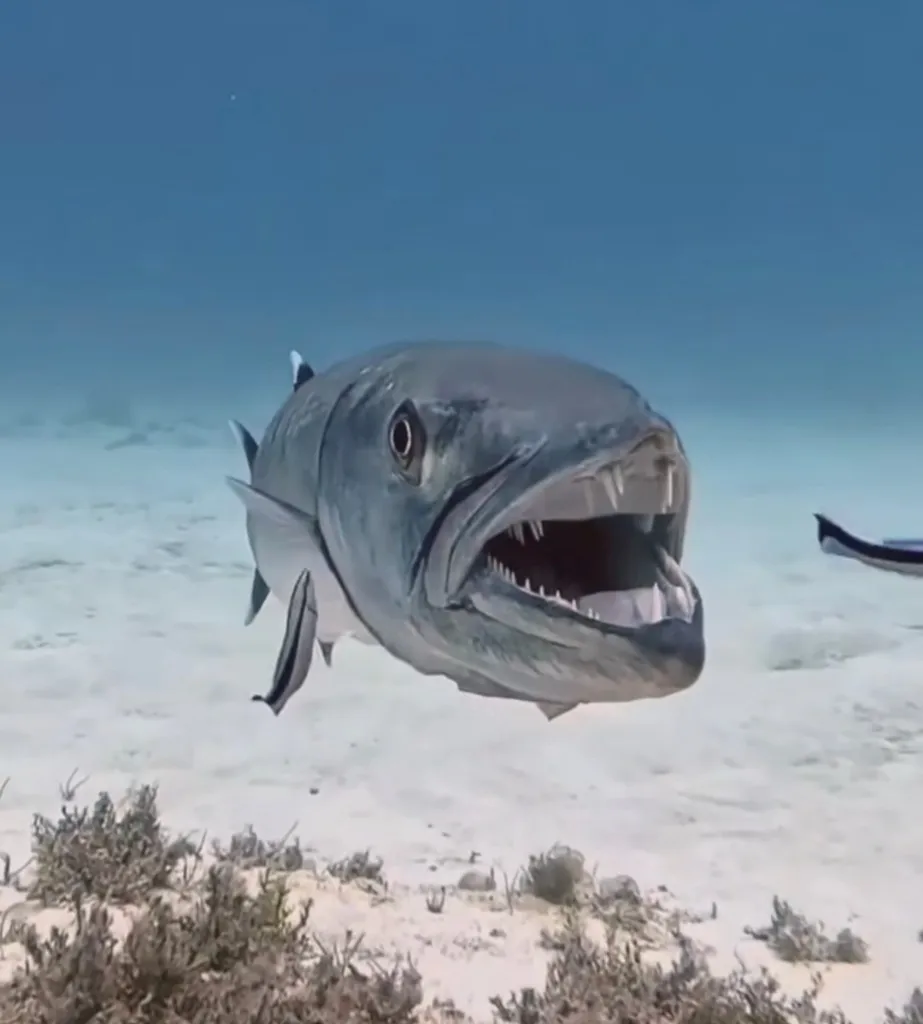
Every concrete and steel piling beneath Salt Pier acts as a thriving vertical nursery encrusted with yellow tube sponges, purple rope sponges, fire coral, and stony corals sheltering dense schools of French grunts, yellowtail snappers, and juvenile reef fish. Long-term recapture records from Sea Turtle Conservation Bonaire confirm resident foraging green sea turtles (Chelonia mydas) immediately beneath and south of the pier alongside patrolling Atlantic tarpon and great barracuda.
Along the deeper 18 to 30 m / 60 to 100 ft outer reef slope documented by IMARES and STINAPA, brown garden eels, gorgonians, and red lionfish populate the sand-and-coral drop-off.
1 / 2
Image contributors:Kris Mikael Krister, James St. John + 2 more
Want to contribute photos or local dive knowledge? Learn how to contributeDive Sites Near Salt Pier
View all dive sites in Caribbean NetherlandsDiscover more underwater gems in this area.

Dive Centers Near Salt Pier
Working Hours
Sun09:00 - 17:00
Mon09:00 - 17:00
Tue09:00 - 17:00
Wed09:00 - 17:00
Thu09:00 - 17:00
Fri09:00 - 17:00
Sat09:00 - 17:00
Today: 09:00 - 17:00
Sun09:00 - 17:00
Mon09:00 - 17:00
Tue09:00 - 17:00
Wed09:00 - 17:00
Thu09:00 - 17:00
Fri09:00 - 17:00
Sat09:00 - 17:00
5| 381 reviews
10.4 kmNearest Airports
Nearest airports to help plan travel to this dive area.
Flamingo International Airport BON
6 km
José Leonardo Chirinos Airport CZE
169 km
Josefa Camejo International Airport LSP
206 km
💵 Currency: USD
Search Flights
Check available flights and routes on Expedia, using the nearby airports listed in this section.
Search Flights on ExpediaAffiliate link · Dive Navigator may earn a commission at no extra cost to you.
Frequently Asked Questions
When is diving at Salt Pier in Bonaire prohibited?
Salt Pier is an active Cargill industrial salt-loading dock, so diving, snorkeling, and swimming under or near the pier are strictly prohibited whenever a freighter is docked, loading, or approaching. Check visually for ships before gearing up and never climb onto the pier.
How much is the STINAPA Nature Fee and what gear is banned on Bonaire?
All non-resident divers pay a mandatory US$40 annual calendar-year STINAPA Nature Fee and complete an arrival orientation dive. STINAPA regulations strictly ban diving gloves, knee pads, pointer sticks, chemical glow sticks, and sunscreens containing oxybenzone or octinoxate.
How deep is the dive beneath Salt Pier?
The sponge-covered concrete pilings stand on a gently sloping sand-and-rubble bottom from 5 to 15 m / 16 to 50 ft, making the pier ideal for Beginners and long photography dives. Swimming beyond the outer pier head reaches a steep fringing reef dropping past 30 m / 100 ft.
What time of day offers the best light for photographing Salt Pier?
Late afternoon between 15:00 and 17:00 sends low western sunbeams diagonally between the sponge-encrusted pilings and schooling grunts. After sunset, Salt Pier is also one of Bonaire's finest night dives as tarpon and octopuses hunt beneath the deck.
How close is the hyperbaric chamber to Salt Pier?
The Bonaire Recompression Chamber sits directly beside Fundashon Mariadal Hospital in Kralendijk, just a 10 to 15-minute drive north along EEG Boulevard. Reach hospital emergency dispatch at +599 715 8900 or local ambulance at 912.
Trip Inquiry
Planning to dive Salt Pier?
Tell us your dates and diving needs. We'll review your request and seek offers from relevant local dive centers.
Request Dive Offers Free request for offers • No booking obligation
Salt Pier
Conditions are Good
7/10
Confidence: 8/10
Indicates meteorological model agreement and data availability.
Best Dive Window
Optimal conditions expected
06:12
18:45
H: 10:45
L: 16:20
Air / Sea Temp
29° / 29°
Wave Height
1.4 m
Wind Speed
37 km/h E
Rain Chance
0%
Current conditions near Salt Pier show 29° air, 29° sea temperature, 1.4 m waves, and 37 km/h wind. Forecast data is refreshed regularly to ensure accuracy.
Radius: ~12km
Updated: Nov 23, 2026, 11:49 local timeMARINE: OPEN-METEOWEATHER: YR.NO


