
Diving at Isla Baru (Colombia)
Isla Barú, originally a peninsula, was transformed into an island by the construction of the Canal del Dique. Situated approximately 45 minutes by boat from Cartagena, it forms part of the Rosario Islands National Park. This geographical separation has historically contributed to its distinct natural character, setting it apart from the bustling mainland. It’s an area recognized for its ecological importance and marine conservation efforts.
As evening covers Isla Baru, the local air temperature is measured at 32°C. The current wave height at the surface is recorded at 0.9 m. These late-day readings characterize the surface conditions for the night.
Dive Site Location & Key Facts
Dive Site Overview
Underwater topography around Isla Barú presents a diverse array of dive environments suitable for various certification levels, from shallow flats to dramatic walls and deeper areas. Divers can explore natural reef structures alongside a number of sunken ships, adding historical intrigue to the sites.
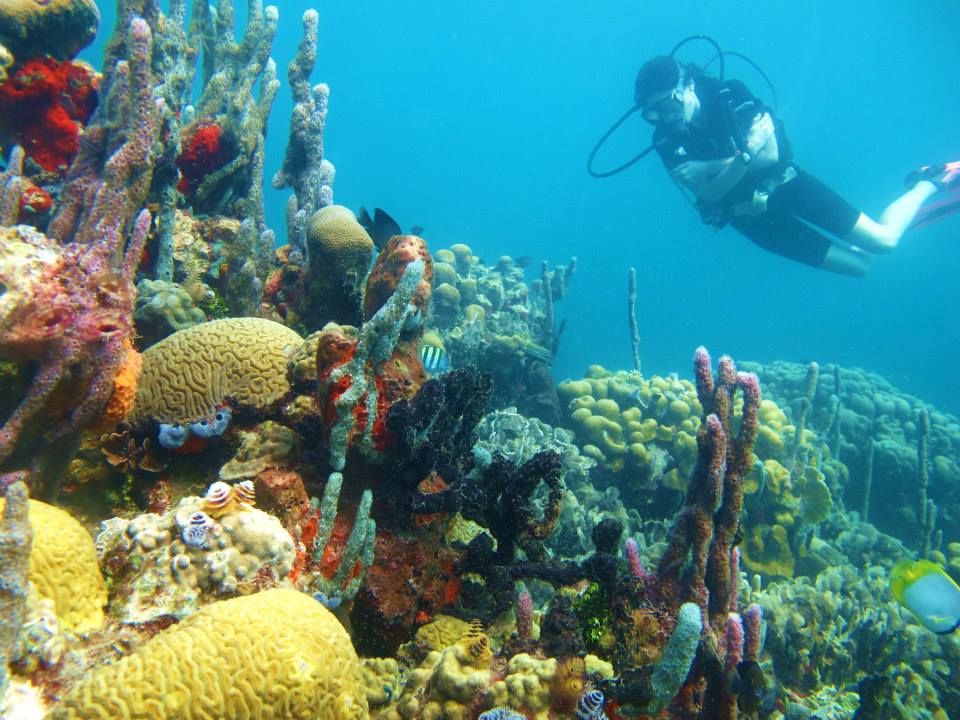
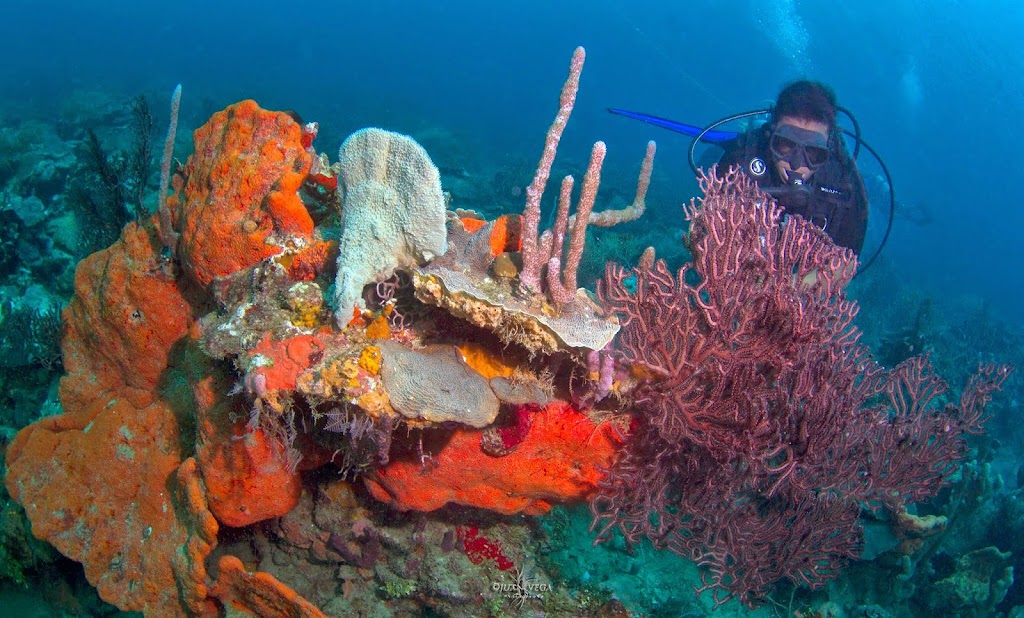
Coral formations are generally reported to be in very good condition, supporting a healthy ecosystem. For those new to diving, introductory experiences typically involve maximum depths around 11 to 12 meters (36-39 ft), providing gentle conditions ideal for mastering buoyancy skills. Visibility here often extends up to 20 meters (65 ft), which significantly enhances the exploration of these underwater landscapes.
Certified divers have access to advanced routes and deeper dive opportunities, allowing for exploration of more intricate wall dives or further wreck penetration, depending on their experience. Dive sites often feature a mix of natural reef structures and artificial reefs, such as the unique Garden of Medusa, which incorporates sunken sculptures and old boats to create new habitats.
This blend of natural and designed structures supports a varied and engaging underwater experience. The overall character leans towards accessible reef and wreck diving within a protected marine park.
Conditions are Good
Optimal conditions expected
Current conditions near Isla Baru show 32° air, 31° sea temperature, 0.7 m waves, and 23 km/h wind. Forecast data is refreshed regularly to ensure accuracy.
Best Time to Dive
Optimizing visibility is key when planning a dive trip to Isla Barú, and conditions typically remain favorable throughout the year. The dive score consistently ranges between "Good" (7-8) across all months, indicating generally reliable conditions. The driest period generally occurs from January to April, with average rainfall as low as 0.61 mm (0.02 inches) in March, rising to around 2.64 mm (0.10 inches) in April. During these months, wave heights tend to be higher, peaking at 1.4 meters (4.6 ft) in February, which can sometimes introduce localized turbidity closer to shore. From May through November, rainfall increases, reaching its highest average in October at 8.01 mm (0.31 inches), but wave heights are typically lower, averaging around 0.6 meters (2.0 ft) in October. This reduction in wave action often contributes to better sediment settling and potentially improved visibility further offshore, despite the higher precipitation. Air temperatures remain consistently warm, averaging between 27.5°C and 28.5°C (81-83°F) year-round, making surface conditions comfortable regardless of the specific month. Divers should monitor local reports, as even during wetter periods, calm days can offer exceptional clarity.
PEAK SEASON SCORE
Scores combine air & water temps, waves, wind & rainfall for overall conditions.
BEST MONTHS TO DIVE
Monthly records compiled from satellite and marine observation nodes over the last 3 years. Data provided by Open-Meteo and MET Norway.
Dive Experience & Conditions
Current dynamics around Isla Barú are generally mild, contributing to relatively calm underwater conditions, especially at typical recreational depths. While specific water temperature data isn't consistently reported, the region experiences warm Caribbean waters, aligning with average air temperatures consistently hovering between 27°C and 28°C (81-83°F). This tropical climate ensures comfortable diving without the need for thick exposure protection. Surface wave heights fluctuate, with averages ranging from 0.6 meters (2.0 ft) during calmer months like October to around 1.4 meters (4.6 ft) in February. These variations in wave activity can influence surface chop, particularly during the windier periods early in the year, but usually have less impact on deeper dive sites. Divers should expect gentle to minimal currents, which make for relaxed explorations of reefs and wrecks. However, as with any marine environment, localized conditions can vary, so always consult with local dive professionals before entering the water. The combination of warm water and generally benign currents makes this a welcoming destination for divers of varying skill levels.
Dive Difficulty & Safety Guidelines
Prioritizing safety begins with a thorough understanding of general diving practices and local site specifics. While no explicit hazards are consistently reported for Isla Barú, adherence to PADI Standard Safe Diving Practices is always mandatory. Divers must sign a health declaration form before participating, ensuring they are medically fit for underwater activities.
It’s also crucial to consult with a dive professional familiar with the site and its present conditions, as local environmental factors can change. Minimum age for participation in diving activities is 10 years.
For uncertified divers, a pool practice session is included to build confidence with equipment before heading to open water. Even experienced divers should confirm their dive plan with their guide, especially when exploring deeper dive routes or wrecks.
Being prepared, understanding your limits, and having functional equipment are fundamental to a safe and enjoyable experience in these waters.
Recommended Equipment
Overhead / entanglement risk. Wreck penetration requires proper training.
- Dive Computer
- DSMB
- Primary & Backup Lights
- Wreck Reel
- Cutting Tool
This gear list is based on verified equipment signals for Isla Baru, Colombia. Always confirm final gear choices with your dive operator, guide, or liveaboard.
Recommended Dive Suit
Current diving conditions indicate water temperatures around 31°C (88°F) at Isla Baru. Surface air temperatures are resting at 32°C (90°F).
Environmental conditions may feel slightly cooler as the week progresses. A significant temperature drop is forecast; strongly suggest bringing a backup warmer suit option. A neoprene vest or hood can add flexibility if temperatures feel cooler underwater.
Most divers exploring waters at this temperature rely on dive skin or rash guard for effective insulation. A hood or vest is suggested for sensitive divers due to surface winds. Water temperature is only one factor influencing overall comfort during a dive. Divers planning trips later in the week may want to consider bringing a slightly warmer suit.
Due to technical issues with our weather providers, live updates are temporarily delayed. The data above reflects the conditions at the time of the last successful fetch.
Emergency & Medical Support
Essential information to help you plan your dive trip to isla baru.

Hyperbaric chambers are a critical part of dive safety infrastructure. Availability varies significantly by region, and not all dive areas have immediate access.
Before diving, it's recommended to:
- confirm nearest medical facilities
- check emergency procedures with local dive operators
- ensure dive insurance covers evacuation if required
Divers Alert Network
Diving emergency assistance available through DAN World.
+1-919-684-9111- 24/7 emergency hotline
- Diving medical assistance
- Evacuation coordination
Emergency contacts are provided for reference. Always verify local emergency services before diving.
Marine Life at Isla Baru
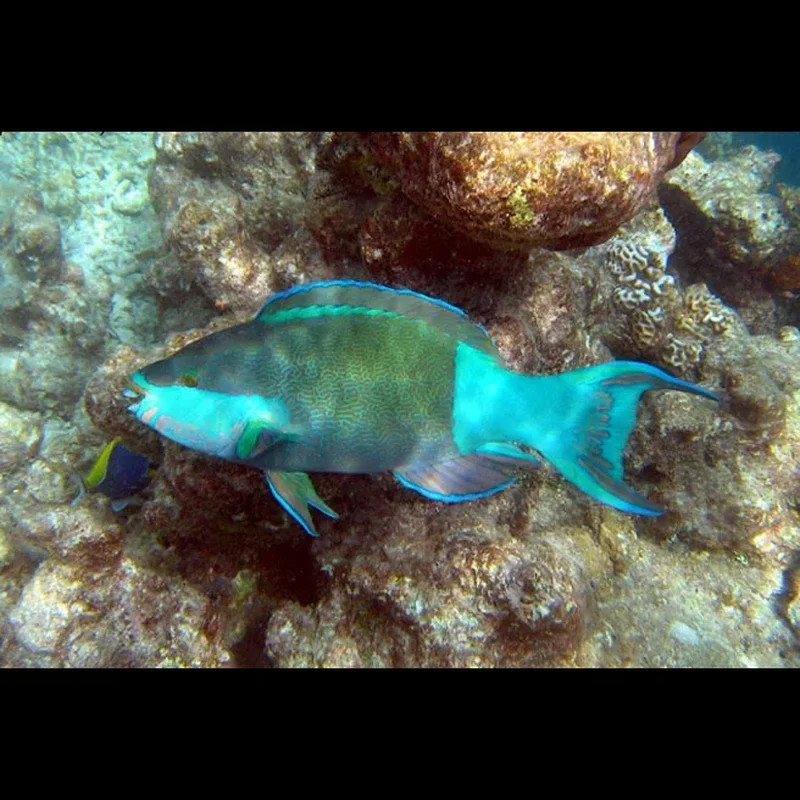
Focusing on the vibrant life within the coral reefs, divers at Isla Barú can expect encounters with a variety of colorful reef fish. Parrotfish are a common sight, contributing to the health of the coral structures through their grazing.
The artificial reefs, like the Garden of Medusa with its sunken sculptures, create additional habitats that attract diverse species. While specific sightings vary by dive site and time of year, the general environment supports a range of tropical marine life.
Encounters with larger pelagic species are not consistently reported for this immediate area, but the healthy coral offers plenty to observe for attentive divers.
Dive Sites Near Isla Baru
View all dive sites in ColombiaDiscover more underwater gems in this area.
Dive Centers Near Isla Baru
Today: Open 24 hours
Nearest Airports
Nearest airports to help plan travel to this dive area.
Search Flights
Check available flights and routes on Expedia, using the nearby airports listed in this section.
Search Flights on ExpediaFrequently Asked Questions
What is the minimum age for diving at Isla Barú?
The minimum age for participating in diving activities at Isla Barú is 10 years old. All participants are required to sign a health declaration form before diving.
What is the typical maximum depth for dives here?
Introductory open water dives typically reach a maximum depth of 12 meters (39 ft). Certified divers can often arrange for advanced routes that explore deeper areas.
Is previous diving experience required?
No, previous experience isn't strictly required for introductory programs. These usually begin with a safety briefing and a pool practice session to help you get comfortable before your open water dives.
What type of marine life can I expect to see?
The reefs are home to a variety of colorful tropical marine life, including common sightings of parrotfish and other reef fish. Artificial reefs also attract diverse species.
How do I get to the dive sites from Cartagena?
Boat transportation to the dive sites from a meeting point in Cartagena is typically included in dive packages. The journey usually takes approximately 45 minutes.
What is the general visibility like?
Visibility at Isla Barú can be quite good, often extending up to 20 meters (65 ft). Conditions can vary based on wave activity and recent rainfall.
What are the usual dive times and duration?
Dive activities generally operate daily, often starting around 6:50 AM and concluding by 1:30 PM. Most packages include two open water dives.
Planning to dive Isla Baru?
Send one inquiry and receive offers directly from the best verified local dive operators.
Conditions are Good
Optimal conditions expected
Current conditions near Isla Baru show 32° air, 31° sea temperature, 0.7 m waves, and 23 km/h wind. Forecast data is refreshed regularly to ensure accuracy.