
Diving in Colombia
Colombia includes dive locations with differing conditions, shaped by natural features and site exposure. Our database currently contains 74 dive locations across Colombia.
Colombia's underwater landscape features a variety of structures, from extensive reef systems to dramatic pinnacles. Divers can explore these formations within designated protected areas. Specific marine parks, such as Tayrona National Park, offer diverse diving experiences.
These sites include areas with both soft and hard corals, providing habitat for a range of smaller marine species. The country's coastal waters present opportunities to discover sunken ships and natural caves, adding to the geological interest below the surface.
Dive Map of Colombia
Diving information for Colombia is concentrated around a few key protected areas rather than being broadly distributed across its entire coastline. The primary known diving regions include Tayrona National Park and Sanquianga National Natural Park.
Within these areas, divers can find a variety of notable sites. These locations are characterized by features such as pinnacles, coral reefs, and even some sunken ships, offering distinct underwater environments.
Dive Sites to Explore
View all 74 sites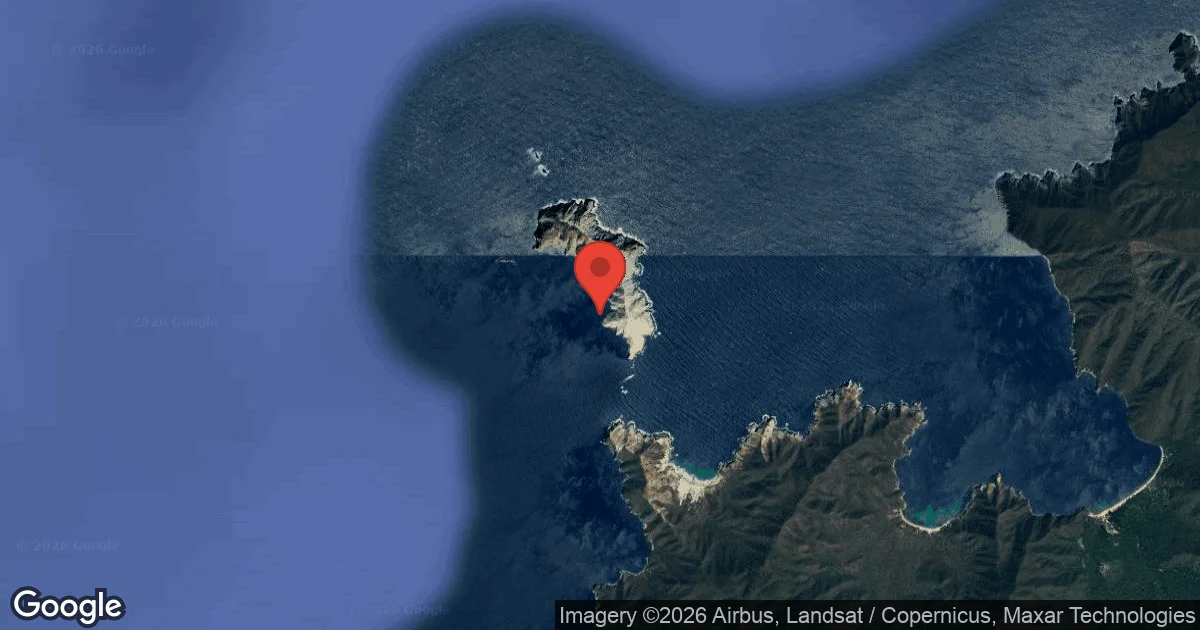
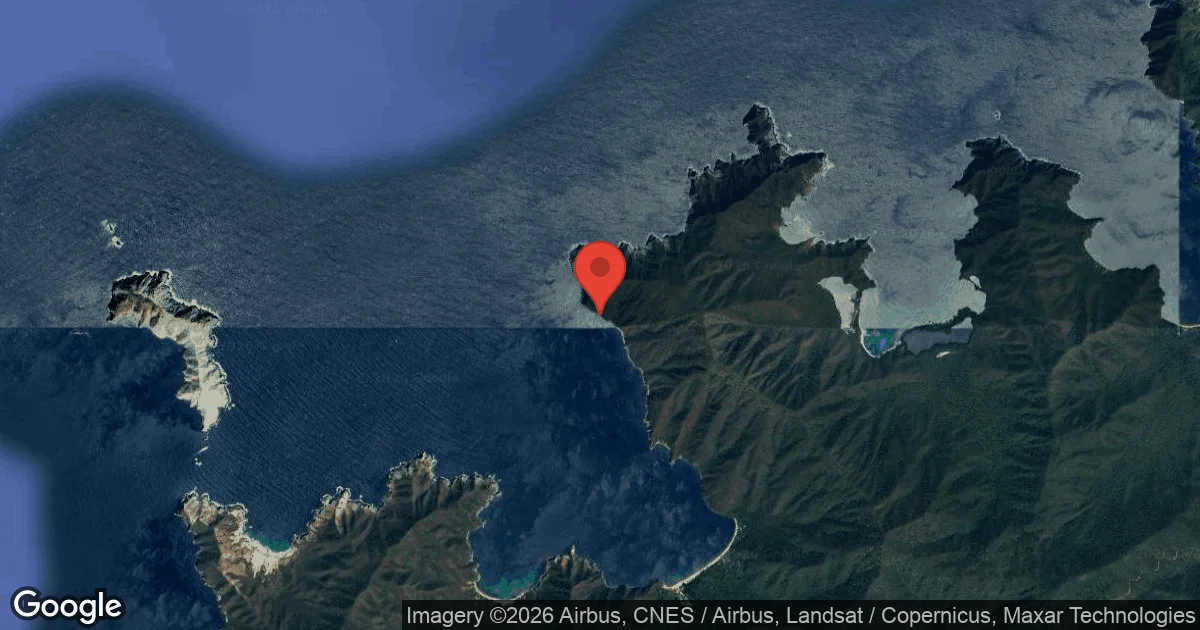
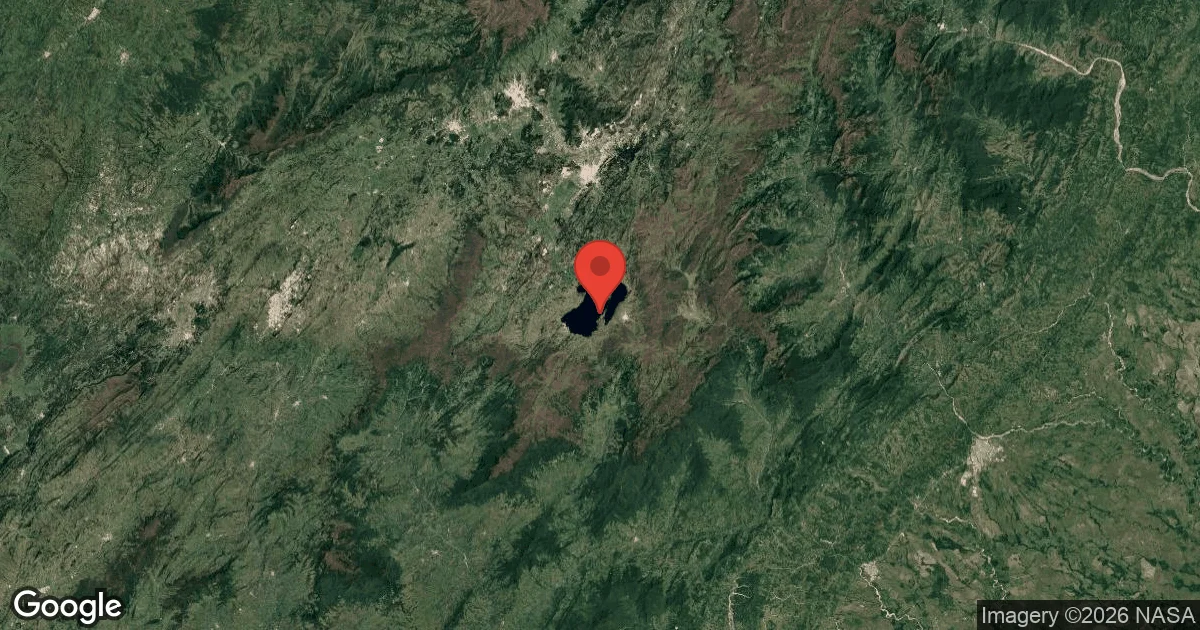
Diving in Colombia offers a range of experiences based on depth, from shallower reef dives to deeper, more advanced explorations. Some locations feature pinnacles that connect to the mainland at greater depths, allowing for dives around or, under specific conditions, through underwater channels.
More advanced sites typically extend deeper, often between 18-40 m (60-130 ft), and frequently encounter stronger currents. These conditions make such sites ideal for drift diving, where divers move with the flow. Within marine parks, divers can explore a variety of sites including reefs with soft and hard corals, caves, and sunken ships.
Best Time to Dive in Colombia
Specific seasonal patterns for marine life in Colombia are not extensively documented. However, general diving conditions vary throughout the year, influencing the overall experience. From December to February, the region experiences a windy season, which leads to cooler water temperatures but often brings excellent visibility.
Between March and September, water temperatures rise, reaching approximately 26-28°C (79-82°F), and surface conditions are generally calm. October and November are recognized as rainier months; the water remains warm, though visibility may occasionally be reduced on certain days.
Monthly Sea Temperatures
Divers in Colombia should prepare for varying water temperatures, which directly influence wetsuit choice. Temperatures generally range from 23-28°C (73-82°F) throughout the year. During the windy season, from December to February, the water reaches its coldest point.
Conversely, from March to September, water temperatures increase significantly, typically stabilizing between 26-28°C (79-82°F). This warmer period might allow for thinner wetsuits or shorties, while the cooler months may require a 5mm suit for comfort.
| Jan | Feb | Mar | Apr | May | Jun | Jul | Aug | Sep | Oct | Nov | Dec | |
|---|---|---|---|---|---|---|---|---|---|---|---|---|
| Max | 29° | 29° | 29° | 29° | 30° | 30° | 30° | 30° | 30° | 30° | 30° | 29° |
| Avg | 28° | 27° | 27° | 28° | 29° | 29° | 29° | 29° | 29° | 29° | 29° | 28° |
| Min | 27° | 26° | 26° | 27° | 28° | 29° | 28° | 29° | 28° | 28° | 28° | 28° |
Dive Conditions
Visibility in Colombian waters can be quite good, often reaching up to 30 m (100 ft) on favorable days. During the windy season, from December to February, excellent visibility is common. Conversely, the rainy months of October and November can lead to somewhat murky conditions at times.
Currents are a notable factor in some diving areas. Specific dive sites may experience moderate to strong currents. Deeper, more advanced sites are particularly known for slightly stronger currents, which are often utilized for drift diving experiences.
Marine Life Highlights
Most Mentioned Species
Marine life in Colombia varies across dive locations, with different species appearing depending on environment and conditions. The species highlighted here are the most frequently associated with dive sites in our data, offering a realistic overview of what divers are most likely to encounter.
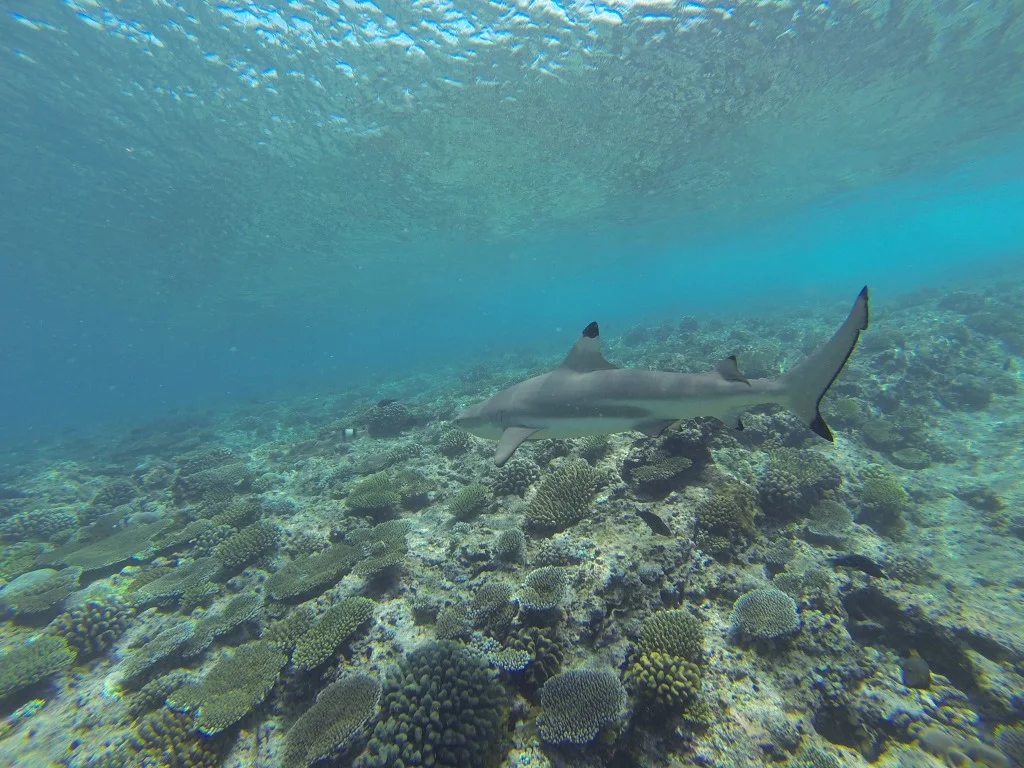
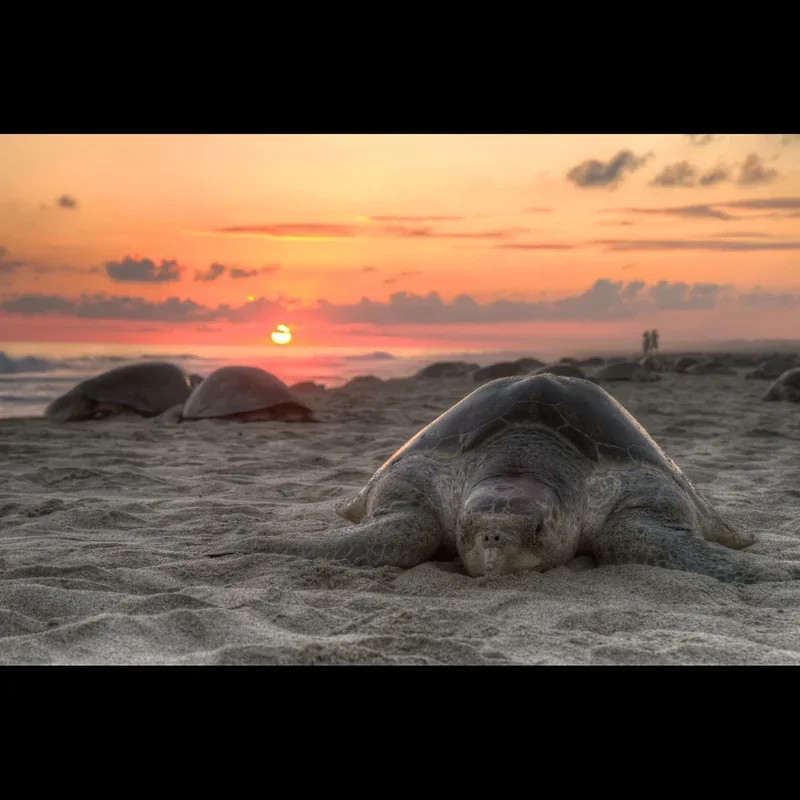
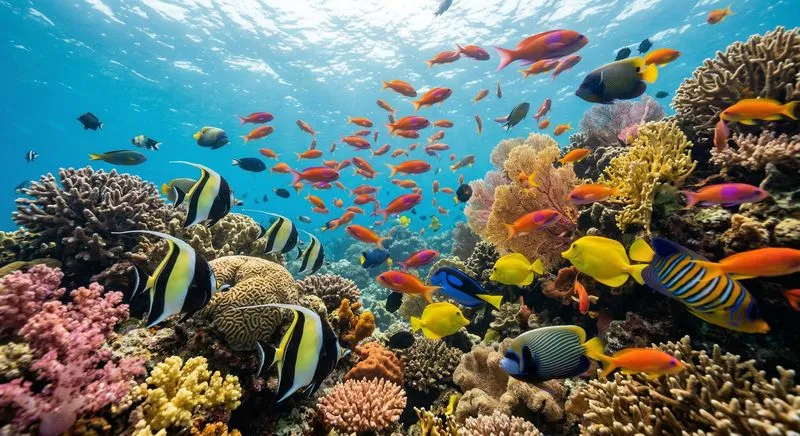
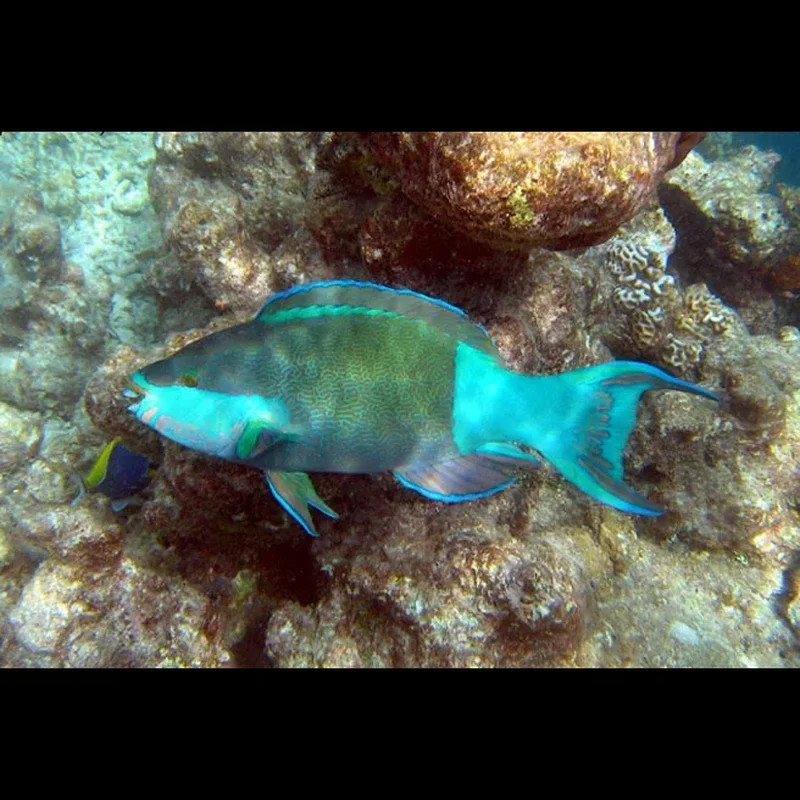
The biodiversity in Colombia's dive sites centers on a variety of smaller species and healthy reef ecosystems. Observers can find an abundance of corals, sponges, and anemones, which form the foundation of these habitats. These environments support a diverse collection of reef fish.
Common sightings include pufferfish, angelfish, lionfish, and scorpion fish. Invertebrates such as moray eels, lobsters, and octopuses are also frequently encountered. While large pelagic animals are not a primary feature, the focus remains on the intricate and varied macro-life.
Regions for Diving
Diving activity in Colombia is primarily documented within its protected natural areas, offering focused exploration. Key regions include Tayrona National Park and Sanquianga National Natural Park. Tayrona National Park is noted for having a significant number of dive sites within its marine boundaries, catering to various experience levels.
These sites often feature reefs with both soft and hard corals, as well as opportunities to explore sunken ships and caves. Information regarding specific conditions like visibility, seasonality, or water temperature for each individual region is not widely detailed, with most data applying to general country-wide patterns.
Travel & Passport Guide
Travel Basics
Trip Planning
Safety & Diving Considerations
Divers in Colombia should be aware of potential environmental factors such as moderate to strong currents at certain dive sites. These conditions, particularly at deeper locations, can necessitate specific dive planning.
Safety protocols on dive boats typically include mandatory life jacket usage when the vessel is in motion. Dive operators often carry comprehensive first aid kits and emergency oxygen, along with water and snacks, to ensure diver welfare.
Dive Centers in Colombia
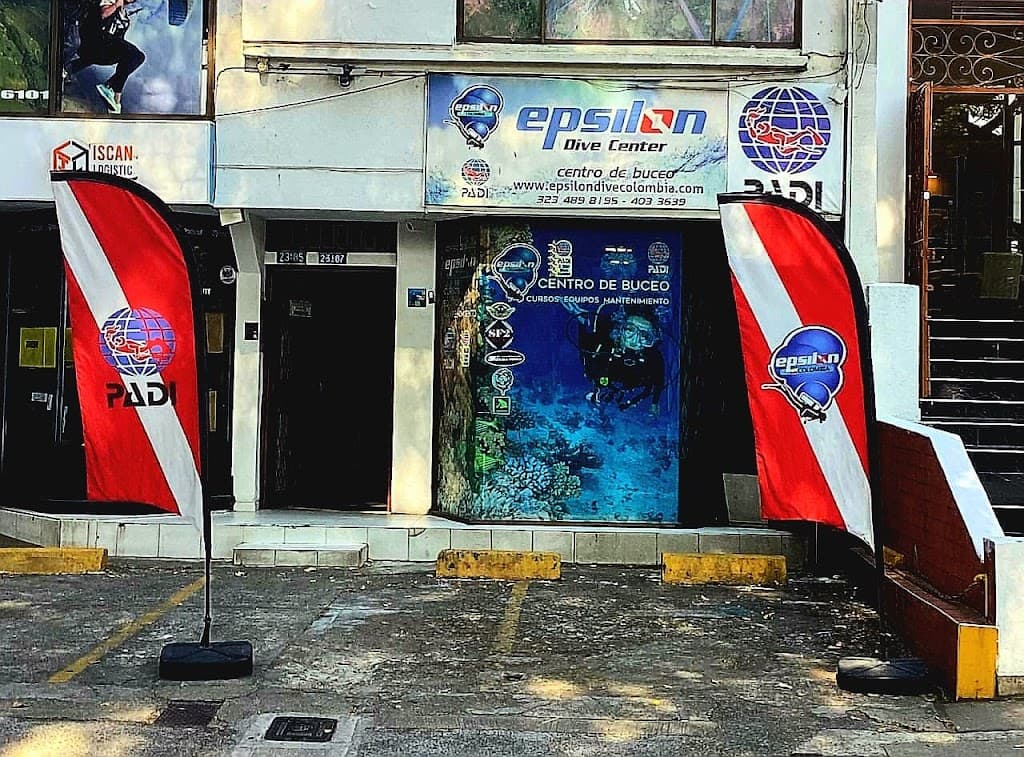
View all 38 dive centers
Frequently Asked Questions
When is the best time to dive in Colombia for calm conditions?
The period from March to September generally offers calm surface conditions and warmer water temperatures, making it a favorable time for diving in Colombia.
What kind of marine life can I expect to see?
You can expect to encounter a variety of reef life, including corals, sponges, anemones, pufferfish, angelfish, lionfish, scorpion fish, moray eels, lobsters, and octopuses. Large pelagic animals are not commonly sighted.
What are the typical water temperatures for diving?
Water temperatures in Colombia range from 23-28°C (73-82°F). The coldest temperatures occur from December to February, while March to September sees warmer waters around 26-28°C (79-82°F).