Loading...

Diving at Cape Sorinj Roman Wreck (Croatia)
Published
An untouched 2nd-century BC Roman wine-carrier cargo anchored under a custom trapezoidal steel cage on a steep 35-meter Kvarner slope off Rab Island's northernmost cape.
Starting the day at Cape Sorinj Roman Wreck, the ambient air temperature is recorded at 14°C. Ongoing monitoring shows wave heights measuring 0.7 m. This data represents the current surface conditions for early activities.
Dive Site Location & Key Facts
Site Characteristics
Max Depth35m / 115ft
Entry Typeboat
Water Typesalt
Dive Types
ArchaeologicalDeepWreck
Dive Site Overview
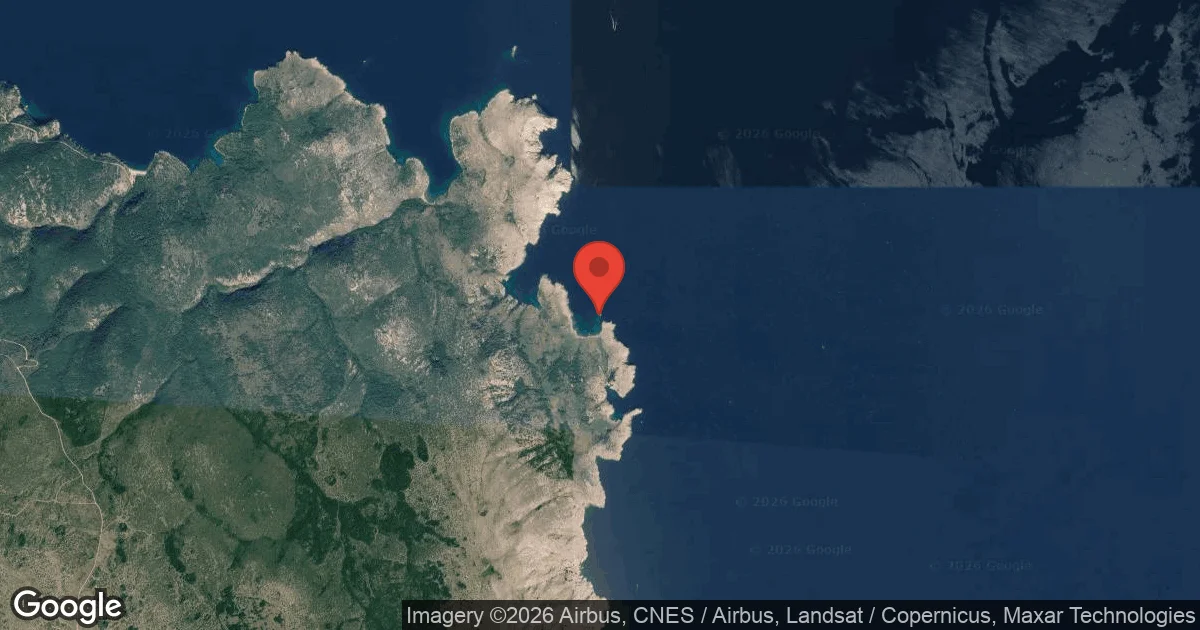
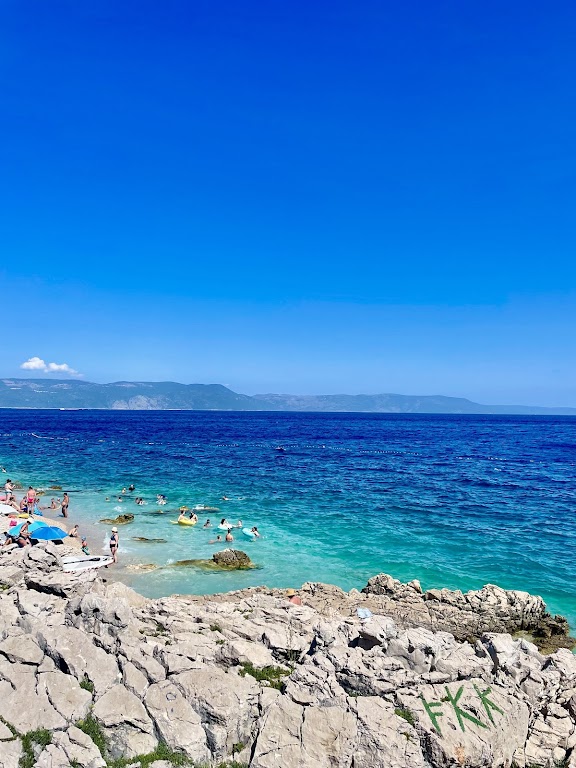
Jutting northwest into the Kvarnerić basin from Rab Island's scenic Lopar peninsula, Cape Sorinj stands directly exposed to fierce Bora gales sweeping down from the Velebit mountains. In the first half of the 2nd century BC, an ancient merchant vessel navigating this treacherous passage foundered roughly 100 meters off the headland, coming to rest along an inclined sandy-rocky slope between 30 and 35 meters.
Discovered completely intact during a local recreational dive and promptly reported to Croatian heritage authorities, the site yielded an extraordinary concentration of roughly 70 amphorae illustrating the typological transition from late Greco-Italic forms to classic Lamboglia 2 Adriatic wine jars. Following archaeological documentation and the selective recovery of six diagnostic specimens, conservation specialists installed a custom-built trapezoidal steel cage in 2004 engineered specifically to conform to the steep seabed gradient.
Descending through clear Kvarner blue water to see dozens of 2,150-year-old wine jars cascading in formation down the inclined seafloor beneath the angled steel grid ranks among the most atmospheric archaeological dives in the northern Adriatic islands.
Cape Sorinj Roman Wreck
Conditions are Moderate
5/10
Confidence: 8/10
Indicates meteorological model agreement and data availability.
DIVE WARNING
High Wind Advisory (58km/h). Unsafe surface.
06:12
18:45
H: 10:45
L: 16:20
Air / Sea Temp
14° / 17°
Wave Height
0.8 m
Wind Speed
58 km/h NNE
Rain Chance
100%
Current conditions near Cape Sorinj Roman Wreck show 14° air, 17° sea temperature, 0.8 m waves, and 58 km/h wind. Forecast data is refreshed regularly to ensure accuracy.
Radius: ~12km
Updated: Nov 22, 2026, 11:27 local timeMARINE: OPEN-METEOWEATHER: YR.NO
Best Time to Dive
The optimal season runs from May through October, with June through September providing the most reliable calm windows around the exposed northern tip of Rab. Visibility at 30 to 35 meters routinely reaches 18 to 25 meters thanks to clean deep-channel circulation between Rab, Krk, and Cres.
Weather forecasting is paramount at Cape Sorinj: even moderate northeast Bora winds or strong northwesterly swells sweep across the cape and create surface chop and current over the shoals. Local dive skippers in Lopar, Kampor, and Supetarska Draga time trips exclusively for settled, low-wind mornings.
PEAK SEASON SCORE
93/100
ExcellentScores combine air & water temps, waves, wind & rainfall for overall conditions.
BEST MONTHS TO DIVE
JUN
JUL
AUG
DIVE SCORE GUIDE (0–100)
Excellent (90–100)
Very Good (80–89)
Good (70–79)
Moderate (50–69)
Poor (30–49)
Not Recommended (0–29)
Monthly records compiled from satellite and marine observation nodes over the last 3 years. Data provided by Open-Meteo and MET Norway.
Dive Experience & Conditions
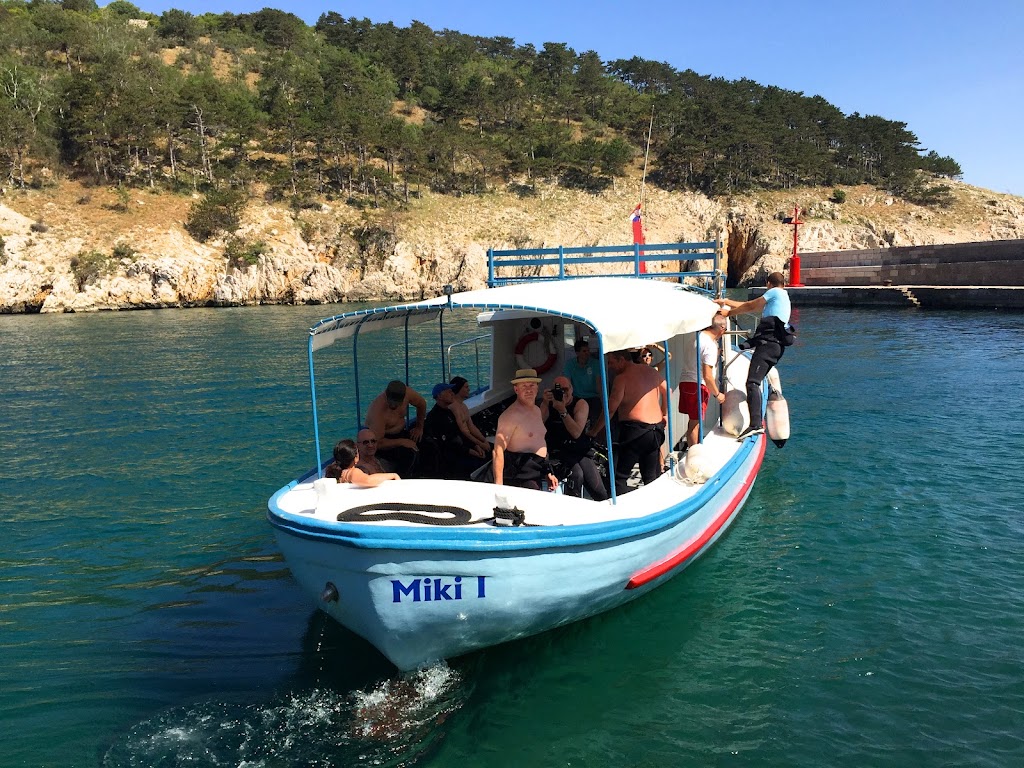
Authorized dive boats run 10 to 20 minutes from Lopar, Kampor, or Supetarska Draga to moor off the white lighthouse tower on Rt Sorinj. Divers make a controlled descent down the reference line to the top of the reef slope and continue down the sandy-rocky incline to encounter the trapezoidal cage spanning 30 to 35 meters.
Even at the height of summer, a pronounced Kvarner thermocline drops water temperatures at 30–35 meters to a brisk 14–16°C, while currents around the headland can range from mild to moderate. After 12 to 18 minutes circling the cage perimeter and illuminating the encrusted amphora pile, teams ascend gradually up the rocky coastal slope toward Cape Sorinj's sunlit shallow boulders for decompression-free safety stops.
Dive Difficulty & Safety Guidelines
Because the amphora cage sits between 30 and 35 meters on an exposed headland, advanced open-water or deep-diving experience, disciplined air management, and enriched air nitrox (for appropriately certified divers) are strongly recommended. Monitor no-decompression time closely so you begin your ascent up the coastal slope with ample reserve gas.
Cape Sorinj is a legally protected cultural monument: diving without an authorized concession-holding dive center and licensed guide is prohibited, anchoring near the site is banned, and touching the cage or reaching toward any exposed ceramic fragments is strictly forbidden.
Recommended Equipment
Deep dive hazard. Increased narcosis and gas consumption risk.
Overhead / entanglement risk. Wreck penetration requires proper training.
- Dive Computer
- DSMB
- Primary & Backup Lights
- Wreck Reel
- Cutting Tool
This gear list is based on verified equipment signals for Cape Sorinj Roman Wreck, Croatia. Always confirm final gear choices with your dive operator, guide, or liveaboard.
Recommended Dive Suit
With water temperatures around 17°C (63°F), many divers find a 5-7mm wetsuit provides comfortable protection.
Local dive briefings can provide the most accurate guidance.
The forecast outlook suggests that temperatures will stay close to current levels.
Cape Sorinj Roman Wreck conditions last reviewed: 11:27 local time (UTC+1), Nov 22, 2026
Emergency & Medical Support
Essential information to help you plan your dive trip to Cape Sorinj Roman Wreck.

Hyperbaric chambers are a critical part of dive safety infrastructure. Availability varies significantly by region, and not all dive areas have immediate access.
Before diving, it's recommended to:
- confirm nearest medical facilities
- check emergency procedures with local dive operators
- ensure dive insurance covers evacuation if required
24/7 Available
Divers Alert Network
Diving emergency assistance available through DAN Europe.
+39 0642115685- 24/7 emergency hotline
- Diving medical assistance
- Evacuation coordination
Emergency contacts are provided for reference. Always verify local emergency services before diving.
Closest Listed Hyperbaric Chambers (≤ 200 km)
Approximate straight-line distances from this dive site — emergency travel times may vary.
38 km38 kmPoliklinika za baromedicinu OXY – Poslovna jedinica Crikvenica
Crikvenica, Croatia+385 51 785 229Details38 kmPoliklinika za baromedicinu OXY – Poslovna jedinica Crikvenica
Crikvenica, Croatia · Multiplace
Hours: Mon–Fri 07:30–15:30Facility: Thalassotherapia CrikvenicaICU On-Site: Not reportedSource: KBC Rijeka / Poliklinika OXYOfficial website
38 km
Poliklinika za baromedicinu OXY – Poslovna jedinica Crikvenica
Crikvenica, Croatia+385 51 785 229Details
38 km
Poliklinika za baromedicinu OXY – Poslovna jedinica Crikvenica
Crikvenica, Croatia · Multiplace
Hours: Mon–Fri 07:30–15:30
Facility: Thalassotherapia Crikvenica
ICU On-Site: Not reported
Source: KBC Rijeka / Poliklinika OXY
Official website56 km56 kmZavod za podvodnu i hiperbaričnu medicinu – KBC Rijeka
Rijeka, Croatia24/7ICU+385 51 407 435Details56 kmZavod za podvodnu i hiperbaričnu medicinu – KBC Rijeka
24/7 ListedICU CapableRijeka, Croatia · Multiplace (8 seated / 2 stretcher ICU)
Hours: 24/7 EmergencyFacility: Klinički bolnički centar Rijeka (Lokalitet Sušak)ICU On-Site: YesSource: KBC Rijeka / Poliklinika OXYOfficial website
56 km
Zavod za podvodnu i hiperbaričnu medicinu – KBC Rijeka
Rijeka, Croatia24/7ICU+385 51 407 435Details
56 km
Zavod za podvodnu i hiperbaričnu medicinu – KBC Rijeka
24/7 ListedICU CapableRijeka, Croatia · Multiplace (8 seated / 2 stretcher ICU)
Hours: 24/7 Emergency
Facility: Klinički bolnički centar Rijeka (Lokalitet Sušak)
ICU On-Site: Yes
Source: KBC Rijeka / Poliklinika OXY
Official website65 km65 kmPoliklinika za baromedicinu OXY – Podružnica Pula
Pula, Croatia+385 52 215 663Details65 kmPoliklinika za baromedicinu OXY – Podružnica Pula
Pula, Croatia · Multiplace
Hours: Mon–Fri 07:30–15:30Facility: Opća bolnica PulaICU On-Site: Not reportedSource: KBC Rijeka / Poliklinika OXYOfficial website
65 km
Poliklinika za baromedicinu OXY – Podružnica Pula
Pula, Croatia+385 52 215 663Details
65 km
Poliklinika za baromedicinu OXY – Podružnica Pula
Pula, Croatia · Multiplace
Hours: Mon–Fri 07:30–15:30
Facility: Opća bolnica Pula
ICU On-Site: Not reported
Source: KBC Rijeka / Poliklinika OXY
Official websiteChamber data is sourced from official Croatian hospital and baromedicine facility records and has not been independently verified by Dive Navigator. Always contact local emergency services, DAN, your dive operator, or the facility directly before travelling.
Reference onlyMarine Life at Cape Sorinj Roman Wreck
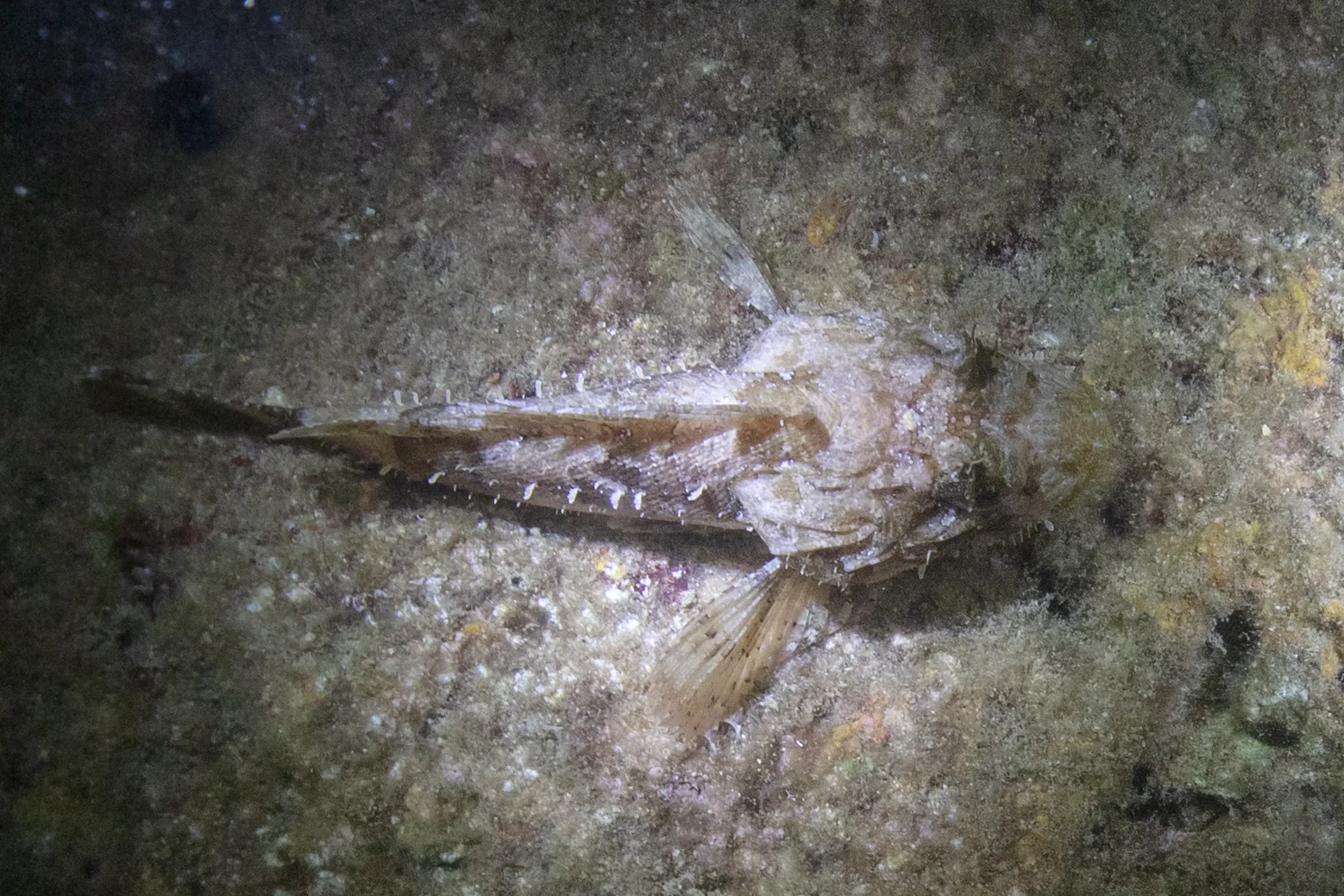
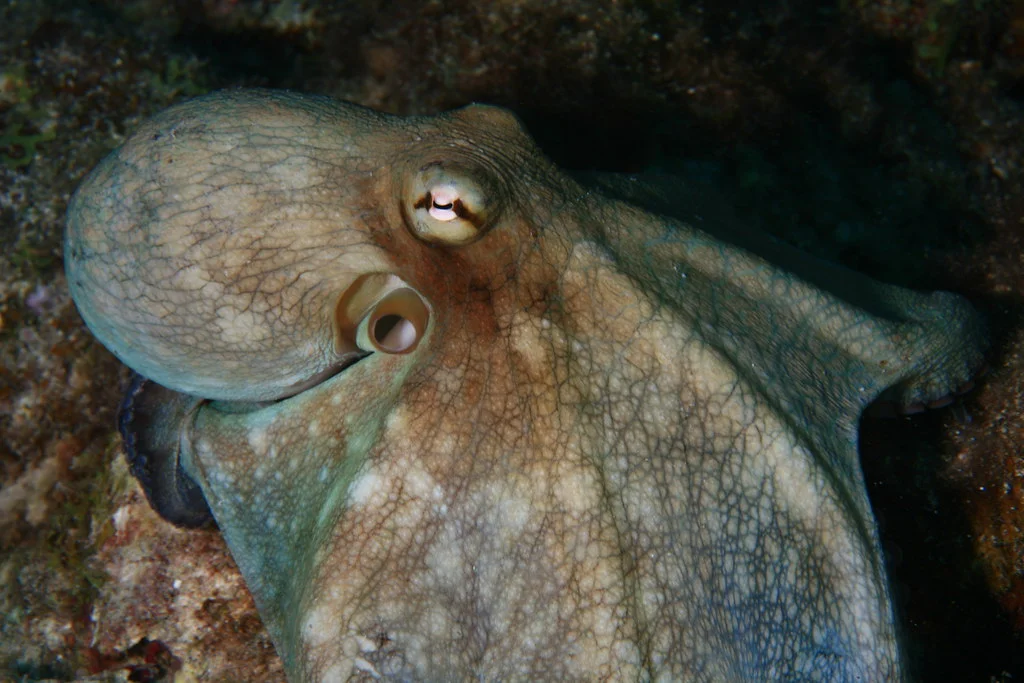
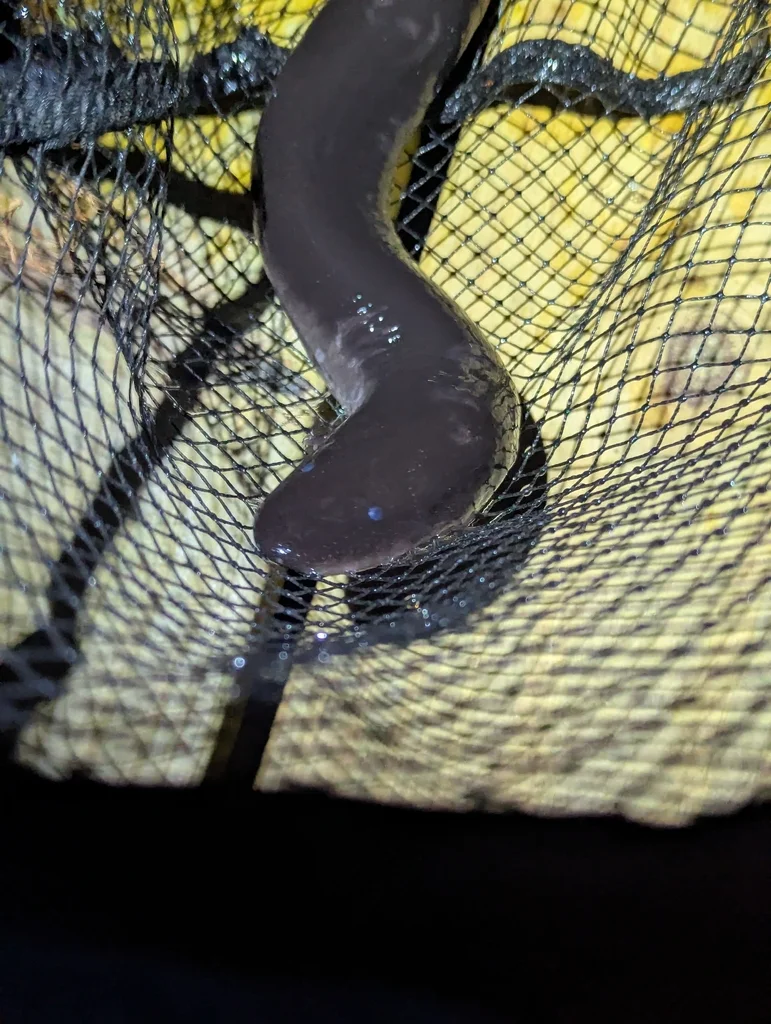
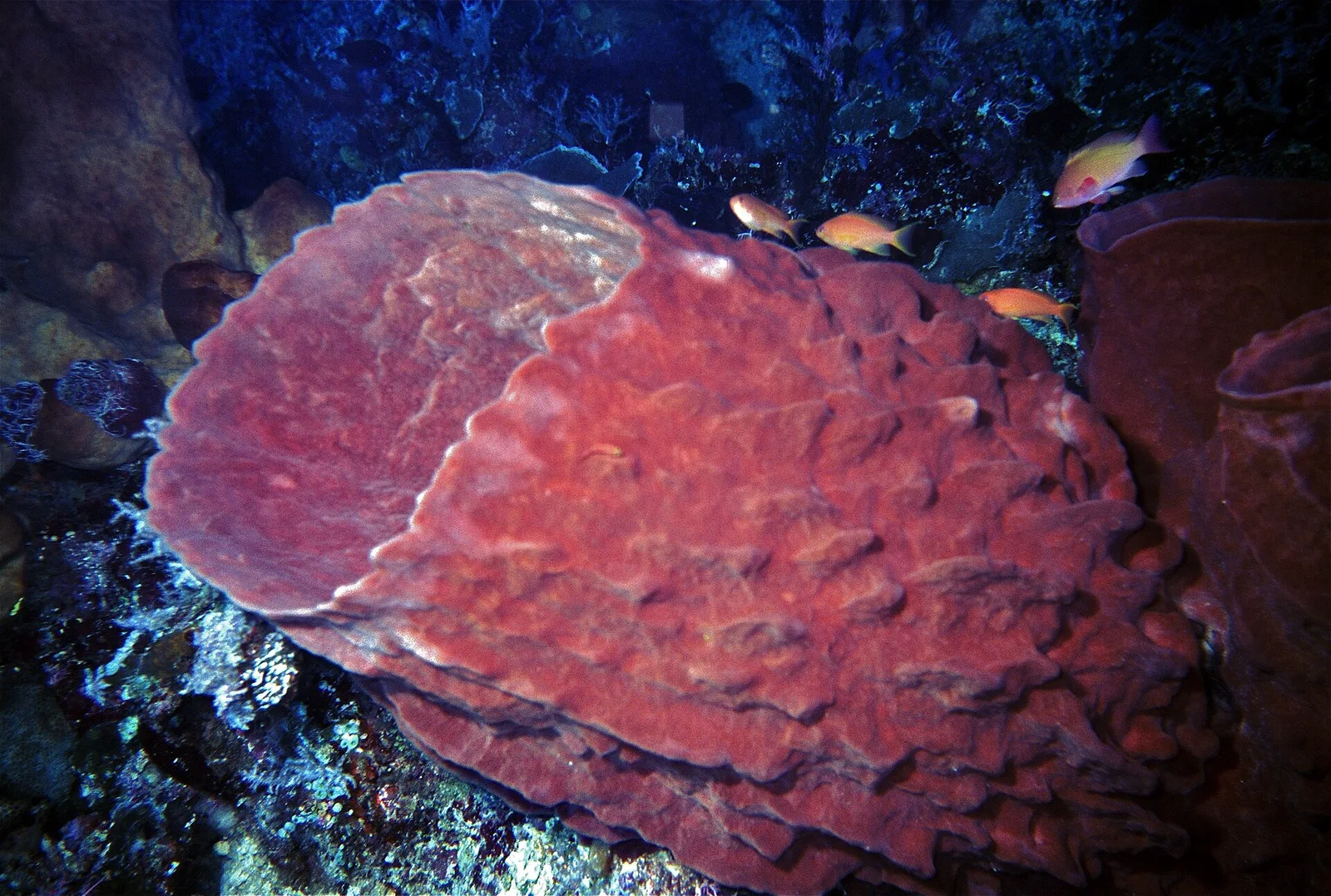
The steel cage structure and concreted amphora mound act as a high-relief oasis on the 30-to-35-meter sandy slope. Large red scorpionfish (Scorpaena scrofa) rest motionless atop the grid and among the ceramic necks, while European conger eels and common octopuses occupy hollows beneath the amphora pile.
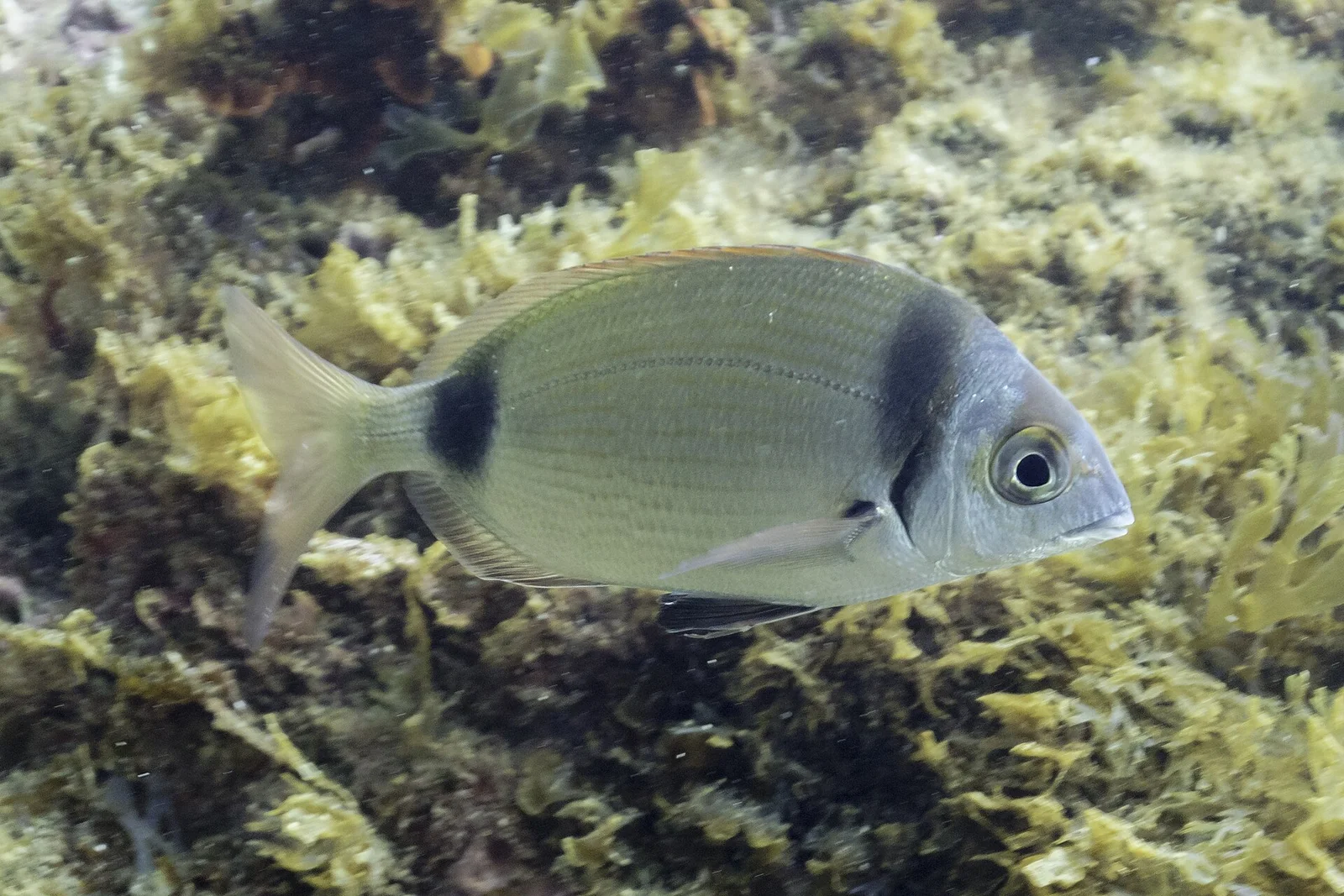
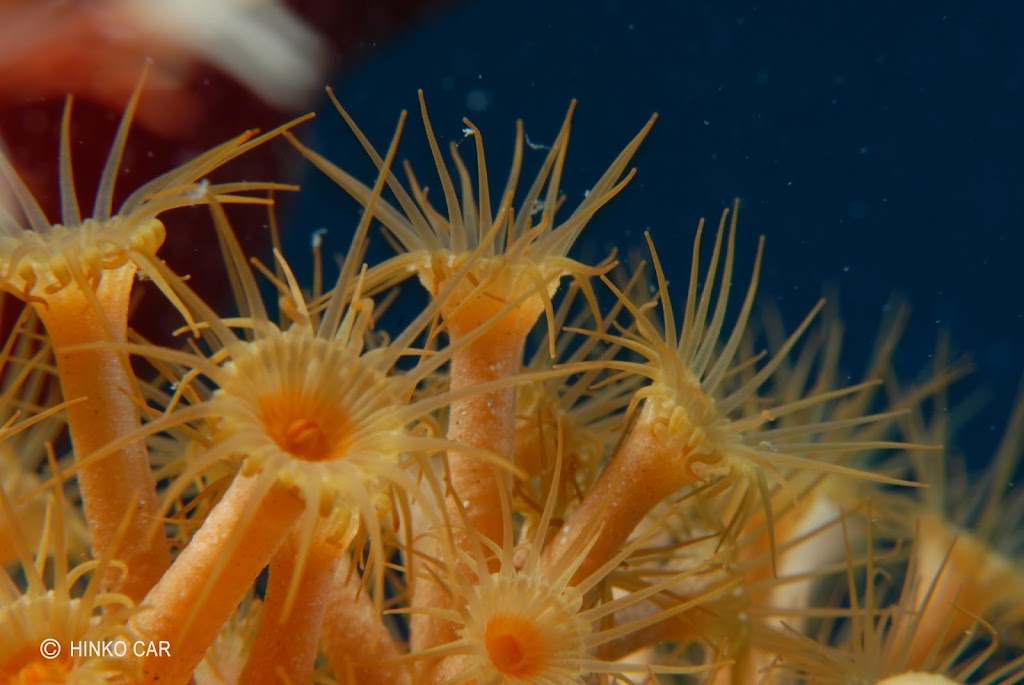
During cooler spring and early summer months, solitary John Dory (Zeus faber) occasionally stalk small Bogue and damselfish schools along the deeper slope, while ascending up the rocky headland toward Cape Sorinj reveals yellow gorgonians (Eunicella cavolini), vibrant sponges, nudibranchs, and shoals of white and two-banded seabreams.
1 / 2
Image contributors:Diego Delso, laszlo-photo + 1 more
Want to contribute photos or local dive knowledge? Learn how to contributeDive Sites Near Cape Sorinj Roman Wreck
View all dive sites in CroatiaDiscover more underwater gems in this area.
Dive Centers Near Cape Sorinj Roman Wreck
Working Hours
Sun08:30 - 19:00
Mon08:30 - 19:00
Tue08:30 - 19:00
Wed08:30 - 19:00
Thu08:30 - 19:00
Fri08:30 - 19:00
Sat08:30 - 19:00
Today: 08:30 - 19:00
Sun08:30 - 19:00
Mon08:30 - 19:00
Tue08:30 - 19:00
Wed08:30 - 19:00
Thu08:30 - 19:00
Fri08:30 - 19:00
Sat08:30 - 19:00
4.6| 180 reviews
22 km
4.5| 51 reviews
17.3 km
4.9| 131 reviews
32.2 km
Pelagos Diving Center
4.9(210)• 37.3 km
Connex Diving
4.8(224)• 32.6 km
Diving Center Mihuric
4.7(223)• 34.3 km
Girandella Diving Centre
4.8(231)• 47.4 km
Nearest Airports
Nearest airports to help plan travel to this dive area.
Rijeka Airport RJK
42 km
Pula Airport PUY
60 km
Zadar Airport ZAD
99 km
💵 Currency: EUR
Search Flights
Check available flights and routes on Expedia, using the nearby airports listed in this section.
Search Flights on ExpediaAffiliate link · Dive Navigator may earn a commission at no extra cost to you.
Frequently Asked Questions
What depth is the Cape Sorinj amphora cage located at?
The trapezoidal steel cage and amphora mound rest on an inclined sandy-rocky slope between 30 and 35 meters, roughly 100 meters offshore from Cape Sorinj.
Why is the protective cage at Cape Sorinj trapezoidal in shape?
Unlike flat-bottomed wrecks, the Sorinj amphora cargo spilled down a steep underwater slope, so conservation engineers built a custom trapezoidal cage in 2004 tailored to anchor securely across the incline.
What kind of cargo was the Roman ship carrying?
The vessel carried roughly 70 wine amphorae dating to the first half of the 2nd century BC, representing late Greco-Italic and early transitional Lamboglia 2 types.
What certification level is required to dive Cape Sorinj?
Because the entire archaeological enclosure lies between 30 and 35 meters, divers need at least Advanced Open Water certification and solid deep-diving buoyancy control, ideally paired with deep-specialty and nitrox training.
Which towns on Rab Island launch dive boats to Cape Sorinj?
Authorized dive centers in Kampor, Supetarska Draga, and Lopar on northern Rab Island are closest and run short boat excursions to the cape when winds are calm.
Can divers enter inside the Cape Sorinj cage?
No. Penetration is prohibited; divers circle the exterior of the wide steel mesh panels, which provide clear views and photography angles over the entire amphora deposit.
Trip Inquiry
Planning to dive Cape Sorinj Roman Wreck?
Tell us your dates and diving needs. We'll review your request and seek offers from relevant local dive centers.
Request Dive Offers Free request for offers • No booking obligation
Cape Sorinj Roman Wreck
Conditions are Moderate
5/10
Confidence: 8/10
Indicates meteorological model agreement and data availability.
DIVE WARNING
High Wind Advisory (58km/h). Unsafe surface.
06:12
18:45
H: 10:45
L: 16:20
Air / Sea Temp
14° / 17°
Wave Height
0.8 m
Wind Speed
58 km/h NNE
Rain Chance
100%
Current conditions near Cape Sorinj Roman Wreck show 14° air, 17° sea temperature, 0.8 m waves, and 58 km/h wind. Forecast data is refreshed regularly to ensure accuracy.
Radius: ~12km
Updated: Nov 22, 2026, 11:27 local timeMARINE: OPEN-METEOWEATHER: YR.NO


