Loading...

Diving at Sućuraj WWII Bomber Wreck (Croatia)
Published
One of the Adriatic's rarest WWII heavy bomber wrecks—the USAAF B-24 Liberator Le Petite Fleur—resting inverted with all four radial engines at 41 to 45 meters off Sućuraj.
Early observations for Sućuraj WWII Bomber Wreck report a surface air temperature of 13°C. The water surface is currently presenting wave heights of 0.6 m. Consider these environmental metrics before beginning your descent.
Dive Site Location & Key Facts
Site Characteristics
Max Depth45m / 148ft
Entry Typeboat
Water Typesalt
Dive Types
DeepTechnicalWreck
Dive Site Overview
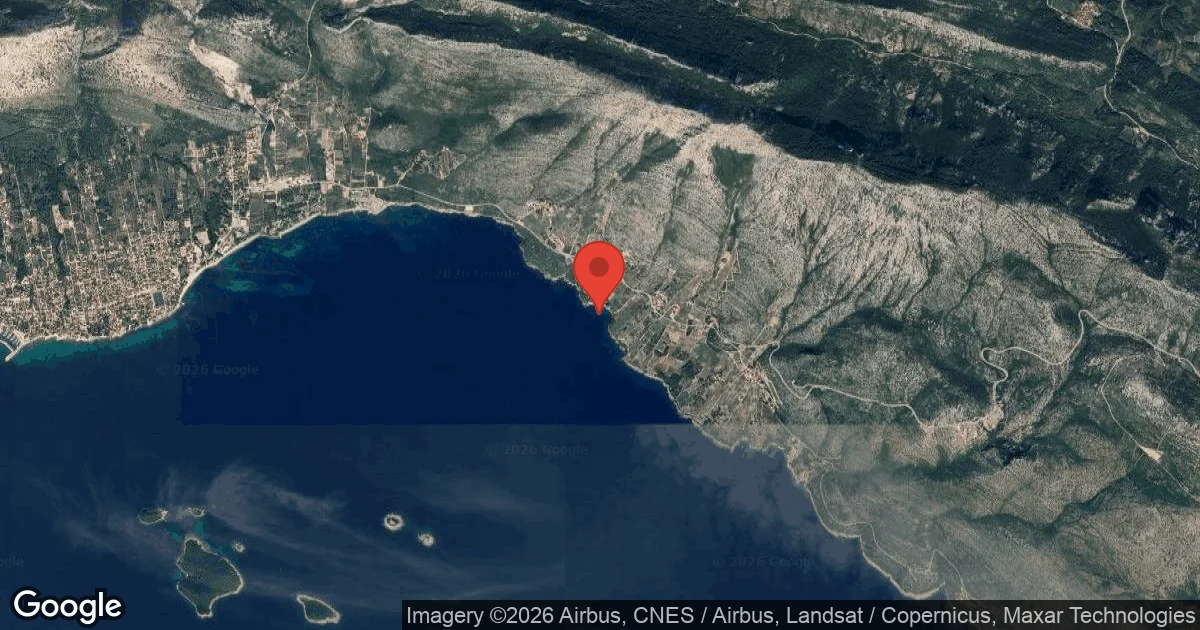
Located three nautical miles west of Sućuraj in the open channel waters off eastern Hvar, the Sućuraj WWII Bomber Wreck preserves Le Petite Fleur, an American Consolidated B-24 Liberator strategic bomber (USAAF serial 42-51874) built at Willow Run, Michigan, and assigned in September 1944 to the 727th Bombardment Squadron, 451st Bombardment Group in southern Italy.
On November 20, 1944, after sustaining severe battle damage during a high-altitude bombing raid on synthetic fuel plants at Blechhammer, pilot Lieutenant Eddie Doherty nursed the crippled 25.5-ton aircraft southward across the Adriatic and executed a controlled ditching near eastern Hvar. Remarkably, every crew member survived the water landing before the bomber slipped beneath the waves.
Upon striking the sea, the 20.5-meter fuselage fractured cleanly aft of the wing root, leaving the aircraft resting upside down on a flat sandy-silty seafloor between 41 and 45 meters in two closely adjacent sections: the dramatic 33.5-meter main wing span bearing all four 1,200-horsepower Pratt & Whitney radial engines, bent Hamilton Standard propeller blades, landing gear, and forward cockpit, beside the detached rear fuselage and iconic twin vertical stabilizers.
Sućuraj WWII Bomber Wreck
Conditions are Good
8/10
Confidence: 8/10
Indicates meteorological model agreement and data availability.
Best Dive Window
07:00 - 14:00
Optimal conditions expected
06:12
18:45
H: 10:45
L: 16:20
Air / Sea Temp
13° / 18°
Wave Height
0.8 m
Wind Speed
27 km/h NNE
Rain Chance
0%
Current conditions near Sućuraj WWII Bomber Wreck show 13° air, 18° sea temperature, 0.8 m waves, and 27 km/h wind. Forecast data is refreshed regularly to ensure accuracy.
Radius: ~12km
Updated: Nov 23, 2026, 06:22 local timeMARINE: OPEN-METEOWEATHER: YR.NO
Best Time to Dive
June through September offers the most reliable channel crossings from Makarska, Podgora, Drvenik, and eastern Hvar, when settled summer weather minimizes surface chop over the exposed mid-channel coordinate and delivers 15-to-25-meter seabed visibility.
Early morning runs beat afternoon thermal channel winds, while September combines calm post-summer seas with warm shallow decompression stops at 6 and 3 meters above the cold 15°C to 16°C bottom layer.
PEAK SEASON SCORE
97/100
ExcellentScores combine air & water temps, waves, wind & rainfall for overall conditions.
BEST MONTHS TO DIVE
JUN
JUL
AUG
DIVE SCORE GUIDE (0–100)
Excellent (90–100)
Very Good (80–89)
Good (70–79)
Moderate (50–69)
Poor (30–49)
Not Recommended (0–29)
Monthly records compiled from satellite and marine observation nodes over the last 3 years. Data provided by Open-Meteo and MET Norway.
Dive Experience & Conditions
Because the B-24 rests in open channel water on a featureless seabed at 41 to 45 meters, licensed dive boats locate the airframe by sonar, drop a marker buoy, and secure a descent line clear of the fragile aluminum skin. Descending down the line through blue-green water, the sprawling 33.5-meter Davis wing materializes like a silver-and-ochre phantom on the sand.
Bottom times are concise and focused—typically 12 to 18 minutes for deep-certified divers and longer for technical trimix teams—gliding slowly past the four cowled radial engines, twisted propeller hubs, cockpit greenhouse framing, and nearby twin-fin tail section before ascending along the line for staged decompression.
Dive Difficulty & Safety Guidelines
Protected under code Z-6527 in the Register of Cultural Goods of the Republic of Croatia, Le Petite Fleur may only be dived with authorized dive centers holding a Ministry of Culture and Media permit. Never touch aluminum airframe surfaces, instrument panels, or remaining wartime ordnance components, and never attempt penetration into the collapsed inverted fuselage.
At 41 to 45 meters in moderate channel currents and 15°C bottom water, divers must hold deep specialty or technical trimix qualifications with at least 50 logged dives, carry redundant gas or conservative decompression reserves, keep fin kicks high above the fine channel sediment, and ascend strictly on the shot line or with a delayed surface marker buoy.
Recommended Equipment
Technical depth range. Advanced planning, gas management, and appropriate certification required.
Overhead / entanglement risk. Wreck penetration requires proper training.
- Dive Computer
- DSMB
- Primary & Backup Lights
- Wreck Reel
- Cutting Tool
This gear list is based on verified equipment signals for Sućuraj WWII Bomber Wreck, Croatia. Always confirm final gear choices with your dive operator, guide, or liveaboard.
Recommended Dive Suit
Subtle variations in currents or depth can sometimes influence perceived water temperature.
5-7mm wetsuit tends to perform well in water temperatures like those currently observed here. Consider warmer surface protection (like a boat coat) due to brisk winds. A thermal robe or jacket is recommended between dives. Short-term weather patterns suggest stable conditions for divers visiting the area.
Water temperatures across the dive area at Sućuraj WWII Bomber Wreck are presently estimated to be around 18°C (64°F). Surface air temperatures are resting at 13°C (56°F).
Sućuraj WWII Bomber Wreck conditions last reviewed: 06:22 local time (UTC+1), Nov 23, 2026
Emergency & Medical Support
Essential information to help you plan your dive trip to Sućuraj WWII Bomber Wreck.

Hyperbaric chambers are a critical part of dive safety infrastructure. Availability varies significantly by region, and not all dive areas have immediate access.
Before diving, it's recommended to:
- confirm nearest medical facilities
- check emergency procedures with local dive operators
- ensure dive insurance covers evacuation if required
24/7 Available
Divers Alert Network
Diving emergency assistance available through DAN Europe.
+39 0642115685- 24/7 emergency hotline
- Diving medical assistance
- Evacuation coordination
Emergency contacts are provided for reference. Always verify local emergency services before diving.
Closest Listed Hyperbaric Chambers (≤ 200 km)
Approximate straight-line distances from this dive site — emergency travel times may vary.
68 km68 kmZavod za pomorsku medicinu Split – Odjel za podvodnu i hiperbaričnu medicinu
Split, Croatia24/7ICU194Details68 kmZavod za pomorsku medicinu Split – Odjel za podvodnu i hiperbaričnu medicinu
24/7 ListedICU CapableSplit, Croatia · Multiplace
24/7 Emergency194CollapseHours: 24/7 EmergencyFacility: Zavod za pomorsku medicinu / KBC Split (Križine)ICU On-Site: YesSource: KBC Rijeka / Poliklinika OXY
68 km
Zavod za pomorsku medicinu Split – Odjel za podvodnu i hiperbaričnu medicinu
Split, Croatia24/7ICU194Details
68 km
Zavod za pomorsku medicinu Split – Odjel za podvodnu i hiperbaričnu medicinu
24/7 ListedICU CapableSplit, Croatia · Multiplace
24/7 Emergency194
CollapseHours: 24/7 Emergency
Facility: Zavod za pomorsku medicinu / KBC Split (Križine)
ICU On-Site: Yes
Source: KBC Rijeka / Poliklinika OXY
Chamber data is sourced from official Croatian hospital and baromedicine facility records and has not been independently verified by Dive Navigator. Always contact local emergency services, DAN, your dive operator, or the facility directly before travelling.
Reference onlyMarine Life at Sućuraj WWII Bomber Wreck
Rising from an otherwise flat expanse of channel sand and silt, the B-24 airframe acts as a thriving deep-water oasis encrusted with sponges, bryozoans, oysters, and feathery hydroids. Thick European conger eels and nocturnal forkbeards peer directly out of engine cowlings, wheel wells, and the torn fuselage break.
Large red scorpionfish camouflage themselves along the inverted wing spars and tailplane, common octopuses den beneath engine nacelles, and dense shoals of anthias, poor cod, and two-banded sea bream hover above the propellers while rays and John Dory cruise the surrounding seabed.
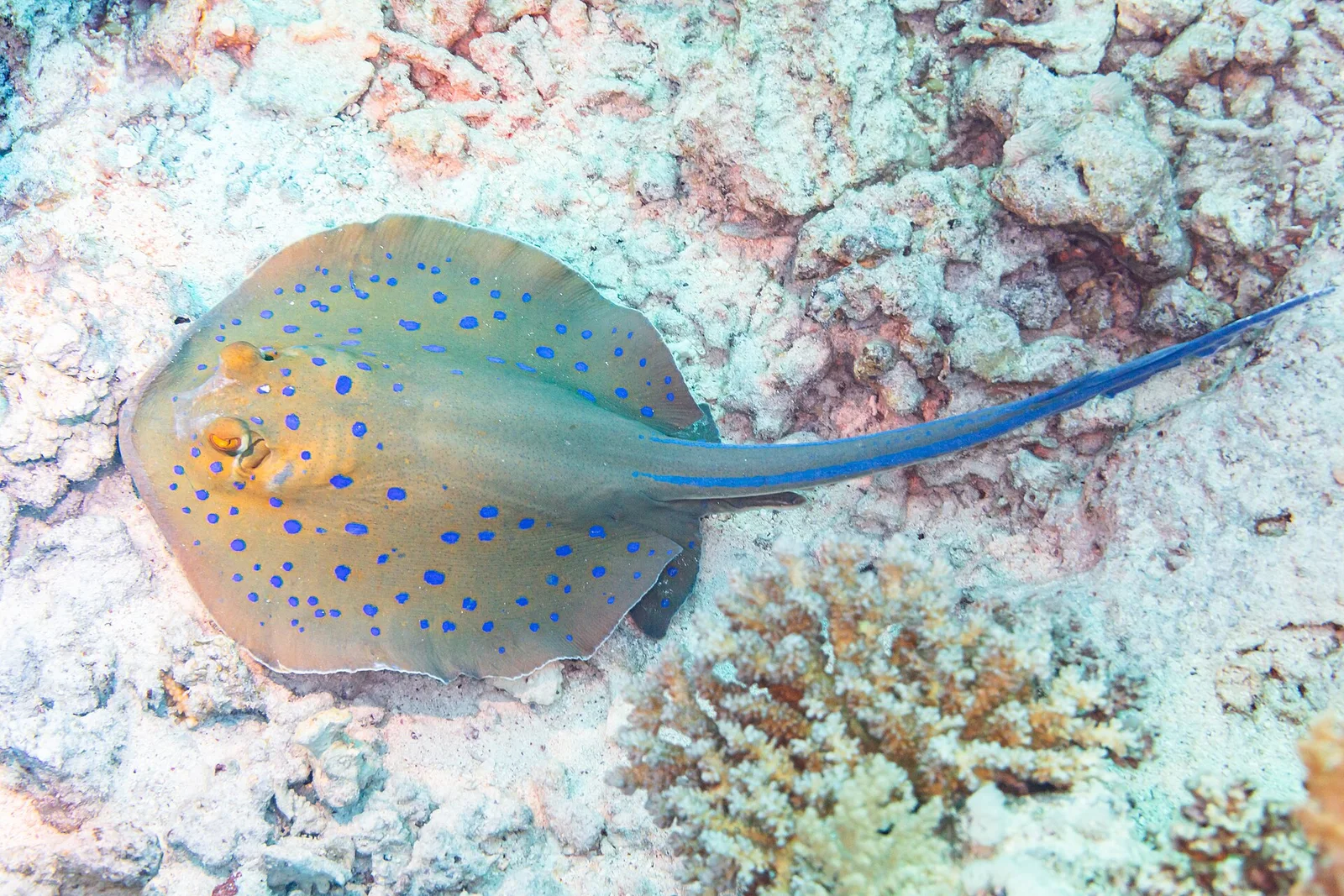


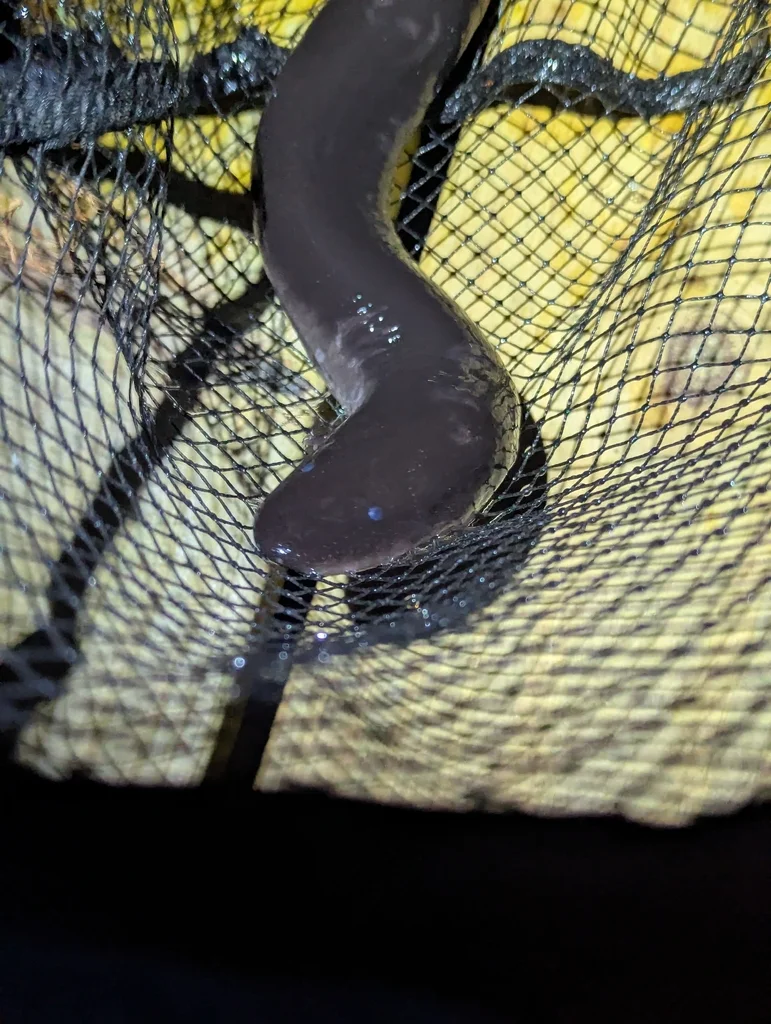
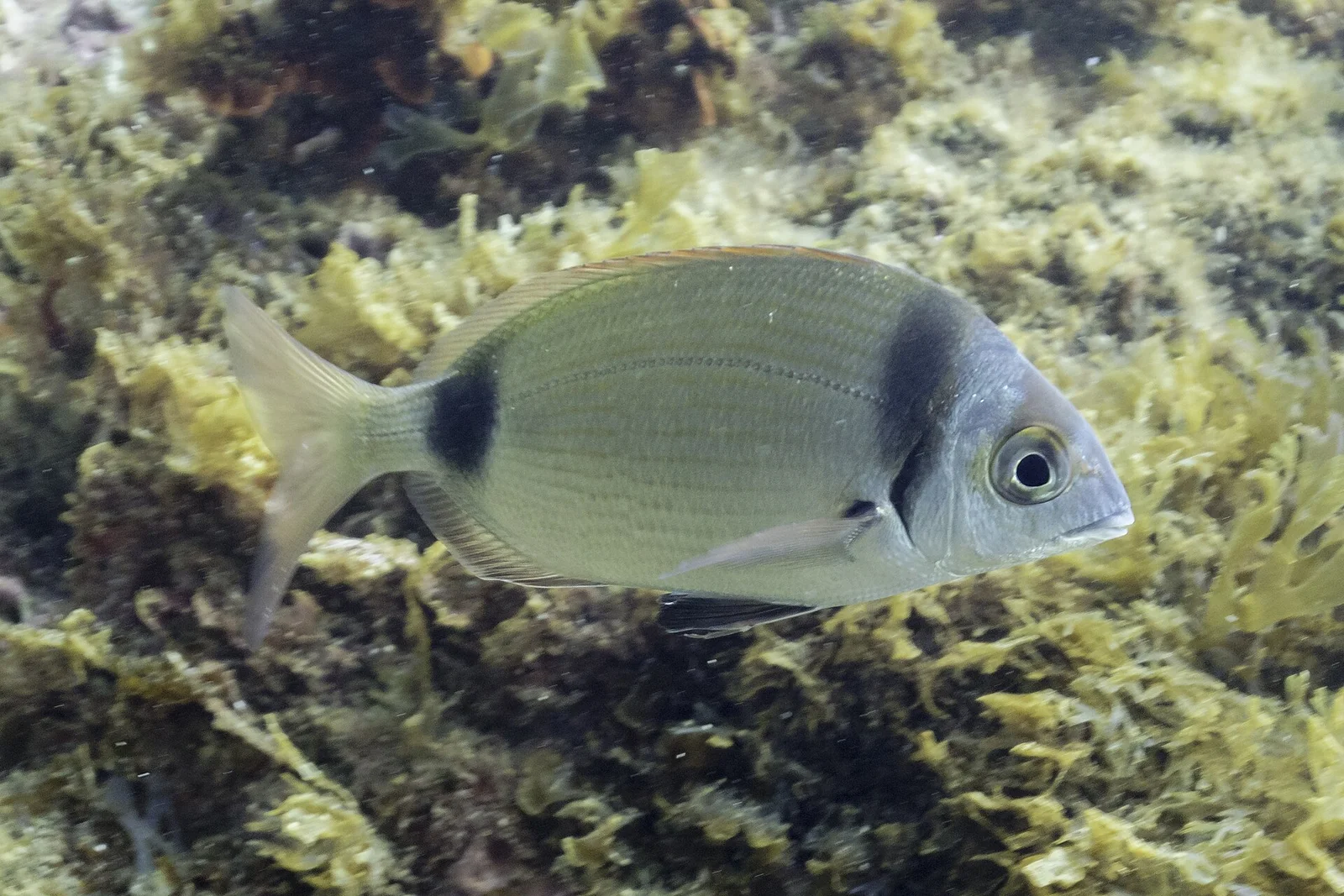
Image contributors:Diego Delso, laszlo-photo
Want to contribute photos or local dive knowledge? Learn how to contributeDive Sites Near Sućuraj WWII Bomber Wreck
View all dive sites in CroatiaDiscover more underwater gems in this area.
Dive Centers Near Sućuraj WWII Bomber Wreck
Working Hours
Sun09:00 - 20:00
Mon09:00 - 20:00
Tue09:00 - 20:00
Wed09:00 - 20:00
Thu09:00 - 20:00
Fri09:00 - 20:00
Sat09:00 - 20:00
Today: 09:00 - 20:00
Sun09:00 - 20:00
Mon09:00 - 20:00
Tue09:00 - 20:00
Wed09:00 - 20:00
Thu09:00 - 20:00
Fri09:00 - 20:00
Sat09:00 - 20:00
4.9| 255 reviews
35.4 kmNearest Airports
Nearest airports to help plan travel to this dive area.
Brač Airport BWK
40 km
Split Saint Jerome Airport SPU
81 km
Dubrovnik Ruđer Bošković Airport DBV
112 km
💵 Currency: EUR
Search Flights
Check available flights and routes on Expedia, using the nearby airports listed in this section.
Search Flights on ExpediaAffiliate link · Dive Navigator may earn a commission at no extra cost to you.
Frequently Asked Questions
What exact aircraft is the Sućuraj WWII Bomber Wreck?
It is the American Consolidated B-24 Liberator heavy bomber nicknamed Le Petite Fleur (USAAF serial 42-51874) of the 727th Squadron, 451st Bombardment Group.
Did the crew survive when the B-24 ditched off Hvar in 1944?
Yes. When pilot Lieutenant Eddie Doherty ditched the battle-damaged bomber on November 20, 1944 while returning from a raid on Blechhammer, the entire crew survived.
At what depth does the B-24 Liberator lie?
The inverted wings, four radial engines, and detached tail section rest on a flat sandy-silty seabed between 41 and 45 meters depth.
How intact is the bomber structure underwater?
Although split into two closely spaced sections upon water impact and resting upside down, the 33.5-meter wingspan, all four Pratt & Whitney engines with propellers, cockpit frame, and twin tail remain remarkably well preserved.
Is a permit required to dive the Sućuraj B-24 wreck?
Yes. Registered as protected Croatian cultural property Z-6527, the wreck can only be visited through licensed dive centers holding official Ministry of Culture concessions.
Which ports organize dive trips to the Sućuraj bomber?
Authorized dive operators run fast boat excursions to the channel site from Makarska, Podgora, Tučepi, and eastern Hvar.
Trip Inquiry
Planning to dive Sućuraj WWII Bomber Wreck?
Tell us your dates and diving needs. We'll review your request and seek offers from relevant local dive centers.
Request Dive Offers Free request for offers • No booking obligation
Sućuraj WWII Bomber Wreck
Conditions are Good
8/10
Confidence: 8/10
Indicates meteorological model agreement and data availability.
Best Dive Window
07:00 - 14:00
Optimal conditions expected
06:12
18:45
H: 10:45
L: 16:20
Air / Sea Temp
13° / 18°
Wave Height
0.8 m
Wind Speed
27 km/h NNE
Rain Chance
0%
Current conditions near Sućuraj WWII Bomber Wreck show 13° air, 18° sea temperature, 0.8 m waves, and 27 km/h wind. Forecast data is refreshed regularly to ensure accuracy.
Radius: ~12km
Updated: Nov 23, 2026, 06:22 local timeMARINE: OPEN-METEOWEATHER: YR.NO

