
Diving at Vrulja Submarine Spring & Wall (Croatia)
Croatia's signature submarine karst spring under the sheer cliffs of Biokovo, where surging mountain freshwater ignites surreal haloclines beside a 55-meter vertical wall.
Midday environmental data at Vrulja Submarine Spring & Wall reports an ambient temperature of 14°C. Surface tracking indicates wave heights of approximately 0.2 m. This summarizes the present water and weather conditions.
Dive Site Location & Key Facts
Dive Site Overview
Vrulja Submarine Spring & Wall sits inside Uvala Vrulja, a dramatic amphitheater of vertical limestone scree and 300-meter coastal cliffs where the Dubci pass between Pisak and Brela meets the Adriatic Sea. Draining vast Dinaric karst poljes and subterranean conduits deep inside the Biokovo and Mosor hinterland, the Vrulja system is one of the largest submarine groundwater discharge complexes in the Mediterranean, boiling visibly on the sea surface after heavy mountain rains.
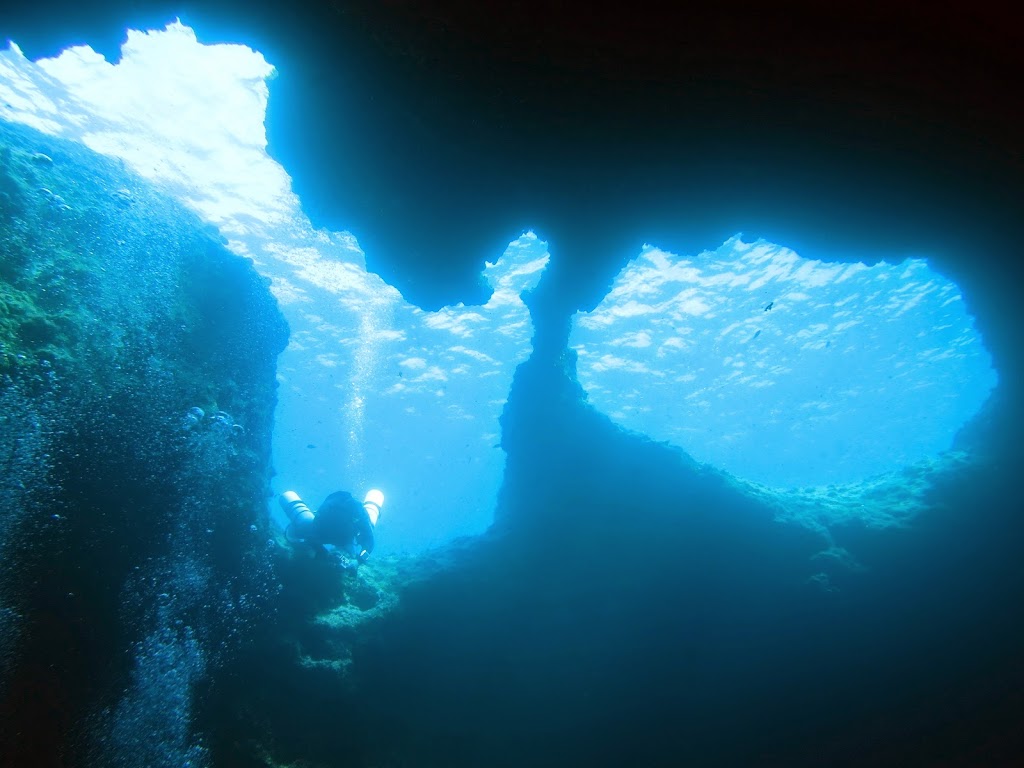
Beneath the waterline, the coastal cliff continues uninterrupted as a sheer vertical drop-off plunging from 3 meters past 40 to 55 meters, riven by caves, overhangs, and deep phreatic spring throats opening between 20 and 60+ meters. As cold, buoyant 12°C to 14°C freshwater jets upward through denser 38-per-mille seawater, intense refractive haloclines shimmer like liquid mercury across the cavern mouths and vertical rock faces.
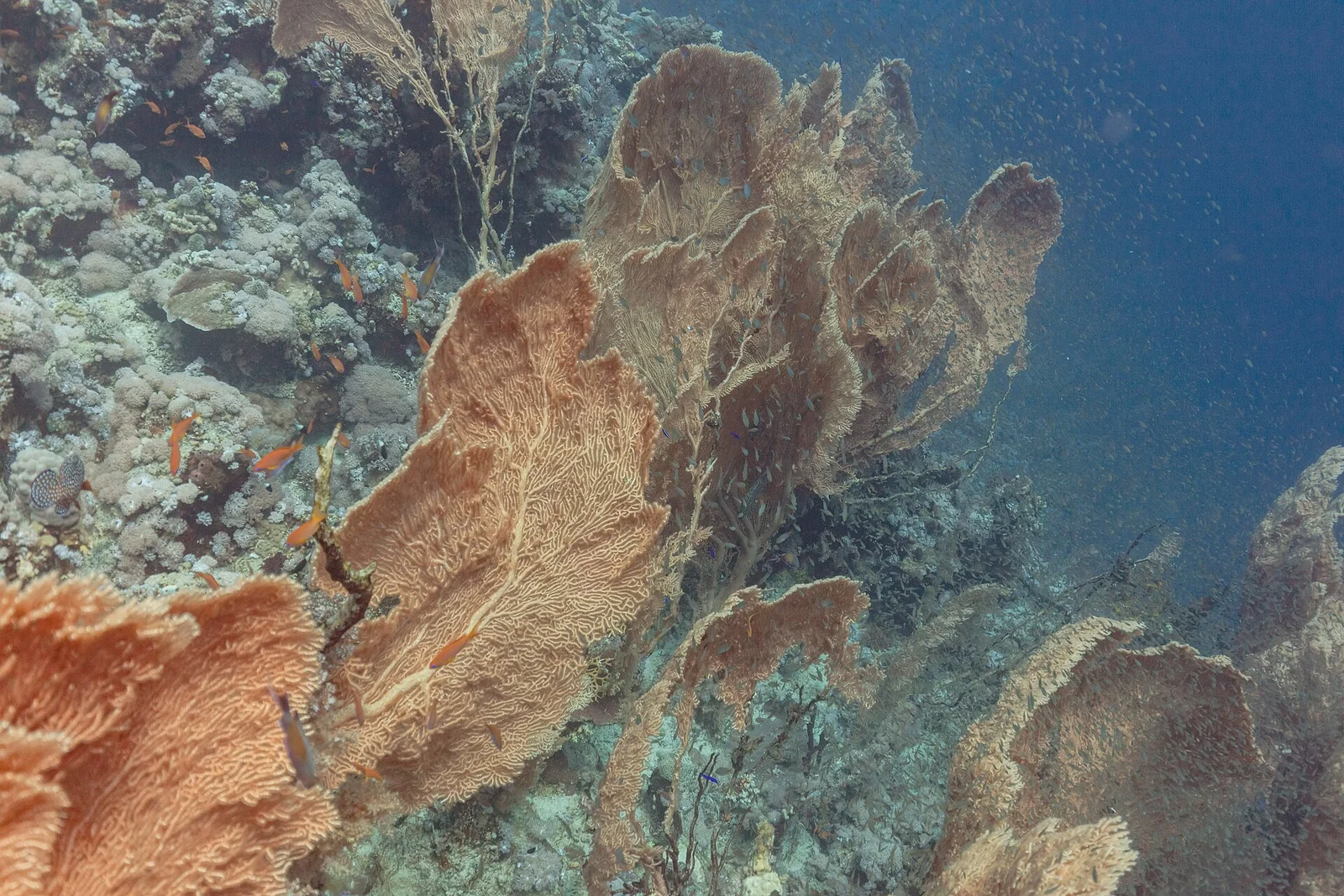
Far from being barren around the cold vents, the constant nutrient flux and oxygenated upwelling fuel extraordinary biodiversity along the flanking walls—combining deep-water gorgonians usually seen much deeper in the Adriatic with dense zoanthid carpets, cryptic macro life, and sheltered seahorse habitats.
Conditions are Good
Optimal conditions expected
Current conditions near Vrulja Submarine Spring & Wall show 14° air, 18° sea temperature, 0.7 m waves, and 24 km/h wind. Forecast data is refreshed regularly to ensure accuracy.
Best Time to Dive
May through October is the core diving season, offering contrasting geological moods. In May and June, snowmelt and spring rains in the hinterland drive powerful freshwater upwelling and dramatic halocline curtains, whereas July through September brings calmer discharge, warmer ambient seawater outside the vents, and 25-to-30-meter visibility.
Because the steep Dubci saddle directly above Uvala Vrulja acts as a wind tunnel for violent northeasterly bura gusts, diving is strictly conducted during stable, wind-free mornings when boat skippers can moor securely beneath the cliffs.
PEAK SEASON SCORE
Scores combine air & water temps, waves, wind & rainfall for overall conditions.
BEST MONTHS TO DIVE
Monthly records compiled from satellite and marine observation nodes over the last 3 years. Data provided by Open-Meteo and MET Norway.
Dive Experience & Conditions
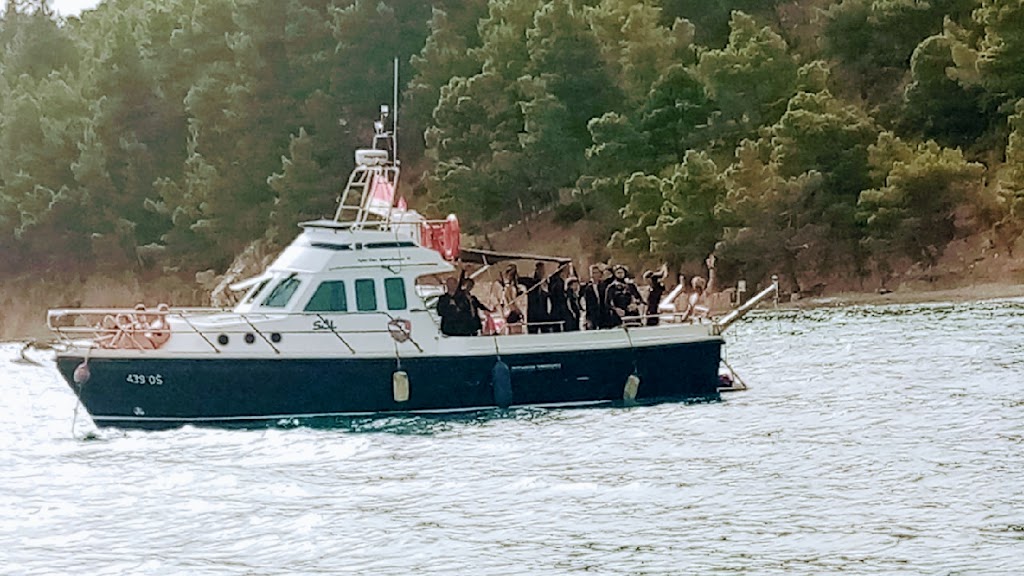
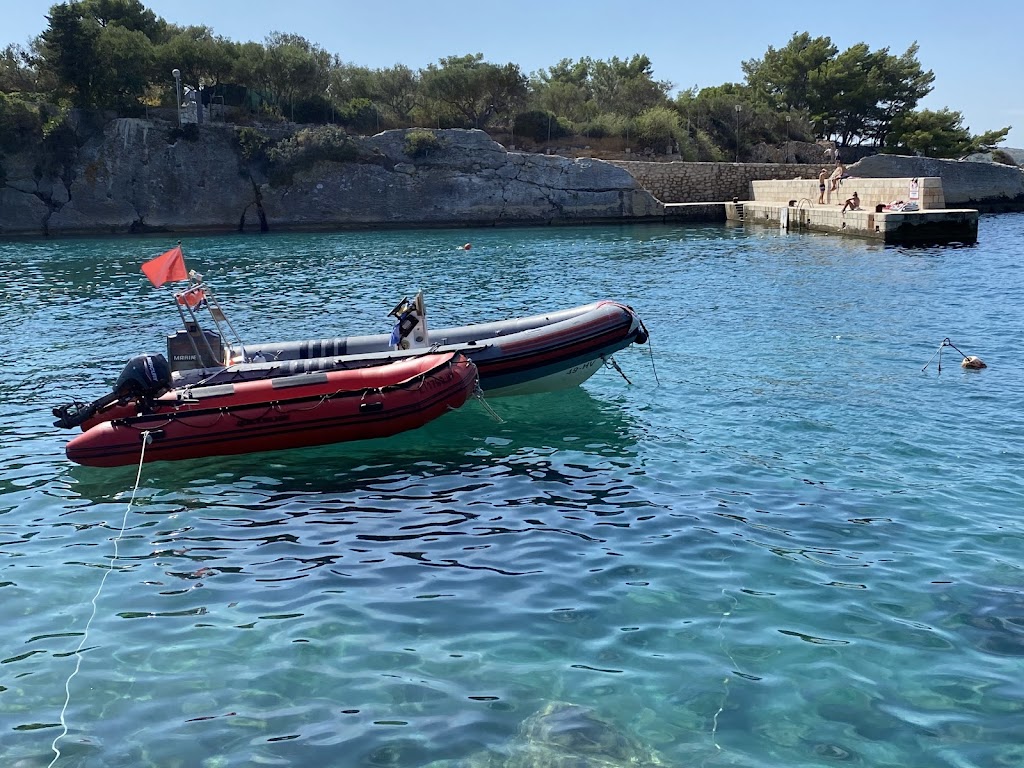
Reaching Uvala Vrulja by boat from Brela, Baška Voda, Omiš, Makarska, or Brač, divers drop right beneath towering terrestrial cliffs onto a shallow ledge before descending the vertical face. Passing near an active spring cavern at 20 to 35 meters delivers an unforgettable sensory contrast: warm summer water gives way instantaneously to icy mountain discharge, and buddy silhouettes ripple through swirling halocline lenses before snapping back into focus.
Recreational advanced profiles cruise the sheer wall between 15 and 40 meters exploring sunlit overhangs and cavern mouths, while technical teams explore the 45-to-55-meter gorgonian cliffs. Ascents finish along colorful 5-to-10-meter ledges sheltered from channel chop.
Dive Difficulty & Safety Guidelines
Submarine karst springs create unique hydrodynamic and buoyancy shifts: rising freshwater plumes reduce local water density—causing a diver trimmed for salt water to feel noticeably negative inside the jet—while simultaneously pushing upward from the vent throat. Never attempt to swim down into narrow discharging spring shafts, which are extreme overhead cave environments.
Dress for 12°C to 15°C cold-water pockets regardless of summer air heat, monitor depth carefully along the bottomless-feeling 55-meter drop-off, carry primary and backup lights, and heed skipper weather calls immediately if bura clouds cap Biokovo's ridge.
Recommended Equipment
Technical depth range. Advanced planning, gas management, and appropriate certification required.
Overhead environment. Do not enter beyond training and gas planning limits.
- Dive Computer
- DSMB
- Primary & Backup Lights
- Reel / Spool
- Cutting Tool
This gear list is based on verified equipment signals for Vrulja Submarine Spring & Wall, Croatia. Always confirm final gear choices with your dive operator, guide, or liveaboard.
Recommended Dive Suit
Divers planning relaxed exploration may appreciate the warmth of 5-7mm wetsuit. A hood or vest is suggested for sensitive divers due to surface winds. A thermal robe or jacket is recommended between dives. Divers often notice that perceived temperature can feel cooler during deeper or longer dives.
Conditions at Vrulja Submarine Spring & Wall currently place the water temperature near 18°C (64°F). Surface air temperatures are resting at 14°C (57°F).
A modest cooling trend is expected in the upcoming forecast. Cooler days are ahead; you might want a warmer option for later in the week. Bringing an additional thermal layer can be helpful if conditions change.
Emergency & Medical Support
Essential information to help you plan your dive trip to Vrulja Submarine Spring & Wall.

Hyperbaric chambers are a critical part of dive safety infrastructure. Availability varies significantly by region, and not all dive areas have immediate access.
Before diving, it's recommended to:
- confirm nearest medical facilities
- check emergency procedures with local dive operators
- ensure dive insurance covers evacuation if required
Divers Alert Network
Diving emergency assistance available through DAN Europe.
+39 0642115685- 24/7 emergency hotline
- Diving medical assistance
- Evacuation coordination
Emergency contacts are provided for reference. Always verify local emergency services before diving.
Marine Life at Vrulja Submarine Spring & Wall
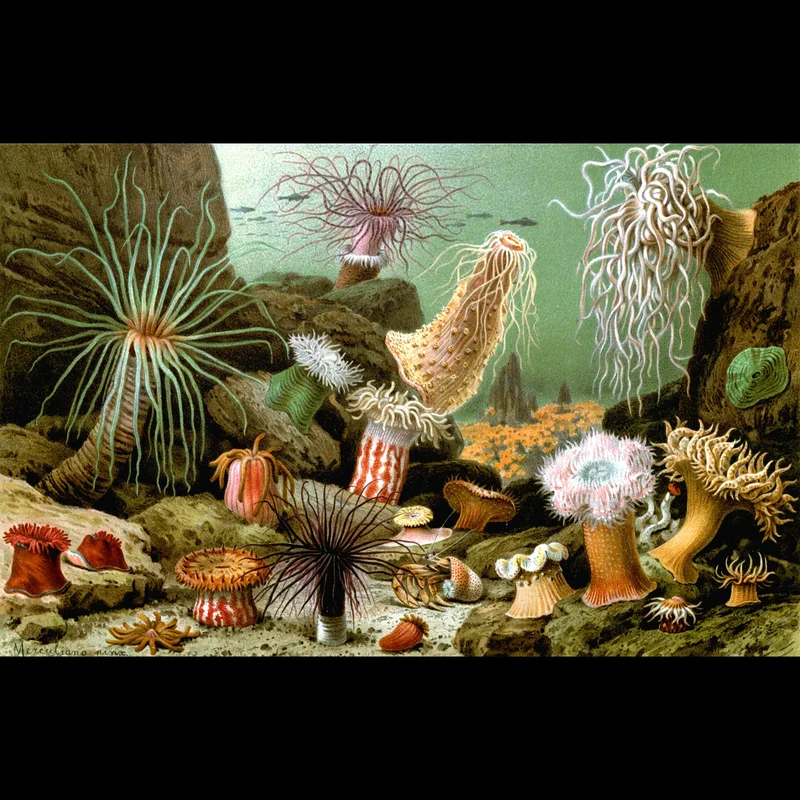
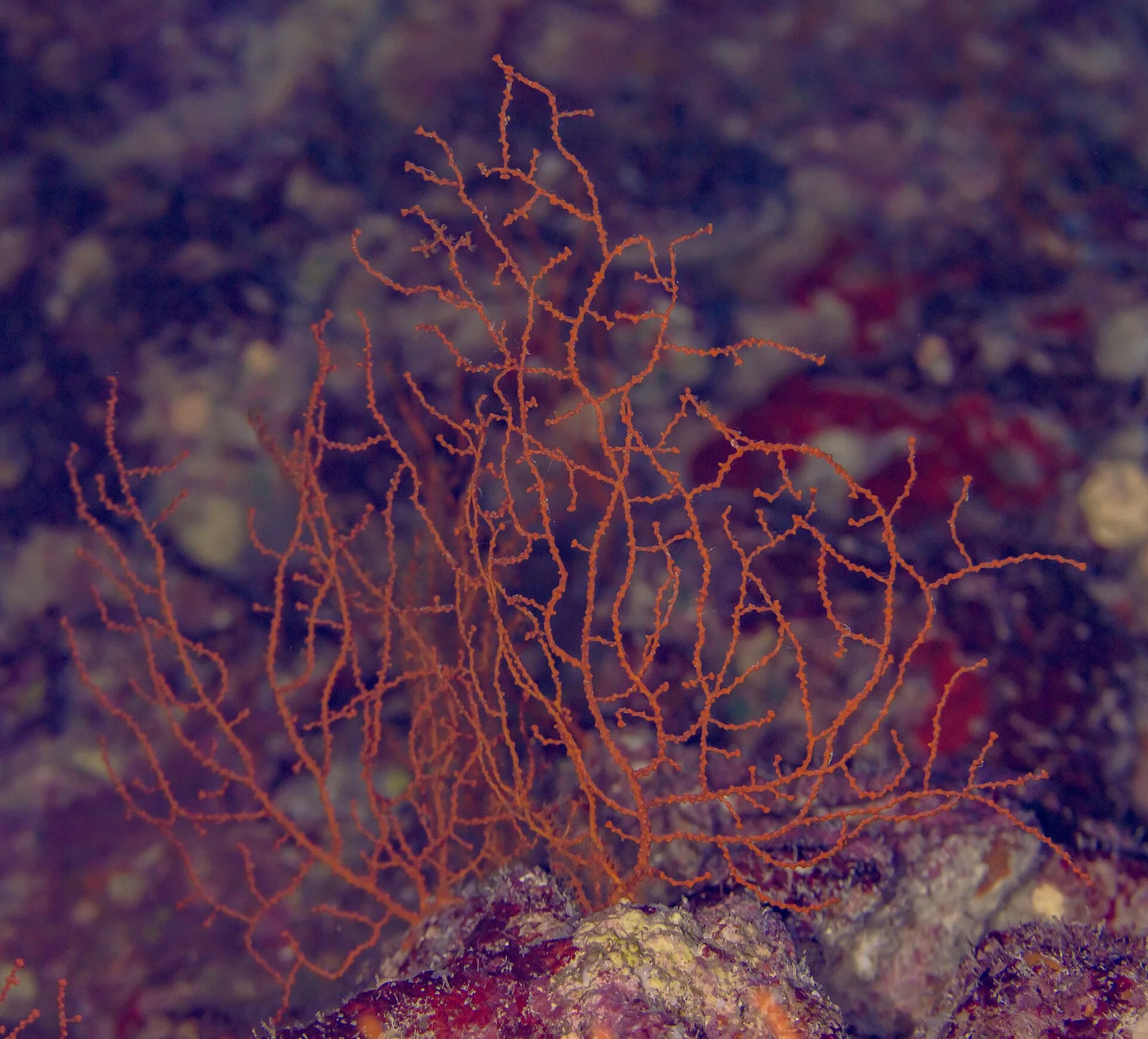
Cool, nutrient-rich mixing allows sciaphilic corals to flourish at remarkably accessible depths: yellow gorgonians (Eunicella cavolini) and crimson fans (Paramuricea clavata) decorate the wall from 22 meters downward, while golden carpets of yellow cluster anemones (Parazoanthus axinellae) frame cave arches and fissures.
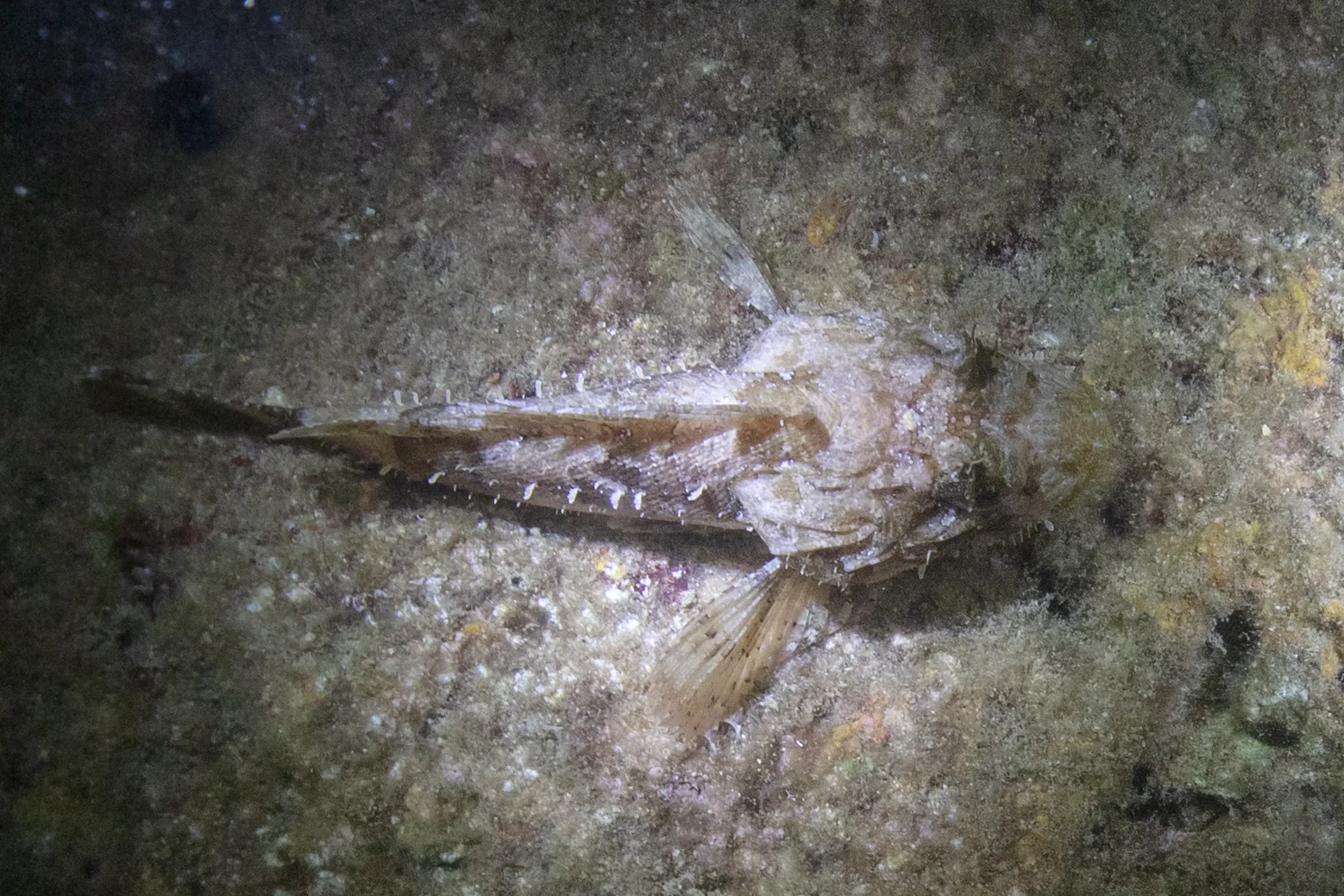
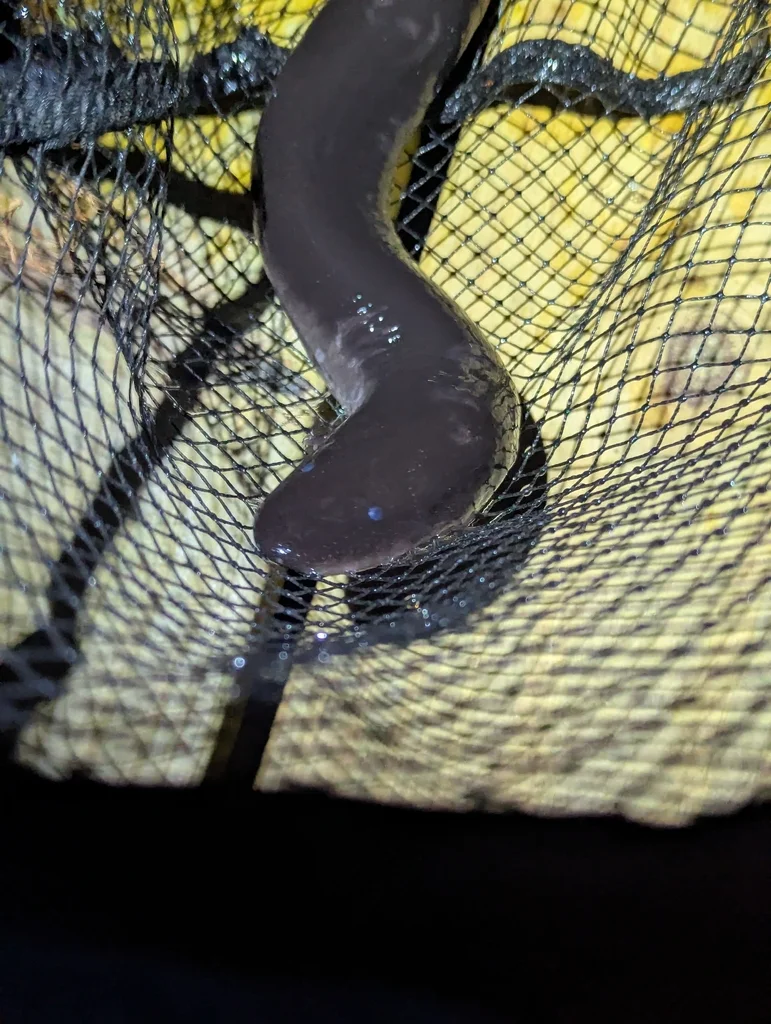
Macro photographers prize Vrulja for long-snouted seahorses (Hippocampus guttulatus) clinging to shallow-to-mid-depth sponges and algae, alongside flamboyant flabellina and dotted sea slugs. Deeper crevices harbor European congers, spiny lobsters, red scorpionfish, and winter-to-spring visits by John Dory.
Dive Sites Near Vrulja Submarine Spring & Wall
View all dive sites in CroatiaDiscover more underwater gems in this area.
Dive Centers Near Vrulja Submarine Spring & Wall
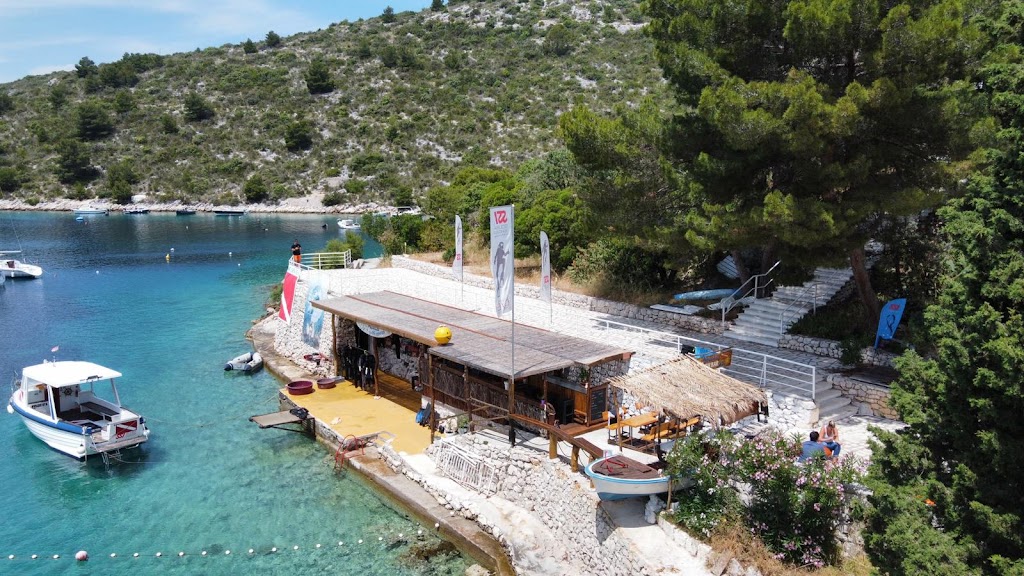
Today: 09:00 - 20:00

Nearest Airports
Nearest airports to help plan travel to this dive area.
Search Flights
Check available flights and routes on Expedia, using the nearby airports listed in this section.
Search Flights on ExpediaAffiliate link · Dive Navigator may earn a commission at no extra cost to you.
Frequently Asked Questions
Why does the water blur and turn cold suddenly at Vrulja?
Subterranean karst rivers draining the Biokovo hinterland erupt through underwater caverns at 12°C to 14°C; where buoyant freshwater mixes with dense salt water, light refracts into shimmering haloclines.
How does entering a freshwater plume affect diver buoyancy?
Freshwater is about 3 percent less dense than Adriatic seawater, so a diver neutrally weighted in salt water temporarily loses lift when crossing directly into a concentrated freshwater plume.
How deep is Vrulja Submarine Spring & Wall?
The vertical wall drops directly from 3 meters past 40 to 55 meters, with deeper technical karst spring shafts descending beyond 60 meters.
Can divers spot seahorses at Vrulja?
Yes. Sheltered ledges and sponge-covered slopes bordering the main wall regularly host well-camouflaged long-snouted seahorses alongside diverse Adriatic nudibranchs.
Is Vrulja accessible from shore?
Towering 300-meter cliffs isolate Uvala Vrulja from road access, so scuba diving is conducted exclusively by boat from Brela, Pisak, Omiš, Baška Voda, Makarska, or Brač.
Why do boat captains watch Mount Biokovo closely before diving Vrulja?
The Dubci mountain pass above Uvala Vrulja funnels sudden northeasterly bura gusts down onto the cove, making calm morning weather forecasts essential.
Planning to dive Vrulja Submarine Spring & Wall?
Tell us your dates and diving needs. We'll review your request and seek offers from relevant local dive centers.
Request Dive OffersConditions are Good
Optimal conditions expected
Current conditions near Vrulja Submarine Spring & Wall show 14° air, 18° sea temperature, 0.7 m waves, and 24 km/h wind. Forecast data is refreshed regularly to ensure accuracy.