
Diving at Boeing B-17G Flying Fortress (Croatia)
Poised upright on bright white sand at 72 meters as though parked on a submerged runway, the Boeing B-17G Flying Fortress off Cape Polivalo stands among the most iconic aviation shipwrecks in the world. Protected by extreme depth and exceptional Adriatic clarity, its four radial engines, cockpit yokes, plexiglass nose, and twin .50-caliber machine-gun turrets remain astonishingly intact.
During this afternoon at Boeing B-17G Flying Fortress, the recorded air temperature stands at 16.5°C. The water surface currently features wave heights of 0.3 m. These conditions reflect the midday climate for this dive site.
Dive Site Location & Key Facts
Dive Site Overview
During 1944, the remote island of Vis housed a vital Allied mountain airstrip that saved dozens of crippled American and British bombers returning toward southern Italy from missions across occupied central Europe. On November 6, 1944, Boeing B-17G-60-VE serial 44-8046—flying its very first combat sortie with the 840th Bomb Squadron, 483rd Bomb Group—suffered severe anti-aircraft flak damage over Maribor that knocked out engines and ruptured systems. Coming in too low to clear the coastal hills toward the Plisko Polje runway, the pilot executed a controlled ditching in the sea roughly 150 meters off Cape Polivalo at the mouth of Rukavac Bay.
Nine crewmen climbed onto life rafts before the bomber slipped beneath the waves after floating briefly on the surface, while co-pilot Lieutenant Ernest Vienneau, fatally injured in the cockpit area, went down with the aircraft. Because the Flying Fortress settled gently through calm deep water rather than cartwheeling on impact, the aluminum airframe landed level on its belly across a flat sandy seabed at 72 meters, with the tip of its vertical tail fin rising to roughly 68 meters.
For technical divers descending the shot line in 30-meter visibility, the full 31.6-meter wingspan and 22.6-meter fuselage appear from 25 meters overhead in haunting completeness. Three of the four Wright Cyclone radial engines remain mounted on the wings with bent propeller blades resting on the sand, while the fourth engine lies directly beneath its nacelle where magnesium mounts corroded over time.
Peering through the clear cockpit windows reveals both control columns, throttle quadrants, overhead switches, and instrument dials, flanked by the Bendix chin turret under the nose, top and Sperry ball turrets, and twin .50-caliber Browning machine guns still aimed skyward from the tail.
Conditions are Poor
High Wind Advisory (46km/h). Unsafe surface.
Current conditions near Boeing B-17G Flying Fortress show 17° air, 19° sea temperature, 1.5 m waves, and 46 km/h wind. Forecast data is refreshed regularly to ensure accuracy.
Best Time to Dive
May through October offers the most dependable weather windows off southeastern Vis, where shelter from Cape Polivalo and nearby Ravnik Islet calms northerly and westerly breezes. Summer mornings in June, July, August, and September combine flat seas for technical boat staging with 25-to-35-meter visibility at 72 meters, flooding the white sand around the wings with natural ambient blue light.
Water temperature at the seabed remains a cold, invariant 15 to 17 degrees Celsius throughout the year regardless of summer surface warmth, making full drysuit thermal protection mandatory for long staged ascents. Strong southerly Jugo swells funnel directly into the Rukavac approaches and halt operations until high pressure returns.
PEAK SEASON SCORE
Scores combine air & water temps, waves, wind & rainfall for overall conditions.
BEST MONTHS TO DIVE
Monthly records compiled from satellite and marine observation nodes over the last 3 years. Data provided by Open-Meteo and MET Norway.
Dive Experience & Conditions
Technical dive boats moor or tend a dedicated shot line positioned carefully beside—never directly onto—the fragile aluminum airframe off Cape Polivalo. Descending through the blue water column past 45 meters, divers watch the unmistakable silhouette of swept wings, four engine cowlings, and high vertical tail materialize against the pale sandy plain at 72 meters.
Because the aircraft's compact 22.6-by-31.6-meter footprint sits completely exposed on flat sand with mild currents, a 15-to-20-minute bottom phase on trimix allows a thorough, unhurried circuit from the plexiglass nose and chin turret along the port wing engines, around the twin-gun tail position, and back past the dorsal turret and flight deck windows. Photographers favor natural-light wide-angle compositions capturing the entire wingspan from slightly above the nose.
Ascents follow the shot line or drift gently toward the coastal contour of Cape Polivalo depending on decompression logistics, with long staged gas switches on nitrox and pure oxygen completed in warm, clear upper water.
Dive Difficulty & Safety Guidelines
Sitting at 72 meters on a flat seabed with no shallow hull relief, the Boeing B-17G is an uncompromising technical dive strictly reserved for certified trimix divers running open-circuit twinsets with multiple decompression stages or closed-circuit rebreathers with full bailout gas reserves. Bottom temperatures around 16 degrees Celsius coupled with 45 to 75 minutes of decompression require drysuit thermal protection, redundant dive computers, and cohesive team protocols.
This aircraft is both a sovereign World War II war grave where co-pilot Ernest Vienneau lost his life and a registered Croatian cultural heritage monument. Penetration is impossible and strictly prohibited; divers must maintain impeccable frog-kick trim well above the thin aluminum skin, plexiglass panels, and .50-caliber gun barrels, never resting hands, fins, or camera housings on the airframe.
Access is legally restricted to technical excursions escorted by licensed Vis or Komiža concessionaire centers, and anchoring anywhere near the bomber is strictly forbidden.
Recommended Equipment
Technical depth range. Advanced planning, gas management, and appropriate certification required.
Overhead / entanglement risk. Wreck penetration requires proper training.
- Dive Computer
- DSMB
- Primary & Backup Lights
- Wreck Reel
- Cutting Tool
This gear list is based on verified equipment signals for Boeing B-17G Flying Fortress, Croatia. Always confirm final gear choices with your dive operator, guide, or liveaboard.
Recommended Dive Suit
Comfort levels can also depend on how active a diver is during the dive.
Divers exploring Boeing B-17G Flying Fortress today will likely encounter water temperatures close to 19°C (66°F). Surface air temperatures are resting at 17°C (62°F). When water temperatures fall within this range, many divers dive comfortably with 5mm wetsuit. A thermal robe or jacket is recommended between dives.
Environmental conditions may feel slightly cooler as the week progresses. Cooler days are ahead; you might want a warmer option for later in the week. A thicker wetsuit may be worth considering for extended dives.
Emergency & Medical Support
Essential information to help you plan your dive trip to Boeing B-17G Flying Fortress.

Hyperbaric chambers are a critical part of dive safety infrastructure. Availability varies significantly by region, and not all dive areas have immediate access.
Before diving, it's recommended to:
- confirm nearest medical facilities
- check emergency procedures with local dive operators
- ensure dive insurance covers evacuation if required
Divers Alert Network
Diving emergency assistance available through DAN Europe.
+39 0642115685- 24/7 emergency hotline
- Diving medical assistance
- Evacuation coordination
Emergency contacts are provided for reference. Always verify local emergency services before diving.
Marine Life at Boeing B-17G Flying Fortress
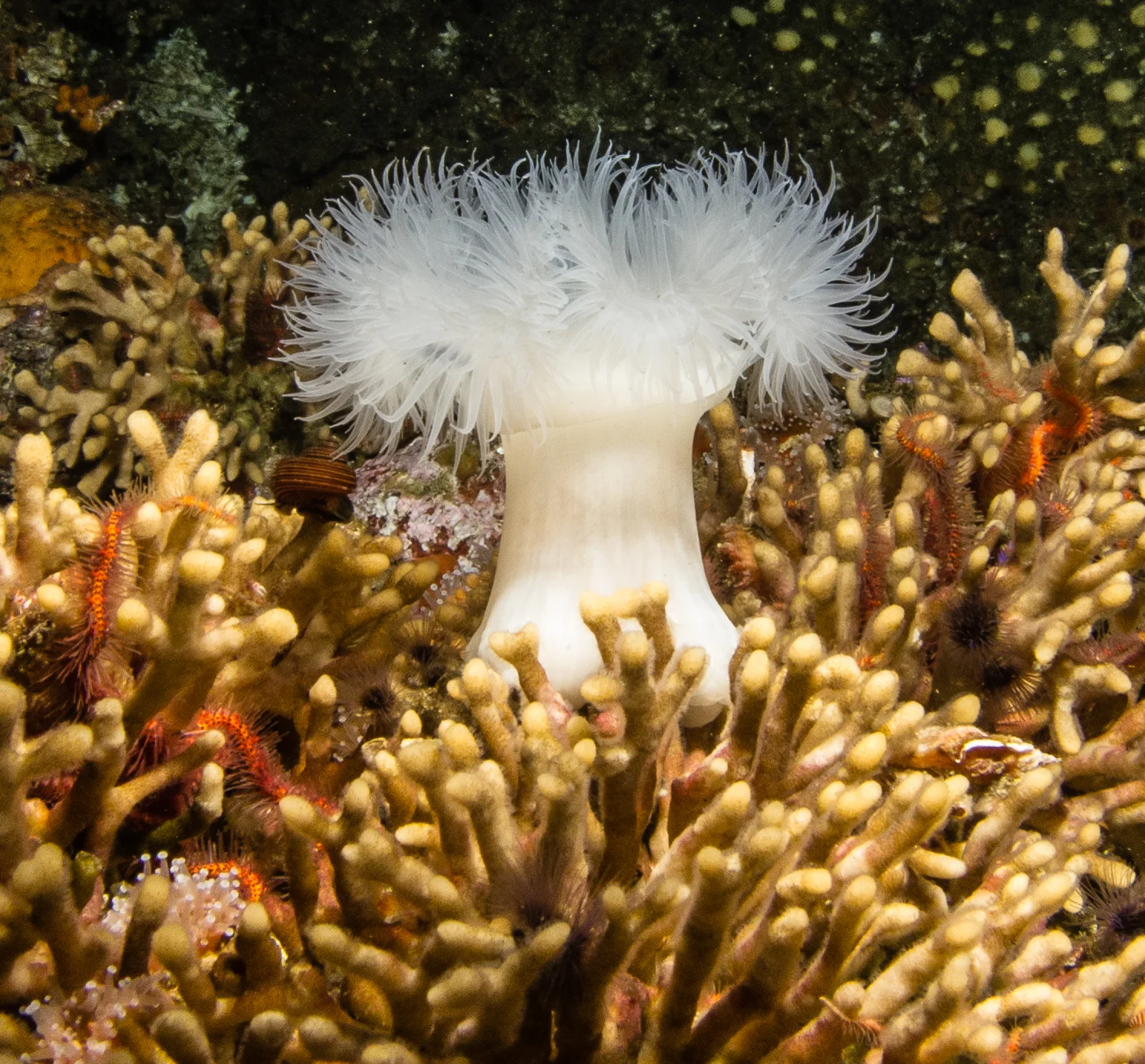
Unlike steel steamships that disappear beneath thick sponge carpets, the aluminum alloy skin of the B-17G supports a lighter crust of deepwater oysters, serpulid tube worms, and delicate plumose anemones that leaves the aircraft's wartime lines starkly recognizable.
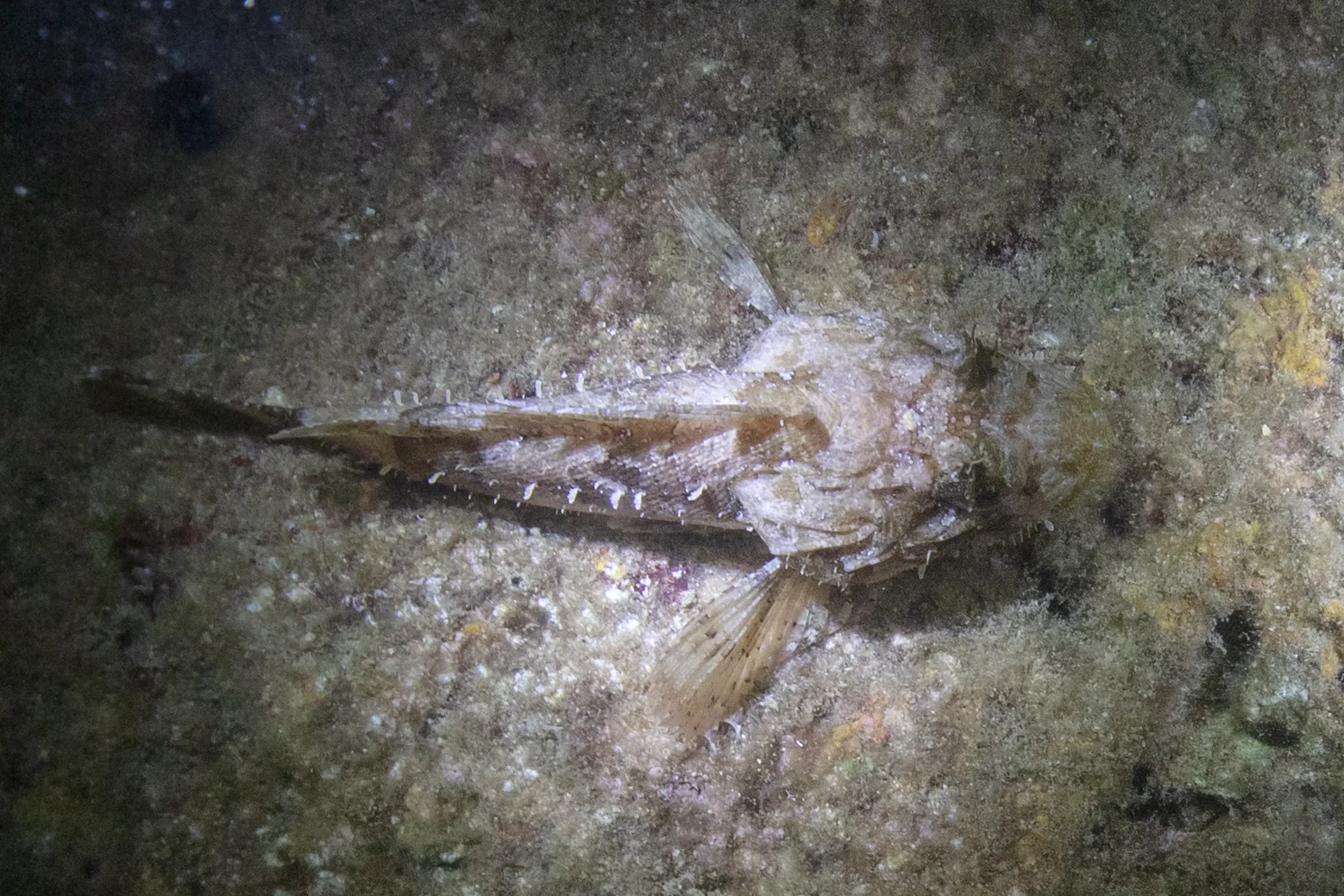
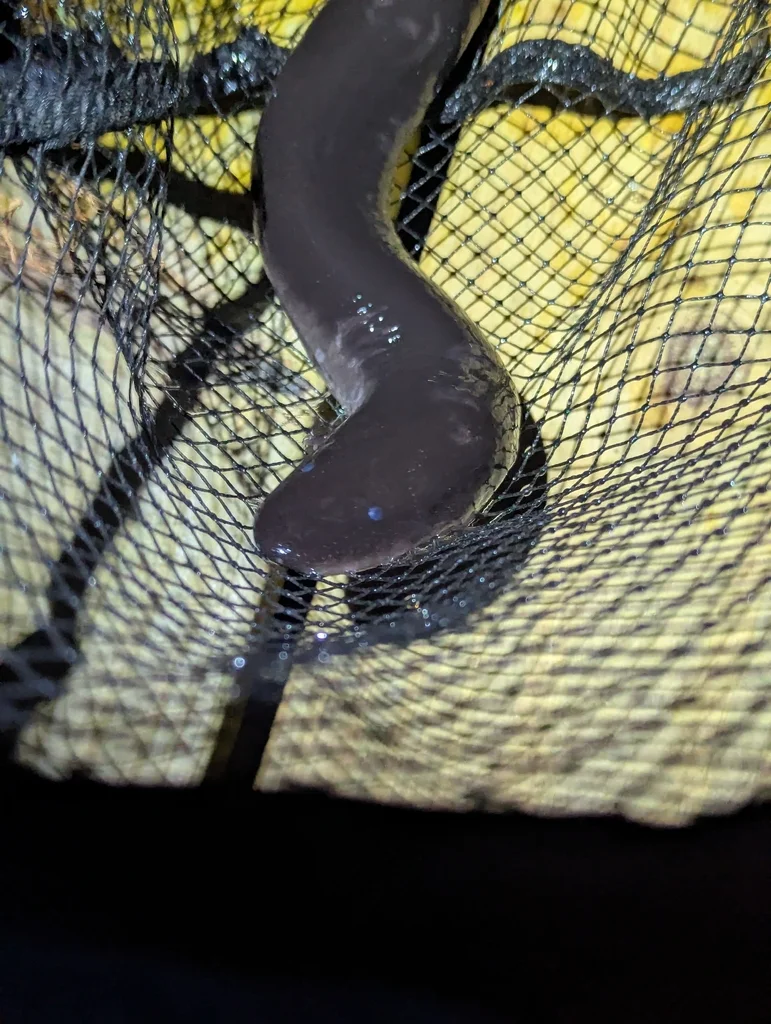
Heavy European conger eels routinely coil inside the engine cowlings, wheel wells, and open bomb-bay and fuselage apertures, while large red scorpionfish rest motionless atop the horizontal stabilizers and wing roots. Solitary John Dory and greater forkbeards patrol the sand shadow beneath the 31.6-meter wings.
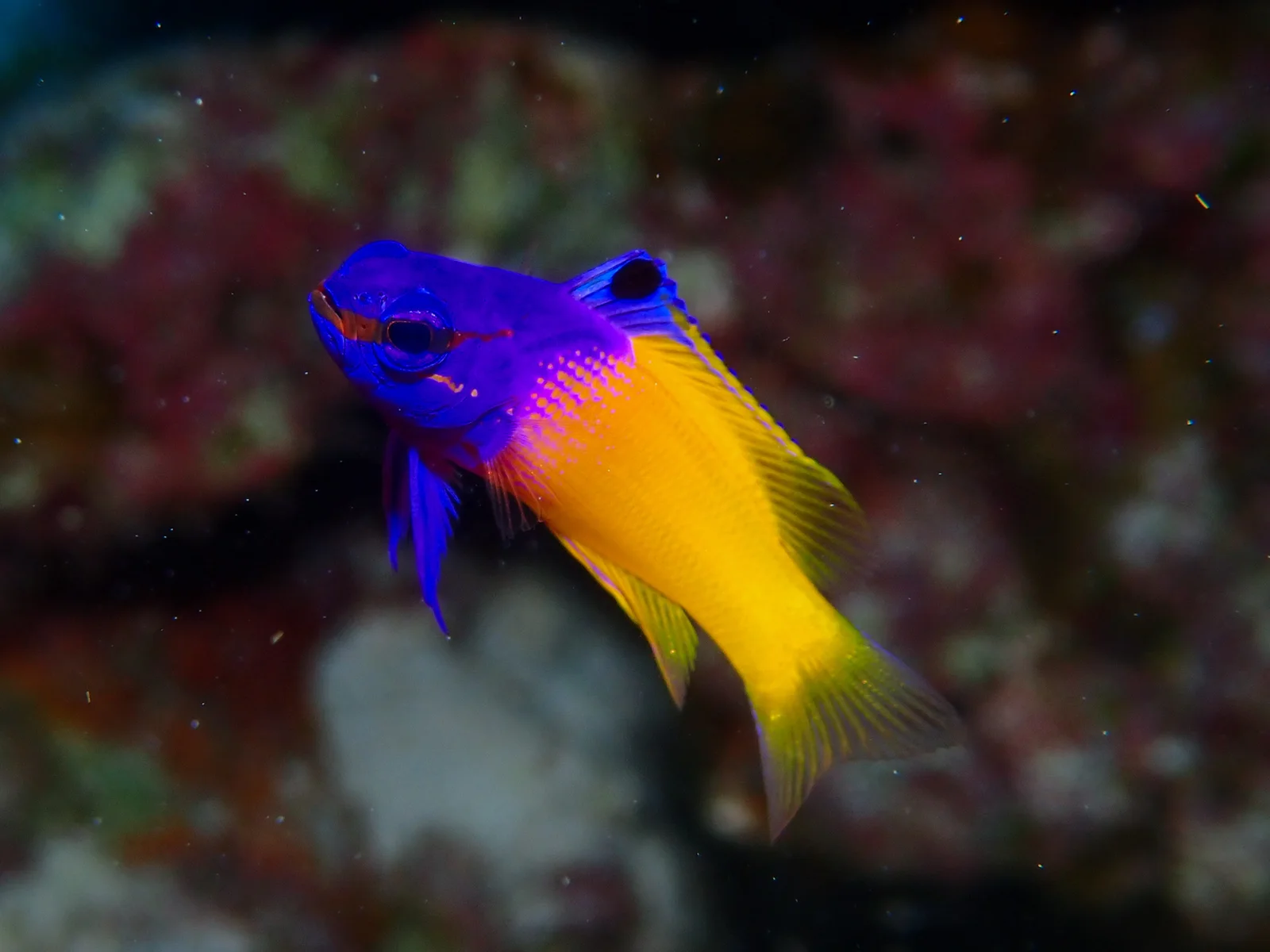
Small clouds of swallowtail seaperch hover around the vertical tail fin and cockpit greenhouse, adding flashes of magenta against the pale sand and silver-gray aluminum.
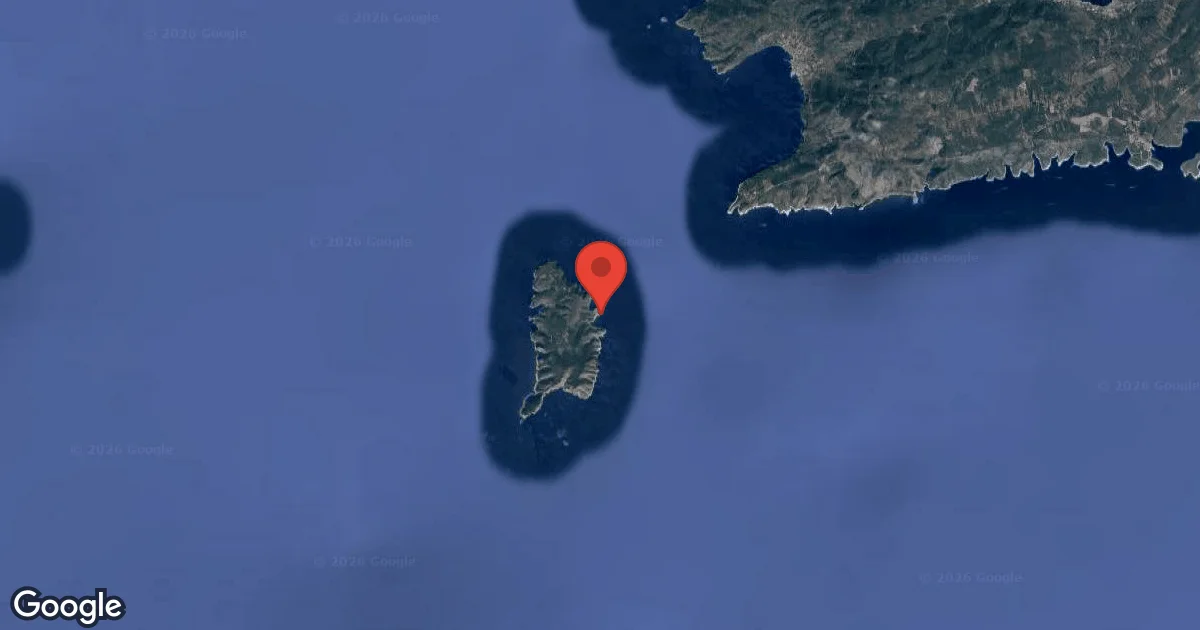
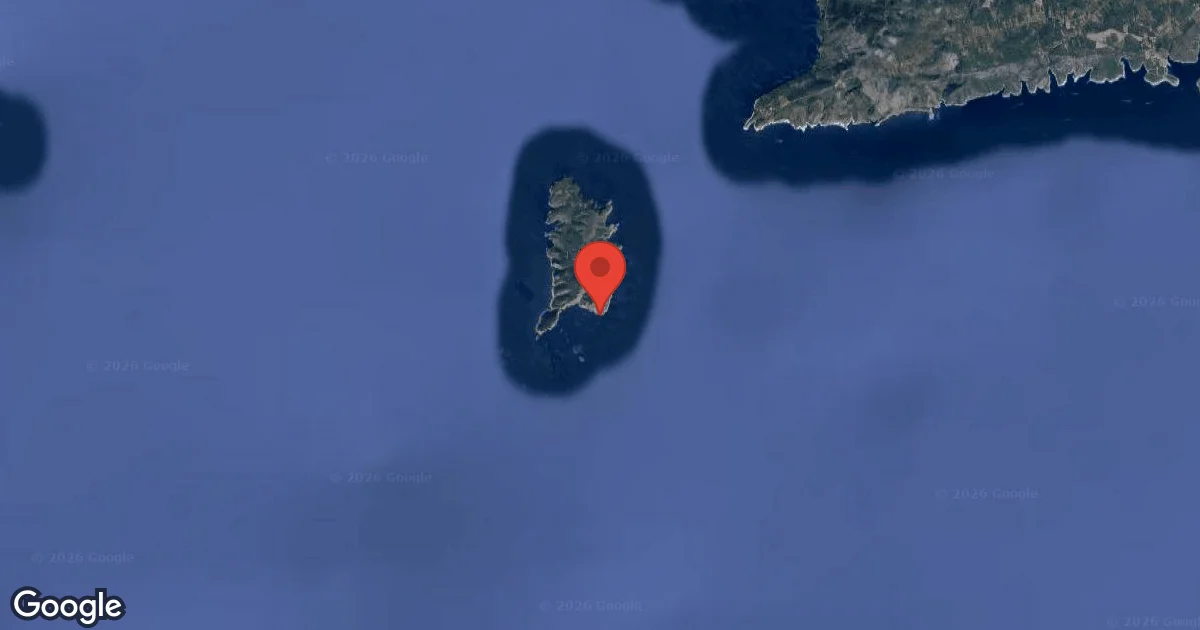
Dive Sites Near Boeing B-17G Flying Fortress
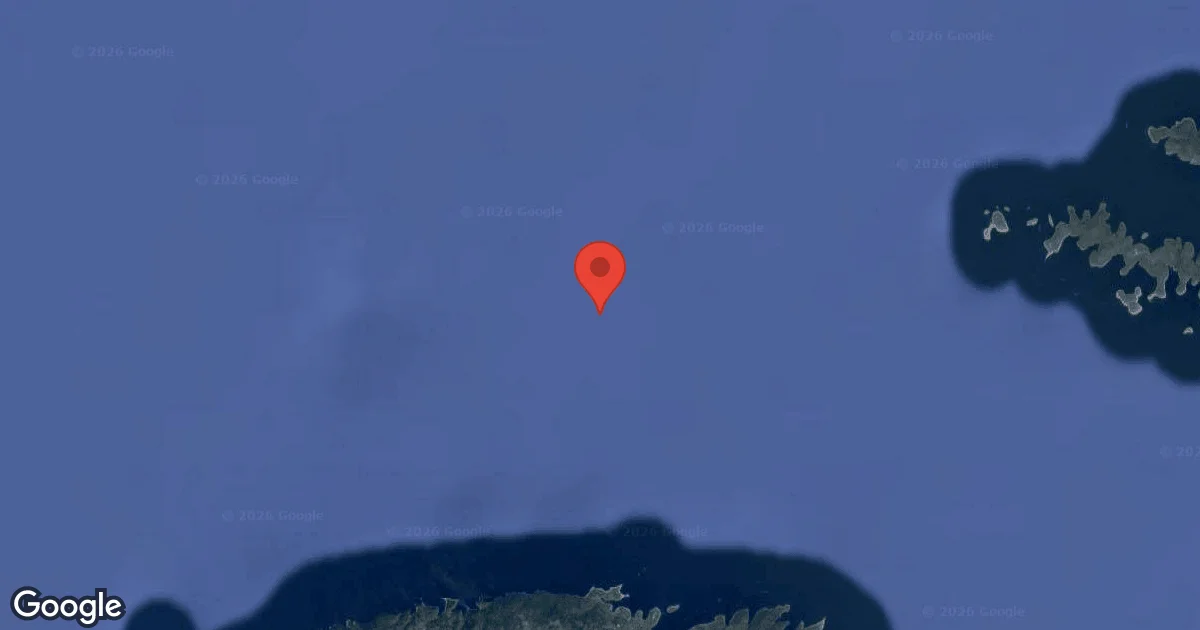
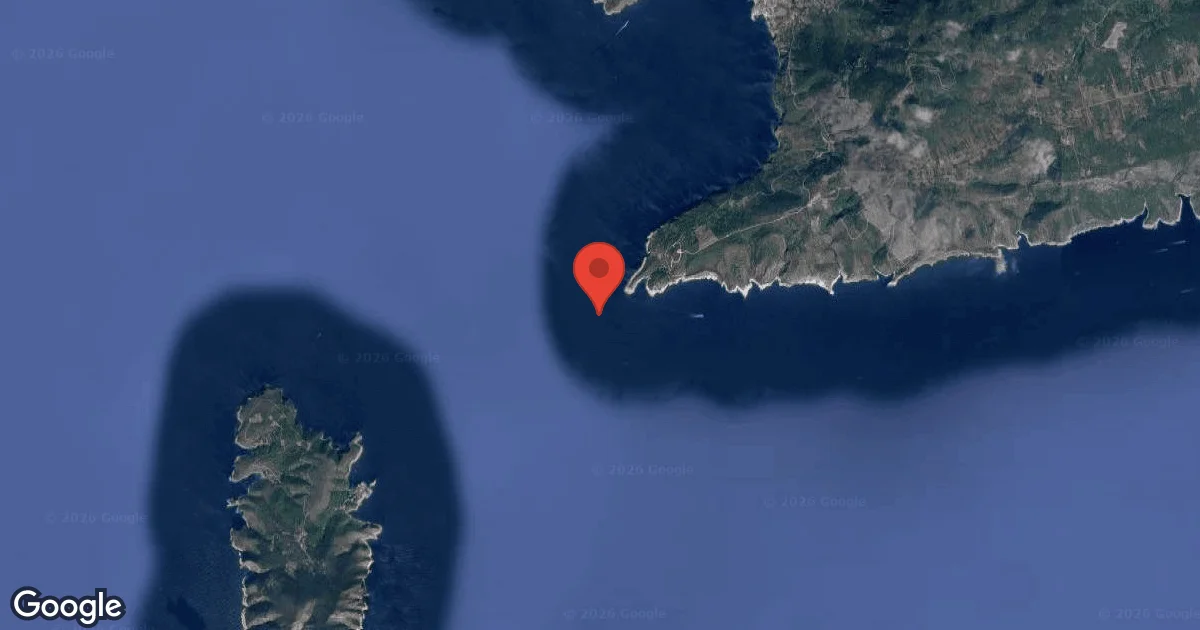
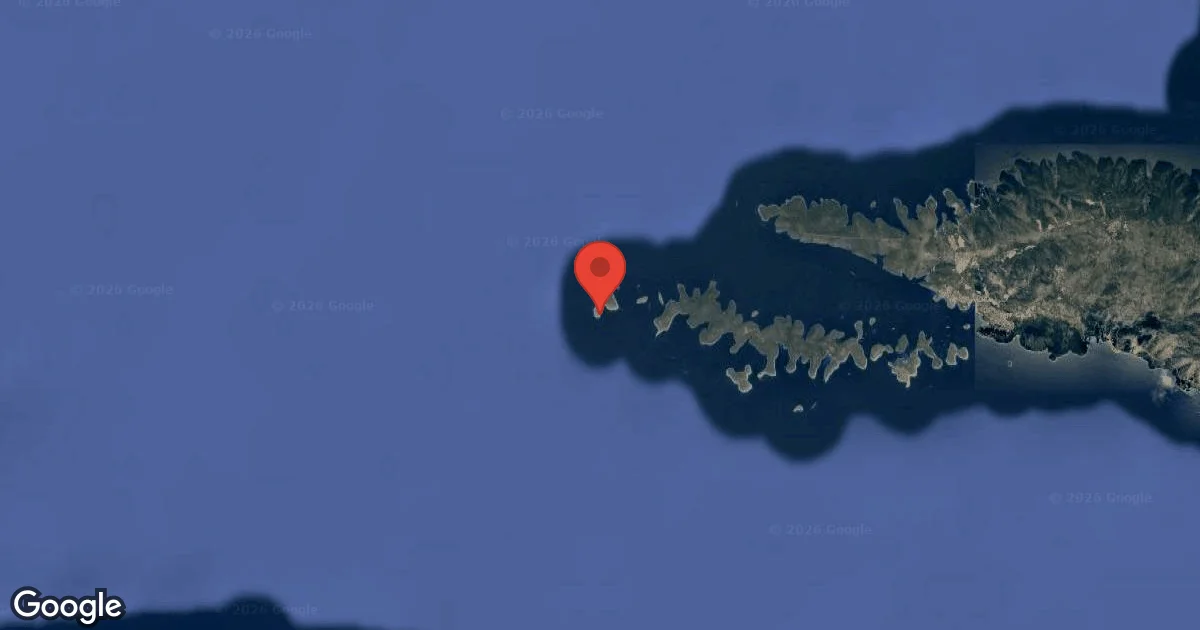
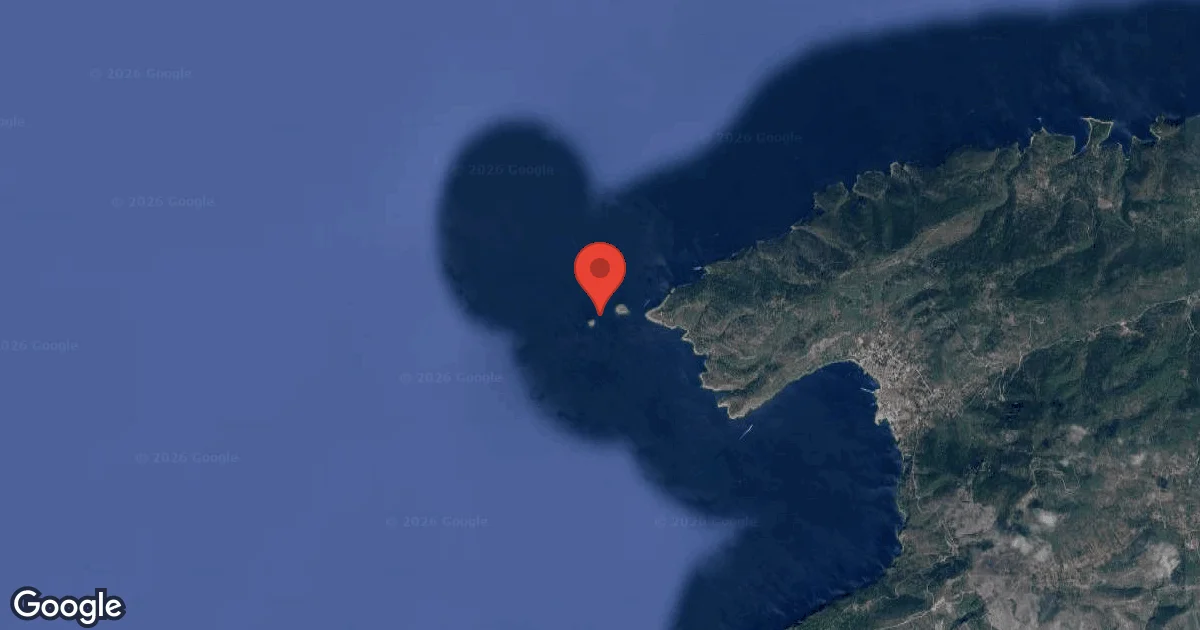
View all dive sites in CroatiaDiscover more underwater gems in this area.
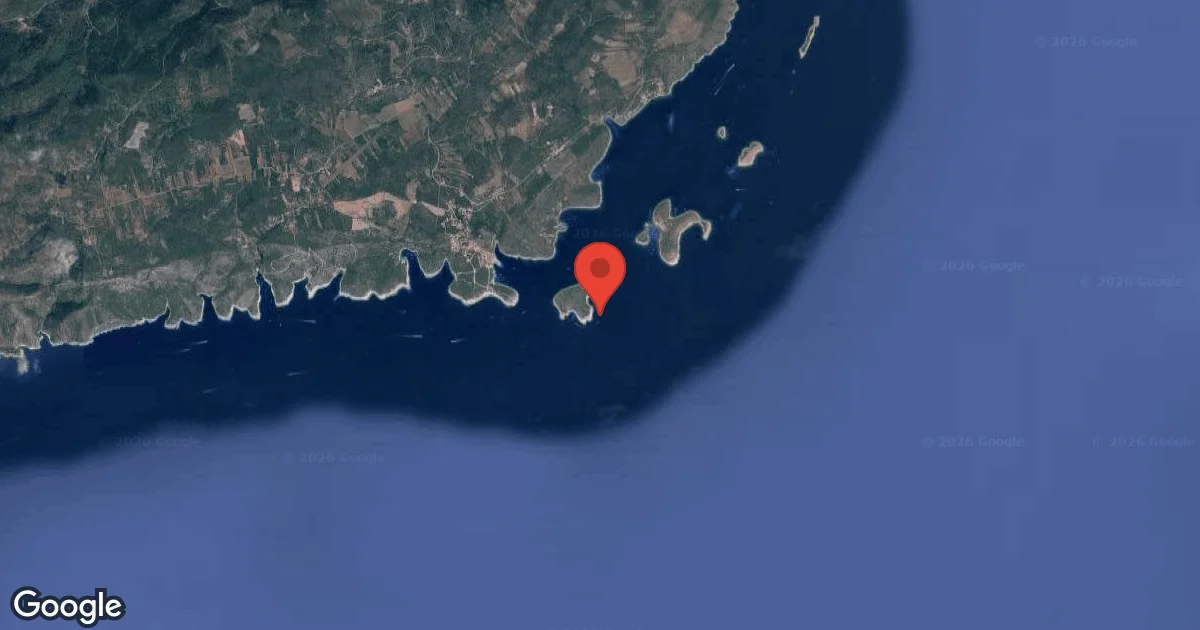
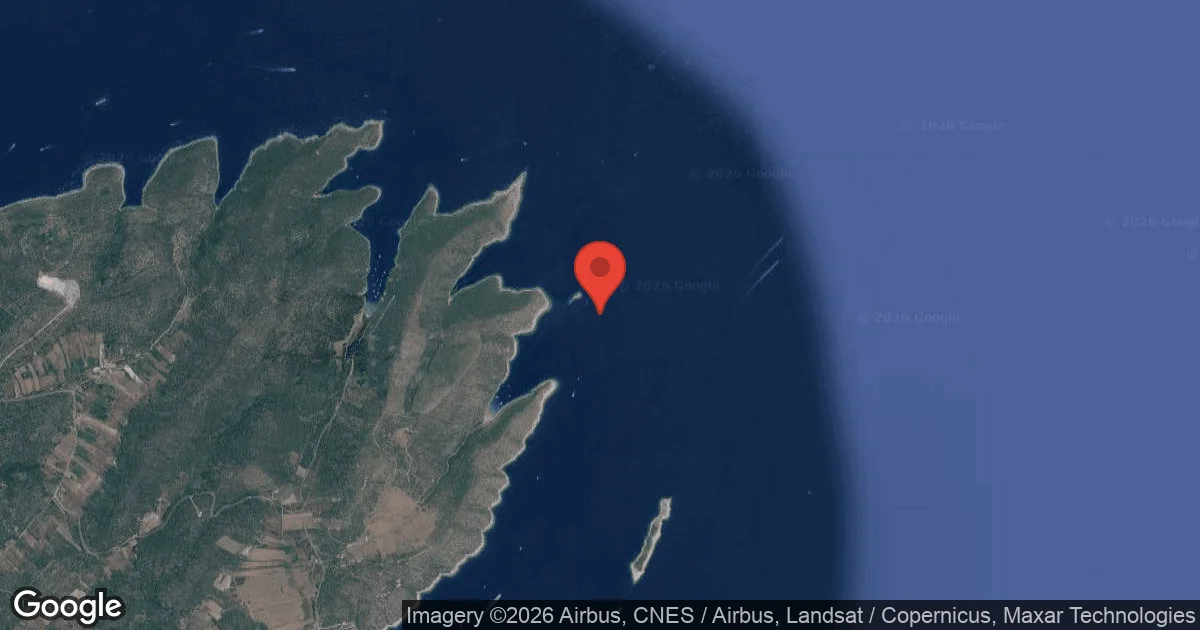
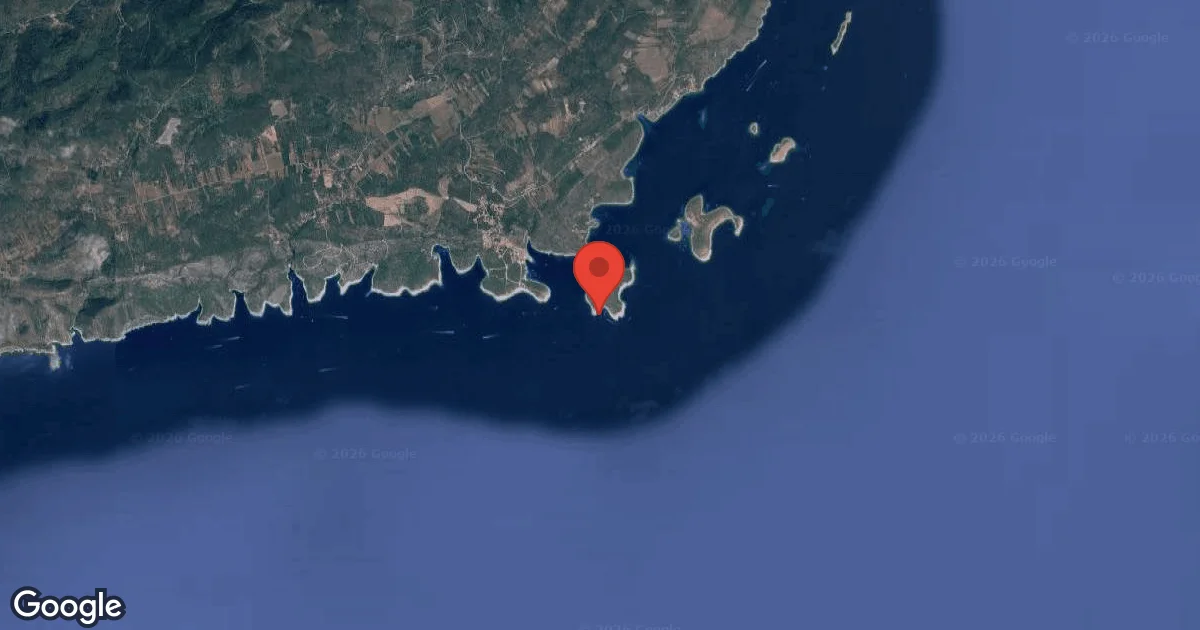
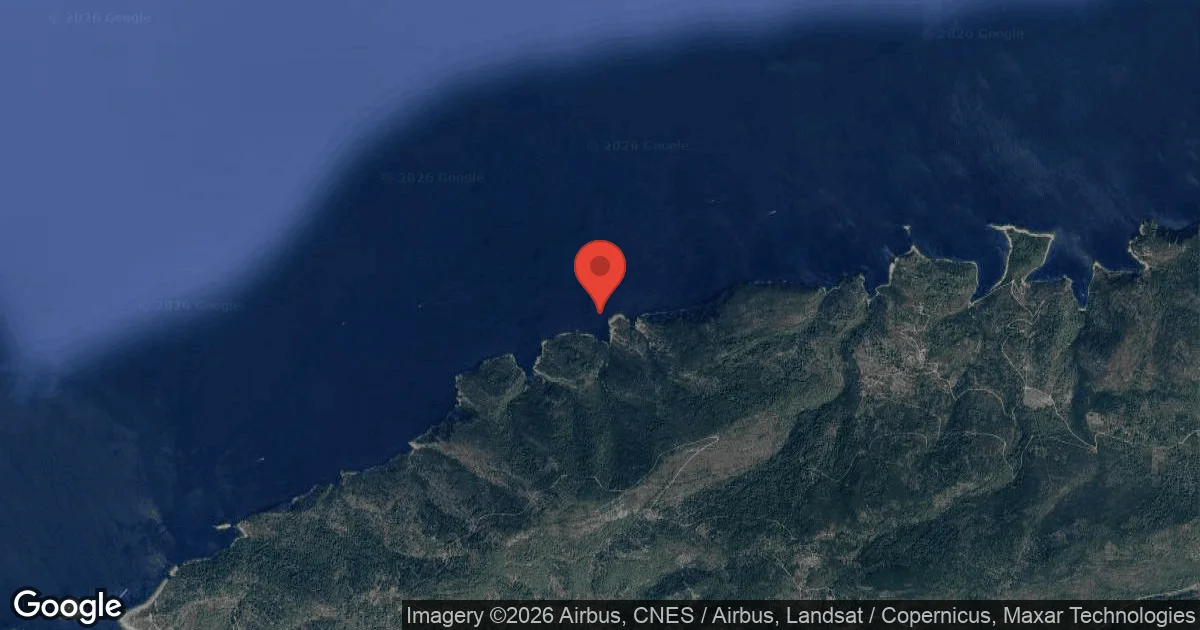
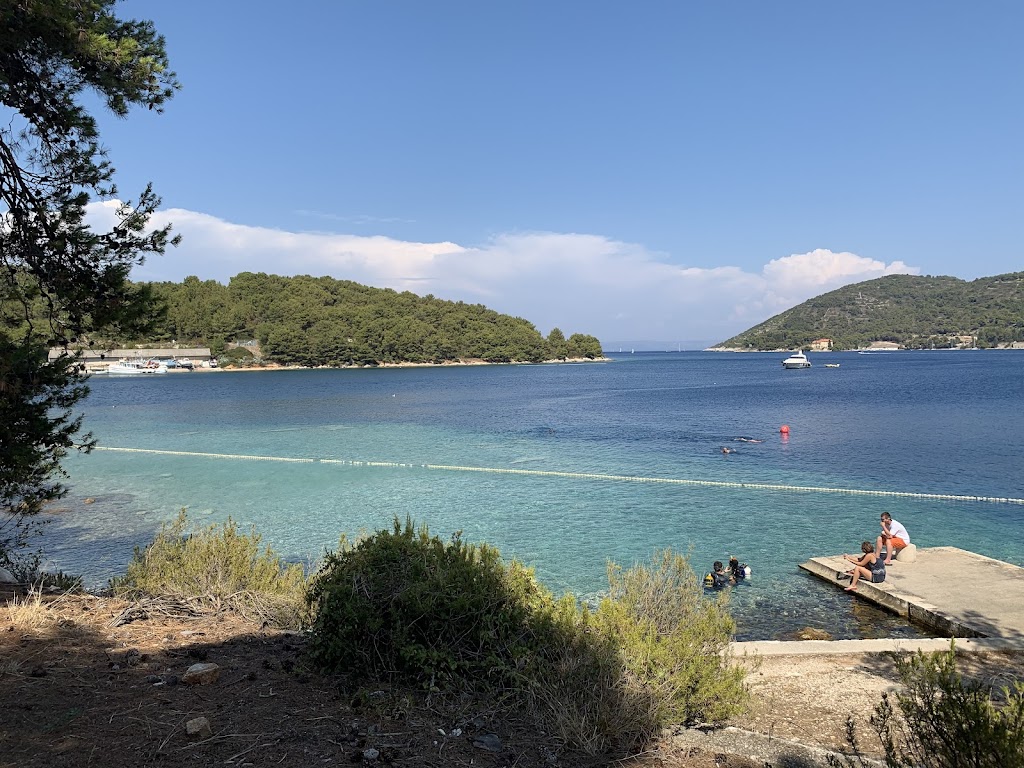
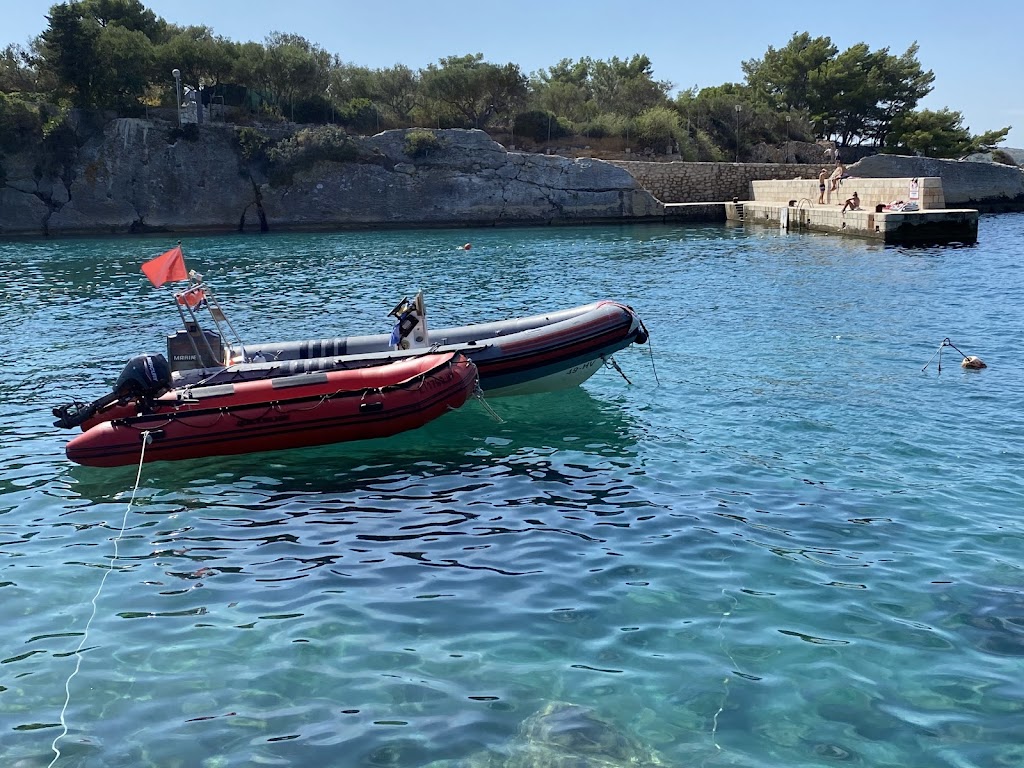
Dive Centers Near Boeing B-17G Flying Fortress

Today: 09:00 - 20:00


Nearest Airports
Nearest airports to help plan travel to this dive area.
Search Flights
Check available flights and routes on Expedia, using the nearby airports listed in this section.
Search Flights on ExpediaAffiliate link · Dive Navigator may earn a commission at no extra cost to you.
Frequently Asked Questions
Why is the Vis B-17G considered one of the best-preserved bomber wrecks in the world?
Because the pilot executed a controlled ditching in calm sea and the bomber sank intact onto a flat 72-meter seabed below wave action, its cockpit controls, nose glazing, turrets, .50-caliber guns, wings, and engines remain in place.
Did the crew survive the ditching on November 6, 1944?
Nine of the ten crewmen escaped onto life rafts and were rescued by Allied forces on Vis, while co-pilot Lieutenant Ernest Vienneau perished aboard, making the site a protected military war grave.
What certification is required to dive the Boeing B-17G off Vis?
Divers must hold full technical trimix certification—either open-circuit trimix with multi-stage decompression or closed-circuit rebreather trimix—and dive through an authorized local concessionaire center.
Are all four radial engines still on the wings?
Three Wright Cyclone radial engines remain mounted directly in their wing nacelles, while the fourth engine rests upright on the sand immediately beneath its wing mount where magnesium fittings corroded.
Can divers see inside the cockpit without entering the plane?
Yes, shining a torch through the open and glazed cockpit windows reveals both pilot control yokes, throttle levers, and instrument panels with remarkable clarity.
How far offshore does the B-17G rest?
The bomber lies roughly 150 meters off Cape Polivalo at the entrance to Rukavac Bay on southeastern Vis, about 25 to 30 minutes by boat from Vis Town or Komiža.
Planning to dive Boeing B-17G Flying Fortress?
Tell us your dates and diving needs. We'll review your request and seek offers from relevant local dive centers.
Request Dive OffersConditions are Poor
High Wind Advisory (46km/h). Unsafe surface.
Current conditions near Boeing B-17G Flying Fortress show 17° air, 19° sea temperature, 1.5 m waves, and 46 km/h wind. Forecast data is refreshed regularly to ensure accuracy.