Loading...

Diving at Steamship Vis (Croatia)
Published
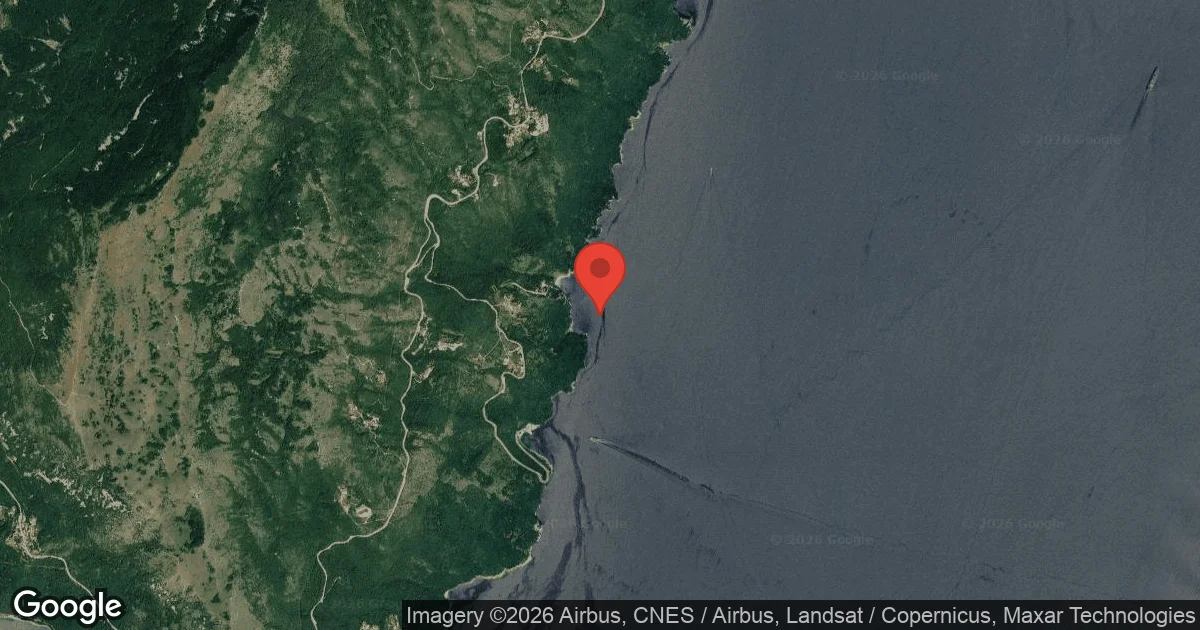
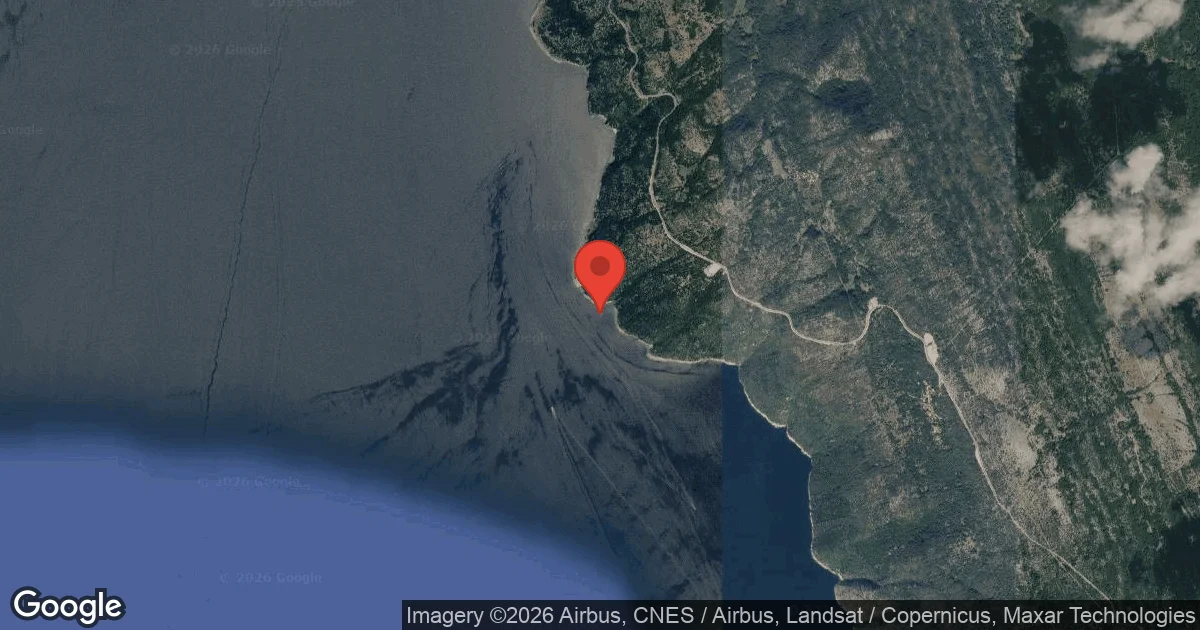
One of the Northern Adriatic's grandest upright technical wrecks—an Allied Atlantic convoy veteran standing proudly at 62 meters off Plomin Bay with her tall 'O'-badged funnel still pointing toward the surface.
Early observations for Steamship Vis report a surface air temperature of 8.5°C. The water surface is currently presenting wave heights of 0.3 m. Consider these environmental metrics before beginning your descent.
Dive Site Location & Key Facts
Coordinates45.1185, 14.2132
Estimated Coordinates
Coordinates are estimated from the best available maritime charts and local dive references, as exact GPS pins are not publicly confirmed. Always verify the precise entry or mooring point with a local dive operator.
Site Characteristics
Max Depth62m / 203ft
Entry Typeboat
Water Typesalt
Dive Types
DeepTechnicalWreck
Dive Site Overview
Built in Great Britain in 1921 originally under the name Renteria and later operated by the pre-war Yugoslav shipping company Oceania as Vis, this substantial steel cargo steamer spent the Second World War braving North Atlantic U-boat packs in Allied supply convoys, receiving reinforced circular anti-aircraft gun emplacements on her bridge wings for self-defense.
Having survived the entire Atlantic campaign intact, Vis met tragedy in home waters just months after peace returned. On the morning of February 13, 1946, while steaming empty from Rijeka toward the coal port of Raša and hugging the eastern Istrian cliffs to avoid unswept central Vela Vrata minefields, a moored contact mine detonated beneath her starboard bow roughly 400 meters off Cape Mašnjak at the mouth of Plomin Bay. Three crewmen died in the blast while a passing sailing vessel rescued the survivors and landed them at Rabac.
Settling upright onto a sandy-silt bottom at 60 to 62 meters depth, Steamship Vis remains extraordinarily intact from midships to stern. The first feature greeting descending technical divers around 42 meters is her towering cylindrical smokestack—slightly flattened along its sides by external hydrostatic pressure as she plunged—still displaying the large raised sheet-metal letter 'O' of the Oceania line on both flanks.
Directly forward of the funnel around 45 to 47 meters stands the remarkably preserved wheelhouse with open window frames (their fallen glass panes resting in sand on the bridge floor), a suspended goniometer direction-finding loop antenna, circular steel anti-aircraft gun mounts on both bridge wings, decayed wooden decks opening into machinery alleyways, and remnants of wooden lifeboats resting on the seabed beside the hull.
Steamship Vis
Conditions are Excellent
9/10
Confidence: 8/10
Indicates meteorological model agreement and data availability.
Best Dive Window
07:00 - 14:00
Optimal conditions expected
06:12
18:45
H: 10:45
L: 16:20
Air / Sea Temp
8° / 16°
Wave Height
0.5 m
Wind Speed
27 km/h ENE
Rain Chance
0%
Current conditions near Steamship Vis show 8° air, 16° sea temperature, 0.5 m waves, and 27 km/h wind. Forecast data is refreshed regularly to ensure accuracy.
Radius: ~12km
Updated: Nov 23, 2026, 07:04 local timeMARINE: OPEN-METEOWEATHER: YR.NO
Best Time to Dive
Technical dive operators out of Rabac, Sveta Marina, and Krnica schedule Steamship Vis between May and October during settled, windless weather windows. Because Cape Mašnjak sits right where the steep fjord of Plomin Bay meets the open Vela Vrata channel, katabatic Bora gusts and autumn Jugo swells can build rough seas rapidly, making calm morning forecasts essential.
Visibility across the superstructure at 42 to 50 meters averages 15 to 20 meters thanks to steady Kvarner channel exchange, though Plomin Bay outflow after heavy rain can occasionally leave a slightly hazy upper layer before clearing dramatically beneath the thermocline.
At 50 to 62 meters depth, bottom temperatures stay locked between 12 and 15 degrees Celsius all year long, making spring, summer, and early autumn equally suited to insulated drysuit teams while warm summer surface layers make shallow 6-meter oxygen stops far more pleasant.
PEAK SEASON SCORE
95/100
ExcellentScores combine air & water temps, waves, wind & rainfall for overall conditions.
BEST MONTHS TO DIVE
JUN
JUL
AUG
DIVE SCORE GUIDE (0–100)
Excellent (90–100)
Very Good (80–89)
Good (70–79)
Moderate (50–69)
Poor (30–49)
Not Recommended (0–29)
Monthly records compiled from satellite and marine observation nodes over the last 3 years. Data provided by Open-Meteo and MET Norway.
Dive Experience & Conditions
Not to be confused with the shallower 1956 Yugoslav command yacht Vis scuttled off Kamenjak in 2016, Plomin's 1946 Steamship Vis is a serious 62-meter technical wreck dive. Boats secure a descent line near the midships superstructure, guiding trimix teams down through moderate channel currents until the tall round Oceania funnel materializes at 42 meters.
Most 20-to-25-minute bottom plans concentrate on the midships island between 44 and 52 meters: inspecting the 'O' insignia on the slightly pinched funnel, gliding across the bridge wings with their reinforced wartime anti-aircraft gun rings, and illuminating the open wheelhouse interior where the fallen goniometer antenna hangs from overhead steel beams.
Dropping down the starboard forward hold to 55 to 60 meters reveals the gaping mine rupture that sank the ship, while swimming alongside the hull at 60 to 62 meters uncovers the skeletal remains of wooden lifeboats resting on the sand before teams ascend cleanly up the shot line for staged decompression.
Dive Difficulty & Safety Guidelines
With main decks at 47 to 52 meters and the seabed at 60 to 62 meters, Steamship Vis lies entirely beyond recreational limits and requires certified normoxic or hypoxic trimix divers carrying twinsets with multiple decompression stages or closed-circuit rebreathers. Cold 13-degree water and substantial decompression obligations demand disciplined thermal planning and redundant dive computers.
Abandoned gillnets and trawl remnants hang from the upper rim of the tall funnel and sections of the railings; carry multiple accessible line cutters and give snagged netting around the smokestack a wide berth.
Although decayed wooden deck planks allow easy visual access into the wheelhouse and upper superstructure corridors, any interior swim-throughs require full technical wreck protocols, continuous guideline awareness, and delicate frog-kick trim to avoid disturbing fine internal silt.
Recommended Equipment
Technical depth range. Advanced planning, gas management, and appropriate certification required.
Overhead / entanglement risk. Wreck penetration requires proper training.
- Dive Computer
- DSMB
- Primary & Backup Lights
- Wreck Reel
- Cutting Tool
This gear list is based on verified equipment signals for Steamship Vis, Croatia. Always confirm final gear choices with your dive operator, guide, or liveaboard.
Recommended Dive Suit
Individual comfort in the water can vary significantly from diver to diver, even under the same conditions.
For most recreational dives, 5-7mm wetsuit should provide comfortable protection. Consider warmer surface protection (like a boat coat) due to brisk winds. Strong cold advisory: dress warmly immediately after exiting the water. Forecast trends indicate little change in overall diving conditions during the next few days.
Water temperatures across the dive area at Steamship Vis are presently estimated to be around 16°C (62°F). Surface air temperatures are resting at 8°C (47°F).
Steamship Vis conditions last reviewed: 07:04 local time (UTC+1), Nov 23, 2026
Emergency & Medical Support
Essential information to help you plan your dive trip to Steamship Vis.

Hyperbaric chambers are a critical part of dive safety infrastructure. Availability varies significantly by region, and not all dive areas have immediate access.
Before diving, it's recommended to:
- confirm nearest medical facilities
- check emergency procedures with local dive operators
- ensure dive insurance covers evacuation if required
24/7 Available
Divers Alert Network
Diving emergency assistance available through DAN Europe.
+39 0642115685- 24/7 emergency hotline
- Diving medical assistance
- Evacuation coordination
Emergency contacts are provided for reference. Always verify local emergency services before diving.
Closest Listed Hyperbaric Chambers (≤ 200 km)
Approximate straight-line distances from this dive site — emergency travel times may vary.
31 km31 kmZavod za podvodnu i hiperbaričnu medicinu – KBC Rijeka
Rijeka, Croatia24/7ICU+385 51 407 435Details31 kmZavod za podvodnu i hiperbaričnu medicinu – KBC Rijeka
24/7 ListedICU CapableRijeka, Croatia · Multiplace (8 seated / 2 stretcher ICU)
Hours: 24/7 EmergencyFacility: Klinički bolnički centar Rijeka (Lokalitet Sušak)ICU On-Site: YesSource: KBC Rijeka / Poliklinika OXYOfficial website
31 km
Zavod za podvodnu i hiperbaričnu medicinu – KBC Rijeka
Rijeka, Croatia24/7ICU+385 51 407 435Details
31 km
Zavod za podvodnu i hiperbaričnu medicinu – KBC Rijeka
24/7 ListedICU CapableRijeka, Croatia · Multiplace (8 seated / 2 stretcher ICU)
Hours: 24/7 Emergency
Facility: Klinički bolnički centar Rijeka (Lokalitet Sušak)
ICU On-Site: Yes
Source: KBC Rijeka / Poliklinika OXY
Official website37 km37 kmPoliklinika za baromedicinu OXY – Poslovna jedinica Crikvenica
Crikvenica, Croatia+385 51 785 229Details37 kmPoliklinika za baromedicinu OXY – Poslovna jedinica Crikvenica
Crikvenica, Croatia · Multiplace
Hours: Mon–Fri 07:30–15:30Facility: Thalassotherapia CrikvenicaICU On-Site: Not reportedSource: KBC Rijeka / Poliklinika OXYOfficial website
37 km
Poliklinika za baromedicinu OXY – Poslovna jedinica Crikvenica
Crikvenica, Croatia+385 51 785 229Details
37 km
Poliklinika za baromedicinu OXY – Poslovna jedinica Crikvenica
Crikvenica, Croatia · Multiplace
Hours: Mon–Fri 07:30–15:30
Facility: Thalassotherapia Crikvenica
ICU On-Site: Not reported
Source: KBC Rijeka / Poliklinika OXY
Official website39 km39 kmPoliklinika za baromedicinu OXY – Podružnica Pula
Pula, Croatia+385 52 215 663Details39 kmPoliklinika za baromedicinu OXY – Podružnica Pula
Pula, Croatia · Multiplace
Hours: Mon–Fri 07:30–15:30Facility: Opća bolnica PulaICU On-Site: Not reportedSource: KBC Rijeka / Poliklinika OXYOfficial website
39 km
Poliklinika za baromedicinu OXY – Podružnica Pula
Pula, Croatia+385 52 215 663Details
39 km
Poliklinika za baromedicinu OXY – Podružnica Pula
Pula, Croatia · Multiplace
Hours: Mon–Fri 07:30–15:30
Facility: Opća bolnica Pula
ICU On-Site: Not reported
Source: KBC Rijeka / Poliklinika OXY
Official websiteChamber data is sourced from official Croatian hospital and baromedicine facility records and has not been independently verified by Dive Navigator. Always contact local emergency services, DAN, your dive operator, or the facility directly before travelling.
Reference onlyMarine Life at Steamship Vis
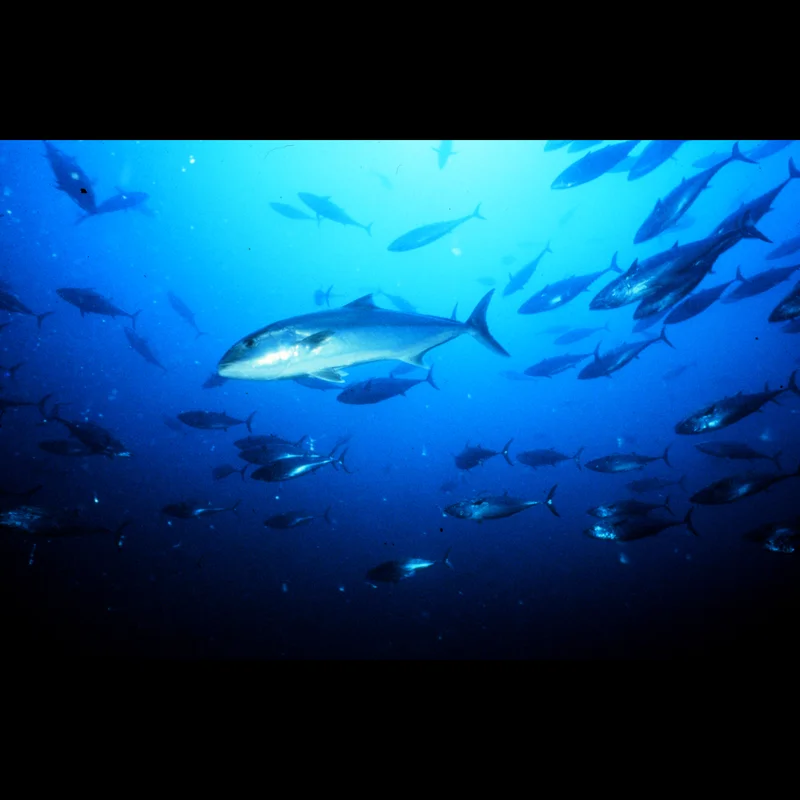
Towering 20 meters off the deep Vela Vrata seabed, the upright hull and tall funnel of Steamship Vis create a dramatic vertical oasis for deep Adriatic fauna. Dense curtains of anthias, poor cod, and picarel swirl continuously around the 42-meter funnel and bridge wings, hunted by cruising greater amberjack, dentex, and John Dory.
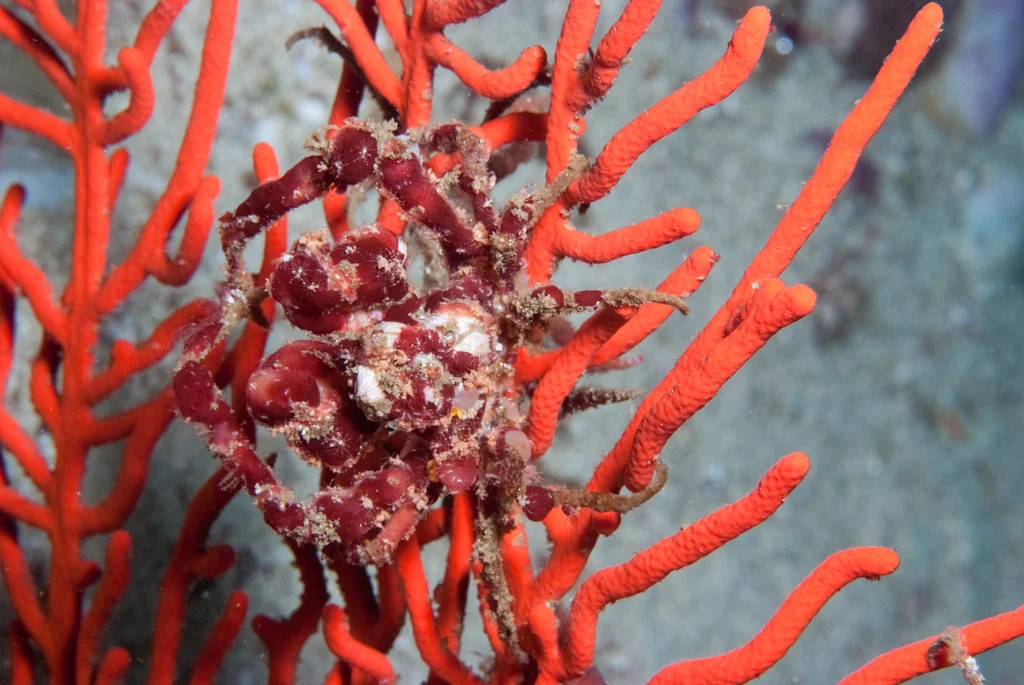
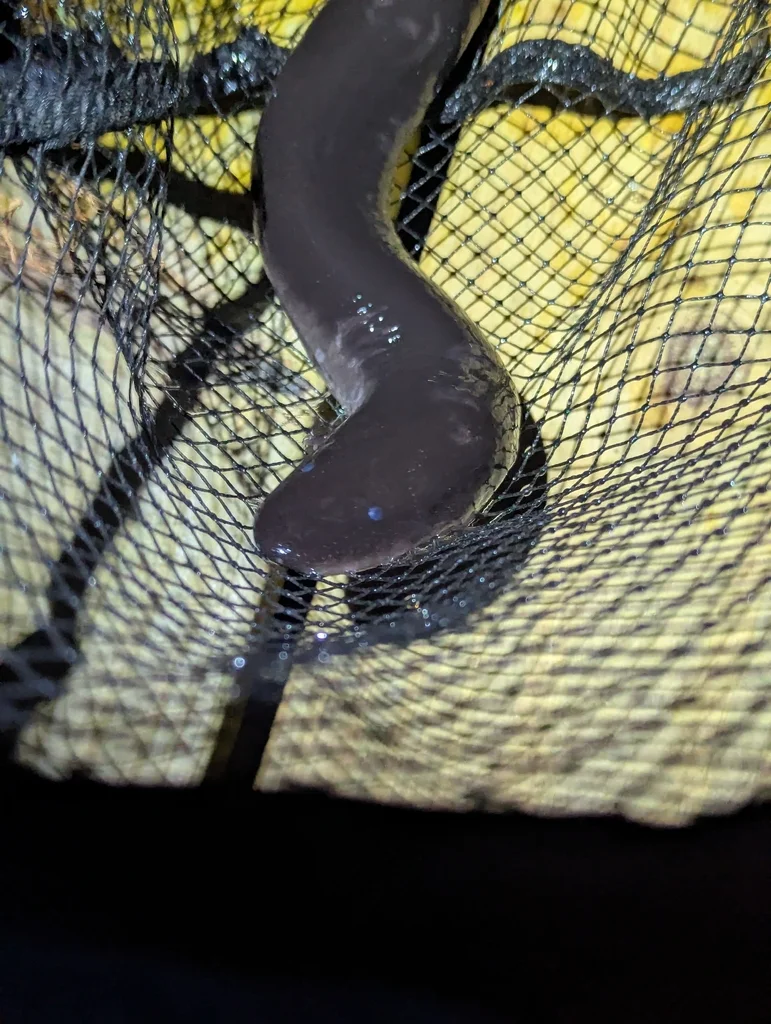
Inside the wheelhouse corners, machinery alleyways, and the torn starboard mine breach, thick European conger eels and pale-finned forkbeards shelter alongside large European lobsters and spiny spider crabs tucked beneath the 62-meter hull plates and lifeboat ribs.
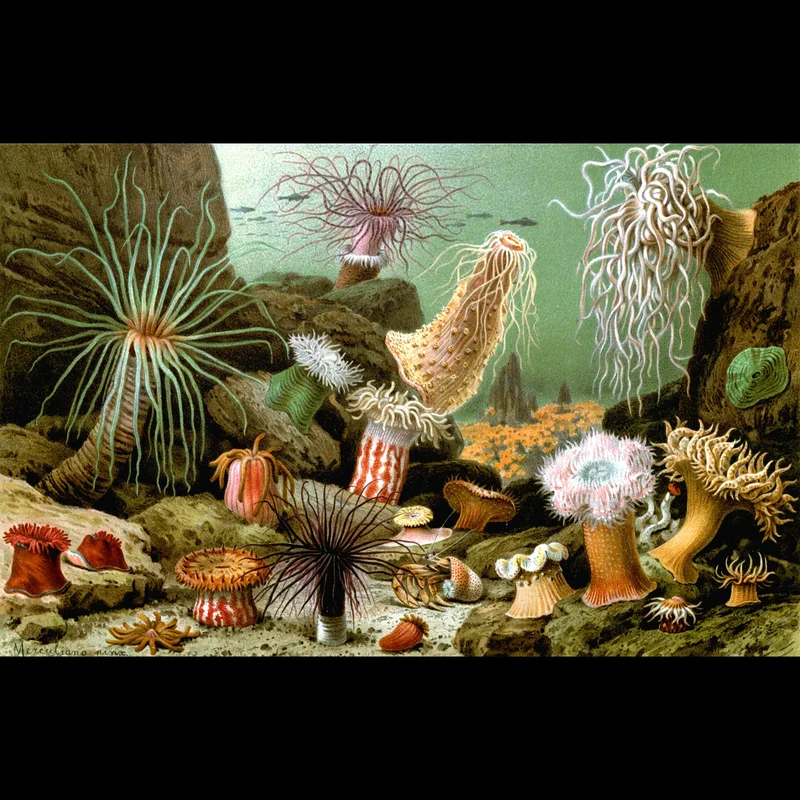
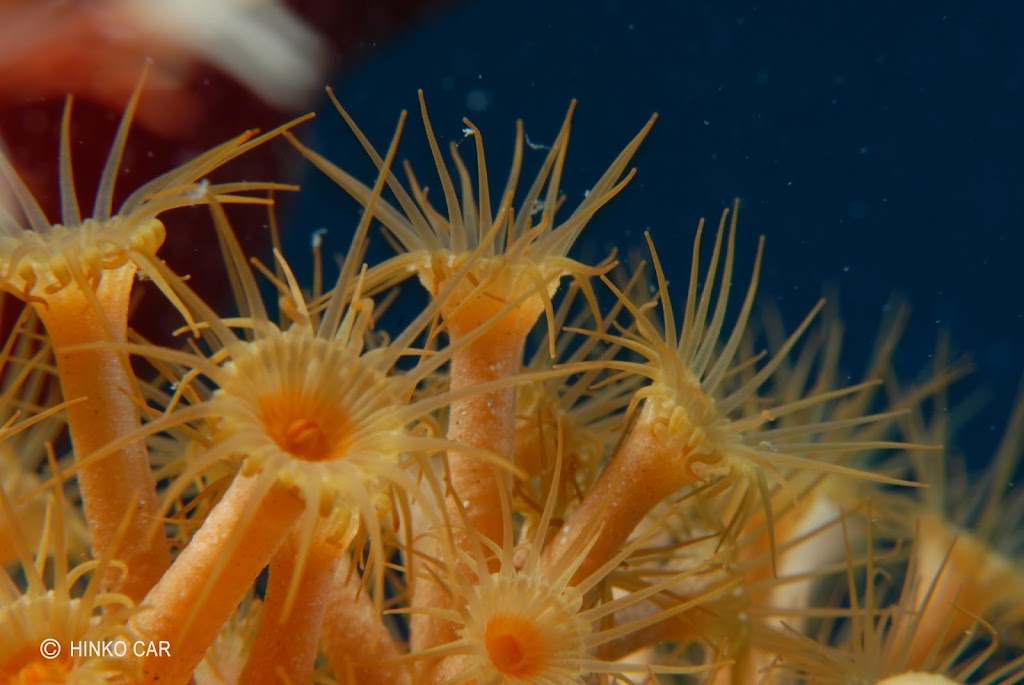
Bright yellow cluster anemones, hydroids, and encrusting sponges coat the circular anti-aircraft bridge mounts and round portholes, providing prime perches for camouflaged red scorpionfish.

1 / 2
Image contributors:Diego Delso, Giacomo Merculiano + 5 more
Want to contribute photos or local dive knowledge? Learn how to contributeDive Sites Near Steamship Vis
View all dive sites in CroatiaDiscover more underwater gems in this area.
Dive Centers Near Steamship Vis
Working Hours
Sun09:00 - 18:00
Mon09:00 - 18:00
Tue09:00 - 18:00
Wed09:00 - 18:00
Thu09:00 - 18:00
Fri09:00 - 18:00
Sat09:00 - 18:00
Today: 09:00 - 18:00
Sun09:00 - 18:00
Mon09:00 - 18:00
Tue09:00 - 18:00
Wed09:00 - 18:00
Thu09:00 - 18:00
Fri09:00 - 18:00
Sat09:00 - 18:00
4.8| 140 reviews
13.6 km
4.9| 210 reviews
26.7 km
4.8| 384 reviews
29.8 km
Dive Loft Krk
4.8(262)• 36.4 km
Dive Center Krk
4.6(180)• 33.1 km
Dive Center Scuba Libre
4.8(166)• 41.6 km
Diving Center Mihuric
4.7(223)• 39.9 km
Nearest Airports
Nearest airports to help plan travel to this dive area.
Rijeka Airport RJK
30 km
Pula Airport PUY
34 km
Trieste Airport TRS
98 km
💵 Currency: EUR
Search Flights
Check available flights and routes on Expedia, using the nearby airports listed in this section.
Search Flights on ExpediaAffiliate link · Dive Navigator may earn a commission at no extra cost to you.
Frequently Asked Questions
How does Plomin's Steamship Vis differ from the Wreck Vis near Cape Kamenjak?
Plomin's Steamship Vis is a 1921 British-built cargo steamer sunk by a mine in February 1946 at 62 meters off Cape Mašnjak for technical divers, whereas the Kamenjak Vis is Tito's 58-meter 1956 naval yacht scuttled at 32 meters in 2016.
What does the large letter 'O' on the wreck's smokestack stand for?
The sheet-metal 'O' mounted on both sides of the tall round funnel is the emblem of the Yugoslav shipping company Oceania, which acquired and renamed the British-built steamer before World War II.
What remnants of Vis's World War II convoy service can divers spot?
On both wings of the bridge superstructure, divers can inspect circular steel deck reinforcements installed to mount anti-aircraft guns while she sailed in Allied Atlantic convoys.
Did the crew survive when Steamship Vis struck the mine in 1946?
Three crew members perished in the starboard forward mine explosion on February 13, 1946, while the surviving sailors abandoned ship and were rescued by a passing sailing vessel and brought to Rabac.
Is a special Ministry of Culture permit required to dive Steamship Vis?
No special restricted war-grave permit is required, though due to the 42-to-62-meter depth, local dive centers in Rabac and Sveta Marina restrict trips exclusively to qualified trimix technical divers.
What entanglement hazards exist on Steamship Vis?
Lost fishing nets hang from the tall 42-meter funnel and parts of the upper railings, requiring vigilant torch discipline and redundant line cutters.
Trip Inquiry
Planning to dive Steamship Vis?
Tell us your dates and diving needs. We'll review your request and seek offers from relevant local dive centers.
Request Dive Offers Free request for offers • No booking obligation
Steamship Vis
Conditions are Excellent
9/10
Confidence: 8/10
Indicates meteorological model agreement and data availability.
Best Dive Window
07:00 - 14:00
Optimal conditions expected
06:12
18:45
H: 10:45
L: 16:20
Air / Sea Temp
8° / 16°
Wave Height
0.5 m
Wind Speed
27 km/h ENE
Rain Chance
0%
Current conditions near Steamship Vis show 8° air, 16° sea temperature, 0.5 m waves, and 27 km/h wind. Forecast data is refreshed regularly to ensure accuracy.
Radius: ~12km
Updated: Nov 23, 2026, 07:04 local timeMARINE: OPEN-METEOWEATHER: YR.NO


