
Diving at Furesø (Denmark)
Furesø, Denmark's deepest lake, invites divers to explore a freshwater environment shaped by glacial forces. Carved by melting ice caps millennia ago, this inland site provides a distinct diving experience. You'll move from sandy shallows into more structured, deeper environments, discovering a varied topography that appeals to divers seeking an alternative underwater adventure.
Tonight's objective overview for Furesø shows an air temperature of 18°C. The measured surface conditions include wave heights around 0.5 m. This environmental data is logged for the close of the day.
Dive Site Location & Key Facts
Dive Site Overview
Exploring Furesø typically starts with a straightforward entry from a sandy beach by the marina or a convenient bathing jetty. From these points, divers can choose a course, often heading north/northwest or east/southeast, depending on their planned route and curiosity.
The initial dive unfolds in the shallower zones, usually around 2-5 meters (7-16 ft), where the lakebed reveals lush kelp forests, expansive mussel banks, and various types of algae. This zone teems with smaller aquatic life, offering plenty for close observation and photography. As you transition into deeper water, the environment subtly shifts.
Beyond the initial growth, the topography becomes more varied, with ledges and structures emerging. While many recreational dives focus on the upper 7 meters of the water column, the lake floor extends further, allowing experienced divers to explore features down to the reported maximum recreational depth of 12 m.
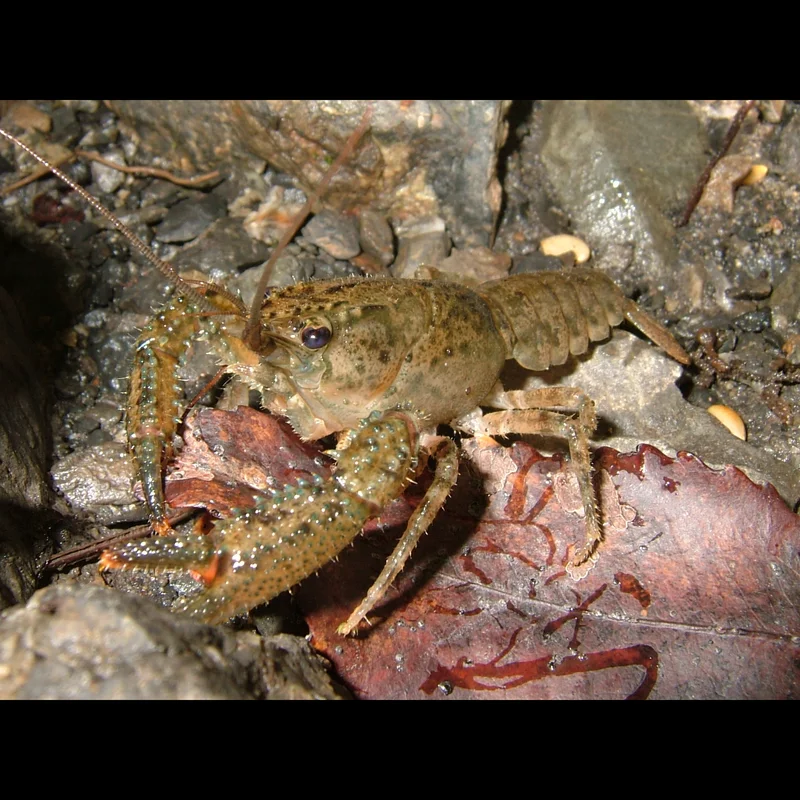
Here, the landscape shifts, offering encounters with larger fish and the lake's large crayfish. Throughout the dive, maintaining proximity to the northeastern shore often increases the likelihood of observing significant aquatic activity. This inland site provides a unique perspective on freshwater ecosystems.
Conditions are Good
Optimal conditions expected
Current conditions near Furesø show 18° air, 16° sea temperature, 0.7 m waves, and 27 km/h wind. Forecast data is refreshed regularly to ensure accuracy.
Best Time to Dive
Planning your dive around optimal visibility and comfort is key, and Furesø often presents its clearest conditions during the late spring and summer months. Air temperatures are most inviting from May through September, averaging 12.5°C (54°F) to 17.5°C (64°F), which contributes to a more pleasant surface interval. Dive scores are consistently excellent from March through June and again in August and September. While rain averages around 1.0-2.1 mm (0.04-0.08 in) during these peak months, October experiences higher rainfall at 3.0 mm (0.12 in) and increased winds, potentially impacting surface conditions and visibility. Even November maintains an 'Excellent' dive score, though with significantly cooler air temperatures, suggesting drysuit diving would be preferable.
PEAK SEASON SCORE
Scores combine air & water temps, waves, wind & rainfall for overall conditions.
BEST MONTHS TO DIVE
Monthly records compiled from satellite and marine observation nodes over the last 3 years. Data provided by Open-Meteo and MET Norway.
Dive Experience & Conditions
Conditions at Furesø present a varied underwater environment, with visibility that can change depending on the season and recent weather patterns. Entries are generally straightforward, from a sandy beach or a bathing jetty. In the shallower sections, around 2 to 5 meters, you'll find the water alive with kelp forests, water fleas, and mussel banks. As depths increase towards the lake's deeper zones, up to around 12 meters, the ambient light diminishes, and visibility sometimes lessens, requiring good dive planning. Navigating this freshwater system demands proficient buoyancy control to avoid disturbing the fine lakebed sediments. Even when clarity is reduced, the site serves as an excellent location for refining fundamental diving skills.
Dive Difficulty & Safety Guidelines
Diving at Furesø necessitates adherence to specific safety protocols to ensure a safe and enjoyable experience. It is mandatory to use a surface buoy during your dive.
Additionally, divers must obtain permission from the Danish Nature Agency before entering the water. Given that visibility can be inconsistent, especially in deeper sections or during certain seasons, strong navigation skills are crucial.
Divers should plan their routes carefully and remain aware of their surroundings. This freshwater environment requires a mindful approach, particularly for maintaining proper buoyancy and preventing disturbances to the lakebed.
Recommended Equipment
- Dive Computer
- Hard-soled Dive Boots
This gear list is based on verified equipment signals for Furesø, Denmark. Always confirm final gear choices with your dive operator, guide, or liveaboard.
Recommended Dive Suit
Individual comfort in the water can vary significantly from diver to diver, even under the same conditions.
For most recreational dives, 5-7mm wetsuit should provide comfortable protection. A hood or vest is suggested for sensitive divers due to surface winds. Forecast conditions over the next few days suggest temperatures will remain relatively stable.
Current temperature readings suggest that the water at Furesø is around 16°C (60°F). Surface air temperatures are resting at 18°C (64°F).
Emergency & Medical Support
Essential information to help you plan your dive trip to Furesø.

Hyperbaric chambers are a critical part of dive safety infrastructure. Availability varies significantly by region, and not all dive areas have immediate access.
Before diving, it's recommended to:
- confirm nearest medical facilities
- check emergency procedures with local dive operators
- ensure dive insurance covers evacuation if required
Divers Alert Network
Diving emergency assistance available through DAN Europe.
+39 0642115685- 24/7 emergency hotline
- Diving medical assistance
- Evacuation coordination
Emergency contacts are provided for reference. Always verify local emergency services before diving.
Closest Listed Hyperbaric Chambers
Showing listed hyperbaric chamber facilities within 200 km of this dive site.
Distances are approximate straight-line distances and may not reflect emergency travel time.
Rigshospitalet Copenhagen University Hospital
24/7 ListedICU CapableCopenhagen, Denmark•Approx. 16 km straight-line
Rigshospitalet Copenhagen University Hospital
24/7 ListedICU CapableInformation is provided for reference and planning purposes only. Dive Navigator does not verify operational status, staffing, availability, or quality of care at listed facilities. In an emergency, contact local emergency services, DAN, your dive operator, or the chamber directly. Do not travel to a facility without calling ahead.
Information is provided for reference and planning purposes only. Dive Navigator does not verify operational status, staffing, availability, or quality of care at listed facilities. In an emergency, contact local emergency services, DAN, your dive operator, or the chamber directly. Do not travel to a facility without calling ahead.
Aarhus University Hospital, Noerrebrogade
24/7 ListedICU CapableAarhus C, Denmark•Approx. 142 km straight-line
Aarhus University Hospital, Noerrebrogade
24/7 ListedICU CapableInformation is provided for reference and planning purposes only. Dive Navigator does not verify operational status, staffing, availability, or quality of care at listed facilities. In an emergency, contact local emergency services, DAN, your dive operator, or the chamber directly. Do not travel to a facility without calling ahead.
Marine Life at Furesø
What you first notice underwater at Furesø often depends on your depth. In the shallower reaches, a vibrant collection of aquatic plants dominates, including lush kelp forests, delicate crown needle algae, and extensive mussel banks.
Small organisms like water fleas are also present. Descending deeper, beyond the initial plant growth, you'll start encountering larger inhabitants.
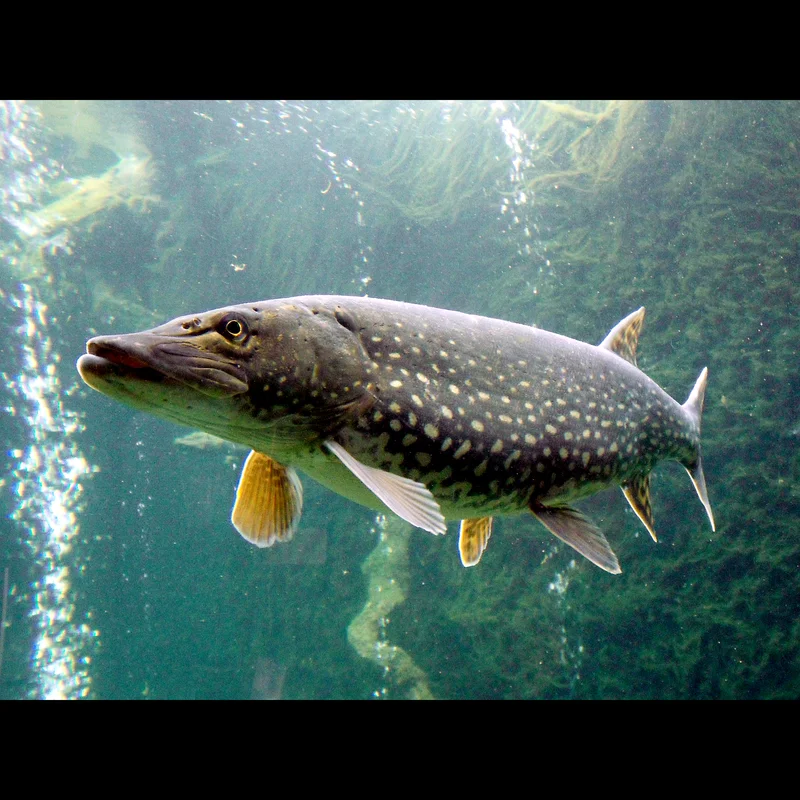
This is where big crayfish reside, alongside various freshwater fish species. There are even rumors among local divers of a substantial 'Loch-Furesø-Pike' inhabiting the lake's depths, adding a mysterious element to deeper explorations. Focusing your attention along the northeastern shore tends to yield the most marine life sightings.

Dive Sites Near Furesø
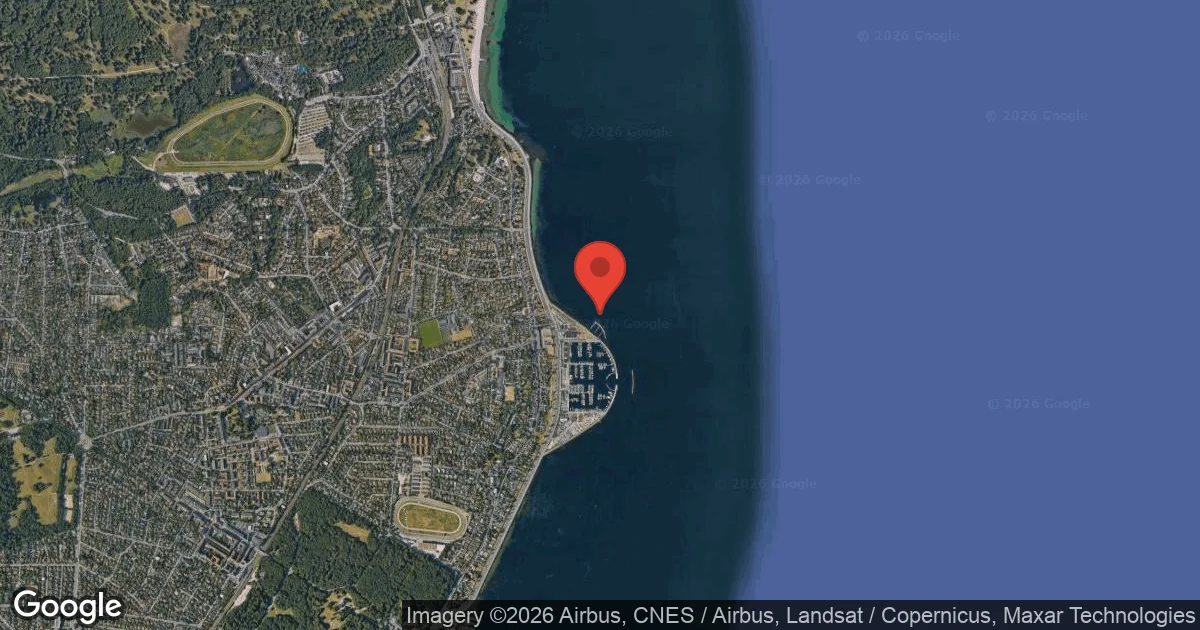
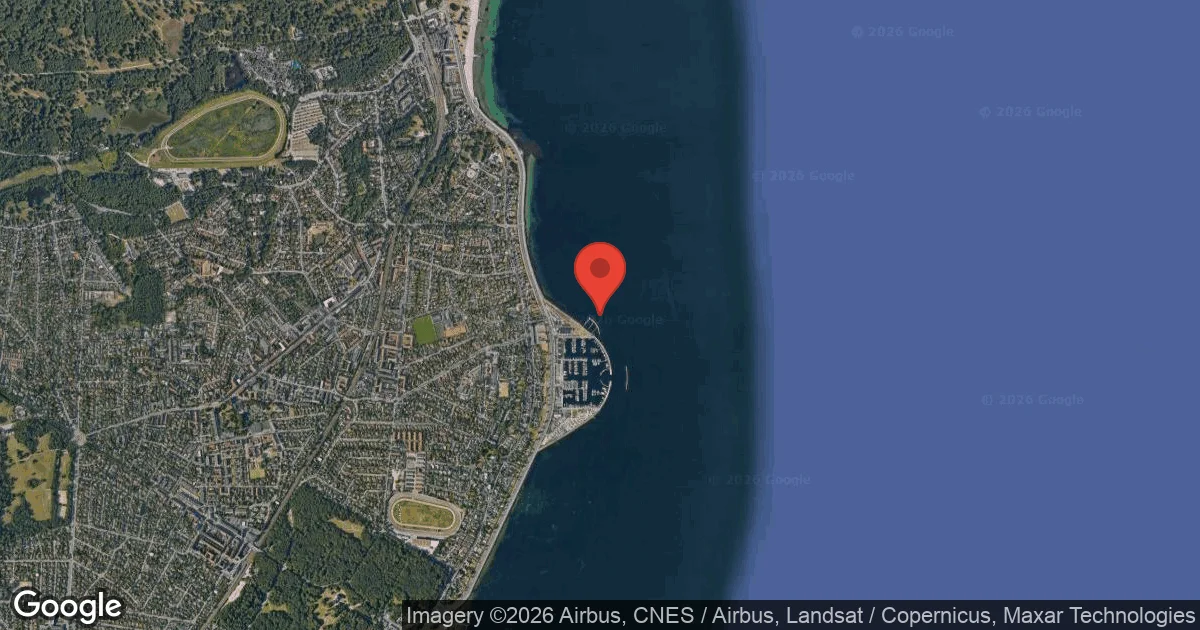
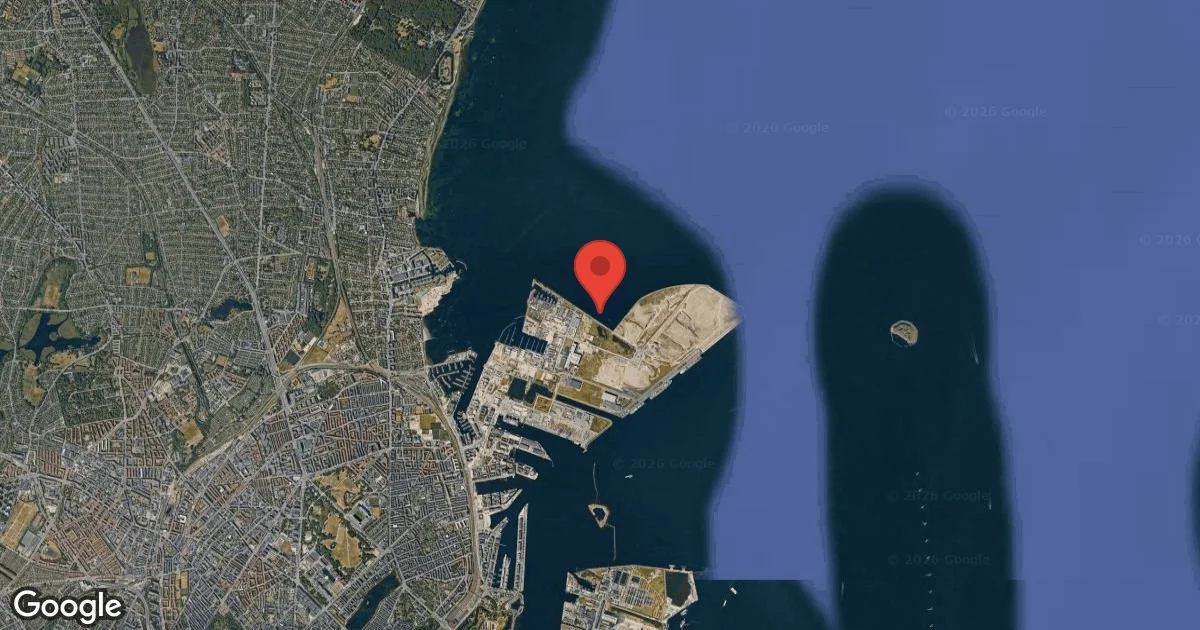
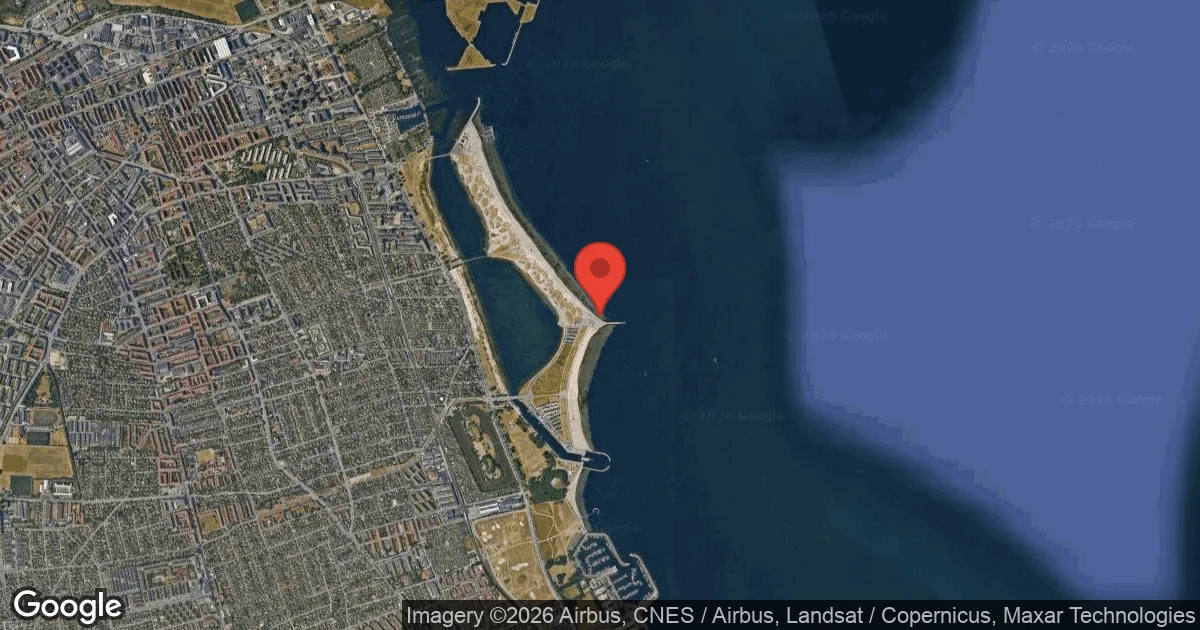
View all dive sites in DenmarkDiscover more underwater gems in this area.
Dive Centers Near Furesø
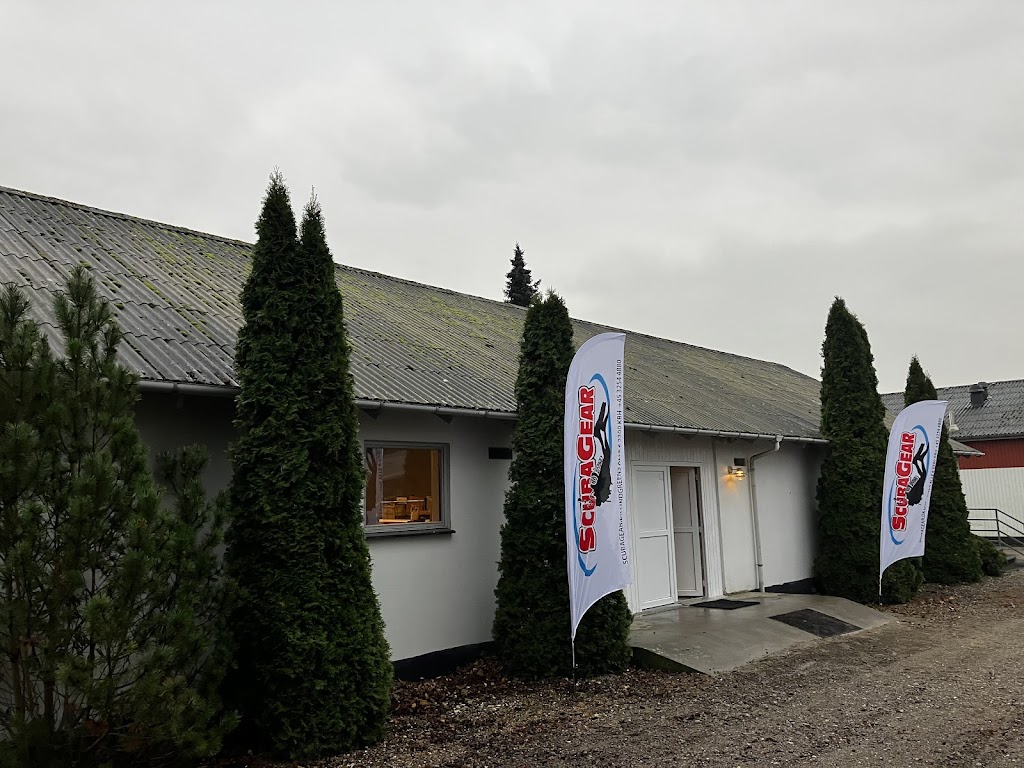
Today: 10:00 - 16:00

Nearest Airports
Nearest airports to help plan travel to this dive area.
Search Flights
Check available flights and routes on Expedia, using the nearby airports listed in this section.
Search Flights on ExpediaFrequently Asked Questions
What is the maximum depth for diving in Furesø?
While commonly cited maximum recreational depths are around 7 m (22 ft), divers can explore areas up to 12 m (39 ft) to discover deeper features and marine life. Always consult local guidelines and your training for safe depth limits.
Are there any special permissions required to dive in Furesø?
Yes, divers must obtain permission from the Danish Nature Agency before diving in Furesø. It's also mandatory to use a surface buoy during your dive for safety.
What kind of marine life can be seen in Furesø?
Divers can expect to see kelp forests, crown needle algae, and mussel banks in shallower areas. Deeper sections are home to large crayfish and various fish species, with rumors of a large pike.
What are the entry points like at Furesø?
Entry to Furesø is typically from the shore, specifically from a sandy beach located by the marina or directly from a bathing jetty. These entry points offer relatively easy access to the water.
Is Furesø suitable for new divers?
The lake offers opportunities for buoyancy and navigation practice, even in challenging visibility. However, given variable conditions and the depth, some experience is beneficial, and proper instruction or guidance is always recommended.
What are the typical water temperatures in Furesø?
Water temperatures in Furesø are not consistently reported but generally align with freshwater lake conditions in Denmark, meaning cooler temperatures, especially outside of peak summer. Divers should be prepared with appropriate thermal protection for cold water.
Planning to dive Furesø?
Send one inquiry and receive offers directly from the best verified local dive operators.
Conditions are Good
Optimal conditions expected
Current conditions near Furesø show 18° air, 16° sea temperature, 0.7 m waves, and 27 km/h wind. Forecast data is refreshed regularly to ensure accuracy.