
Diving at Noahs Ark - Nordhavn (Denmark)
Noah's Ark represents a distinct purpose-sunk wreck, intentionally designed as a diving and freediving training ground. Submerged in 2016, this concrete barge offers a structured underwater environment. Its compartments provide exploration opportunities for various skill levels. Divers approach this site to experience controlled wreck penetration and navigation, making it a valuable destination for skill refinement in Denmark.
Tonight's objective overview for Noahs Ark - Nordhavn shows an air temperature of 15°C. The measured surface conditions include wave heights around 0.6 m. This environmental data is logged for the close of the day.
Dive Site Location & Key Facts
Dive Site Overview
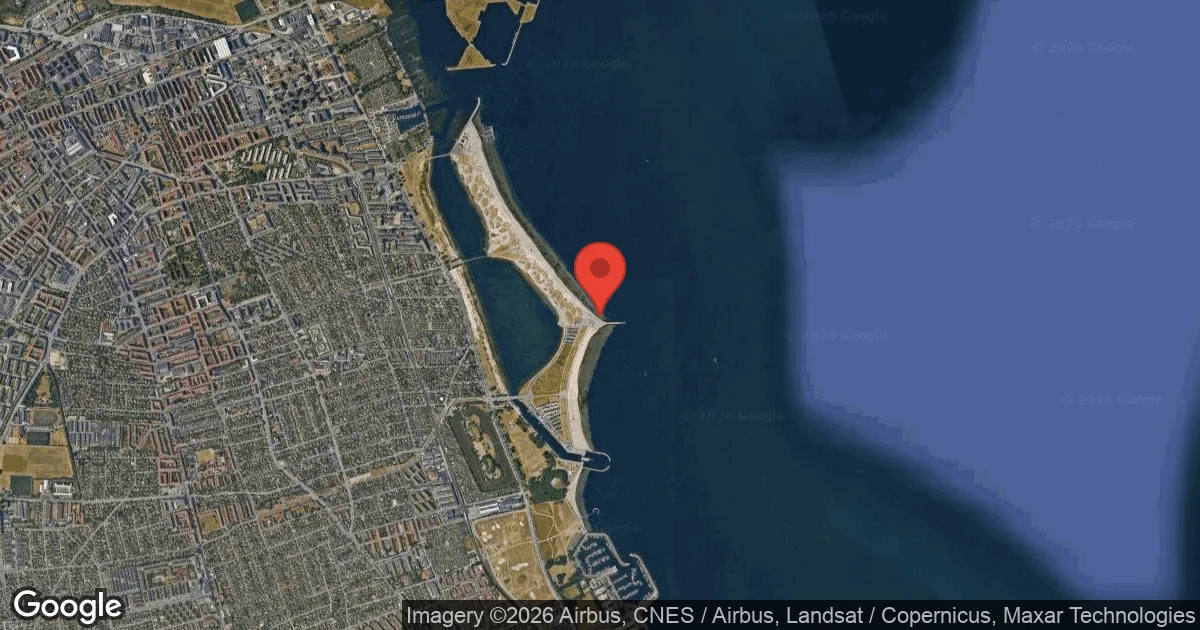
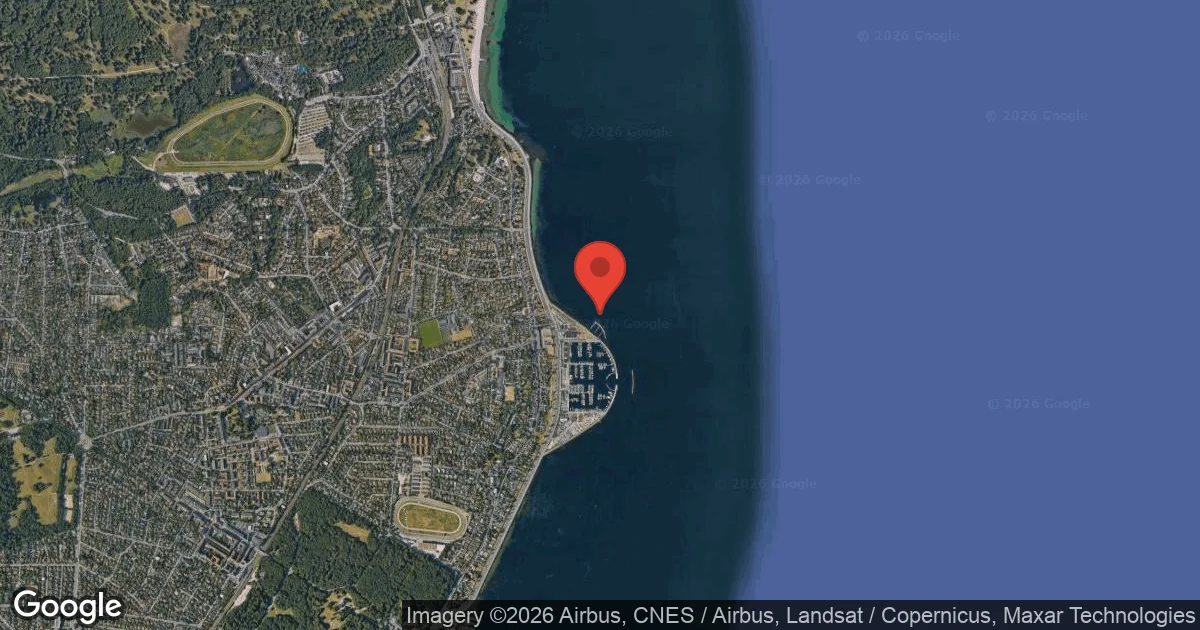
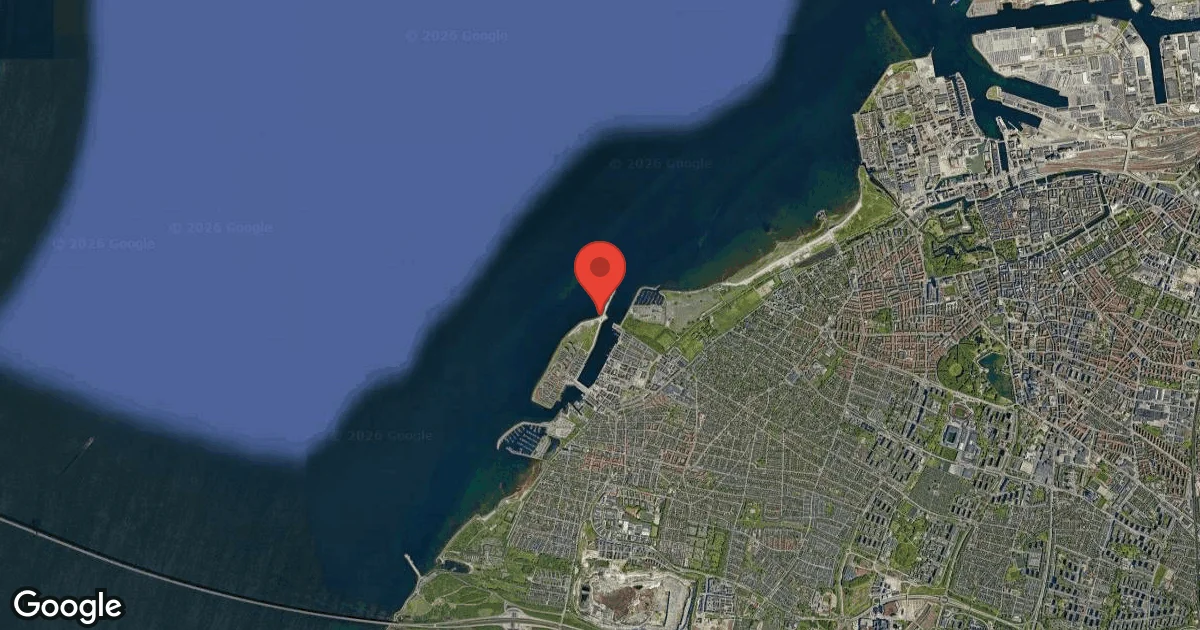
A concrete barge, Noah's Ark, carries a unique narrative, deliberately sunk in 2016 specifically for diver training and exploration. Positioned approximately 110 meters from the Nordhavnstippen coast, the site features 12 accessible compartments designed for various skill levels.
This structured environment accommodates all levels of freediving and scuba diving, providing an excellent platform for skill development in controlled wreck penetration and navigation. Upon arrival, divers typically unload gear at the Kattegatvej roundabout, then undertake a walk of about 250 meters to the designated entry chute. Caution is advised at this entry point due to potential slipperiness, particularly with dive gear.
Underwater navigation to the wreck generally follows a course of 25 degrees, with a return course of 205 degrees, and a marked buoy assists surface swims if preferred. Before any internal exploration, understanding the layout of the barge is crucial.
Each compartment is thoughtfully designed to provide at least one clear exit point, emphasizing safety in training scenarios. Resting on a predominantly sandy bottom, the wreck reaches a maximum depth of 5 meters / 16 feet.
The shallow nature of this site makes it ideal for practicing buoyancy control and basic wreck diving skills in a relatively safe setting.
Conditions are Good
Optimal conditions expected
Current conditions near Noahs Ark - Nordhavn show 15° air, 16° sea temperature, 0.7 m waves, and 33 km/h wind. Forecast data is refreshed regularly to ensure accuracy.
Best Time to Dive
Optimizing a dive at Noah's Ark often means aligning with warmer months for increased comfort and longer bottom times. From March through October, conditions generally offer excellent dive scores. Air temperatures progressively rise during this period, beginning at approximately 5°C in March and steadily increasing to peak around 17.5°C in July and August. These warmer months are also characterized by typically lower wave heights and reduced rainfall, factors that contribute to more predictable and comfortable surface conditions. While limited available data exists on specific water temperatures for the site itself, the clear air temperature trends suggest that summer and early autumn consistently provide the most pleasant overall diving experience. Planning dives outside these optimal months should factor in significantly colder conditions, potentially requiring thicker exposure protection and shorter dive durations.
PEAK SEASON SCORE
Scores combine air & water temps, waves, wind & rainfall for overall conditions.
BEST MONTHS TO DIVE
Monthly records compiled from satellite and marine observation nodes over the last 3 years. Data provided by Open-Meteo and MET Norway.
Dive Experience & Conditions
Accessing Noah's Ark involves a shore entry from Nordhavnstippen, requiring a short walk of around 250 meters to the water's edge. An entry point at the chute can be slippery, so careful footing is advised. Once in the water, divers navigate towards the wreck by following a specific course of 25 degrees, with a marked buoy assisting surface swims. Its underwater environment consists primarily of sand and soft sediment, interspersed with some algae and seaweed. Visibility around the wreck can be influenced by diver activity; utilizing frog kicks helps maintain clearer sight. Generally shallow, with a maximum depth of 5 meters / 16 feet, the site sometimes experiences a thin layer of fog in summer, adding a distinct atmospheric quality to the dive. Water here is a mix of brackish and salt.
Dive Difficulty & Safety Guidelines
When planning a dive at Noah's Ark, prioritize understanding the wreck's structure before internal exploration. Each of the 12 compartments is designed with multiple exit points; however, divers must gain an overview of these exits to prevent disorientation. While the wreck is intended for all levels, penetrating the compartments requires confidence and experience, as it can evoke feelings of claustrophobia for some.
Maintain clear visibility by practicing appropriate finning techniques like frog kicks, especially within the wreck. Always be aware of your surroundings, both underwater and during the shore entry, particularly at the potentially slippery chute.
Recommended Equipment
Overhead / entanglement risk. Wreck penetration requires proper training.
- Dive Computer
- Primary & Backup Lights
- Wreck Reel
- Cutting Tool
- Hard-soled Dive Boots
This gear list is based on verified equipment signals for Noahs Ark - Nordhavn, Denmark. Always confirm final gear choices with your dive operator, guide, or liveaboard.
Recommended Dive Suit
Conditions in the coming days are expected to stay within a similar temperature range.
Factors such as dive duration, depth, and activity level can influence how warm a diver feels underwater. Stronger winds may also make surface intervals feel cooler than usual. Surface intervals may feel noticeably cooler once you exit the water.
5-7mm wetsuit typically balances flexibility and thermal protection in these temperatures. Consider warmer surface protection (like a boat coat) due to brisk winds. A thermal robe or jacket is recommended between dives. Divers preparing to enter the water at Noahs Ark - Nordhavn will likely find temperatures around 16°C (61°F) today. Surface air temperatures are resting at 15°C (59°F).
Emergency & Medical Support
Essential information to help you plan your dive trip to Noahs ark - Nordhavn.

Hyperbaric chambers are a critical part of dive safety infrastructure. Availability varies significantly by region, and not all dive areas have immediate access.
Before diving, it's recommended to:
- confirm nearest medical facilities
- check emergency procedures with local dive operators
- ensure dive insurance covers evacuation if required
Divers Alert Network
Diving emergency assistance available through DAN Europe.
+39 0642115685- 24/7 emergency hotline
- Diving medical assistance
- Evacuation coordination
Emergency contacts are provided for reference. Always verify local emergency services before diving.
Closest Listed Hyperbaric Chambers
Showing listed hyperbaric chamber facilities within 200 km of this dive site.
Distances are approximate straight-line distances and may not reflect emergency travel time.
Rigshospitalet Copenhagen University Hospital
24/7 ListedICU CapableCopenhagen, Denmark•Approx. 4 km straight-line
Rigshospitalet Copenhagen University Hospital
24/7 ListedICU CapableInformation is provided for reference and planning purposes only. Dive Navigator does not verify operational status, staffing, availability, or quality of care at listed facilities. In an emergency, contact local emergency services, DAN, your dive operator, or the chamber directly. Do not travel to a facility without calling ahead.
Information is provided for reference and planning purposes only. Dive Navigator does not verify operational status, staffing, availability, or quality of care at listed facilities. In an emergency, contact local emergency services, DAN, your dive operator, or the chamber directly. Do not travel to a facility without calling ahead.
Aarhus University Hospital, Noerrebrogade
24/7 ListedICU CapableAarhus C, Denmark•Approx. 158 km straight-line
Aarhus University Hospital, Noerrebrogade
24/7 ListedICU CapableInformation is provided for reference and planning purposes only. Dive Navigator does not verify operational status, staffing, availability, or quality of care at listed facilities. In an emergency, contact local emergency services, DAN, your dive operator, or the chamber directly. Do not travel to a facility without calling ahead.
Marine Life at Noahs Ark - Nordhavn
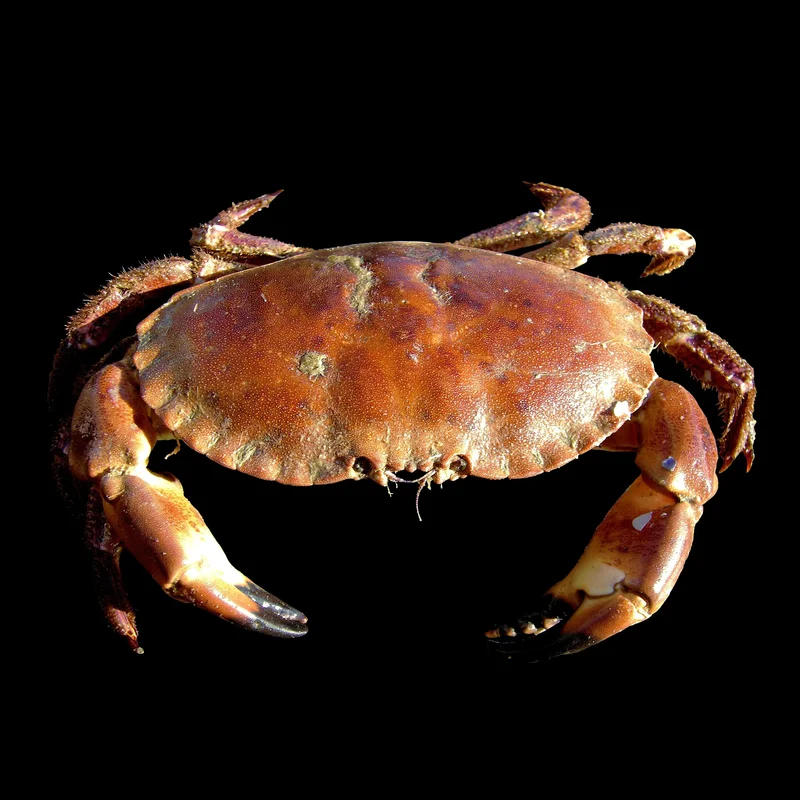
Around Noah's Ark, divers may observe various smaller marine species that have colonized the wreck and its sandy surroundings. Common sightings include crabs, which are frequently reported inhabiting the structure.
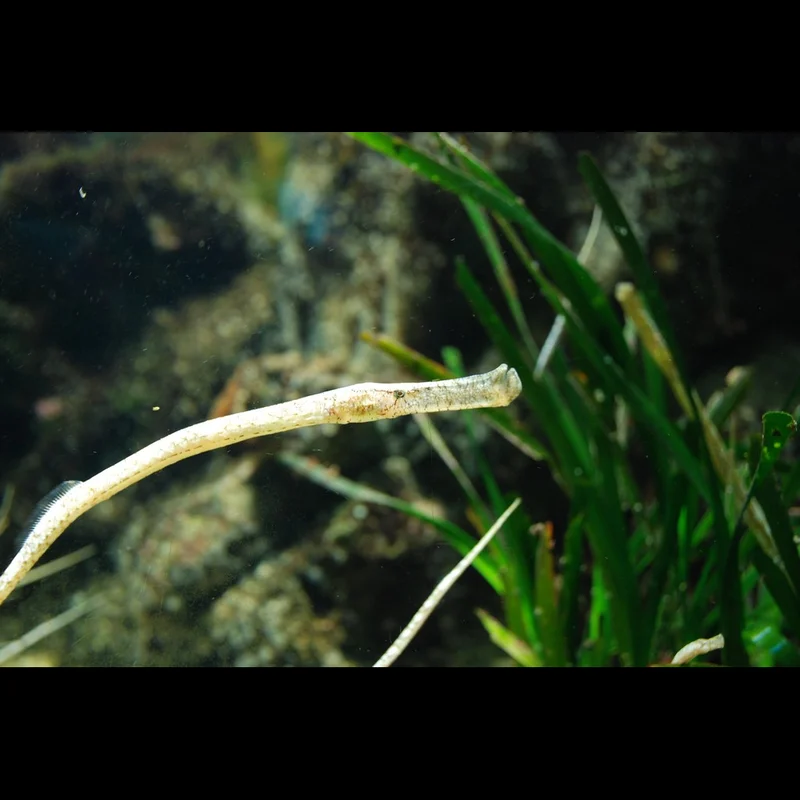
Flatfish, such as Rødspætte, often blend into the sandy bottom around the barge. Divers might also spot pipefish, typically found among the algae and sediment near the wreck. Cod have been sporadically observed, adding to the localized diversity.

Dive Sites Near Noahs Ark - Nordhavn
View all dive sites in DenmarkDiscover more underwater gems in this area.
Dive Centers Near Noahs Ark - Nordhavn
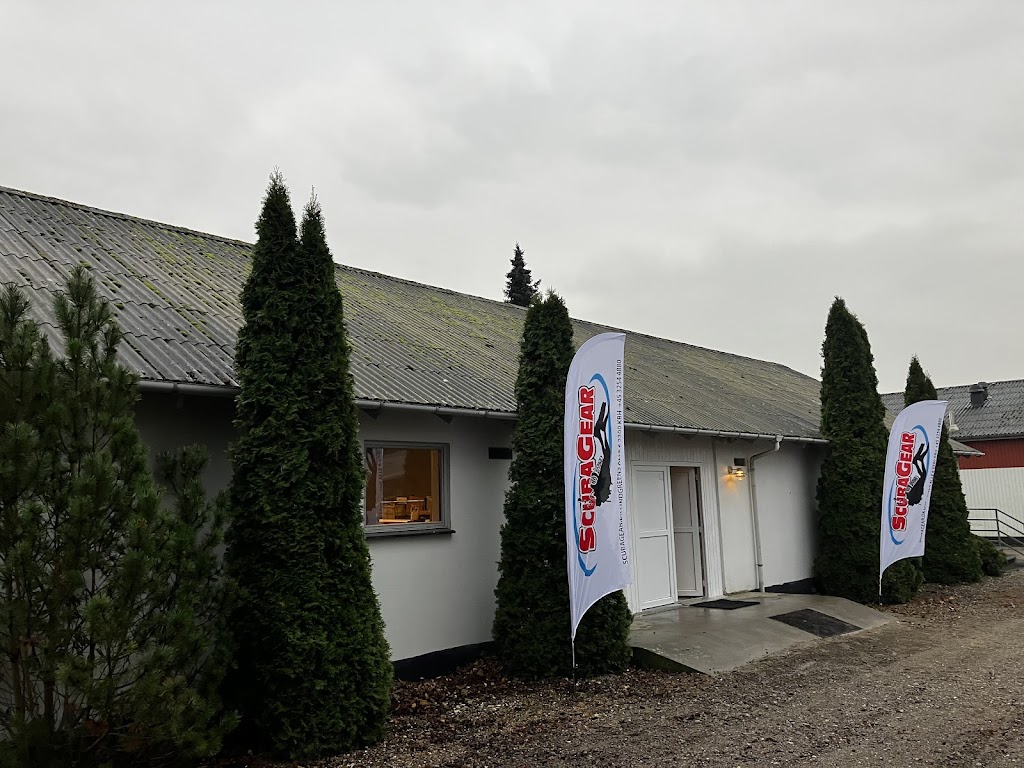
Today: 10:00 - 16:00

Nearest Airports
Nearest airports to help plan travel to this dive area.
Search Flights
Check available flights and routes on Expedia, using the nearby airports listed in this section.
Search Flights on ExpediaFrequently Asked Questions
What kind of dive site is Noah's Ark?
Noah's Ark is a purpose-sunk concrete barge with 12 compartments, designed as an artificial wreck specifically for scuba diving and freediving training. It provides a controlled environment for skill development.
What is the maximum depth at Noah's Ark?
The maximum depth at the Noah's Ark dive site is approximately 5 meters, which translates to about 16 feet. This shallow depth makes it accessible for a wide range of diver experience levels.
How do divers access Noah's Ark?
Divers access Noah's Ark via a shore entry. Equipment is unloaded at a roundabout on Kattegatvej, followed by a walk of approximately 250 meters (around 820 feet) to a chute leading into the water. Caution is advised as the chute can be slippery.
Is Noah's Ark suitable for all diver levels?
Yes, Noah's Ark is designed for all levels of freediving and scuba diving. While the wreck provides excellent training opportunities, wreck penetration should only be attempted by confident and experienced divers due to potential claustrophobia.
What marine life can be seen at Noah's Ark?
The site offers sightings of various smaller marine life, including crabs, flatfish like Rødspætte, and pipefish. Cod have also been reported, inhabiting the wreck and its immediate surroundings.
What are the typical water conditions?
The water at Noah's Ark is a mix of brackish and salt water, with a sandy and soft sediment bottom. Visibility can vary based on diver activity and local conditions. Specific water temperatures are not consistently reported, but it is generally cold water diving, especially outside of summer.
Are there any special navigation tips for this dive?
From the entry point, divers should follow a course of 25 degrees to reach the ark and a course of 205 degrees for the return. Swimming on the surface to a marked buoy can also assist with initial navigation. Prior to entering the wreck, it's wise to review the exit points from each compartment.
Planning to dive Noahs Ark - Nordhavn?
Send one inquiry and receive offers directly from the best verified local dive operators.
Conditions are Good
Optimal conditions expected
Current conditions near Noahs Ark - Nordhavn show 15° air, 16° sea temperature, 0.7 m waves, and 33 km/h wind. Forecast data is refreshed regularly to ensure accuracy.