
Diving in Denmark
Dive conditions in Denmark are influenced by local geography, resulting in noticeable differences between sites. Our platform currently includes 20 mapped dive sites across Denmark.
Denmark's geographical positioning, bordered by the North Sea to the west and the Baltic Sea to the east, profoundly shapes its diverse underwater offerings. This unique location provides a wide spectrum of diving experiences, from historical wreck exploration in saline waters to tranquil freshwater dives.
Its extensive coastline, marked by dramatic chalk cliffs and numerous fjords, along with a network of inland freshwater lakes, contributes significantly to regional dive diversity. Each aquatic environment presents distinct underwater structures and conditions, influencing the type of diving available across the country.
The country is particularly noted for its historical wreck diving, with many sites scattered across the Baltic and North Seas, some dating back to the World Wars. These submerged vessels provide both historical exploration opportunities and serve as artificial reefs for various marine species. Additionally, Denmark presents unique freshwater diving in its many lakes and serene fjords. These inland sites offer clear water and different underwater terrains, from submerged forests to rocky outcrops, appealing to divers seeking varied ecosystems.
Dive Map of Denmark
The dive map of Denmark effectively illustrates the broad distribution of its underwater sites across various aquatic environments. Divers can pinpoint locations ranging from the North Sea to the Baltic Sea, and numerous inland freshwater bodies.
This geographical spread highlights the country's diverse diving opportunities. For instance, the map reveals concentrations of historical wrecks off the coast of Bornholm and in the North Sea, alongside areas known for dynamic drift diving, such as the Little Belt.
Specific points of interest include the MS Ærøsund near Svendborg and the Møns Klint Underwater Park. These examples demonstrate how the map guides divers to experiences tailored to their preferences, whether it's exploring maritime history, navigating currents, or discovering unique geological formations.
Dive Sites to Explore
View all 20 sites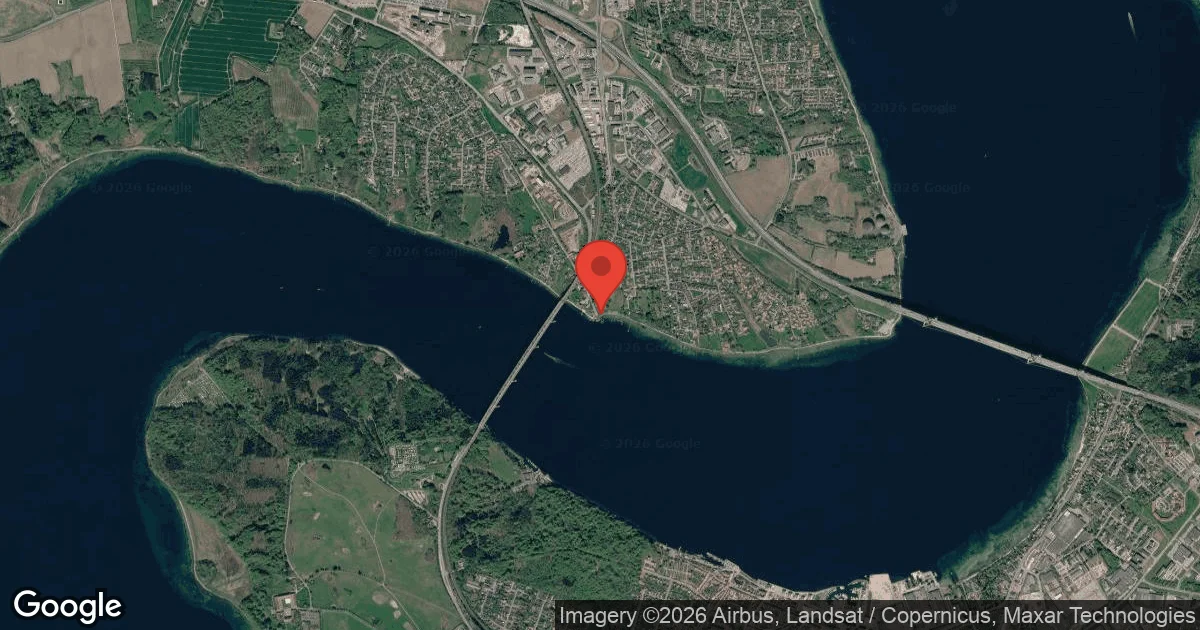
Denmark's underwater terrain is rich with history and natural formations, offering a range of dive sites for varying interests. One notable location is the Wreck of the MS Ærøsund, near Svendborg in Southern Funen. This well-preserved ferry lies at a depth of 18 meters (59 ft) and provides a glimpse into maritime history, accessible to many divers.
Another significant wreck is the U-406, a Foxtrot-class Russian submarine. It rests in 27 meters (90 ft) of water in the North Sea, northeast of Hanstholm, presenting a substantial exploration for experienced wreck divers. The submarine is approximately 91 meters (300 ft) long and offers a challenging dive.
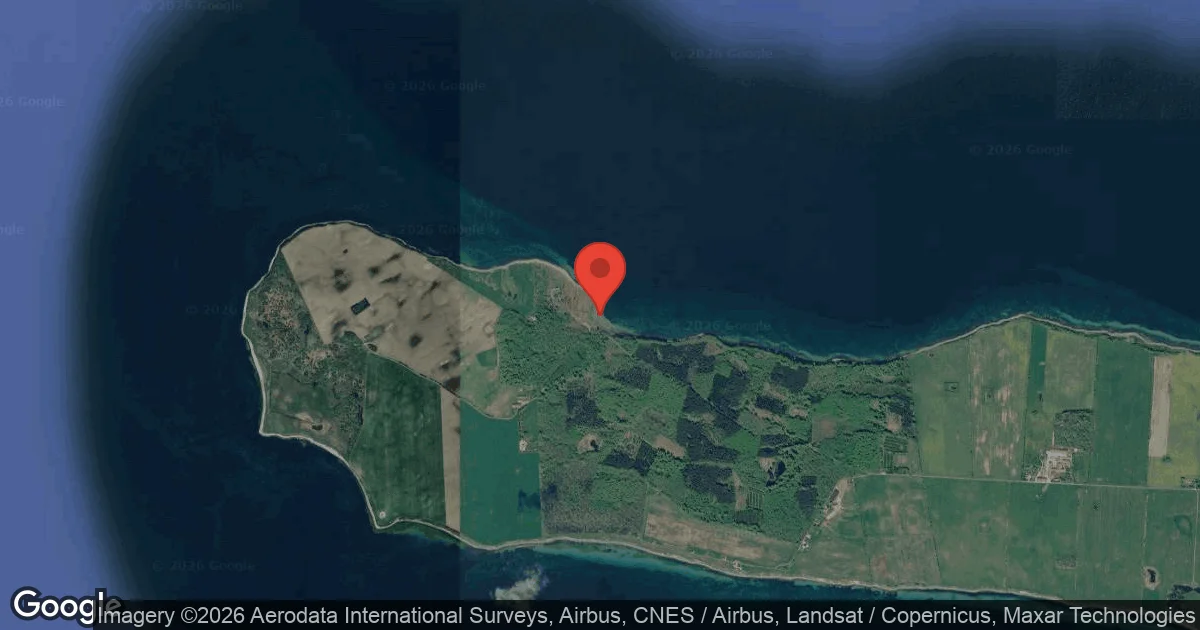
For those interested in natural geological features, Møns Klint is a destination on the island of Møn. Here, the stunning chalk cliffs extend underwater, creating a unique environment with clear water and fascinating submerged landscapes. The Møns Klint Underwater Park further highlights these distinct geological features.
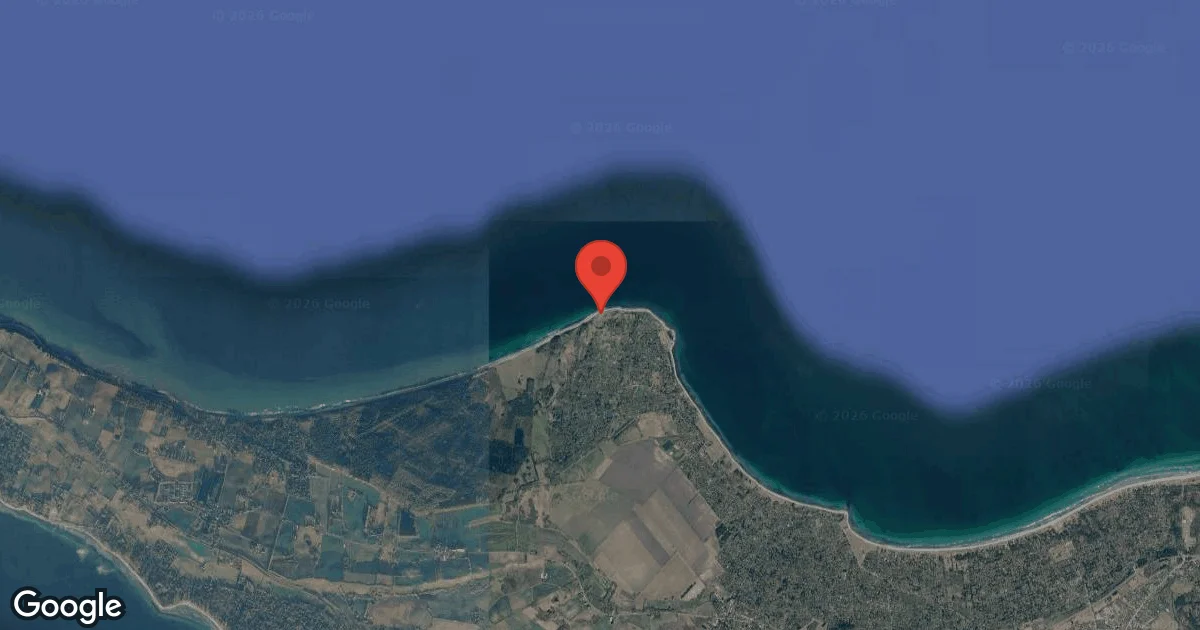
Little Belt, positioned between the Jutland Peninsula and the island of Funen, is known for its strong currents, making it a prime location for thrilling drift dives. Its underwater landscapes support abundant marine life, adding to the dynamic experience. Finally, Lake Furesø, the deepest lake in Denmark, provides a unique freshwater experience, allowing divers to explore submerged forests and rocky outcrops in calm conditions.
Best Time to Dive in Denmark
The diving experience in Denmark is directly influenced by seasonal variations, with conditions changing significantly throughout the year. The optimal period for diving typically spans from late spring to early autumn, specifically May to September. During these months, conditions are generally more favorable, offering warmer waters and extended daylight hours, which often results in improved visibility across many sites.
Air temperatures during this period range from 6°C to 25°C (43°F to 77°F), making surface intervals more comfortable. This warmer season is ideal for those new to cold-water diving or preferring less demanding thermal protection. Seals are particularly active in the Wadden Sea during spring and autumn, adding a seasonal highlight for wildlife observers.
While summer offers the most temperate waters, the winter months present a different, equally compelling experience for prepared divers. The colder water during winter often brings exceptional visibility, revealing the stark beauty of the underwater landscapes with remarkable clarity. However, winter diving requires more specialized equipment, such as dry suits, and thorough preparation due to extreme cold and potential ice cover in some areas. Each season offers distinct diving conditions and opportunities.
Monthly Sea Temperatures
The spectrum of water temperatures in Denmark shows a notable seasonal range, directly influencing the type of thermal protection required for diving throughout the year. Divers must be prepared for these variations to ensure comfort and safety.
During the warmer months, typically from late spring to early autumn, sea temperatures can reach up to 17°C (63°F) in summer. Some specific sites might even see temperatures up to 21°C (70°F), particularly in shallower or more sheltered areas. These temperatures typically require at least a 7mm wetsuit, though many still prefer dry suits for extended comfort.
Conversely, in winter, temperatures drop significantly, ranging from 2°C (36°F) to 10°C (50°F). For these colder conditions, dry suits are a necessity for year-round diving. The consistent cold water throughout much of the year ensures that appropriate thermal gear is a standard requirement for any dive plan.
| Jan | Feb | Mar | Apr | May | Jun | Jul | Aug | Sep | Oct | Nov | Dec | |
|---|---|---|---|---|---|---|---|---|---|---|---|---|
| Max | 6° | 6° | 6° | 10° | 15° | 19° | 20° | 21° | 20° | 16° | 13° | 8° |
| Avg | 3° | 3° | 4° | 7° | 12° | 16° | 18° | 18° | 17° | 13° | 10° | 5° |
| Min | 0° | 1° | 1° | 5° | 8° | 14° | 16° | 16° | 14° | 11° | 6° | 3° |
Dive Conditions
The interplay of visibility and currents across Denmark's diverse aquatic environments defines its dive conditions. These factors vary significantly between marine and freshwater sites, as well as by season and specific location.
Visibility can range from 5 to 20 meters (16 to 66 ft), with winter months often offering the clearest water, commonly reaching 10-20 meters (33-66 ft). This improved clarity in colder temperatures allows for better exploration of wrecks and geological features. However, certain areas, especially after heavy rainfall or in shallower bays, may experience reduced visibility.
Currents are generally mild in many areas, but they can become notably stronger in specific locations, such as narrow straits and around wrecks. The Little Belt, for instance, is known for its strong currents, ranging from 1 to 4 knots (2-7 km/h), with extreme currents possible at certain sites. These conditions facilitate thrilling drift dives but also require experienced divers. Carrying a torch is advisable when navigating areas with potentially low visibility and strong currents to enhance safety and observation.
Marine Life Highlights
Most Mentioned Species
Marine life in Denmark varies across dive locations, with different species appearing depending on environment and conditions. The species highlighted here are the most frequently associated with dive sites in our data, offering a realistic overview of what divers are most likely to encounter.
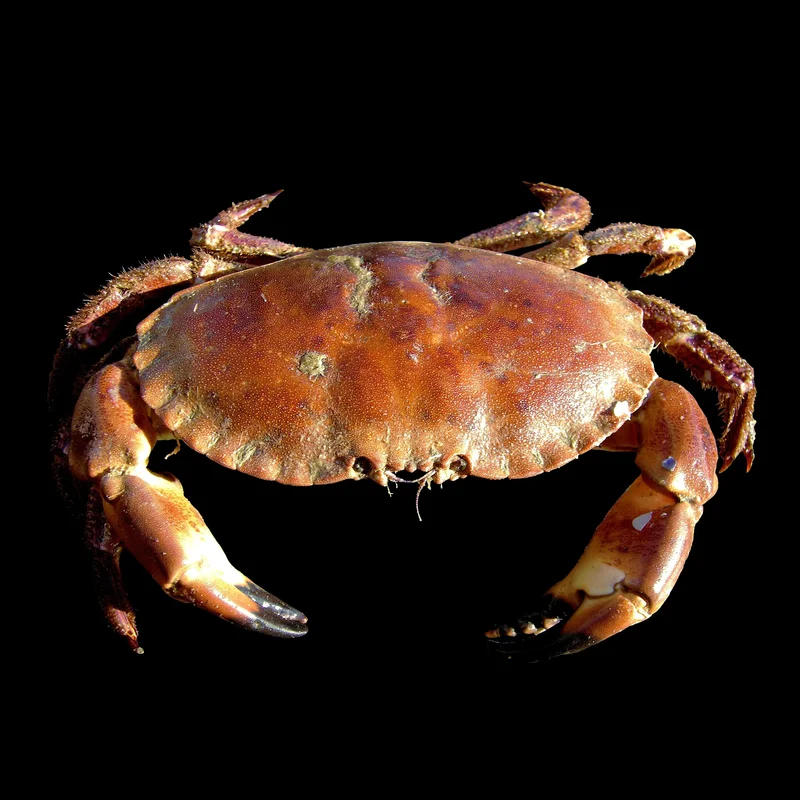
Divers in Denmark can anticipate encounters with a variety of cold-water adapted species, thriving within unique ecosystems across marine and freshwater environments. The sea beds are often adorned with hardy sponges and anemones, providing shelter and sustenance.
Common fish species observed in the colder marine waters include cod, flatfish, herring, and eel. Specific sightings around wrecks, which serve as artificial reefs, often include crabs and mollusks, along with smaller creatures like nudibranchs and pipefish. These species demonstrate remarkable adaptations to the cooler temperatures.
Seals are a seasonal highlight, particularly active in the Wadden Sea during spring and autumn. While larger pelagic species like sharks are rare, occasional porbeagle sharks have been recorded in the North Sea. Freshwater sites, such as Lake Furesø, host distinct ecosystems with species like pike, perch, and zander, offering a different biological landscape to explore.
Regions for Diving
Denmark offers distinct diving experiences across its various regions, catering to different preferences and skill levels.
The Baltic Sea is particularly celebrated for its wreck diving, with numerous historical vessels scattered across its seabed. These sites, often in low-salinity environments, provide unique habitats for marine life like Baltic herring and sea trout. The Øresund, a passage in the Baltic Sea, is an exciting diving area, known for its fascinating wrecks and artifacts.
Between the Jutland Peninsula and the island of Funen, the Little Belt presents opportunities for thrilling drift dives. This area is characterized by strong currents that carry nutrient-rich waters, supporting diverse marine species including anemones and sponges. Divers here can experience dynamic underwater landscapes.
The North Sea, off the Westjutland Coast and areas like Thyborøn, offers challenging conditions ideal for experienced divers seeking adventure. This region is home to prominent wrecks such as the U-406 submarine and the HMS St George, which sank in 1811. Water temperatures are cold, necessitating dry suit diving experience.
Denmark's freshwater dive sites, including its many lakes and serene fjords, provide calm and sheltered conditions. Lake Furesø, as the deepest lake, and Lake Slåensø, one of the cleanest, are perfect for beginners or those refining skills. These sites allow exploration of submerged forests, rocky outcrops, and various freshwater fish species like pike, perch, and zander.
Travel & Passport Guide
Travel Basics
Trip Planning
Safety & Diving Considerations
Diving in Denmark necessitates strict adherence to safety protocols, primarily due to its distinct environmental considerations. Cold water exposure is a consistent factor throughout the year, requiring proper thermal protection; dry suit diving experience is often a prerequisite for comfortable and safe dives, particularly outside of peak summer months.
Specialized equipment and thorough preparation are essential for winter diving, which can involve extreme cold and potential ice cover in certain areas. Divers must be proficient in dry suit use and cold-water procedures before attempting such dives. Understanding local conditions is paramount for a safe experience.
Currents can be very strong in specific locations like the Little Belt, ranging from 1 to 4 knots (2-7 km/h). Divers should be reasonably experienced when navigating these dynamic conditions and always consider carrying a torch, as visibility can sometimes be low. Additionally, awareness of shipping traffic is crucial at sites like Alssundbroen, where fishermen may not always recognize dive flags or buoys. Planning and checking local conditions, such as current forecasts, are important for safe and responsible diving.
Dive Centers in Denmark
View all 7 dive centers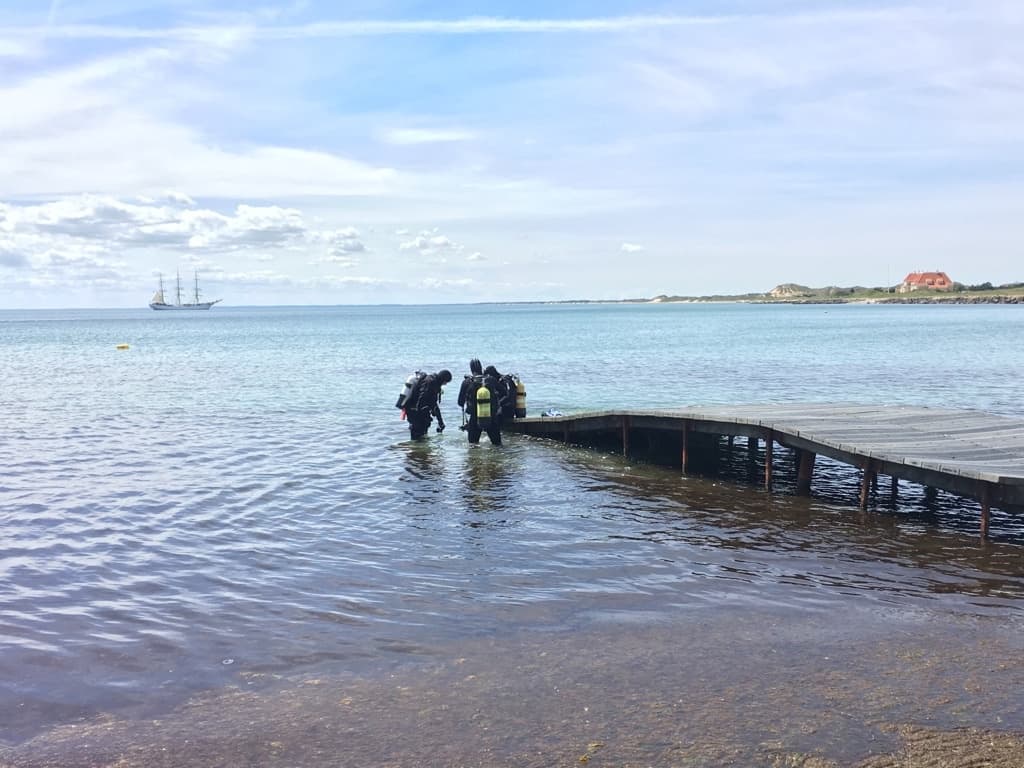
Frequently Asked Questions
What is the best time of year for diving in Denmark?
The best time to dive in Denmark is generally from May to September. This period offers optimal diving conditions with warmer water temperatures up to 17°C (63°F) and longer daylight hours. Visibility is also at its best during these months, making it ideal for exploration.
What kind of marine life can I expect to see?
Divers in Denmark can encounter a variety of marine life in both marine and freshwater environments. Common sightings include cod, flatfish, eel, crabs, and mollusks around wrecks. Freshwater sites host pike, perch, and zander. Seals are also a seasonal highlight, particularly in the Wadden Sea during spring and autumn.
Are there many wreck diving opportunities?
Yes, Denmark is well-regarded for its wreck diving, especially in the Baltic and North Seas. Sites like the MS Ærøsund, the U-406 submarine, and the HMS St George offer historical exploration. Many wrecks date back to the World Wars, providing diverse experiences for wreck enthusiasts.
What are the typical water temperatures?
Water temperatures in Denmark range significantly throughout the year. In summer, temperatures can reach up to 17°C (63°F), while in winter, they drop to between 2°C (36°F) and 10°C (50°F). Divers should prepare for cold water and typically require dry suits.
What safety considerations should divers be aware of?
Safety considerations include preparing for cold water, often requiring dry suit experience. Strong currents, particularly in areas like the Little Belt, demand experienced divers. It's advisable to carry a torch due to potentially low visibility and be aware of shipping traffic and local fishing activity in certain dive areas.