
Diving at Klintebjerget (Denmark)
Diving at Klintebjerget begins with an easily accessible beach entry, suitable for a straightforward shore dive. Walk directly from the beach, keeping the distinctive cliffs of Klintebjerget behind you. After navigating the initial pebbled area, divers can comfortably don fins in the sandy shallows, then proceed to explore the underwater terrain. A smooth start to the dive experience is ensured.
Evening condition tracking at Klintebjerget features an air temperature of 15°C. We have recorded wave heights measuring 0.7 m during this period. These figures outline the environmental parameters currently present.
Dive Site Location & Key Facts
Dive Site Overview
Klintebjerget stands as a readily accessible shore dive, offering a varied underwater topography that makes it a notable site for local exploration. A combination of sandy expanses and rocky reef structures provides support for a diverse array of plant life.
Divers can expect to find themselves amongst kelp needles and bladderwrack, which create shelter for various smaller marine species. Views from the shore include cliffs rising up to 35 meters (115 feet) high, adding a scenic dimension to the overall experience. For certifications ranging from PADI Open Water Diver to PADI Advanced Open Water Diver and even PADI Rescue Diver, it serves as an excellent training ground and exploration site, reflecting its varied conditions and features.
Expect to navigate a primarily sandy bottom before encountering the reef about 100 meters (330 feet) from shore. With a maximum depth of approximately 8 meters (26 feet) reached around 500 meters (1,640 feet) out, it remains well within recreational dive limits.
Conditions are Moderate
Optimal conditions expected
Current conditions near Klintebjerget show 15° air, 16° sea temperature, 1.0 m waves, and 37 km/h wind. Forecast data is refreshed regularly to ensure accuracy.
Best Time to Dive
Optimal diving conditions at Klintebjerget often align with the warmer air temperatures and generally lower rainfall seen during the late spring and summer months. Air temperatures average around 13°C (55°F) in May, rising to 17.5°C (64°F) in August, which can make surface preparations more comfortable. Rainfall is notably lower from April to September, averaging between 1.1mm (May) and 3.8mm (July), reducing the likelihood of surface runoff impacting visibility. While specific water temperatures are not consistently reported, generally calmer wave heights from March through September, averaging around 0.5 to 0.6 meters (1.6 to 2 feet), tend to offer better surface conditions for entry and exit. Even in winter, dive scores indicate good opportunities, with air temperatures ranging from 1.5°C (35°F) in January to 6.5°C (44°F) in November.
PEAK SEASON SCORE
Scores combine air & water temps, waves, wind & rainfall for overall conditions.
BEST MONTHS TO DIVE
Monthly records compiled from satellite and marine observation nodes over the last 3 years. Data provided by Open-Meteo and MET Norway.
Dive Experience & Conditions
Dive conditions at Klintebjerget feature a gentle underwater slope from the shore, transitioning from a pebble and sandy entry into a more pronounced sandy bottom. A gradual descent simplifies finning during the initial phase. Approximately 100 meters (330 feet) northeast from the entry point, divers encounter rocky reefs. Rocky formations here host abundant plant life, including kelp and bladderwrack, creating intricate habitats. Maximum depth for this site extends to about 8 meters (26 feet), typically found around 500 meters (1,640 feet) offshore. Klintebjerget's depth range positions it as an ideal location for recreational divers. Visibility can vary depending on recent weather and water movement. Currents can pick up, particularly when northern or western winds are present, requiring divers to be mindful of their course and energy expenditure throughout the dive. Water at the site is saline.
Dive Difficulty & Safety Guidelines
Understanding the necessary precautions is key for a safe dive at Klintebjerget, especially considering the site's characteristics and potential for changing conditions. Divers should always deploy a surface marker buoy (SMB), as fishing vessels are known to operate in the area. Deploying an SMB ensures your presence is visible to surface traffic, mitigating collision risks.
Being aware of potential currents is also crucial; northern or western winds can generate noticeable water movement, which may affect navigation and energy expenditure. Divers should continuously monitor their depth and gas supply, especially when exploring further from shore.
Given the potential for variable conditions and the need for navigation, relevant PADI training like Advanced Open Water Diver or Discover Local Diving courses can be beneficial.
Recommended Equipment
- Dive Computer
- Hard-soled Dive Boots
This gear list is based on verified equipment signals for Klintebjerget, Denmark. Always confirm final gear choices with your dive operator, guide, or liveaboard.
Recommended Dive Suit
With water temperatures around 16°C (61°F), many divers find a 5-7mm wetsuit provides comfortable protection.
Being prepared with flexible exposure options is a common approach among experienced divers.
The next few days appear likely to bring similar environmental conditions.
Emergency & Medical Support
Essential information to help you plan your dive trip to Klintebjerget.

Hyperbaric chambers are a critical part of dive safety infrastructure. Availability varies significantly by region, and not all dive areas have immediate access.
Before diving, it's recommended to:
- confirm nearest medical facilities
- check emergency procedures with local dive operators
- ensure dive insurance covers evacuation if required
Divers Alert Network
Diving emergency assistance available through DAN Europe.
+39 0642115685- 24/7 emergency hotline
- Diving medical assistance
- Evacuation coordination
Emergency contacts are provided for reference. Always verify local emergency services before diving.
Closest Listed Hyperbaric Chambers
Showing listed hyperbaric chamber facilities within 200 km of this dive site.
Distances are approximate straight-line distances and may not reflect emergency travel time.
Rigshospitalet Copenhagen University Hospital
24/7 ListedICU CapableCopenhagen, Denmark•Approx. 68 km straight-line
Rigshospitalet Copenhagen University Hospital
24/7 ListedICU CapableInformation is provided for reference and planning purposes only. Dive Navigator does not verify operational status, staffing, availability, or quality of care at listed facilities. In an emergency, contact local emergency services, DAN, your dive operator, or the chamber directly. Do not travel to a facility without calling ahead.
Aarhus University Hospital, Noerrebrogade
24/7 ListedICU CapableAarhus C, Denmark•Approx. 89 km straight-line
Aarhus University Hospital, Noerrebrogade
24/7 ListedICU CapableInformation is provided for reference and planning purposes only. Dive Navigator does not verify operational status, staffing, availability, or quality of care at listed facilities. In an emergency, contact local emergency services, DAN, your dive operator, or the chamber directly. Do not travel to a facility without calling ahead.
Information is provided for reference and planning purposes only. Dive Navigator does not verify operational status, staffing, availability, or quality of care at listed facilities. In an emergency, contact local emergency services, DAN, your dive operator, or the chamber directly. Do not travel to a facility without calling ahead.
Marine Life at Klintebjerget
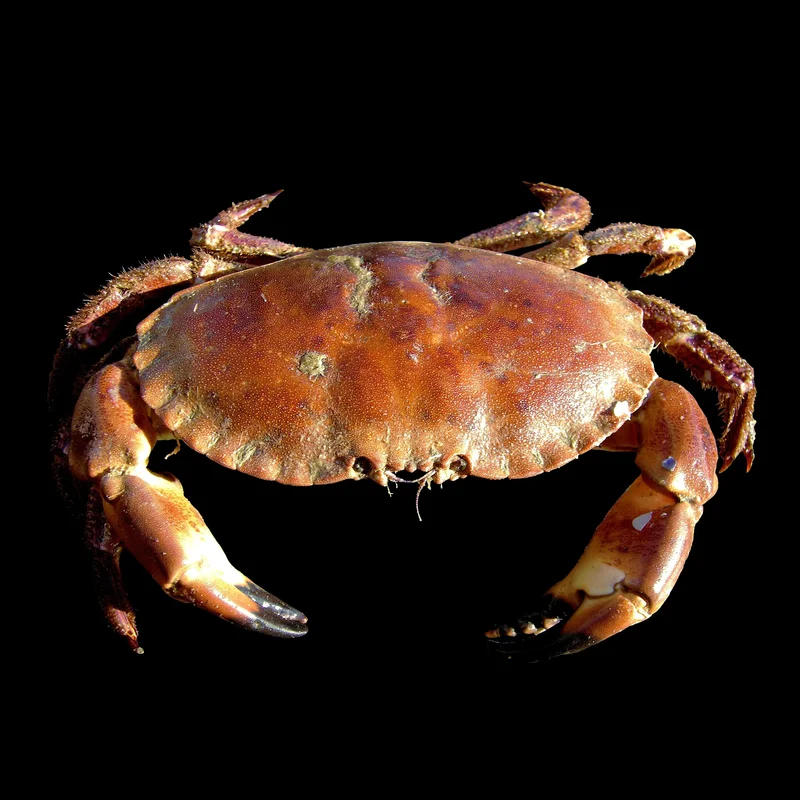
Upon entering the water at Klintebjerget, divers often first notice the rich plant life that provides cover and sustenance for various smaller creatures. Rocky reefs, encountered about 100 meters (330 feet) out, serve as a habitat for species like crabs and shrimp, which can be observed navigating rock crevices.
Flatfish, such as plaice or flounders, are commonly spotted camouflaged against sandy bottoms or resting near reef edges. Kelp needles and bladderwrack throughout the site contribute significantly to overall biodiversity, forming dense underwater forests worth exploring closely.

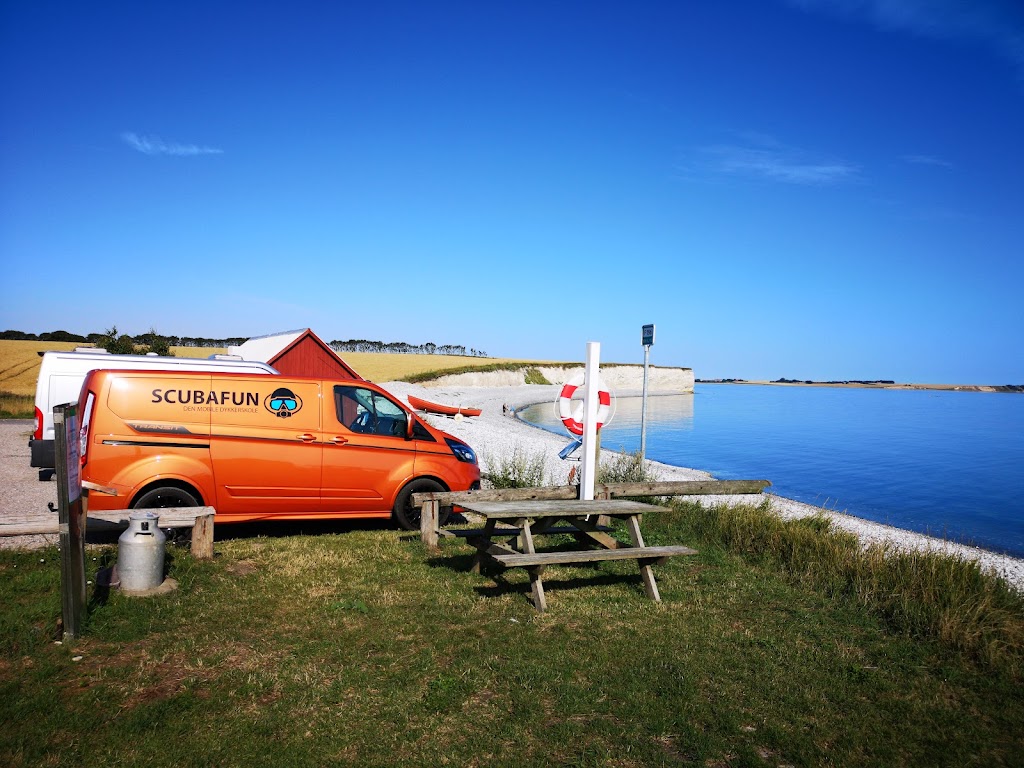
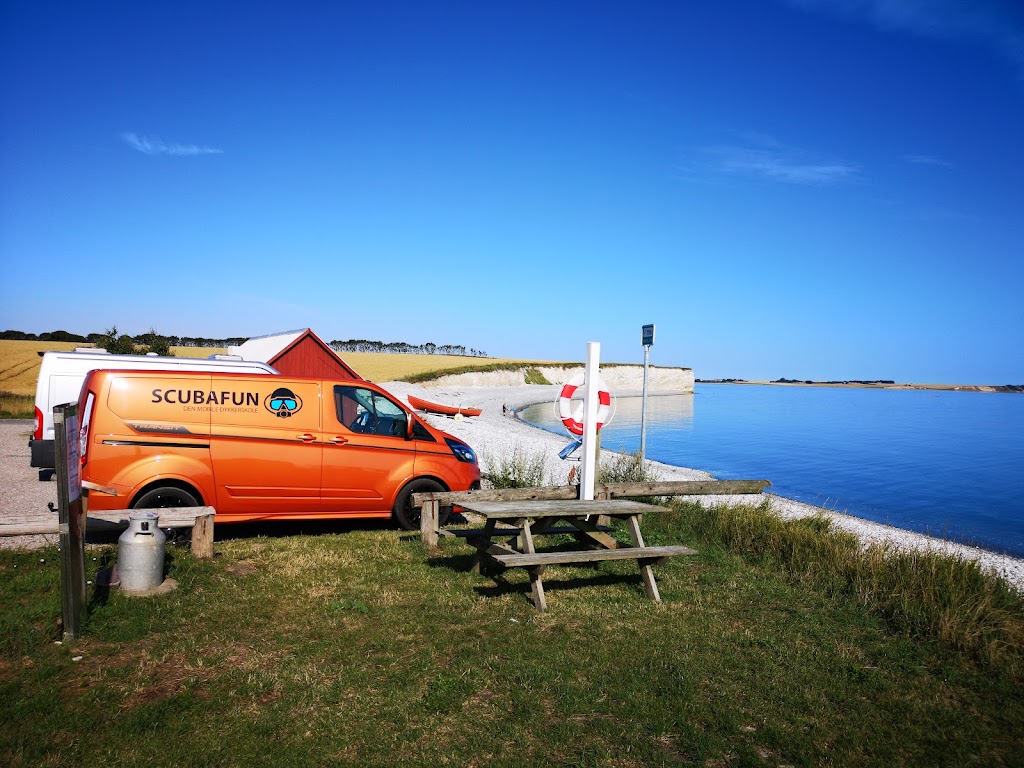
Dive Centers Near Klintebjerget
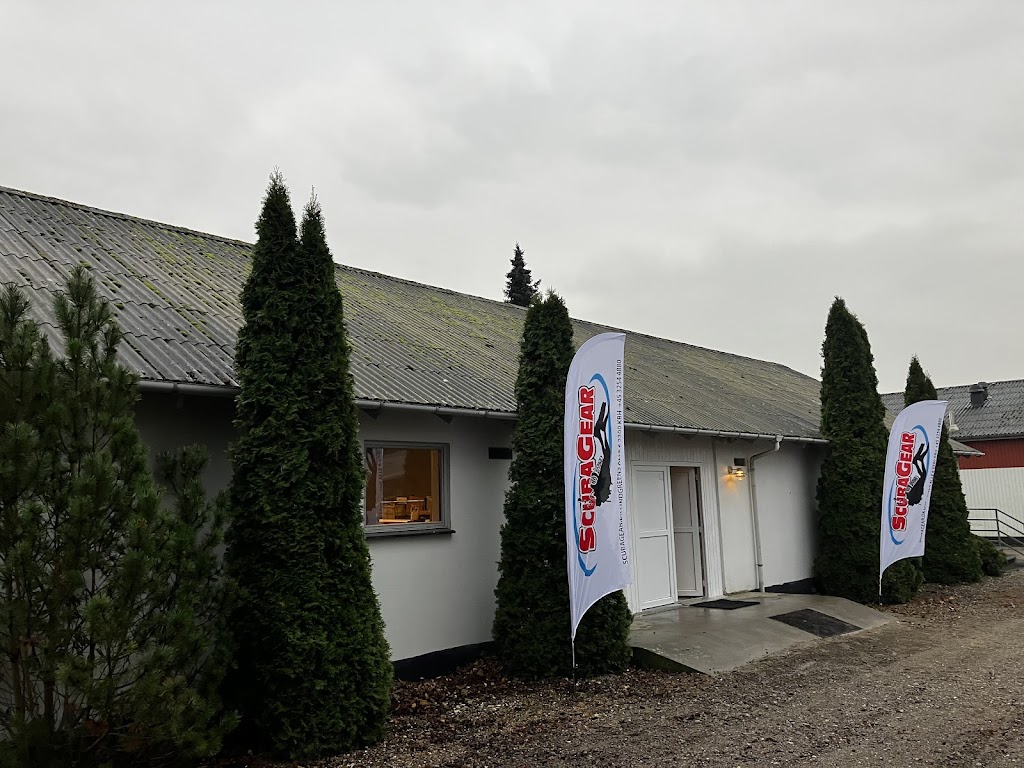
Today: 10:00 - 16:00

Nearest Airports
Nearest airports to help plan travel to this dive area.
Search Flights
Check available flights and routes on Expedia, using the nearby airports listed in this section.
Search Flights on ExpediaFrequently Asked Questions
What is the maximum depth at Klintebjerget?
Maximum depth at Klintebjerget is approximately 8 meters (26 feet). Reaching this depth generally occurs when diving around 500 meters (1,640 feet) from the shore entry point.
How do divers enter the water at Klintebjerget?
Divers utilize a shore entry from the beach. After a short walk across pebbles, fins can be put on in the sandy area closer to the water, allowing for an easy walk into the dive.
Are there currents at Klintebjerget?
Currents can be present at Klintebjerget, particularly when northern or western winds prevail. Divers should be aware of these conditions and plan their dive course accordingly.
What certifications are suitable for diving Klintebjerget?
Klintebjerget is suitable for a range of certifications, including PADI Open Water Diver, PADI Advanced Open Water Diver, and PADI Rescue Diver. Its accessible nature and varied topography make it a good site for different skill levels.
What marine life can be seen at Klintebjerget?
Divers often observe crabs, shrimp, and various flatfish such as plaice or flounders. Rich plant life, including kelp needles and bladderwrack, also characterizes the site, forming important habitats.
Is it necessary to use a surface marker buoy (SMB) at Klintebjerget?
Yes, it's essential to remember your surface marker buoy. Fishing vessels are active in the area, and an SMB helps ensure your visibility to surface traffic, enhancing overall dive safety.
Planning to dive Klintebjerget?
Send one inquiry and receive offers directly from the best verified local dive operators.
Conditions are Moderate
Optimal conditions expected
Current conditions near Klintebjerget show 15° air, 16° sea temperature, 1.0 m waves, and 37 km/h wind. Forecast data is refreshed regularly to ensure accuracy.