
Diving at Storebælt Og Halskov Rev (Denmark)
Divers exploring Storebælt og Halskov Rev will discover a fascinating contrast in underwater environments. Whether you seek the challenge of dynamic currents around the Great Belt Bridge piers or prefer the calm, sheltered waters of the old ferry harbor, this location caters to varied preferences. It's a place where the grandeur of Danish engineering meets thriving marine ecosystems, providing unique perspectives for certified divers.
As evening covers Storebælt Og Halskov Rev, the local air temperature is measured at 15.5°C. The current wave height at the surface is recorded at 0.9 m. These late-day readings characterize the surface conditions for the night.
Dive Site Location & Key Facts
Dive Site Overview
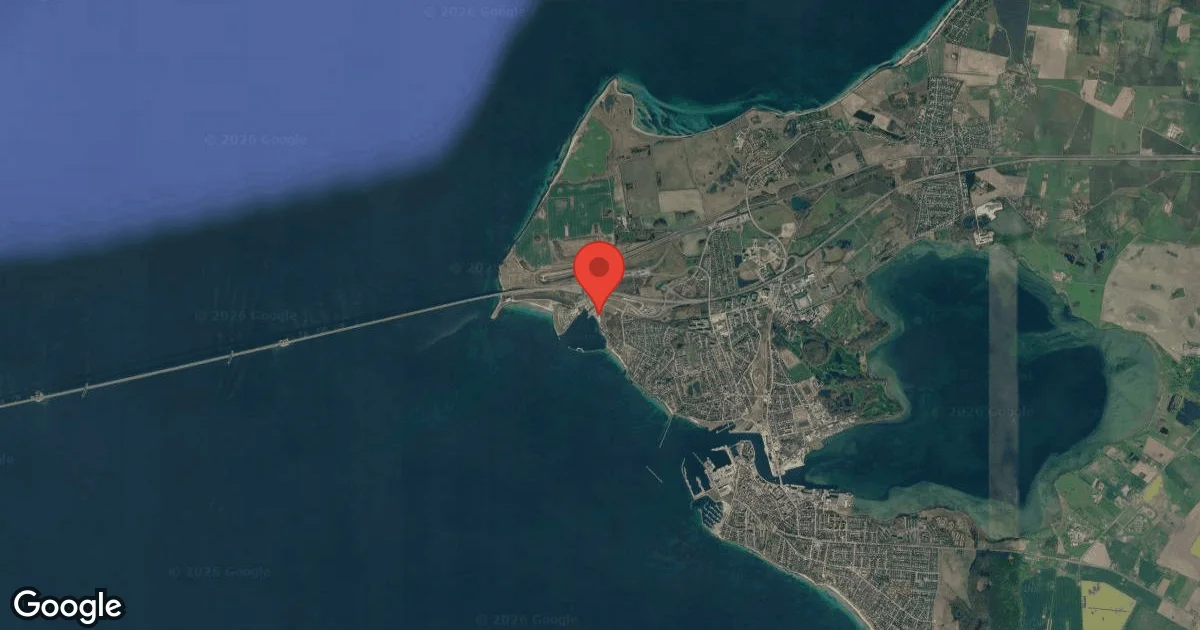
Storebælt og Halskov Rev's connection to the Great Belt Bridge defines its diving geography, presenting two distinct experiences. On the Korsør side, divers can approach the bridge piers or explore the bay, where strong currents are a notable feature.
Shore dives here typically reach a maximum depth of 7 meters (23 ft) if staying within 50 meters (164 ft) of the coast. For those seeking deeper exploration, a boat is required to venture further out where depths can extend down to 30 meters (100 ft). This deeper zone is characterized by powerful currents, demanding careful planning and execution.
Conversely, the old ferry harbor at Knudshoved near Nyborg presents a tranquil environment. This area provides a safe and calm diving experience, free from significant waves, currents, or boat traffic, making it suitable for all experience levels.
Here, divers can explore breakwaters, a vibrant seabed, and the intriguing wreck of a work vessel involved in the bridge's construction, reaching a maximum depth of 8 meters (26 ft). Both sites offer beach access, though conditions between them vary considerably.
Conditions are Moderate
High Wind Advisory (44km/h). Unsafe surface.
Current conditions near Storebælt Og Halskov Rev show 16° air, 17° sea temperature, 1.1 m waves, and 44 km/h wind. Forecast data is refreshed regularly to ensure accuracy.
Best Time to Dive
While diving is considered good year-round at Storebælt og Halskov Rev, specific conditions and comfort levels shift throughout the seasons. Particularly July and August, summer months present the warmest average air temperatures, reaching around 17-18°C (63-64°F), making surface intervals more comfortable. However, July also sees some of the highest average rainfall at 3.9mm, which might affect surface visibility or comfort. During the colder months from mid-September to April, average air temperatures can drop to 1-6°C (34-43°F), and while the dive score remains 'Good', divers should expect lower water temperatures, which are not consistently reported but generally align with cooler air. Wind speeds also tend to be higher in winter, potentially increasing wave action, though dive scores remain stable. Planning dives during periods of lower wind and less rainfall, particularly in late spring and early autumn, can enhance the overall experience.
PEAK SEASON SCORE
Scores combine air & water temps, waves, wind & rainfall for overall conditions.
BEST MONTHS TO DIVE
Monthly records compiled from satellite and marine observation nodes over the last 3 years. Data provided by Open-Meteo and MET Norway.
Dive Experience & Conditions
Underwater conditions at Storebælt og Halskov Rev present a spectrum, from calm shore entries to dynamic drifts. At the Korsør side, divers often enter from the beach near Halskovodde. Here, currents can be pronounced, particularly on the west side, necessitating a strategy of swimming against the current at the start of the dive. This approach conserves energy and air for the return journey, allowing divers to drift back with the flow. Recreational depth limits for shore dives are around 7 meters (23 ft), but the site offers much deeper opportunities with boat support. Water temperatures vary depending on conditions, as specific data is limited, suggesting robust thermal protection is advisable. In the sheltered Nyborg ferry harbor, divers encounter consistently calm conditions, ideal for exploring the bottom or the work vessel wreck. Visibility varies depending on plankton blooms and recent weather patterns.
Dive Difficulty & Safety Guidelines
Navigating the varied currents at Storebælt og Halskov Rev requires careful attention to safety. Strong currents, particularly near the bridge on the Korsør side, demand that divers understand the flow and plan their dives accordingly, often by swimming against the current initially.
Due to potential boat traffic in the Great Belt, carrying a surface marker buoy (SMB) is strongly recommended for all dives to ensure visibility to passing vessels. Divers should always establish a clear navigation plan, such as maintaining a course towards land or following specific patterns, and identify a clear start marker.
If disorientation occurs, surfacing with an SMB can help re-establish bearings. From mid-September to April, carrying a primary dive light and a backup light is essential due to reduced ambient light. Always monitor weather conditions using apps like Fcoo or DMI before diving.
Recommended Equipment
- Dive Computer
- Hard-soled Dive Boots
This gear list is based on verified equipment signals for Storebælt Og Halskov Rev, Denmark. Always confirm final gear choices with your dive operator, guide, or liveaboard.
Recommended Dive Suit
Environmental conditions are expected to remain consistent in the short-term outlook.
Even in warm destinations, extended dives can gradually draw heat away from the body. Stronger winds may also make surface intervals feel cooler than usual. Surface intervals may feel noticeably cooler once you exit the water.
Exposure protection such as 5-7mm wetsuit is commonly used when diving in waters of this temperature. Consider warmer surface protection (like a boat coat) due to brisk winds. A thermal robe or jacket is recommended between dives. The surrounding waters at Storebælt Og Halskov Rev are currently registering temperatures of roughly 17°C (62°F). Surface air temperatures are resting at 16°C (60°F).
Emergency & Medical Support
Essential information to help you plan your dive trip to Storebælt og Halskov Rev.

Hyperbaric chambers are a critical part of dive safety infrastructure. Availability varies significantly by region, and not all dive areas have immediate access.
Before diving, it's recommended to:
- confirm nearest medical facilities
- check emergency procedures with local dive operators
- ensure dive insurance covers evacuation if required
Divers Alert Network
Diving emergency assistance available through DAN Europe.
+39 0642115685- 24/7 emergency hotline
- Diving medical assistance
- Evacuation coordination
Emergency contacts are provided for reference. Always verify local emergency services before diving.
Closest Listed Hyperbaric Chambers
Showing listed hyperbaric chamber facilities within 200 km of this dive site.
Distances are approximate straight-line distances and may not reflect emergency travel time.
Information is provided for reference and planning purposes only. Dive Navigator does not verify operational status, staffing, availability, or quality of care at listed facilities. In an emergency, contact local emergency services, DAN, your dive operator, or the chamber directly. Do not travel to a facility without calling ahead.
Rigshospitalet Copenhagen University Hospital
24/7 ListedICU CapableCopenhagen, Denmark•Approx. 100 km straight-line
Rigshospitalet Copenhagen University Hospital
24/7 ListedICU CapableInformation is provided for reference and planning purposes only. Dive Navigator does not verify operational status, staffing, availability, or quality of care at listed facilities. In an emergency, contact local emergency services, DAN, your dive operator, or the chamber directly. Do not travel to a facility without calling ahead.
Aarhus University Hospital, Noerrebrogade
24/7 ListedICU CapableAarhus C, Denmark•Approx. 107 km straight-line
Aarhus University Hospital, Noerrebrogade
24/7 ListedICU CapableInformation is provided for reference and planning purposes only. Dive Navigator does not verify operational status, staffing, availability, or quality of care at listed facilities. In an emergency, contact local emergency services, DAN, your dive operator, or the chamber directly. Do not travel to a facility without calling ahead.
Marine Life at Storebælt Og Halskov Rev
The dynamic water exchange in Storebælt creates excellent living conditions, supporting a variety of marine life. Divers can expect to observe thriving populations of fish and various aquatic plants throughout the reef and sandy bottom areas.
In the calmer sections of the old ferry harbor, the vibrant seabed and breakwaters provide refuge for numerous species, contributing to a rich underwater world. While no specific iconic species are consistently reported, the general health of the ecosystem ensures opportunities for diverse encounters, particularly around the structural elements of the bridge and the wreck.

Dive Sites Near Storebælt Og Halskov Rev
View all dive sites in DenmarkDiscover more underwater gems in this area.
Dive Centers Near Storebælt Og Halskov Rev
Today: 10:00 - 16:00

Nearest Airports
Nearest airports to help plan travel to this dive area.
Search Flights
Check available flights and routes on Expedia, using the nearby airports listed in this section.
Search Flights on ExpediaFrequently Asked Questions
What are the typical depths for diving at Storebælt og Halskov Rev?
Shore dives, particularly near Korsør, often reach a maximum depth of 7 meters (23 ft) within 50 meters (164 ft) of the coast. For deeper exploration up to 30 meters (100 ft), a boat is necessary due to strong currents. In the old ferry harbor near Nyborg, depths are generally shallower, maxing out at 8 meters (26 ft).
Are there strong currents at the dive site?
Yes, strong currents are a significant factor on the Korsør side, especially near the bridge piers. The old ferry harbor in Nyborg, however, is known for its calm waters with little to no current, providing a more serene diving environment.
Is beach access available?
Yes, both the Korsør side, often accessed from Halskovodde, and the old ferry harbor near Nyborg offer convenient beach entry and exit points for divers.
What type of marine life can be seen?
The Great Belt's water exchange supports good living conditions for various fish and plants. Divers can expect to encounter a vibrant underwater world with a variety of marine life, though specific species are not consistently reported.
What safety equipment is recommended due to boat traffic?
Due to potential boat traffic in the Great Belt, it is strongly recommended that divers always carry a surface marker buoy (SMB). This ensures you are visible to passing vessels while on the surface.
When is a dive light necessary?
A dive light is recommended from mid-September through April. This period experiences reduced ambient light, making a primary and backup light essential for safe navigation and observation.
Planning to dive Storebælt Og Halskov Rev?
Send one inquiry and receive offers directly from the best verified local dive operators.
Conditions are Moderate
High Wind Advisory (44km/h). Unsafe surface.
Current conditions near Storebælt Og Halskov Rev show 16° air, 17° sea temperature, 1.1 m waves, and 44 km/h wind. Forecast data is refreshed regularly to ensure accuracy.