
Diving at Halskov Færgehavn (Denmark)
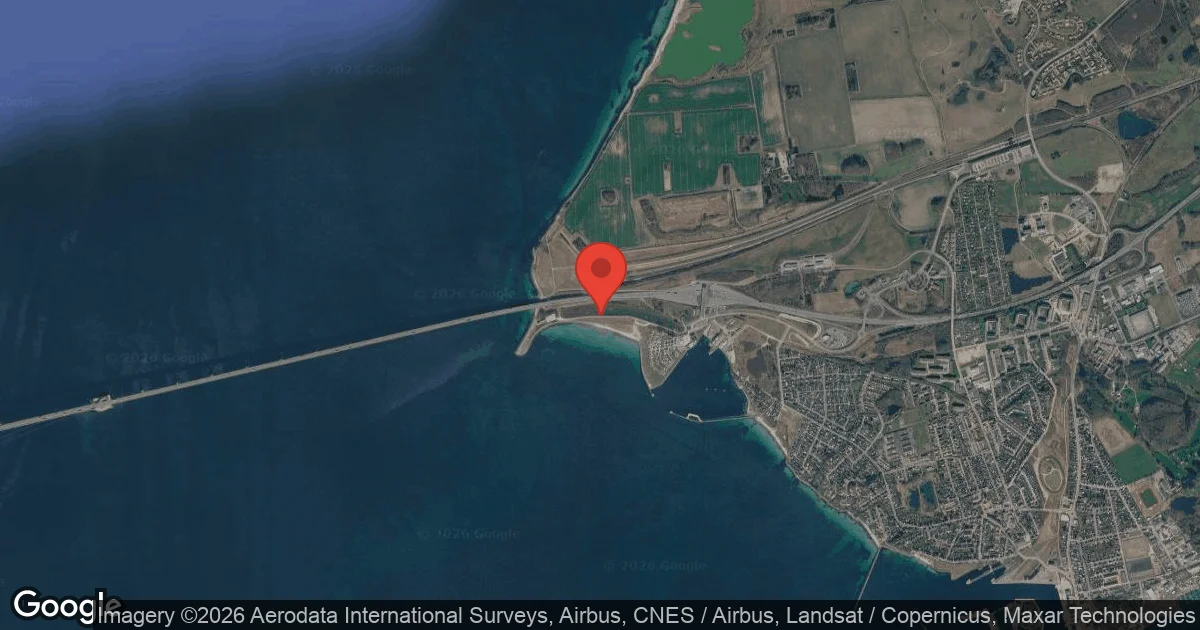
Arriving at Halskov Færgehavn, divers encounter a unique transformation: a former busy ferry terminal reborn as a vibrant water sports hub. Remnants of its industrial past, like old structures and ferry berth components, blend with accessible beach entries. An intriguing underwater landscape emerges, where historical infrastructure now provides diverse marine habitats and exploration opportunities. Its original purpose as a major transit point remains evident beneath the surface.
Tonight's objective overview for Halskov Færgehavn shows an air temperature of 16.5°C. The measured surface conditions include wave heights around 1 m. This environmental data is logged for the close of the day.
Dive Site Location & Key Facts
Dive Site Overview
Underwater topography at Halskov Færgehavn directly reflects its history as a bustling ferry port until 1998, when the Storebælt Bridge made ferry services redundant. Instead of abandoning the site, Slagelse Municipality transformed the area into a dynamic water sports center.
Divers here discover a captivating blend of natural marine environment and industrial remnants. Dives typically follow a northerly trajectory towards former ferry berth 3, about 100-150 m from the beach entry. Along this path, sandy sections transition to a tiled bottom, punctuated by old piles, fallen bulwark structures, and other ferry-era components.
Artificial reefs now host mussel colonies, creating numerous small cavities and hiding spots. With a maximum depth around 10 meters / 32 feet, the site offers chances to navigate between submerged beams near old towers southwest of the beach.
Keep an eye out for larger, unexpected items like shopping carts, caravans, and even small shipwrecks integrated into the scenery. A saltwater environment supports various life forms, transforming historical infrastructure into a living reef system.
Conditions are Moderate
High Wind Advisory (41km/h). Unsafe surface.
Current conditions near Halskov Færgehavn show 16° air, 17° sea temperature, 1.1 m waves, and 41 km/h wind. Forecast data is refreshed regularly to ensure accuracy.
Best Time to Dive
Seasonal climate considerations assist with dive planning, though year-round diving is feasible at Halskov Færgehavn, consistently receiving a 'good' dive score. For surface comfort and beach entry, the warmer months from May through September are generally preferred. Average air temperatures during this period are considerably higher, peaking around 17.5°C / 64°F in July and August. While July also experiences the highest average rainfall at 3.93 mm, this amount is typically manageable. Conversely, spring months like March and May see some of the lowest average rainfall (around 1.28-1.25 mm), offering drier surface conditions, albeit with cooler air temperatures (5.5-12.5°C / 42-54°F). Varying water temperatures characteristic of Danish waters will dictate wetsuit or drysuit use. Moderate wind speeds (22-29 km/h / 14-18 mph) and generally low wave heights (0.5-0.9 m / 1.6-3 ft) typically indicate stable surface conditions.
PEAK SEASON SCORE
Scores combine air & water temps, waves, wind & rainfall for overall conditions.
BEST MONTHS TO DIVE
Monthly records compiled from satellite and marine observation nodes over the last 3 years. Data provided by Open-Meteo and MET Norway.
Dive Experience & Conditions
A shore entry from the beach near the volleyball court typically marks the start of a dive here. Divers access the beach via a path past yellow containers from the parking area, where a small concrete platform facilitates gear setup. An initial gradual descent covers a sandy bottom. Navigation is a key aspect of diving, with explorers generally following a northern heading towards remnants of ferry berth 3. Depths encountered reach about 10 meters. Current conditions can vary, potentially requiring attentive navigation, especially when investigating structures further from shore. Salinity is characteristic of a marine environment. Divers keen on practicing navigation and exploring human-made underwater features will find an engaging site due to its varied landscape, combining natural sandy areas with structural debris.
Dive Difficulty & Safety Guidelines
Safe diving at Halskov Færgehavn requires a solid grasp of navigation and awareness of variable current conditions. While accessible for Open Water divers, the site's complexity and potential currents make it particularly well-suited for more experienced individuals. Always dive within personal certification limits and abilities.
Given potential boat traffic in the broader area, using a Surface Marker Buoy (SMB) is strongly recommended to signal your presence to surface vessels, particularly when drifting or surfacing away from the immediate entry point. Planning dives to account for currents, perhaps by swimming against them on the outbound leg and returning with the flow, enhances safety and conserves air.
Familiarity with local diving procedures and emergency contacts is also prudent for any dive in this region.
Recommended Equipment
- Dive Computer
- Hard-soled Dive Boots
This gear list is based on verified equipment signals for Halskov Færgehavn, Denmark. Always confirm final gear choices with your dive operator, guide, or liveaboard.
Recommended Dive Suit
Water temperatures at Halskov Færgehavn are currently estimated to be around 17°C (62°F), shaping the overall diving conditions for today. Surface air temperatures are resting at 16°C (61°F).
Many divers choose 5-7mm wetsuit when diving in similar conditions. Consider warmer surface protection (like a boat coat) due to brisk winds. A thermal robe or jacket is recommended between dives.
Forecast models show minimal temperature variation in the coming days.
Due to technical issues with our weather providers, live updates are temporarily delayed. The data above reflects the conditions at the time of the last successful fetch.
Emergency & Medical Support
Essential information to help you plan your dive trip to Halskov Færgehavn.

Hyperbaric chambers are a critical part of dive safety infrastructure. Availability varies significantly by region, and not all dive areas have immediate access.
Before diving, it's recommended to:
- confirm nearest medical facilities
- check emergency procedures with local dive operators
- ensure dive insurance covers evacuation if required
Divers Alert Network
Diving emergency assistance available through DAN Europe.
+39 0642115685- 24/7 emergency hotline
- Diving medical assistance
- Evacuation coordination
Emergency contacts are provided for reference. Always verify local emergency services before diving.
Closest Listed Hyperbaric Chambers
Showing listed hyperbaric chamber facilities within 200 km of this dive site.
Distances are approximate straight-line distances and may not reflect emergency travel time.
Information is provided for reference and planning purposes only. Dive Navigator does not verify operational status, staffing, availability, or quality of care at listed facilities. In an emergency, contact local emergency services, DAN, your dive operator, or the chamber directly. Do not travel to a facility without calling ahead.
Rigshospitalet Copenhagen University Hospital
24/7 ListedICU CapableCopenhagen, Denmark•Approx. 100 km straight-line
Rigshospitalet Copenhagen University Hospital
24/7 ListedICU CapableInformation is provided for reference and planning purposes only. Dive Navigator does not verify operational status, staffing, availability, or quality of care at listed facilities. In an emergency, contact local emergency services, DAN, your dive operator, or the chamber directly. Do not travel to a facility without calling ahead.
Aarhus University Hospital, Noerrebrogade
24/7 ListedICU CapableAarhus C, Denmark•Approx. 108 km straight-line
Aarhus University Hospital, Noerrebrogade
24/7 ListedICU CapableInformation is provided for reference and planning purposes only. Dive Navigator does not verify operational status, staffing, availability, or quality of care at listed facilities. In an emergency, contact local emergency services, DAN, your dive operator, or the chamber directly. Do not travel to a facility without calling ahead.
Marine Life at Halskov Færgehavn
Halskov Færgehavn's varied underwater landscape, defined by sandy bottoms and remnants of its ferry port past, provides a diverse habitat for marine life. Divers exploring tiled areas, piles, and fallen bulwark structures will encounter thriving mussel colonies.
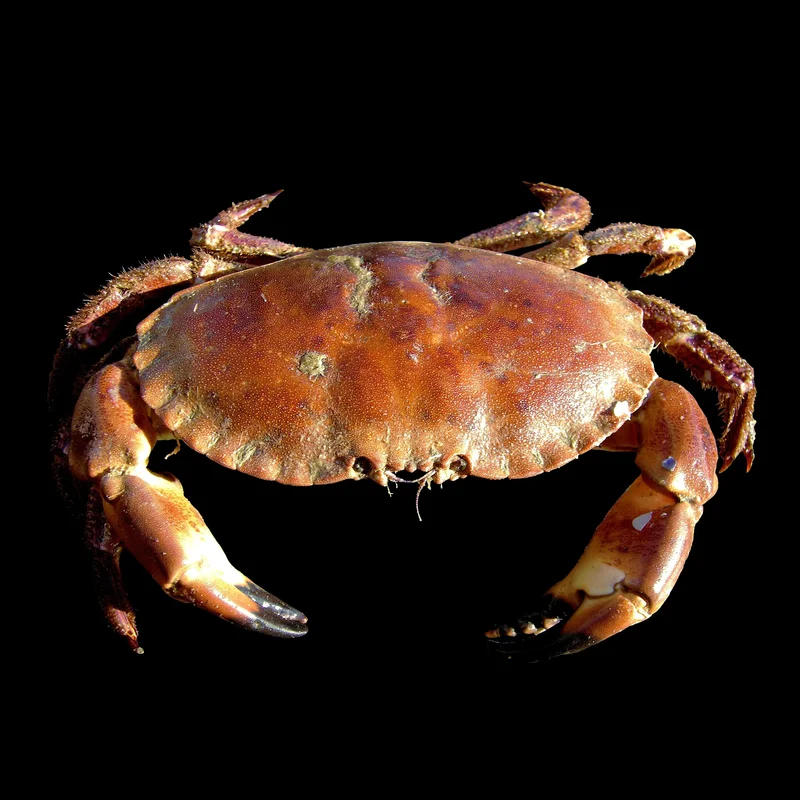
These in turn attract a variety of residents. Common sightings include crabs and shrimp navigating the cavities and crevices created by old infrastructure.
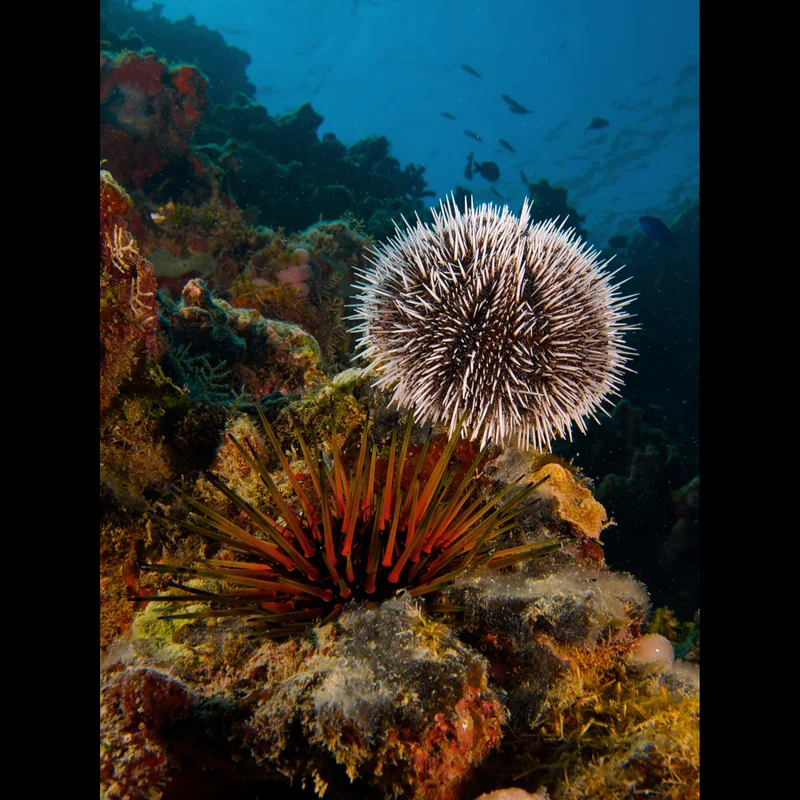
Flatfish are frequently observed camouflaged against the sandy seabed. Sea crucians, sea urchins, cod, and trout can be seen utilizing the shelter of beams and other submerged debris.
During night dives, the site often reveals more elusive creatures, with eels and salmon occasionally making appearances among the structures.

Dive Sites Near Halskov Færgehavn
View all dive sites in DenmarkDiscover more underwater gems in this area.
Dive Centers Near Halskov Færgehavn
Today: 10:00 - 16:00

Nearest Airports
Nearest airports to help plan travel to this dive area.
Search Flights
Check available flights and routes on Expedia, using the nearby airports listed in this section.
Search Flights on ExpediaFrequently Asked Questions
What is the historical significance of Halskov Færgehavn as a dive site?
It was formerly a major ferry port until the Storebælt Bridge opened in 1998. The unused port has since been transformed into a world-class water sports center, retaining much of its old infrastructure underwater for divers to explore.
How do divers enter the water at Halskov Færgehavn?
Entry is from the beach, adjacent to the volleyball court. Divers can follow a path past yellow containers to reach the sand, where a concrete platform is available for equipment setup.
What is the maximum depth for diving at this site?
The maximum depth typically encountered at Halskov Færgehavn is around 10 meters / 32 feet. This makes it suitable for various certification levels, though specific areas might be shallower.
What kind of marine life can be seen while diving here?
The site is home to crabs, shrimp, flatfish, sea crucians, sea urchins, cod, and trout. Night dives sometimes reveal eels and salmon taking shelter among the structures.
Is Halskov Færgehavn suitable for beginner divers?
While Open Water divers can explore the site, it is best suited for experienced divers. A good grasp of navigation and awareness of potential current conditions are beneficial for a safe and enjoyable dive.
What kind of underwater structures will divers encounter?
Divers will find a tiled bottom, old piles, fallen bulwark sections, and other structures from the ferry era, particularly towards ferry berth 3. There are also cavities, mussel colonies, and sometimes unexpected items like shopping carts.
Are there strong currents at Halskov Færgehavn?
Current conditions can vary and require attentive navigation. While not consistently reported as 'strong' for this specific area, divers should always plan to manage currents, potentially by swimming against them on the way out.
Planning to dive Halskov Færgehavn?
Send one inquiry and receive offers directly from the best verified local dive operators.
Conditions are Moderate
High Wind Advisory (41km/h). Unsafe surface.
Current conditions near Halskov Færgehavn show 16° air, 17° sea temperature, 1.1 m waves, and 41 km/h wind. Forecast data is refreshed regularly to ensure accuracy.