Loading...

Diving at Dangleben's Pinnacles (Dominica)
Published
Rising like five sculpted volcanic cathedrals off the submerged crater rim of Soufriere Bay, Dangleben's Pinnacles is one of Dominica's signature reef-and-macro dives. Protected inside the Soufriere Scotts Head Marine Reserve (UNESCO Tentative Site 6022), the spires top out at 8–12 m / 26–39 ft and drop cleanly to 15–24 m / 49–79 ft bases before the outer crater edge tumbles past 30 m / 98 ft. Lush giant barrel sponges, cascading clouds of Creole wrasse, seahorses, and camouflaged frogfish pack every tower.
Evening condition tracking at Dangleben's Pinnacles features an air temperature of 30.5°C. We have recorded wave heights measuring 1 m during this period. These figures outline the environmental parameters currently present.
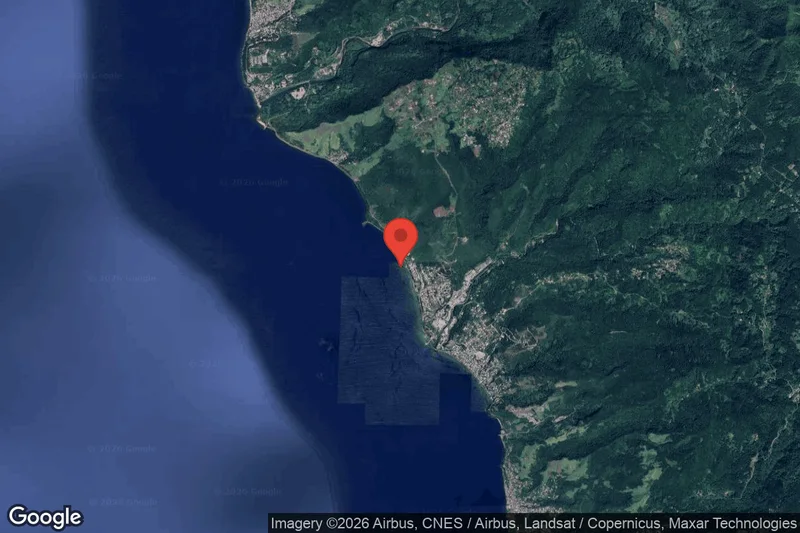
Dive Site Location & Key Facts
Site Characteristics
Max Depth24m / 79ft
Entry Typeboat
Water Typesalt
Dive Types
DriftPinnacleReef
Dive Site Overview
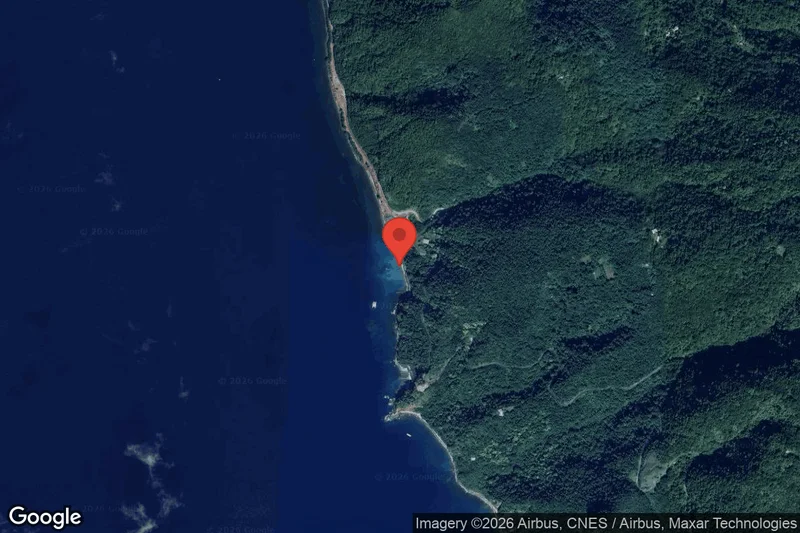
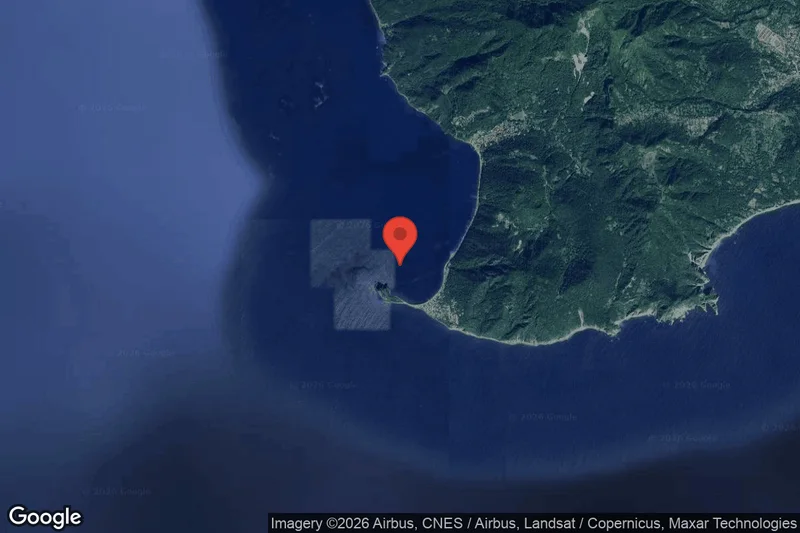
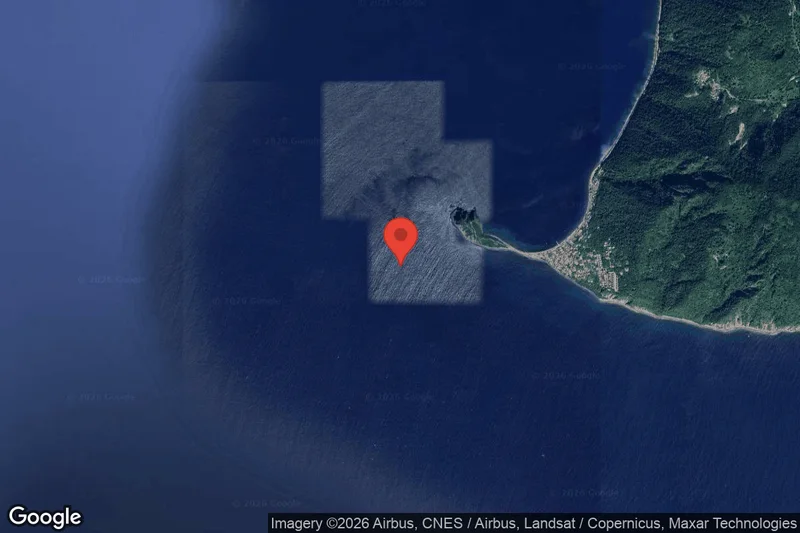
Located roughly 1.45 km / 0.9 mi north of sheer crater wall L'Abym inside the statutory Soufriere Bay reserve polygon defined by Dominica S.R.O. 20 of 1998, Dangleben's Pinnacles showcases Dominica's volcanic geology on an approachable, multi-level scale. Weaving through narrow corridors between the five submerged spires reveals deep overhangs, dense rope and tube sponges, and feathery crinoids nourished by coastal volcanic biogeochemistry.
Co-managed since 1998 by the Local Area Management Authority (LAMA) and Dominica Fisheries Division under the Fisheries Act 1987, the reserve mandates statutory diver user fees under S.R.O. No. 7 of 2001: EC$5 (US$2) per tank used or US$20 monthly. Anchoring on coral, spearfishing, and unlicensed commercial operations are strictly prohibited, carrying penalties up to EC$3,000 or twelve months imprisonment.
Immediately seaward of the pinnacles lies Dominica's protected Eastern Caribbean sperm whale corridor, formalized via the Sperm Whale Reserve Act 2025 and S.R.O. No. 8 of 2026 vessel traffic regulations.
Dangleben's Pinnacles
Conditions are Moderate
6/10
Confidence: 8/10
Indicates meteorological model agreement and data availability.
Best Dive Window
Optimal conditions expected
06:12
18:45
H: 10:45
L: 16:20
Air / Sea Temp
30° / 29°
Wave Height
1.2 m
Wind Speed
35 km/h E
Rain Chance
50%
Current conditions near Dangleben's Pinnacles show 30° air, 29° sea temperature, 1.2 m waves, and 35 km/h wind. Forecast data is refreshed regularly to ensure accuracy.
Radius: ~12km
Updated: Nov 23, 2026, 12:10 local timeMARINE: OPEN-METEOWEATHER: YR.NO
Best Time to Dive
Diving along Dominica's sheltered leeward coast runs twelve months a year in warm 26–29°C / 79–84°F Caribbean water. As outlined in Divers Alert Network's 2025 Dominica guide, the dry high season from November through May brings the flattest surface seas and clearest 20–30 m / 66–98 ft visibility across the five pinnacles.
Between June and October, warmer water and quiet moorings reward visitors, though heavy tropical rain can create brief nearshore runoff and hurricane risk peaks from August through October. Lunar tidal cycles govern current strength along the crater rim.
PEAK SEASON SCORE
74/100
GoodScores combine air & water temps, waves, wind & rainfall for overall conditions.
BEST MONTHS TO DIVE
APR
SEP
OCT
DIVE SCORE GUIDE (0–100)
Excellent (90–100)
Very Good (80–89)
Good (70–79)
Moderate (50–69)
Poor (30–49)
Not Recommended (0–29)
Monthly records compiled from satellite and marine observation nodes over the last 3 years. Data provided by Open-Meteo and MET Norway.
Dive Experience & Conditions
Licensed dive boats tie onto LAMA moorings right above the 8–12 m / 26–39 ft pinnacle crests, letting divers descend along vertical sponge walls to 18–24 m / 59–79 ft and weave systematically from spire to spire. Streams of violet Creole wrasse pour down the current-facing flanks while blackbar soldierfish pack every shadowed cleft. Finishing your dive spiraling up the shallowest 8 m / 26 ft pinnacle crown turns safety stops into prime macro hunting for longsnout seahorses and frogfish.
Currents range from gentle on neap tides to brisk during full and new moons, occasionally prompting guides to run smooth drift pickups between adjacent SSMR moorings. Ample natural light across the 8–24 m / 26–79 ft range makes the site welcoming to both Open Water divers and veteran macro photographers.
Dive Difficulty & Safety Guidelines
Maintain crisp buoyancy in the narrow corridors between the five volcanic towers so fins never brush delicate rope sponges, crinoids, or camouflaged frogfish. Respect LAMA no-take rules and watch depth closely if you stray past the 24 m / 79 ft pinnacle bases toward the deeper crater drop-off. Carry a surface marker buoy and signaling whistle on every dive for open-water drift pickups.
Dominica-China Friendship Hospital in Roseau (~15 minutes north) provides emergency stabilization and medical oxygen, yet Dominica has no operational public hyperbaric chamber. Serious decompression emergencies require air-ambulance evacuation roughly 80 km / 50 mi south-southeast to the 24/7 hospital chamber at CHU de Martinique in Fort-de-France (SAMU 15) or 110 km / 68 mi north-northwest to CHU de la Guadeloupe, making comprehensive dive-evacuation insurance essential.
Recommended Equipment
Current and surface separation risk. Local briefing strongly recommended.
- Dive Computer
- DSMB
- Reel / Spool
This gear list is based on verified equipment signals for Dangleben's Pinnacles, Dominica. Always confirm final gear choices with your dive operator, guide, or liveaboard.
Recommended Dive Suit
For relaxed exploration dives, dive skin or rash guard generally provides adequate warmth. Consider warmer surface protection (like a boat coat) due to brisk winds. For divers entering the water at Dangleben's Pinnacles, temperatures are currently hovering around 29°C (85°F). Surface air temperatures are resting at 30°C (87°F).
Forecasts suggest a slight cooling pattern in the days ahead. Cooler days are ahead; you might want a warmer option for later in the week. Some divers bring an extra layer for surface intervals between dives.
A diver's personal tolerance to cold water can play a large role in suit selection.
Dangleben's Pinnacles conditions last reviewed: 12:10 local time (UTC-4), Nov 23, 2026
Emergency & Medical Support
Essential information to help you plan your dive trip to Dangleben's Pinnacles.

Hyperbaric chambers are a critical part of dive safety infrastructure. Availability varies significantly by region, and not all dive areas have immediate access.
Before diving, it's recommended to:
- confirm nearest medical facilities
- check emergency procedures with local dive operators
- ensure dive insurance covers evacuation if required
24/7 Available
Divers Alert Network
Diving emergency assistance available through DAN World.
+1-919-684-9111- 24/7 emergency hotline
- Diving medical assistance
- Evacuation coordination
Emergency contacts are provided for reference. Always verify local emergency services before diving.
Marine Life at Dangleben's Pinnacles
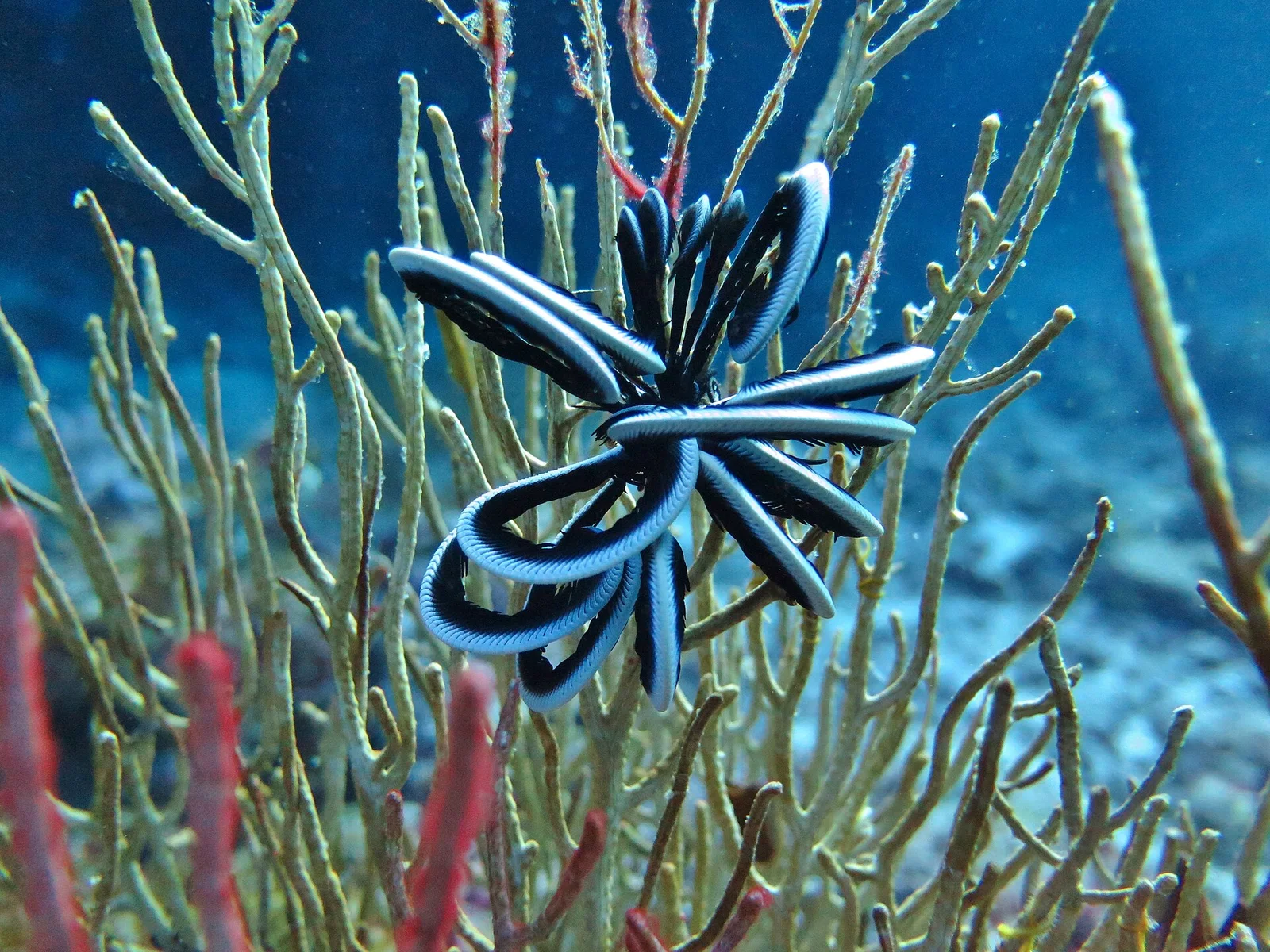
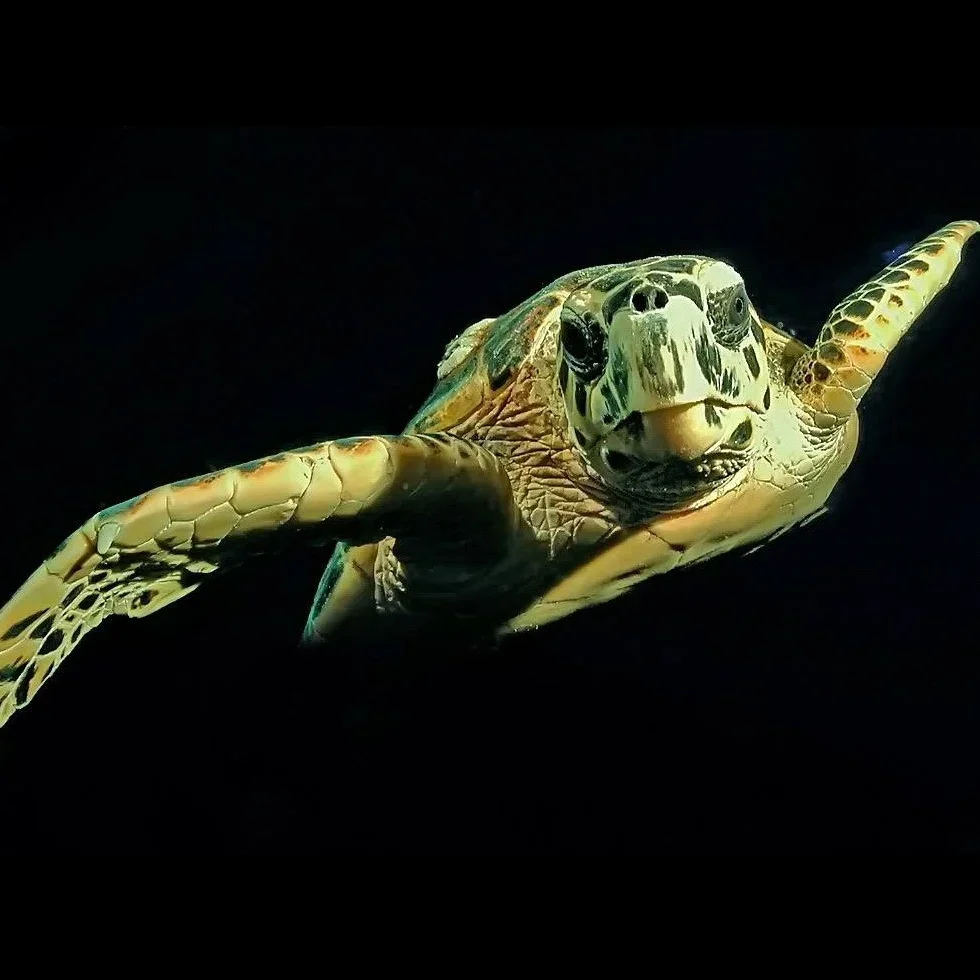
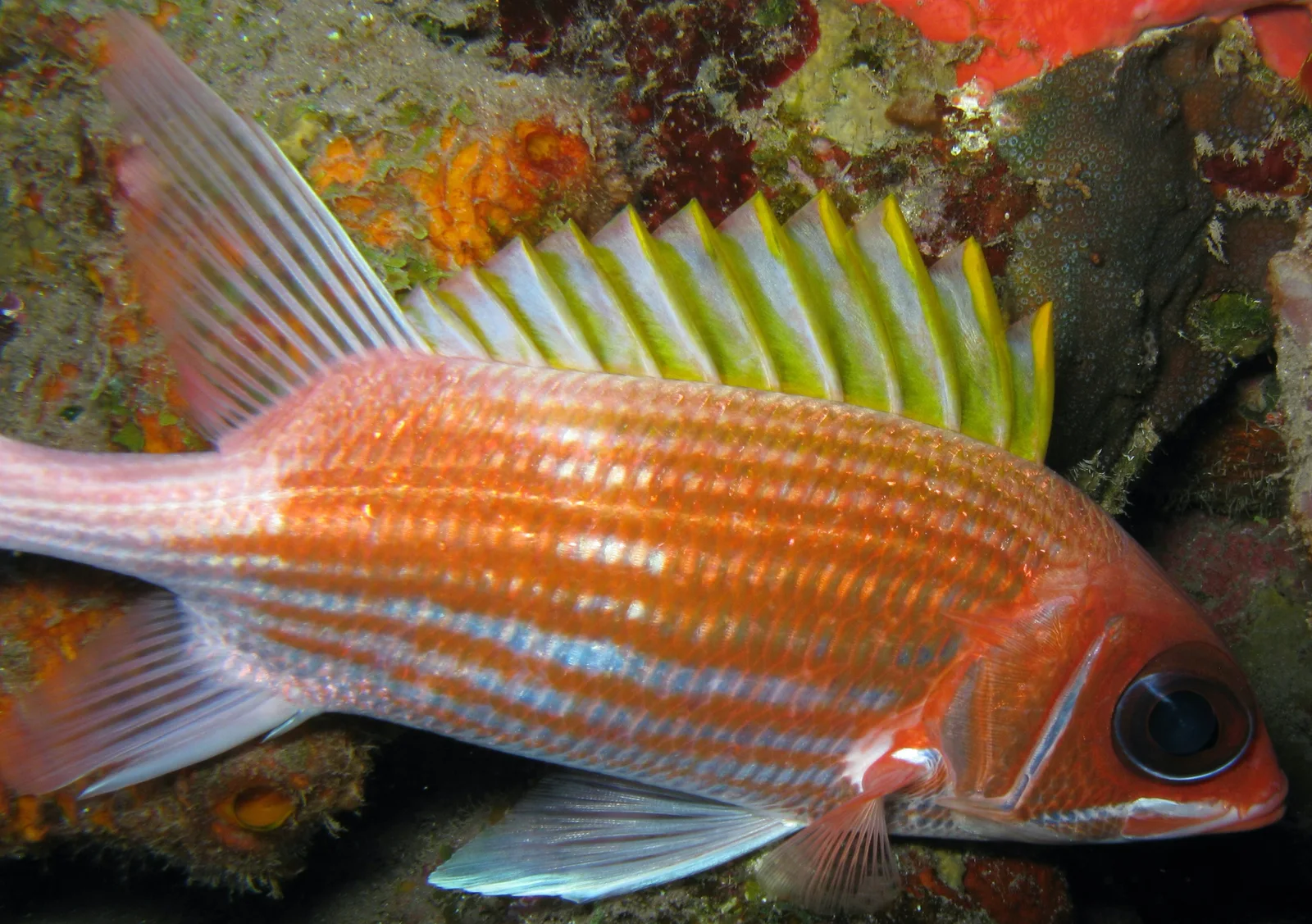
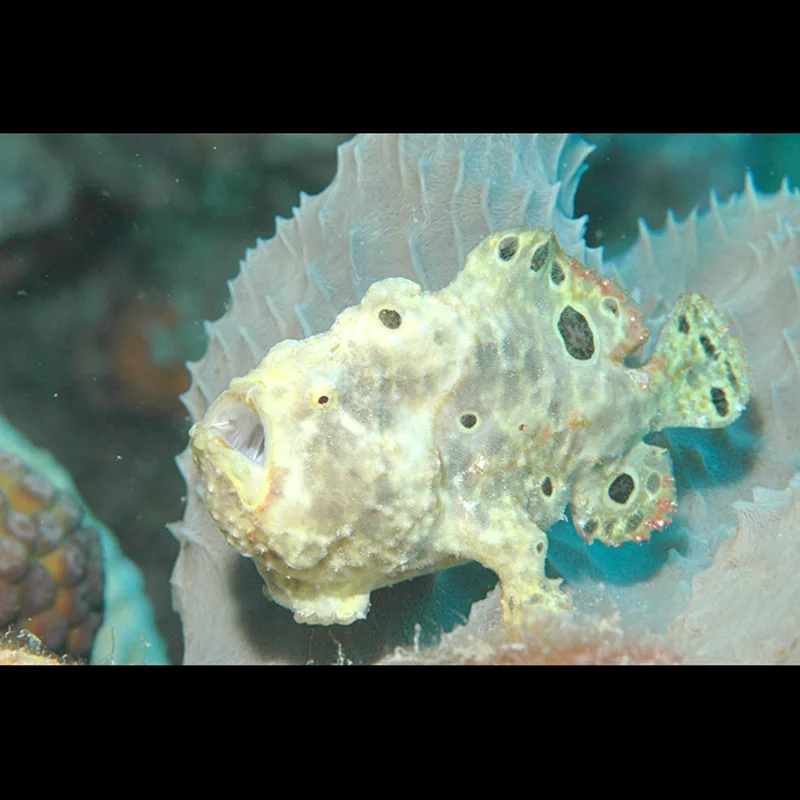
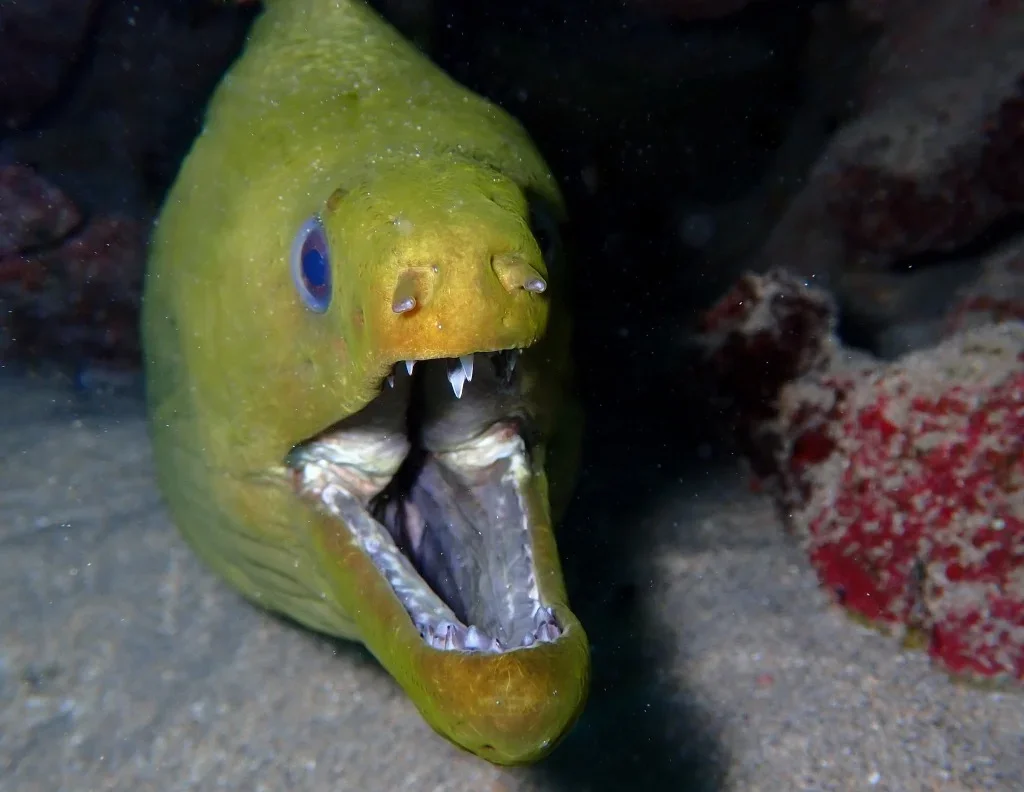
Towering giant barrel sponges, golden crinoids, and colorful rope sponges cloak all five volcanic spires from 8 m / 26 ft down to 24 m / 79 ft. Sharp-eyed guides routinely point out longsnout seahorses clinging to gorgonians, camouflaged longlure frogfish, and green moray eels peering from volcanic cracks. Dense curtains of Creole wrasse, blackbar soldierfish, and grazing hawksbill sea turtles animate every dive.
1 / 2
Image contributors:Frédéric Ducarme, mark-groeneveld + 3 more
Want to contribute photos or local dive knowledge? Learn how to contributeDive Sites Near Dangleben's Pinnacles
View all dive sites in DominicaDiscover more underwater gems in this area.
Dive Centers Near Dangleben's Pinnacles
Nearest Airports
Nearest airports to help plan travel to this dive area.
Canefield Airport DCF
12 km
Douglas-Charles Airport DOM
36 km
F. D. Roosevelt Airport EUX
304 km
💵 Currency: XCD
Search Flights
Check available flights and routes on Expedia, using the nearby airports listed in this section.
Search Flights on ExpediaAffiliate link · Dive Navigator may earn a commission at no extra cost to you.
Frequently Asked Questions
How deep are Dangleben's Pinnacles in Dominica?
The five submerged volcanic pinnacles top out at 8–12 m / 26–39 ft and meet the seabed around 15–24 m / 49–79 ft, with deeper crater slopes dropping past 30 m / 98 ft offshore. The 8–24 m / 26–79 ft pinnacle zone suits Open Water and Advanced divers alike.
What fees are required to dive Dangleben's Pinnacles?
Under Dominica's Fisheries (Marine Reserve) Regulations 2001 (S.R.O. 7), divers pay a statutory user fee to the Local Area Management Authority (LAMA) of EC$5 / US$2 per tank (or US$20 monthly). Local dive centers collect and remit the fee automatically.
How is Dangleben's Pinnacles different from nearby L'Abym?
Both sit inside Soufriere-Scotts Head Marine Reserve roughly 1.45 km / 0.9 mi apart, yet they offer distinct topography. Dangleben's Pinnacles features five shallow-to-mid-depth (8–24 m / 26–79 ft) sponge-covered towers ideal for macro and reef fish, whereas L'Abym is a sheer vertical crater wall plunging past 100 m / 328 ft.
Where is the nearest operational hyperbaric chamber to Dominica?
Dominica has no operational public recompression chamber, though Dominica-China Friendship Hospital in Roseau handles initial emergency stabilization. Decompression emergencies evacuate by air ambulance to 24/7 hospital chambers at CHU de Martinique (~80 km / 50 mi south) or CHU de la Guadeloupe (~110 km / 68 mi north).
When is the best season to dive Dangleben's Pinnacles?
November through May is Dominica's dry high season, offering calmest leeward seas and 20–30 m / 66–98 ft visibility in 26–27°C / 79–81°F water. June through October brings slightly warmer water and fewer divers outside tropical storm passages.
Trip Inquiry
Planning to dive Dangleben's Pinnacles?
Tell us your dates and diving needs. We'll review your request and seek offers from relevant local dive centers.
Request Dive Offers Free request for offers • No booking obligation
Dangleben's Pinnacles
Conditions are Moderate
6/10
Confidence: 8/10
Indicates meteorological model agreement and data availability.
Best Dive Window
Optimal conditions expected
06:12
18:45
H: 10:45
L: 16:20
Air / Sea Temp
30° / 29°
Wave Height
1.2 m
Wind Speed
35 km/h E
Rain Chance
50%
Current conditions near Dangleben's Pinnacles show 30° air, 29° sea temperature, 1.2 m waves, and 35 km/h wind. Forecast data is refreshed regularly to ensure accuracy.
Radius: ~12km
Updated: Nov 23, 2026, 12:10 local timeMARINE: OPEN-METEOWEATHER: YR.NO


