Loading...

Diving at Champagne Reef (Dominica)
Published
Bubbling like a freshly poured glass of vintage sparkling wine off southwestern Dominica, Champagne Reef is the Caribbean's most celebrated shallow submarine hydrothermal vent dive. Protected inside the Soufrière-Scotts Head Marine Reserve, streams of volcanic gas and iron-rich geothermal water seep continuously through cobbles at 2 to 10 m / 7 to 33 ft before a sponge-draped volcanic reef slopes seaward to 22 m / 72 ft. Welcoming Beginner through Advanced divers escorted by a registered local operator, the site pairs living volcanic geology with seahorses, frogfish, and 17th-century Spanish shipwreck remnants.
As evening covers Champagne Reef, the local air temperature is measured at 30.5°C. The current wave height at the surface is recorded at 1 m. These late-day readings characterize the surface conditions for the night.
Dive Site Location & Key Facts
Site Characteristics
Max Depth22m / 72ft
Entry TypeBoat & Shore
Water Typesalt
Dive Types
MuckReef
Dive Site Overview
Positioned between Pointe Michel and Soufrière along the submerged flank of the Lesser Antilles volcanic arc, Champagne Reef sits directly over active shallow hydrothermal fissures known to geologists as Champagne Hot Springs. In-situ SCUBA geochemistry published in Frontiers in Microbiology measured ambient bottom water at 29.5°C / 85°F while focused vent fluids emerge at up to 75°C / 167°F with lowered pH (6.3) and elevated dissolved iron.
As warm ferrous vent water mixes with oxygenated Caribbean seawater, iron oxidizes immediately and coats surrounding volcanic boulders in distinctive reddish-orange ferric precipitates that contrast vividly against sparkling curtains of rising gas bubbles. Beyond the 5 m / 16 ft geothermal field, the seafloor transitions into a lush volcanic reef slope descending past 18 to 22 m / 59 to 72 ft, where encrusted remains of a 17th-century Spanish shipwreck noted by the Discover Dominica Authority rest among sponges and corals.
Established in 1998 under Dominica's Fisheries Act and managed by the multi-stakeholder Local Area Management Authority (LAMA), the marine reserve divides southwestern waters into strict Fish Nursery, Fishing Priority, Recreation, and Scuba Diving zones. Zero anchoring and licensed-operator oversight have preserved both the fragile geothermal sediments and dense reef-fish nurseries.
Champagne Reef
Conditions are Moderate
6/10
Confidence: 8/10
Indicates meteorological model agreement and data availability.
Best Dive Window
Optimal conditions expected
06:12
18:45
H: 10:45
L: 16:20
Air / Sea Temp
30° / 29°
Wave Height
1.2 m
Wind Speed
35 km/h E
Rain Chance
50%
Current conditions near Champagne Reef show 30° air, 29° sea temperature, 1.2 m waves, and 35 km/h wind. Forecast data is refreshed regularly to ensure accuracy.
Radius: ~12km
Updated: Nov 23, 2026, 12:12 local timeMARINE: OPEN-METEOWEATHER: YR.NO
Best Time to Dive
Sheltered in the Caribbean lee of Dominica's volcanic peaks, Champagne Reef is diveable twelve months a year in 26 to 29°C / 79 to 84°F ambient water. Dry-season months from February through May deliver the lowest mountain rainfall, minimal coastal river runoff, and peak 20 to 25 m / 65 to 82 ft underwater clarity.
From June through November, the Atlantic wet and hurricane season monitored in Dominica's UNFCCC climate records brings heavier tropical showers that can briefly cloud nearshore visibility to 10 to 15 m / 33 to 50 ft. Between passing tropical waves, August through October also brings warm 29°C / 84°F water and lighter trade winds; early-morning and late-afternoon dives avoid peak cruise-day snorkeling crowds over the shallow 5 m / 16 ft vent zone.
PEAK SEASON SCORE
74/100
GoodScores combine air & water temps, waves, wind & rainfall for overall conditions.
BEST MONTHS TO DIVE
APR
SEP
OCT
DIVE SCORE GUIDE (0–100)
Excellent (90–100)
Very Good (80–89)
Good (70–79)
Moderate (50–69)
Poor (30–49)
Not Recommended (0–29)
Monthly records compiled from satellite and marine observation nodes over the last 3 years. Data provided by Open-Meteo and MET Norway.
Dive Experience & Conditions
Licensed dive boats moor along demarcated scuba-zone buoys off Champagne Beach while guided shore teams step carefully over rounded volcanic cobbles into knee-deep water. Swimming 50 to 100 m / 164 to 328 ft offshore brings divers straight into the geothermal field at 15.245846, -61.373125, where shimmering silver streams of warm volcanic bubbles cascade upward across 3 to 10 m / 10 to 33 ft iron-stained rocks. Holding a palm gently a few centimeters above the vent plumes reveals unmistakable geothermal warmth rising through the water column.
Angling seaward past the shallow vent flats drops teams down a sponge-carpeted volcanic reef slope between 12 and 22 m / 40 and 72 ft packed with crinoids, barrel sponges, and historic 17th-century ballast stones. Currents stay mild along the sheltered southwestern coast, letting photographers linger for 55 to 70 minutes before gliding back across the sunlit bubble curtains for an unhurried 5 m / 16 ft safety stop.
Dive Difficulty & Safety Guidelines
Calm 2 to 22 m / 7 to 72 ft profiles make Champagne Reef ideal for Open Water divers and night dives, provided every visitor follows strict marine-reserve laws. Under Dominica S.R.O. No. 7 of 2001 and LAMA reserve rules, divers pay an EC$5 / US$2 conservation fee per tank, independent unguided scuba diving is prohibited without Chief Fisheries Officer authorization, and anchoring or collecting marine life is strictly illegal.
Never poke bare fingers or camera housings directly into active geothermal fissures where vent fluids reach 46 to 75°C / 115 to 167°F, and keep watch overhead for surface snorkelers congregating above the 5 m / 16 ft bubbles. Dominica has no operational public multiplace hyperbaric chamber; emergency recompression requires air or fast-sea medevac ~45 km / 28 mi south to the 24/7 COMEX multiplace chamber at CHU de Martinique or ~55 km / 34 mi north to CHU de Guadeloupe in Pointe-à-Pitre, making DAN evacuation coverage essential.
Recommended Equipment
- Dive Computer
- DSMB
- Hard-soled Dive Boots
- Pointer / Muck Stick
This gear list is based on verified equipment signals for Champagne Reef, Dominica. Always confirm final gear choices with your dive operator, guide, or liveaboard.
Recommended Dive Suit
With water temperatures around 29°C (85°F), many divers find a dive skin or rash guard provides comfortable protection.
Local conditions can vary slightly across different parts of the same dive site.
Environmental conditions may feel slightly cooler as the week progresses. Cooler days are ahead; you might want a warmer option for later in the week. A warmer option can provide additional comfort if conditions shift.
Champagne Reef conditions last reviewed: 12:12 local time (UTC-4), Nov 23, 2026
Emergency & Medical Support
Essential information to help you plan your dive trip to Champagne Reef.

Hyperbaric chambers are a critical part of dive safety infrastructure. Availability varies significantly by region, and not all dive areas have immediate access.
Before diving, it's recommended to:
- confirm nearest medical facilities
- check emergency procedures with local dive operators
- ensure dive insurance covers evacuation if required
24/7 Available
Divers Alert Network
Diving emergency assistance available through DAN World.
+1-919-684-9111- 24/7 emergency hotline
- Diving medical assistance
- Evacuation coordination
Emergency contacts are provided for reference. Always verify local emergency services before diving.
Marine Life at Champagne Reef
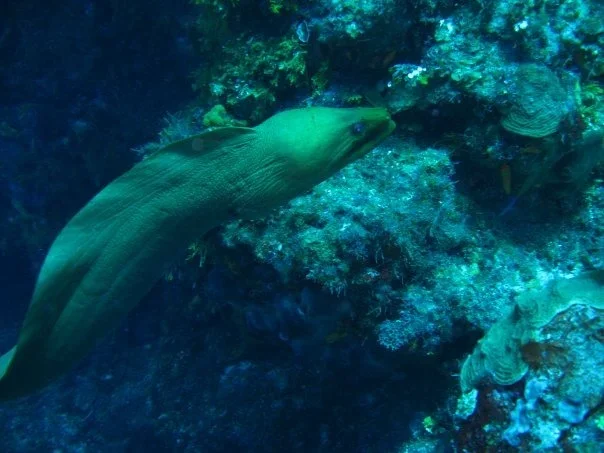
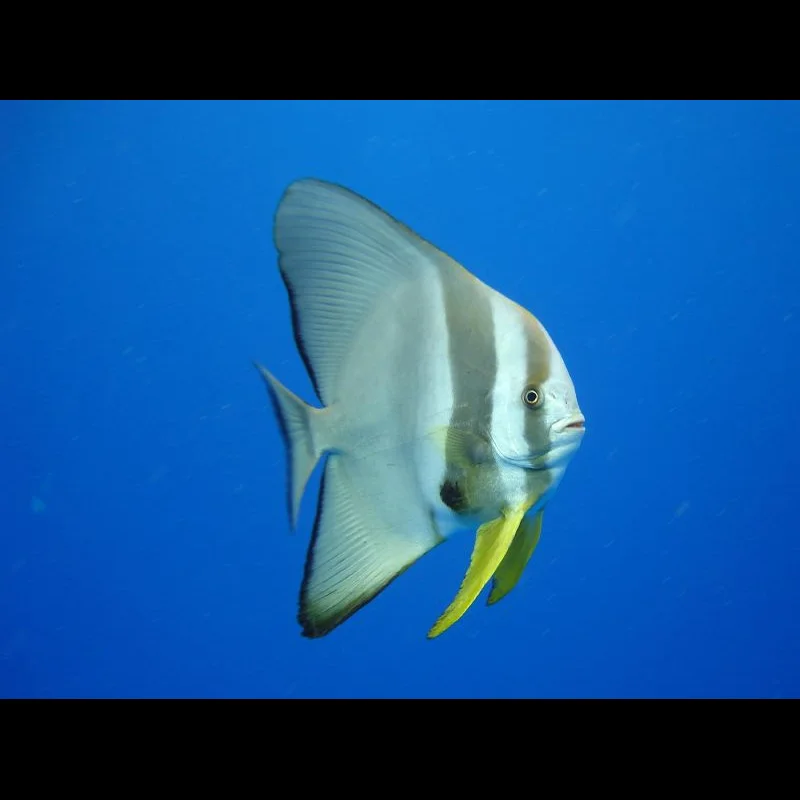
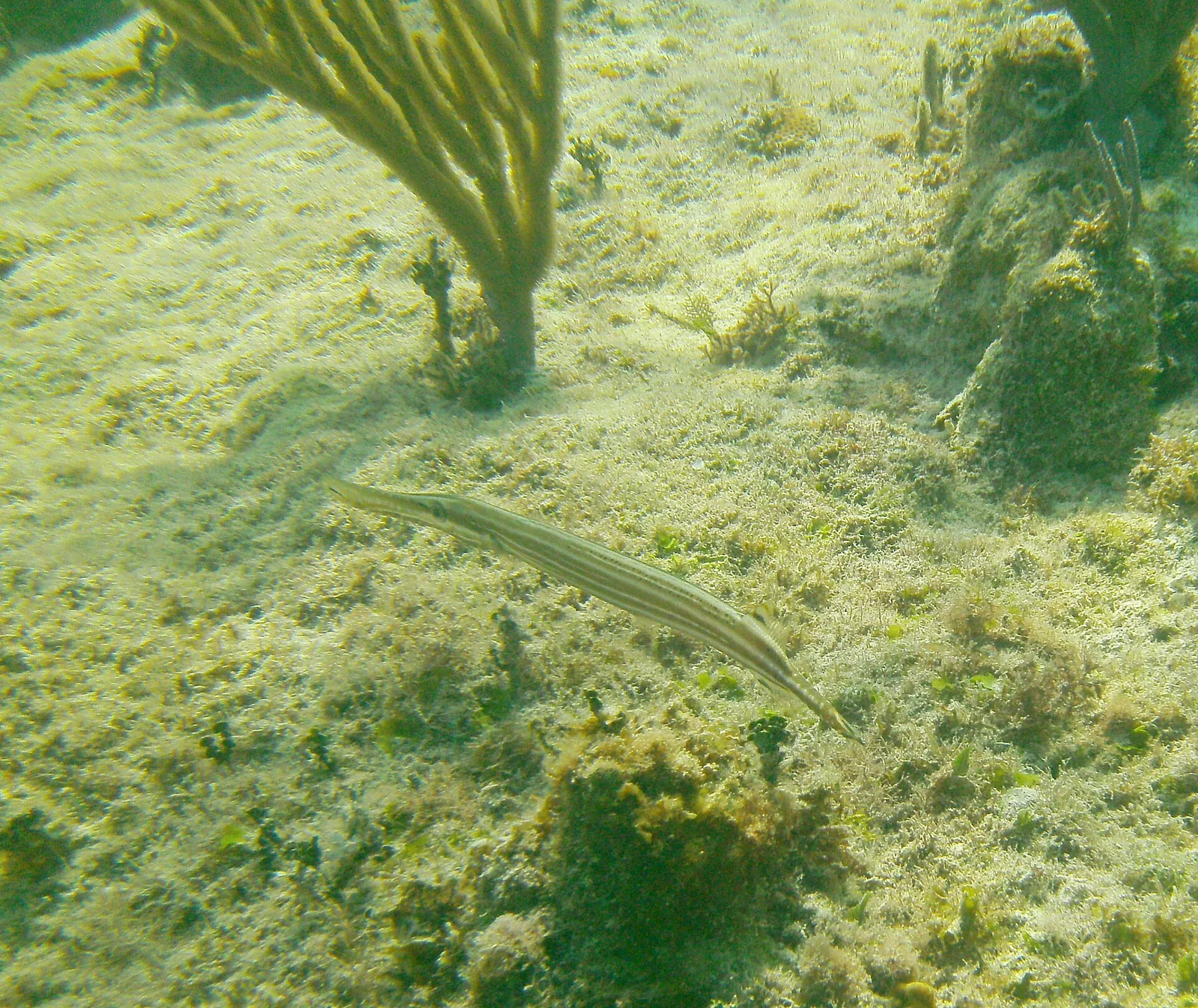
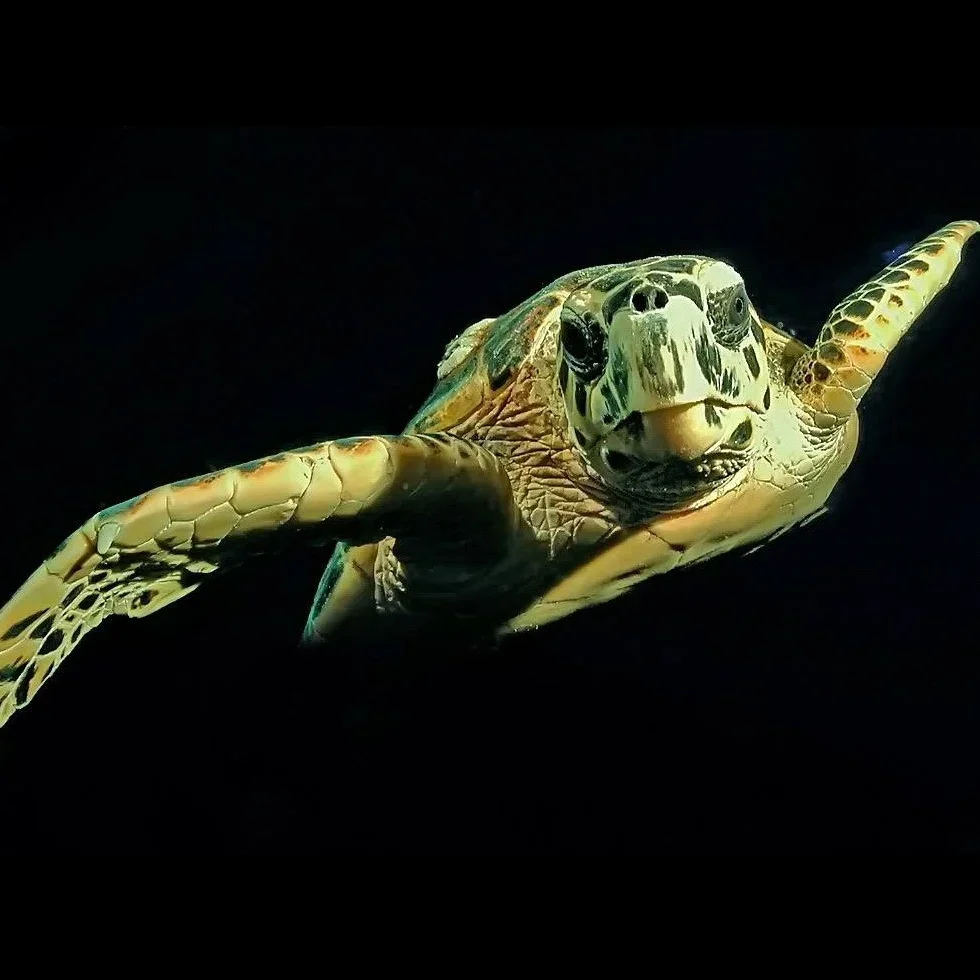
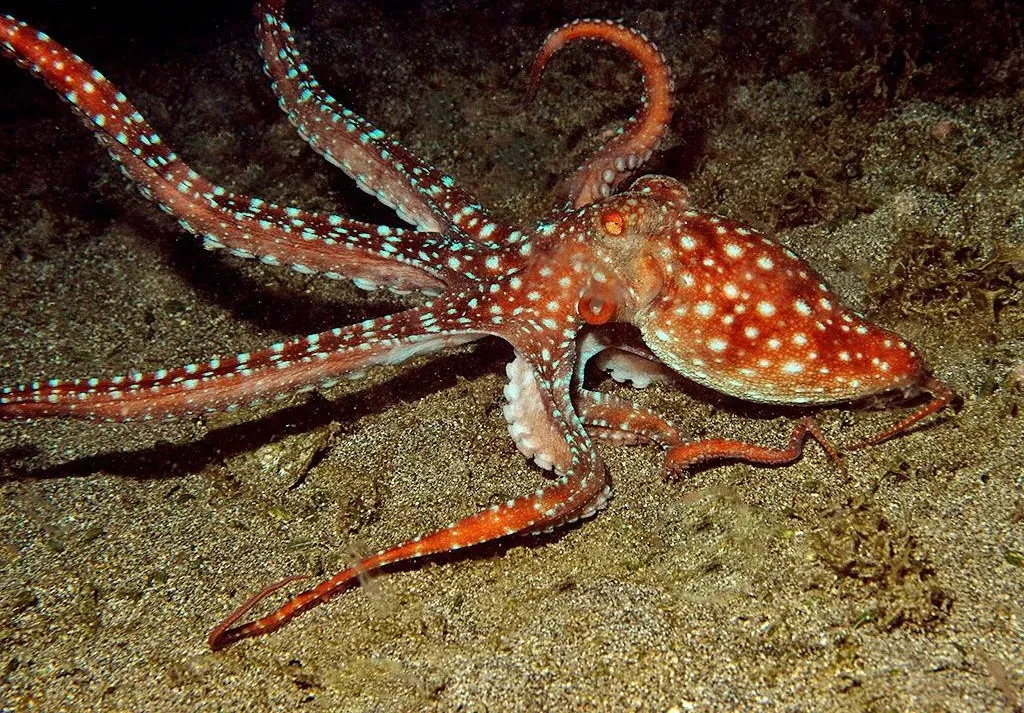
Beyond the iron-oxidizing microbial mats coating the 5 m / 16 ft volcanic vents, Champagne Reef's outer slope blooms with pink azure, red rope, purple vase, and yellow tube sponges, hard corals, and feather-star crinoids. Macro-hunting guides regularly point out longsnout seahorses, longlure frogfish, shortnose batfish, sharptail eels, and hunting Caribbean reef octopuses tucked into volcanic crevices. Hawksbill sea turtles, Atlantic trumpetfish, parrotfish, and southern stingrays glide constantly across the warm sunlit reef slope.
1 / 2
Image contributors:Alain Feulvarch, Tisquesusa + 2 more
Want to contribute photos or local dive knowledge? Learn how to contributeDive Sites Near Champagne Reef
View all dive sites in DominicaDiscover more underwater gems in this area.

Dive Centers Near Champagne Reef
Nearest Airports
Nearest airports to help plan travel to this dive area.
Canefield Airport DCF
10 km
Douglas-Charles Airport DOM
34 km
F. D. Roosevelt Airport EUX
302 km
💵 Currency: XCD
Search Flights
Check available flights and routes on Expedia, using the nearby airports listed in this section.
Search Flights on ExpediaAffiliate link · Dive Navigator may earn a commission at no extra cost to you.
Frequently Asked Questions
Is the water at Champagne Reef actually hot enough to burn divers?
Ambient bottom water stays a comfortable 26 to 29.5°C / 79 to 85°F, feeling only pleasantly warm as bubbles rise past your skin. However, fluids emerging directly inside focused volcanic fissures reach 46 to 75°C / 115 to 167°F, so divers should never insert bare hands into active vents.
Can certified divers shore-dive Champagne Reef independently without a guide?
No. Under Soufrière-Scotts Head Marine Reserve regulations, independent scuba diving is prohibited without special permission from the Chief Fisheries Officer. Divers must dive through a LAMA-registered operator and pay the EC$5 / US$2 per-tank marine reserve fee.
How deep is Champagne Reef beyond the shallow bubbles?
The main hydrothermal bubble vents sit in shallow water at 2 to 10 m / 7 to 33 ft. Swimming seaward leads down a vibrant volcanic coral and sponge slope reaching 18 to 22 m / 59 to 72 ft.
What historic wreck lies near Champagne Reef?
Encrusted cannons, ballast stones, and remnants from a 17th-century Spanish shipwreck rest adjacent to the volcanic reef slope. All artifacts are protected inside the marine reserve and must not be touched.
Where is the nearest hyperbaric chamber to Dominica?
Dominica has no public multiplace hyperbaric chamber on-island. Emergency recompression is handled via rapid medevac ~45 km / 28 mi south to CHU de Martinique (Fort-de-France) or ~55 km / 34 mi north to CHU de Guadeloupe (Pointe-à-Pitre).
Trip Inquiry
Planning to dive Champagne Reef?
Tell us your dates and diving needs. We'll review your request and seek offers from relevant local dive centers.
Request Dive Offers Free request for offers • No booking obligation
Champagne Reef
Conditions are Moderate
6/10
Confidence: 8/10
Indicates meteorological model agreement and data availability.
Best Dive Window
Optimal conditions expected
06:12
18:45
H: 10:45
L: 16:20
Air / Sea Temp
30° / 29°
Wave Height
1.2 m
Wind Speed
35 km/h E
Rain Chance
50%
Current conditions near Champagne Reef show 30° air, 29° sea temperature, 1.2 m waves, and 35 km/h wind. Forecast data is refreshed regularly to ensure accuracy.
Radius: ~12km
Updated: Nov 23, 2026, 12:12 local timeMARINE: OPEN-METEOWEATHER: YR.NO


