
Diving at Napoleon Reef (Egypt)
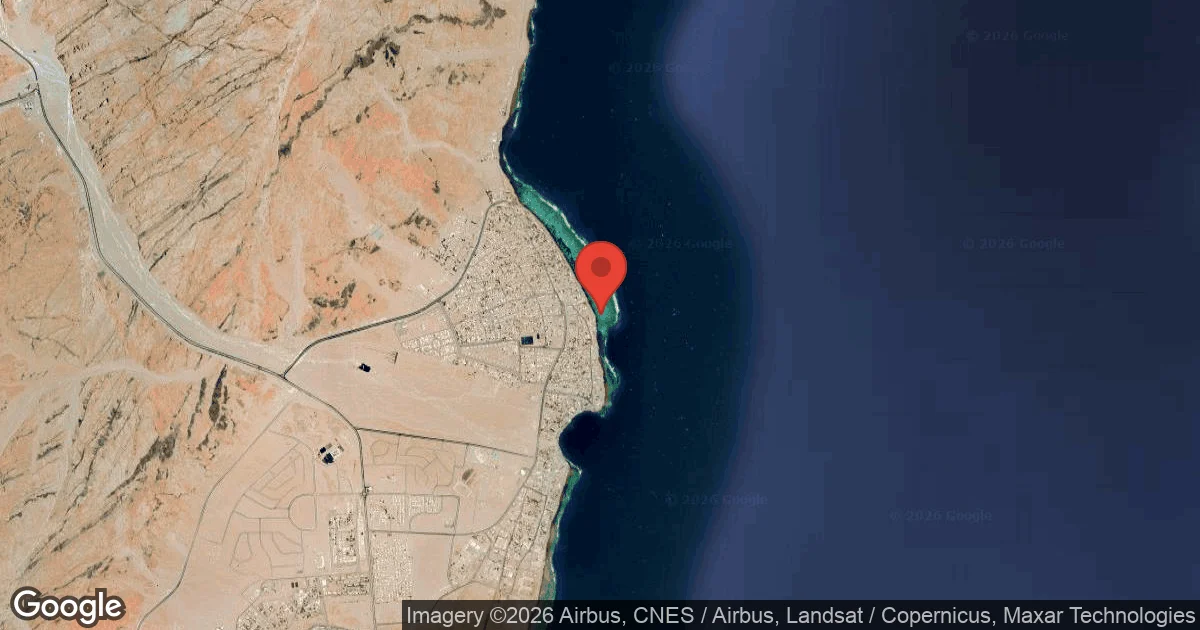
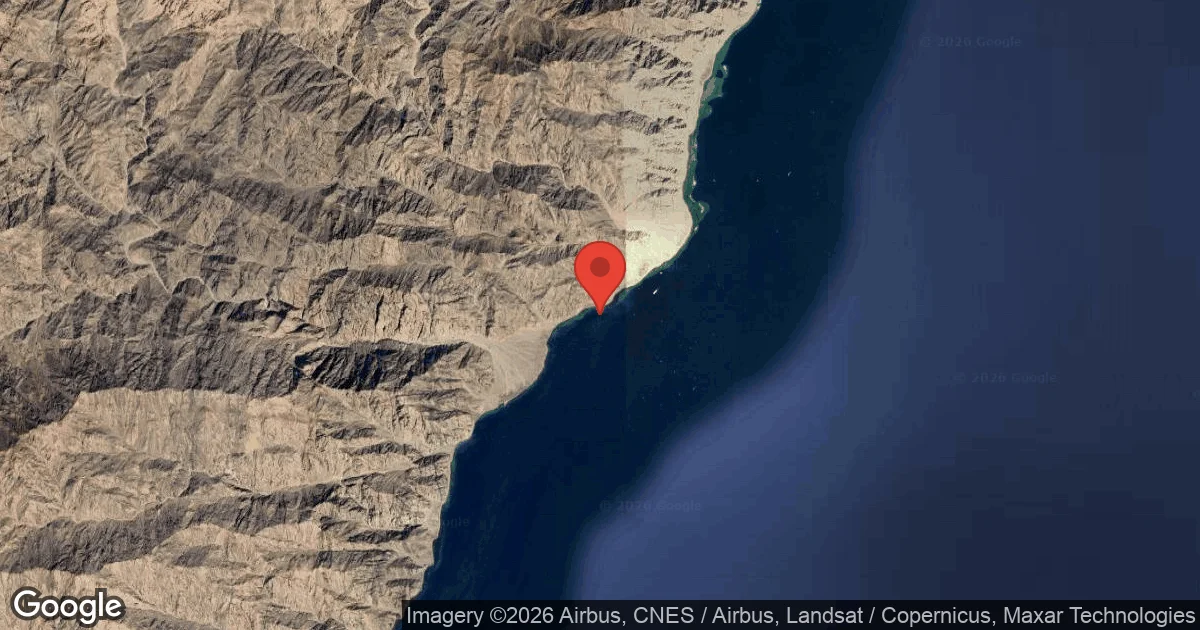
Positioned in Egypt's South Sinai, this intermediate-level dive site is primarily accessed by boat. Reaching a maximum depth of 30 m (100 ft), it’s suitable for certified divers comfortable with deeper profiles. Its varied underwater terrain offers a rewarding experience, though navigating some areas might present a moderate challenge. This destination is key for exploring the Laguna area's distinctive formations.
Tonight's objective overview for Napoleon Reef shows an air temperature of 36°C. The measured surface conditions include wave heights around 0.4 m. This environmental data is logged for the close of the day.
Dive Site Location & Key Facts
Dive Site Overview
Its striking geological architecture largely defines this site: a substantial Madrepore tower stands distinct from a partially submerged main reef, separated by a channel. This dramatic structure, ascending from a sandy seabed at around 20 m (65 ft), creates a dynamic environment for diverse marine life.
Access by boat or zodiac is typical, given its location approximately 450 meters from the shoreline. Divers here can experience both drift and reef diving, adapting to conditions. Currents are generally mild, yet strong currents can be present in specific sections, necessitating careful dive planning.
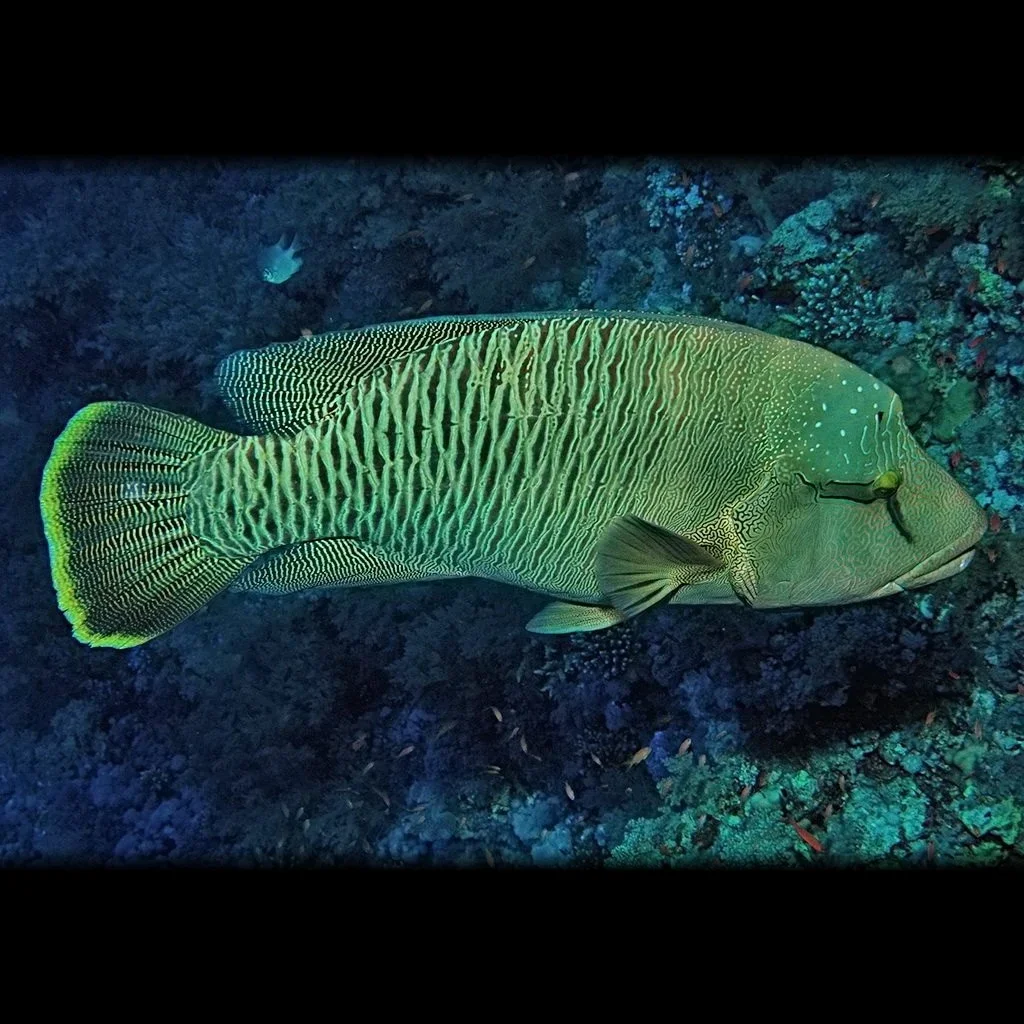
Exploring vibrant coral formations and numerous species, including the resident Napoleonfish, forms a central part of the experience. Visibility frequently extends up to 30 m (98 ft), providing excellent conditions for underwater photography, particularly during midday.
The unique blend of structure and marine activity ensures a rewarding dive for those ready for its varied characteristics.
Conditions are Good
Optimal conditions expected
Current conditions near Napoleon Reef show 36° air, 28° sea temperature, 0.8 m waves, and 37 km/h wind. Forecast data is refreshed regularly to ensure accuracy.
Best Time to Dive
Optimal diving at Napoleon Reef generally spans from March to November, coinciding with favorable water temperatures and calmer sea states. Water temperatures typically range from 20-24°C (68-75°F) in winter, warming to 25-30°C (77-86°F) during summer. Air temperatures are comfortable across this period, averaging 22-27°C (72-81°F) in spring and reaching 34-36°C (93-97°F) in peak summer. Consistently earning a "Good" dive score for much of the year, July is often rated "Excellent" due to minimal wave height and no reported rain. Rain is negligible across all months, ensuring consistently clear overhead conditions. Wind speeds fluctuate, but typically don't significantly impede diving during the warmer, more popular months. Planning dives within this window usually ensures the most pleasant surface and underwater conditions.
PEAK SEASON SCORE
Scores combine air & water temps, waves, wind & rainfall for overall conditions.
BEST MONTHS TO DIVE
Monthly records compiled from satellite and marine observation nodes over the last 3 years. Data provided by Open-Meteo and MET Norway.
Dive Experience & Conditions
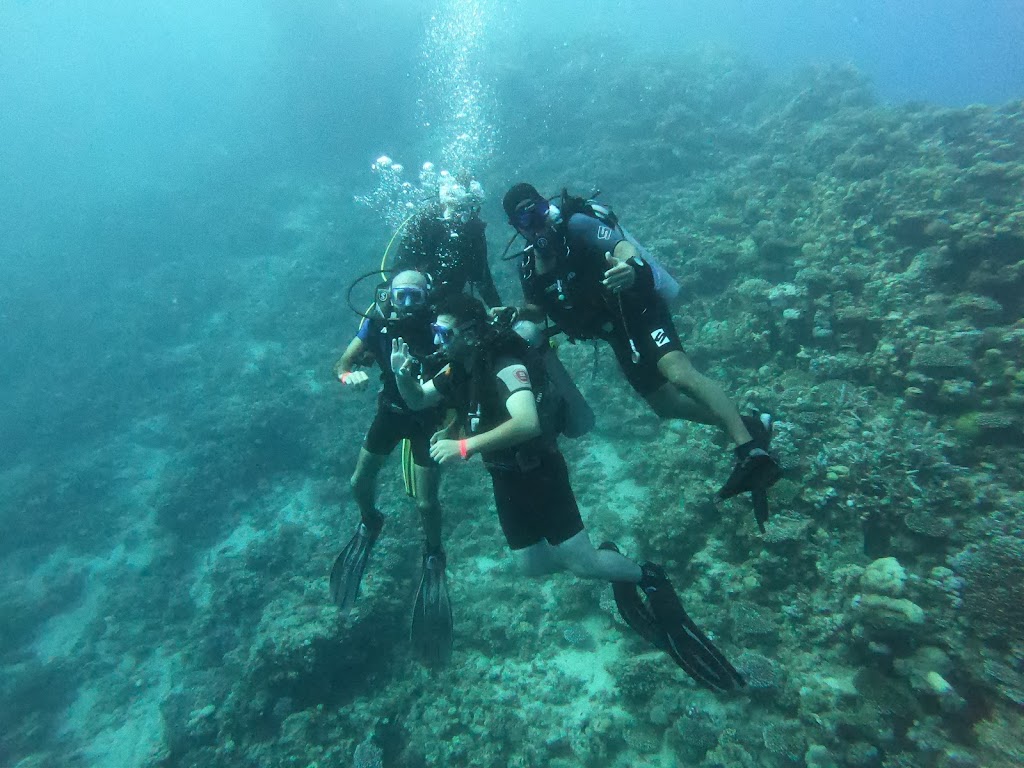
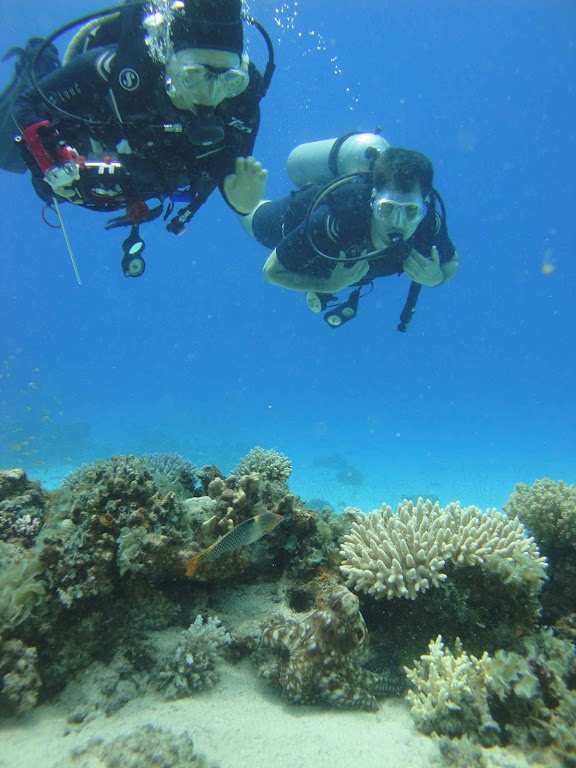
Descending here, divers often experience a sensation of impressive clarity, with visibility frequently reaching 15-30 m (49-98 ft). Water temperature feels invigorating, shifting from the cooler winter averages of 20-24°C (68-75°F) to the warmer summer averages of 25-30°C (77-86°F). While currents are generally mild, a subtle push might be felt, especially within specific channels around the reef structure, requiring awareness. Surge is not typically a factor, contributing to a stable and comfortable dive. Seafloor presents a varied texture of coral, sand, and rock, providing a rich and intricate backdrop. The environment lends itself well to underwater photography; midday lighting is often ideal for capturing the vibrant coral gardens and active schools of fish. Moving through the site, one appreciates the flourishing, active ecosystem thriving amidst the distinctive formations.
Dive Difficulty & Safety Guidelines
For intermediate certified divers, navigating this site safely requires adherence to specific guidelines due to its maximum depth and the potential for strong currents in certain areas. All dives here mandate boat access, so familiarity with boat entry and exit procedures is crucial. Navigating the channel between the Madrepore tower and the main reef requires maintaining situational awareness regarding potential current shifts.
Divers should carry appropriate signaling devices and strictly adhere to their dive guide's instructions. A dive computer and diligent air management are critical for safe navigation of both depth and any drift conditions. Adhering to no-decompression limits is also important for enjoying the site responsibly and safely.
Recommended Equipment
Current and surface separation risk. Local briefing strongly recommended.
- Dive Computer
- DSMB
- Reel / Spool
This gear list is based on verified equipment signals for Napoleon Reef, Egypt. Always confirm final gear choices with your dive operator, guide, or liveaboard.
Recommended Dive Suit
According to recent observations, water temperatures near Napoleon Reef are approximately 28°C (82°F). Surface air temperatures are resting at 36°C (97°F).
Environmental conditions appear stable for the near future.
In water temperatures like these, 2-3mm shorty or light wetsuit typically offers sufficient warmth for most recreational dives. Consider warmer surface protection (like a boat coat) due to brisk winds. Some divers naturally tolerate cooler water better than others. Stronger winds may also make surface intervals feel cooler than usual.
Due to technical issues with our weather providers, live updates are temporarily delayed. The data above reflects the conditions at the time of the last successful fetch.
Emergency & Medical Support
Essential information to help you plan your dive trip to Napoleon Reef.

Hyperbaric chambers are a critical part of dive safety infrastructure. Availability varies significantly by region, and not all dive areas have immediate access.
Before diving, it's recommended to:
- confirm nearest medical facilities
- check emergency procedures with local dive operators
- ensure dive insurance covers evacuation if required
Divers Alert Network
Diving emergency assistance available through DAN Europe.
+39 0642115685- 24/7 emergency hotline
- Diving medical assistance
- Evacuation coordination
Emergency contacts are provided for reference. Always verify local emergency services before diving.
Marine Life at Napoleon Reef
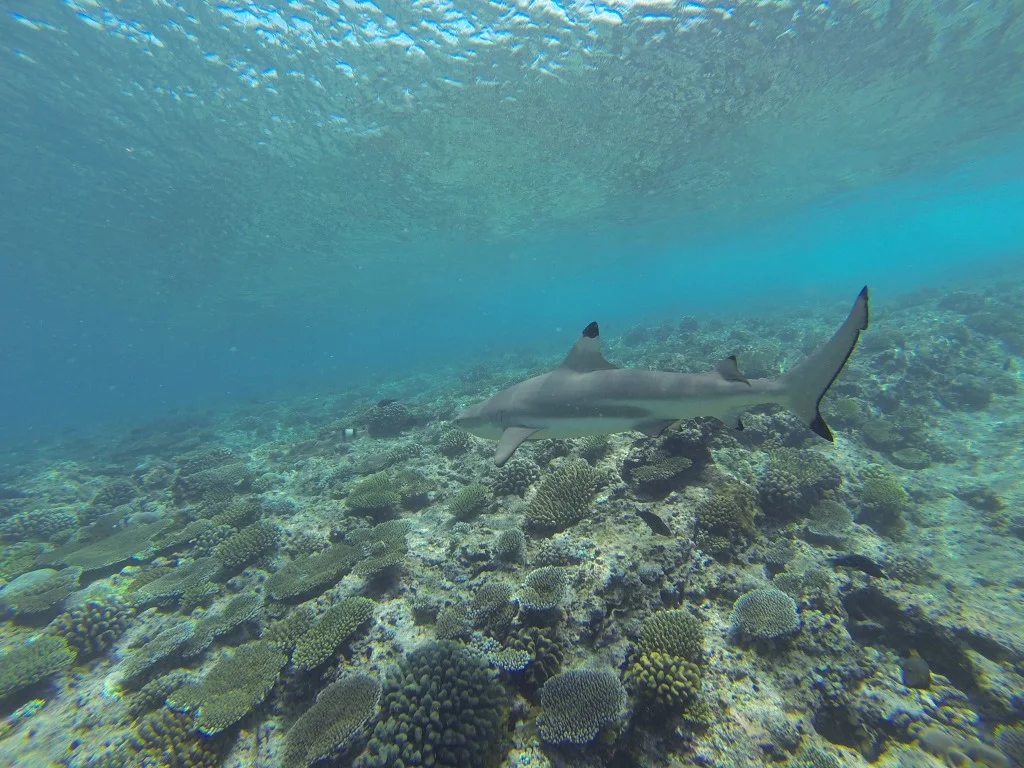
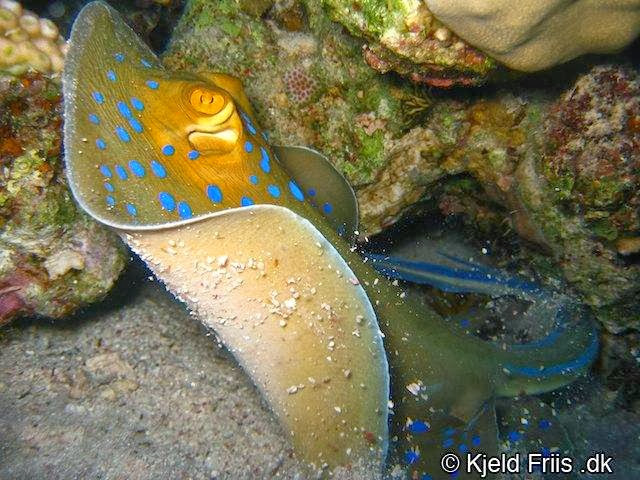
Abundant opportunities await divers to observe diverse marine life here, particularly recognized for the frequent presence of Napoleonfish, which are often spotted navigating the vibrant coral formations. Divers may encounter a wide variety of reef fish, forming colorful schools around the Madrepore tower and other structures.
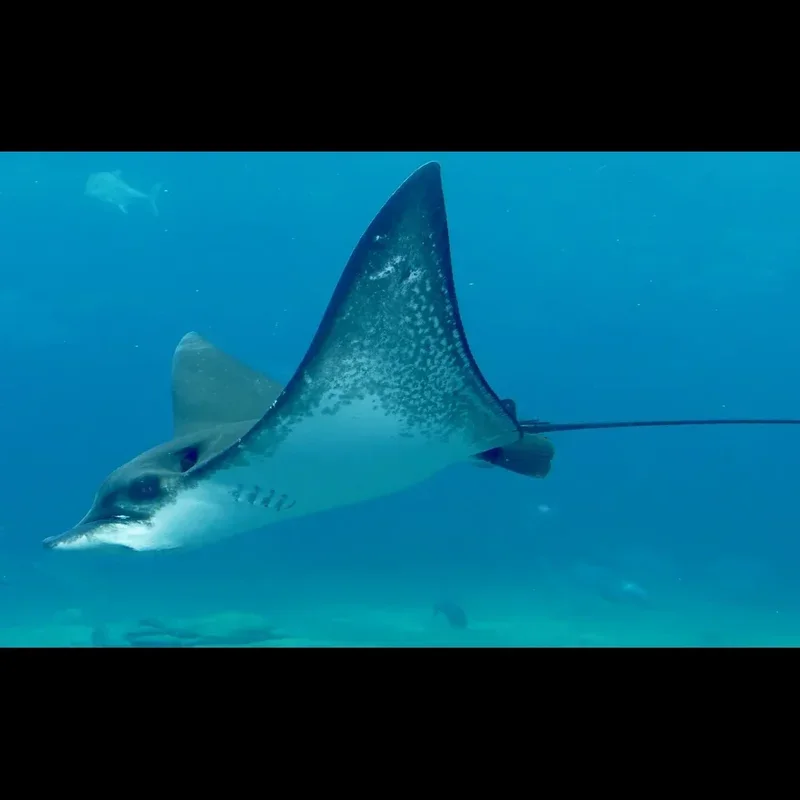
Beyond the reef fish, there's potential to spot larger species like eagle rays and turtles. While not guaranteed, reports also indicate occasional sightings of sharks, whales, and dolphins, adding an element of exciting unpredictability to the dive.
Coral gardens themselves are a highlight, featuring unique and varied types of corals that shelter a flourishing ecosystem.
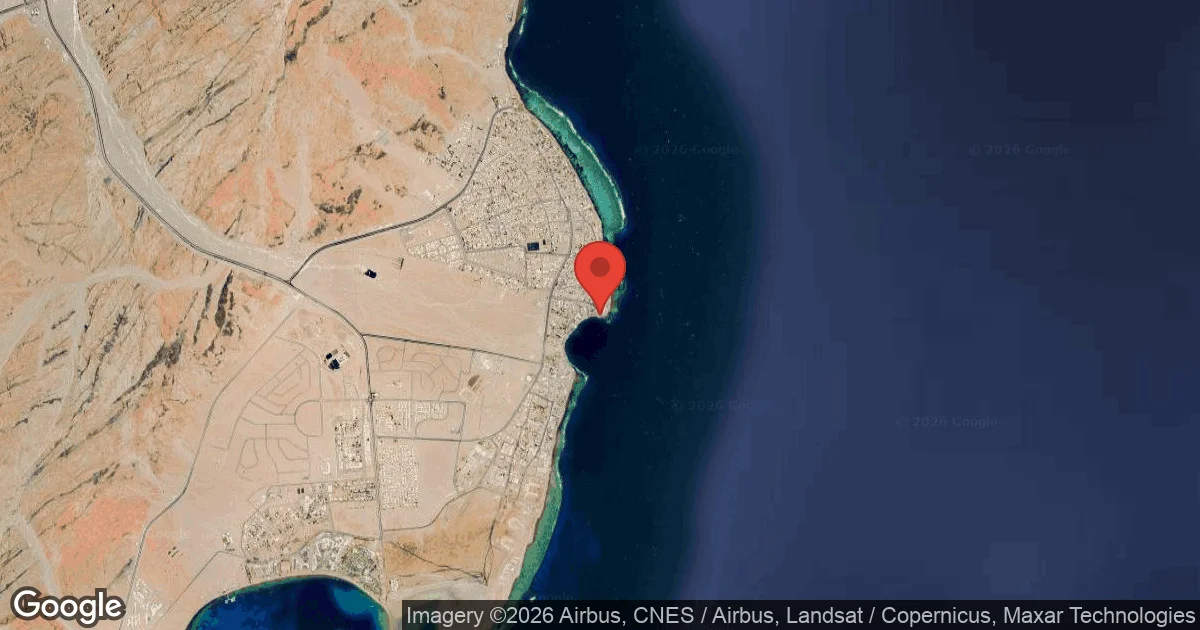
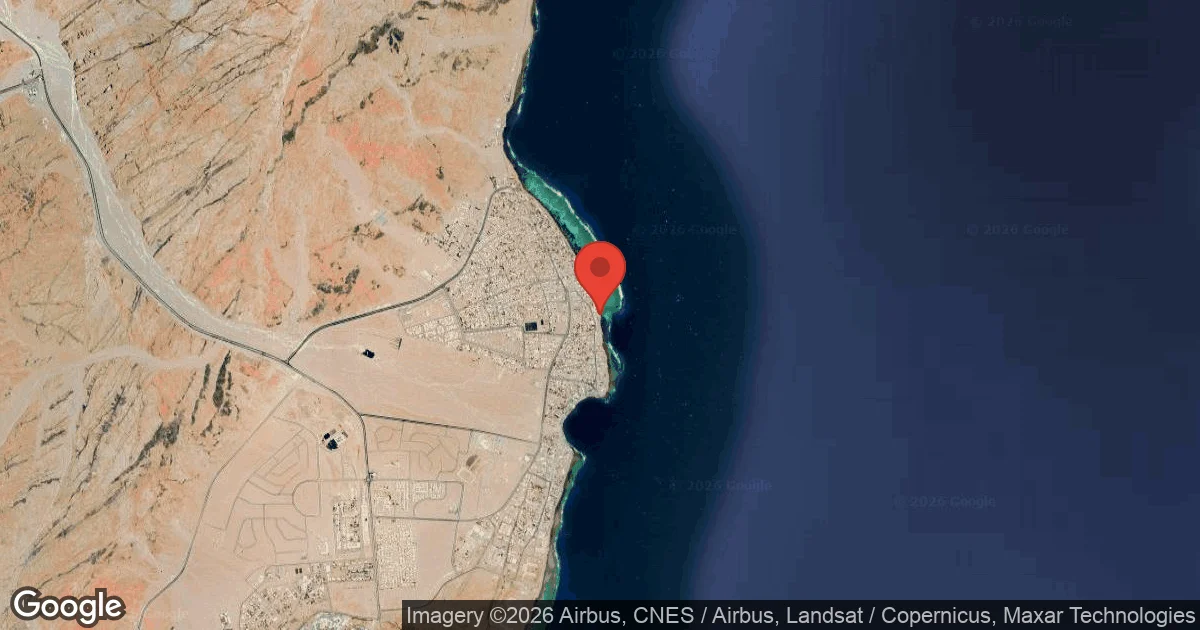
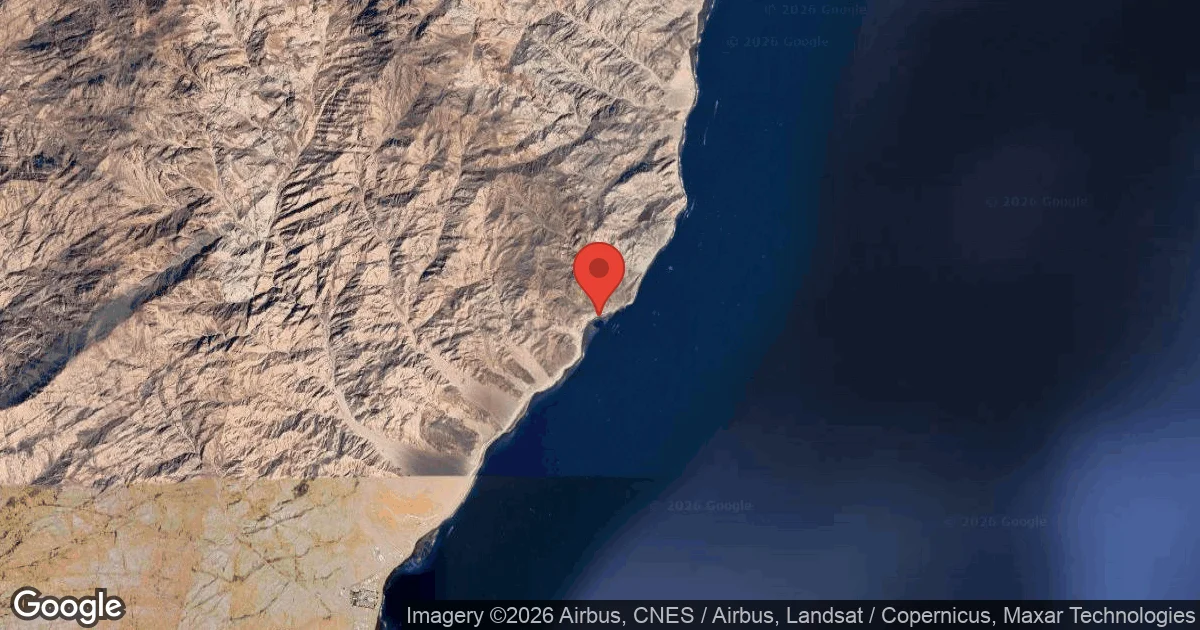
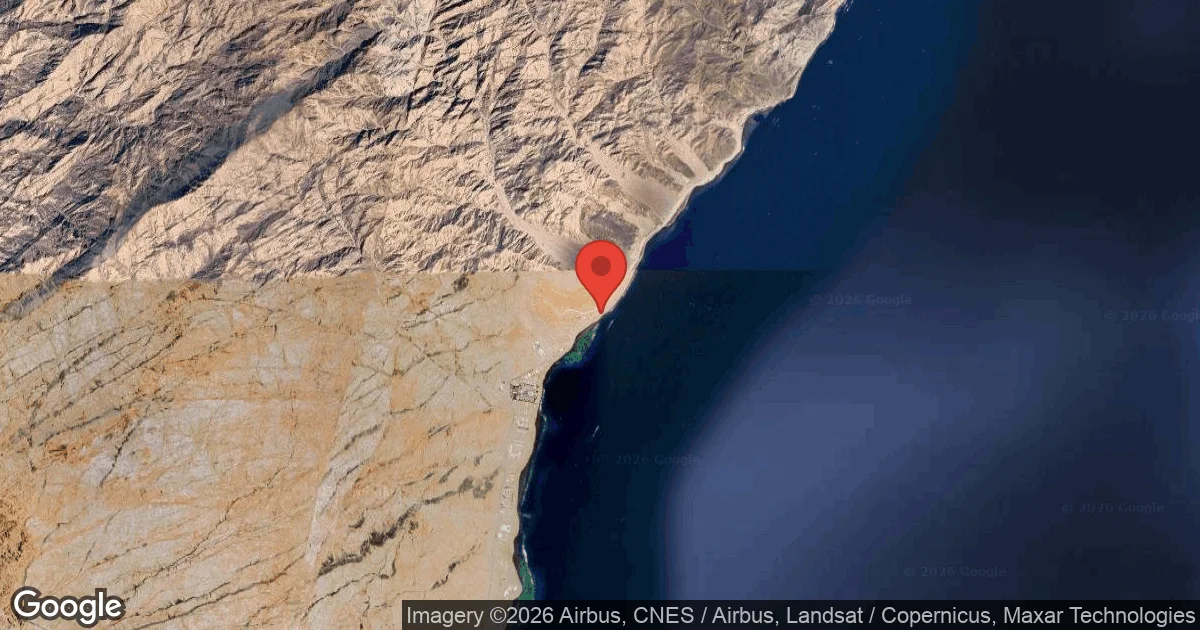
Dive Sites Near Napoleon Reef
View all dive sites in EgyptDiscover more underwater gems in this area.
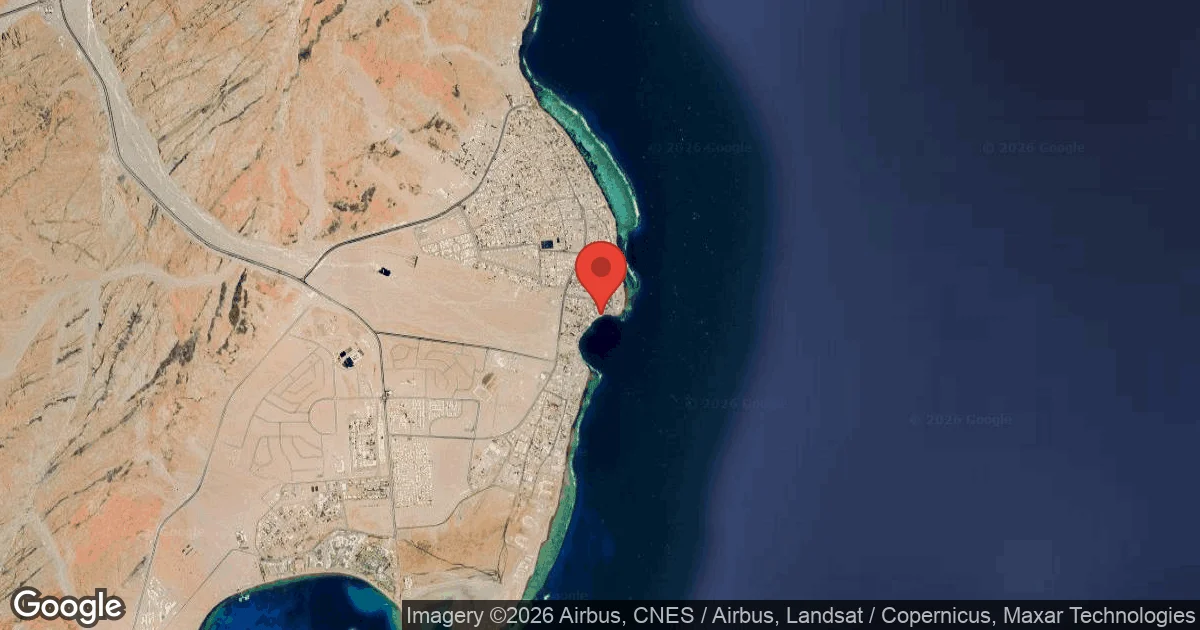
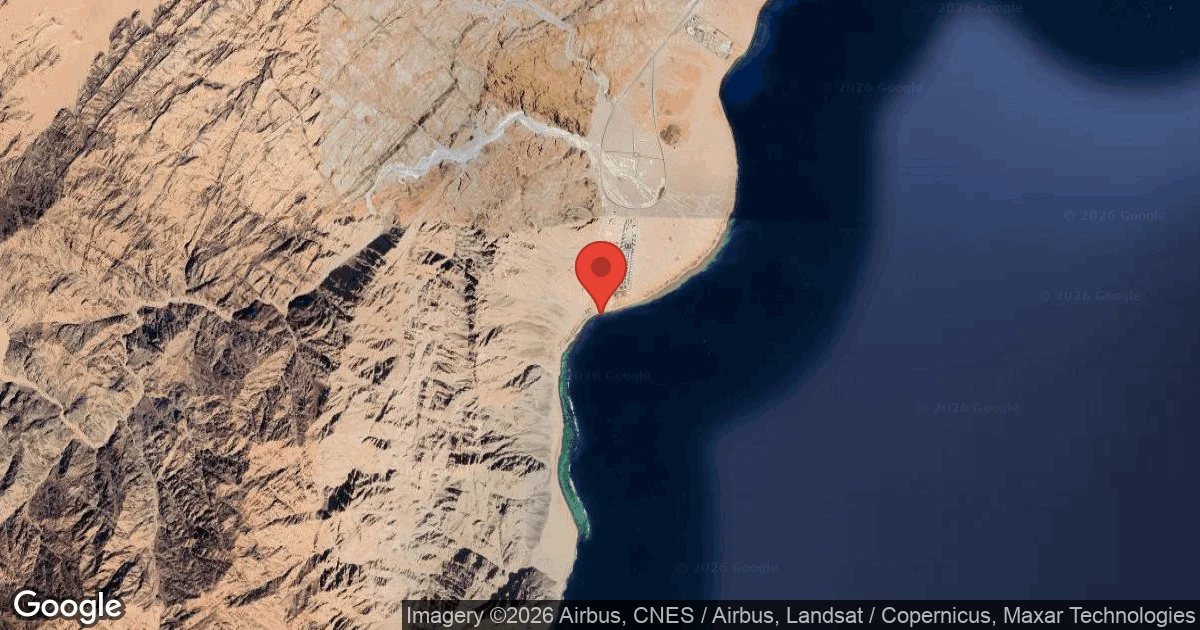
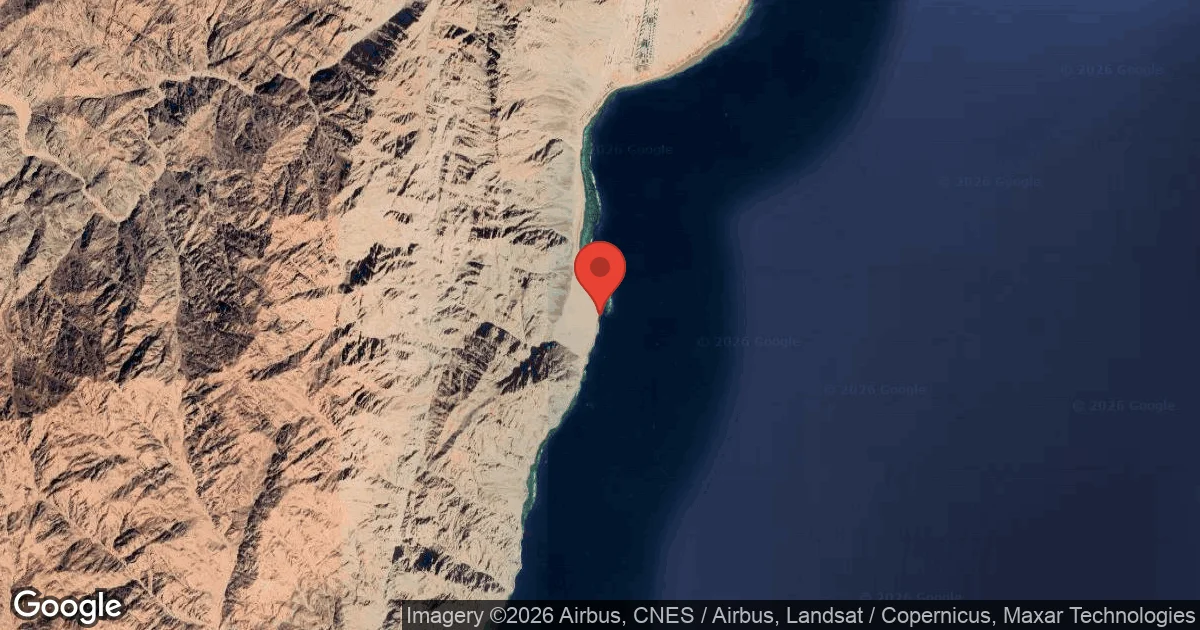
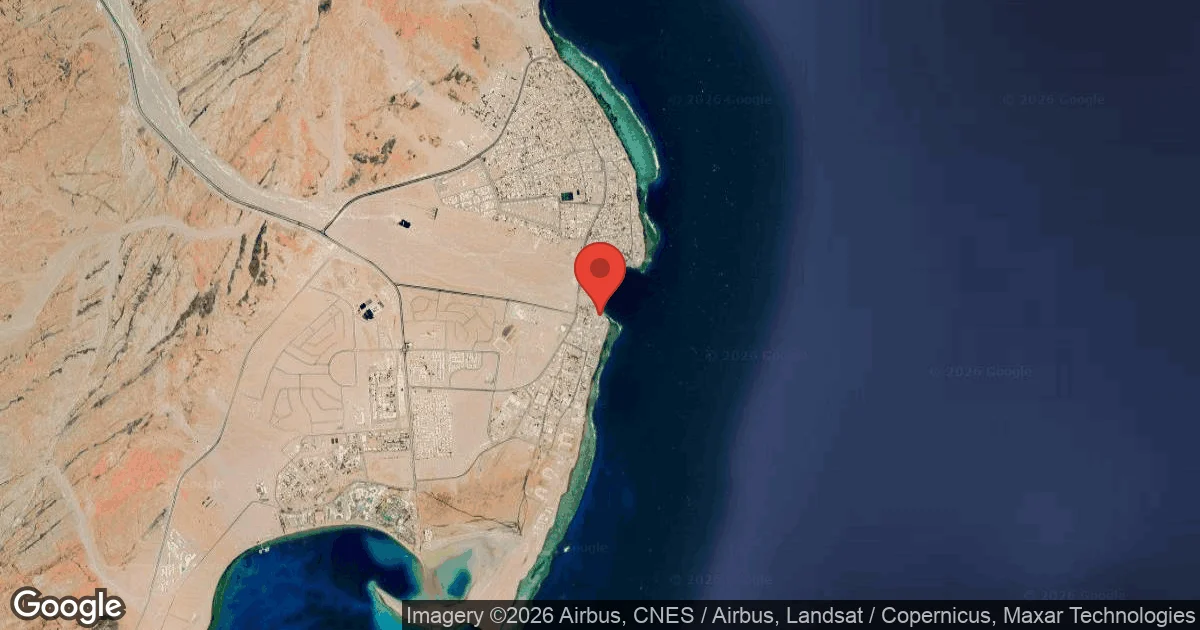
Dive Centers Near Napoleon Reef
Today: 09:00 - 18:00


Nearest Airports
Nearest airports to help plan travel to this dive area.
Search Flights
Check available flights and routes on Expedia, using the nearby airports listed in this section.
Search Flights on ExpediaFrequently Asked Questions
How far is Napoleon Reef from the beach?
It's located approximately 450 meters away from the beach. This distance makes boat or zodiac access the standard approach for diving at the site.
What type of diving is primarily done at Napoleon Reef?
The site offers both drift and reef diving opportunities. Divers navigate around distinct coral formations and can be carried along by currents.
Are strong currents common at Napoleon Reef?
Currents are typically mild, but strong currents can occur in certain areas, particularly within the channels. Divers should be prepared for varying conditions and heed dive guide advice.
What is the maximum depth at Napoleon Reef?
The site reaches depths up to 30 meters, with its base around 20 meters on the sandy seabed.
Is Napoleon Reef suitable for beginner divers?
This site is generally recommended for intermediate divers due to its depth and potential for currents. Beginner divers with appropriate supervision might be able to dive shallower parts but should consult with their dive center.
What marine life can I expect to see?
The site is known for Napoleonfish and plentiful reef fauna. Divers might also spot eagle rays, turtles, and occasionally larger pelagic species such as sharks, whales, or dolphins.
What is the water temperature range throughout the year?
Water temperatures range from 20-24°C (68-75°F) in winter to 25-30°C (77-86°F) in summer. These comfortable temperatures contribute to its popularity for diving.
Planning to dive Napoleon Reef?
Send one inquiry and receive offers directly from the best verified local dive operators.
Conditions are Good
Optimal conditions expected
Current conditions near Napoleon Reef show 36° air, 28° sea temperature, 0.8 m waves, and 37 km/h wind. Forecast data is refreshed regularly to ensure accuracy.