Marine Life

What Divers Should Know About Humphead Wrasse

Learn all about the Humphead Wrasse, including dynamic specs, encounter highlights, habitats, and the best dive sites to find them.
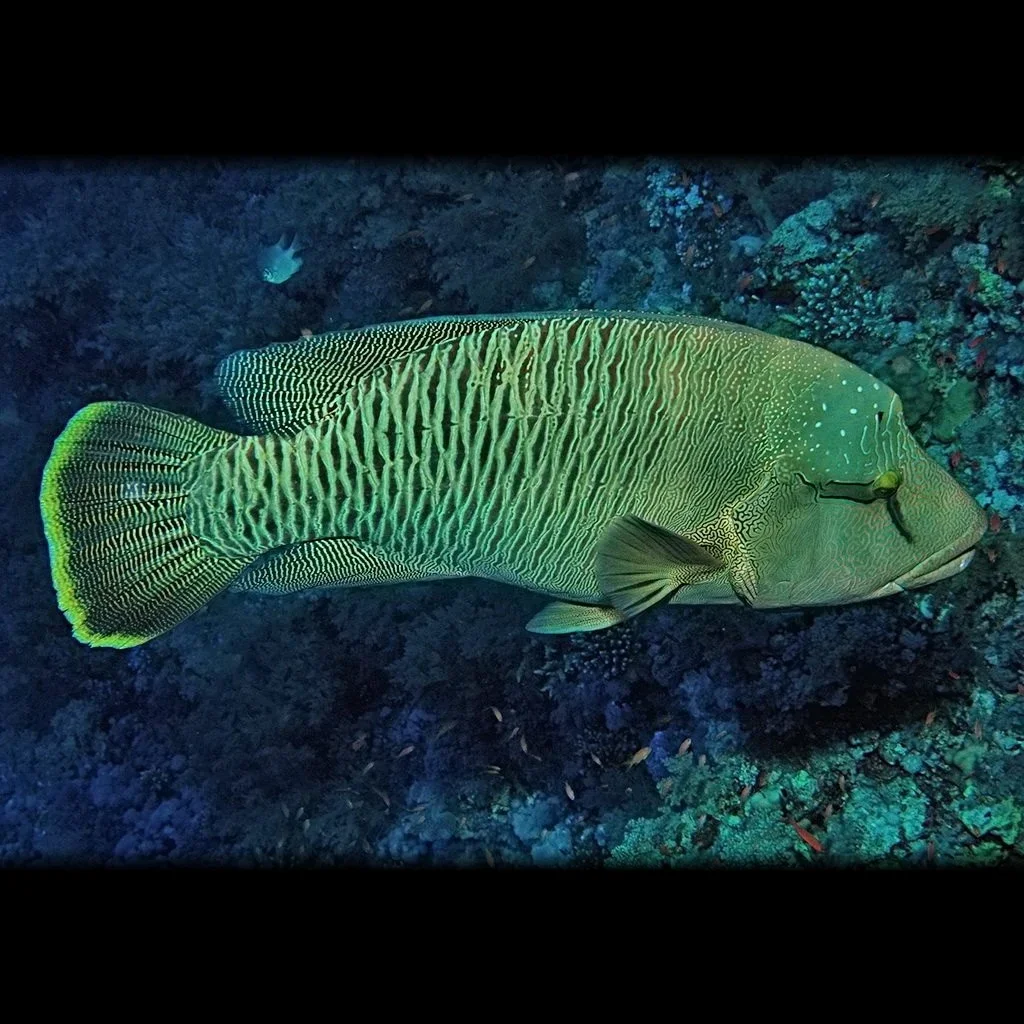
Humphead Wrasse
Scientific Name

/

Size

/

Depth

/

Habitat

/

Conservation

Not Evaluated

Danger Level

/

About the Humphead Wrasse

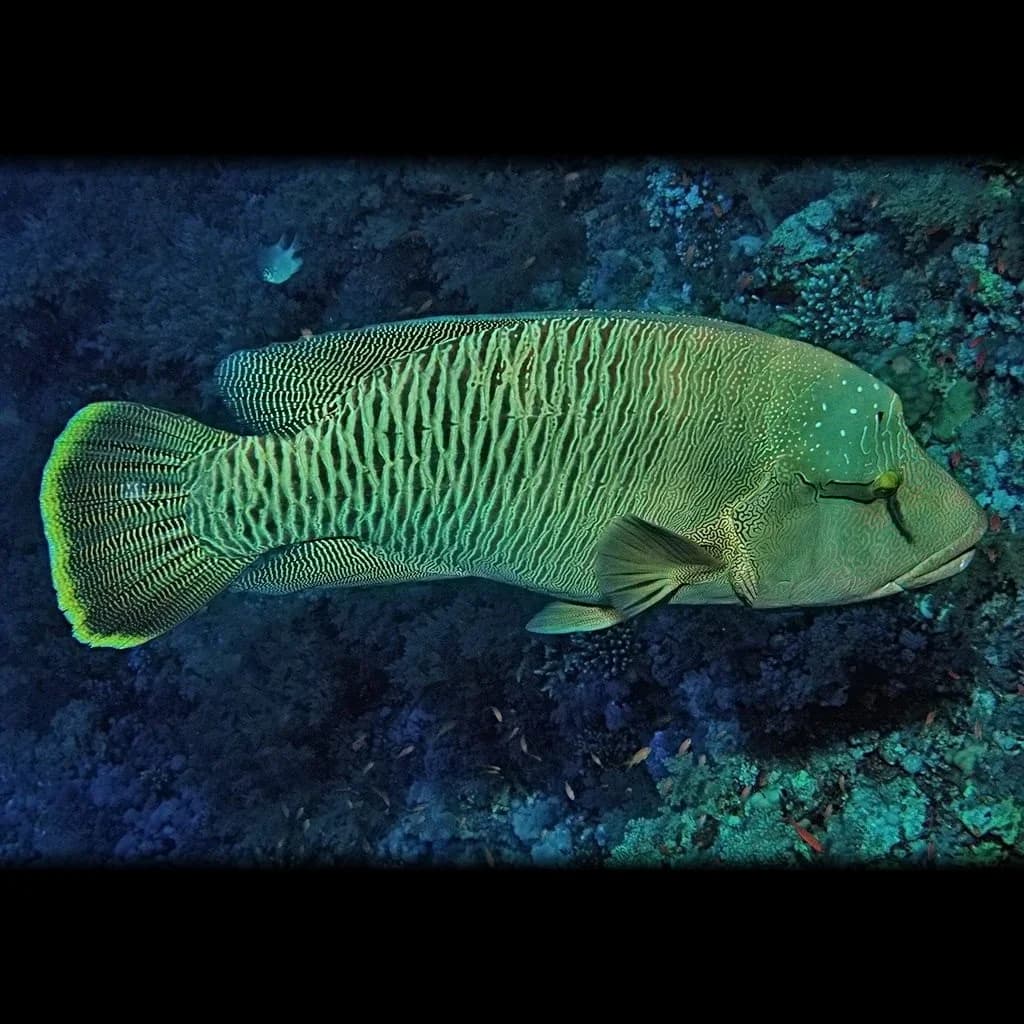
On your dives across the Indo-Pacific, encountering a Napoleon Wrasse is a truly memorable event. This magnificent fish, also known as the Humphead Wrasse, stands out as the largest species in the wrasse family. Its sheer size is often the first giveaway, with males reaching impressive lengths up to 229 centimeters and weighing over 190 kilograms, though most adults encountered average around 60 centimeters. Look for its distinctive thick lips, two prominent black lines behind the eyes, and a noticeable hump on the foreheads of larger individuals. Their coloration ranges from an olive hue to striking shades of green and purplish-blue, often adorned with yellow undulating lines on the head.

These giants are primarily found thriving on vibrant coral reefs, particularly favoring offshore and deeper sections like outer-reef slopes, channels, and deeper lagoon areas at depths typically ranging from 2 to 60 meters. While you might spot a lone individual gracefully patrolling the reef, it's also common to observe them in male-female pairs or small groups. As top predators, they play a crucial role in maintaining reef health, often feeding on invertebrates including the formidable crown-of-thorns starfish. These long-lived creatures can grace our reefs for around 30 years, making each sighting a special glimpse into a resilient reef ecosystem.

Where You Can See Humphead Wrasse

Detailed regional distribution data for Humphead Wrasse is not available yet. This species may still appear on related dive site pages when local sightings or habitat information are available.

Dive Sites with Humphead Wrasse

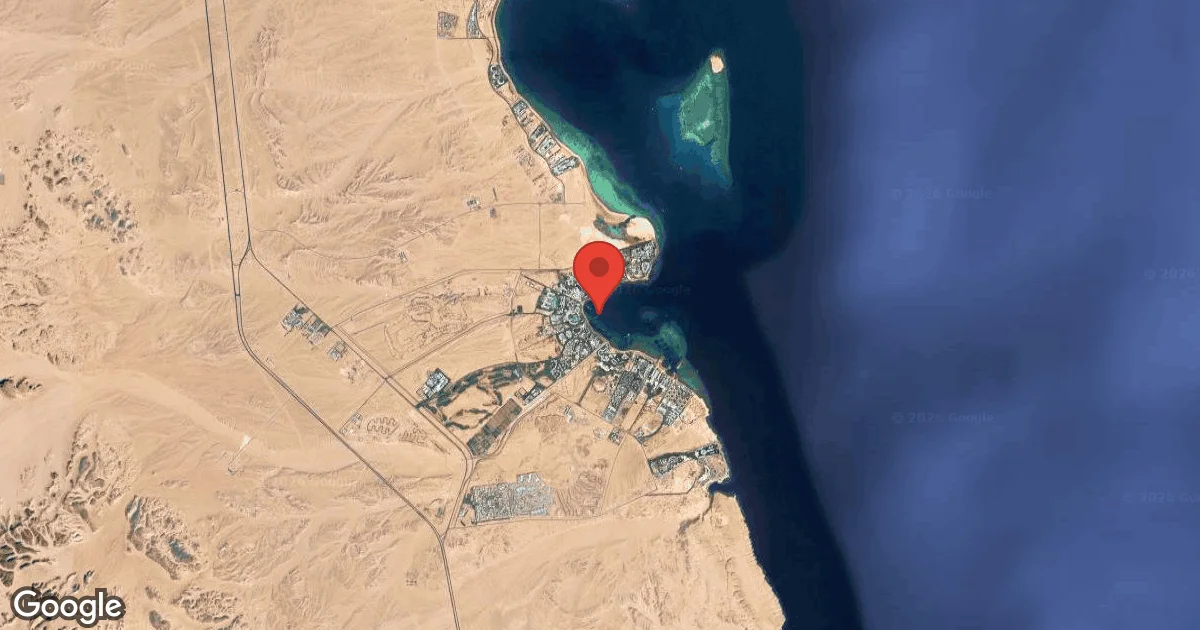
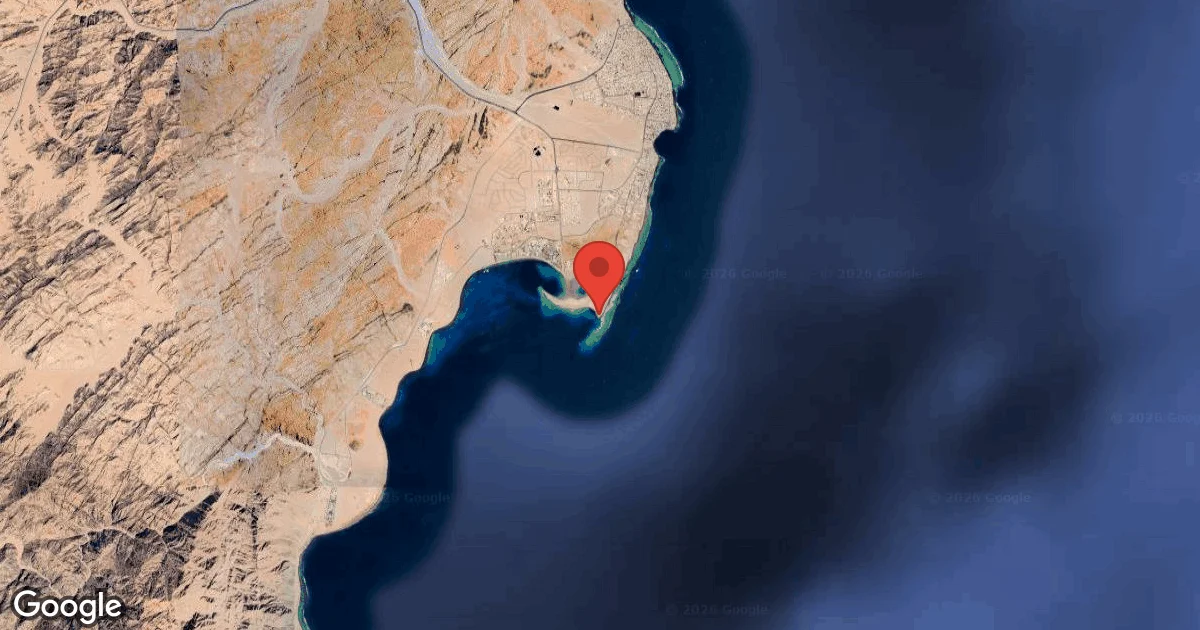
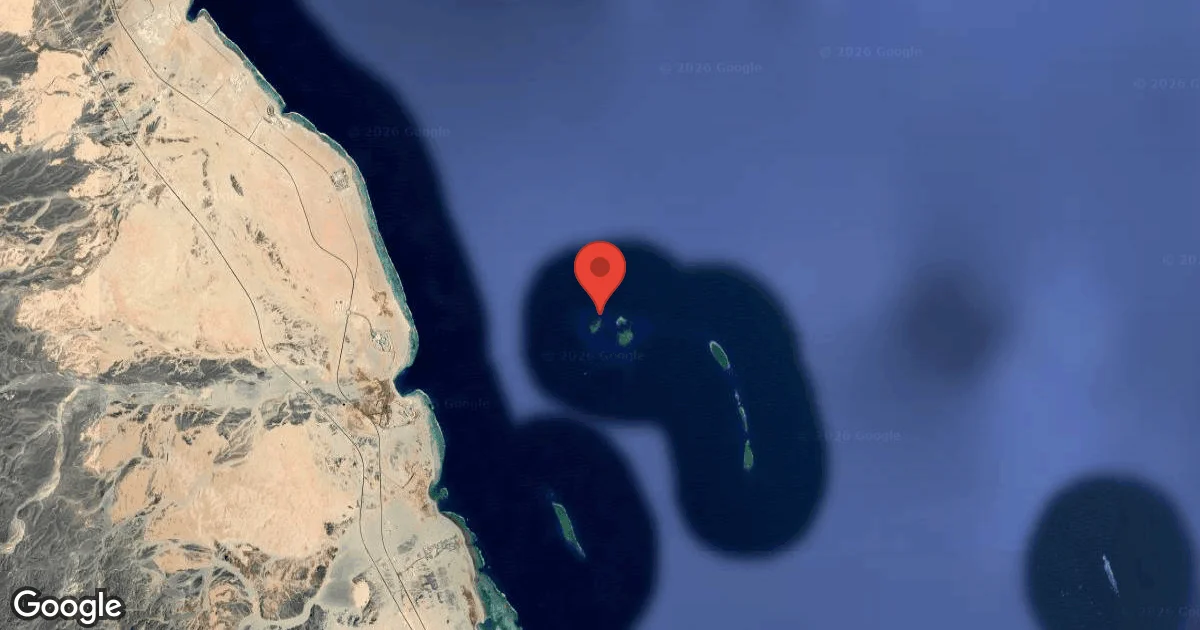
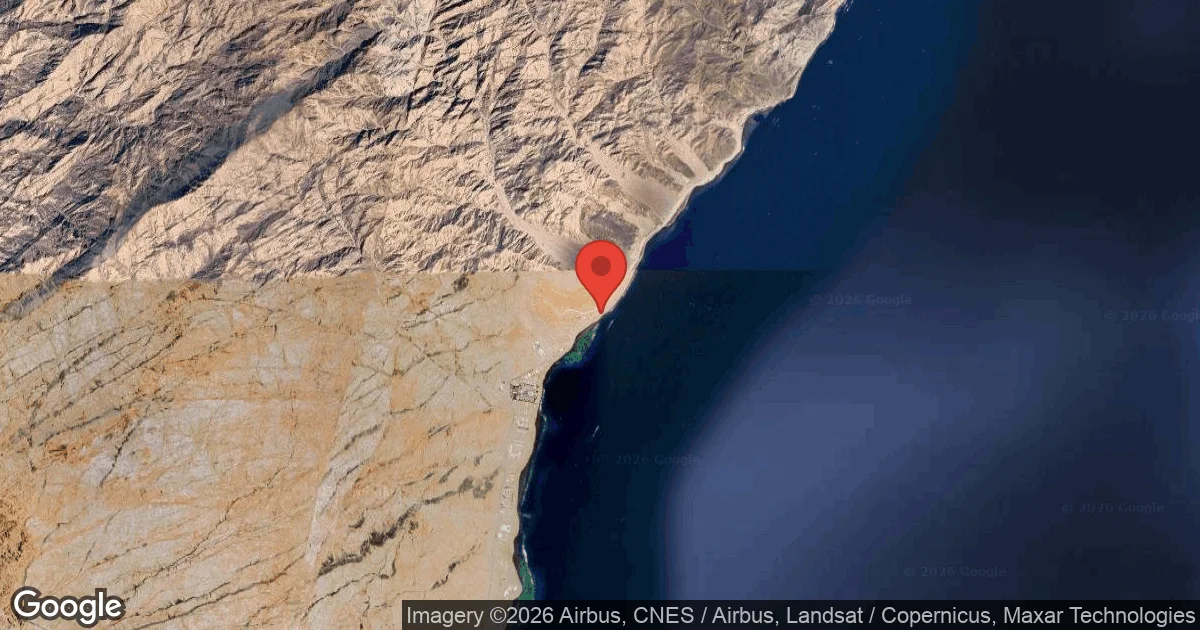
Discover 12 of 75 breathtaking locations where you can encounter this species.
Related Marine Life

Explore other incredible species you can encounter on your diving adventures.