
Diving at The Blue Hole (Egypt)
Egypt's Blue Hole became a prominent diving destination after the Israeli occupation of the Sinai Peninsula ended in 1979. Its diving history began in 1968, when Alex Shell led a group of Israeli divers in the first exploration of the hole with modern scuba gear. During their pioneering dive, they located the site's most distinctive feature: an underwater arch.
As evening covers The Blue Hole, the local air temperature is measured at 32.5°C. The current wave height at the surface is recorded at 0.7 m. These late-day readings characterize the surface conditions for the night.
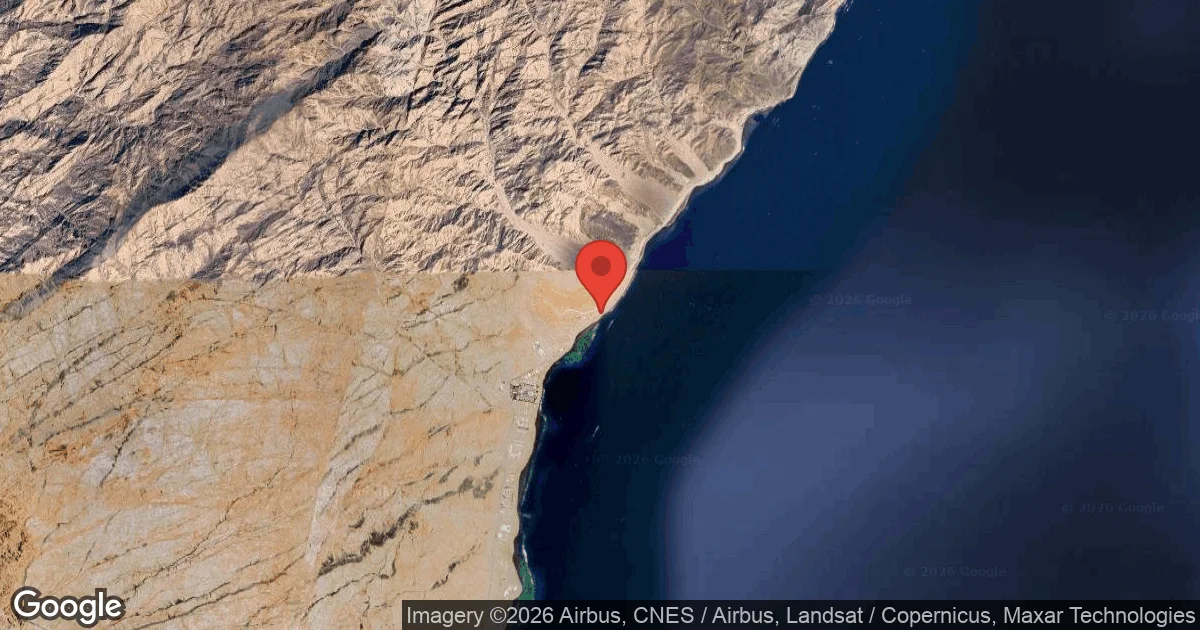
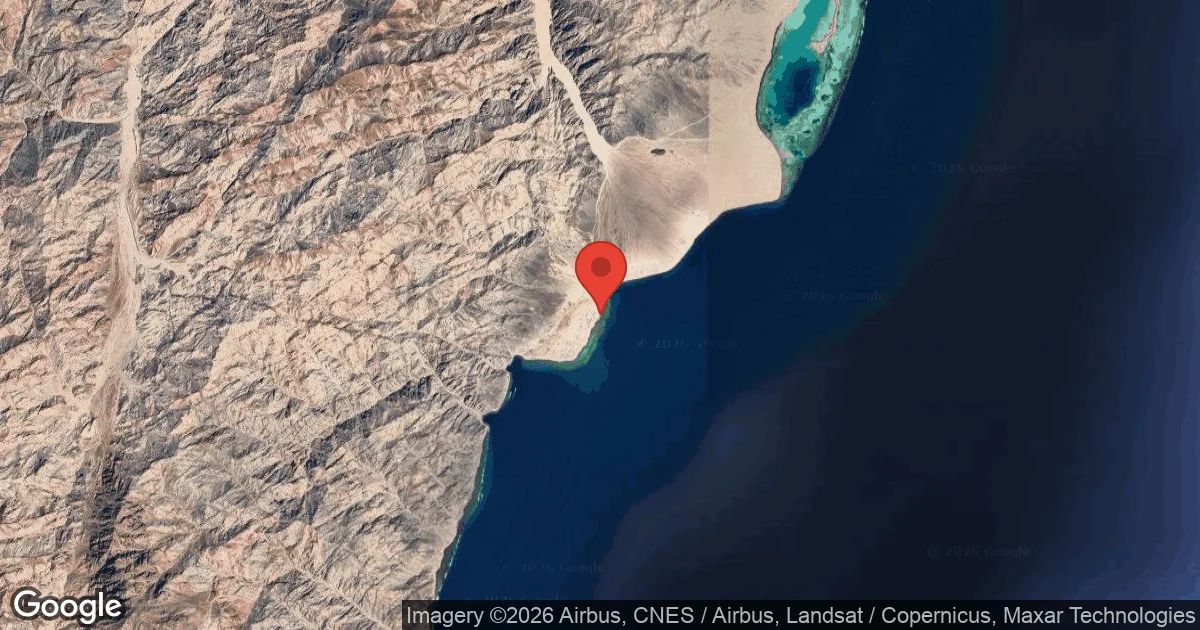
Dive Site Location & Key Facts
Dive Site Overview
This iconic submarine sinkhole presents a distinct topography, featuring a maximum depth within the hole of just over 100 m (330 ft). A shallow opening, approximately 6 m (20 ft) deep, connects the hole to the open sea; this area is known as "the saddle." Below this, at a ceiling depth of 55 m (180 ft), lies "the Arch," a 26 m (85 ft) long tunnel.
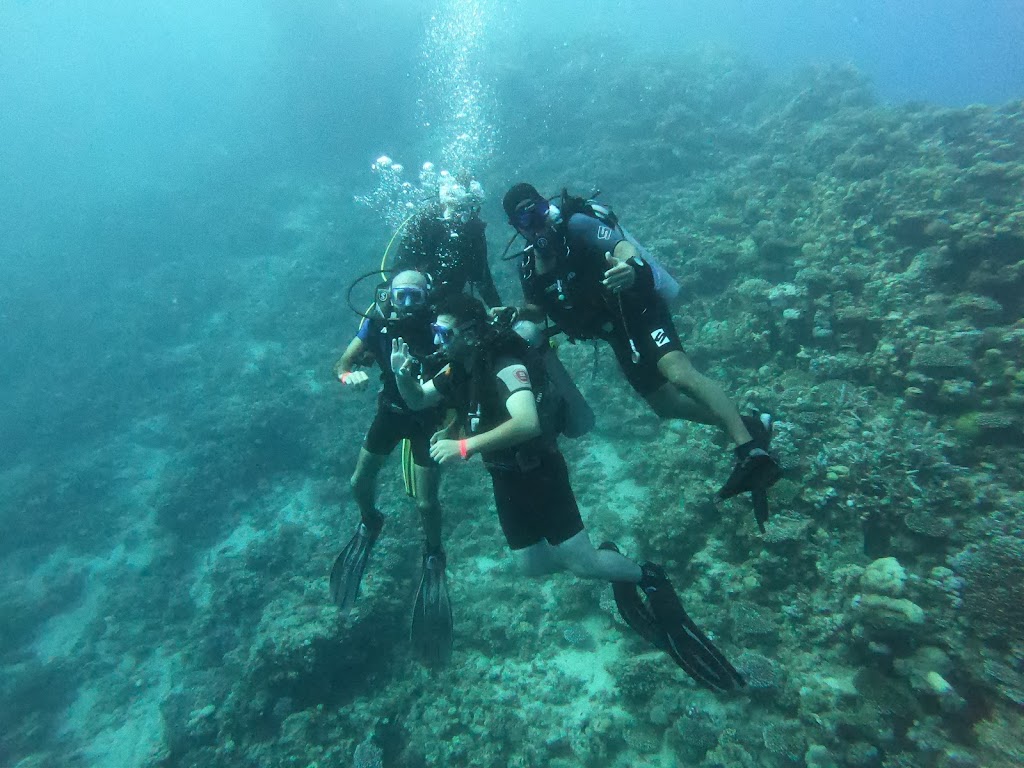
While the interior offers limited visual interest for recreational divers beyond its seemingly bottomless depths, the vibrant outer reef walls, stretching both north and south, provide extensive exploration opportunities. Many recreational divers opt for the popular Bells to Blue Hole drift dive, starting from a shore entry point north of the main hole. Divers descend a natural chute known as "the Bells," then follow the reef wall, typically ascending as they progress south.
This profile concludes by crossing the coral saddle at 7 m (23 ft) and entering the Blue Hole itself for safety stops. Technical divers, however, often descend directly into the Blue Hole, crossing through the Arch at depths around 56 m (184 ft) to venture into the dramatic blue beyond, where the reef wall plunges far deeper toward the seabed.
Conditions are Good
Optimal conditions expected
Current conditions near The Blue Hole show 32° air, 28° sea temperature, 0.8 m waves, and 38 km/h wind. Forecast data is refreshed regularly to ensure accuracy.
Best Time to Dive
Visiting the Blue Hole is possible throughout the year, with various seasons offering different conditions. The shoulder seasons, generally from March to May and September to November, are often recommended; air temperatures are more comfortable during these periods, and dive site crowding tends to be less. During the cooler months of January and February, air temperatures average around 19°C (66°F), while the summer months of July and August can see averages soar to 35-36°C (95-97°F). Rainfall across the year is consistently minimal, with most months reporting less than 0.5 mm, ensuring dry conditions. While average wave heights can reach up to 0.7m (2.3 ft) on the outer reef, the Blue Hole itself is largely sheltered by its outer reef wall, resulting in currents and waves that range from mild to non-existent within the hole.
PEAK SEASON SCORE
Scores combine air & water temps, waves, wind & rainfall for overall conditions.
BEST MONTHS TO DIVE
Monthly records compiled from satellite and marine observation nodes over the last 3 years. Data provided by Open-Meteo and MET Norway.
Dive Experience & Conditions
The dive site's varied depth profile caters to a broad range of certified divers, from recreational to advanced technical. For recreational divers holding an Advanced Open Water certification (allowing dives to 30 m / 100 ft) or CMAS**, the primary experience involves wall diving along the outer reef, often accessed via the Bells entry point. This route typically involves a descent into a chute, followed by a drift along the reef face, culminating in a shallower crossing over the 7 m (23 ft) coral saddle back into the Blue Hole for a safety stop. Technical divers, possessing TDI Extended Range or CCR Mixed Gas certifications, typically initiate their descent within the Blue Hole itself. Their objective often involves crossing the Arch at approximately 56 m (184 ft) into the deeper blue, with options to explore further at depths of 65 m (213 ft), 75 m (246 ft), 90 m (295 ft) or more, extending along the seabed or the northern and southern plateaus. Visibility in the area consistently maintains good levels.
Dive Difficulty & Safety Guidelines
Diving at the Blue Hole necessitates strict adherence to safety protocols and appropriate certification due to its reputation for diver fatalities. Recreational divers must hold a minimum of Advanced Open Water (AOW) or CMAS** certification, allowing dives to a maximum recreational depth of 30 m (100 ft). Prior to any dive at the Blue Hole, local dive centers mandate a check-dive on their house reef.
For technical exploration, especially ventures through the Arch or into deeper sections, a minimum of TDI Extended Range or TDI CCR Mixed Gas certification is required, along with a mandatory technical check-dive. All divers must respect the site's operating hours; access to the water begins at 8 AM, and everyone must exit the water and depart the area before 4 PM.
Recommended Equipment
Technical depth range. Advanced planning, gas management, and appropriate certification required.
Current and surface separation risk. Local briefing strongly recommended.
- Dive Computer
- DSMB
- Primary & Backup Lights
- Reel / Spool
- Hard-soled Dive Boots
This gear list is based on verified equipment signals for The Blue Hole, Egypt. Always confirm final gear choices with your dive operator, guide, or liveaboard.
Recommended Dive Suit
In these water temperatures, 2-3mm shorty or light wetsuit is a common choice for recreational diving. Consider warmer surface protection (like a boat coat) due to brisk winds. Longer dive profiles can make thermal protection more important than short exploratory dives.
The waters surrounding The Blue Hole are currently maintaining temperatures close to 28°C (82°F). Surface air temperatures are resting at 32°C (90°F).
Temperatures look set to gradually increase over the next several days. A warming trend is expected over the next few days.
Emergency & Medical Support
Essential information to help you plan your dive trip to The Blue Hole.

Hyperbaric chambers are a critical part of dive safety infrastructure. Availability varies significantly by region, and not all dive areas have immediate access.
Before diving, it's recommended to:
- confirm nearest medical facilities
- check emergency procedures with local dive operators
- ensure dive insurance covers evacuation if required
Divers Alert Network
Diving emergency assistance available through DAN Europe.
+39 0642115685- 24/7 emergency hotline
- Diving medical assistance
- Evacuation coordination
Emergency contacts are provided for reference. Always verify local emergency services before diving.
Marine Life at The Blue Hole
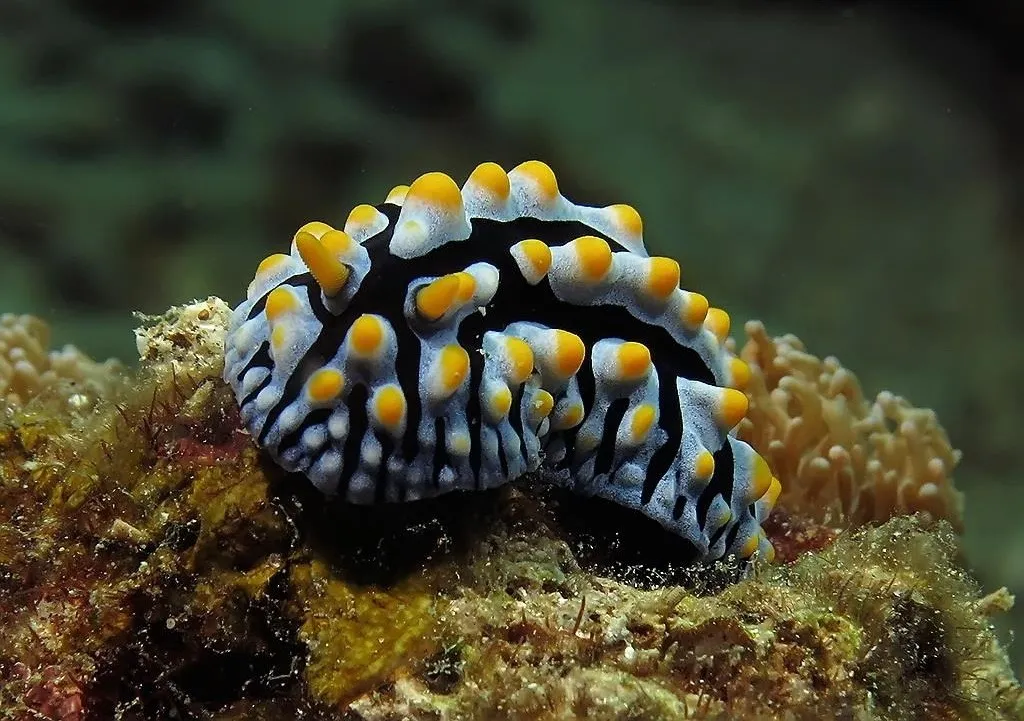
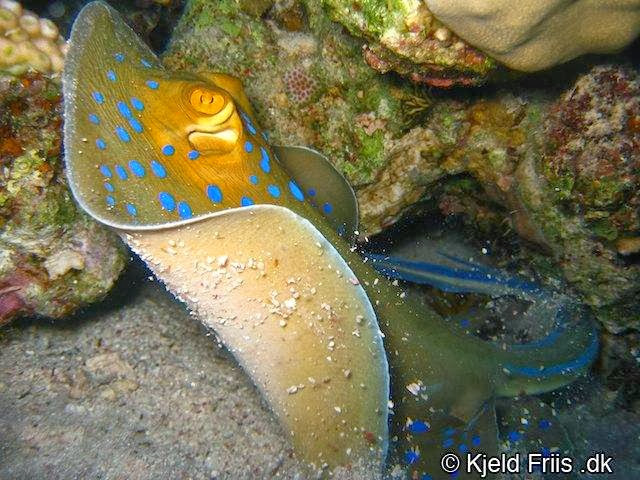
Beyond its striking geological formations, the Blue Hole and its surrounding reefs host a rich array of marine organisms. Within the reef structure, divers commonly encounter various invertebrates like boxer shrimp, nudibranchs, and octopus.
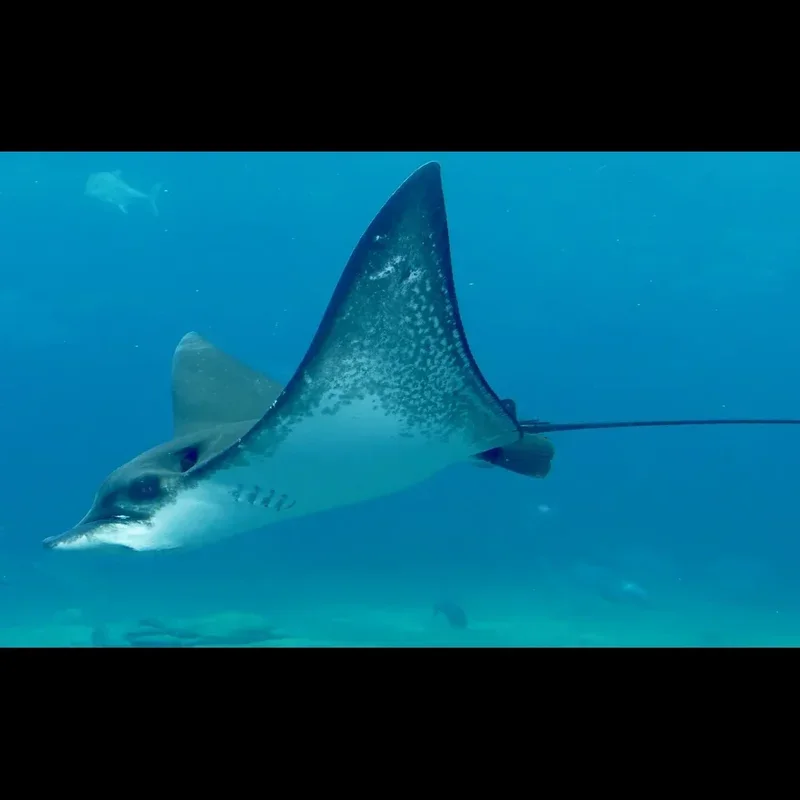
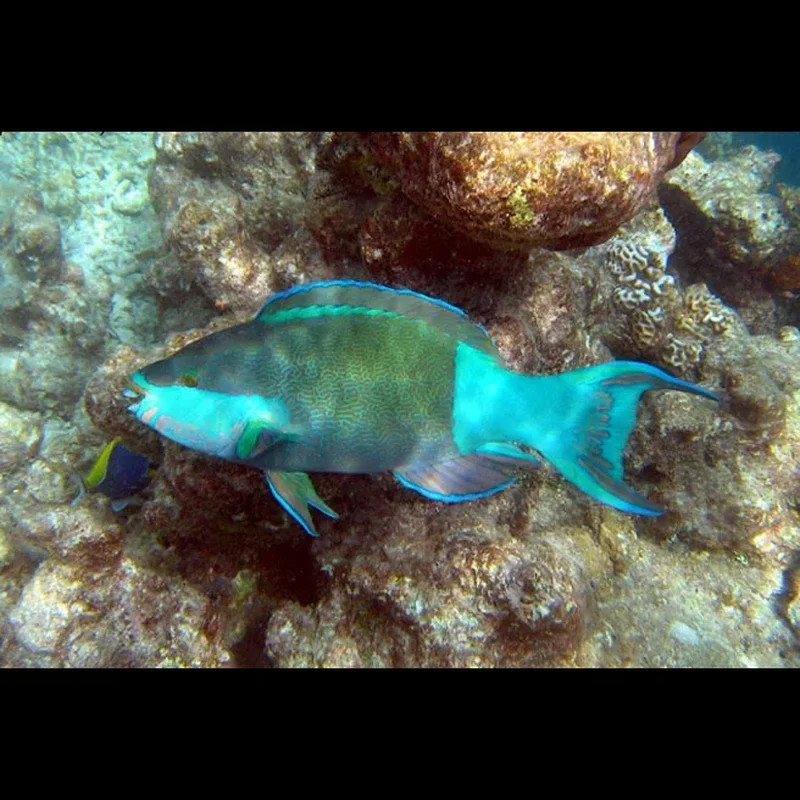
The vibrant coral gardens are home to diverse fish populations, including clouds of orange and purple anthias and colorful schools of parrotfish. Out in the open water along the outer reef, there's always a chance to spot larger pelagic species; whale sharks, dolphins, eagle rays, and tuna have all been observed here.
Reports also indicate sightings of unique species such as the Mola Mola at deeper technical diving depths.

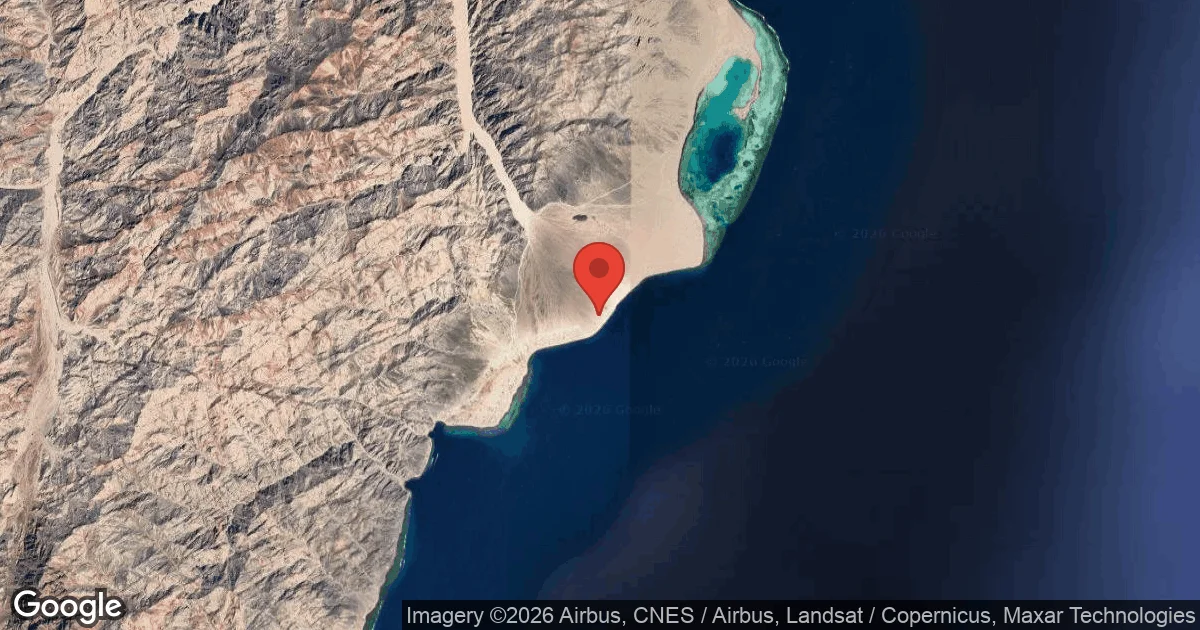
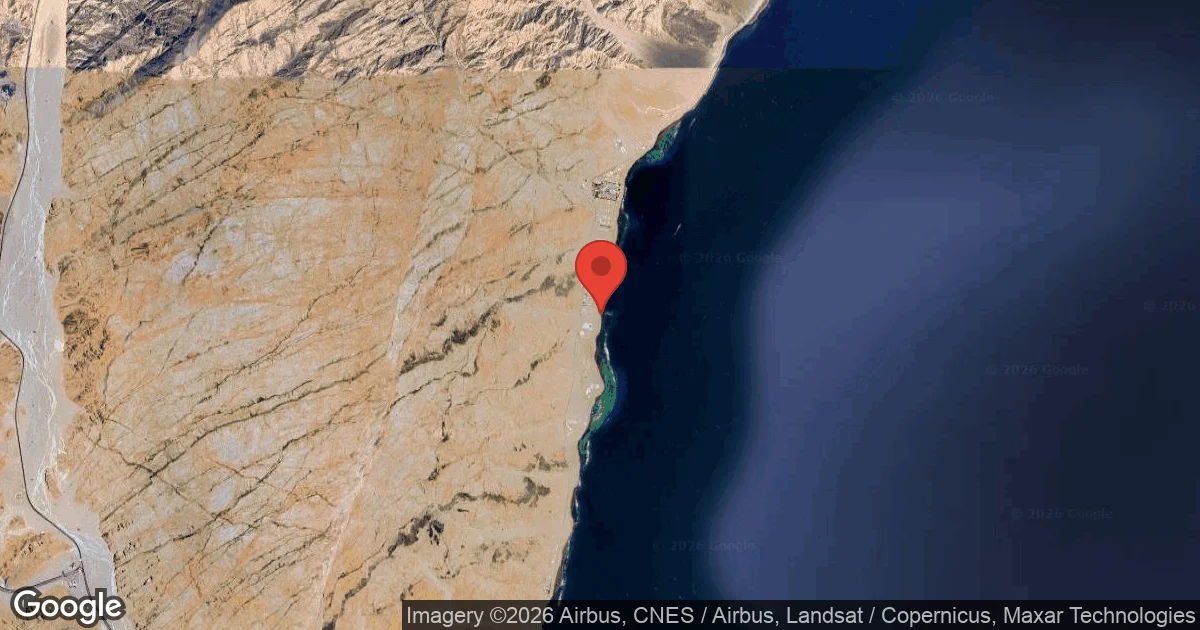
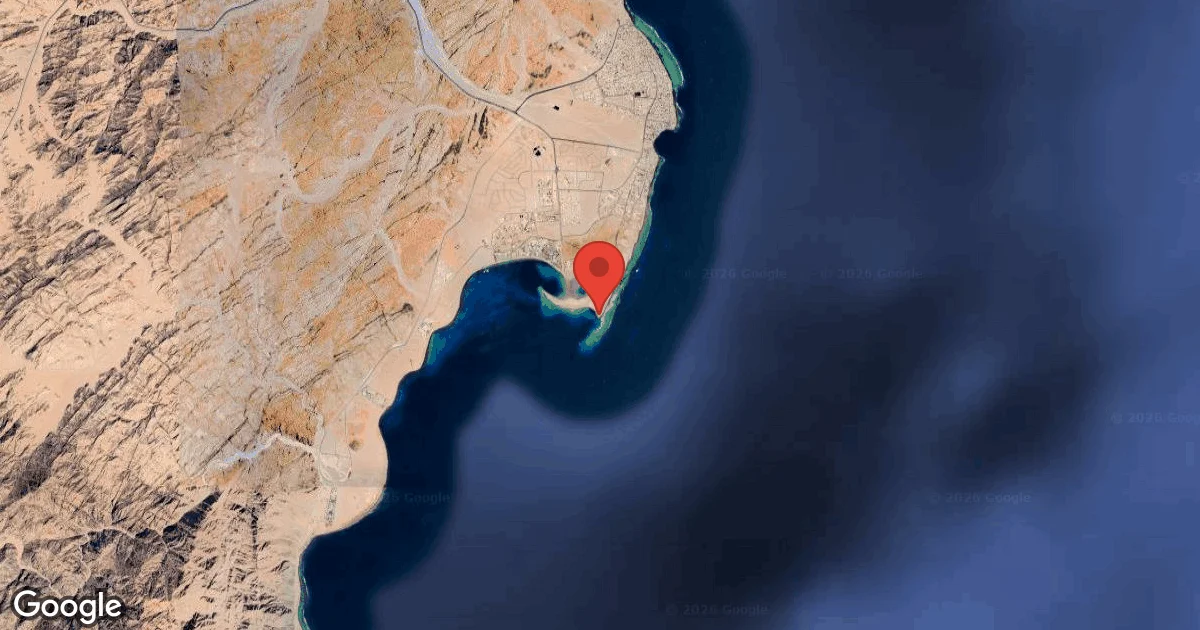
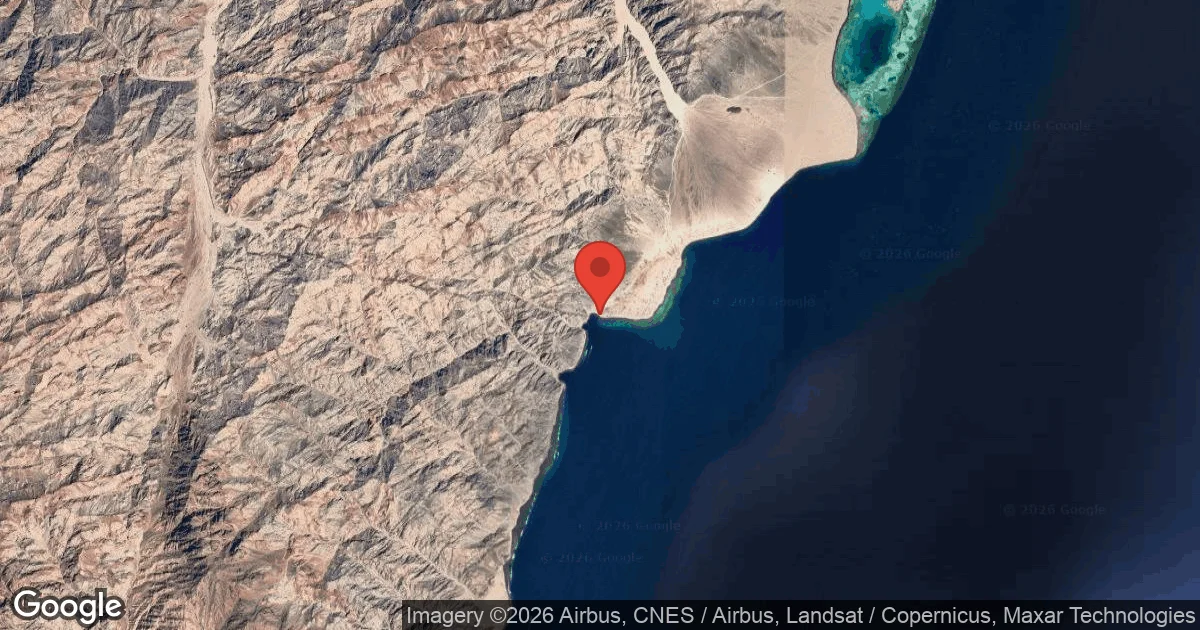
Dive Sites Near The Blue Hole
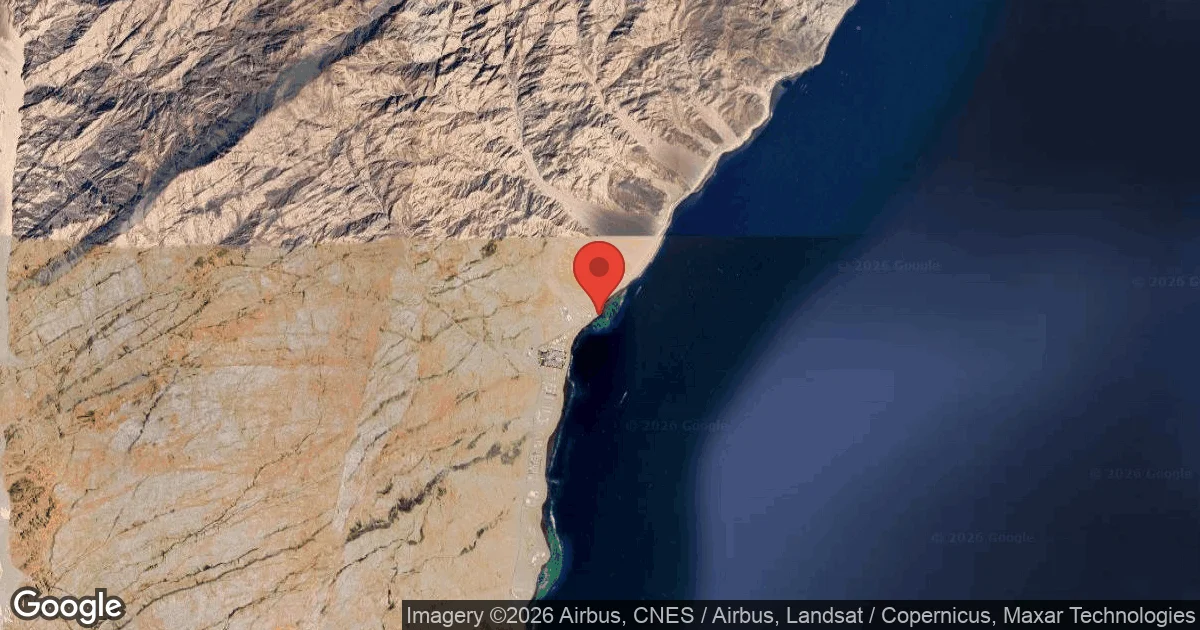
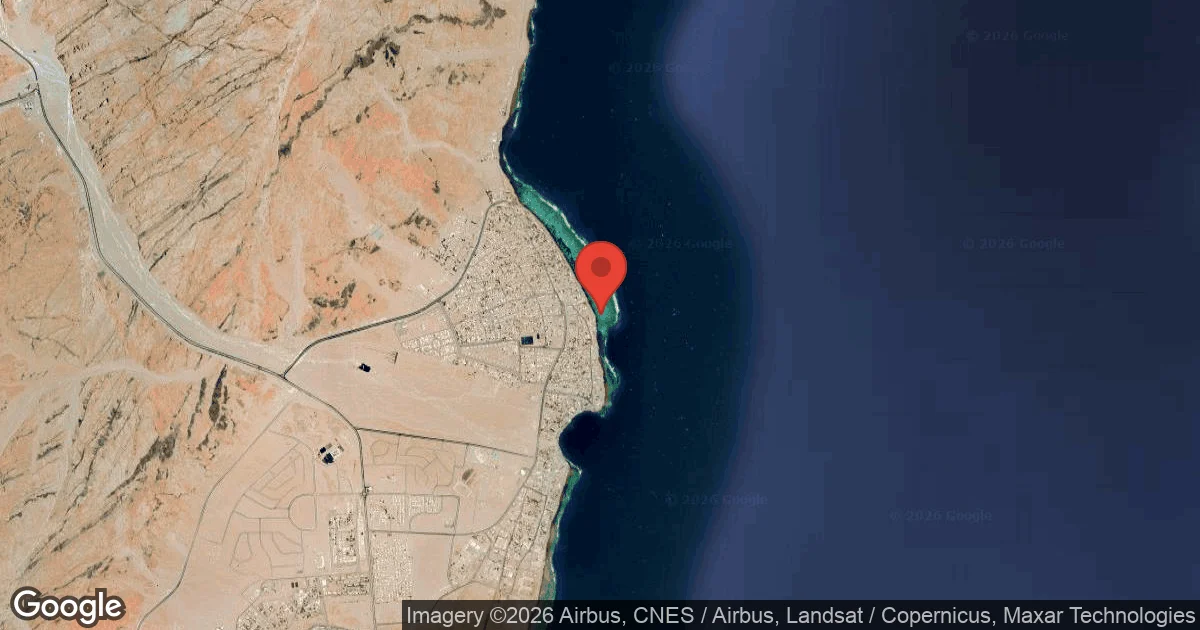
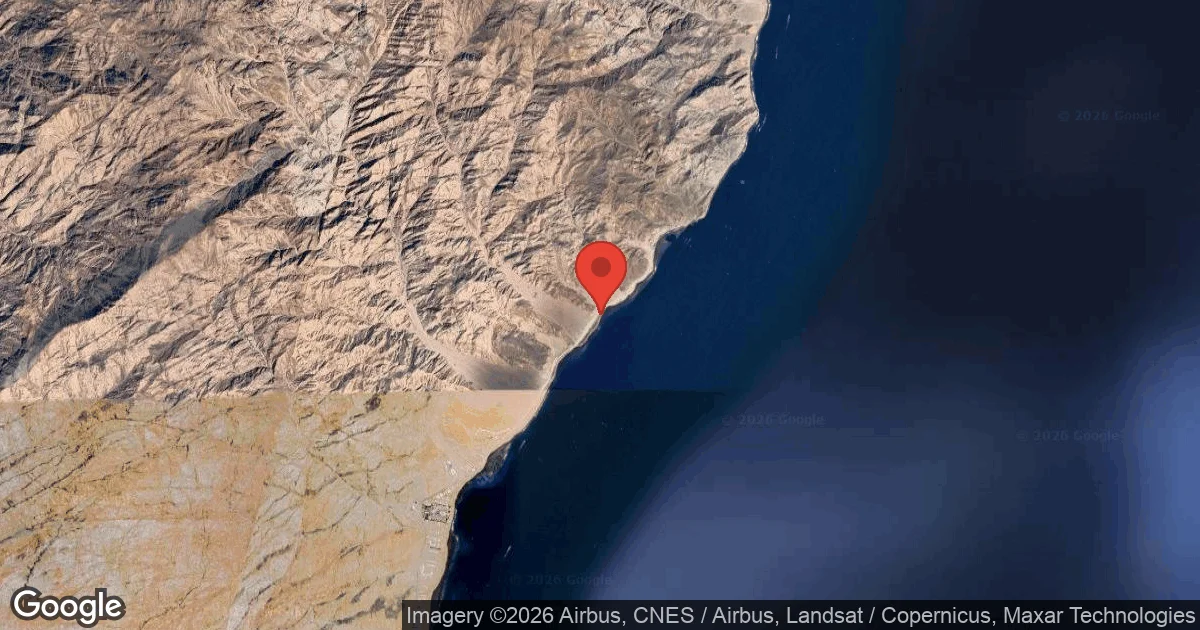
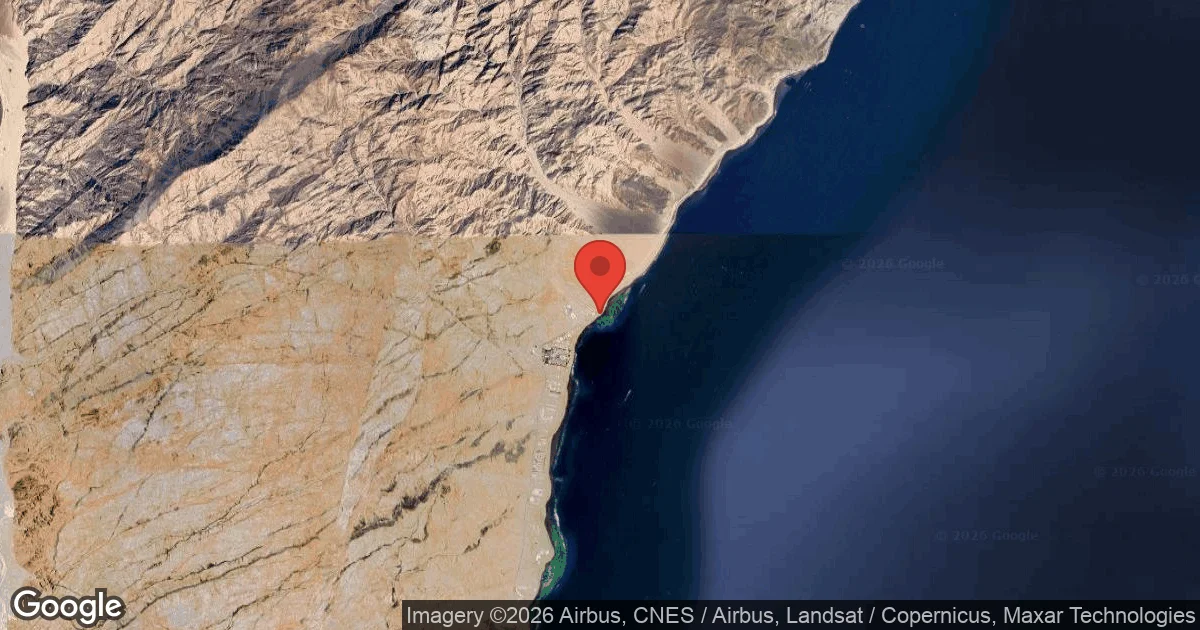
View all dive sites in EgyptDiscover more underwater gems in this area.
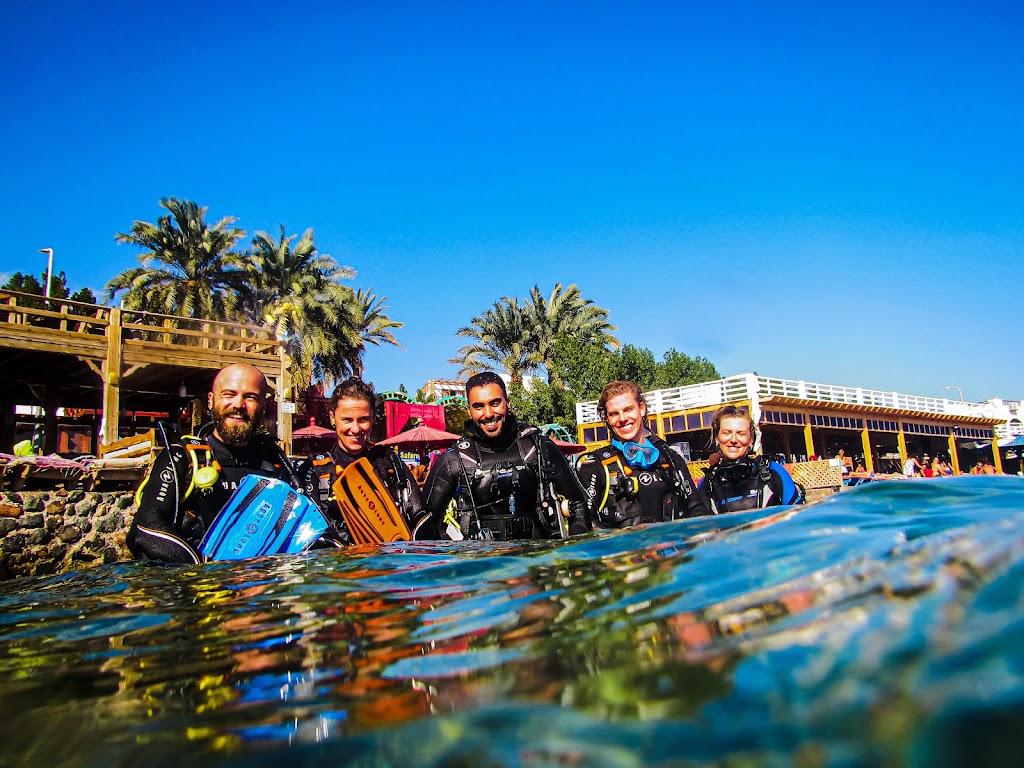
Dive Centers Near The Blue Hole
Today: 09:00 - 18:00

Nearest Airports
Nearest airports to help plan travel to this dive area.
Search Flights
Check available flights and routes on Expedia, using the nearby airports listed in this section.
Search Flights on ExpediaFrequently Asked Questions
What is the maximum depth of the Blue Hole?
Just over 100 m (330 ft) defines the Blue Hole's maximum depth. This measurement can vary slightly depending on the specific location within its non-flat bottom.
What certifications are required to dive the Blue Hole?
Recreational divers need a minimum of Advanced Open Water (AOW) or CMAS** certification for dives up to 30 m (100 ft). Technical divers planning to explore beyond recreational limits, especially through The Arch, require TDI Extended Range or TDI CCR Mixed Gas certification.
Is there an entrance fee to the Blue Hole?
A 10 USD National Park fee is required to enter the Blue Hole area; funds contribute to site maintenance and protection.
What are the operating hours for diving?
Diving at the Blue Hole operates from 8 AM. All divers must exit the water and depart the area by 4 PM.
What is 'The Arch'?
Measuring 26 m (85 ft) long, the Arch is an underwater tunnel connecting the Blue Hole to the open sea. Its ceiling is located at a depth of 55 m (180 ft), and its bottom slopes away to approximately 120 m (390 ft) on the seaward side.
Can recreational divers go through The Arch?
No, The Arch is well beyond recreational depth limits and is exclusively for appropriately trained and certified technical divers. Recreational dives typically explore the outer reef walls and cross the shallow saddle.
What is the 'Bells to Blue Hole' dive?
A popular drift dive profile, this route begins with a shore entry at 'the Bells,' a reef crack north of the Blue Hole. Divers descend, then drift along the vibrant outer reef wall, concluding their dive by crossing the shallow coral saddle back into the Blue Hole for safety stops.
Planning to dive The Blue Hole?
Send one inquiry and receive offers directly from the best verified local dive operators.
Conditions are Good
Optimal conditions expected
Current conditions near The Blue Hole show 32° air, 28° sea temperature, 0.8 m waves, and 38 km/h wind. Forecast data is refreshed regularly to ensure accuracy.