
Diving at Ras Qusier (Egypt)
Ras Quseir dive sites are primarily characterized by a fringing reef structure that often walls down to significant depths. This topography creates a diverse underwater landscape, transitioning from heavily grown walls to sandy areas interspersed with large coral blocks. Further inshore, seagrass meadows provide additional habitat, making for varied dive profiles. These formations are typical of the Red Sea coastline here, offering both sheltered bays and more exposed reef sections.
Tonight's objective overview for Ras Qusier shows an air temperature of 36°C. The measured surface conditions include wave heights around 0.8 m. This environmental data is logged for the close of the day.
Dive Site Location & Key Facts
Dive Site Overview
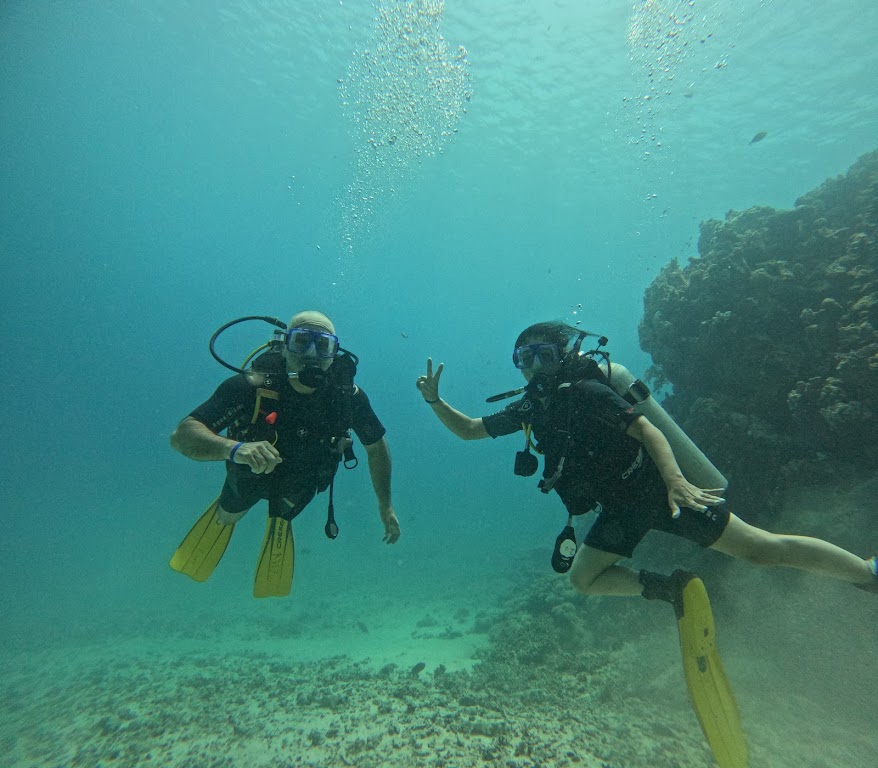
Exploring the waters around Ras Quseir offers divers a relaxed experience, often away from more crowded Red Sea destinations. Divers can easily access shore diving thanks to extensive house reefs situated directly off the beach.
For expeditions to more remote dive spots, local operators arrange trips using either comfortable dive boats, speedboats, or even minibus transfers to nearby coastal locations. The region boasts a variety of underwater structures, from vibrant coral gardens and solitary reef blocks to dramatic walls and sandy slopes descending to 40 m / 130 ft, sometimes deeper. The predominant reef structure here is fringing, with impressive walls that drop off steeply.
These diverse profiles cater to various skill levels, from shallow coral gardens perfect for newer divers to more challenging deep walls for advanced certification holders. Expect comfortable water temperatures, typically ranging between 22-27°C / 72-81°F year-round.
Beyond the main reef, interspersed large coral blocks and extensive seagrass meadows closer to shore add further habitat complexity. Dive planning in this area emphasizes flexibility, allowing divers to choose between easily accessible shore entries and boat excursions to a broader array of sites.
This approach ensures varied dive plans and minimizes congestion, maintaining the peaceful atmosphere.
Conditions are Good
Optimal conditions expected
Current conditions near Ras Qusier show 36° air, 30° sea temperature, 1.1 m waves, and 34 km/h wind. Forecast data is refreshed regularly to ensure accuracy.
Best Time to Dive
Planning a dive trip to Ras Quseir reveals favorable conditions throughout much of the year, with air temperatures providing the most notable seasonal contrast. Air temperatures range from a cooler average of 19-21°C (66-70°F) in winter months like January to March, soaring to a warmer 31-33°C (88-91°F) during the peak summer from June to August. Rainfall is negligible year-round, ensuring consistently dry surface conditions. While the dive score remains 'Good' across all seasons, those sensitive to heat might prefer the milder spring and autumn periods, which still maintain air temperatures comfortably in the mid-20s °C (70s °F).
PEAK SEASON SCORE
Scores combine air & water temps, waves, wind & rainfall for overall conditions.
BEST MONTHS TO DIVE
Monthly records compiled from satellite and marine observation nodes over the last 3 years. Data provided by Open-Meteo and MET Norway.
Dive Experience & Conditions
Divers often encounter mild to light currents within the sheltered bays and house reef areas around Ras Quseir, with some spots reporting generally flat calm surge conditions. However, other sites feature currents suitable for drift diving, where entry and exit might benefit from a rope line, indicating variable dynamics across the broader area. Visibility is generally good, often around 20 m / 65 ft, though this can fluctuate with local conditions. Depths vary considerably, with reef walls extending beyond 40 m / 130 ft in some locations, while other sites feature gently sloping sandy bottoms or coral gardens at shallower depths.
Dive Difficulty & Safety Guidelines
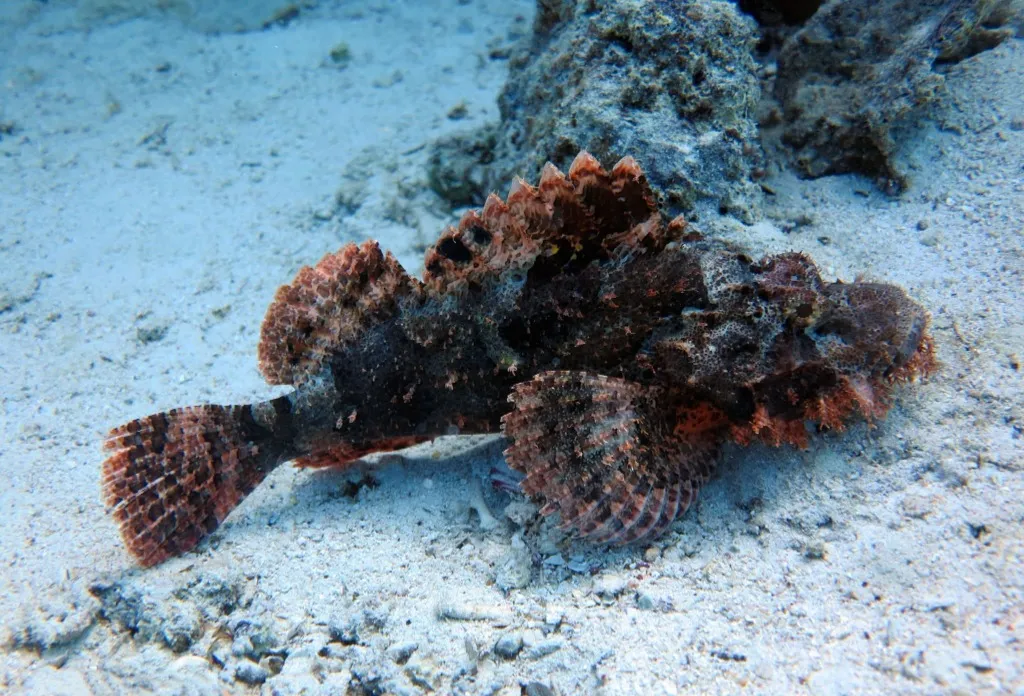
When navigating the underwater environment at Ras Quseir, divers should remain vigilant for camouflaged venomous species. Stonefish and scorpionfish are key hazards, particularly when exploring near the bottom or around coral blocks. Awareness of currents is also important, as some entries are described as drift dives where a rope can assist descent.
Always dive within your certification limits and training, and be sure to plan your dives with a reputable local guide who understands the specific site conditions. Before any dive, a thorough equipment check is essential, along with a clear understanding of the dive plan, including entry and exit points.
Divers exploring deeper sections or areas prone to currents benefit from careful briefing on local conditions, which can vary significantly between sites. Maintaining good buoyancy control is always advisable, especially to avoid contact with potentially hazardous bottom dwellers.
Local guides possess critical knowledge of specific site conditions and any temporary environmental changes, making their insights invaluable for safe and enjoyable diving.
Recommended Equipment
Current and surface separation risk. Local briefing strongly recommended.
- Dive Computer
- DSMB
- Reel / Spool
This gear list is based on verified equipment signals for Ras Qusier, Egypt. Always confirm final gear choices with your dive operator, guide, or liveaboard.
Recommended Dive Suit
In conditions like these, many divers prefer diving with dive skin or rash guard. Consider warmer surface protection (like a boat coat) due to brisk winds.
Current readings at Ras Qusier show water temperatures near 30°C (85°F). Surface air temperatures are resting at 36°C (96°F).
A modest cooling trend is expected in the upcoming forecast. Cooler days are ahead; you might want a warmer option for later in the week. Having a second exposure option available is often a good precaution.
Emergency & Medical Support
Essential information to help you plan your dive trip to Ras Qusier.

Hyperbaric chambers are a critical part of dive safety infrastructure. Availability varies significantly by region, and not all dive areas have immediate access.
Before diving, it's recommended to:
- confirm nearest medical facilities
- check emergency procedures with local dive operators
- ensure dive insurance covers evacuation if required
Divers Alert Network
Diving emergency assistance available through DAN Europe.
+39 0642115685- 24/7 emergency hotline
- Diving medical assistance
- Evacuation coordination
Emergency contacts are provided for reference. Always verify local emergency services before diving.
Marine Life at Ras Qusier
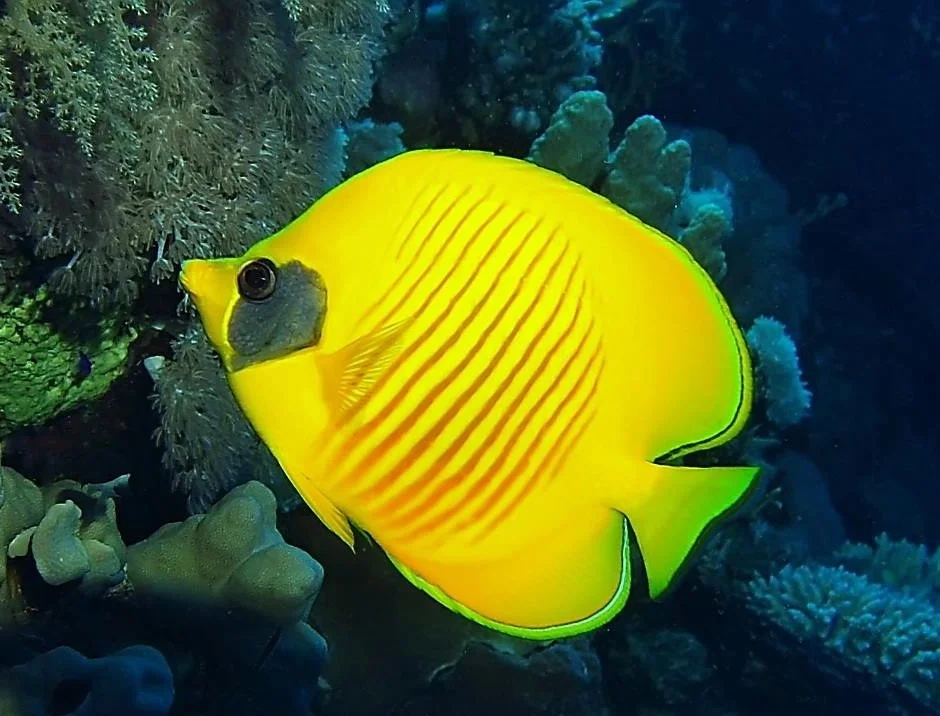
Divers frequently encounter turtles gracefully navigating the reef systems at Ras Quseir, sharing these waters with a diverse array of marine life. A variety of colorful reef-associated fish populate the vibrant coral gardens, from schools of anthias to busy butterflyfish.
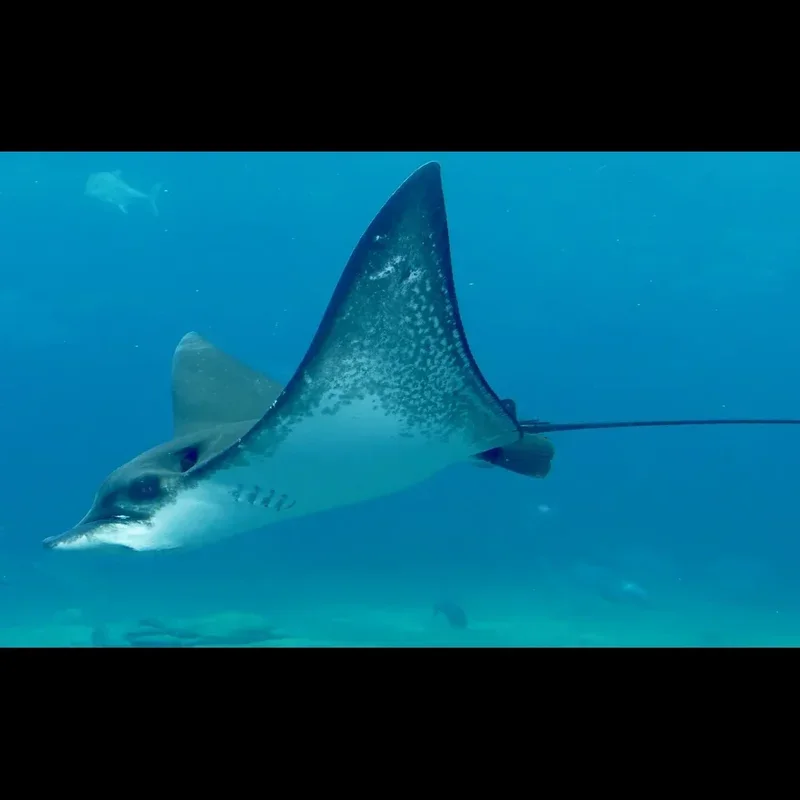
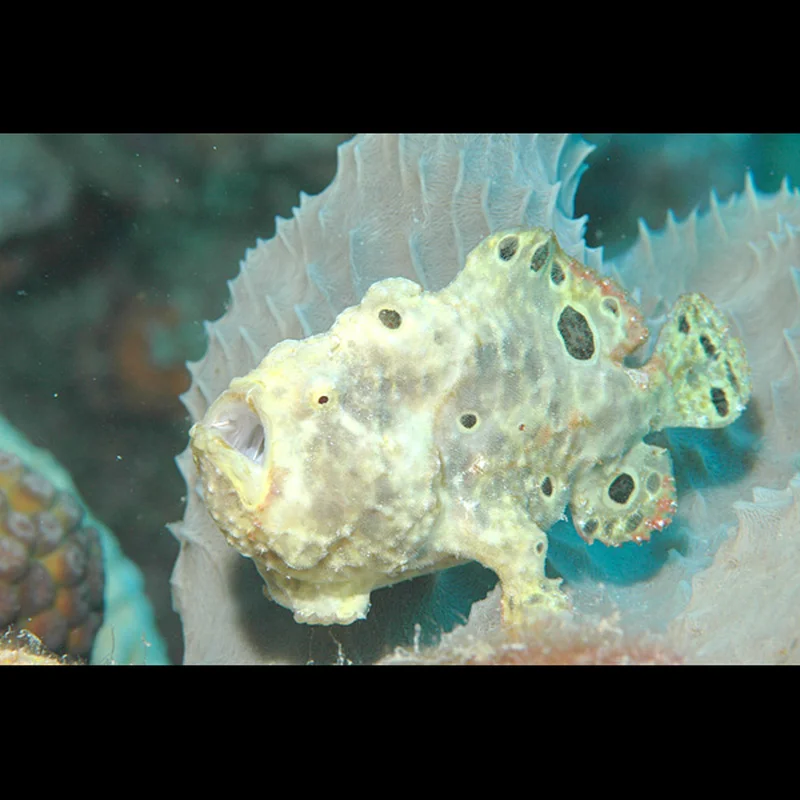
Reports also indicate sightings of rays gliding through the blue or resting on sandy patches. More attentive observation might reveal creatures like ghostpipefish, frogfish, and scorpionfish camouflaged expertly against the coral structures.
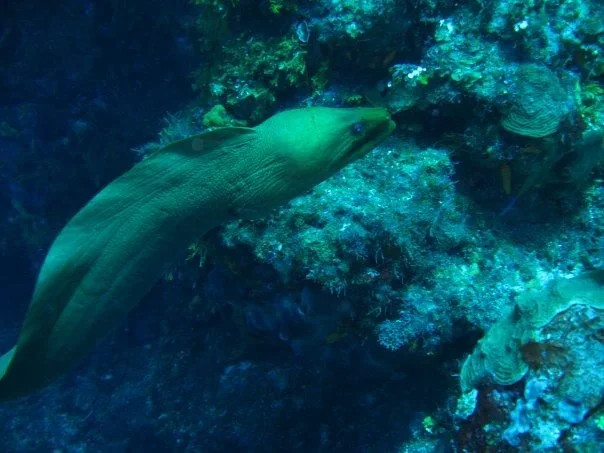
Look closely into crevices for moray eels. The extensive seagrass meadows further support juvenile fish and occasionally attract larger green turtles, enhancing the rich biodiversity of these Red Sea sites.
Dive Centers Near Ras Qusier
Nearest Airports
Nearest airports to help plan travel to this dive area.
Search Flights
Check available flights and routes on Expedia, using the nearby airports listed in this section.
Search Flights on ExpediaFrequently Asked Questions
What is the typical water temperature at Ras Quseir?
Water temperatures generally remain warm and comfortable for diving. They typically range from 22-24°C (72-75°F) in winter months to a warmer 25-27°C (77-81°F) during summer. This allows for enjoyable diving year-round, often with a 3mm or 5mm wetsuit.
Are there shore diving opportunities at Ras Quseir?
Yes, Ras Quseir is known for its extensive house reefs, providing convenient shore diving access directly from the beach. This makes it accessible for divers of various experience levels to explore without needing boat transfers for every dive.
What kind of marine life can I expect to see?
Divers frequently encounter green turtles and various rays, including bluespotted ribbontail rays. The reefs host a wide array of colorful fish, moray eels, and smaller, camouflaged creatures such as ghostpipefish, frogfish, and scorpionfish.
How are currents generally at Ras Quseir dive sites?
Currents vary significantly across the dive sites. Sheltered bays and house reefs often have mild to light currents, or even flat calm surge. However, some more exposed sites feature currents suitable for drift diving, requiring careful entry and exit planning.
What are the common depth ranges for diving here?
Dive profiles at Ras Quseir are diverse. Many sites feature gently sloping sandy bottoms or coral gardens at shallower depths, while reef walls can extend to significant depths in some locations, offering options for both recreational and technical divers.
Is Ras Quseir suitable for beginner divers?
Yes, the region offers several sites ideal for beginners, particularly the shallow house reefs and sheltered bays with minimal current. These areas provide excellent opportunities for skill development and enjoying vibrant coral gardens.
What are the best ways to access dive sites beyond the house reef?
To reach more remote or specific dive sites, local operators arrange trips. This typically involves comfortable dive boats, speedboats for quicker access, or even minibus transfers to other nearby coastal dive spots.
Are there any specific safety concerns divers should be aware of?
Vigilance for camouflaged venomous species like stonefish and scorpionfish is important, especially near the bottom. Always be aware of potential currents, particularly at drift dive sites, and plan your dives with experienced local guides.
Planning to dive Ras Qusier?
Send one inquiry and receive offers directly from the best verified local dive operators.
Conditions are Good
Optimal conditions expected
Current conditions near Ras Qusier show 36° air, 30° sea temperature, 1.1 m waves, and 34 km/h wind. Forecast data is refreshed regularly to ensure accuracy.